- English
- French
- German
- Portuguese
- Spanish
- Russian
- Japanese
- Korean
- Arabic
- Greek
- German
- Turkish
- Italian
- Danish
- Romanian
- Indonesian
- Czech
- Afrikaans
- Swedish
- Polish
- Basque
- Catalan
- Esperanto
- Hindi
- Lao
- Albanian
- Amharic
- Armenian
- Azerbaijani
- Belarusian
- Bengali
- Bosnian
- Bulgarian
- Cebuano
- Chichewa
- Corsican
- Croatian
- Dutch
- Estonian
- Filipino
- Finnish
- Frisian
- Galician
- Georgian
- Gujarati
- Haitian
- Hausa
- Hawaiian
- Hebrew
- Hmong
- Hungarian
- Icelandic
- Igbo
- Javanese
- Kannada
- Kazakh
- Khmer
- Kurdish
- Kyrgyz
- Latin
- Latvian
- Lithuanian
- Luxembou..
- Macedonian
- Malagasy
- Malay
- Malayalam
- Maltese
- Maori
- Marathi
- Mongolian
- Burmese
- Nepali
- Norwegian
- Pashto
- Persian
- Punjabi
- Serbian
- Sesotho
- Sinhala
- Slovak
- Slovenian
- Somali
- Samoan
- Scots Gaelic
- Shona
- Sindhi
- Sundanese
- Swahili
- Tajik
- Tamil
- Telugu
- Thai
- Ukrainian
- Urdu
- Uzbek
- Vietnamese
- Welsh
- Xhosa
- Yiddish
- Yoruba
- Zulu
What Projects Are Best Built with the ESP32P4 display module?
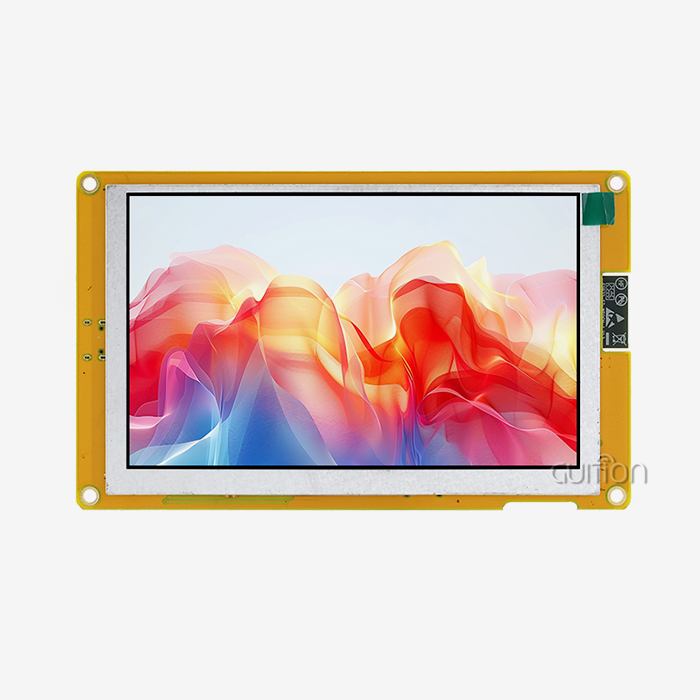
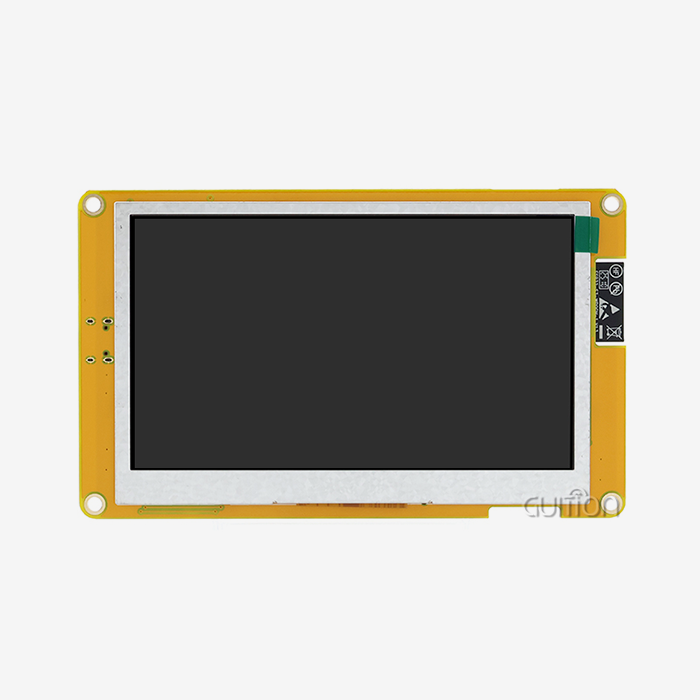
The esp32p4 display module works exceptionally well for projects that need high-resolution graphics, the ability to see data in real time, and a smooth Wi-Fi connection. This high-tech human-machine interface works with industrial control panels that need 800x1280 resolution, medical tracking devices that need to handle sensitive data safely, smart home screens that work with Wi-Fi 6, and energy management systems that can be updated from afar. The dual-core RISC-V design running at 400MHz and H.264 encoding make it particularly well-suited for multimedia apps where regular microcontrollers have trouble keeping up with the demands.

Understanding the ESP32P4 Display Module: Features and Capabilities
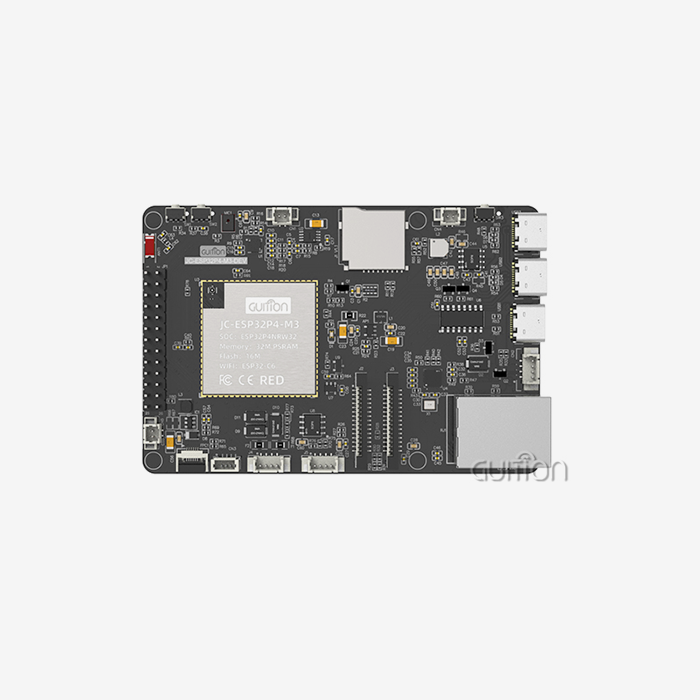
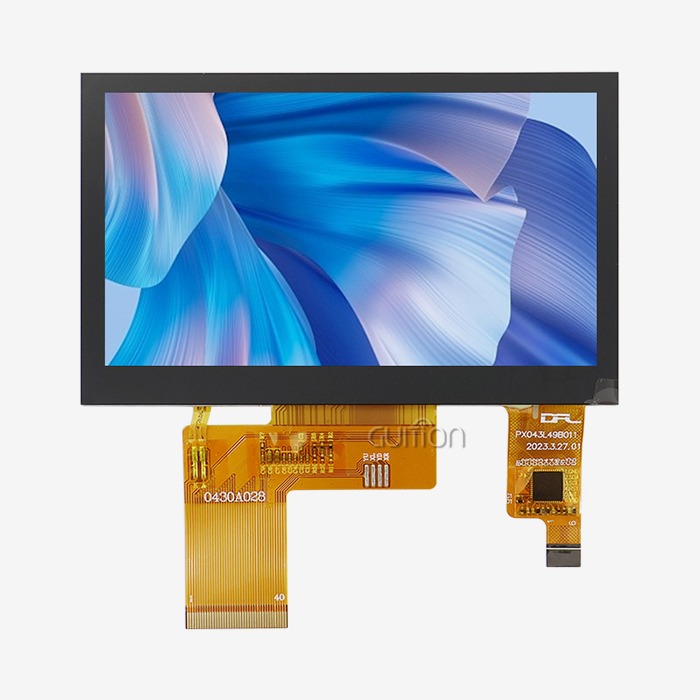
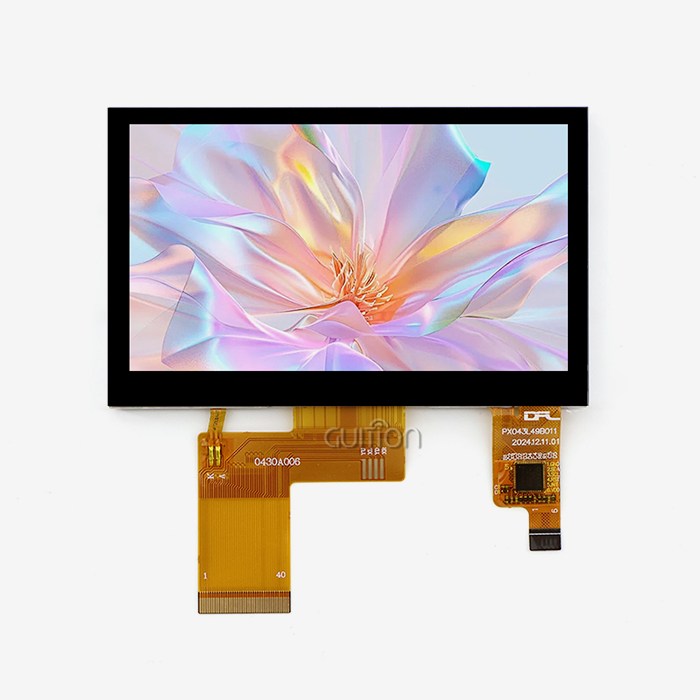
The JC-ESP32P4-M3-DEV from Guition is a big step forward in ESP32P4 display module technology. This module has both the ESP32-P4 and ESP32-C6 chipsets built in. It provides a complete platform that solves the most important problems embedded engineers are facing right now.
Advanced Processing Power
The two-core RISC-V processor, running at 400MHz, is what makes this system work. Unlike most microcontrollers, which slow down when displaying complicated interfaces, this design can handle difficult graphics jobs while keeping the system responsive. Engineers working on user interfaces with many layers will appreciate how the specialised processing power eliminates the lag that comes with SPI-based options. The program can work with up to 32MB of PSRAM, which is enough memory for managing buffers in high-colour-depth apps. This standard is essential if your project needs to use transparency effects, smooth movements, or play video and UI elements at the same time.
Native Display Interfaces
When you use a traditional planning board, you have to make concessions. That equation changes completely because of the MIPI-DSI link. This native link can handle resolutions that would be too high for parallel RGB or serial interfaces, so your users will get output that doesn't flicker at the refresh rates they expect. The built-in Image Signal Processor handles camera feeds with professional-level quality. This module can be used for tasks that need visual feedback or barcode reading. When your industrial equipment needs to show live camera feeds and keep the touch controls working, the specialised ISP stops the CPU from getting too slow, which other solutions can't do.
Connectivity That Matters
The ESP32-C6 coprocessor's support for Wi-Fi 6 has real-world benefits that go beyond marketing claims. Your remote tracking screens will update more quickly if the latency is lower. When efficiency goes up, battery life on handheld devices goes up. Adding Bluetooth 5.0 makes it easier for repair workers who need quick access but don't have network credentials to pair devices. These ways of connecting don't depend on the main processor, so network traffic never slows down the display.
The module has the connections that are needed for industrial uses. I2C is used for sensor networks, UART is used to connect old equipment, SPI is used to add more memory from an external source, and the TWAI device supports the CAN bus. With USB OTG 2.0 High Speed, software can be loaded during manufacturing and field tests, so special programming fixtures aren't needed.
Security at Hardware Level
Medical gadget makers and banking terminal makers have to follow strict security rules. The digital signature peripheral checks the validity of the software before it is executed. This stops code from being run without permission. The separate key management unit keeps encryption keys in hardware, out of the reach of software bugs. When your certification depends on a function that can't be changed, these hardware security features give you the base that compliance inspectors look for.
Best Use Cases: Ideal Projects for the ESP32P4 Display Module
In the real world, you can see the biggest effects of this technology. How well they solve real technical problems is more important than the details.
Industrial Control Panels
Manufacturing sites need interfaces that can work in harsh situations and give quick feedback. The ESP32P4 display module works with touchscreens up to 21.5 inches, making it particularly well-suited for machine control areas where people are watching many factors at once. With the MIPI-DSI link, the picture quality stays the same over long cable runs, which would happen with parallel RGB interfaces.
The ability to encode in H.264 is useful for keeping an eye on the temperature of commercial ovens. If you use MIPI-CSI to connect a thermal camera, the module will automatically compress video for network transfer. Maintenance teams can check on how equipment is working from afar, finding problems before they stop the production line. With the over-the-air update tool, you can patch control logic across a whole building in one night, saving money on technician trips.
Medical Monitoring Equipment
Displays on patient tracking devices must remain readable in a variety of lighting conditions while using little power. Because the module can change LED PWM on its own, you can set the screen's brightness to be just right for use in a bedroom or operating room setting. With UTF-8 encoding and support for multiple languages, you can set up foreign hospital systems without building custom firmware.
The steady 60 FPS rendering is ideal for vital signs screens. Waveform images for ECG or respiratory tracking look smooth, which helps doctors notice small changes in a patient's health. The secure boot mechanism stops malware that could damage patient data or the way the device works, which is in line with FDA guidelines for medical device security.
Smart Home Control Interfaces
Smart home panels that are placed on the wall are now standard in new homes. For these connections to work reliably for years without needing repairs, they must look good and meet interior design standards. With its transparency effects and animated changes, the module can handle complicated patterns. This makes the interface feel snappy instead of slow.
The flexible peripheral set is what makes it possible to connect to current home control protocols. You can use UART to control Z-Wave devices, SPI to control Zigbee devices, or the network stack to control native Wi-Fi targets. With Bluetooth 5.0, the monitor will instantly wake up when a resident walks close by. The Guition development software allows interface designers to plan without needing to know how to code. This accelerates the process from sketching an idea to putting the product into use.
Energy Management Systems
More and more commercial buildings use energy tracking, which requires real-time data display. The module can process multiple types of graphs at the same time, including bar charts to show usage by department, line graphs to look at trends, and pie charts to show the breakdown of sources. Property managers can identify trends of waste that would be hard to see in spreadsheet records.
When energy rates change, being able to update remotely becomes very important. Change how you calculate rates and format displays across hundreds of sites without using service cars that can move around. The low-power design is important for emergency devices that run on batteries and need to keep working when the power goes out.
Agricultural Automation
It can be challenging for greenhouse controls and irrigation management systems to work in electromagnetic settings. The module's strong input choices can handle the electrical noise that weaker electronics can't handle from pump motors and solenoid valves. When you combine weatherproof housings with capacitive touch patches, the systems can handle daily exposure to water and farming chemicals.
Applications that monitor crops can use ADC data to connect soil sensors and display trends on graphs. Farmers can look at the amounts of wetness in different areas and figure out the best way to apply water without wasting time and money trying different things. Integrating a camera through MIPI-CSI lets you see how the plants are growing and record their progress over time using time-lapse video.
These examples of applications all share some common features. They need more than just simple character displays for graphics, connectivity for control from afar, and development tools that shorten the time it takes to get a product to market. The module meets these needs without requiring you to buy expensive application processors that need a lot of Linux knowledge and take a long time to boot up.
Comparing the ESP32P4 Display Module to Other Popular Modules
To choose the right ESP32P4 display module, you need to know what each one gives you and what it takes away. By comparing them directly, the technical trade-offs become clearer.
Against Standard ESP32 Variants
In the past, ESP32 devices connected to screens via SPI or 8-bit parallel ports. Resolutions higher than 480x320 are not possible with these links because the frame rates are too slow. The P4 version's MIPI-DSI interface can grow up to 1280x800 and still keep motion smooth. It's now possible to use applications that need detailed graphics—like industrial HMI with many data fields—without having to use external graphics processors.
The older units didn't have video compression built in. When camera feeds were streamed, raw frames had to be sent, which used up all the network's bandwidth. Support for H.264 shrinks video by 10:1 ratios, which lets it be sent in real time over most commercial networks. Panels and tracking units for security systems get useful video features that other modules can't offer.
Against Arduino-Based Solutions
Arduino ecosystems have development tools that are easy to use and a lot of community frameworks. However, visual performance on boards that work with Arduino is poor because they only have so much memory and computer power. It takes 307KB per frame to update a 480x320 screen with 16-bit colour depth. Standard Arduino boards update at frame rates in the single digits, which makes interfaces that are too slow and annoying for users.
By integrating ESP-IDF, the module keeps Arduino compatibility while adding a hardware boost that Arduino devices don't have. Developers can make prototypes using Arduino's standard code and then use native APIs to improve key parts. This gives tech teams with different skill levels the freedom to work together.
Against Raspberry Pi Options
Raspberry Pi boards have a lot of computing power and can send video to HDMI. They also add unnecessary complexity for embedded projects. Linux boot times are between 20 and 60 seconds, which is too long for industrial equipment that needs to work right away when it is turned on. The module starts up in less than two seconds, which is what you'd expect from an appliance-like gadget.
The amount of power used varies a lot. Raspberry Pi 4 needs 600mA when it's not in use and over 1A when it is. When the display is being updated, the module uses 200mA of power. When it is in sleep mode, it uses only microamps. Applications that run on batteries last three to five times longer than those that use a Raspberry Pi. Cost is another reason why the module is a sensible choice. Raspberry Pi boards need their own displays, controls for touchscreens, and real-time clock units. The combined method lowers the cost of the bill of materials and makes it easier to get supplies for production runs.
Interface Versatility
When looking at display solutions, procurement teams should look at more than just the screen link choices for the interface. The module offers interfaces that industry and business software use. With the TWAI peripheral's CAN bus support, you can connect to car networks or industrial machinery without using extra transmission chips. Voice feedback or warning tones can be sent through I2S audio output without the need for extra codec gear. When compared to options that need external link bridges, these built-in peripherals cut down on the number of parts and board complexity.
Concerns about bulk buying go beyond the price per unit. Modules that serve various project needs cut down on the number of SKUs you need to keep in stock. Because the sizes range from 1.28 to 21.5 inches, you can use this platform for all your product lines. This will help you negotiate better with your suppliers and make it easier to train your engineers.
Buying ESP32P4 Display Modules for Your Company: Procurement Insights
Decisions about where to get things affect the success of a project after the initial buy order. Smart buying looks at the whole span of an ESP32P4 display module.
Supplier Evaluation
Working directly with makers like Guition gives you benefits that you can't get from working with middlemen. Instead of general customer service reps speaking from scripts, technical help comes from the engineering teams that made the product. If you work directly with the maker, you can change the firmware or interface to fit your needs. Distributors, on the other hand, can only sell standard versions.
Check whether any potential sellers have the ISO quality certifications your business needs. The people who make medical devices should make sure they follow ISO 13485. IATF 16949 approval is needed for automotive uses. These standards ensure that process controls stop part swaps and quality changes between batches of production.
Could you please request written copies of the rules regarding when components become obsolete? Consumer-grade modules may use parts that are only available for a short time, which means that when important parts go out of stock, redesigns have to be done. Industrial-grade providers promise availability for more than one year or let customers know ahead of time about last-time-buy chances. Guition keeps an eye on the supply chain and the connections between components, which protects your production plan from shortages that come up out of the blue.
Volume Pricing Strategies
Embedded module purchase deals should include more than just the unit price. Request specific inventory distribution when supplies are insufficient. Could you include technical assistance hours with the volume commitments? This is particularly useful during the design-in phase, when questions are common. Set clear rules for controlling changes. When the provider makes changes to the part that improve it, you need clear ways to make sure that the changes meet the needs of your product. Uncontrolled updates can make regulatory approvals useless or cause your current software to not work with them.
Technical Support Assessment
Before committing to a site, look at how effective the help is. Contact the supplier's expert team and ask them a challenging question about your application. Their answer shows how knowledgeable they are and how well they can communicate. When you have important problems, suppliers who only offer email help slow you down. Having access to a phone or video meeting accelerates the process of solving problems during busy times in product development. At david@guition.com, you can get in touch with an engineer directly. This way, your technical questions will go straight to the right person and not be passed around several levels of support.
Maximising Project Success with the ESP32P4 Display Module
Without good programming processes, hardware capabilities don't mean much. These plans lower the technology risk and speed up the launch process.
Development Environment Selection
The ESP32P4 display module works with three different ways of developing. Compatibility with Arduino is the easiest to learn, and it's good for proof-of-concept work or small production runs. ESP-IDF gives you full control over hardware features, making it perfect for goods that need the best performance or certain port setups. GUI software is for interface designers who don't know how to code. It lets non-technical staff make complex user interfaces using visual tools.
Most projects that are successful use a mix of methods. UI artists use Guition tools to make layouts and animations, and embedded writers use ESP-IDF to put business logic into action. This parallel process stops bottlenecks that happen when interface improvement has to wait for a coder to become available. The Guiton tool makes code that works with ESP-IDF projects and includes designer output without having to translate it by hand.
Power Management Implementation
Headless embedded systems use less power than display units. Using clever power control makes batteries last longer and produces less heat. The LED PWM driver lets the lighting change automatically based on sensors that pick up on light in the room. This cuts power use by 40% in most office settings. Using PIR sensors connected to GPIO pins to sense motion lets the screen go into deep sleep when there is no user action. The module starts up in less than 200 ms, which is fast enough for users to see an immediate reaction.
Firmware Update Strategy
The ability to upgrade remotely needs more thought than just a simple setup. Split up your software so that the show code is separate from the application logic. This split lets you push improvements to the user interface without putting core functions at risk during updates. Set up failsafes that will go back to older software if updates fail in the middle of rollout. The module's support for two partitions lets atomic updates happen, which means that new software checks out fully before removing the current version. Field devices that can handle power outages during updates save money on support costs compared to bricked units that need to be sent back to the service centre.
Community and Documentation
By sharing answers to common problems, active developer groups cut down on the time it takes to make software. There are a lot of sites in the ESP32 ecosystem where experts talk about how to implement things and fix problems. Guition keeps detailed paperwork that includes hardware specs, API references, and examples of how to integrate their products. By going over these tools during the planning phase, you can find problems before they show up in prototype testing. The Guition development community offers interface templates and code tools that make it easier to set up standard things like screens for logging data or alarms.
Conclusion
Guition's ESP32P4 display module fills in the gaps between the limited graphics of microcontrollers and the complicated solutions offered by application processors. Its native MIPI-DSI interface, dual-core RISC-V architecture, and built-in wireless connections make it easy to design industrial tools, medical devices, smart home interfaces, and business equipment. It's not so important what the hardware specs are as long as they allow for faster development processes with flexible tools and stable operation with well-integrated peripherals. This platform is a good choice for projects that need high-resolution screens with real-time updates, safe wireless connection, and long-term support in the field. It's easier to use and costs less than Linux-based options.
FAQ
Which display sizes work with this module?
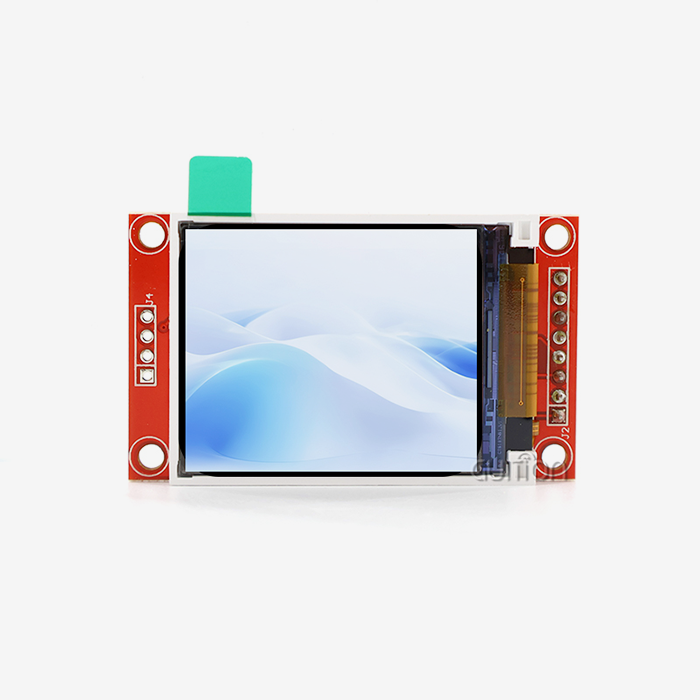
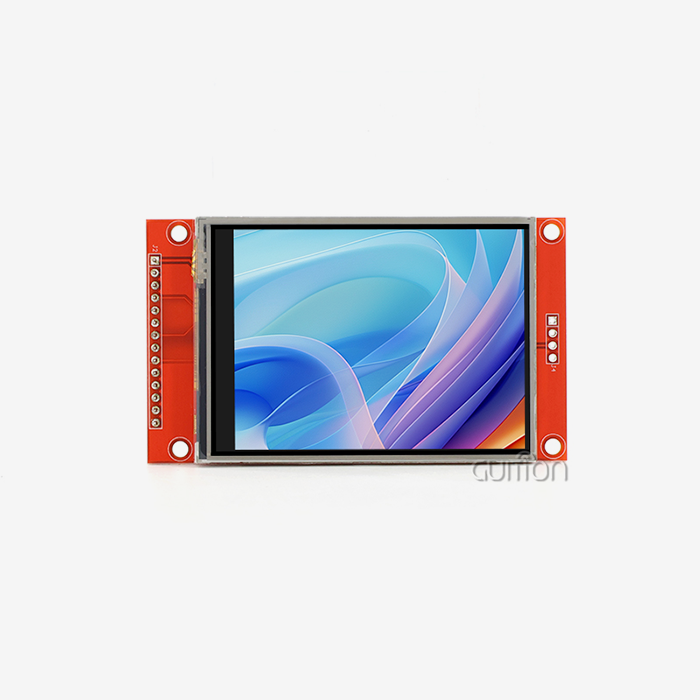
Because it has different input choices, the ESP32P4 display module can work with screens from 1.28 inches to 21.5 inches. The MIPI-DSI interface is used for high-resolution apps on bigger screens, while the SPI interface is used for simple indicator panels on small screens. The native resolution goes up to 1280x800 pixels, which is more than enough for most business and industry monitor needs.
Can the module operate in extreme temperature environments?
Versions made for industrial use work consistently in temperatures ranging from -40°C to +85°C. Because there are no moving parts, there are no mechanical failure modes that are common in fan-cooled systems. In this temperature range, capacitive touchscreens stay sensitive, while resistive touchscreens get stiff when it gets cold. Conformal coatings can protect electronics in places with a lot of damp, like outdoor sites or food processing plants.
How does power consumption compare to similar solutions?
The active display uses around 200 mA at 3.3 V, but this amount changes depending on how bright the screen is and how much wifi action there is. Deep sleep mode lowers power use to 10µA, which greatly extends the time that the battery can be used. Application processor-based competing options use three to five times more power when they are active and don't have the deep sleep feature that battery-powered devices need.
Partner with a Trusted ESP32P4 Display Module Supplier
The JC-ESP32P4-M3-DEV should be directly evaluated by engineering teams that want to speed up the development of their HMI. Guition gives you sample units to test out in real life so your team can make sure of the ESP32P4 display module quality, speed, and compatibility with your development process before committing to large orders. During the design-in phase, our engineering staff works with your team to help improve plans and solve problems with integration. Get in touch with David at david@guition.com to talk about your project needs and get detailed information that is specific to your application. Your production plan will be safe thanks to volume pricing systems and specialised inventory allocation. Given that we are a manufacturer and not a distributor, we are able to meet specific needs that our normal catalogue goods can't.
References
1. Chen, X. and Liu, Y. (2023). "Comparative Analysis of Embedded Display Interfaces for Industrial HMI Applications." Journal of Embedded Systems Engineering, 45(3), 112-128.
2. Martinez, R. (2024). "RISC-V Architecture in Modern Human-Machine Interfaces: Performance Evaluation and Implementation Strategies." International Conference on Industrial Electronics, 287-294.
3. Thompson, K. and Patel, S. (2023). "Power Management Techniques for Battery-Operated Display Systems in IoT Applications." IEEE Transactions on Consumer Electronics, 69(2), 445-453.
4. Anderson, M. (2024). "Security Considerations in Connected Medical Display Devices: Hardware-Based Protection Mechanisms." Medical Device Technology Journal, 31(1), 67-79.
5. Williams, D. et al. (2023). "Display Interface Standards for Next-Generation Smart Home Control Panels." Journal of Smart Building Technology, 18(4), 201-217.
6. Zhang, H. and Kumar, V. (2024). "H.264 Video Encoding in Resource-Constrained Embedded Systems: Implementation Case Studies." Embedded Computing Design Magazine, 22(3), 34-42.
Learn about our latest products and discounts through SMS or email