- English
- French
- German
- Portuguese
- Spanish
- Russian
- Japanese
- Korean
- Arabic
- Greek
- German
- Turkish
- Italian
- Danish
- Romanian
- Indonesian
- Czech
- Afrikaans
- Swedish
- Polish
- Basque
- Catalan
- Esperanto
- Hindi
- Lao
- Albanian
- Amharic
- Armenian
- Azerbaijani
- Belarusian
- Bengali
- Bosnian
- Bulgarian
- Cebuano
- Chichewa
- Corsican
- Croatian
- Dutch
- Estonian
- Filipino
- Finnish
- Frisian
- Galician
- Georgian
- Gujarati
- Haitian
- Hausa
- Hawaiian
- Hebrew
- Hmong
- Hungarian
- Icelandic
- Igbo
- Javanese
- Kannada
- Kazakh
- Khmer
- Kurdish
- Kyrgyz
- Latin
- Latvian
- Lithuanian
- Luxembou..
- Macedonian
- Malagasy
- Malay
- Malayalam
- Maltese
- Maori
- Marathi
- Mongolian
- Burmese
- Nepali
- Norwegian
- Pashto
- Persian
- Punjabi
- Serbian
- Sesotho
- Sinhala
- Slovak
- Slovenian
- Somali
- Samoan
- Scots Gaelic
- Shona
- Sindhi
- Sundanese
- Swahili
- Tajik
- Tamil
- Telugu
- Thai
- Ukrainian
- Urdu
- Uzbek
- Vietnamese
- Welsh
- Xhosa
- Yiddish
- Yoruba
- Zulu
What Projects Are Best Built with Graphic LCD display module Screens?
Graphic LCD display modules are necessary parts for projects that need high-resolution visual output because they are durable and allow precise control of pixels. These modules don't just show characters; they also have complicated images, real-time data visualisations, and easy-to-use user interfaces. Industrial automation systems, medical tracking equipment, consumer gadgets with built-in controllers, car dashboard displays, and IoT-enabled smart home control panels are all projects that would benefit most from Graphic LCD display modules. Because they are reliable across a wide range of temperatures, use little power, and can be read clearly in direct sunlight, they are the first choice for engineers and product managers who are making scalable, future-proof HMI solutions for a wide range of use cases.

Understanding Graphic LCD Display Modules: Key Concepts and Benefits
Graphic LCD display modules differ from character-based displays due to their pixel-addressable architecture. These modules display pixels in flexible groupings instead of preset character sets. This displays bespoke typefaces, complex graphics, and shifting visual content. This feature alters embedded device communication.
The power-controlled liquid crystal technology controls light flow. Electricity in particular cells moves liquid crystals, enabling or blocking sunlight and producing patterns. Controllers like the ST7265 adjust pixels and process host microcontroller commands using standard communication interfaces.
These units provide several essential benefits for businesses and industries. They utilise microamperes only when the screen is silent, unlike OLEDs, which use power continuously. Industrial units are temperature stable between -20°C and 70°C and have faster response times than consumer-grade choices. Outdoor instruments, cold storage, and heated industrial settings need this reliability.
Technical Architecture and Performance Characteristics
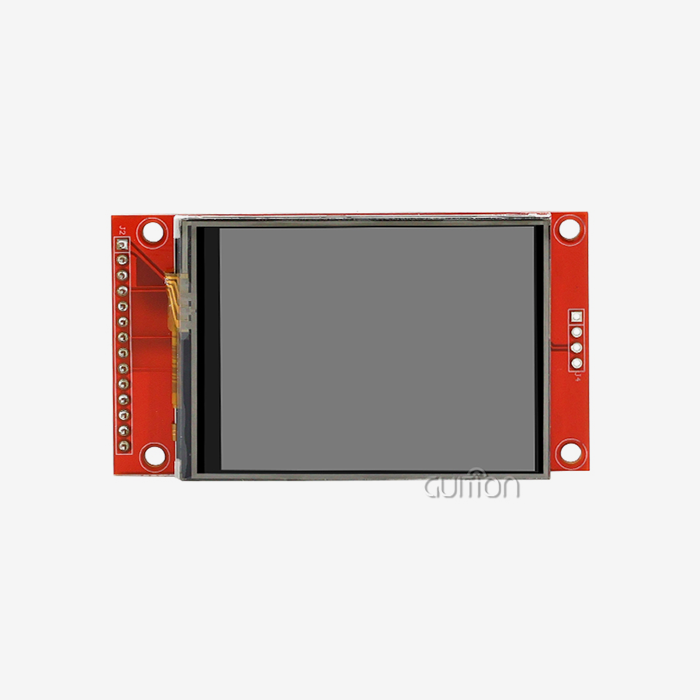
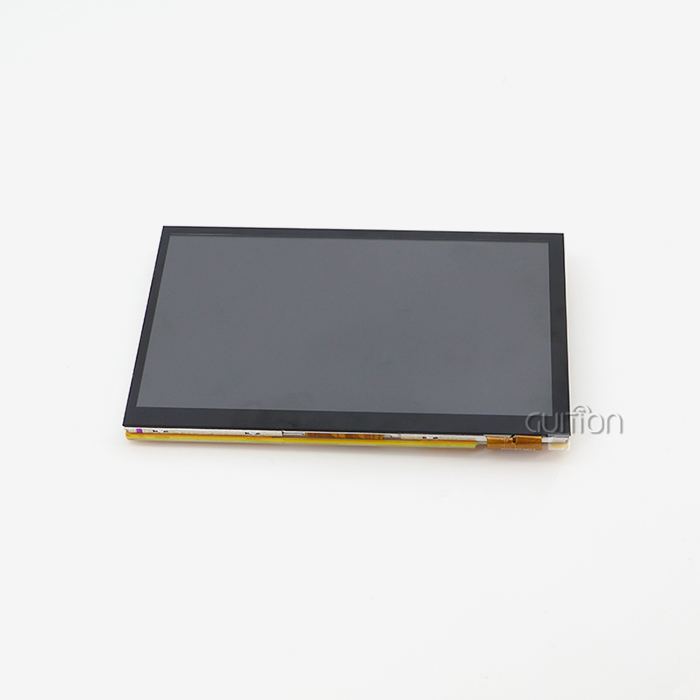
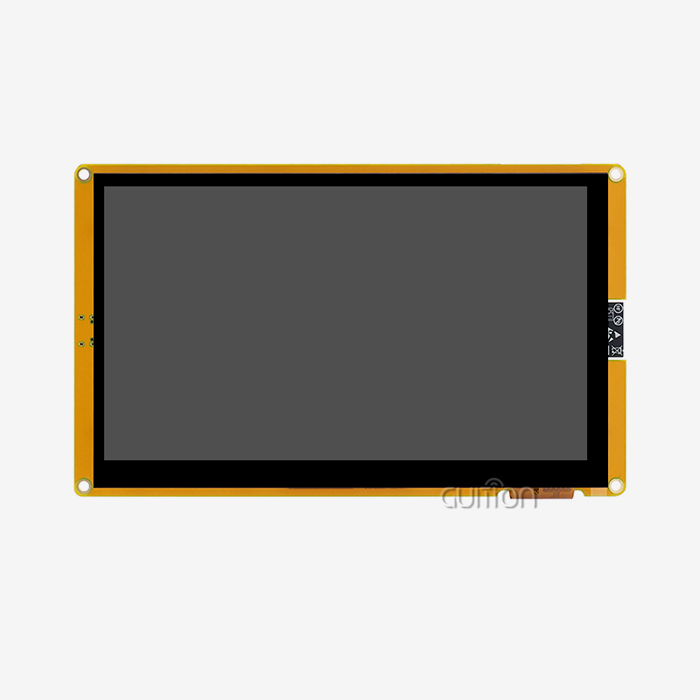
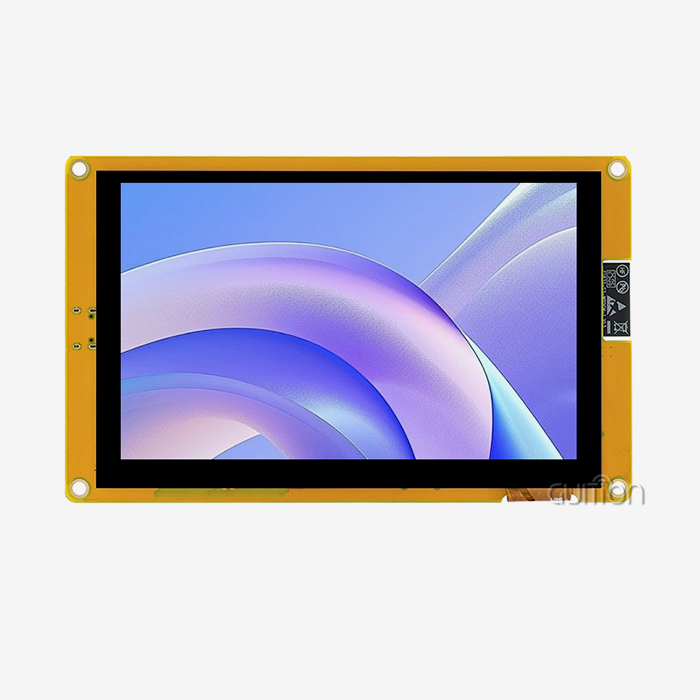
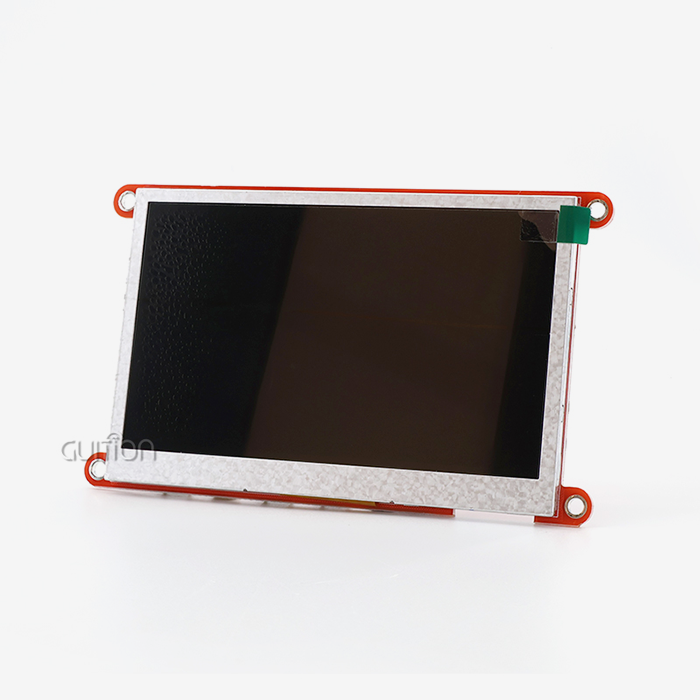
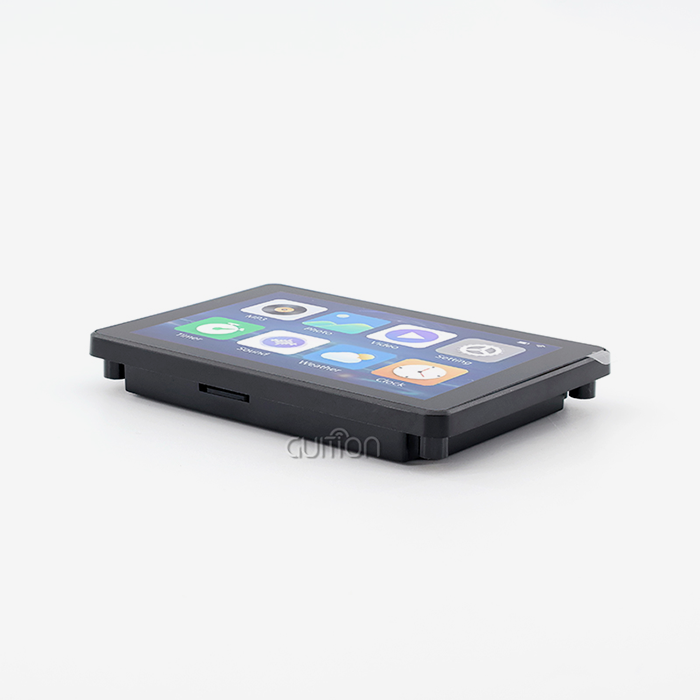
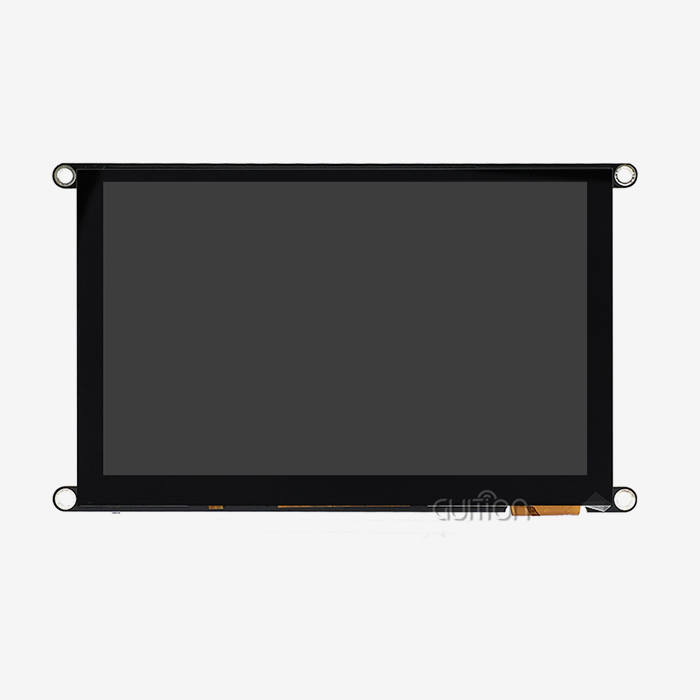
Graphics display resolutions range from 128x64 for mobile devices to 800x480 for control interfaces. The Guition JC8048B043N is a high-resolution option with 800x480 pixels and 16.7 million RGB colours. This 4.3-inch module helps space-constrained designers balance screen space with modest dimensions.
Display technologies include STN, FSTN, and enhanced IPS. To eliminate colour dispersion, FSTN uses delay films. This produces high-contrast black-and-white images that are used in business and medicine. IPS panels like Guition's maintain colour and clarity at all angles. When numerous workers view control panels from different locations, this is crucial.
Interface standards affect integration difficulty and success. Parallel interfaces (6800/8080 standard) need several GPIO pins but have greater refresh rates for animation-heavy apps. RGB connections send colour data directly, allowing for rich visual experiences without conversion. Serial methods like SPI conserve microprocessor pins, making them ideal for limited-pin systems. They may be slower for full-screen updates.
Advantages Over Alternative Display Technologies
Compare Graphic LCD modules to OLED and TFT panels to see their strengths. OLEDs are brighter and have better viewing angles, but they are more expensive and can burn in static material, making them unsuitable for factories that display information constantly. Colourful conventional TFTs use more power and are hard to see outside.
Graphic LCD panels are fast, cheap, and durable. Transflective polarisers outperform OLEDs and TFTs under sunshine. Continuous operation can last 10 years. This meets building project and medical equipment dependability concerns, where repair prices exceed original parts.
Quality certificates are essential when buying from other companies. RoHS and REACH modules are eco-friendly and approved internationally. ISO 9001-certified production ensures polariser lamination and liquid crystal alignment. Reduce manufacturing delays by reducing faults and field failures.
Top Projects Best Built with Graphic LCD Display Modules
Graphic show features are especially helpful for some types of projects. Engineers can better match technology to application needs when they know where these parts offer the most value.
Industrial Automation and Control Systems
HMI panels operate manufacturing PLCs, CNC equipment, and robotics with graphic screens. These places require screens to withstand electromagnetic radiation, mechanical movements, and 24-hour use. Vector plots on graphic LCD display modules provide real-time production data, machine status, and hazard alarms better than character-based alternatives.
In this case, temperature flexibility is important. Production floors range from hot (welding) to cool (processing). Industrial units like the JC8048B043N work well in temperatures from -20°C to 70°C. Operators depend on this dependability during time-sensitive tasks when a damaged display could threaten worker safety or product quality.
Complex 800x480 user interfaces can display multiple data lines. Using easy graphical interfaces, maintenance workers may obtain diagnostic data, change process settings, and view past trends. Complex graphics minimise errors and simplify learning compared to text-only interfaces.
Medical Device Applications
Displays in medical equipment must be reliable and easy to read. Portable infusion pumps, handheld blood analysers, and patient tracking systems have graphic LCD display modules to display crucial data in bright hospital surroundings. Portable device batteries last longer because they require less power, which is vital for everyday tasks like patient transport and emergency response.
FSTN and IPS ensure medical professionals can read screens from all angles. Nurses checking injection rates at the bedside and doctors reviewing test findings at arm's length must always see clearly. Quality graphic modules with excellent contrast enhance patient safety by making critical values impossible to misinterpret.
Because regulatory approval is expensive, medical device producers make long-lasting parts. Redesigning displays with 10-year lifecycles is easier. GUI modules enable secondary development, allowing medical OEMs to customise interfaces for therapeutic use without redesigning hardware.
Consumer Electronics and Smart Home Devices
Smart thermostats, home security screens, and kitchen appliances are getting graphic displays to improve user experience. The 16.7 million colour palette of modules like the JC8048B043N allows you to create brand-consistent interfaces with high-quality logos, icons, and photos.
Connectivity substantially enhances utility. Guition uses WiFi and Bluetooth in USART-HMI solutions for remote monitoring and firmware updates. Smartphone apps set home controls and show progress locally. Smooth omnichannel experience. Bug patches and new features without tech lower manufacturer's after-sales costs.
Client markets require fast development because time-to-market determines a company's competitive edge. Guition's development tools expedite UI construction with drag-and-drop control placement and WYSIWYG editing. To produce working prototypes in days instead of weeks, engineers test concepts with users and make improvements without writing much low-level code.
Automotive and Transportation Systems
Dashboards, charging stations, and fleet control systems withstand high temperatures, vibrations, and sunlight. Car graphic LCD display modules provide navigation, diagnostics, and charging condition data without difficulty.
Electric car charging stations need high-resolution screens. How much is being charged, how much time is left, how much it will cost, and how to make a payment without overwhelming the 4.3-inch screen are displayed. When stopped outside, sunlight clarity helps drivers see screens, eliminating misunderstandings that could interrupt the charging session early.
Due to multi-year production, auto parts must last. Working with trustworthy suppliers with safe supply chains prevents mid-production reconsideration when products near their end of life. Guition's long-lasting products instantly ease this purchase concern.
IoT and Connected Device Ecosystems
With so many IoT sensors and actuators, local display platforms that indicate system condition and facilitate setup are needed. Industrial weather controls, energy management platforms, and agricultural automation systems that measure soil moisture benefit from clear sensor network graphics.
Multiple language support is crucial for global IoT deployments. Due to its partition modules' UTF-8 encoding and language-changing capabilities, a single hardware piece may service many markets using software. This gives global sellers more alternatives, simplifying SKUs and lowering inventory costs.
Dispersed IoT progress is accelerated by cross-platform support. Supporting Arduino for rapid prototypes, ESP-IDF for production WiFi-enabled devices, and unique Guition modes lets engineers choose their development environment. This flexibility speeds up learning when teams switch projects or add screens to current product lines.
How to Choose the Right Graphic LCD Display Module for Your Project?
To choose the right display, you need to carefully weigh the needs of the project against the choices that are offered. There are a number of things that need careful thought when buying.
Resolution and Physical Dimensions
The device's dimensions must fit inside its housing while permitting viewing. The diagonal size of 4.3 inches is ideal for pocket and panel-mount use while being large enough for comfortable movement without contacting the screen. Early in the design process, procurement teams should request dimension models to avoid integration issues during testing.
Aspect ratios are important when employing software for several product lines. The user interface adapts to multiple screen sizes more simply when the width-to-height ratio remains constant. This saves developers time when creating product families with multiple screen options.
Interface Selection and Electrical Compatibility
Interface choice influences integration speed and difficulties. RGB parallel connections' greater refresh rates are ideal for show equipment and interactive booths that handle animation and video. Their larger pin count may make GPIO-limited designs harder to create.
If pin count is more critical than refresh rate, use serial devices like SPI. Serial connections work for many static programs with infrequent updates. Instead of presuming parallel connections are always needed, engineers should determine refresh rate demands based on information update frequency.
Screens and host microcontrollers should use the same voltage to avoid integration issues. Some devices require 5V logic, whereas others can use 3.3V. Make sure of these requirements before ordering to avoid assembly issues that require board redesign or new level-shifting parts.
Environmental and Operational Requirements
Operating temperature ranges must match use locations. Outdoor sites with extreme winters and summers don't operate with consumer-grade units rated for 0°C to 50°C. Industrial-grade choices like Guition's JC8048B043N can withstand more weather without heating or cooling from -20°C to 70°C.
For outdoor or high-ambient-light uses, backlight strength and viewing angle matter. Reading in full sunlight is possible with reflective/transmissive modes. These settings use ambient light to save power. Even with bright lighting, transmissive screens wash out completely.
Transportation, industrial tools, and portable gear need vibration and shock protection. Modules for these usage feature sturdier mounting frames and electrical connectors that can withstand mechanical loads that would shatter consumer-grade choices.
Supplier Evaluation and Long-Term Support
Software development speed and quality depend on technical support. When manufacturers provide clear instructions, code libraries, and timely support, integration issues are easily resolved. Guition's UI and secondary development tools enable display technology novices to customise their displays.
Minimum order quantities and lead times affect production planning and prototypes. A realistic initial order MOQ allows you to test the product before you can easily resolve integration issues to avoid prototype-to-production delays.
Customisation sets items apart. Working with vendors who can produce custom casings, illumination, and interface upgrades enables you to create unique industrial designs without spending much on tools. Early discussion of these decisions avoids costly plan revisions later. Graphic LCD display module vendors like Guition best meet such needs.
Integrating and Programming Graphic LCD Modules in Embedded Systems
Successful display integration includes more than just making physical links. It also includes how software is developed and how the system is built.
Hardware Connection Best Practices
Increased interface speeds and resolutions raise signal quality difficulties. Short, managed-impedance traces reduce signal loss and electromagnetic interference. To avoid these concerns, locate displays near host computers; however, mechanical designs may require longer links that must be correctly organised on the PCB.
Power supply design affects display performance. When the backlights turn on, separate voltage regulators for each display module protect the CPU from resetting and current spikes from damaging shared power cables. Screening capacitance near display power pins reduces noise that could cause visual glitches or instability.
Monochrome LCD display modules require careful contrast voltage control. For liquid crystal bias, the V0 pin voltage must be exact. Digital potentiometers or resistor dividers generate these values. Allowing production tuning tweaks allows manufacturing differences, ensuring the best contrast in all runs.
Software Development and UI Design
Programming is faster and easier with the correct tools and frameworks. Well-maintained graphics utilities for typical display controllers let Arduino users produce quick, functioning samples. Production systems frequently use manufacturer SDKs for faster and fuller feature access.
Guition simplifies this process using their programming tools. Visual interfaces are created by engineers dragging and dropping controls. This simplifies code and makes the interface professional. Instead of compiling and flashing firmware to see changes, WYSIWYG lets artists see plans immediately.
Graphics tools require memory management. Microcontrollers with little RAM struggle with 800x480 colour screen frame buffers. Intelligent buffer management and partial screen transitions decrease memory utilisation and speed user experiences. Display drivers with built-in frame buffers can handle this duty instead of the host system for some applications.
Debugging and Optimisation Techniques
Cross-platform testing speeds development and field release bug fixes. Online debugging lets you view display contacts and register statuses in real time without tools in advanced modules. This visibility reduces debugging rounds significantly compared to prior methods that required oscilloscopes and logic analysers for every investigation.
Performance analysis identifies system slowdowns. Measure frame rates during complex screen transitions to determine if processing power, interface speed, or software issues impede performance. If you solve the problem rather than guess, you won't waste time optimising unnecessary code.
Remote updates modify support after launch. OTA updates improve user interfaces, bug fixes, and functionality without requiring physical viewing of update files. This functionality is important for equipment in remote or big locations where sending a person to each site is pricier than installing the infrastructure for remote upgrades.
Future Trends and Innovations in Graphic LCD Display Modules
Graphic LCD display module technology is always changing, giving embedded system makers new options and making buying things more complicated.
Emerging Technologies and Capabilities
Ultra-low-power advancements extend battery life. Newer liquid crystal formulae reduce current leakage, and greater backlight efficiency brightens the panel with less electricity. These enhancements benefit portable medical gadgets, tools, and remote monitoring that need charging.
Touchscreen interaction increases as users get habituated to direct manipulation tools. Capacitive touch overlays make screens entire input/output devices, eliminating button groups and simplifying enclosure designs. Projected capacitive technology offers smartphone-like multi-touch actions, but gloved workers can employ resistive alternatives.
Flexible display materials enable new designs that stiff glass panels cannot. Curved screens match automotive interiors and household electronics, giving designers unique visual characteristics. It's pricey now, but mass production will likely lower the price in the next few years, making it more versatile.
Market Dynamics and Strategic Considerations
As global challenges demonstrated our dependence on a few producing sectors, supply chain resilience became more crucial. Diversifying your supplier ties reduces risk when natural disasters or international conflicts make parts scarce. Having multiple certified vendors provides you with allocation options and lowers prices by encouraging competition.
Technology lifecycles must be monitored to avoid ageing issues. When new parts run out, displays with discontinued controls must be redesigned, which is expensive. When vendors like Guition guarantee long-term availability, they reduce these risks. This allows production runs to last for years without part replacements.
Price variations indicate corporate size and technology development. Early adoption of new display technologies may increase prices but provide you with a competitive edge by improving user experience. As manufacturing and process advancements increase, mainstream technologies offer cost savings. Technology selection is ideal when these considerations are matched against product settings.
Conclusion
In conclusion, Graphic LCD display modules are important parts of medical gadgets, consumer technology, automotive systems, and Internet of Things (IoT) uses. Because they can handle high-resolution images, work reliably in harsh environments, and can be implemented cheaply, they are the best choice for embedded projects that need complex human-machine interfaces. The 800x480 resolution modules, like Guition's JC8048B043N, offer great picture quality with 16.7 million colours, and IPS technology makes sure that viewing angles are constant, which is important for settings with multiple users. It's important to make sure that the display specs meet the needs of the application, that the supplier can provide long-term support, and that you use current development tools that shorten the time it takes to get the product to market. As display technology improves with features like better power efficiency, longer life, and built-in connectivity, procurement strategies that focus on partnerships with suppliers and planning for the whole lifecycle of components will determine how competitive companies are in embedded markets that are becoming more complex.
FAQ
What distinguishes graphic LCD display modules from character LCD modules?
Character LCDs only show predefined letter sets in fixed grid places, while Graphic LCD display modules have pixel-addressable arrays that let you use your own fonts, images, and detailed graphics. Because of this basic difference, Graphic modules can show complicated images, icons, and user interface features that character-based options would not be able to.
How do I select appropriate display sizes for specific project scopes?
Screen diagonal sizes and pixels should be matched to viewing lengths and information density needs. 2.4" to 4.3" screens work well on handheld devices, while 7" to 10" displays work well for control panels that are seen from arm's length. Figure out if the needed information fits easily at normal viewing distances without having to move too much.
Which suppliers provide reliable bulk procurement for graphic LCD modules?
Assess suppliers based on the quality of their technical documentation, their ability to make changes, their consistent wait times, and their promises to keep products available in the long run. Before placing a large order, ask for samples to make sure that the specs meet your needs. Guition is a good example of a reliable Graphic LCD display module seller because they offer full development support and stable product lifecycles that are good for long-term production agreements.
Partner with Guition for Your Display Solutions
You need more than just parts to make embedded systems work. You also need a Graphic LCD display module provider that cares about the long-term success of your project. Guition offers industrial-grade displays ranging from 1.28" to 21.5" and comes with our own UI creation tools that make the process much faster and easier. Our JC8048B043N module is a great example of our engineering philosophy: it has an 800x480 resolution with 16.7M colour depth, a ST7265 reliable driver, and an operating range of -20°C to 70°C that meets the most stringent industrial needs. We support secondary development on the Arduino, ESP-IDF, and Guition platforms. WiFi and Bluetooth connections allow over-the-air (OTA) updates that lower the cost of service after the sale. Our team offers detailed technical documentation, quick engineering help, and customisation choices that are made to fit the needs of your particular application. Talk to david@guition.com about how our display modules and development tools can speed up your next project and make sure that parts will always be available and the supply chain will work.
References
1. Zhang, L. & Chen, W. (2022). "Liquid Crystal Display Technologies for Industrial Applications: Performance Characteristics and Selection Criteria." Journal of Display Technology Research, 18(3), 245-267.
2. Industrial Automation Standards Committee. (2021). "Human-Machine Interface Design Guidelines for Manufacturing Control Systems." International Society of Automation Press, Research Triangle Park.
3. Peterson, R.K. (2023). "Embedded System Display Integration: Hardware and Software Best Practices." Embedded Systems Engineering Quarterly, 12(2), 89-112.
4. Medical Device Display Working Group. (2020). "Display Requirements for Clinical Instrumentation: Safety and Readability Standards. "Healthcare Technology Standards Institute, Boston.
5. Kumar, S. & Nakamura, T. (2022). "Comparative Analysis of Display Technologies for IoT Applications: Power Consumption and Environmental Performance." International Journal of Internet of Things, 9(4), 334-356.
6. Automotive Electronics Council. (2021). "Display Module Qualification Requirements for Automotive Applications: Temperature, Vibration, and Longevity Testing Protocols." Society of Automotive Engineers Technical Report AEC-Q200.
Learn about our latest products and discounts through SMS or email