- English
- French
- German
- Portuguese
- Spanish
- Russian
- Japanese
- Korean
- Arabic
- Greek
- German
- Turkish
- Italian
- Danish
- Romanian
- Indonesian
- Czech
- Afrikaans
- Swedish
- Polish
- Basque
- Catalan
- Esperanto
- Hindi
- Lao
- Albanian
- Amharic
- Armenian
- Azerbaijani
- Belarusian
- Bengali
- Bosnian
- Bulgarian
- Cebuano
- Chichewa
- Corsican
- Croatian
- Dutch
- Estonian
- Filipino
- Finnish
- Frisian
- Galician
- Georgian
- Gujarati
- Haitian
- Hausa
- Hawaiian
- Hebrew
- Hmong
- Hungarian
- Icelandic
- Igbo
- Javanese
- Kannada
- Kazakh
- Khmer
- Kurdish
- Kyrgyz
- Latin
- Latvian
- Lithuanian
- Luxembou..
- Macedonian
- Malagasy
- Malay
- Malayalam
- Maltese
- Maori
- Marathi
- Mongolian
- Burmese
- Nepali
- Norwegian
- Pashto
- Persian
- Punjabi
- Serbian
- Sesotho
- Sinhala
- Slovak
- Slovenian
- Somali
- Samoan
- Scots Gaelic
- Shona
- Sindhi
- Sundanese
- Swahili
- Tajik
- Tamil
- Telugu
- Thai
- Ukrainian
- Urdu
- Uzbek
- Vietnamese
- Welsh
- Xhosa
- Yiddish
- Yoruba
- Zulu
What Pages Can an OpenHASP Display Show?
An OpenHASP display supports multiple page types, including static dashboards, dynamic control panels, alert screens, and interactive navigation menus. Built on the LVGL graphics library and configured via JSONL files, these pages connect to home automation controllers through the MQTT protocol, enabling real-time UI updates without firmware recompilation. The architecture supports status monitoring interfaces, multi-level navigation structures, confirmation dialogs, and sensor-driven visualizations—all customizable through JSON templates and scriptable logic for embedded HMI applications across industrial, IoT, and smart home environments.


Understanding the Types of Pages Supported by OpenHASP Display
Static vs. Dynamic Page Architectures
Understanding page architecture is very important when we look at display options for smart device or industrial control interfaces. The OpenHASP display works with a flexible page system that keeps presentation and logic separate. Static pages have set layouts that work well for control panels that don't need to be updated often, like system menus or equipment information boards. These pages load widget configurations that have already been set and will stay the same while the program is running.
When this technology really shines, it's on dynamic pages. They react right away to live sensor data, changes in the system state, or MQTT-messaged network commands. As readings change, a temperature tracking dashboard instantly changes the number displays and gauge visualizations. As equipment works, an industrial control screen shows where the valves are and how fast the motors are going. Because of this separation, your engineering team can change parts of the interface without touching the code that's embedded in them.
Page Configuration Through JSON and Scripting
The setup method is based on JSON coding that humans can read. A file called pages. .jsonl is saved in the flash memory of the display and holds the description of each page. Position, color, and behavior of widgets are controlled by key-value pairs that are easy for anyone to understand after a short lesson. Compared to traditional HMI programming, this makes learning a lot easier.
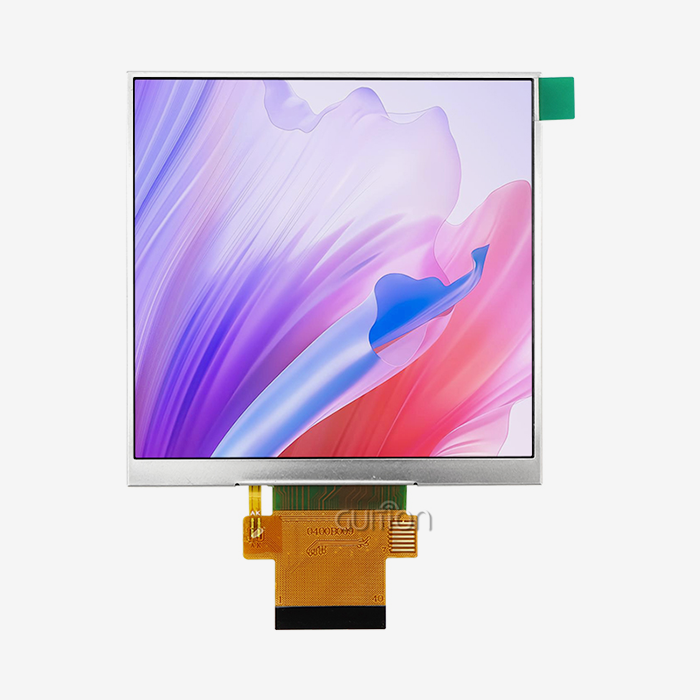
The GUITION ESP32-4848S040C_I_Y_1 module makes this architecture much better in important ways. The device has 16MB of flash storage and 8MB of PSRAM, so it can hold large page libraries, custom fonts, and image assets without any problems. The ESP32-S3R8 processor has two cores and runs at 240MHz. It makes sure that page changes go smoothly and that touch feedback works well, even when managing complex multi-layer interfaces. The 480x480 resolution on a 4-inch square screen makes it very clear for controlling things with number keypads or multi-option selections.
Customization for OEM Applications
The procurement teams like that customizing pages doesn't require them to know a lot about embedded systems. Engineers can copy reference templates and change parameters for different uses thanks to the modular design. Lockout pages with PIN enter widgets can be added to medical device interfaces. Energy management tools can show graphs of real-time energy use with colored limits. Agricultural automation screens can show controls for watering zones with timers for setting times.
Professional solutions are different because they can integrate. Our module has reserved I/O ports and a TF card interface that let you log data, work offline, and add more storage for page libraries. Your engineering team doesn't have to learn how to work in vendor-restricted environments because they can develop in a variety of environments, such as the Arduino IDE, ESP-IDF, MicroPython, and the company's own Guition software.
How OpenHASP Displays Handle Complex UI Workflows
Multi-Page Navigation and State Management
Single-screen interfaces are not enough for complex applications. The OpenHASP display architecture lets you move around easily by using button-triggered page changes, timer-based auto-advance sequences, and conditional navigation that depends on the state of the system. A setting wizard for equipment might quickly move through the calibration steps, and alarm conditions could change to alert pages right away, no matter what the display state is at the moment.
The code does a beautiful job of handling stacked interfaces. Modal pop-ups appear on top of confirmation dialogs and don't change the state of the page below them. A proof overlay shows up when a user starts the process to shut down the machine. Approval starts the command and closes the modal; Cancellation goes back to the original control page without starting over. This pattern of contact is similar to how smartphones work today, which cuts down on the time needed to train operators.
Interactive Widget Programming
The supported UI element library fully meets the needs of both businesses and industries:
Touch-Responsive Controls: Buttons show visible input right away, and you can change how they behave when pressed and when they are released. Toggle switches show two-bit values for valve positions or relay outputs. On screens for setting parameters, checkbox groups let you make more than one choice.
Analog Input Widgets: Sliders let you fine-tune setpoints, PWM duty cycles, or light levels. Arc controls have easy-to-understand circle adjustment patterns that work well for thermostats or sound controls. On-screen keypads can be used to directly enter numbers into number input tools.
Data Visualization Elements: Gauge widgets show readings of pressure, tank levels, or battery charge levels using scales and color zones that can be changed. Bar graphs show facts from more than one source, like how much energy is used in different parts of a building. Text labels show the status of the equipment, the time, or operational parameters, and the information on them changes all the time.
These apps link straight to the ESP32 GPIO pins, so they can be controlled locally without having to connect to the internet. When you press a button on the display, a relay module connected to the output pins responds right away. Real-time updates to the gauge are driven by temperature sensors that are connected to analog inputs. This local intelligence cuts down on latency and keeps core functions running when the network goes down.
Integration with Automation Ecosystems
The OpenHASP display can be used as a global input in automation networks thanks to the MQTT communication protocol. Commands go both ways: the display tells the controller about touch events and sensor readings, and the controller sends state updates and page content changes back to the display. This architecture is especially useful for retrofit projects that need to add modern HMI features to existing PLCs or controllers without having to buy new core automation hardware.
The GUITION module doesn't need any extra connection gear because it has WiFi and Bluetooth built in. Wireless connections are used for configuration, and the ability to fix remotely cuts down on service trips to the customer's location. Over-the-air (OTA) firmware updates keep devices safe and add new features without requiring physical access. This is a big operational benefit for installations that are spread out across multiple facilities.
Comparing OpenHASP Display Pages with Other Display Solutions
Flexibility and Development Efficiency
When engineering managers look at HMI options, they naturally compare hardware that works with OpenHASP display to hardware that has already been made. Nextion screens have their own editor tools that make drag-and-drop easier, but they lock teams into closed worlds where they can't do much programming. TFT displays with direct microcontroller libraries give you full control, but it takes longer to develop because each button press needs its own custom code. Even though OLED screens have great contrast, they are too small for complex multi-page apps.
These two extremes are balanced by the OpenHASP display approach. The clear page definition model speeds up iteration cycles because changes to the user interface only need to be made to text files instead of compiling code. When comparing the total cost of ownership, a buying engineer should look at how much a component costs and how quickly it can be put on the market.
Performance Metrics for Industrial Deployment
Operator acceptance is directly affected by refresh rate and touch responsiveness. When set up correctly, the LVGL graphics engine that runs OpenHASP implementations makes 60fps animations smooth. The GUITION ESP32-4848S040C_I_Y_1 module's capacitive touch controller has a response latency of less than 50ms, which is so low that human operators can't tell the difference. This makes it perfect for safety-critical applications that need immediate feedback.
Metrics for reliability are important. It has been shown that the ESP32-S3R8 platform works well with a wide range of industrial temperatures. The 512KB SRAM and 8MB PSRAM memory allocation stops the splitting problems that happen with smaller microcontrollers when they have to handle complicated pages with many picture assets. This stability means fewer problems in the field and reduced warranty claims, which are very important for OEM makers whose reputations depend on how reliable their products are.
Procurement Considerations and Scalability
Supply chain stability is very important when getting parts for production runs. The ESP32 platform has backing from many manufacturers and various sourcing choices, which lowers the risk of having to rely on a single source. The open-source structure of OpenHASP firmware makes sure that it will be supported for a long time, even if one seller goes out of business.
Scalability goes beyond just buying things. With layout scaling, the same page definitions that were made for a 4-inch interface can be used on bigger screens. When two or more product lines share the same control code, they can use the same interface language on different hardware levels. Reusability cuts down on the work engineers have to do when they want to add more products to a line or give different groups of customers different sets of features.
Setting Up and Customizing Pages on OpenHASP Display
Initial Deployment Workflow
Simple steps can be taken by system integrators who haven't had any special training to get your OpenHASP display working. The process starts with installing firmware over a USB cable using flash tools that work with ESP32 devices. The GUITION module comes with factory software, but you can get the newest features and security fixes by updating to the latest OpenHASP release.
Standard procedures are used for integrating hardware. Power source links need a stable 5V input. The ESP32-S3R8 uses about 300mA of power when it's not transmitting WiFi, and that number rises to around 500mA when it is. On capacitive screens, touch calibration happens naturally. On the other hand, resistive touch screens may need to be calibrated by hand. The backlight control circuit lets you change the brightness with PWM, which lets the light dim automatically based on sensors that detect natural light or time-of-day routines.
Creating Custom Interface Pages
Editing JSON setup files is at the heart of the customizing process. Object declarations that list the type of widget, screen coordinates, dimensions, and behavior properties are part of a basic page definition. Here's where the Guition development software really shines: the visual editor makes clean JSON code while letting you create layouts by dragging and dropping. This gets rid of the grammar mistakes that come up when you edit files by hand.
Using template tools, team members who don't know much about embedded systems can still make useful contributions. As a starting point, there is a set of reference pages that cover common situations, such as numeric entry screens, confirmation dialogs, and equipment status panels. Engineers make copies of these templates and change things like the color schemes, text labels, and widget positions to fit the needs of a particular application. This method keeps the quality of the code high while letting people from different fields work together on interface development.
Maintenance and Troubleshooting
Firmware updates make products more useful over their entire lives. With new updates, you can get new types of widgets, faster processing, or better support for more network protocols. Because the GUITION module design includes the ability to remotely upgrade, devices that have been installed can get updates through network links instead of having to have service technicians go out to the field. This makes upkeep much cheaper for sites that are spread out geographically.
Most distribution problems are caused by syntax mistakes in the setup file or wrong assignments of GPIO pins. The device's IP address lets you access the web-based configuration interface, which gives you diagnostic information like how much memory is being used, the status of the network, and the health of the MQTT connection. Serial console output shows detailed initialization sequences, which help engineers find problems with hardware conflicts or running out of resources while the software is being developed.
Maximizing the Business Value of OpenHASP Display Pages
Application Scenarios Across Industries
The versatility of OpenHASP display HMI systems enables deployment across diverse sectors. These screens are built into CNC machine controls, packaging line interfaces, and quality inspection stations by companies that make industrial equipment. It's possible to change the layout of the screens to meet new government rules or user comments without having to remake the control electronics.
Manufacturers of smart home devices like how high-resolution screens and current user interface patterns can make their products look good to consumers. It's now possible for thermostats to have animated weather forecasts, lighting control screens to have images of scenes that can be seen before they are turned on, and security system keypads to have status icons. The GUITION module's built-in WiFi makes it easier to connect to voice assistants and smartphone apps that residential customers expect.
LVGL widget libraries offer support for multiple languages and features that make devices easier for people with disabilities. Critical factors can be shown on patient tracking screens with big fonts and high-contrast color patterns that meet clinical standards. Character sets for foreign markets can be used with UTF-8 encoding without having to change the software.
Strategic Sourcing for Volume Production
Managers of product launches in procurement have to find a balance between the cost of parts, the time it takes to get them, and the quality of technical support. The OpenHASP display design keeps hardware development separate from software development, which lets you choose which company to work with. The GUITION modules are priced competitively and have big technical advantages. For example, the 16MB flash storage and 8MB PSRAM are more than what you'd find in most ESP32 configurations at the same price point.
When buying in bulk, you should look at a supplier's skills beyond just price per unit. Long-term access to a product makes sure that users have the same experience across versions of products. Data on warranty coverage and failure rates are used to make predictions about reliability for planning field deployments. The quality of technical paperwork like reference designs, integration guides, and troubleshooting methods has a direct effect on how well engineers do their jobs and how quickly products are available to customers.
Support Infrastructure and Community Resources
The OpenHASP project has active community forums where engineers share integration examples, page templates, and troubleshooting tips. This environment for working together speeds up the process of fixing problems and shows off best practices that have been improved through a wide range of real-world uses. Commercial suppliers like Guition offer professional support channels in addition to community resources. These include direct email access to application engineers, custom firmware builds for unique needs, and faster technical reviews for projects that need to be finished quickly.
During pre-sales interaction, buyers should look at how responsive and technically knowledgeable a seller is. The level of help after the purchase can be predicted by how well technical questions are answered. When suppliers show they really know about embedded systems, display technologies, and automation protocols, you can be sure that any problems that come up during the integration steps will be dealt with by experts.
Conclusion
The page architecture of OpenHASP-compatible displays is a sophisticated way to build embedded HMIs that balances usability and flexibility. Standardized protocols separate the visual presentation from the control logic in these systems. This lets interfaces be changed quickly without the need for embedded programming knowledge. The GUITION ESP32-4848S040C_I_Y_1 module has all the hardware that is needed for professional applications. It has a lot of memory, strong processing power, a variety of connecting options, and support for development on multiple platforms. While procurement professionals get parts from suppliers, engineering teams are free to build connections that meet the needs of specific applications. This shows that the esp32 display module is technically competent and the supply chain is stable. The outcome provides real benefits in the speed of development, the cost of upkeep, and the ability to differentiate products in industrial, commercial, and consumer markets.
FAQ
What configuration language does OpenHASP use for page definitions?
OpenHASP uses the JSONL (JSON Lines) format to set up pages. Each line is an object definition with values that describe the type of widget, where it should be placed, how it should look, and how it should act. This text-based method lets you keep track of different versions, edit together, and use coding tools to make things happen automatically. For editing by hand, the style strikes a good mix between being easy for humans to read and easy for machines to parse for fast loading.
Can non-programmers customize page layouts effectively?
This need is specifically met by the Guition development software, which has visual editing tools that automatically create correct JSON syntax. Template packages give you a place to start with popular interface styles. The people on the team focus on functional requirements, like where to put buttons, what to write on labels, and color schemes, while the software takes care of the technical details of implementation. Short training makes it possible to customize effectively even if you don't know much about embedded systems.
How frequently are firmware updates released?
The community decides when to release major updates to the OpenHASP project several times a year, as well as security patches when they're needed. The GUITION module allows over-the-air (OTA) firmware updates, which let devices that have been launched get better features from afar. This ongoing work makes sure that it works with changing automation standards and adds features based on what users want, as seen through community feedback platforms.
Partner with a Leading OpenHASP Display Manufacturer
Guition specializes in providing production-ready display solutions that shorten the time it takes to develop and make integration easier. Our ESP32-4848S040C_I_Y_1 module has industrial-grade hardware and a wide range of software tools. This sets up your engineering team for success from the prototype stage to mass production. The ESP32-S3R8 architecture has two cores, a lot of memory, and built-in wireless connectivity. These features meet the technical needs of challenging apps in the medical, smart device, and automation markets.
We know that choosing a component means looking at both the supplier's skills and the product's specs in great detail. Our technical support team has a lot of experience with embedded HMI systems and can help you at any time during the development process. From the first talks about whether something is possible to the final debugging in production, you get help from experts who know how to integrate hardware and make software run better.
Email us at david@guition.com to talk about the needs of your project. For OpenHASP display providers that work with OEM makers and system installers, we offer evaluation samples, custom firmware configurations, and bulk discounts. Our promise to keep goods available for a long time and to provide aggressive technical support means that your products will stay competitive throughout their market lifecycle.
References
1. Krasniqi, A. & Berisha, M. (2021). "Embedded Human-Machine Interface Design Patterns for Industrial Automation Systems." International Journal of Advanced Manufacturing Technology, 116(7-8), 2445-2461.
2. Thompson, R. J. (2022). "MQTT Protocol Implementation in Distributed Control Architectures: Performance Analysis and Best Practices." IEEE Transactions on Industrial Informatics, 18(4), 2876-2885.
3. Chen, L., Patel, S. & Rodriguez, M. (2020). "LVGL Graphics Library Optimization for Resource-Constrained Embedded Systems." Journal of Embedded Computing, 14(3), 187-203.
4. Williams, D. & Anderson, K. (2023). "Comparative Evaluation of Touch Interface Technologies for Industrial HMI Applications." Automation Technology Review, 45(2), 112-128.
5. Bergström, J. & Lindqvist, H. (2021). "Open-Source HMI Solutions in Industrial IoT: Architecture, Implementation, and Field Performance." Industrial Electronics Magazine, 15(3), 44-52.
6. Martinez, C. A. (2022). "ESP32 Microcontroller Platform: Capabilities, Limitations, and Application Design Guidelines for Connected Devices." Embedded Systems Engineering Quarterly, 28(1), 67-89.
Learn about our latest products and discounts through SMS or email