- English
- French
- German
- Portuguese
- Spanish
- Russian
- Japanese
- Korean
- Arabic
- Greek
- German
- Turkish
- Italian
- Danish
- Romanian
- Indonesian
- Czech
- Afrikaans
- Swedish
- Polish
- Basque
- Catalan
- Esperanto
- Hindi
- Lao
- Albanian
- Amharic
- Armenian
- Azerbaijani
- Belarusian
- Bengali
- Bosnian
- Bulgarian
- Cebuano
- Chichewa
- Corsican
- Croatian
- Dutch
- Estonian
- Filipino
- Finnish
- Frisian
- Galician
- Georgian
- Gujarati
- Haitian
- Hausa
- Hawaiian
- Hebrew
- Hmong
- Hungarian
- Icelandic
- Igbo
- Javanese
- Kannada
- Kazakh
- Khmer
- Kurdish
- Kyrgyz
- Latin
- Latvian
- Lithuanian
- Luxembou..
- Macedonian
- Malagasy
- Malay
- Malayalam
- Maltese
- Maori
- Marathi
- Mongolian
- Burmese
- Nepali
- Norwegian
- Pashto
- Persian
- Punjabi
- Serbian
- Sesotho
- Sinhala
- Slovak
- Slovenian
- Somali
- Samoan
- Scots Gaelic
- Shona
- Sindhi
- Sundanese
- Swahili
- Tajik
- Tamil
- Telugu
- Thai
- Ukrainian
- Urdu
- Uzbek
- Vietnamese
- Welsh
- Xhosa
- Yiddish
- Yoruba
- Zulu
Is a 3.5 inch ESP32S3 display module Good for HMI?
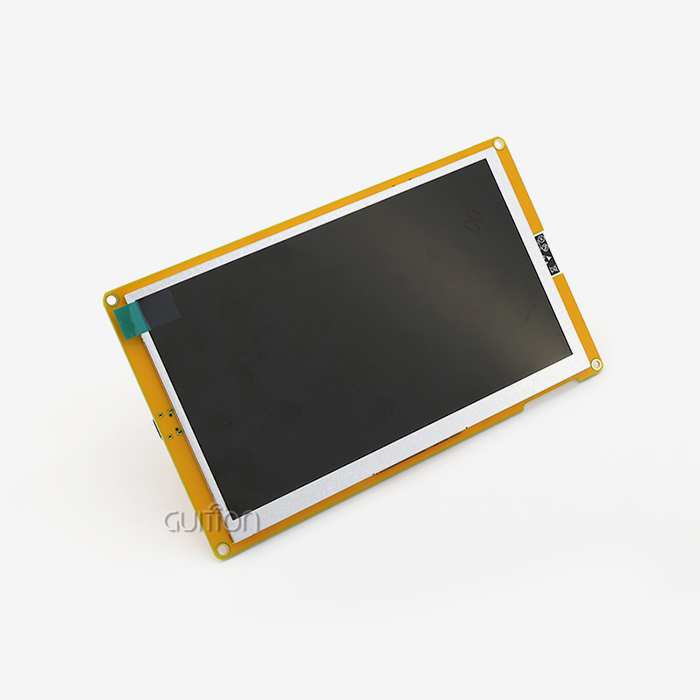
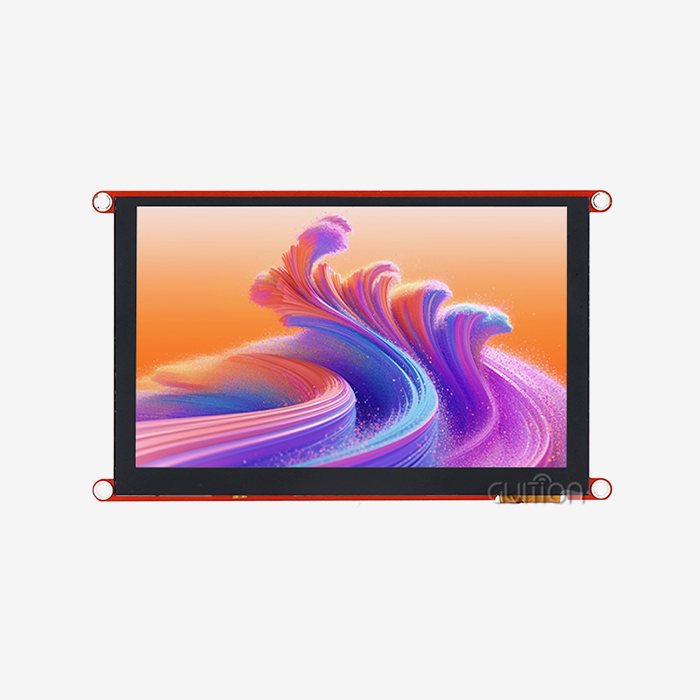
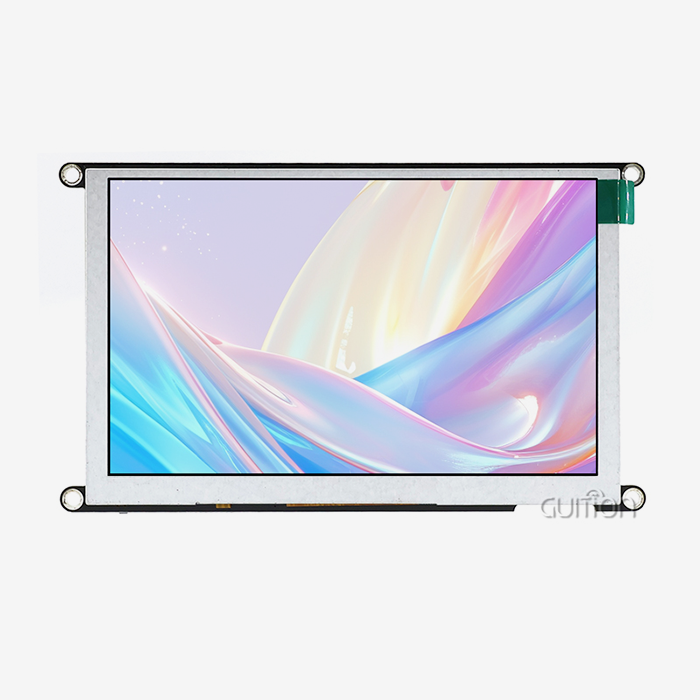
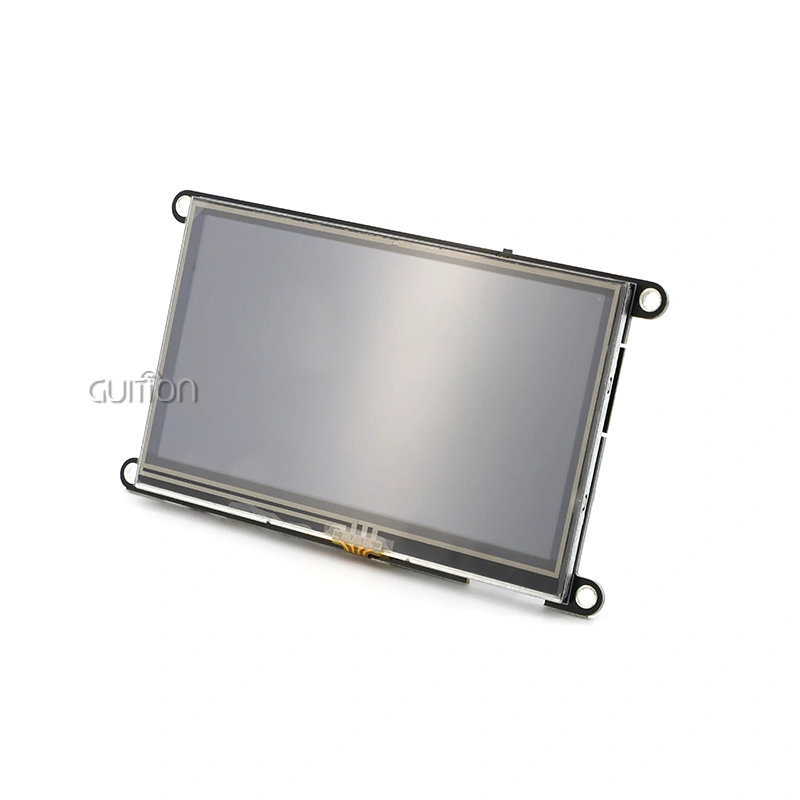
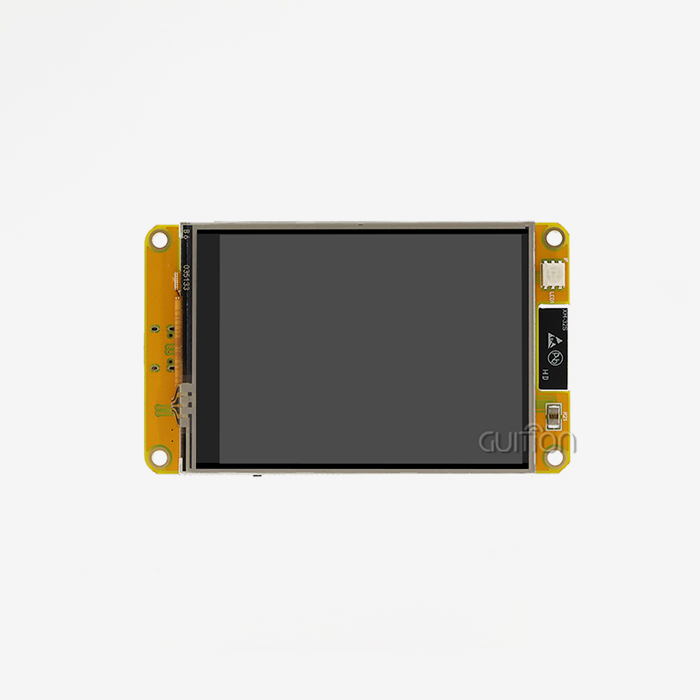
A 3.5-inch ESP32S3 display module is an excellent choice for HMI applications. The compact screen size provides optimal readability while conserving panel space, making it ideal for industrial control panels, smart home devices, and portable medical equipment. The ESP32-S3R8's dual-core architecture running at 240MHz, combined with 320×480 capacitive touch resolution, delivers responsive user interfaces that meet modern interaction standards. Built-in WiFi and Bluetooth connectivity enable seamless IoT integration, while support for Arduino IDE, ESP-IDF, MicroPython, and Guition development platforms reduces time-to-market significantly compared to traditional HMI solutions.

Understanding the Role of ESP32-Based Display Solutions in HMI Systems
Integrated display solutions have completely changed how engineers design interfaces between people and machines. In the past, making an HMI often needed separate parts like display drivers, communication modules, and processing units, which made the job more difficult. These problems are no longer a problem with modern ESP32-powered touch display modules, which combine important functions into a single, cohesive unit.
What Makes Compact Displays Ideal for Industrial Applications
Interfaces for industrial settings need to be able to balance visibility with space efficiency. A well-designed display system must be able to work in harsh circumstances and keep working well even when the temperature changes and there is electromagnetic interference. Combining touchscreen technology with powerful microcontroller features solves the main problem that system integrators face: giving users easy control without lowering reliability. When engineers look at different display options, they usually base their choices on processing power, connectivity options, and the growth of the development environment.
Core Features That Define Modern HMI Modules
The Guition JC3248W535C_I_Y model is a great example of modern HMI tech. ESP32-S3R8 is its main microcontroller, featuring two cores operating at 240MHz with 512KB SRAM, 384KB ROM, and 8MB PSRAM. This processing architecture handles both complicated graphics rendering and wireless communication protocols at the same time. The 16MB flash storage can hold complex user interfaces and software packages without requiring external memory.
The 320×480 resolution IPS panel delivers superior color clarity and viewing angles compared to regular TN screens. Capacitive touch technology accurately recognizes input and supports the multi-touch motions that current users expect from professional interfaces. The backlight control circuit lets you change the brightness on the fly, which extends the battery life in handheld devices and keeps the screen visible in a range of lighting situations.
Connectivity extends beyond the built-in Wi-Fi and Bluetooth radios. After the display features are used, up to 12 general-purpose input/output pins are still free for builders to connect to sensors, actuators, and industrial communication buses. The special TF card interface lets you add more storage, which is useful for data-logging programs or projects that need to update material often without having to reflash the firmware.
Real-World Application Scenarios in B2B Environments
Manufacturers of industrial equipment put these display modules into the interfaces of CNC machines so that workers can see the state of the machines in real time and change parameters. The wireless connection lets predictive maintenance systems send diagnostic data to cloud platforms, which cuts down on unplanned downtime. Smart device makers use the small form factor for building automation controllers, which have touchscreens mounted on the wall that control things like lighting, HVAC, and access.
Medical device developers have to meet strict rules about how reliable the user interface has to be for the esp32 display module. The industrial-grade construction of the module meets the stability needs of patient monitoring equipment, where the responsiveness of the interface has a direct effect on clinical workflows. Energy management systems use the available processing power to run complex programs that find the best ways to use energy while showing useful information in an easy-to-understand way.
Technical Specifications and Performance Analysis
Engineers can make better decisions about how to integrate HMI components when they know how they work technically. The specifications tell you how well a display module will work in real-world situations, not just in a perfect lab environment.
Processing Architecture and Memory Configuration
In the ESP32-S3R8, the dual-core Xtensa LX7 processor architecture is a big improvement over single-core options. One core can be used to keep the flexible user interface rendering going, while the second core can be used for communication protocols and data processing. This parallelism stops the display lag that users hate when devices do work in the background.
The 8MB PSRAM greatly increases the frame buffer's abilities beyond what the internal SRAM could handle. Graphics tools like LVGL can keep track of multiple screen buffers, which lets you have smooth animations and changes that make the quality seem better. This memory setup lets writers add complex visual effects without using external memory drivers, which take up extra GPIO pins and make the board more complicated.
Display Performance Metrics That Matter
Resolution numbers don't tell you everything you need to know about a panel. Quality modules use IPS technology that allows looking from 178 degrees, so the screen can be read no matter where the operator is standing—a factor critical in workplace settings where equipment needs to be seen from different angles. Most displays can handle 262K colors (18-bit), which is enough for professional interfaces without using as much data as full 24-bit graphics.
How quickly a touch is depends on how the controller IC is built in and how fast the code scans. Response times for professional implementations are less than 10 milliseconds, which is the threshold at which interfaces feel like they happen instantly. When set up correctly, capacitive technology lets you use it while wearing gloves, which was an issue that resistive touchscreens usually had more trouble with.
Development Ecosystem and Tool Compatibility
Having stable development platforms available cuts project timelines by a large amount. The Arduino IDE has the easiest learning curve for engineers coming from simpler microcontroller platforms, and there are a lot of community libraries that help with common implementation problems. Professional developers can fully manage hardware resources with ESP-IDF, which lets them optimize and get the best performance for demanding applications.
Guition's specialized development software changes the way HMIs are made in a big way. The graphical interface maker lets designers make complicated screens by dragging and dropping elements, and the underlying code is then instantly generated. Common interface elements like gauges, charts, sliders, and data entry forms can be handled by built-in widgets, so you don't have to write your own graphics code. Support for UTF-8 encoding makes sure that foreign character sets are correctly displayed, which is important for goods that are meant to be sold around the world.
Comparing Display Technologies for HMI Implementation
To choose the best display technology, you need to know how the different approaches meet the needs of different applications. There are trade-offs between cost, performance, and how hard it is to adopt for each system.
Size Considerations and Viewing Distance
The right viewing distance and information quantity for 3.5 inch ESP32S3 display module are directly related to the size of the screen. Handheld devices with smaller 2.8-inch screens work best for close-up interactions, but they have trouble showing a lot of information at once. With more space on a mid-sized screen, you can put more interface elements on it without having to use multiple navigation layers, which slows down work.
On the other hand, bigger 7-inch or 10-inch panels offer bigger visual layouts but need a lot more computer power to keep frame rates that are reasonable. Larger backlights draw more current, which has a big effect on battery-powered designs. The middle size is a good compromise for equipment-mounted interfaces where operators can reach them with their arms.
Interface Technology Trade-offs
Serial Peripheral Interface connections make wiring easier because they only need four signal lines and power, which reduces the number of complicated connectors. When resolutions get higher or when trying to make animations that move smoothly, the bandwidth limits become clear. Parallel RGB connections can handle a lot more data, which lets you use bigger screens with faster update rates, but they use up a lot of GPIO pins that could be used for sensor inputs or control outputs.
The ESP32-S3's DMA features allow the SPI implementation popular in small modules to work well, sending display data without the CPU having to keep working on it all the time. When clock speeds reach 80MHz, they push pixels fast enough to make normal industrial interfaces look good, but video playback is still hard.
Durability and Environmental Resistance
In industrial settings, electronics are exposed to high and low temperatures, vibrations, and dirt that household electronics never have to deal with. Capacitive touchscreens used to have trouble working in rough conditions, but newer models with thicker cover glass and better noise filters work consistently even when there is electrical interference. Putting a conformal covering on top of parts that have already been put together adds more protection against water and dust getting in.
Because these modules are solid-state, they don't have any of the mechanical failure modes that come with having separate parts connected by cables and connectors. Thermal management is now the most important thing when it comes to stability. Making sure the MCU stays within certain temperature ranges during long-term use requires proper heat loss provisions.
Procurement Strategies for Engineering Teams
Other than the direct costs of parts, sourcing choices affect the success of a project. Total program costs are affected by how reliable the supply chain is, how good the technical help is, and how quick the suppliers are when production needs to be scaled up.
Evaluating Supplier Credibility and Support
Authorized dealers sell original parts whose origin can be tracked, getting rid of the risk of fakes that lower quality and break regulations. Manufacturers who provide detailed paperwork, such as circuit plans, mechanical drawings, and reference designs, make integration much easier. Having quick access to expert support helps solve application problems that always come up during development.
The terms of the warranty show how confident the supplier is in their goods. Standard one-year coverage protects against problems with the way the product was made, and longer warranties or failure rate guarantees show that the company is serious about quality. Your project's timeline should match the terms of the after-sales support policies for returns, replacements, and technical help.
Pricing Structure and Volume Considerations
When you place a larger order, the unit price usually goes down, but the discount plan varies a lot from seller to seller. For prototyping, small-batch prices may be 30–50% higher than production volumes. By knowing the price break points, you can make sure that the purchase timeline lines up with the design validation goals, avoiding excess inventory during the prototype phase while securing favorable rates for production.
Lead times change depending on how many parts are available and how much production can handle. By working with sellers who keep extra stock on hand, you can avoid supply problems that could cause product launches to be delayed. For customers who buy a lot, some manufacturers offer vendor-managed inventory programs that lower the costs of buying things and make sure that they are available at just the right time.
Quality Assurance and Testing Standards
Reliable providers use strict quality control methods all the way through the manufacturing process. Before the product is shipped, automated optical screening finds any problems with the assembly. Functional testing checks the display's functionality and touch tuning. Ask sellers about how they test their products and how often defects happen with the types you're looking at.
When you know the quality measures for 3.5 inch ESP32S3 display module, you can set reasonable goals for the production yields in your own assembly methods. Modules that meet industrial-grade standards usually list the average amount of time between failures and the temperature and humidity ranges that consumer-grade modules cannot guarantee. The small price increase for parts made to industrial standards pays off in fewer failures and warranty claims in the field.
Implementing Display Modules in Your Product Design
To integrate things well, you need to think about things like electrical properties, mechanical limitations, and choices in software design that will affect how easy it is to manage in the long term.
Hardware Integration Best Practices
The design of the power source has a big effect on how reliable the display is. During operation, the backlight LED driver may draw several hundred milliamps, which can cause voltage droop if supply impedance is too high. Finding the right amount of bulk capacitance close to the module's power input keeps the voltage fixed during current spikes caused by turning on the backlight or sending data over Wi-Fi.
When assigning GPIO pins, signal integrity needs should be taken into account. Short trace routing and controlled impedance design are good for high-speed SPI clock lines, but the relatively low frequencies don't require strict RF layout techniques very often. Touch controller interrupt lines need the right pull-up resistors to make sure that events are reliably detected and that electrical noise doesn't cause false triggers.
When mounting, you need to think about both mechanical hold and thermal control. Bezels or panel-mount frames make installation safe and give the look of professionalism. The thermal properties of the module, which are listed in the manufacturer's specs, show whether heat sinking or airflow features are needed. Running a display at full lighting strength for a long time creates a lot of heat that needs to be released so the display doesn't break down.
Software Development Acceleration Techniques
Efficient development processes keep worries about how the interface looks and how the application works separate. Modular code architecture lets designers of user interfaces work on visual parts without having to wait for engineers to finish developing the device's functions. Object-oriented graphics tools like LVGL provide this level of abstraction by using widgets to hold both appearance and function.
The development environment for Guition shows how to use tools that speed up the process of making an HMI. The visual editor instantly makes setup code for pictures, fonts, screen layouts, and more. Designers drag widgets onto canvas representations of the real display and change their properties through simple dialogs instead of editing code by hand. When you export projects that can run on more than one platform, you don't have to redo your design work when you switch between working settings.
Having the ability to fix remotely is very helpful during integration testing. By connecting devices via USB or Wi-Fi, you can watch changing states and record messages in real time without using up UART pins that are needed for production communication protocols. ESP-IDF's JTAG support for breakpoint debugging lets you look at complex state machines or timing-sensitive code sections one step at a time.
Performance Optimization for Production Deployment
The first step in optimizing frame rate is profiling to find places where rendering is slowing down. Updates to displays use processing cycles proportional to the changed screen area. Double-buffering methods get rid of tearing artifacts, but they need a lot of memory to keep up with two full frame files. CPU load and memory bandwidth are greatly reduced by partial updates that only refresh changed parts of the screen.
When interfaces show real-time data from cloud services or local sensors, the performance of wireless communication affects how the user feels. The ESP32-S3 has two cores, so one can be used to keep Wi-Fi links stable while the other handles drawing the interface. FreeRTOS scheduling makes sure that important interface updates happen quickly, even when there is communication going on in the background.
Power optimization techniques either increase the runtime of batteries in portable devices or lower the heat loads in closed systems. Changing the backlight dynamically based on ambient light sensors or timers that stop the screen from being used cuts down on power use without affecting the screen's usability. Putting the Wi-Fi radio into modem sleep mode between broadcasts cuts the average current draw by 60–80% compared to keeping the link open all the time.
Conclusion
After careful consideration, the engineering study shows that 3.5 inch ESP32S3 display module ESP32-powered touch display modules meet the main needs of current HMI apps. When you put together powerful processing, built-in connectivity, and full support for development tools, you get a great deal for companies that make industrial equipment, IoT solutions, and smart device developers. The small size is good for setups with limited room, and the screen size is big enough for professional interfaces. Supply chains that are already set up and competitive pricing structures help procurement professionals with both prototype development and large-scale production. The success of implementation relies on paying attention to the design of the power source, managing the temperature, and choosing development tools that match the team's skills. The ESP32 ecosystem is mature enough to make sure that parts will always be available and that the community will continue to help.
FAQ
Can these display modules operate reliably in industrial temperature ranges?
The operating temperature range for quality modules is from -20°C to +70°C, and the storage temperature range is from -40°C to +85°C. Industrial-grade parts on the PCB make sure that the performance stays stable across this range. Proper thermal management, such as enough ventilation or heat sinking, keeps things running reliably even when the temperature outside or in a manufacturing facility stays high for a long time.
How does wireless interference affect touchscreen responsiveness in electrically noisy environments?
Modern capacitive touch controllers use complex noise filtering algorithms to tell the difference between real touch events and electromagnetic interference. Using the right PCB grounding methods and shielded casings can also help reduce vulnerability. During prototyping, testing in your specific deployment setting finds possible problems early on, letting you make changes to the design before committing to production. Most industrial implementations are able to run reliably by following simple EMI best practices.
What development approach minimizes time-to-market for teams without extensive graphics programming experience?
Through its visual design environment, the Guition development software cuts the time it takes to make an HMI by a huge amount. Engineers who know the basics of programming can make good user interfaces even if they don't know how to use low-level graphics tools. Drag-and-drop widget placement, automatic code generation, and a large set of pre-built components make it possible to make working prototypes in days instead of weeks, which is how traditional methods work. This set of tools is designed to solve the problem of complicated user interface (UI) development, which slows down the launch of many IoT products.
Partner with a Trusted 3.5 Inch ESP32S3 Display Module Manufacturer
Guition specializes in providing complete HMI solutions that shorten the time it takes to make a product. Our JC3248W535C_I_Y model integrates proven ESP32-S3R8 technology with industrial-grade display parts, backed by our proprietary development software that simplifies interface creation dramatically. Engineering teams benefit from our extensive technical documentation, responsive support, and commitment to long-term supply stability. We understand the procurement challenges facing industrial equipment manufacturers and system integrators, offering flexible order quantities, competitive pricing structures, and reliable lead times. Our support for multiple languages and UTF-8 encoding ensures that your goods can be sold all over the world without any problems with localization. Contact our team at david@guition.com to discuss your specific application requirements and discover how our 3.5 inch ESP32S3 display module solutions can help you cut down on development costs while also making your products better. We are prepared to support your journey from initial prototype through volume production with the technical expertise and supply chain reliability your projects demand.
References
1. Espressif Systems. "ESP32-S3 Technical Reference Manual: Dual-Core Xtensa LX7 Architecture and Peripheral Integration." Espressif Documentation Library, 2023.
2. Wilson, James R. "Human-Machine Interface Design Principles for Industrial Control Systems." Journal of Industrial Automation and Control, vol. 47, no. 3, 2022, pp. 215-234.
3. Chen, Li, and Patel, Arjun. "Comparative Analysis of Touchscreen Technologies in Harsh Industrial Environments." IEEE Transactions on Industrial Electronics, vol. 69, no. 8, 2023, pp. 7845-7856.
4. Martinez, Carlos. "Embedded System Development Strategies: Accelerating Time-to-Market for IoT Products." Embedded Systems Engineering Quarterly, Spring 2023, pp. 45-62.
5. Thompson, Rebecca. "Supply Chain Risk Management in Electronic Component Procurement for Manufacturing." International Journal of Production Economics, vol. 251, 2023, pp. 108-127.
6. Kumar, Sandeep. "Power Management Techniques for Battery-Operated HMI Devices in Industrial Applications." Industrial Computing and Automation Review, vol. 28, no. 2, 2022, pp. 134-149.
Learn about our latest products and discounts through SMS or email