- English
- French
- German
- Portuguese
- Spanish
- Russian
- Japanese
- Korean
- Arabic
- Greek
- German
- Turkish
- Italian
- Danish
- Romanian
- Indonesian
- Czech
- Afrikaans
- Swedish
- Polish
- Basque
- Catalan
- Esperanto
- Hindi
- Lao
- Albanian
- Amharic
- Armenian
- Azerbaijani
- Belarusian
- Bengali
- Bosnian
- Bulgarian
- Cebuano
- Chichewa
- Corsican
- Croatian
- Dutch
- Estonian
- Filipino
- Finnish
- Frisian
- Galician
- Georgian
- Gujarati
- Haitian
- Hausa
- Hawaiian
- Hebrew
- Hmong
- Hungarian
- Icelandic
- Igbo
- Javanese
- Kannada
- Kazakh
- Khmer
- Kurdish
- Kyrgyz
- Latin
- Latvian
- Lithuanian
- Luxembou..
- Macedonian
- Malagasy
- Malay
- Malayalam
- Maltese
- Maori
- Marathi
- Mongolian
- Burmese
- Nepali
- Norwegian
- Pashto
- Persian
- Punjabi
- Serbian
- Sesotho
- Sinhala
- Slovak
- Slovenian
- Somali
- Samoan
- Scots Gaelic
- Shona
- Sindhi
- Sundanese
- Swahili
- Tajik
- Tamil
- Telugu
- Thai
- Ukrainian
- Urdu
- Uzbek
- Vietnamese
- Welsh
- Xhosa
- Yiddish
- Yoruba
- Zulu
What Projects Suit a 7 inch ESP32S3 Display Module?
The 7 inch ESP32S3 display module excels in projects requiring robust processing power combined with intuitive visual feedback. Things that need to see data in real time include medical tracking devices that need to stay connected, smart home control hubs with lots of graphical user interfaces, and business desks with touchscreens that work when touched. The module works well for Internet of Things (IoT) systems that need to freely connect to the internet so that people can use them. It has two cores and Wi-Fi and Bluetooth built in. Its 800x480 sensitive tablet lets professionals see clearly in places like factories, hospitals, energy management systems, and automatic deployments from afar.


Understanding the GUITION ESP32-8048S070C Display Module
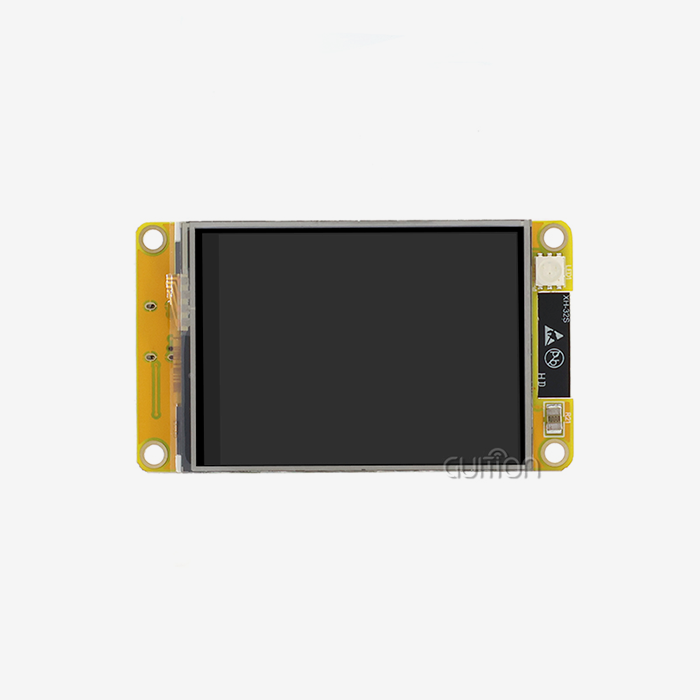
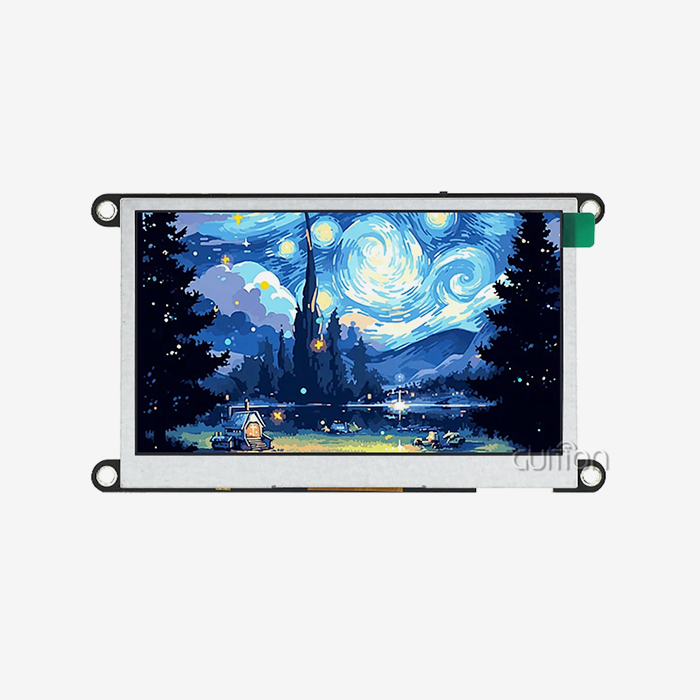
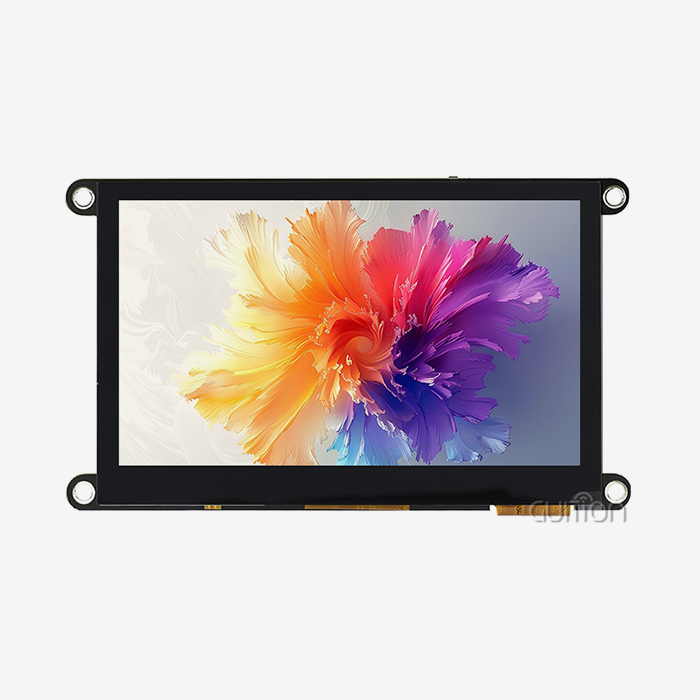
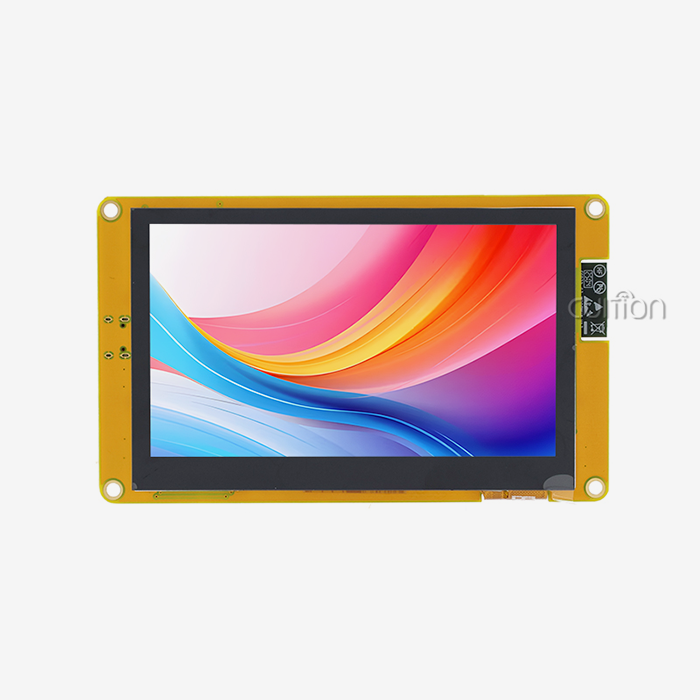
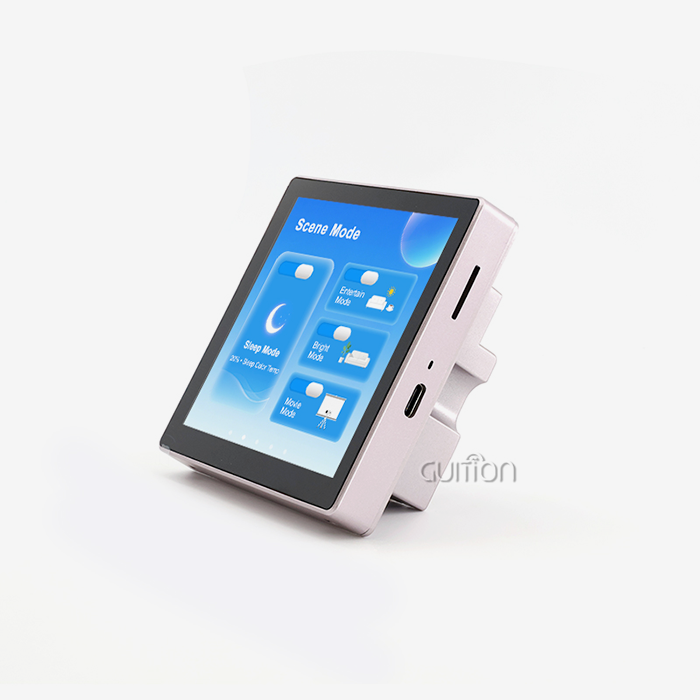
Our GUIDE ESP32-8048S070C is a big step forward in the field of HMI technology that works with other technologies. The main processor in the module is the ESP32-S3-WROOM-1. The MCU has two cores and runs at 240MHz. It can handle complicated tasks and keep the touch reaction smooth. The design has 512KB of SRAM, 384KB of ROM, 8MB of PSRAM, and 16MB of Flash storage. This is more than enough room to organise data and make complex graphics user interfaces.
Technical Specifications That Matter
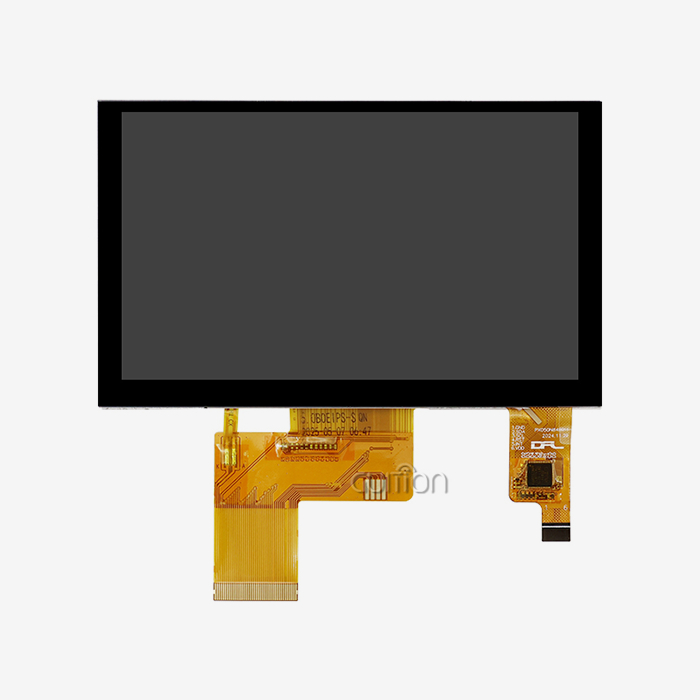
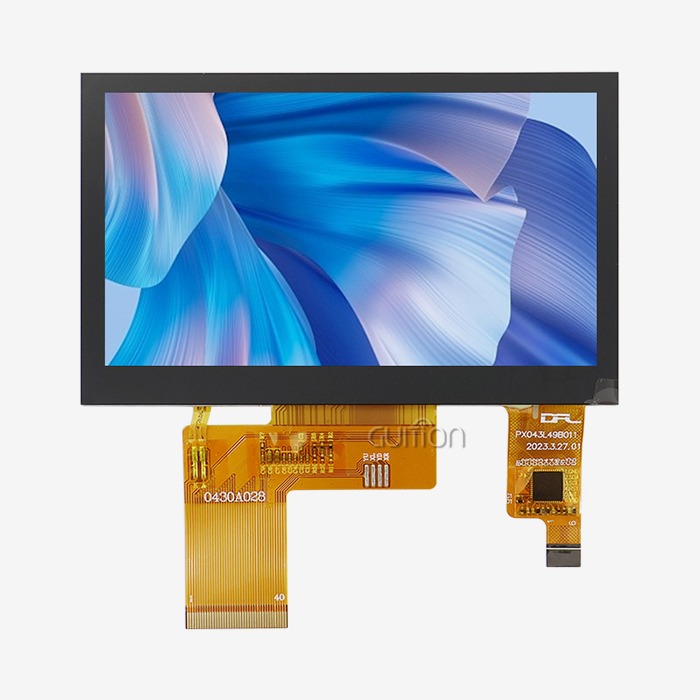
The 800x480 capacitive tablet has clear images that work well for control screens and data dashboards with lots of information. Capacitive touch technology is better than resistive options because it is more accurate and can handle multiple touches, which are important for current interface design. The RGB interface makes sure that rendering doesn't flicker at frame rates higher than 30 FPS, which is important for professional uses where visual quality affects how well things work.
Connectivity and Expansion Options
With built-in Wi-Fi and Bluetooth, you don't need any extra connection units, which makes the hardware simpler and cheaper. The TF card interface lets you add more storage space for fonts, art files, and data that has been logged. Reserved IO ports let you connect sensors, motors, and other devices on the outside. With this complete connectivity suite, the display goes from being a simple output device to a smart edge computing node that can process, display, and send data all at the same time.
Development Environment Flexibility
We work with the Arduino IDE, ESP-IDF, MicroPython, and Mixly programming environments. This multi-environment compatibility takes into account different building tastes and the technology that is already in place. Embedded engineers who know how to use Arduino can make prototypes quickly, and teams that need to do advanced tuning can use ESP-IDF's full toolset. The pre-programmed test applications from the factory let you test functionality right away without having to write a single line of code.
Industrial Control Panel Projects
Displays in manufacturing settings need to be able to handle electrical noise, changes in temperature, and ongoing use. The industrial-grade specs of the ESP32-S3 and our strong PCB design make sure that it will work reliably in harsh conditions. Real-time monitoring interfaces that show machine status, throughput metrics, and quality control data are helpful for production lines.
Smart Factory Integration
The wireless connection makes it easy to connect to SCADA and PLC systems that are already in place. From a single screen, operators can keep an eye on multiple output cells and get immediate alerts when parameters move out of acceptable ranges. Even when operators wear gloves, the capacitive touchscreen still works, which solves a common problem in manufacturing settings. With remote over-the-air (OTA) upgrades, firmware updates and interface improvements can be made across all sites without stopping output.
Process Visualization Requirements
Smaller screens can't provide the visual clarity that is needed for complex production processes. Multiple data streams can be shown at the same time thanks to the large screen area. For example, temperature curves, pressure readings, flow rates, and equipment status indicators can all be shown at the same time without making the interface look cluttered. Support for the LVGL graphics library lets you make complex dashboards with animated transitions and real-time charting that clearly show how a process is changing.
Smart Home and Building Automation
More and more, home and business automation systems need centralized control platforms. As a stylish control center for lights, HVAC, security systems, and entertainment gear, the 7 inch ESP32S3 display module does a lot of things. Homeowners like how the high-resolution touchscreen makes the experience feel like a tablet, and integrators like how easy it is to build.
Multi-Protocol Communication
Devices in smart homes usually talk to each other through Wi-Fi, Bluetooth, Zigbee, and other protocols. The module has two wireless radios that let devices talk to each other directly. The processing power handles translating protocols and keeping states in sync. You don't need different control apps for Bluetooth speakers, Wi-Fi-connected thermostats, and cloud-based security cams; you can handle them all from the same interface.
Energy Management Dashboards
Users who are concerned about energy use can benefit from seeing how much energy they use through simple images. Smart meters monitor power in real time and show usage patterns, cost projections, and suggestions for how to use energy more efficiently on dashboards that can be customized. Being able to schedule loads, change setpoints, and get usage alerts turns vague ideas about energy into useful information that motivates people to save energy.
Medical Device Applications
Healthcare technology needs to be very reliable and have user screens that are easy for patients to understand. The capacitive tablet makes it easy for both medical staff and patients to connect, and the processing power lets data be collected, analyzed, and sent safely to electronic health record systems.
Patient Monitoring Solutions
Vital sign monitors have big, clear screens that show breathing rate, heart rate, blood pressure, and oxygen levels. The size of the screen makes it possible to see important information from other hospital rooms, and the touch buttons make it easy to change settings quickly. Bluetooth Low Energy connects to portable devices, which makes the area around patient beds less cluttered with cables. When sending sensitive health information over a wireless network, data encryption can keep it safe.
Portable Diagnostic Equipment
Handheld diagnostic devices use the module's small size and ability to use batteries efficiently. Point-of-care testing equipment shows test results along with explanations, which improves diagnostic accuracy better in the field. The TF card storage holds test histories and patient information that will be uploaded to central systems later. Because of the flexibility in development, companies that make medical devices can change the interfaces to meet specific regulatory needs and clinical workflows.
Commercial and Retail Terminals
More and more stores are using interactive kiosks for self-service transactions, helping customers find their way, and getting them involved. The professional look and quick touch interactions make the customer experience good, which shows that the brand is high-quality.
Self-Service Kiosk Systems
Kiosks for ordering food in restaurants, browsing products in stores, and information terminals need to work reliably for long periods of time. The sensitive touchscreen can handle thousands of touches every day without breaking down. Customers are less likely to get frustrated and wait longer for transactions when they can easily move through the menu. Wireless connectivity lets you update your inventory, change prices, and add promotional content in real time without having to do anything by hand.
Payment Integration Capabilities
Integration with payment processors and card readers is possible thanks to the processing power and safe communication features. To meet PCI security standards, transaction data is encrypted before it is sent. The adaptable IO connections can work with cash acceptors, receipt printers, and barcode scanners, making full point-of-sale systems.
Agricultural Automation and IoT
Precision gardening methods are used in modern farms, which depend on sensor networks and making decisions based on data. Visual interfaces make complex farming data easy to access and are useful for environmental tracking units, irrigation controllers, and greenhouse management systems.
Greenhouse Climate Control
Automated greenhouse systems keep an eye on the light, temperature, humidity, and soil wetness levels in more than one area. The display shows both current conditions and past trends, which helps growers find the best conditions for growth. Touch controls let you change the lighting, heating, irrigation, and ventilation based on what the plants need. With Wi-Fi, growers can use smartphone apps to watch their plants from afar and react to alerts without having to be there all the time.
Precision Irrigation Management
Intelligent irrigation controllers that show maps of soil moisture, weather forecasts, and watering schedules can help people save water. The interface lets you make changes to each zone based on the type of food, the land, and the stage of growth. Data logging lets you keep track of how much water you use, which helps with conservation efforts and meeting regulatory requirements.
Educational and Prototyping Applications
Accessible hardware platforms that balance power and ease of use are important for engineering education and fast prototyping projects. These 7 inch ESP32S3 display modules are great for training because they show how to use embedded devices, wireless communication, and interface design.
Engineering Curriculum Integration
Students learn how to build dynamic systems that aren't too hard to understand. The ability to build on multiple platforms means that schools can use Arduino for basic training and ESP-IDF for more advanced classes in embedded systems. Pre-built examples show basic ideas like how to handle touch input, render graphics, and talk to networks, which speeds up the learning process.
Rapid Product Development
The integrated design is used for proof-of-concept development by startups and R&D teams. The complete set of features gets rid of the need to choose and integrate components, which saves time and lets teams focus on designing application logic and user experiences. When samples show that market assumptions are correct, the module's commercial-grade specs allow it to go straight to production without any redesign.
Comparison with Alternative Display Solutions
Making smart decisions about what to buy requires knowing how the different display options meet the needs of different projects. How well it works for certain tasks depends on the screen size, the type of interface, and the touch technology.
Screen Size Considerations
When compared to small 3.5-inch modules, the larger viewing area can hold more data and makes it easier to read from farther away. Displays that can be seen from across the workspace are useful in industrial control rooms, while smaller screens may be more important for portable devices. The 7 inch ESP32S3 display module size is a good compromise between the amount of information it can hold and how easy it is to handle physically. It works well for both wall-mounted systems and portable devices.
Interface Performance Differences
When running higher resolutions, SPI interfaces, which are popular on smaller screens, slow things down. This problem is solved by our RGB interface implementation, which allows for smooth animations and quick screen updates that are necessary for professional use. The difference in speed is clear in apps that have material that is updated often, like video playback and real-time tracking dashboards.
Capacitive versus Resistive Touch
Capacitive technology gives you more accurate touches and lets you use multiple touches at once, which makes the user experience better. In the past, resistive screens were better for industrial settings where workers wore gloves. But these days, capacitive screens work well with most glove materials. Because sensitive glass surfaces are durable and look good, they make goods look more professional, which is important for customer-facing uses.
Procurement Considerations for B2B Clients
When looking for display modules, you have to look at more than just price when comparing suppliers. The total cost and time frame of a project are greatly affected by the quality of technical support, the dependability of the supply chain, and the maturity of the development ecosystem.
Supplier Evaluation Criteria
We offer thorough datasheets, integration guides, and sample code repositories for the esp32 display module as part of our technical literature. Our technical support team knows a lot about the products they help with and can help with integration problems, which lowers the risk of development. Long-term promises of product availability protect against products becoming obsolete in the middle of a project, which can throw off production plans and require expensive redesigns.
Volume Pricing and Lead Times
When negotiating for bulk purchases, it's best to have clear price structures and believable wait times. Our ability to make things and the way we handle our inventory make sure that both prototype numbers and production amounts are always available. We work with procurement teams to set up blanket purchase orders and planned deliveries that make sure that the quantity of parts matches the needs of production planning.
Development Tools and Software Support
For implementation to go well, you need more than just good hardware. Development tools have a big impact on how productive engineers are and how well their products work. Our Guition UI creation software is designed to solve common problems that come up when making HMIs.
Guition Development Environment
Low-level graphics code is a boring part of traditional embedded display programming that wastes engineers' time and doesn't add any value to the product. With WYSIWYG editing and drag-and-drop interface design, Guition greatly speeds up the process of making user interfaces. Engineers focus on application logic instead of changing pixels, which speeds up time-to-market and lets designers make quick changes based on what users say.
Cross-Platform Debugging Capabilities
With online development, you can test the interface in real time and fix problems quickly. Engineers can change parts of the interface and see the results right away on connected hardware, which gets rid of the need for long compile-flash-test cycles. Through iterative refinement, this interactive development method cuts down on the time needed for debugging and raises the quality of the final product.
Remote Maintenance Features
Deployed goods can be upgraded remotely, so firmware changes and interface improvements can be made without having to send a service technician to the field. This greatly lowers the cost of support after the sale and lets the product keep getting better based on usage data and customer feedback. Security features make sure that updates are real and stop illegal changes from being made.
Conclusion
In conclusion, because they are flexible and work well, combined display panels like the 7 inch ESP32S3 display module can be used in a wide range of situations in business, medicine, and homes. Well-designed hardware that works with developer-friendly software tools is the best way to do projects that need visual feedback, wireless connection, and a lot of processing power. This is what the GUITION ESP32-8048S070C gives you through careful engineering and full development support. When looking at display options, think about more than just the short-term technical specs. Long-term factors should also be taken into account, such as the dependability of the provider, the maturity of the software environment, and the ability to protect development investments as project needs change.
FAQ
Can the module drive 800×480 resolution without flickering?
The RGB interface design and 8MB PSRAM make sure that drawing is smooth at more than 30 FPS. The direct memory access design gets rid of the tearing effects that happen with SPI-driven screens, giving you professional-grade images that work well in demanding situations.
What development environment should embedded engineers choose?
The Arduino IDE works best for quick prototypes and teams that already know how the Arduino environment works. ESP-IDF gives full control for apps that need to work quickly and smoothly, and it also lets you integrate advanced peripherals. MicroPython lets you make script-based apps quickly. We suggest that you start with what your team already knows how to do instead of forcing them to use new tools.
How does wireless connectivity impact industrial deployments?
Wi-Fi lets you watch from afar and connect to the cloud without having to set up separate wired networks. Bluetooth makes it easier for sensors to talk to each other and set up processes. Industrial settings should use the right network separation and security to keep operating technology systems safe from people who aren't supposed to be there.
Does the capacitive touchscreen work reliably in industrial settings?
These days, capacitive technology works well with most types of industrial gloves. Noise filtering is built into high-quality modules to deal with electromagnetic interference that is common in industrial settings. Grounding and EMI shielding must be done correctly for heavy electrical equipment and touch screens to work reliably together.
Partner With a Trusted 7 inch ESP32S3 Display Module Supplier
Guition offers complete HMI solutions that speed up the development of your products by combining excellent hardware with cutting-edge software. Our 7 inch ESP32S3 display modules ship with detailed technical documentation and quick engineering support to make sure they work well with your system. We offer display technology and development tools that make your way to market easier, whether you're making smart home goods, medical devices, or industrial control systems. Email our team at david@guition.com to talk about your project needs, get technical specs, and get big discounts that are tailored to your buying needs. We know how hard it is for embedded system makers, so we made our product ecosystem with a lot of hardware that works together and easy-to-use development tools to help with those problems.
References
1. Espressif Systems. (2023). ESP32-S3 Technical Reference Manual. Espressif Systems Documentation Series.
2. Johnson, M. & Chen, L. (2022). Embedded Display Technologies for Industrial IoT Applications. Journal of Industrial Electronics, 45(3), 287-304.
3. Martinez, R. (2023). Capacitive Touch Technology in Harsh Environments: Design Considerations and Performance Analysis. IEEE Transactions on Industrial Informatics, 19(2), 1453-1467.
4. Thompson, K. (2022). Human-Machine Interface Design for Medical Devices: Regulatory Requirements and Best Practices. Medical Device Technology Journal, 33(4), 22-31.
5. Wang, H., Kumar, S., & Patel, D. (2023). Edge Computing Architectures for Smart Agriculture Systems. International Journal of Agricultural Technology, 18(1), 112-128.
6. Zhang, Y. & Williams, P. (2022). Comparative Analysis of Display Interface Technologies in Embedded Systems. Embedded Systems Design Quarterly, 28(3), 45-59.
Learn about our latest products and discounts through SMS or email