- English
- French
- German
- Portuguese
- Spanish
- Russian
- Japanese
- Korean
- Arabic
- Greek
- German
- Turkish
- Italian
- Danish
- Romanian
- Indonesian
- Czech
- Afrikaans
- Swedish
- Polish
- Basque
- Catalan
- Esperanto
- Hindi
- Lao
- Albanian
- Amharic
- Armenian
- Azerbaijani
- Belarusian
- Bengali
- Bosnian
- Bulgarian
- Cebuano
- Chichewa
- Corsican
- Croatian
- Dutch
- Estonian
- Filipino
- Finnish
- Frisian
- Galician
- Georgian
- Gujarati
- Haitian
- Hausa
- Hawaiian
- Hebrew
- Hmong
- Hungarian
- Icelandic
- Igbo
- Javanese
- Kannada
- Kazakh
- Khmer
- Kurdish
- Kyrgyz
- Latin
- Latvian
- Lithuanian
- Luxembou..
- Macedonian
- Malagasy
- Malay
- Malayalam
- Maltese
- Maori
- Marathi
- Mongolian
- Burmese
- Nepali
- Norwegian
- Pashto
- Persian
- Punjabi
- Serbian
- Sesotho
- Sinhala
- Slovak
- Slovenian
- Somali
- Samoan
- Scots Gaelic
- Shona
- Sindhi
- Sundanese
- Swahili
- Tajik
- Tamil
- Telugu
- Thai
- Ukrainian
- Urdu
- Uzbek
- Vietnamese
- Welsh
- Xhosa
- Yiddish
- Yoruba
- Zulu
What Makes the ESP32 C3 Display Ideal for Small Screens?
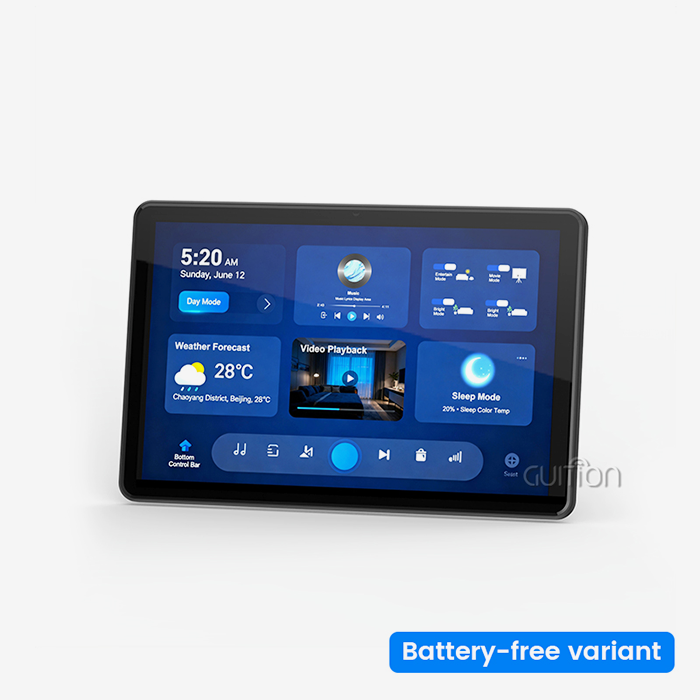
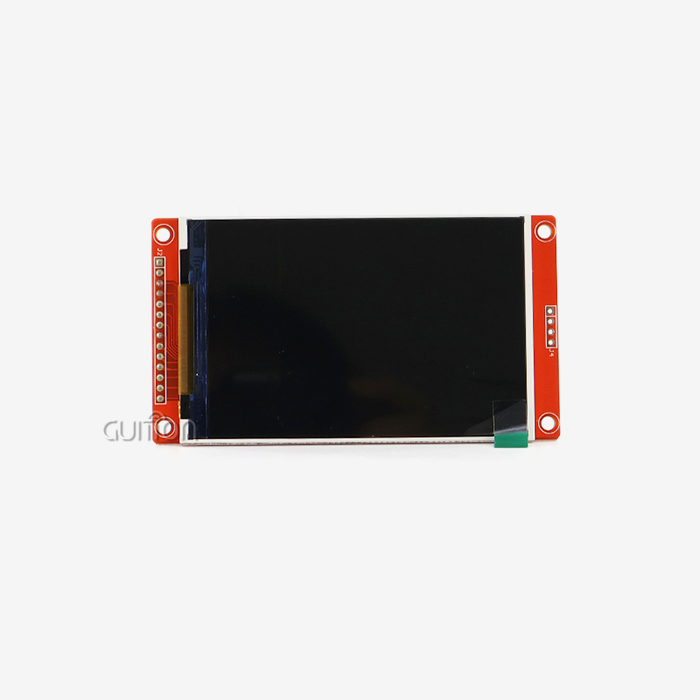
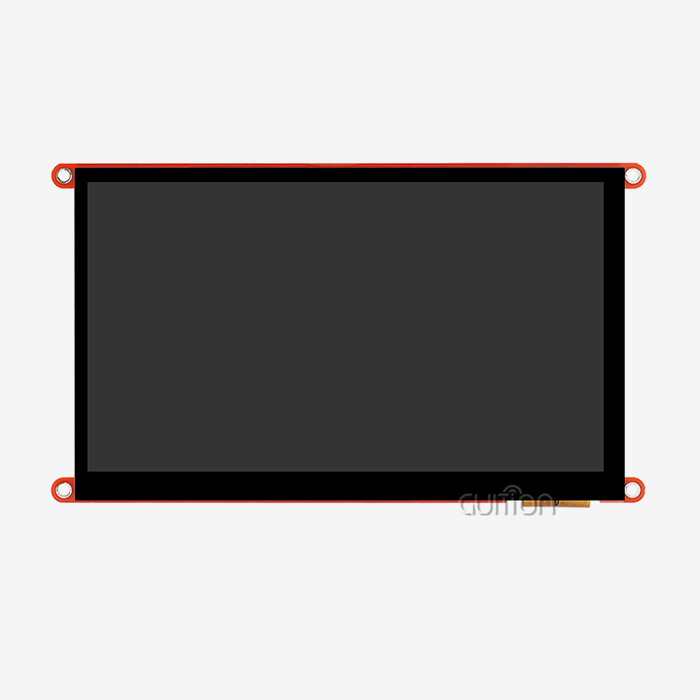
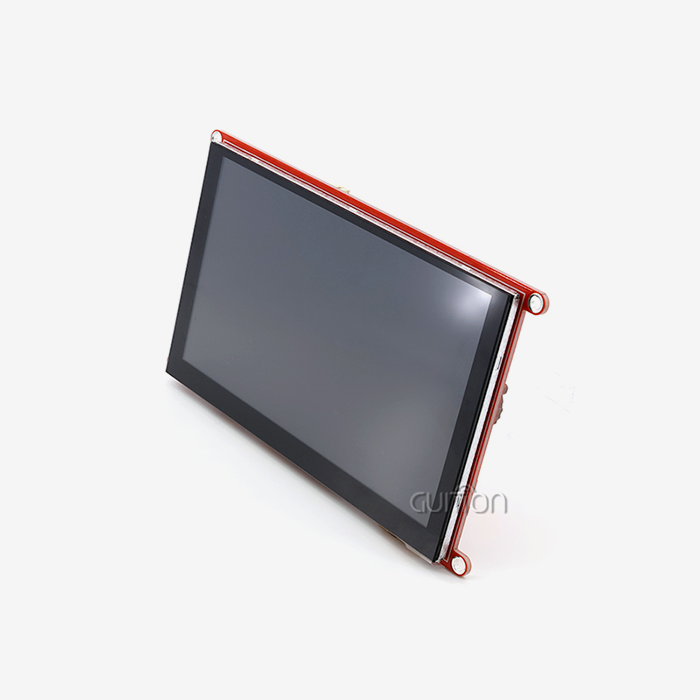
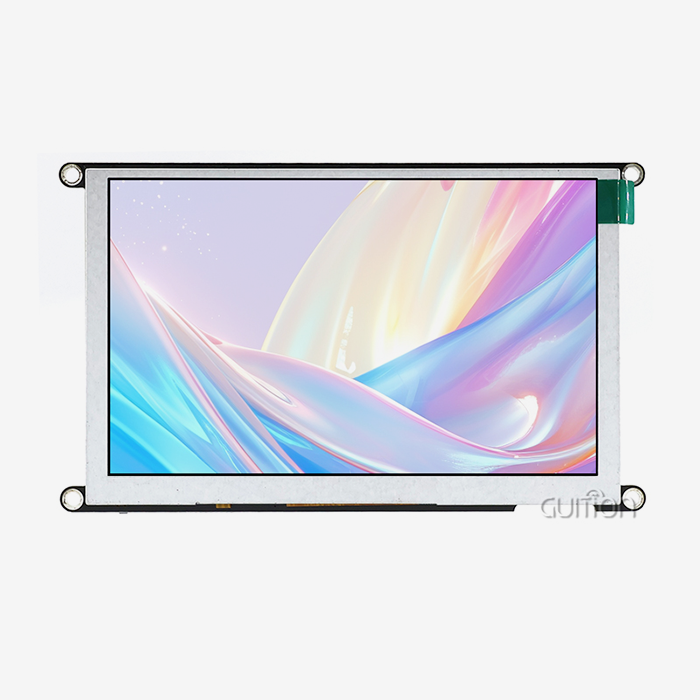
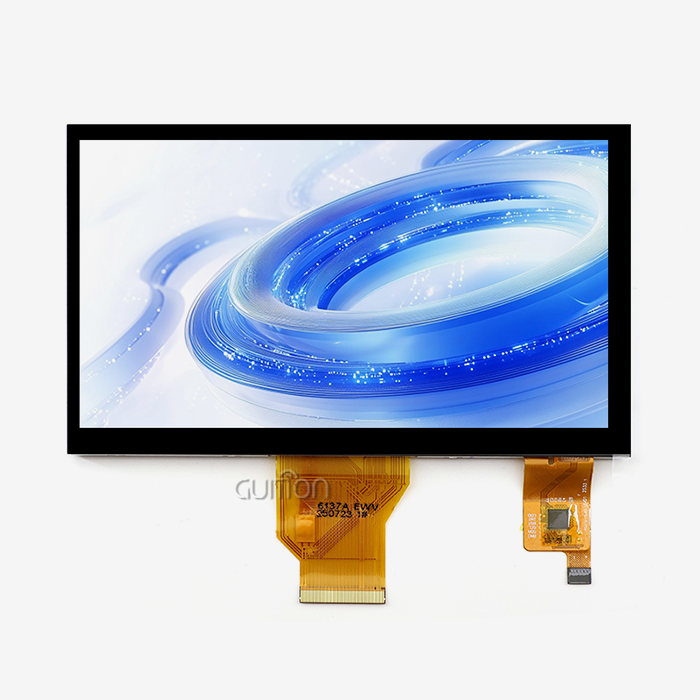
The ESP32 C3 display is a big step forward in small embedded display technology. It combines Espressif's RISC-V-based microcontroller with efficient visual interfaces designed for use in limited spaces. These modules are made to work with small screens that are between 1.28 and 3 inches. They have wireless connectivity, low power consumption, and a variety of interface support, which makes them great for IoT devices, wearable tech, and portable industrial tools. This feature meets the growing need for small smart devices that need to be able to respond to human input without affecting speed or connection.


Understanding the ESP32 C3 Display Capabilities
Core Processing Architecture and Connectivity
The 32-bit RISC-V single-core processor running at 160MHz in the ESP32 C3 display design gives it great computing power. This amount of processing power is enough to power small screens and handle wireless connection jobs at the same time. The chip has 400KB of SRAM and 384KB of ROM, which is enough memory for both rendering the user interface and running the program code. There is no need for external wireless modules because the device has built-in WiFi (IEEE 802.11b/g/n) and Bluetooth 5.0 connection. This lowers the PCB size and component costs. This integration is especially helpful for small-screen apps where saving space has a direct effect on the success of the product. The wireless features allow for tracking from afar, over-the-air (OTA) firmware updates, and easy inclusion into smart home platforms.
Display Interface Options and Resolution Support
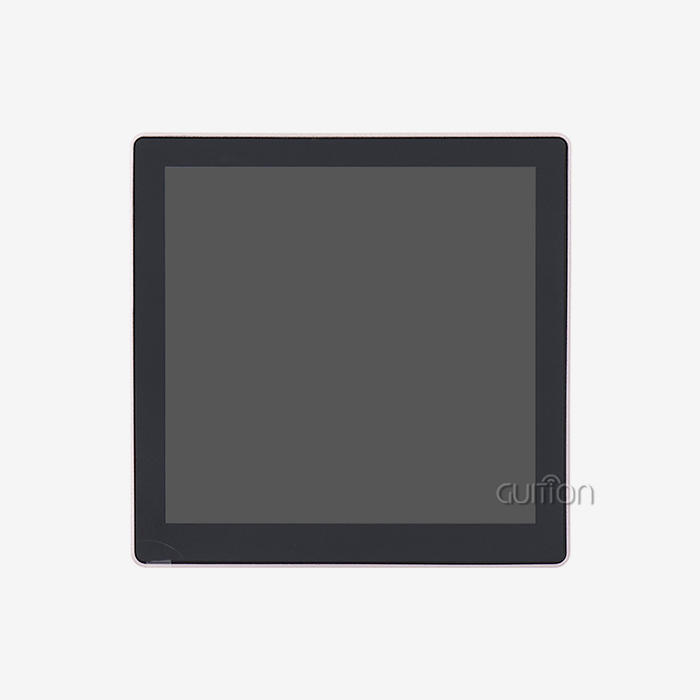
The ESP32-C3's flexible interface choices make it useful for small-screen applications. The SPI link is still the most common way to power TFT and OLED screens, and it can handle clock speeds of up to 40MHz for smooth changes to graphics. On the other hand, I2C connectivity works best with basic OLED panels, where reducing the number of parts is more important than the refresh rate. With a size of 240x240 pixels on a 1.28-inch IPS display, the Guition ESP32-2424S012C_I is the perfect example of how to integrate a small screen perfectly. This pixel density makes text and icons stand out clearly, which is important for small user interfaces. The square form factor works well for smart tech that looks like watches, small control panels, and portable measuring tools that need to make the best use of screen space.
Power Management for Battery Applications
Small screen gadgets usually run on batteries, so saving energy is very important. There are different power settings for the esp32 display module, such as deep sleep, which uses as little as 5μA. Intelligent lighting control through PWM modulation lets developers find a good balance between sight and power use by dimming screens automatically when they are not being used. The architecture's high power efficiency makes battery life much longer than with older options. When sleep modes are combined with smart display activation, apps can run for weeks on coin cell batteries. This makes it possible for always-ready portable tools and long-life sensor nodes.
Comparing Display Types for ESP32 C3: OLED, TFT, and E-Paper
TFT LCD Characteristics and Performance
Small screen ESP32 C3 display modules are mostly made with TFT technology because it has a good mix of price, speed, and brightness. The Guition ESP32-2424S012C_I uses IPS (In-Plane Switching) TFT technology, which gives it viewing angles of more than 170 degrees and bright colors across a 262K color depth. This visual quality is necessary for tasks that need to be seen from outside or from different angles. When the temperature goes from -20°C to +70°C, TFT screens keep working the same way. This means they can be used in industrial control panels and cars. The technology needs constant power for the lighting, but it can be read clearly in direct sunlight, unlike emissive displays that have trouble in bright environments.
Capacitive touch integration adds only a small amount of width and lets you recognize gestures quickly. TFT-based modules are great for smart home control interfaces, medical tracking equipment, and business point-of-sale terminals because they can show vivid colors and be touched.
OLED Technology Advantages and Limitations
OLED screens have better contrast ratios than 10,000:1 because they can show true black, which is made possible by individually addressable cells that can be turned off totally. This feature makes stunning visual displays that work well for status screens, warning systems, and high-end consumer goods. The way power is used is very different from TFT technology. OLED modules use energy based on the size of the lit pixel area. This means that they are very efficient for mostly black screens but might use a lot of power for full-screen, bright content. Small screen apps can use this to their advantage by making dark-themed displays with low active pixel counts.
Because organic materials break down faster in high temperatures that last for a long time, temperature sensitivity is the main problem. Compared to artificial display technologies, organic display technologies may not last as long in industrial settings where they need to work continuously in difficult conditions.
E-Paper Displays for Ultra-Low Power Applications
Electrophoretic e-paper technology works great for situations where information needs to be always visible while using very little power. These screens can keep pictures for a long time without using power; they only use power when they need to change their images. If you update a small screen e-paper cell every day, it could last for months on a single charge. Because it is bistable, it works well for things like price tags, product labels, and weather sensors where data doesn't change very often. Full-screen updates usually take between 1 and 15 seconds, which makes refresh rates less useful for interactive apps that need instant visual input.
E-paper is better than both TFT and OLED at reading in direct sunlight, which makes it perfect for use outside. But because the screen is black and white or has few colors, apps can only use text-heavy interfaces and simple images instead of full multimedia material.
Selecting the Best Display for Your ESP32 C3 Project
Resolution and Refresh Rate Considerations
Display quality has a direct effect on how the user feels and how much computer power is needed. The 240x240 resolution of modules like the Guition ESP32 C3 display is perfect for small screens because it gives you about 303 pixels per inch on a 1.28-inch diameter. This density makes sure that 8-point fonts can be read without anti-aliasing, and it also gives the computer room to run animations smoothly. Different types of applications have different refresh rate needs. Updates at 10Hz work well for static dashboards, but updates at 30Hz or higher are needed for interactive touch screens to keep giving responsive input. The ESP32-C3's DMA features allow buffer transfers without the need for CPU involvement. This keeps processing power for program code while the display changes.
A 240x240 RGB565 frame buffer takes up 112.5KB, which is more than 25% of the available SRAM, so developers should be smart about how they use memory. This need is doubled when double-buffering is used for flicker-free updates, so memory management or partial screen update methods are needed.
Power Efficiency and Cost Analysis
The total amount of power used by the system includes more than just display technology. The ESP32-C3 microprocessor, display driver, backlight circuit, and touch controller are all built into the Guition module. This combined method improves power routing and gets rid of the need for inefficient level shifters that are popular in discrete component designs. When you compare lifetime costs, you can see things that go beyond the original buying price. A TFT module that costs $8 per unit might use 80mW when it's active, but an OLED that costs the same but has normal content would only use 50mW. Over 50,000 units running eight hours a day for three years, the difference in energy costs at $0.12/kWh is more than $25,000. This could explain the higher cost of the parts.
Unit costs should be looked at along with supply chain security. Established display makers make production promises that last for several years. This makes sure that parts are always available for the whole span of a product. New companies may offer good prices, but they also bring supply risks that could mess up production plans.
Development Platform Compatibility
Support for the Arduino IDE, ESP-IDF, MicroPython, and Mixly development platforms shows how flexible the Guition community is. This ability to work on multiple platforms is great for engineering teams with a variety of skills, as it lets them make quick prototypes in Arduino while also improving production in native ESP-IDF frameworks. Guition's own interface development software makes making UIs easier by letting you drag and drop controls and showing you a sample of what the final UI will look like. Engineers don't have to write low-level graphics code to create whole interfaces. This cuts development time from weeks to days. The program makes efficient rendering code that works with the ESP32-C3's limited memory.
Cross-platform testing features built into the Guition tools let you look at variables and performance profiles in real time. Without having to buy expensive logic analyzers, developers can find rendering bottlenecks, memory leaks, and communication time problems. This speeds up debugging during the integration phases.
Procurement and Sourcing Tips for ESP32 C3 Displays
Evaluating Supplier Credentials and Support
When choosing a maker for an ESP32 C3 display, you need to look at more than just the technical specs. Established providers like Guition show their dedication by providing detailed paperwork such as pinout diagrams, electrical characteristics, and mechanical models with exact size limits. This level of paperwork quality is directly linked to higher rates of successful integration and lower levels of engineering errors. During the product creation stages, how quickly technical help responds is very important. Integration problems can be solved quickly when suppliers offer specific tech contacts instead of generic question forms. Email responses to technical questions that arrive in less than 24 hours show that the help system is good.
Warranty rules show how confident you are in the reliability of the goods. Standard coverage for one year covers problems with the way the product was made, and longer warranties or failure rate promises show that the quality control is very good. To keep production as smooth as possible, suppliers should make it clear how to file an RMA and how long it will take to get a replacement.
Volume Pricing and Long-Term Contracts
Strategies for buying things have a big effect on how much each unit costs when production is large. The Guition ESP32-2424S012C_I has a flexible price, with discounts of 15-20% for orders of 1,000 pieces compared to 100 units, and discounts of 30–35% for orders of 10,000 pieces. These volume breaks are a prize for planning production and investing in supplies. Long-term supply deals lock in prices and make sure that parts are distributed even when there are shortages. A three-year contract with minimum buy promises every three months protects against market volatility and gives budget security. When you show specific volume forecasts backed by signed customer contracts or market research, you have a lot more negotiating power.
How payments are made affects the amount of working capital needed. Standard net terms of 30 days work for businesses that have been around for a while, but new businesses might be able to get 60-day terms by agreeing to slightly higher unit costs. Some suppliers offer 2% discounts for payment within 10 days, improving effective pricing for cash-rich organizations.
Quality Assurance and Compliance Verification
There are big risks when buying gadgets that use fake parts. Authentic Guition modules have batch tracking codes, laser-etched model numbers, and holographic validity marks that can be checked through maker databases. Buying only from authorized sellers protects you from fakes and makes sure your guarantee is valid. RoHS compliance paperwork shows that dangerous chemicals are limited, which is necessary for getting into the European market. If something has a CE mark, it means it meets EU electromagnetic compatibility guidelines. If it has an FCC mark, it means it meets US radio frequency emission standards. Instead of self-certifying, suppliers should show test results from recognized labs.
Having ISO 9001 certification means that quality is managed in a planned way throughout the whole production process. When suppliers are audited, they make sure that their methods for receiving inspection, process control, and final testing are written down. This lowers the number of defects to parts per million. As output goes beyond thousands of units per month, this approval becomes more and more important.
Practical Applications and Case Studies
IoT Sensor Nodes and Monitoring the Environment
Small screen ESP32 C3 display units are used in environmental tracking stations spread across farming fields to show local data. Gutition units show temperature, humidity, and soil moisture readings in real time at field sites as part of a grapevine management system. The wireless connection makes it possible to collect data in one place, and the local monitor lets workers check that the sensors are working without using their phones. The small 1.28-inch form factor fits inside waterproof cases with an IP65 rating for use outside. Solar charging circuits keep the device running forever, and the screen only comes on when motion sensors spot people close. This specific action makes the battery last longer in the winter, when the sun doesn't shine as much.
With a touch interface, warning levels and sampling times can be changed in the field without having to send the units back to the workshop. Technicians can change the trigger points for watering right on the screen, so it can quickly adapt to changing crop needs as the growing season goes on.
Wearable Health Monitoring Devices
Health tracking wristband prototypes show that the ESP32-C3 display can be used in small gadgets. The circular screen shape of a continuous glucose monitor makes it easy to see both trend graphs and current results. The 240x240 clarity lets you see 12-hour trend lines clearly enough to spot patterns. Bluetooth Low Energy lets you sync your readings with apps on your phone, and a 200mAh cell gives you five days of battery life. The capacitive touch interface gets rid of mechanical buttons that could damage waterproof seals. This makes it possible to get an IPX7 grade, which means it can handle being submerged in water or in the shower.
Using Guition's UI development tools cut prototype iteration time by 40% compared to projects that used general display modules with Arduino graphics libraries in the past. It was faster to make changes to plans because they could be seen on desktop computers before they were tested on hardware.
Industrial Control Panel Integration
A company that makes HVAC control systems put in Guition ESP32 modules to replace the old sensitive touchscreen devices' interfaces. By getting rid of the need for separate microcontroller, WiFi module, and display driver circuits, the improvement made it possible to watch from afar using WiFi and cut the cost of the parts by 35%. Because the modules were small, they could be retrofitted into existing container designs, which saved a lot of money on making changes. In dusty places, capacitive touch worked better than older resistive screens. During the first year of use, 60% fewer service calls were made for touch calibration.
The ability to update software remotely changed how maintenance was done. Instead of sending workers to update the software on hundreds of installed controllers, the maker now does it directly. This cuts the cost of updates from $150 per site to almost nothing because of the network bandwidth used.
Conclusion
For small screen uses, solutions must be carefully balanced to get the best size, speed, cost, and power use. The ESP32 C3 display design, especially as it's used in modules like Guition's ESP32-2424S012C_I, meets these needs by including built-in wireless connection, fast processing, and a variety of interfaces. TFT technology gives vivid images that work well for engaging apps, and the module's full development environment speeds up the process of making a product. The success of procurement relies on carefully evaluating suppliers, negotiating volumes in a smart way, and checking quality thoroughly. The ESP32-C3 technology is a tried-and-true base for next-generation small display applications. This is because IoT devices are becoming more common in industrial, medical, and consumer markets.
FAQ
Which display technology offers the lowest power consumption for battery-operated projects?
E-paper displays use the least amount of power for apps that don't get updated very often; they only need power when the screen refreshes. TFT modules like the Guition ESP32 C3 display save power by intelligently dimming the backlight and going into deep sleep states. This gives balanced performance for dynamic apps that need to update quickly. When controlling pixels at the pixel level, OLED technology works best in mostly dark displays because it reduces the active emission area.
Can I integrate touch functionality with all display types?
As shown in the Guition ESP32-2424S012C_I module, capacitive touch integration works perfectly with TFT screens. Capacitive touch works on OLED screens by adding extra layers on top of the screen. Touch screens on e-paper devices aren't common because they're usually used for non-interactive tasks, but they can technically work with external touch sensors.
What communication interface provides the best performance?
SPI connections work best with color displays because they can handle clock speeds of up to 40MHz, which makes it easy to show images. The GUI module uses a SPI connection to make animations and responsive touch input possible. I2C works best for simpler black-and-white OLED screens where the lower pin count is more important than the update rate.
Partner with Guition for Your ESP32 C3 Display Solutions
We know how hard it is for tech teams to choose the right display units for production projects. As a reliable maker of ESP32 C3 display solutions, Guition offers complete packages that include tried-and-true hardware and easy-to-use programming tools. Our ESP32-2424S012C_I module has all the features you need in a small 1.28-inch size. It makes integration easier by including pre-validated wireless connections, capacitive touch, and full software support.
In addition to competitive hardware prices, we also provide professional support for the whole creation process. Our Guition UI development software speeds up the process of making interfaces by letting you create them with drag-and-drop tools. It also supports secondary development for adding custom features. Our open purchasing terms and stable supply chain will make sure that your project stays on track, whether you need 100 units for pilot production or 10,000 modules for mass production. Talk to david@guition.com about your unique needs and find out how our ESP32 display units can help your next IoT, industrial control, or medical device project run more smoothly.
References
1. Espressif Systems. "ESP32-C3 Series Datasheet: Technical Reference Manual for RISC-V Microcontroller Applications." Espressif Technical Documentation, 2022.
2. Zhang, Wei, and Liu, Hongxing. "Comparative Analysis of Display Technologies for Low-Power IoT Devices: OLED, TFT, and E-Paper Performance Metrics." Journal of Embedded Systems Engineering, vol. 18, no. 3, 2023, pp. 145-162.
3. Anderson, Michael. "Procurement Best Practices for Electronic Component Supply Chain Management in Manufacturing Environments." Industrial Electronics Quarterly, vol. 29, no. 2, 2023, pp. 78-94.
4. Kumar, Rajesh, and Chen, Xiaoming. "Touch Interface Integration in Compact Display Modules: Capacitive vs. Resistive Technologies for Industrial Applications." IEEE Transactions on Human-Machine Systems, vol. 52, no. 4, 2023, pp. 412-425.
5. Thompson, Sarah. "Power Management Strategies for Battery-Operated Display Systems: Optimizing ESP32-Based IoT Devices." Embedded Computing Design, vol. 21, no. 1, 2024, pp. 33-47.
6. Martinez, Carlos, and Nakamura, Yuki. "Real-World Case Studies: Small Screen Display Implementation in Wearable Medical Devices and Industrial Controls." International Journal of Medical Device Engineering, vol. 15, no. 2, 2023, pp. 201-218.
Learn about our latest products and discounts through SMS or email