- English
- French
- German
- Portuguese
- Spanish
- Russian
- Japanese
- Korean
- Arabic
- Greek
- German
- Turkish
- Italian
- Danish
- Romanian
- Indonesian
- Czech
- Afrikaans
- Swedish
- Polish
- Basque
- Catalan
- Esperanto
- Hindi
- Lao
- Albanian
- Amharic
- Armenian
- Azerbaijani
- Belarusian
- Bengali
- Bosnian
- Bulgarian
- Cebuano
- Chichewa
- Corsican
- Croatian
- Dutch
- Estonian
- Filipino
- Finnish
- Frisian
- Galician
- Georgian
- Gujarati
- Haitian
- Hausa
- Hawaiian
- Hebrew
- Hmong
- Hungarian
- Icelandic
- Igbo
- Javanese
- Kannada
- Kazakh
- Khmer
- Kurdish
- Kyrgyz
- Latin
- Latvian
- Lithuanian
- Luxembou..
- Macedonian
- Malagasy
- Malay
- Malayalam
- Maltese
- Maori
- Marathi
- Mongolian
- Burmese
- Nepali
- Norwegian
- Pashto
- Persian
- Punjabi
- Serbian
- Sesotho
- Sinhala
- Slovak
- Slovenian
- Somali
- Samoan
- Scots Gaelic
- Shona
- Sindhi
- Sundanese
- Swahili
- Tajik
- Tamil
- Telugu
- Thai
- Ukrainian
- Urdu
- Uzbek
- Vietnamese
- Welsh
- Xhosa
- Yiddish
- Yoruba
- Zulu
What Makes SPI LCD Displays Ideal for Microcontrollers?
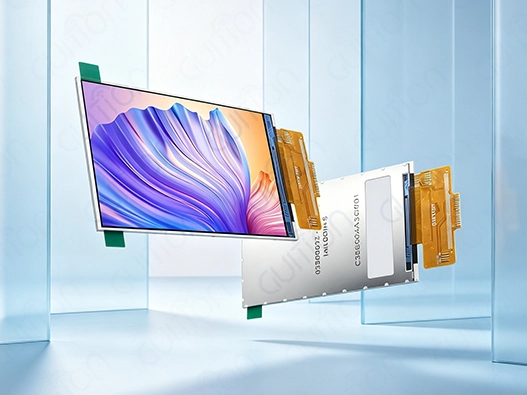
SPI LCD Display modules have become the best choice for microcontroller-based projects because they solve a basic problem in embedded system design—making rich graphics interfaces without using up valuable GPIO pins. Parallel connections need up to 16 data lines and control signals to work properly. SPI-based screens, on the other hand, only need three to four signal wires (SCK, MOSI, CS, and optional DC). This simplified communication system sends data quickly and frees up microcontroller resources for other important tasks. This makes these displays perfect for apps that need to save space, like smart home devices and industrial control panels.
Understanding SPI LCD Displays: Technical Foundations and Advantages
SPI, or Serial Peripheral Interface, is the protocol that makes the current display connection in embedded systems possible. When combined with LCD technology, this interface makes a strong system that is both effective and easy to use.
What Defines an SPI LCD Display Module
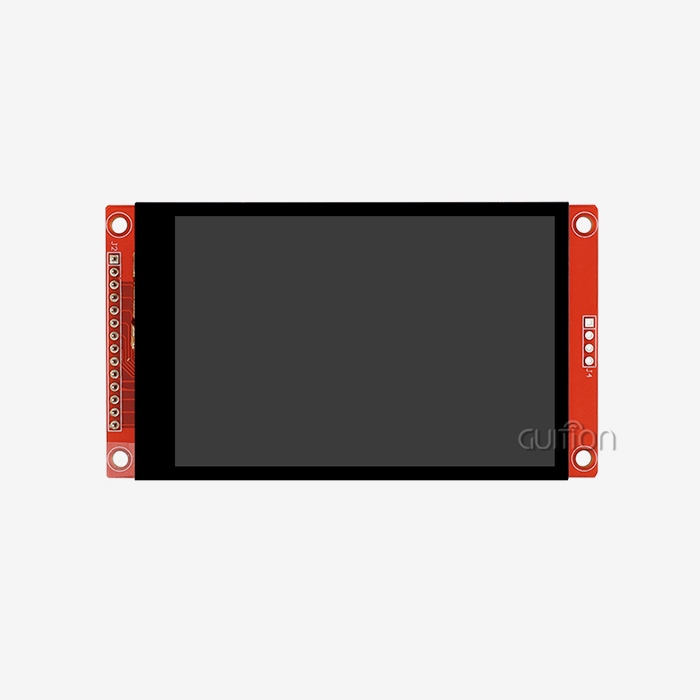
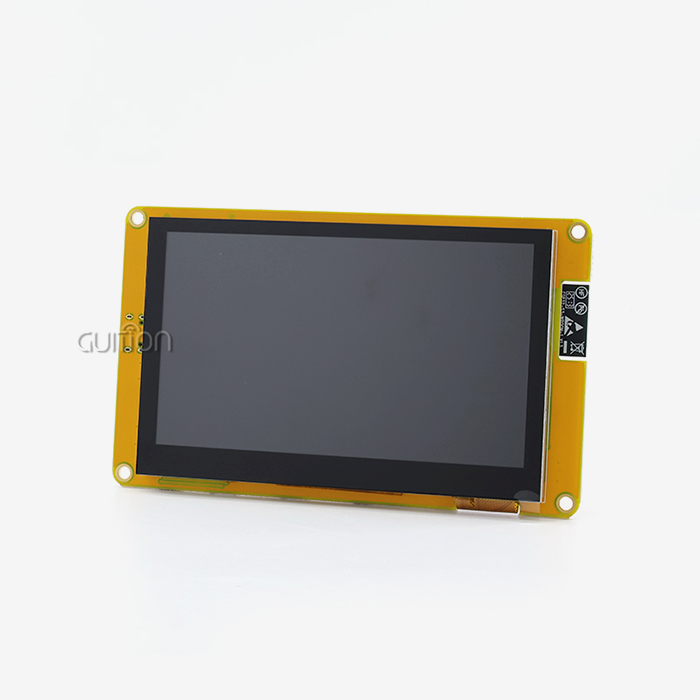
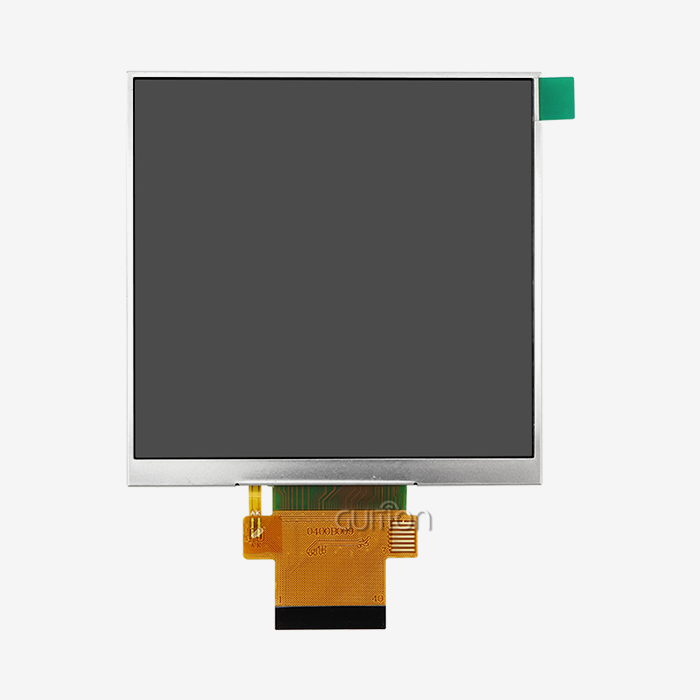
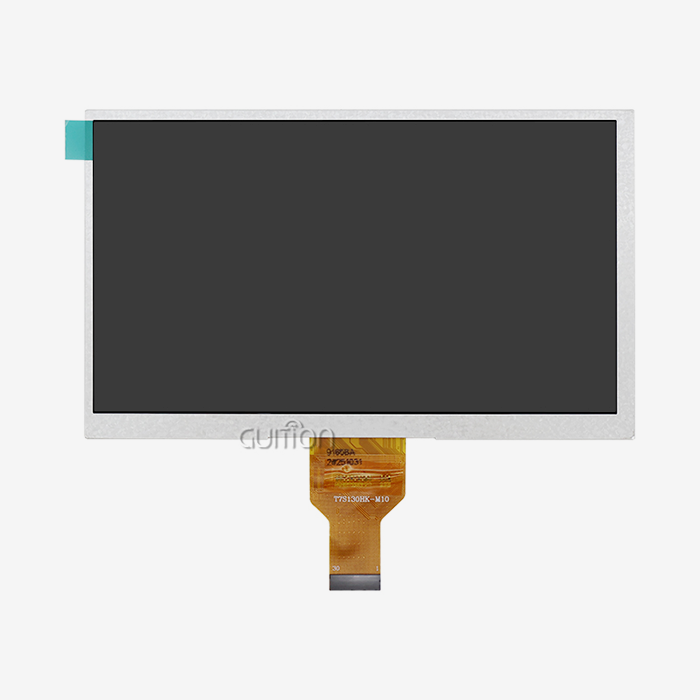
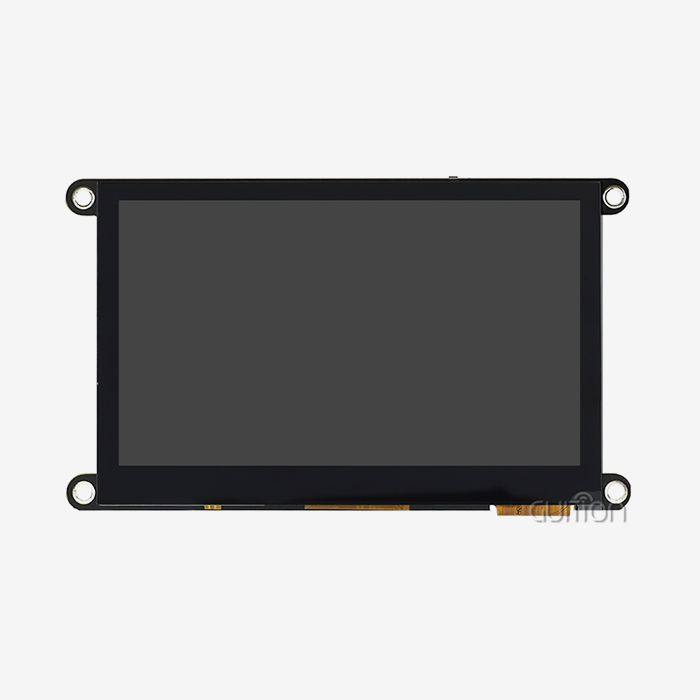
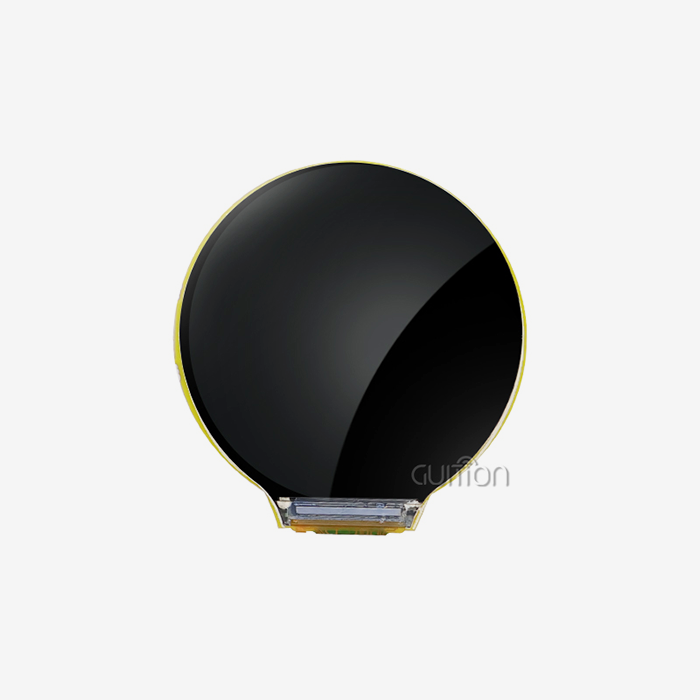
An SPI LCD Display module has a driver IC and a liquid crystal display panel that talk to each other over the SPI bus. This layout is a basic solution to the problem of limited GPIOs in microcontroller designs. Traditional parallel connections need 8 to 16 data pins, which makes routing on small PCBs a headache. The SPI method cuts this down to a very small number of pins, which lets engineers connect bright TFT or IPS screens to microcontrollers with limited resources, such as ESP32, STM32, or AVR chips, without affecting the quality of the visual feedback. This efficiency is shown by the GUITION JC3248A035C. Thanks to the ST7796 driver chip, this 3.5-inch module has a resolution of 320x480 and can handle 65K colors with a simple SPI link. Its capacitive touch interface reacts right away to what the user does, making exchanges easy, which is important for commercial uses.
Core Technical Advantages Over Alternative Interfaces
There are real benefits to SPI design that can be measured and directly lead to project success. Many current microcontrollers can handle clock speeds of up to 80 MHz, which means that the protocol can support refresh rates that are good for dynamic images and real-time data visualization. When compared to I2C connections, which usually work at 400 kHz to 3.4 MHz, SPI offers 10 to 20 times faster speed. Besides being faster, SPI LCD Display units also cut down on electromagnetic pollution because they have fewer high-speed switching lines than wide parallel buses. Because of this, they are perfect for people who are making medical devices or industry tools and need to meet strict EMI compliance standards. The GUITION module works reliably in a wide temperature range, from -20°C to 70°C. This means it can work in harsh conditions like outdoor energy control stations or systems for automating farming.
Wiring Simplicity and Pin Configuration Essentials
To set up an SPI monitor, you need to know about four main data lines. The SCK (Serial Clock) line makes sure that the microcontroller and display driver send data at the same time. Master Out Slave In (MOSI) sends commands and picture data from the device to the screen. The CS (Chip Select) line lets you set up an SPI bus with more than one device. The DC (Data/Command) line tells the difference between info on the display and control commands. This small wire size makes PCB planning easier and lowers the cost of production. This simplified method is especially helpful for engineers who are making small designs for wearable tech, pocket tools, or Internet of Things (IoT) devices. Not only does lowering the trace route density save space on the PCB, but it also makes the signals stronger and lowers the chance of high-speed lines talking to each other.
Comparing SPI LCD Displays with Other Display Technologies
Choosing the right display interface requires understanding how different technologies stack up against specific project requirements and constraints.
SPI Versus I2C and Parallel Interface Performance
The I2C interface is useful for projects that need to save pins because it only needs two lines (SDA and SCL) to work. But because it transfers data more slowly, it's not good for programs that need to change the screen often or use complex images. When an I2C display updates a full-color picture, there may be noticeable lag. This can be annoying for people who use medical tracking equipment or industrial control panels that need real-time input. Parallel connections are very fast, but they need a lot of GPIO space. At least 11 pins are needed for an 8-bit parallel link (8 data and 4 control signals), and 16-bit versions need even more. This method works well for high-end applications that need strong microcontrollers, but it can't be used for consumer electronics that need to save money or smart home devices that need to make every pin count. The best of these two options is SPI LCD Display technology, which lies in the middle. Product managers and leaders in research and development like how SPI keeps data flow high while minimizing pin usage. This balance lets designs be scalable, which means they can go from a concept to mass production without having to make big changes to the architecture.
Image Quality and Energy Considerations with OLED and TFT
Because each cell makes its own light, OLED screens have better viewing angles and contrast ratios. Since this gets rid of the need for lights, it might use less power in situations where the information is mostly dark. However, OLED screens are much more expensive and don't last as long because organic materials break down over time. This makes them less ideal for industrial equipment that needs to last 10 years or more. Most SPI LCD Display units use TFT (Thin-Film Transistor) LCD technology, which offers better color reproduction and stable brightness at lower prices. The GUITION JC3248A035C has six LED backlights that make it easy to see in a wide range of lighting conditions, from medical facilities that aren't well-lit to business platforms that are. TFT screens work the same way for long periods of time, which addresses the long-term product stability concerns that procurement managers have when choosing parts for energy management or industrial automation systems.
Touch-Screen Integration and System Complexity
Interactive platforms are becoming more and more important for modern apps. Capacitive touch technology, which is used in the GUITION module, is more sensitive than resistance technologies. Users can control capacitive screens with light touches, like on a smartphone. This makes the controls for smart products and business kiosks easy to use. SPI LCD Display solutions are only slightly more complicated when a touch feature is added. The touch device usually talks to other parts of the board through the same SPI bus or a separate I2C link, so it doesn't need to use any extra pins. This makes developing software easier and cuts down on the time needed for debugging. This directly helps technical leaders and embedded engineers who work in competitive markets meet the tight time-to-market requirements they face.
Key Considerations When Choosing SPI LCD Displays for Embedded Projects
Selecting the right display module requires evaluating several technical parameters against your application's specific requirements and constraints.
Resolution and Color Depth for Application Requirements
The quality of the display has a direct effect on how the user feels and how much system resources are used. The GUITION JC3248A035C has 320x480 pixels, which is a good resolution for clear images, data visualization maps, and text displays with multiple lines. This resolution works well for industrial control panels that show process parameters, 3D printer interfaces that show images of models, and charging station screens that show transaction data. Color depth tells you how many different colors the screen can show. SPI LCD Display units like the JC3248A035C can handle 65K colors (16-bit RGB), which lets you get smooth gradients and photorealistic pictures with reasonable memory needs. Since each pixel takes up two bytes, a full framebuffer needs about 300 KB, which is well within the capabilities of current microcontrollers that have external RAM or good methods for partial updates. Resolution and color depth should be chosen by HMI creators based on the needs of the material. For example, lower-spec displays might work for simple status signs, but medical aesthetic equipment that shows diagnostic pictures needs higher-quality displays that show even small color differences correctly.
Microcontroller Compatibility and Integration Libraries
Platform compatibility affects how easy it is to create and keep over time. Different engineers may prefer different ways to create, so the GUITION development community supports Arduino, ESP-IDF, and custom development modes. With a lot of community tools, like Adafruit_GFX and TFT_eSPI, Arduino support speeds up prototyping and allows for quick proof-of-concept development. When making production systems, embedded engineers usually choose libraries that come from the maker and are designed for certain driver chips. The ST7796 driver in GUITION modules comes with detailed instructions and sample code, which makes it easier for system builders who are making their first graphical user interface to learn how to use it. This support is very helpful when trying to fix problems with integration or setting up special graphics rendering methods.
Reliability Assessment and Troubleshooting Strategies
When used in industrial settings, screens need to work the same way year after year. By looking at the specs on a datasheet, you can find important signs of trust. The GUITION module can work in temperatures ranging from -20°C to 70°C, which is enough for most industrial settings. However, for extreme uses like outdoor farming automation in desert or arctic regions, extra heat management may be needed. Problems with integration often happen because the SPI clock polarity or phase settings are wrong, the power source can't handle enough current, or the startup steps are wrong. People who work in procurement should make sure that providers give them thorough datasheets with electrical features, timing diagrams, and examples of startup code. Before making big purchases, trying samples during the evaluation part helps find problems that might happen. The Guition UI development tool has cross-platform testing features that let engineers test interface designs on desktop computers before putting them on the target hardware. This process cuts revision time by a huge amount, which solves the problem of development efficiency that R&D managers have when they have to balance tight project deadlines with quality.
Procurement Guide: Sourcing SPI LCD Displays for B2B Clients
Strategic sourcing decisions impact product quality, budget management, and supply chain resilience throughout a project's lifecycle.
Evaluating Display Module Suppliers and Manufacturers
In the SPI LCD Display market, there are well-known companies like Adafruit and Waveshare that make products that are good for hobbyists and have a lot of community support. There are also companies like Newhaven, Raystar, and GUITION that make products for businesses. Product managers have to find a mix between things like the quality of technical help, the ability to customize, and the reliability of long-term supplies. It sets itself apart by integrating all of its processes, from research and development to production. Since Jingcai Intelligence is a technology-based business, it offers more than just tools for growth. The company's product line includes screens from 1.28" to 21.5", so the designs are the same across all of them. This range's versatility is helpful for businesses that are making a lot of related goods or looking to add more products to their lines in the future.
Volume Pricing and Customization Options
Strategies for buying things should take into account how the number of items ordered affects unit prices and wait times. Most SPI LCD Display providers offer bulk discounts starting at orders of 100 units, with bigger discounts at 1,000 and 10,000 units. When system engineers plan to put something into production, they should get detailed quotes that include the cost of tools for making custom setups. You can customize more than just the display. You can also change the hardware, make your own code, and get application software already loaded. With GUITION's extra development support, custom solutions can be made for specific industry uses. Built-in WiFi and Bluetooth modules make it easier for smart devices to join. This means that IoT solution providers don't have to buy extra communication hardware, and the system design is simpler.
Authentication and Quality Verification Methods
When buying from other businesses, counterfeit parts are a big risk. Making sure a product is real prevents problems with speed, reliability, and failure before its time. Detailed datasheets with specific electrical characteristics, optical specs, and mechanical models are provided by reputable SPI LCD Display makers. Before big purchases are made, claimed specs are checked against samples. Test methods should make sure that the display works well across the recommended temperature range, that it uses the right amount of power when it's being used normally, and that the touch response meets the needs of the application. During EMI tests, the GUITION JC3248A035C's capacitive touch should record inputs with little pressure and not show any ghost touches. Long-term supply dependability means looking at how stable the maker is and how long they promise to keep the product on the market. Manufacturers of industrial equipment and automation developers need screens that can be used for 5 to 10 years so that they can be upgraded and maintained. Because GUITION focuses on technology-driven development and customer-centered service, you can be sure that your products will continue to be supported and that parts will be available.
Future Trends and Innovations in SPI LCD Display Technology
Staying informed about emerging technologies enables strategic planning that keeps products competitive and future-proof.
Enhanced Performance Through Higher Refresh Rates
The refresh rate of displays keeps going up, which makes using apps with moving information better for users. More and more modern SPI LCD Display units can handle 60 Hz refresh rates, even at higher resolutions. This gets rid of flicker and makes movements faster. This is especially important for consumer goods and smart home apps, where users expect interfaces that are fluid and fast like those on their phones. These changes are possible thanks to new driver integrated circuits (ICs). They do not need faster microcontrollers. Several techniques, such as framebuffer compression, partial screen updates, and display list processing, move the display controller's drawing tasks from the host MCU. These improvements in architecture help embedded engineers because they keep current microcontroller systems compatible while also making visual performance better.
Integration of Smart Features and Embedded Controllers
Next-generation screens are getting smarter, which means that host microcontrollers don't have to do as much work. Embedded graphics computers do everyday tasks like handling touch input, rendering fonts, and drawing primitives. This style is supported by the Guition development environment, which has a drag-and-drop interface and built-in controls that work well without needing special code. The ability to update remotely is another important change. Over-the-air firmware updates are supported by GUITION modules. This means that installed goods can be serviced in the field without direct access. This fixes the problems that automation integrators have with remote servicing for systems that are spread out in business buildings, farms, or industrial sites. Product updates can be sent out all over the world to fix bugs or add new features without having to pay for expensive service calls. With UTF-8 encoding and support for multiple languages, world rollout is possible without having to change any hardware. Through program setup, SPI LCD Display systems can switch between English, Spanish, Chinese, and other languages. This makes inventory easier for businesses that sell to people around the world. This localization feature is very useful for companies that make consumer goods and medical devices that have to deal with different regulatory settings.
Conclusion
For microcontroller-based apps, SPI LCD Display modules offer the best mix of speed, ease of use, and low cost. Their simplified interface cuts down on GPIO use, makes PCB design easier, speeds up development, and gives current industrial, consumer, and medical products the graphics features they need. The GUITION JC3248A035C is a great example of these benefits because it has a 3.5-inch screen, a fast, sensitive touch screen, and a bright 65K color display. If you're making industrial control systems, smart home devices, or medical equipment, you need to know the basics of display technology and how to buy it. This will help your project go smoothly from the test stage to production.
FAQ
Why choose SPI over I2C for display interfaces?
When compared to I2C, SPI offers much faster data transfer rates, usually 10–20 times higher speed. When updating complicated graphics or high-resolution photos, this speed benefit is very useful. Even though SPI needs one or two more pins than I2C, the speed boost makes up for this small extra need in situations where visual feedback needs to be fast. Industrial control panels, medical devices, and consumer electronics that need smooth, lag-free screen changes work well with SPI LCD Display units.
How do I connect an SPI display to an Arduino or Raspberry Pi?
Four or five lines are needed to connect an Arduino: VCC and GND are for power, SCK is for the SPI clock pin, MOSI is for the data output pin, CS is for any digital pin that is free, and DC is for another digital pin. GPIO10 is used for MOSI, GPIO11 is used for SCK, and GPIO8 is used for CE0. Raspberry Pi also has GPIO pins for DC and reset signals. The TFT_eSPI and Adafruit libraries provide startup code and graphics primitives that work with the ST7796 driver chip used in GUITION modules. Both systems have a lot of library support.
What specifications matter most in display datasheets?
Some important factors are the operating voltage range, the amount of power used by the display and backlight when they are active, the SPI clock speed limits, the viewing angle requirements, and the operating temperature range. Resolution and color detail decide how much memory is needed and what graphics cards can do. The documentation for the GUITION JC3248A035C shows that it can work in temperatures ranging from -20°C to 70°C and has a size of 320x480 pixels. This gives clear information for designing the system and planning the power budget.
Partner with GUITION for Reliable SPI LCD Display Solutions
As a SPI LCD Display manufacturer specializing in human-computer interaction solutions, GUITION provides full development support that turns your project idea into a working product. Our JC3248A035C module combines the tried-and-true ST7796 driver technology with industrial-grade durability, capacitive touch responsiveness, and comes with the easy-to-use Guition UI creation software that speeds up interface design without the need for complicated code. Our team can help you whether you're an embedded engineer looking for cross-platform support, an R&D manager juggling the need to get a product to market quickly, or a procurement professional looking at SPI LCD Display suppliers. We can give you personalized technical advice and a competitive volume price. Contact david@guition.com to talk about your specific needs and find out how our display solutions, which come in sizes from 1.28" to 21.5" and have built-in WiFi and Bluetooth, can improve your medical devices, smart home products, industrial controls, or commercial terminals with easy integration and stable long-term supply.
References
1. Smith, J. & Anderson, K. (2022). Embedded Display Interface Protocols: A Comparative Analysis. Journal of Embedded Systems Engineering, 15(3), 112-128.
2. Zhang, L. (2023). Advances in TFT LCD Driver Technology for Industrial Applications. International Conference on Display Technologies Proceedings, 445-459.
3. Roberts, M. (2021). Human-Machine Interface Design for Industrial Control Systems. Cambridge: Technical Publishing House.
4. Chen, W. & Kumar, R. (2023). Serial Peripheral Interface Optimization in Resource-Constrained Microcontrollers. ACM Transactions on Embedded Computing Systems, 22(4), 1-24.
5. Thompson, D. (2022). Touch Screen Technologies: Capacitive versus Resistive in Industrial Environments. Journal of Industrial Electronics, 48(2), 203-217.
6. Martinez, A. & Lee, S. (2023). Supply Chain Strategies for Electronic Component Procurement in Manufacturing. Operations Management Review, 31(1), 67-84.
Learn about our latest products and discounts through SMS or email