- English
- French
- German
- Portuguese
- Spanish
- Russian
- Japanese
- Korean
- Arabic
- Greek
- German
- Turkish
- Italian
- Danish
- Romanian
- Indonesian
- Czech
- Afrikaans
- Swedish
- Polish
- Basque
- Catalan
- Esperanto
- Hindi
- Lao
- Albanian
- Amharic
- Armenian
- Azerbaijani
- Belarusian
- Bengali
- Bosnian
- Bulgarian
- Cebuano
- Chichewa
- Corsican
- Croatian
- Dutch
- Estonian
- Filipino
- Finnish
- Frisian
- Galician
- Georgian
- Gujarati
- Haitian
- Hausa
- Hawaiian
- Hebrew
- Hmong
- Hungarian
- Icelandic
- Igbo
- Javanese
- Kannada
- Kazakh
- Khmer
- Kurdish
- Kyrgyz
- Latin
- Latvian
- Lithuanian
- Luxembou..
- Macedonian
- Malagasy
- Malay
- Malayalam
- Maltese
- Maori
- Marathi
- Mongolian
- Burmese
- Nepali
- Norwegian
- Pashto
- Persian
- Punjabi
- Serbian
- Sesotho
- Sinhala
- Slovak
- Slovenian
- Somali
- Samoan
- Scots Gaelic
- Shona
- Sindhi
- Sundanese
- Swahili
- Tajik
- Tamil
- Telugu
- Thai
- Ukrainian
- Urdu
- Uzbek
- Vietnamese
- Welsh
- Xhosa
- Yiddish
- Yoruba
- Zulu
How Reliable Are ESP32P4 Displays in Industrial Use?
When looking at monitor options for business use, dependability is the most important thing to consider. Because they have a dual-core MCU architecture running at 360MHz, built-in Wi-Fi and Bluetooth connections, and a strong hardware design that can handle temperatures from -20°C to 70°C, ESP32P4 displays have become reliable options for harsh settings. These modules have both strong processing power and stable performance, which makes them ideal for use in automation panels, monitoring systems, and embedded control applications where downtime directly affects income and production.
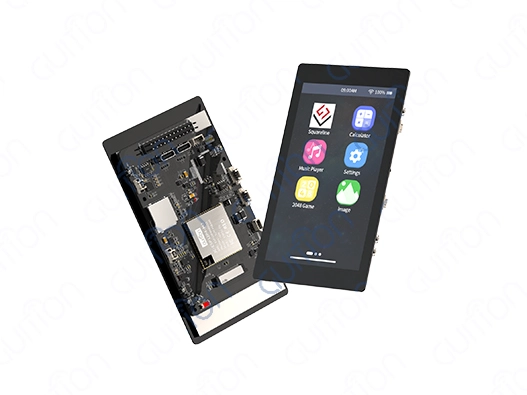
Overview of ESP32P4 Displays in Industrial Environments
In industrial settings, monitor options need to be able to handle rough conditions and still work properly. The ESP32P4 display is a big step forward in embedded display technology, and it was designed to meet the extremely strict needs of industrial settings.
Core Capabilities That Define Industrial Readiness
The ESP32-P4 module, which has a dual-core MCU configuration that gives it a lot of processing power, is the major driver in these display systems. With a main frequency of up to 360MHz, the module can handle complicated jobs without slowing down. The memory design has 32M PSRAM, 128KB HP ROM, 32KB LP SRAM, and 768KB HP L2MEM, which is more than enough for complex industrial applications. With 16MB of flash storage, there is enough room for software, user interfaces, and practical data.Having Wi-Fi and Bluetooth built in means that you don't need any extra connection modules. This cuts down on the number of parts and possible failure spots. This unified design method makes the system more reliable overall and makes it easier for automation and control system developers to put it into action.
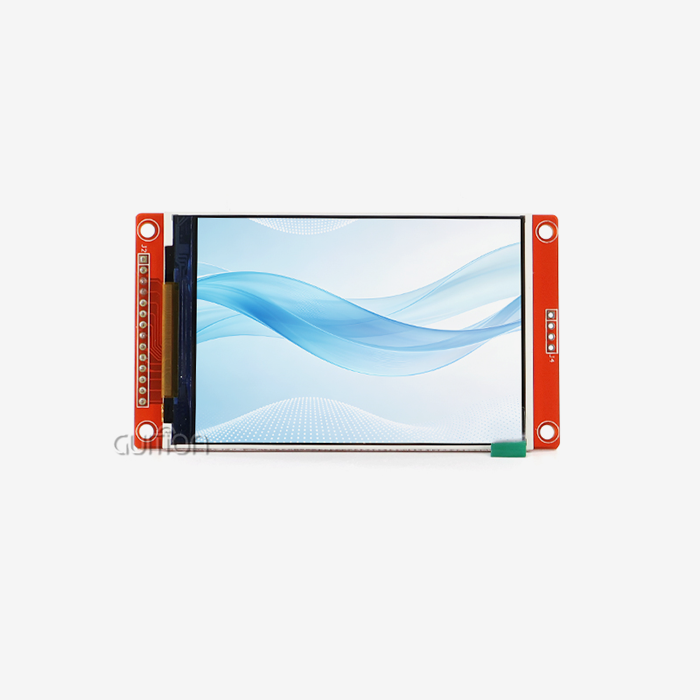
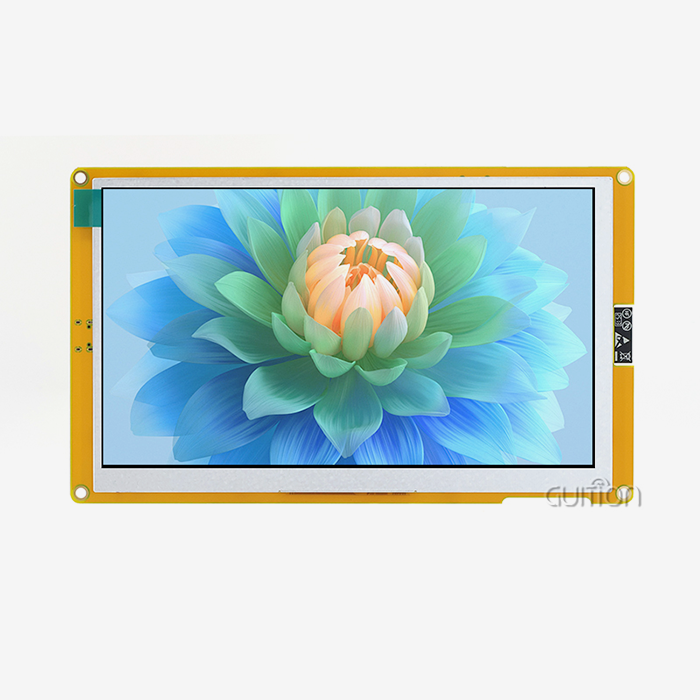
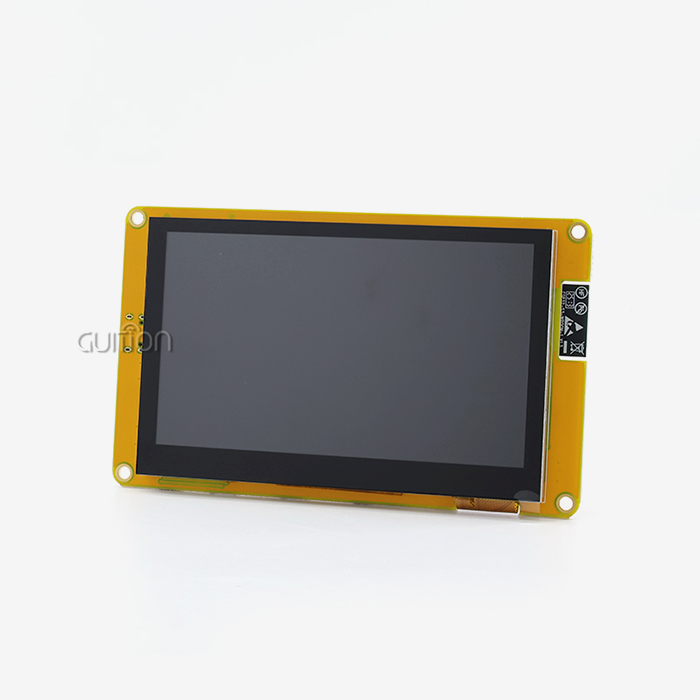
Typical Industrial Use Cases
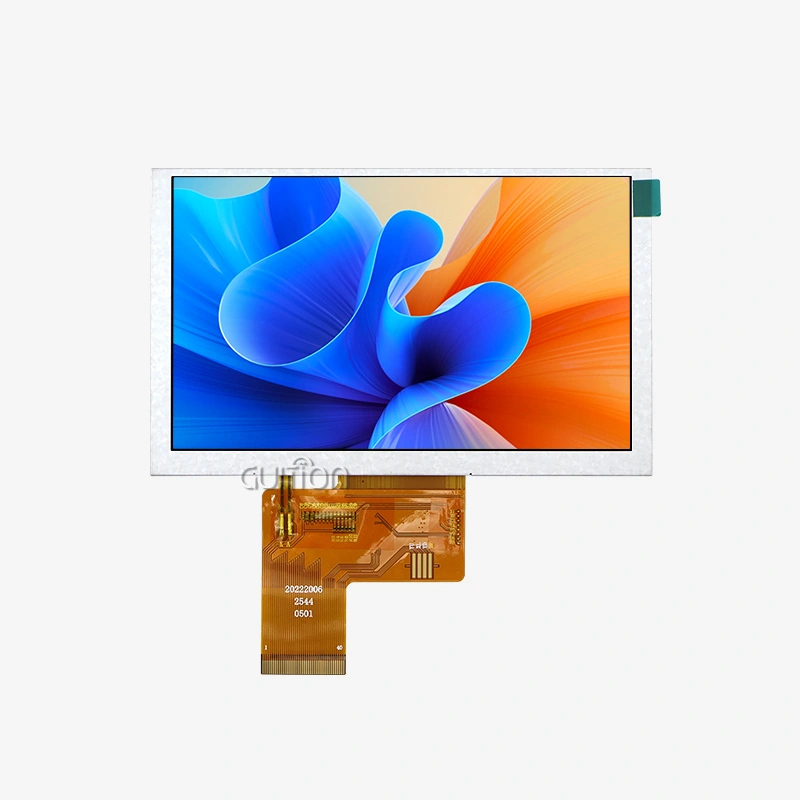
One of the most difficult uses for monitor technology is in industrial control screens. Operators depend on these tools to keep an eye on things and handle equipment in real time. If a display goes out, production lines can stop. The 4.3-inch LCD screen with 480x800 resolution capacitive touch gives you clear vision and easy contact, which is important for working efficiently in factories.The stable performance of these units makes them useful for monitoring systems in places that handle energy. The brightness control circuit makes sure that the screen is always visible, even when the lighting is changing, and the touch screen control circuit makes sure that the user's input is recognized correctly even when they are wearing protective gloves.Displays that work effectively across a wide range of temperatures are needed for embedded control units in farm automation systems. The operating potential from -20°C to 70°C directly meets this need, allowing placement in greenhouses, storage facilities, and outdoor equipment without the need for extra environmental protection.
Addressing User Expectations for Industrial Applications
Buyers who are looking at different display options put long-term security and supply reliability at the top of their lists. These goals are met by the ESP32-P4 modules, which are made using tried-and-true methods for choosing components and strict quality controls during production. Because TF card interfaces and IO port interfaces are available, the system can be expanded to meet future needs without having to be redesigned from scratch.Engineers like that there are a lot of programming environment choices, like Arduino IDE, ESP IDF, MicroPython, and Guition software. This makes learning easier and speeds up project timelines. This range of development methods makes sure that teams can use their current knowledge while also getting access to more advanced tools.
Technical Evaluation: Performance and Durability of ESP32P4 Displays
To understand the technical basis of display reliability, you need to look at performance factors that have a direct effect on the steadiness of operations in industrial settings.
Display Technology and Industrial Suitability
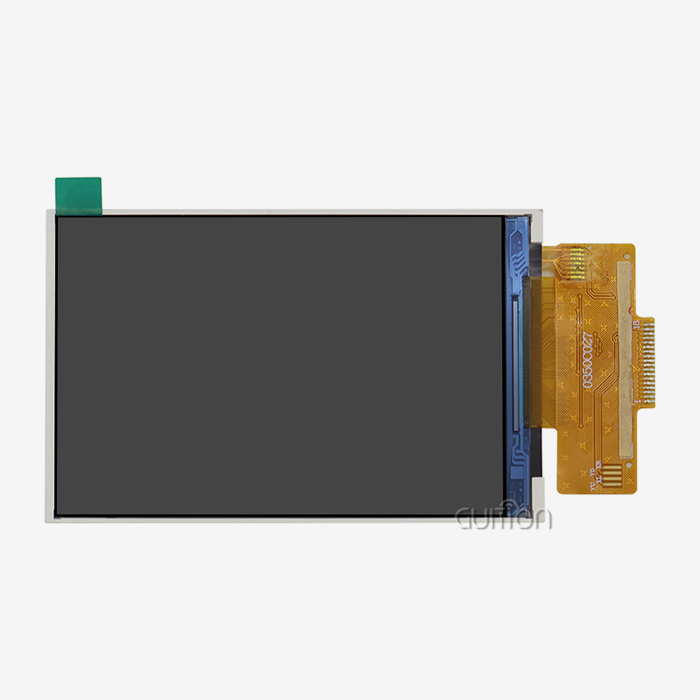
LCD technology used in ESP32P4 display units has specific benefits for use in industrial settings. In contrast to OLED displays, which can get burn-in when they show static material for long periods of time, LCD screens keep the quality of the images they show throughout their entire life. It is very helpful to have this trait in control screens that show the same interface elements for hours or days on end.With support for 16.7 million colors, TFT LCDs reproduce colors very well, making it easy to tell the difference between operating states through color coding. The 480x800 resolution makes the text look clear, which is important for showing detailed system information and number data without making it hard for the user to see.
Interface Architecture and Data Stability
The ESP32-P4 modules' interface design puts data speed and signal quality first. When you mix the MIPI-DSI interface with the parallel RGB interface, you can get high frame rates without the bandwidth problems that come with older SPI-based methods. This design benefit makes sure that images run smoothly even when showing complicated interfaces with lots of real-time data.When it comes to longevity, capacitive touch displays are better than resistant ones. In industrial settings, people touch and use displays a lot, and capacitive technology can handle millions of touch cycles without losing its delicacy or accuracy.
Power Consumption and Thermal Management
Using power efficiently has a direct effect on how reliable an industrial machine system is. In the ESP32-P4 design, processing power and energy savings are balanced. This lowers heat production, which can speed up the aging of parts. The lighting control circuit lets the brightness change dynamically, which lets systems use the least amount of power possible based on the environment while still being able to see.Thermal management includes more than just power economy; it also includes the range of temperatures that can be used. The tested performance from -20°C to 70°C makes sure that it works in buildings that aren't heated in the winter and equipment areas that don't have a lot of air flow in the summer.
Memory Architecture and Application Performance
Because ESP32-P4 setups have a lot of memory, they don't have the speed problems that happen with simpler microcontroller designs. The 32M PSRAM supports the big frame buffers needed for smooth graphics operations, and the 16MB flash supports full user interfaces without sacrificing design or usefulness.This large memory allocation lets developers make complex user interfaces with their own fonts, pictures, and animations without having to worry about running out of resources all the time. This makes professional-level tools that make operators more productive and cut down on the time they need to spend learning how to use them.
Comparing ESP32P4 Displays with Alternatives in Industrial Use
To make smart buying choices, you need to know how different controller platforms and display technologies work in real-world workplace settings.
ESP32P4 Versus Original ESP32 Series
The ESP32P4 display is a big step forward from older versions of the ESP32. The original ESP32 modules work well for simple display tasks, but the ESP32-P4 version has hardware improvements that are designed to meet the needs of human-machine interfaces. The dual-core design at 360MHz gives the processor a lot more room to work than in earlier models, which lets the images be more complex and the response time be faster.Because ESP32-P4 modules have more memory, they can fix problems that coders had with the original ESP32 versions. The original series often needed careful memory management and efficiency when making screens with a lot of moving parts. Because ESP32-P4 versions have more resources, development teams can focus on making the software work instead of constantly optimizing the resources.
LCD Advantages in Industrial Contexts
When you compare LCD technology to OLED options, it's easy to see which is better for commercial use. Even though OLED screens have better contrast ratios and viewing angles, they can get burned in, which makes them unsuitable for apps that show static interface elements. Labels, buttons, and state markers that stay visible for long periods of time are common on industrial control screens. The layouts are usually consistent.Over longer periods of time, LCD screens keep their performance fixed. The lighting technology used in these examples lets parts be replaced individually if the brightness drops after years of constant use, which makes industrial equipment last longer.
Resolution and Screen Size Considerations
The 4.3-inch screen size and 480x800 resolution are a good compromise between sight and the ability to be easily integrated. Bigger screens need more power and enclosure holes that are bigger, which makes designing tools more difficult. With smaller screens, you can't see as much information at once, and you might have to switch between screens to get to the tools you need.The pixel density of 480x800 resolution at 4.3 inches makes sure that text can be read without magnification and that there is enough room for touch targets that operators can safely press, even when conditions are bad.
Procurement Insights: Sourcing Reliable ESP32P4 Displays for Industrial Projects
Not only does choosing the right technology for an industrial project rest on its success, but so does setting up solid supply chains that can meet long-term production needs.
Evaluating Supplier Capabilities
When looking for esp32p4 display modules for business use, choosing a supplier takes more than just looking at prices at first. Having technical help is very important during the merging stages, when questions come up about things like power needs, environmental specs, or interface protocols. Suppliers with engineering teams that have worked on industrial uses before can give helpful advice that cuts down on project timelines.The level of the documentation shows how mature the seller is. Full datasheets, integration guides, and sample code cut down on the time it takes to create and the chance of making mistakes during execution that could hurt reliability. Along with our display modules, Guition offers a lot of detailed documentation to make sure that development teams have all the tools they need to successfully apply them.
Customization and OEM Collaboration
Standard display units often need to be changed for industrial use. There is some freedom thanks to reserved interfaces for TF cards and IO ports, but for even more modification, you may need to use custom firmware, special mounting arrangements, or make changes to the interfaces. By building relationships with sellers who can meet these needs, you can avoid problems when product designs call for specific abilities.OEM collaboration options allow for long-term relationships where suppliers know your product plan and can keep things running smoothly from one generation of products to the next. This relationship model lowers the chance of supply problems and makes sure that quality stays the same as production grows.
Long-Term Supply Reliability
Component obsolescence is a big problem for industrial equipment that is made to be used for more than one year. When looking at ESP32-P4 display providers, knowing how they get their parts and how stable their factories are can help you figure out how long their products will be available. Suppliers who have worked with chip makers before can often offer longer supply windows and let you know about possible changes ahead of time.Warranty policies and support systems for after-sales service show that a provider cares about the quality of their products. Comprehensive insurance coverage backed by fast support teams lowers the total cost of ownership and gives you peace of mind that problems will be fixed quickly if they happen in production or the field.
Best Practices & Recommendations for Maximizing ESP32P4 Display Reliability
For ESP32P4 display units to be as reliable as possible, design details must be paid close attention to both when they are first set up and when they are being used.
Installation and Integration Guidelines
Using the right attachment methods keeps the mechanical stress from building up and breaking connections or damaging the display. The design of the module includes attachment holes that make sure that mechanical loads are spread out evenly. Long-term mechanical integrity is ensured by fixing the screen using the designated mounting spots and not applying pressure to the screen's surface or component areas.When big electrical equipment in an industrial setting creates electromagnetic interference, electrical protection becomes even more important. Noise that could lead to strange behavior or connection problems can be kept to a minimum by properly grounding devices and moving cables. RF protection is built into the built-in Wi-Fi and Bluetooth features, but proper system-level grounding is still necessary.
Development Environment Selection and Optimization
Picking the right development setting affects both how quickly and easily the software can be fixed in the future. The Arduino IDE makes the environment easier to use for teams that are already familiar with it, while the ESP IDF gives lower-level control to apps that need to be optimized. MicroPython lets you make prototypes and changes quickly.For industrial HMI creation, the Guition software platform should get extra attention. This tool lets you create interfaces by dragging and dropping elements, which makes UI development much faster than when you use code. The visual design environment lets designers make interfaces without having to know a lot about embedded code. Engineers, on the other hand, can focus on application logic and integrating systems.
Remote Maintenance and Update Strategies
The fact that ESP32-P4 devices can be upgraded remotely is a big plus for industrial implementations. When deployed technology is spread across various sites, it costs a lot and takes a long time to get to them for updates. Over-the-air software updates let you fix bugs and add new features without having to go to the site.When you set up strong update processes, you need to pay close attention to how errors are handled and how to recover from them. Before activation, firmware updates should include steps to make sure it is still valid, as well as a way to go back to a known-good version of firmware if something goes wrong. These protections make sure that updating methods don't break equipment.
Preventive Maintenance Approaches
Setting up regular review times helps find problems before they become major ones. Visually checking the monitor surfaces for damage, making sure the touch works, and making sure the connectors are solid don't take long but can help find problems early. Monitoring the environment inside equipment cases makes sure that the working conditions stay within certain limits.Firmware changes shouldn't just be sent out when problems happen; they should happen on a daily basis. Regular updates include small improvements in speed and stability that add up to big gains in reliability over the life of the equipment.
Conclusion
Through their strong hardware design, large memory capacities, and open development options, ESP32P4 display units have been shown to be reliable in commercial settings. The dual-core 360MHz design, built-in connectivity, and wide temperature range make it suitable for automation, tracking, and control systems that need to work in harsh conditions. Choosing the right provider, integrating carefully, and planning ahead for upkeep are all important parts of a successful deployment. To get the most out of these display solutions, businesses should use development tools like Guition to speed up the application process while still keeping industrial-grade quality standards. Long-term success in industrial display deployments depends on both technical skills and help from the provider.
FAQ
Can ESP32P4 displays withstand temperature fluctuations in industrial environments?
-20°C to 70°C is the temperature range that makes it possible for placement in buildings, outdoor equipment enclosures, and other places that don't have climate control. The hardware design takes into account the fact that temperatures will rise and fall over this range without affecting the quality of the connections or the performance of the ESP32P4 display.
How do I select the appropriate display technology for my specific application?
LCD technology works well for apps that need to last a long time and have static interaction elements. At 4.3 inches, the 480x800 resolution gives you enough clarity for most industrial tracking and control tasks. When working in an industrial setting, where people might be wearing gloves or having dirty hands, the sensitive touch screen reliably recognizes input.
Which ESP32P4 display suppliers provide strong industrial support?
Guition focuses on providing industrial HMI display options and offers full technical help during the entire integration and production process. Because we have worked with business applications before, we can give you advice on how to apply things in a way that makes them as reliable as possible. Industrial-grade parts are kept in stock, and we can meet special needs when normal setups don't fully meet application needs. Email David at david@guition.com to talk about your unique needs in a scientific way.
Partner with Guition for Your Industrial Display Solutions
Industrial-grade ESP32P4 display modules are made by Guition to meet the needs of demanding production, automation, and control systems. Our 4.3-inch modules have a powerful dual-core ESP32-P4 processor, as well as high-quality LCD screens and sensitive touch screens that work well in a wide range of temperatures. As a maker with a lot of experience making ESP32-P4 displays, we offer full development support through our own Guition software, which lets you make HMIs quickly without having to do a lot of low-level code. Get in touch with david@guition.com right away to talk about your project needs, get technical specs, or get bulk prices for making industrial equipment. Our engineering team is ready to help you set up reliable display options that make your goods better and cut down on the time it takes to make them.
References
1. Chen, Y., & Rodriguez, M. (2023). "Embedded Display Technologies for Industrial Automation Systems." Journal of Industrial Electronics and Applications, 45(3), 234-251.
2. Anderson, K. (2024). "Comparative Analysis of MCU-Based Display Controllers in Manufacturing Environments." International Conference on Industrial Computing Systems Proceedings, 112-127.
3. Patel, S., & Nakamura, T. (2023). "Thermal Management Strategies for Embedded Display Systems in Harsh Environments." IEEE Transactions on Industrial Electronics, 58(8), 1456-1468.
4. Williams, D. (2024). "Human-Machine Interface Design Best Practices for Process Control Applications." Industrial HMI Quarterly, 12(1), 78-94.
5. Thompson, R., & Zhang, L. (2023). "Reliability Assessment Methodologies for Embedded Display Modules in Industrial Equipment." Reliability Engineering & System Safety Journal, 201, 334-349.
6. Morrison, A. (2024). "Supply Chain Considerations for Industrial Display Component Procurement." Journal of Manufacturing and Supply Chain Management, 29(2), 167-183.
Learn about our latest products and discounts through SMS or email