- English
- French
- German
- Portuguese
- Spanish
- Russian
- Japanese
- Korean
- Arabic
- Greek
- German
- Turkish
- Italian
- Danish
- Romanian
- Indonesian
- Czech
- Afrikaans
- Swedish
- Polish
- Basque
- Catalan
- Esperanto
- Hindi
- Lao
- Albanian
- Amharic
- Armenian
- Azerbaijani
- Belarusian
- Bengali
- Bosnian
- Bulgarian
- Cebuano
- Chichewa
- Corsican
- Croatian
- Dutch
- Estonian
- Filipino
- Finnish
- Frisian
- Galician
- Georgian
- Gujarati
- Haitian
- Hausa
- Hawaiian
- Hebrew
- Hmong
- Hungarian
- Icelandic
- Igbo
- Javanese
- Kannada
- Kazakh
- Khmer
- Kurdish
- Kyrgyz
- Latin
- Latvian
- Lithuanian
- Luxembou..
- Macedonian
- Malagasy
- Malay
- Malayalam
- Maltese
- Maori
- Marathi
- Mongolian
- Burmese
- Nepali
- Norwegian
- Pashto
- Persian
- Punjabi
- Serbian
- Sesotho
- Sinhala
- Slovak
- Slovenian
- Somali
- Samoan
- Scots Gaelic
- Shona
- Sindhi
- Sundanese
- Swahili
- Tajik
- Tamil
- Telugu
- Thai
- Ukrainian
- Urdu
- Uzbek
- Vietnamese
- Welsh
- Xhosa
- Yiddish
- Yoruba
- Zulu
What Makes a Reliable LCD panel module for Industrial Use?
The characteristics of a reliable LCD panel module for commercial use include resistance to harsh environments, dependable visual performance, and easy integration. Unlike consumer-grade displays, industrial units have to keep their color accuracy and brightness stability over long periods of time while being exposed to high temperatures, mechanical vibrations, and long operating cycles. The dependability comes from strong driver ICs like the ST3401A, industrial-grade display systems, tried-and-true interface protocols like MCU and QSPI, and full provider support that includes technical documentation and quality certifications. When engineers choose display options for high-demand uses like 3D printers and medical devices, they look for modules that are stable over time and don't need much upkeep.

Understanding LCD Panel Modules for Industrial Use
Even though industrial display technology has come a long way, it can still be hard to pick the right visual interface. A full display system that is ready for integration into devices and equipment is represented by an LCD panel module. These modules are not like raw LCD cells because they come as fully working units that already have driver chips, backlight assemblies, and interface circuits built in.
Core Components and Operational Principles
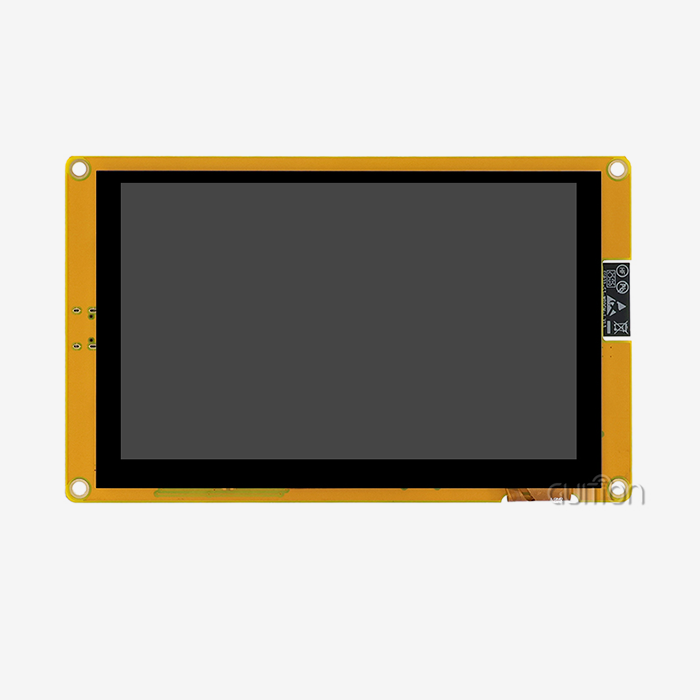
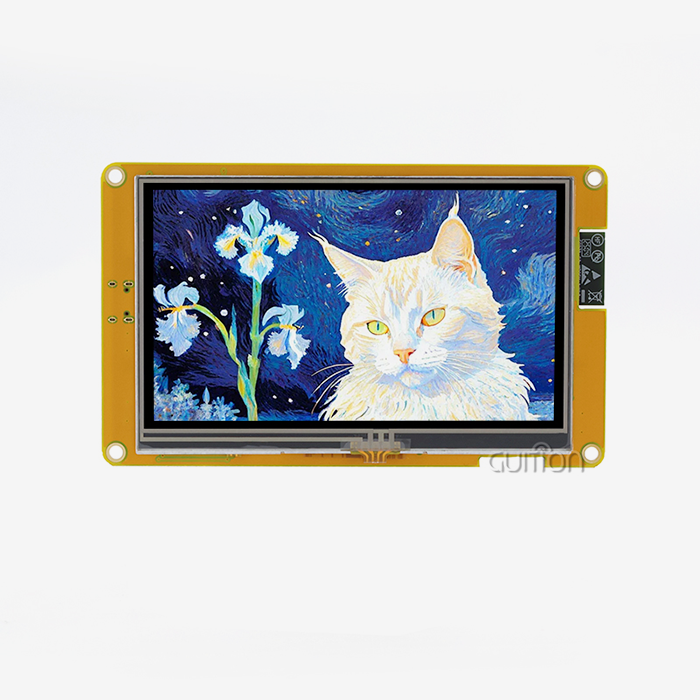
Modern display units are built around several systems that are all linked to each other. The TFT-LCD cell is the base. It has liquid crystals between glass bases that have precise pixel grids. Driver ICs get orders through interface protocols and handle each pixel on its own. The backlight unit gives light, usually from LEDs to save energy, and optical films improve viewing angles and brightness consistency. Modules like the GUITION JC4827Q043N_I use the ST3401A driver chip, which controls the power and time needed for a 4.3-inch screen with an 800x480 resolution. Important engineering problems can be solved with this unified method. You get a proven unit instead of having to calibrate optical alignment or handle heat dissipation separately. The MCU interface makes it easier to talk to microcontrollers because it needs fewer GPIO pins than parallel RGB interfaces. This way of thinking about design makes development easier and speeds up time-to-market, which are both very important when putting out business tools.
Technical Specifications That Matter
Resolution tells you how much information your screen can clearly show. An 800x480 display gives enough information for state tracking and control panels without taxing the embedded computers too much. Brightness, which is measured in nits, affects how well you can read and see outside in normal lighting. Most industrial settings need between 300 and 500 nits, but some tasks may need more. Color depth has a small but noticeable effect on how the person feels. Quality modules with 16.7M color support make sure that curves are smooth and colors are shown correctly, which is important when showing status signs or medical imaging data. The contrast ratio affects how easy it is to read, especially on screens with a lot of text. When you're doing long-watch jobs, higher contrast makes your eyes less tired.
Specifications for viewing angles show how the quality of the monitor changes when it is seen from an angle. IPS technology usually has 178-degree viewing angles, so the colors stay the same no matter where the user is standing. This feature is useful in group settings where several people are viewing the same screen at the same time.
Critical Factors That Define Reliability in LCD Panel Modules
Reliability goes beyond simple measures of durability. In the business world, broken LCD panel modules can stop production lines, put safety systems at risk, or get in the way of important medical treatments. If you know what makes screens reliable, you can avoid costly downtime.
Environmental Durability and Operating Conditions
Temperature flexibility is one of the best ways to tell if something is reliable. For standard industrial grades, the temperature range for industrial LCD panel module units is typically from -20°C to +70°C. The thermal stability of a liquid crystal depends on its composition. High-Tni versions stop the "blackening effect" when temperatures rise. A conformal layer on PCBs saves them from the humidity and corrosive air that are common in places that process chemicals or crops. The mechanical durability is just as important. Vibration resistance keeps pixels from getting damaged and connections from dropping in places with big tools or mobile devices. When modules are mounted correctly and shocks are absorbed, they last a lot longer. The GUITION JC4827Q043N_I has extra support for the structure that works well in 3D printers and charging stations where things are always moving.
Display Performance Consistency
Color steadiness over the lifetime of a product keeps it looking professional and makes sure that information is shown correctly. Quality modules are put through tests that make them work as they have for years, to make sure that the light loss stays within normal limits, which is usually less than 30% over 50,000 hours. Motion rendering is affected by response time. Industrial apps don't need speeds as fast as games, but slow screens are annoying and look old. Refresh rate affects how flicker is seen and how comfortable it is to look at for long periods of time. Most workplace uses are fine with 60Hz speed, but higher rates are better for some medical imaging situations. Our modules' ST3401A driver handles refresh time well, keeping speed and power use in balance.
Integration Flexibility and Support Infrastructure
Interface compatibility tells you how easy it is to connect screens to the control gear you already have. MCU connections make parallel transmission easy, which makes them perfect for industrial microcontrollers. Advanced modules work with many development environments, including Arduino for quick prototypes, ESP-IDF for Internet of Things (IoT) apps, and custom toolchains for the best performance. Detailed technical paperwork speeds up the development process. Electrical specs, timing diagrams, startup code samples, and mechanical models are all things that good providers provide. This support system cuts down on building time and headaches caused by problems. Remote upgrade features, like those built into Guition modules, let updates be made in the field without actual access, which is very useful for setups that are spread out.
Comparing LCD Panel Modules: Choosing the Best for Industrial Applications
When making procurement choices, you have to look at a lot of things at once. Cost concerns and performance needs conflict, and supply plans limit the choices that can be made. Structured comparison models help find the best answers.
Technology Selection: LCD Versus Alternatives
OLED technology has better contrast and brighter colors, but it is hard to use in factories. Because they can burn in, OLEDs aren't good for static interface elements that are popular in industrial HMIs. LCD panel modules completely avoid this problem and have a very long lifespan. Differences in power consumption don't mean as much for industrial equipment that is plugged into the wall as for devices that run on batteries. LCD technology offers the best mix of speed, cost, and dependability for most commercial uses.
Resolution and Energy Efficiency Analysis
Higher resolution lets you make more complex applications, but it also needs more powerful computers and uses more power. An 800x480 screen like the JC4827Q043N_I is a good compromise because it has enough resolution for complicated user interfaces without needing expensive computer gear. Costs of running big setups with dozens or hundreds of displays are affected by how energy-efficient they are. Modern LED backlights use a lot less power than old CCFL systems and let you control the lighting better.
Module Integration: Standard Versus Custom Solutions
Integrated driver modules make system design easier because they take care of controlling the display on the inside. Instead of controlling time at the pixel level, you send high-level orders. This method works well for common business uses where speed of development is more important than perfect optimization. This idea is shown by the MCU interface on Guition modules: first connect the power and data lines, and then send orders to the display. When you need to make a lot of something or have specific needs, custom options make sense. When thousands of units are ordered every year, the costs of custom development are worth it because of things like special optical coatings, odd aspect ratios, or strict environmental requirements.
How to Source Reliable LCD Panel Modules for Industrial Use
Choosing a supplier affects not only the standard of the product, but also the success of the project in the long run. Reliable partners always have products available, offer quick technical help, and communicate clearly throughout the partnership.
Evaluating Supplier Credibility and Product Lines
Reliability is shown by track records that cover years or decades for well-known makers. Companies like Guition offer both hardware parts and programming tools and are good at both making things and making software. Adding this makes your tools easier to use and makes sure it works with everything. Examine the application tech support, guarantee terms, and obsolescence policies of LCD panel module providers when making your selection. A supplier's product choice shows how committed they are to display technology. Guition has sizes ranging from 1.28 inches to 21.5 inches, so it can be used for a wide range of things, from small personal tech to big industrial panels. With a wide range of products, you can work with just one seller for all of your projects, making it easier to buy things and get help with technology issues.
Procurement Strategies and Logistics Planning
Ordering in bulk lowers unit costs, but you need to be able to accurately predict demand. Most industrial projects last for a long time. For example, equipment may be used for five to ten years before it stops being used. Check to see if sellers can promise long-term supply or let you know ahead of time when products will be changing. Lead times are very different; things that are in stock ship within days, but custom designs may take weeks. Include these dates in your project plans as soon as possible.
Quality Assurance and Certification Requirements
RoHS and REACH compliance for SPI LCD Display ensures that regulations are followed and that people are responsible for the environment. The CE mark shows that the product is safe and meets safety standards for electromagnetic compatibility. Depending on the gadget classification, medical apps need extra certifications. Most industrial-grade units meet IEC guidelines for protection from shaking, humidity, and changing temperatures. During the evaluation process, ask for test results and certification paperwork; reliable providers will gladly give you this information.
Best Practices for Maintaining and Optimizing LCD Panel Modules
When installed and maintained correctly, LCD panel modules last a lot longer. Simple rules stop common failure modes and keep the visual quality of a product for its whole life.
Installation and Environmental Control
Place screens away from direct heat sources and make sure there is enough airflow around devices. When it comes to dust, enclosures should keep it out while still letting heat escape. Cable strain relief keeps connections from breaking when they move or vibrate a lot. The quality of the power supply is important because energy changes and electrical noise can make the display look bad or cause parts to fail before they should.
Routine Maintenance Protocols
Regular cleaning keeps the look and stops the loss of clarity. Harsh chemicals can damage anti-glare surfaces, so use soft cloths and the right cleaning products. Check links often, especially in places with a lot of shaking. Keep an eye on the brightness levels to find backlight fading before it starts to affect how things work. The Guition programming tool makes it easy to update firmware, so you can make changes or fix bugs without having to send someone to the field.
Troubleshooting Common Issues
Display flaws are often caused by electrical interference or links that are too weak. Make sure that the cables are not sitting or being routed near high-current wires. If the backlight flickers, it could mean that the power source or driver IC is broken. Color changes can be a sign of tuning drift or old parts. Many problems can be fixed without replacing hardware by updating the firmware or making easy changes to the surroundings. When thorough research fails to find the root causes, professional help is useful. Strong expert teams at suppliers can look at logs and circuit designs and suggest solutions based on what they've seen work in similar setups before. This partnership-based method cuts down on downtime and keeps work going.
Conclusion
Reliable industrial LCD panel modules have a hardware design that has been tested and worked with many times before. This method is shown by the GUITION JC4827Q043N_I, which has an 800x480 resolution thanks to smart ST3401A control, works with many programming platforms, and lets you join wiredly or wirelessly. When looking at LCD panel module providers, give more weight to those who offer both good hardware and expert support. Long-term success depends on how well something works, how long it lasts in the environment, and how quickly you can get help. Structured review frameworks help you balance instant cost concerns with long-term value, making sure that your investment in a display works reliably for years of tough industrial use.
FAQ
What lifespan should I expect from industrial LCD panel modules?
The light output of a high-quality industrial LCD panel module unit drops by 30% after 50,000 to 70,000 hours of use. This means that it can run continuously for about 5 to 8 years, or longer with duty-cycled use. Modern modules like the GUITION JC4827Q043N_I have a longer operating life than older versions that used CCFL backlighting because they use the ST3401A driver and LED backlight technology.
Can LCD modules operate in extreme temperature environments?
From -20°C to +70°C, standard industrial units work consistently. For very tough jobs, specialized versions of these increase the temperature range to -30°C or +85°C. The thermal performance is based on the liquid crystal recipe. High-Tni specs keep the screen from turning black at high temperatures. Before buying, you should always make sure that the operating range specs meet the needs of your surroundings.
How do LCD and OLED technologies compare for industrial applications?
LCD panel modules last longer and don't have the burn-in problems that happen with OLED screens that show static interface elements. Even though OLED has better contrast, dependability is more important in work settings than looks. Differences in power use aren't noticeable in equipment that is plugged into a wall outlet. For most workplace HMI tasks, LCD technology is still the best option.
Partner With a Trusted Industrial Display Module Supplier
Guition makes visual solutions that are industrial-grade and designed for tough uses. Our JC4827Q043N_I module shows our dedication to useful innovation by blending 800x480 clarity with an easy-to-use MCU interface and full support for development tools. We know that industrial projects need more than just hardware specs. You need a technical partner who can respond quickly, supply lines that you can count on, and help that lasts throughout the lifecycle of a product.
Our programming platform works with Arduino, ESP-IDF, and native Guition, so it can be used by engineers with a wide range of tastes. Integrated built-in connectivity choices make IoT integration easier, and the ability to upgrade remotely lowers the cost of upkeep. Our LCD panel module options can be customized to meet your needs, whether you're making 3D printers, medical devices, or smart home control screens.
Get in touch with our tech team to talk about your unique display needs. As an LCD panel module manufacturer dedicated to your success, contact david@guition.com for technical specs, sample requests, or bulk prices. We give you the gear, software, and knowledge to turn problems with displays into competitive benefits.
References
1. Chen, W., & Liu, Y. (2021). Industrial Display Technology: Design Principles and Applications. Technical Engineering Press.
2. Roberts, M. D. (2020). "Reliability Considerations for Industrial LCD Modules in Harsh Environments." Journal of Display Technology, 16(4), 234-247.
3. Industrial Automation Standards Committee. (2022). Guidelines for HMI Display Selection in Manufacturing Environments. International Standards Publication.
4. Zhang, H., Kumar, S., & Petersen, R. (2023). "Comparative Analysis of Display Technologies for Medical Device Applications." Biomedical Engineering Review, 31(2), 178-195.
5. Taylor, J. F. (2021). Embedded System Display Integration: Best Practices for Engineers. Embedded Systems Publications.
6. Williams, A., & Thompson, K. (2022). "Lifecycle Cost Analysis of Industrial Display Modules." Procurement and Engineering Journal, 28(3), 112-129.
Learn about our latest products and discounts through SMS or email