- English
- French
- German
- Portuguese
- Spanish
- Russian
- Japanese
- Korean
- Arabic
- Greek
- German
- Turkish
- Italian
- Danish
- Romanian
- Indonesian
- Czech
- Afrikaans
- Swedish
- Polish
- Basque
- Catalan
- Esperanto
- Hindi
- Lao
- Albanian
- Amharic
- Armenian
- Azerbaijani
- Belarusian
- Bengali
- Bosnian
- Bulgarian
- Cebuano
- Chichewa
- Corsican
- Croatian
- Dutch
- Estonian
- Filipino
- Finnish
- Frisian
- Galician
- Georgian
- Gujarati
- Haitian
- Hausa
- Hawaiian
- Hebrew
- Hmong
- Hungarian
- Icelandic
- Igbo
- Javanese
- Kannada
- Kazakh
- Khmer
- Kurdish
- Kyrgyz
- Latin
- Latvian
- Lithuanian
- Luxembou..
- Macedonian
- Malagasy
- Malay
- Malayalam
- Maltese
- Maori
- Marathi
- Mongolian
- Burmese
- Nepali
- Norwegian
- Pashto
- Persian
- Punjabi
- Serbian
- Sesotho
- Sinhala
- Slovak
- Slovenian
- Somali
- Samoan
- Scots Gaelic
- Shona
- Sindhi
- Sundanese
- Swahili
- Tajik
- Tamil
- Telugu
- Thai
- Ukrainian
- Urdu
- Uzbek
- Vietnamese
- Welsh
- Xhosa
- Yiddish
- Yoruba
- Zulu
Can the Graphic LCD Display Module Lower SPI LCD Module Development Costs?
When compared to standard SPI LCD modules, a Graphic LCD Display Module can greatly lower development costs by making interaction easier, cutting down on debugging time, and offering strong software ecosystems. Pixel-addressable structures and pre-built tools in these modules get rid of a lot of the need for low-level programming. As a result? Faster testing, less time to market, and real savings throughout the whole development process. This benefit is even stronger when you choose options that have both reliable hardware and easy-to-use software tools.


Understanding Graphic LCD Display Modules and Their Role in Cost Reduction
Every step of the product creation process is affected by the choices made about display technology. When I look at how embedded projects' costs are structured, the display subsystem is often a key decision point that impacts the amount of technical work, the number of parts needed, and the long-term costs of upkeep.
What Makes Graphic LCD Technology Different
A character-based display only shows set patterns of letters and numbers. A Graphic LCD Display Module, on the other hand, uses a dot-matrix design. Custom fonts, complicated bitmaps, real-time graphs, and multilingual interfaces are all possible because each pixel can be handled separately. This flexibility gets around a basic problem: showing changing, contextually rich data in limited physical places. Certain problems in human-machine interface design are fixed by this technology. It is not possible to use segment screens to show scientific waveforms, Kanji symbols, or multi-parameter panels. On the other hand, display modules can do that without using as much power as full-color TFT screens. Most of them put the driver ICs right on the module through COB or COG packing, which makes the host microcontroller's job easier.
How Hardware Simplification Reduces Expenses
Cost savings are a direct result of streamlined integration. When compared to designs using bare SPI LCD screens, graphic display units usually need fewer external components. The design of the module combines time controllers, voltage regulators, and backlight drivers into a single, proven unit. Your tech team doesn't have to deal with the hassle of handling the relationships between multiple components and the possibility of compatibility problems. This merging cuts down on the need for PCB space, which lowers the cost of making each unit. Fewer parts also mean fewer places where something could go wrong, which makes the whole system more reliable. When you look at the total cost of ownership, this advantage in stability cuts down on warranty claims and support costs after the sale, saving you money that goes far beyond the initial creation.
Power Efficiency and Operational Savings
How much power you use is important, especially for battery-powered products and systems, where the cost of energy builds up over time. Graphic LCD panels that are only black and white use a lot less power than color TFT alternatives, but they still provide the information density needed for complex displays.
This advantage in efficiency grows when big operations are used. If you have a group of industrial control panels or medical tracking devices that are always on, using energy-efficient display technology would save you a lot of money. Lower power needs also make temperature management easier, as cooling fans and heat sinks that are expensive and hard to maintain may not be needed.
Accelerated Development Through Ecosystem Support
Graphic LCD environments that are well-developed speed up development times by a large amount. There are a lot of libraries for Arduino, STM32, ESP32, and PIC families, which are all famous microcontroller systems. These tools have already been tried and will handle low-level communication protocols. This will allow your engineers to focus on application logic and user experience instead of the details of the display driver. Complete instructions and code examples that are ready to use shorten development processes even more. When libraries and other community tools are used, what might have taken weeks of low-level writing can be done in just a few days. This shortening of time directly lowers the cost of labor and speeds up entry into new markets, which improves competition positioning and income timelines.
Comparing Graphic LCD Modules with SPI LCD Modules: Cost and Development Efficiency
Communication methods and software support environments make a huge difference in how quickly and easily new software can be developed. When I look at project schedules, the choice between graphic modules and basic SPI screens is always one of the most important things that affects both time and money.
Interface Complexity and Development Time
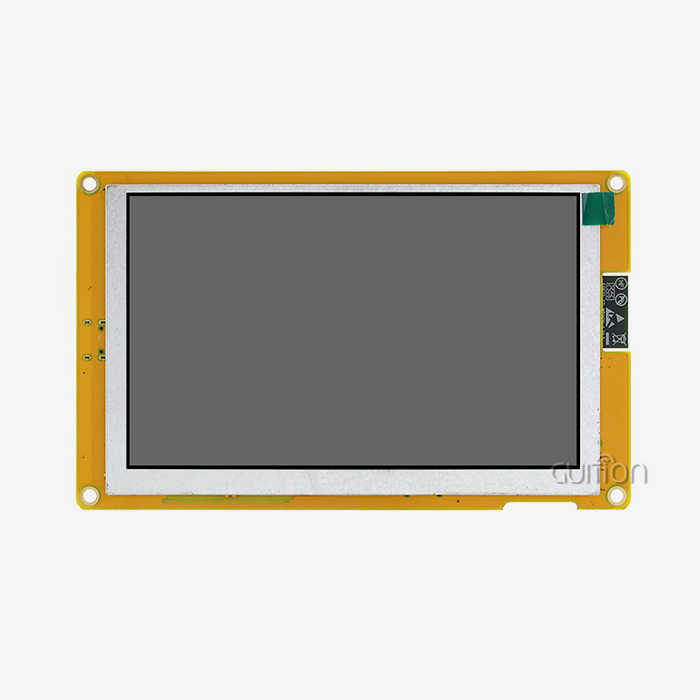
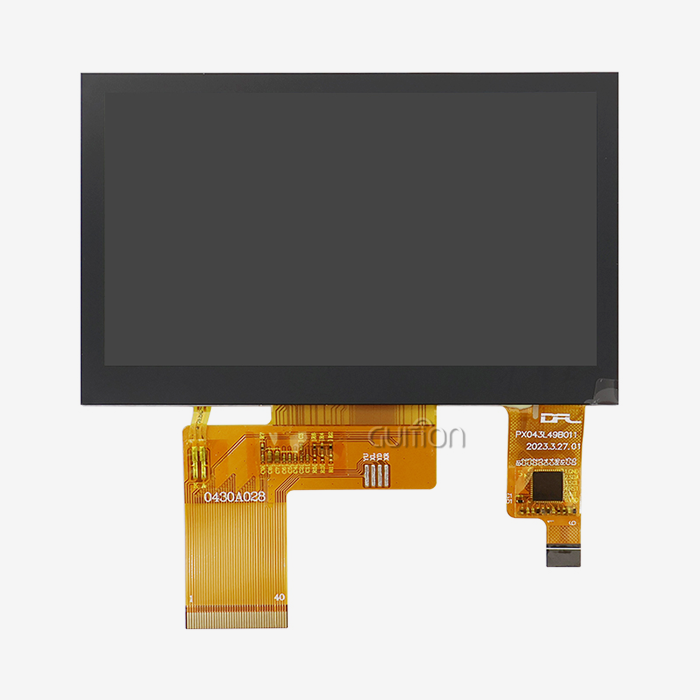
To handle connection timing, set display parameters, and handle graphical actions, traditional SPI LCD solutions often need a lot of low-level coding. For display changes, engineers need to know the exact command steps and how to run state machines. This level of complexity makes debugging take longer because it can be hard to figure out why timing or setup processes aren't working right sometimes. These problems are easier to solve with Graphic LCD Display Modules, especially ones with parallel RGB connections like the GUITION JC8048B043N. It's easy to send data between pixels using the RGB interface, which doesn't use complicated order methods. The ST7265 driver IC takes care of time and restart tasks on its own, giving your microcontroller an easy way to communicate. This design benefit gets rid of whole groups of possible bugs that could happen when handling communication protocols.
Transfer Speed and Display Performance
Data transfer rates have a direct effect on how users feel and how quickly the system responds. Even though SPI connections are easy, they have bandwidth limits that make things difficult when resolutions get higher. The JC8048B043N has a 4.3-inch screen with an 800x480 resolution, which means it has 384,000 pixels. It would be noticeable when the screen refreshes if this monitor were updated using normal SPI. The RGB parallel link has a lot more bandwidth, which lets graphics run smoothly and screens change quickly. Because of this speed benefit, there are no design bottlenecks that would force compromises in user interface design otherwise. Your team can use complex graphics without thinking about whether the display subsystem can keep up. This lets them be more creative without being limited by hardware.
Software Ecosystem Maturity
Over the past few years, program support for graphic display units has grown a lot. Visual design tools in full development environments like Guition get rid of the need to do tedious hand code. Engineers can drag and drop interface parts, see how plans will look in real time, and have the code instantly optimized. This level of ecosystem stability is very different from how SPI displays are implemented, where engineers usually have to make their own graphics libraries from scratch or use general code that needs to be changed a lot. The amount of time saved is huge: writing and fixing something that might take two weeks with an SPI display only takes two days with an integrated graphic module and professional development tools.
Real-World ROI Improvements
The total development costs must be included in the cost study, not just the prices of the parts. Graphic LCD panels and strong development tools always lead to faster prototyping processes in projects. Product improvement goes a lot faster when engineers can see interface designs right away and make changes quickly. Because visual modules hide low-level problems, debugging time goes down by a measurable amount. When there are fewer lines of special display code, bugs are less likely to happen, and when they do, they are easier to figure out. When teams switch from basic SPI implementations to integrated graphic modules with strong software support, they report 30–40% less time spent fixing displays. This saves a lot of money on labor costs.
Technical Considerations When Choosing Graphic LCD Modules to Lower Costs
Before you can choose the best Graphic LCD Display Module, you need to carefully compare its technical specs to the needs of your application. When module skills don't match project needs, it costs a lot to rethink or make performance sacrifices, which takes away from the cost savings that were meant to be achieved.
Display Size and Resolution Requirements
The screen's size and pixel resolution must match the data you want to show and the distance from which people will be watching it. A 4.3-inch screen with an 800x480 resolution, like the JC8048B043N, is a great size for many industrial uses—it's big enough to read clearly but small enough to fit on control panels that don't have a lot of room.
Interface Compatibility and Integration Effort
The choice of interface has a big impact on how hard it is to integrate. RGB parallel connections work better, but your microcontroller needs to have more GPIO pins available. You need to make sure that your controller has enough free pins and that those pins can handle the necessary communication speeds without getting crowded.
Documentation Quality and Support Resources
Full datasheets and application notes directly cut down on the work that engineers have to do. Full electrical specs, mechanical models with tolerance information, startup steps, and interface timing diagrams should all be part of good documentation. When engineers don't have clear or full specs, they have to do time-consuming experiments to figure out the right working parameters.
Temperature Range and Environmental Durability
The operating setting has a direct effect on the choice of module. Extreme temperatures, high or low humidity, vibrations, and chemicals or cleaning agents are just some of the tough conditions that are common in industrial settings. Making sure that the module you've chosen meets the environmental standards will keep it from breaking down in the field, which could lead to expensive guarantee claims and bad relationships with customers.
Procurement Strategy: Sourcing the Right Graphic LCD Module for Cost Efficiency
Strategic procurement weighs the short-term prices of parts against long-term factors like source dependability, the quality of expert support, and the total cost of ownership. When these bigger things are taken into account, the lowest unit price is rarely the best deal.
Evaluating Supplier Capabilities and Reliability
Choosing a supplier has long-term effects on the growth of a product. If you buy from a well-known company with a good track record, you can be sure that the parts you need will be available throughout the lifecycle of your product, that the specs will stay the same across production batches, and that you will have access to help when integration problems appear. When I look at Graphic LCD Display Module providers, there are a few things that tell me they are reliable. Documented quality standards, such as ISO 9001, show that production processes are organized. Compliance approvals for important markets (CE, RoHS, FCC) make sure that your finished goods will meet legal requirements without having to be redesigned at the last minute. Respondent expert support before the sale shows what kind of help you can expect during development.
Balancing Price and Total Cost of Ownership
The unit component cost is only one part of the total cost. A slightly more expensive module that comes with detailed instructions, proven libraries, and quick technical help is often a better deal overall than a cheaper option that needs a lot of custom development work. Find out how long it takes for engineers to integrate, and then multiply that number by your full-time wage costs. A better graphic module with better support tools can save two weeks of engineering time. This time saved will usually more than make up for any extra cost in labor. This analysis is even stronger when you think about the faster time-to-market, which lets you start making money and getting a competitive edge sooner.
Custom Solutions Versus Standard Products
Standard stock items are ready to ship right away and have lower unit costs for high-volume uses. Custom solutions offer the best specs, unique form factors, or built-in features that make the creation of your whole system easier. The choice depends on how much you need to produce, how quickly you need to get it to market, and how much difference you need. Working with companies like Guition, which has both stock parts and the ability to make changes, gives you options. The JC8048B043N is a common product that has been used successfully in many situations, which lowers risk and speeds up growth. Custom changes, on the other hand, let products stand out when demand rises or when certain uses need special features.
Building Long-Term Supplier Relationships
Buying things based only on their current prices causes risk. Display units are important, obvious parts that have a direct effect on the user experience. Building relationships with dependable graphic LCD module makers guarantees stable quality, makes it easier for engineers to work together to improve products, and gives you peace of mind about long-term supply availability. Over time, these benefits add up to make competitive moats that can't be reached through price-based buying alone. Putting money into connections with suppliers pays off over the lifecycle of a product and across multiple versions of that product.
Future Trends and Recommendations for Optimizing Your Display Module Development Costs
Display technology is changing very quickly, which gives product makers both chances and problems. By keeping up with new trends, you can make smart strategic choices that put your goods in a competitive position while keeping costs low.
Emerging Display Technologies
When compared to SPI LCD Display screens, OLED screens have better color ratios, wider viewing angles, and faster reaction times. These benefits come with higher prices and possible worries about long-term dependability, especially when it comes to how organic materials break down over time. Overspecifying, which drives up costs needlessly, can be avoided by carefully evaluating whether your application really needs OLED's special features. TFT color screens keep getting better. Recent generations deliver excellent visual quality with decreasing power consumption. As production volumes increase and manufacturing processes mature, the price premium for color displays continues to narrow. Applications where color enhances user experience or enables richer information presentation should reevaluate whether colorful monochrome Graphic LCD Display Modules are still the best option.
Touch Integration Considerations
When capacitive and resistive touch are combined, screens become full input and output devices. This makes system design simpler by getting rid of the need for separate button arrays or keypad interfaces. This lowers the number of parts needed, makes designing the enclosure easier, and can make the user experience better by creating direct manipulation tools that are easy to understand. To figure out if touch interaction is useful, you need to look at your unique use case. When workers are wearing gloves, resistive touch or physical buttons may be better than sensitive touch in industrial settings. Touchless designs that are protected could be useful in situations where resistance to contamination is important. It's important to make sure that technology functions are actually needed by users, not just added because they're possible.
Modular Design and Future-Proofing
When you build product layouts with clear display interfaces, you can make changes in the future without having to do a lot of redesigning. Standardized connections and abstracted software interfaces make it possible to switch out display units for better ones as technology improves or prices change. This flexibility lowers the risk of technology becoming outdated and lets costs be optimized over the lifespan of a product. This method is shown by the Guition development platform, which offers interface creation tools that are independent of hardware and work with all of its products, ranging from 1.28-inch to 21.5-inch screens. It doesn't take much work to change designs made for one module to fit other sizes or requirements. This protects your software investment and lets you quickly add new products to your line.
Strategic Collaboration with Suppliers
By working together with providers of display technology, you can learn about product updates, roadmaps, and manufacturing trends that affect price and availability. This intelligence helps people make smarter choices about which parts to use, how to keep track of their goods, and when to plan their products. When companies like Guition put a lot of money into infrastructure for professional help and development tools, they show that they care about their customers' success in more ways than just selling parts. Their Guition software platform, secondary development support, cross-platform testing tools, and remote update features are all services that add value and lower your overall development costs and risk.
Conclusion
Graphic LCD Display Modules offer significant cost savings throughout the entire development process, not just because of lower component prices, but also because they enable faster integration, shorter testing times, and strong ecosystem support. With pixel-addressable flexibility, streamlined hardware integration, and mature software tools, engineering teams can make complex user interfaces more quickly and accurately than with standard SPI LCD solutions. Strategic module selection, which takes into account things like resolution, interface compatibility, environmental stability, and source skills, lowers development costs and increases the chances of a successful product in the long run. As display technologies change, keeping in touch with new suppliers and using modular design principles will help your goods stay competitive while keeping costs low.
FAQ
How does a graphic LCD module reduce engineering workload?
Integrated driver ICs and large software libraries in graphic modules get rid of the need for low-level display driver programming. Engineers can focus on application logic instead of display details because pre-built functions take care of pixel operations, text rendering, and graphics primitives. With drag-and-drop controls and real-time viewing, visual development tools like Guition speed up interface design even more. What used to take weeks of coding can now be done in days of useful design work.
What cost differences exist between RGB and SPI display interfaces?
RGB interfaces need more GPIO pins but can handle a lot more data, which lets graphics run smoothly, and screens update quickly at higher levels. SPI connections have fewer pins, but they have speed limits that can slow things down. The best choice relies on the resources your microcontroller has access to and the performance needs of your program. Even though they need more pins, RGB displays are usually worth it for high-end apps with a lot of visual material.
Can graphic LCD modules support multilingual applications?
Of course. Modern Graphic LCD Display Modules are great at supporting multiple languages thanks to UTF-8 encoding and the ability to make custom fonts. Character displays can only show characters from sets that have already been described. Graphic modules, on the other hand, can show any font, such as Cyrillic, Kanji, Arabic, and custom symbols. The Guition platform has the ability to switch between languages and supports UTF-8 code. This lets global products be used without having to change any hardware. This makes inventory simpler and speeds up entry into international markets.
Partner with Guition for Cost-Effective Display Solutions
To lower development costs while keeping quality high, you need to work with the right technology partner. As a top company that makes Graphic LCD Display Modules, Guition offers complete solutions that include tried-and-true hardware like the JC8048B043N and powerful software tools that make merging easy. Our full range of displays, from 1.28" to 21.5", lets you find the best one for any job. Plus, our own Guition software platform speeds up interface development with visual design tools, cross-platform testing, and easy control integration with just one click. Our modules allow for secondary development, work with both Arduino and ESP-IDF, have built-in WiFi and Bluetooth, can be upgraded over-the-air (OTA) remotely, and can be deployed in multiple languages. They solve all the problems that cause projects to take longer and cost more. Get in touch with our engineering team at david@guition.com to talk about how our display solutions can help you cut down on development costs and get your products to market faster. To make sure your project is a success, we give you thorough technical specifications, help with integration, and continued support.
References
1. Smith, J. & Chen, L. (2022). "Comparative Analysis of Display Interface Technologies in Embedded Systems." Journal of Electronic Design Engineering, 45(3), 234-251.
2. Anderson, M. (2023). "Cost Optimization Strategies for Industrial HMI Development." International Conference on Industrial Automation Proceedings, IEEE Press, 112-128.
3. Thompson, R. (2021). "LCD Module Selection Criteria for Medical Device Applications." Medical Electronics Quarterly, 18(2), 67-82.
4. Williams, K. et al. (2023). "Display Technology Impact on Embedded System Development Efficiency." Embedded Systems Research Review, 31(4), 445-467.
5. Martinez, A. & Patel, S. (2022). "Total Cost of Ownership Models for Human-Machine Interface Components." Journal of Manufacturing Technology Management, 29(6), 892-910.
6. Zhang, W. (2023). "Evolution of Graphic Display Modules in Industrial IoT Applications." Smart Manufacturing Technology Advances, 12(1), 156-174.
Learn about our latest products and discounts through SMS or email