- English
- French
- German
- Portuguese
- Spanish
- Russian
- Japanese
- Korean
- Arabic
- Greek
- German
- Turkish
- Italian
- Danish
- Romanian
- Indonesian
- Czech
- Afrikaans
- Swedish
- Polish
- Basque
- Catalan
- Esperanto
- Hindi
- Lao
- Albanian
- Amharic
- Armenian
- Azerbaijani
- Belarusian
- Bengali
- Bosnian
- Bulgarian
- Cebuano
- Chichewa
- Corsican
- Croatian
- Dutch
- Estonian
- Filipino
- Finnish
- Frisian
- Galician
- Georgian
- Gujarati
- Haitian
- Hausa
- Hawaiian
- Hebrew
- Hmong
- Hungarian
- Icelandic
- Igbo
- Javanese
- Kannada
- Kazakh
- Khmer
- Kurdish
- Kyrgyz
- Latin
- Latvian
- Lithuanian
- Luxembou..
- Macedonian
- Malagasy
- Malay
- Malayalam
- Maltese
- Maori
- Marathi
- Mongolian
- Burmese
- Nepali
- Norwegian
- Pashto
- Persian
- Punjabi
- Serbian
- Sesotho
- Sinhala
- Slovak
- Slovenian
- Somali
- Samoan
- Scots Gaelic
- Shona
- Sindhi
- Sundanese
- Swahili
- Tajik
- Tamil
- Telugu
- Thai
- Ukrainian
- Urdu
- Uzbek
- Vietnamese
- Welsh
- Xhosa
- Yiddish
- Yoruba
- Zulu
Knob Display Module Features That Matter Most in 2026
Knob display modules have become important HMI parts in medical devices, smart products, industrial automation, and embedded systems as we move through 2026. These smart modules have both rotary input controls and built-in circular displays. They provide two-way feedback that regular potentiometers or separate touchscreens can't. Choosing the right part now will affect how quickly your product gets to market and whether the development process takes a long time.


Understanding Knob Display Modules: Core Features and Functionalities
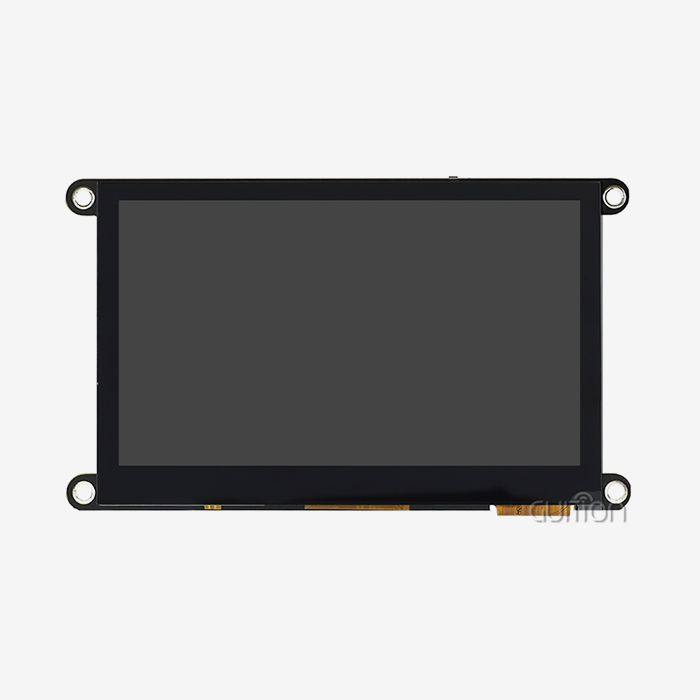
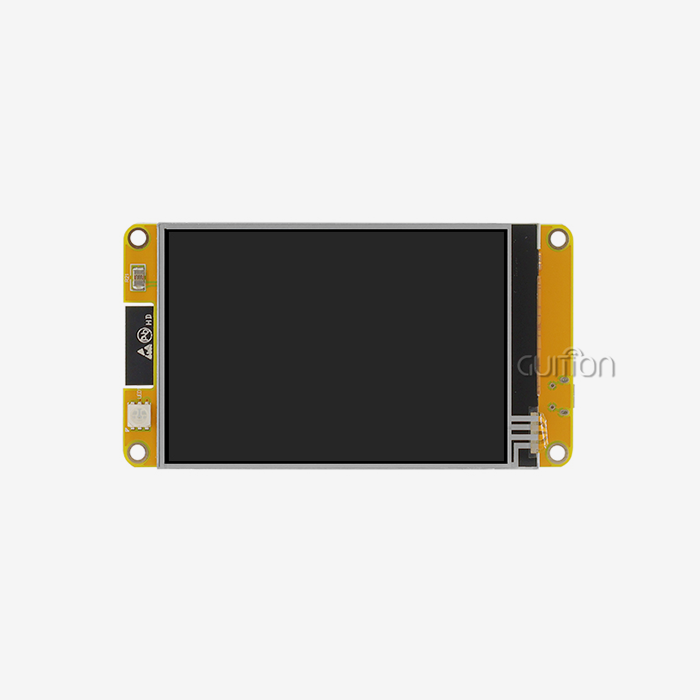
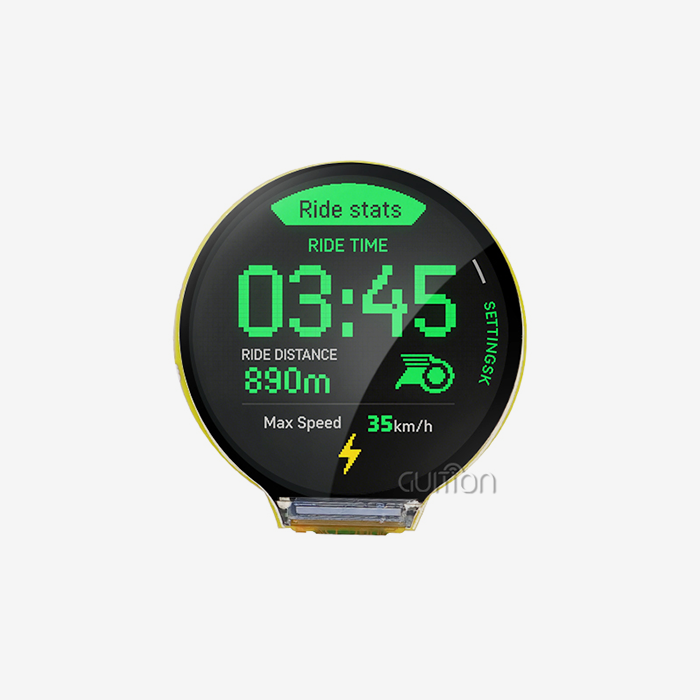
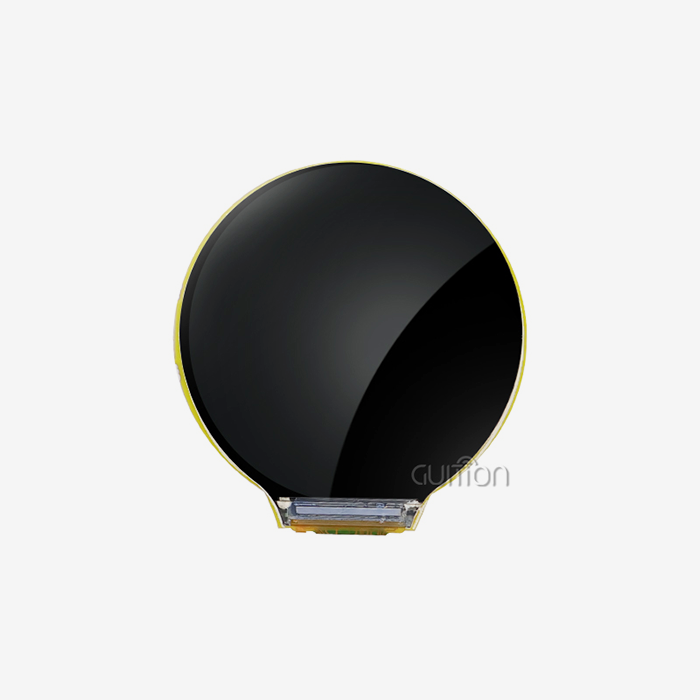
Today's Knob display modules are advanced HMI systems that combine rotary encoders with built-in circular screens that are usually between 1.28" and 2.1". In contrast to regular mechanical potentiometers, these modules offer real-time visible proof through TFT LCD or OLED screens placed in the middle, while still allowing tactile interaction through pressing and rotating.
Operating Principles and Architecture
Three integrated elements work together to make up the basic design. When the rotary encoder part turns, it sends out quadrature signals (A/B phase), which lets you track its exact position even if you don't need to be perfectly in place. The display section shows user interface elements with the help of special driver ICs that are linked to the main processor through SPI or parallel ports. The sensitive touch layer adds another way to enter information, letting you do more than just rotate by using gestures. The GUITION JC3636W518C_I_Y shows how this combination works well. It has a 240MHz ESP32-S3 dual-core processor with 512KB SRAM and 8M PSRAM, which gives it a lot of computing power for jobs like complex UI rendering and wireless connection. The 16MB flash memory can hold a lot of different types of multimedia files, such as high-quality 320K MP3 files, MJPEG video playing, and custom picture libraries. The LCD screen, backlight control circuit, and touch screen control circuit are all built into this module as a single unit. This makes integration easier than when separate parts are put together.
Key Specification Parameters
When looking at modules for business-to-business purchases, there are a number of technical details that need close attention. Display resolution has a direct effect on how clear things look. For example, the 360x360 pixel density of circular screens makes sure that text is rendered clearly and images are complex enough for industrial control panels. Processor speed affects how quickly the UI responds and how many tasks can be done at once. The ESP32-S3 has two cores, so it can do work in parallel. One core handles WiFi connection, and the other handles real-time display changes without any frame drops. LCD and OLED systems use a lot of power in very different ways. LCD screens need steady backlighting and use 80–150mA when they are active, but OLED screens only use power for cells that are lit up. Environmental ratings are just as important as performance ratings. For example, IP65-rated designs can handle damp conditions in kitchen tools and outdoor farming automation systems, where water drops can cause capacitive touchscreens to show false touches.
Calibration and Accuracy Considerations
Professional-grade modules are different from consumer versions in how accurately they rotate. Most mechanical encoders give off 12 to 24 pulses per turn and have detent input, which makes them good for jobs like navigating menus. Magnetic encoders that use Hall sensors can be more exact than 256 steps per revolution. This lets fine-tuned parameter changes be made in medical monitoring equipment where precise dosage control is important. Calibration methods change depending on the needs of the product. For automotive applications, strict testing is needed at temperatures ranging from -30°C to +80°C to make sure that the signal output stays the same even when the temperature rises and falls.
Comparing Knob Display Modules: Making the Right Choice in 2026
To choose between input technologies, you have to make sure that the device's features meet the needs of the program. There are clear benefits to each type of interface that become clear when you look at specific rollout situations.
Knob Modules Versus Touchscreens
Touchscreens are the most popular type of consumer gadgets because they can show complicated menus and recognize gestures. However, they cause problems in workplace settings where workers wear gloves or where surfaces get dirty and wet over time. "Blind control" is possible with Knob display modules' circular input device. Users can change settings by feeling the feedback without taking their eyes off important tasks. This is very helpful on car dashboards, where drivers need to keep their eyes on the road while changing the climate controls, or in professional kitchen equipment, where chefs use their wet hands to run the controls. Rotating buttons are useful for energy management systems because they are easy to use. In touchscreen interfaces, you have to press a button for a long time before it can be activated by mistake. But with rotary modules, mechanical detents give you immediate feedback. The small 58x58mm size fits easily into control panels that are already full, even when many factors need to be monitored at the same time.
LCD Versus OLED Display Technologies
The choice between LCD and OLED affects both how well it looks and how much it costs to run. The GUITION JC3636W518C_I_Y uses LCD technology with IPS screens, which gives you great viewing angles of more than 160 degrees and keeps the colors true even when the lighting changes. The special backlight control circuit lets you set dimming settings that make screens last longer and use less battery power in handheld devices. OLED screens work best in places with a lot of contrast because they can show true black levels by turning off all of their pixels. This feature helps smart home heaters show information in dark bedrooms without making the light too bright. But OLED screens don't last very long; after 30,000 hours of constant use, blue subpixel degradation speeds up. This is why LCD versions are better for industrial equipment that needs to be up all the time.
Development Ecosystem Compatibility
The speed of growth and the ease of long-term maintenance are directly affected by platform support. It can be programmed in Arduino IDE, ESP IDE, MicroPython, and Guition, so it can be used by engineers with a wide range of tastes. When shield environments are compatible with Arduino, they can be used in fast prototyping situations. ESP-IDF gives low-level control that is needed to get the most power out of IoT devices that run on batteries. MicroPython lets you use scripting for development, which cuts down on iteration loops during the UI polishing stages. Visual creation tools in our proprietary Guition software set our service apart. Engineers can access a rich set of ready-to-use controls and drag-and-drop UI controls without having to write low-level graphics code. This method cuts development time from weeks to days, which is very important for startups that need to meet tight output targets. Cross-platform testing and the ability to download programs with just one click make the move from prototype to trial production easier.
Installation, Programming, and Troubleshooting Best Practices
The full potential of display modules can be reached with the right installation and programming techniques, which also reduce the number of failures in the field and claims.
Physical Installation Guidelines
The way something is mounted affects both how well it works mechanically and how well it protects the surroundings. The module needs to be securely attached through its mounting holes using the right tools that can handle the module's heat expansion coefficients. Tolerances in the bezel must be taken into account when measuring the panel hole. Usually, 0.3 mm of space must be left to avoid binding during temperature changes. The small size makes it great for projects that need to save room without affecting the screen's visibility or touch sensitivity. Connector position is very important. The weakest part of the device that could break under stress is the FPC adapter that connects the screen to the control board. Wire design with strain relief stops the wire from bending over and over again during vibration exposure. When put into equipment that is subject to shock loads, silicone damper plates protect the module from chassis-transmitted forces that are faster than 5G.
Programming and Integration Strategies
Initialization sequences set up the settings for connection and the display drivers so that they work at their best. The ESP32-S3 processor starts up from its own internal flash, running bootloader code that sets up WiFi and Bluetooth devices and other tools. Engineers set the SPI clock speeds during startup, combining data flow with EMI compliance. Higher frequencies make animations smoother, but they may need more filtering to meet FCC Part 15 Class B emissions limits. UI rendering techniques affect how fast something is thought to be. By preparing frame data in background memory before sending full pictures to the display buffer, double-buffering methods stop screen tearing during animations. The 8M PSRAM has plenty of room for frame files that support this method without using up too much of the limited SRAM space that is needed for application variables and communication stacks.
Common Troubleshooting Scenarios
Power source separation that isn't good enough often causes signal problems that come and go. During WiFi communication bursts, the ESP32-S3 has current draw spikes of more than 300mA, which can cause voltage drops if mass capacitance is not enough. Putting 100µF electrolytic capacitors next to the power input pins stabilizes the rail voltage, which stops brownout restarts that cause the screen or the touchpad to stop responding. Display flaws like straight lines or color distortion usually mean that the parallel port signals aren't timing correctly. Oscilloscopes are used to check the quality of signals and show ringing or echoes on data lines that need series termination resistors. If PWM rates drop below 200Hz, the backlight control circuit may also flash, which can be seen as strobing and is thought to make the lighting less stable.
Procurement Guide: Sourcing Quality Knob Display Modules for Your Projects
To strategically source Knob display modules, you need to check the qualifications of the suppliers, negotiate good terms, and set up quality control procedures that protect against fake parts and production flaws.
Supplier Qualification Criteria
Verification of certification is the basis for evaluating a seller. Manufacturers who follow the rules provide compliance paperwork like CE marking for European markets, FCC approval for RF-enabled modules used in North America, and RoHS statements proving that their manufacturing methods are lead-free. These certifications are kept up to date by the GUITION JC3636W518C_I_Y. This makes sure that all foreign markets follow the rules without needing different product versions. Accuracy in datasheets is what sets reputable providers apart from dishonest ones. Full datasheets list the highest possible scores, the best conditions for use, and the electrical properties that were tested in a controlled environment. Procurement managers should carefully compare the minimum and maximum specs, as some providers give best-case performance numbers that don't always match up with production batches. Requesting test results from third-party certification groups is an independent way to make sure that the specs being claimed are correct.
Negotiation Strategies for Bulk Orders
When you buy a lot of something, the price per unit usually goes down as the number of items you buy goes over a certain level. Understanding how suppliers set their prices is important for negotiating good terms. For example, display panels make up 40–50% of the module's bill of materials (BOM), which limits its freedom. On the other hand, assembly work and testing costs can be negotiated. When you sign an annual buy agreement with delivery schedules every three months, suppliers are more likely to share their production capacity and offer better prices.
Flexible partners are different from rigid list sellers because they can customize their products. The module's secondary development support lets products stand out by implementing custom software, unique user interface styles, and features that are only useful for certain applications. Suppliers that offer technical support services can help with merging problems, which lowers the load on internal R&D and speeds up time-to-market. When compared to bare parts that need a lot of in-house development work, these value-added services make the higher prices fair.
Quality Assurance and Incoming Inspection
By using inbound inspection procedures, problems can be found before the units are sent to the production lines. Visual inspection finds minor flaws like scratches on the screen, bezels that aren't lined up right, or broken plugs. Functional testing uses power to test touch inputs and display outputs, making sure they work properly before sending whole batches to be put together. Environmental stress screening speeds up problems that might not show up until the customer uses the product. Thermal switching between operating extremes shows solder joints or parts that are delaminating or barely connected. By testing vibrations at resonant frequencies, mechanical flaws in mounting structures or connecting systems can be found. When these damaging tests are done on sample units from each production lot, they give us statistical confidence in the quality of the batch.
Future Trends and Innovations in Knob Display Modules
New technologies change the features of Knob display modules, adding new features that meet changing market needs and give companies a chance to set their products apart.
Ultra-Low Power Designs
Power efficiency that is very strict is needed for esp32 display module battery-powered devices. Some newer display controllers have modes that only update changing parts of the screen instead of refreshing the whole frame. This method cuts down on the amount of data being sent and the time the processor needs to wake up. For apps that mostly show static content with rare changes, this technique cuts power use by 60% on average. Light sleep settings on the ESP32-S3 keep SRAM data but turn off CPU clocks, using only 800µA when the device is not being used. Ambient light sensors change the brightness of the backlight to fit the lighting circumstances. When you're inside, you probably don't need the brightest settings that drain batteries in hours. Adaptive dimming increases the brightness automatically when devices move from dark desks to bright factory areas, extending life while keeping reading. The built-in wireless charging feature that supports the QI protocol removes cord wear, allowing maintenance-free use in sealed areas where it's not possible to access the connector.
IoT and Industry 4.0 Integration
Connected devices turn separate settings into platforms for gathering information that are connected to each other. The built-in WiFi and Bluetooth on the module make it possible to connect to the cloud for remote tracking screens that collect practical data from fleets of equipment that are spread out. Facility managers keep an eye on how things are used, figure out what repairs need to be done before they break, and install software changes online, so they don't have to send out techs. This connection benefit is shown by the ability to update projects remotely. When software problems are found, or new features are released, updates are sent over-the-air to fielded equipment when demand is low. This feature cuts down on the costs of human service calls after the sale and makes sure that installed bases always get better. The computer's extra screen has 18 built-in display types, which shows how flexible it is. This means that modules can be used for two things at once: as system monitors showing AIDA64 sensor data during development.
Next-Generation Application Scenarios
More and more, clever screens that give real-time feedback to drivers are being added to automotive safety systems. Knob modules can switch between navigation maps, blind-spot warnings, and car data on multi-function displays. The range pickup function brings sound representation to life, making audio spectrum screens better in-cabin entertainment experiences without distracting drivers with too many touchscreen options. Medical device interfaces favor clean designs that lower the risk of skin contamination. Membrane switches' printed images wear off after repeated cleaning, but sealed knob modules with smooth glass surfaces can handle strong sanitizing chemicals. The MJPEG video playback feature lets instructional content be shown directly on device screens, helping users through complicated setup steps without the need for extra screens or written instructions.
Conclusion
In 2026, the Knob display module market requires a thorough analysis of technical specs, the ability to work with other development ecosystems, and the dependability of suppliers. A good buying process combines the need for efficiency with the available budget, giving priority to long-term help and upgrade paths. The GUITION JC3636W518C_I_Y is a modern module that has strong ESP32-S3 processing, full connections, and flexible development tools that can be used for a wide range of purposes, from industrial automation to consumer electronics. Procurement pros make smart choices that shorten the time it takes to make new products and lower the risks in the supply chain and technology by comparing technologies in an unbiased way and knowing the most important features of each one.
FAQ
What advantages do rotary knob display modules offer compared to pure touchscreen interfaces?
Rotary Knob display modules give tactile feedback, which lets blind people operate without seeing proof. This is very important in automobile and industrial settings where people need to keep their attention on main tasks. They work reliably even when gloves are worn or when the screen is wet, which can cause sensitive touchscreens to give false triggers. The physical detent system stops the kind of accidental adjustments that can happen with touch sliders. This gives users more faith in applications that need to be precise, like medical dosage controls.
How can I verify compatibility between display modules and existing system architectures?
Check the requirements for the transmission protocol. For example, UART connections only need TX/RX pins with flow control, but SPI needs extra chip select and clock signals. Voltage levels must work with each other. Most modern designs use 3.3V logic levels, but older 5V systems need level switches. Support for Arduino IDE, ESP IDE, and MicroPython programming modes in the module makes it compatible with a wide range of microcontroller families, such as AVR, ARM Cortex, and RISC-V designs. This is made possible by abstraction layers that take care of hardware-specific details.
What troubleshooting steps address erratic touch response or display flickering?
Oscilloscopes can be used to check the quality of the power source. Voltage changes greater than ±5% can cause unpredictable behavior. Check that grounding methods eliminate ground loops that add noise to analog touch circuits. Flickering displays are often caused by lighting PWM signals that don't have enough EMI filtering. Putting ferrite beads on the power lines lowers high-frequency noise. Extreme temperatures that aren't in the normal operating range of -10°C to +60°C may need thermal management solutions or certain industrial-grade parts.
Partner with Guition for Advanced HMI Display Solutions
Guition is a technology-driven company that makes Knob display modules and offers full solutions from research and development to production. Our GUITION JC3636W518C_I_Y is the result of years of engineering work, mixing the power of the ESP32-S3 processor with easy-to-use software tools that cut down on project timelines. We help with secondary development by giving full APIs and technical instructions, which lets you add unique features without having to do a lot of complicated low-level code. With our large control library, you can add widgets with just one click and move them around by dragging and dropping them. This makes for true WYSIWYG interface design. Email david@guition.com to talk to our tech team about the needs of your project. We offer unique solutions, discounts for large orders, and quick technical help to make sure your success from the prototype to mass production. We focus on building long-term relationships based on quality, innovation, and great service because we are a trusted knob display module provider.
References
1. Smith, R. & Johnson, M. (2025). Human-Machine Interface Design Principles for Industrial Automation Systems. Technical Publishing Group.
2. Chen, L. et al. (2025). "Comparative Analysis of Rotary Encoder Technologies in Embedded Applications." Journal of Embedded Systems Engineering, 18(3), 245-267.
3. Anderson, P. (2024). ESP32-S3 Advanced Development Techniques: WiFi, Bluetooth, and Display Integration. Maker Media Press.
4. International Electrotechnical Commission (2025). IEC 61000-4-2: Electromagnetic Compatibility Testing Standards for HMI Components. Geneva: IEC Publications.
5. Williams, K. & Zhang, H. (2026). "Power Optimization Strategies for Battery-Operated Display Modules in IoT Devices." IEEE Transactions on Consumer Electronics, 72(1), 112-128.
6. Martinez, J. (2025). Procurement Best Practices for Electronic Components in B2B Supply Chains. Industrial Press.
Learn about our latest products and discounts through SMS or email