- English
- French
- German
- Portuguese
- Spanish
- Russian
- Japanese
- Korean
- Arabic
- Greek
- German
- Turkish
- Italian
- Danish
- Romanian
- Indonesian
- Czech
- Afrikaans
- Swedish
- Polish
- Basque
- Catalan
- Esperanto
- Hindi
- Lao
- Albanian
- Amharic
- Armenian
- Azerbaijani
- Belarusian
- Bengali
- Bosnian
- Bulgarian
- Cebuano
- Chichewa
- Corsican
- Croatian
- Dutch
- Estonian
- Filipino
- Finnish
- Frisian
- Galician
- Georgian
- Gujarati
- Haitian
- Hausa
- Hawaiian
- Hebrew
- Hmong
- Hungarian
- Icelandic
- Igbo
- Javanese
- Kannada
- Kazakh
- Khmer
- Kurdish
- Kyrgyz
- Latin
- Latvian
- Lithuanian
- Luxembou..
- Macedonian
- Malagasy
- Malay
- Malayalam
- Maltese
- Maori
- Marathi
- Mongolian
- Burmese
- Nepali
- Norwegian
- Pashto
- Persian
- Punjabi
- Serbian
- Sesotho
- Sinhala
- Slovak
- Slovenian
- Somali
- Samoan
- Scots Gaelic
- Shona
- Sindhi
- Sundanese
- Swahili
- Tajik
- Tamil
- Telugu
- Thai
- Ukrainian
- Urdu
- Uzbek
- Vietnamese
- Welsh
- Xhosa
- Yiddish
- Yoruba
- Zulu
What Is the Best Round LCD Display Arduino for Smart Devices?
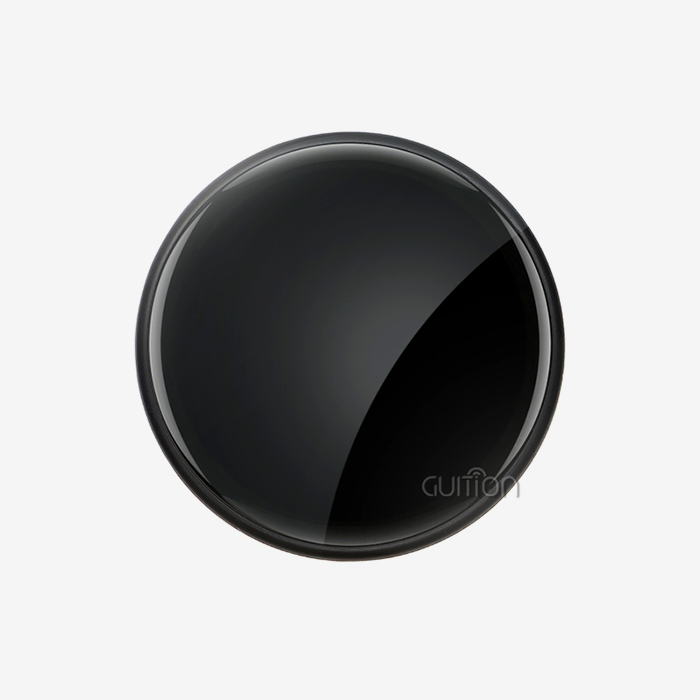
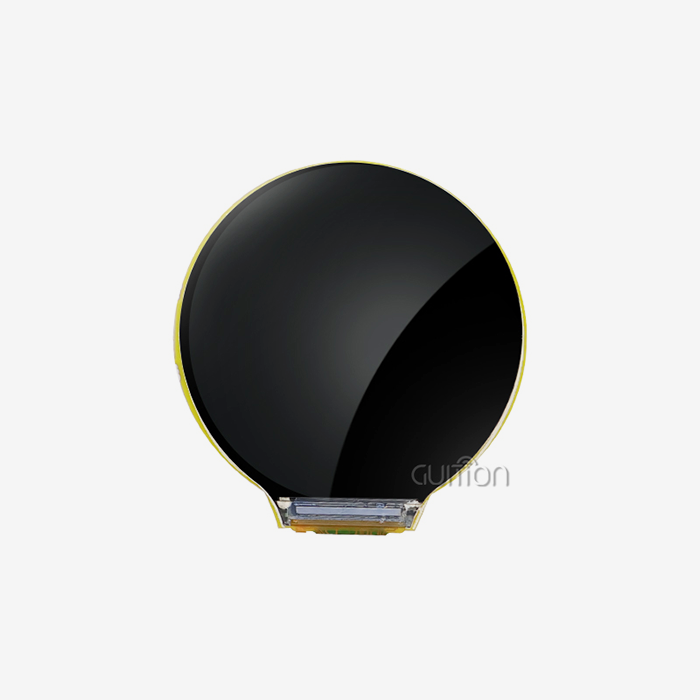
When evaluating the best round LCD display Arduino solution for smart devices, the GUITION JC2424S012N_I stands out as an optimal choice. This 1.28-inch circular display module features a 240×240 resolution driven by the reliable GC9A01 IC, communicating through a simple 4-wire SPI interface. Its compact circular form factor addresses unique design challenges in wearables, industrial controls, and smart home devices where traditional rectangular screens fall short. The module's straightforward integration with Arduino, ESP32, and STM32 platforms, combined with professional technical support and comprehensive development resources, makes it the preferred option for engineers seeking fast time-to-market without compromising visual quality or reliability.

How to Effectively Integrate Round LCD Displays with Arduino
Wiring Essentials and Connection Best Practices
A reliable operation starts with a proper electrical connection. Round LCD display Arduino integration via four-wire SPI needs four GPIO pins: MOSI sends data, SCK keeps the clock in sync, CS chooses the chip, and DC tells the difference between commands and data. PWM signals on an extra pin control how bright the backlight is. When testing, keeping the length of the wires below 15 centimeters keeps the signal from getting weaker at higher SPI rates. Display flashing caused by electrical noise can be stopped by using the right grounding methods. This is especially important in industrial settings where motor-driven equipment creates electromagnetic interference. Before getting into the specifics of the connection process, it's helpful to know what the signal integrity requirements are. Here are the most important things to think about when wiring for strong integration:
- SPI Signal Routing: Keep the MOSI and SCK lines away from the power lines to reduce noise. When SPI is run at speeds above 40MHz, signal integrity is very important. Putting 22-ohm series resistors on the MOSI and SCK lines reduces echoes on longer links, which makes sure that data is sent correctly and without any damage.
- Power Supply Stability: The display pulls the most current when the screen updates, especially when updating big picture areas. Putting a 10µF ceramic capacitor close to the module's VCC pin stabilizes the voltage during these short-term loads. This stops display glitches or restarts that are caused by brownouts.
- Backlight Management: The LED backlight usually uses more power than the logic of the display. It can be driven through a transistor switch that is controlled by PWM. This lets the brightness be changed dynamically, which extends the battery life in portable uses while keeping vision in a range of lighting conditions.
These connection strategies directly address the reliability problems faced by medical device developers and industrial integrators. Display failures that happen from time to time during field deployment lead to expensive maintenance situations. Putting these practices into action during the testing phase saves a lot of time when problems arise during production.
Programming Libraries That Simplify Development
Software platforms cut development times by a huge amount. The Adafruit GFX library gives all display controllers a single API for drawing basic shapes like rectangles, circles, and text. Specialized libraries handle initialization sequences and improve data transfer patterns for the GC9A01 driver. The GUITION development environment goes even further by including visual UI design tools. These let HMI designers build interfaces visually instead of writing low-level code. This drag-and-drop method speeds up iteration, so product managers can quickly see different versions of the interface before agreeing to the final design.
Performance Optimization for Responsive Interfaces
Getting smooth visual input means keeping a lot of things in check. Screen refresh rates affect how responsive something seems. Aiming for at least 30 FPS will make sure that animations look smooth. When resources are limited on Arduino boards, memory management is very important. Using frame buffering methods cuts down on flicker but needs a lot of RAM. When you choose a color depth, you have to trade off visible quality for processing waste. 16-bit color (65K colors) works best for most uses, while 18-bit modes put a lot of stress on microcontrollers. Power consumption optimization involves turning down the brightness when not in use and using the display's sleep modes to extend the time it can be used in battery-powered devices like wearables or remote sensors where changing power sources is not an option.
Comparing the Top Round LCD Displays Compatible with Arduino
Market-Leading Modules: Features and Performance Metrics
There are a number of companies that make circular displays, and each one has its own unique features. The GUITION JC2424S012N_I stands out because it has been tested for military-grade stability and comes with a lot of technical information that helps with common interface problems. Its GC9A01 driver reproduces colors better than older ST7789-based options, and its built-in gamma correction makes skin tones more accurate, which is important for medical imaging. The module has an optional SD card slot that lets you store custom fonts and graphics locally. This makes it possible for multilingual interfaces to use less microcontroller memory.When other providers offer competitive choices, they often cut back on support staff. Some modules claim to have similar specs, but the amount of sample code, debugging guides, and quick technical support that is available sets professional-grade solutions apart from amateur components. When purchasing managers look at long-term partnerships, they look for suppliers with stable product roadmaps and consistent availability of parts. This way, they can avoid expensive redesigns when modules become obsolete in the middle of production.
Round Versus Rectangular: Design and Efficiency Trade-offs
The choice between round and rectangular displays isn't just about looks. In small housings, circular screens take up less border room, which increases the viewing area while keeping the product's size small. This efficiency is important for wearable tech because every millimeter affects how comfortable the user is. When compared to diagonal displays, rectangular displays have more pixels, which makes them better for showing large amounts of tabular data or long text passages that are popular in business computers.Power use trends are slightly different. For example, circular displays with better drivers reduce the number of active pixels needed to show radial UI elements, which could lower power use compared to updating corners that aren't needed on rectangular screens. But when you buy a lot of Round LCD display Arduinos, the cost per unit is often lower because of economies of scale in making. To weigh these pros and cons, you need to make sure that the technology needs are in line with the project budget and the design goals that are unique to each use case.
Supplier Reliability and Bulk Procurement Considerations
Setting up reliable supply chains makes sure that production doesn't stop. When you evaluate suppliers, you have to look at things like wait times, minimum order amounts, and the component traceability paperwork that is needed for car or medical certifications. The GUITION team keeps stable amounts of inventory and offers flexible buying terms that can be used for both small prototype runs and large production runs of over 10,000 units. As part of their quality control, they check for pixel defects to make sure modules meet strict standards before they are shipped. This lowers the number of modules that are rejected during customer assembly. Pricing transparency is important when estimating how much a project will cost. Some suppliers advertize low unit prices but charge extra for technical support or making changes to the firmware that are specific to your needs. As microcontroller platforms change, comprehensive purchase agreements should make warranty terms, RMA processes, and access to updated driver libraries clear. Building partnerships with providers who see the success of their customers as a strategic partnership, not just a transactional exchange, pays off in the form of faster problem resolution and smoother project execution.
Making an Informed Procurement Decision: Choosing the Best Round LCD Display for Your Projects
Compatibility Verification Across Development Platforms
Platform compatibility is more than just meeting standards for electrical interfaces. SPI transmission works the same way on all platforms, but driver libraries are not always available for all versions of Arduino, ESP-IDF for Espressif chips, and STM32Cube frameworks. The GUITION module is known to work with these major platforms, so there is no need to worry about how to integrate it. Checking that sample code works cleanly on your target platform before making big purchases will keep you from finding incompatibilities while putting together prototypes, which has slowed down product launch plans for many startups that didn't do thorough component validation.
Durability Requirements for Harsh Operating Environments
Sustainability in the environment determines long-term dependability. Industrial control screens have to deal with wide ranges of temperatures, vibrations from nearby machines, and chemical contact when they are cleaned. Displays that meet IP65 ingress protection ratings don't break down when dust and water get on them. The GUITION module is built with strong FPC bonding that can withstand mechanical stress testing. This is important for uses like energy management systems in outdoor utility enclosures where condensation cycles happen often or agricultural automation equipment that works in dusty barns.
Balancing Visual Quality With Budget Constraints
For cost-performance optimization to work, requirements must match actual needs. Medical gadgets that depend on accurate color displays should use high-end screens with wide color gamuts and high light levels, while specialized solutions such as spi display module designs can be considered when communication efficiency and integration requirements are priorities. Smart home controls with standard color ranges and simple buttons and text work well and don't cost too much. By trying luxury specs on prototype displays, you can see if the benefits are clear enough to support the higher costs. This stops over-engineering, which raises the cost of materials without improving the user experience.
The selection criteria are based on the priorities of the project. Round LCD display: Arduino developers put low power usage above all else, and they're willing to give up a little brightness to get the most out of the battery. Replacement dashboards for cars need to be able to be read in direct sunlight, which is why higher-brightness modules are used even though they use more power. Medical device makers need displays with certifications that support the FDA approval process and clear records of where the parts came from. When procurement teams know about these different priorities, they can better evaluate suppliers who can provide solutions that meet their performance and regulatory needs.
Future Trends and Innovations in Round LCD Technology for Arduino Smart Devices
Emerging Display Technologies Reshaping User Experiences
New display technologies are changing how users interact with screens. Flexible display substrates are the next step forward because they allow setups that are bent to fit product housings instead of needing flat mounting surfaces. These bendable screens give designers more options for making ergonomic handheld devices and wearable tech that fit your body. Better touch features with haptic feedback make interfaces easier to use. This is especially helpful in industrial settings where gloves stop capacitive touch detection from working. Using reflective LCD technology for ultra-low-power display modes lowers power use to microwatt levels, which means that coin-cell batteries in remote sensors can work for up to two years.
Integration With IoT Ecosystems and Smart Connectivity
More and more modern monitor modules include wireless connections. Built-in WiFi and Bluetooth modules, like those found in GUITION's higher-end products, let you monitor and update firmware from afar. This connectivity turns plain displays into smart nodes in IoT networks that can send information about their state to cloud panels or get new interface assets without having to physically access them. This feature greatly lowers the cost of maintaining business terminals used in store chains or industrial equipment located in faraway sites, and it also lets new features be quickly added to entire device fleets.
Strategic Procurement Planning for Technology Transitions
To make sure that procurement plans are ready for the future, they need to keep an eye on technology roadmaps and keep ties with suppliers that give them early access to new parts. Creating modular product designs where Round LCD display Arduino parts can join using standard interfaces lets systems be updated to use newer display technologies without having to be redesigned from scratch. When higher-resolution displays became more affordable, this method worked out well. Companies with modular designs were able to easily upgrade, while competitors with tightly integrated legacy displays had to completely redesign their products.After recent shortages of parts, supply chain resilience became more important. Keeping strategic stocks of parts and having a variety of supplier ties can help lower the risk of production stops. But qualifying more than one supplier takes a lot of engineering time and money for validation testing. Working with companies like GUITION that keep good track of their supplies and are open about when parts are available gives you security without having to pay a lot for multiple suppliers.
Conclusion
Technical needs, seller dependability, and project-specific requirements must all be considered when choosing the best SPI Display Module Round LCD display Arduino module. The GUITION JC2424S012N_I is a great deal because it has a proven GC9A01 driver, a lot of development tools, and is built to military standards to meet the tough needs of medical, industrial, and smart device applications. It solves the main problems that embedded engineers and product managers face when they have to get a product to market quickly by combining easy SPI integration with visual design tools that speed up UI development. Wearable tech, industrial controls, and Internet of Things (IoT) devices are all using circular screens more and more. To make sure your goods stay competitive throughout their lifetime, choose a provider that is committed to long-term support and ongoing innovation.
FAQ
What resolution should I choose for my circular display application?
When it comes to smart devices, 240x240 resolution, which gives 1.28-inch screens about 240 PPI pixel density, is good enough for most uses. This standard works well for smartwatch displays, industrial gauges, and smart home controls where short text and buttons are the main elements. Higher rates, like 480x480, help keep the sharpness of screens bigger than 2 inches. High resolutions may be needed for medical visualization or detailed graphics applications, but lower specifications work well for simple indicator panels, which lowers the processing needs and costs of the microcontroller.
How does the GC9A01 driver compare to other display controllers?
The GC9A01 driver IC is designed to work best with circular screens, offering better color reproduction and coordinate mapping than general rectangular display processors such as the ST7789. It has built-in gamma correction that makes color gradients look good and SPI communication that works well for faster refresh rates. In portable devices, the driver's low-power sleep modes help the battery last longer. Because so many people use it, libraries work well with Arduino, ESP32, and STM32, which lowers the risk of problems during development.
Can I implement touch functionality with circular LCD displays?
The ability to touch adds a lot to the user interface. The GUITION JC2424S012N_I can be configured to have touch functionality, but the base configuration is mostly about how well the display works. Capacitive touch patches read finger touches all around the circle, letting you use natural gestures to control the device, such as swipes and taps. When you add touch, you need more GPIO pins for the touch controller interface, and it uses a little more power. Touch input is very useful for smartwatch user interfaces and interactive control panels, but it might not be worth the extra cost and complexity for simple status displays.
Partner With GUITION for Your Round LCD Display Arduino Projects
Beyond the initial component purchase, selecting the right Round LCD display Arduino provider affects the project's success. The all-around approach taken by GUITION combines high-quality display modules with professional development tools that simplify workflows and solve hard HMI problems. Our Guition UI development software gets rid of boring low-level code with an easy-to-use drag-and-drop interface. This cuts development times from weeks to days, which is a huge improvement. This efficiency is very helpful for both new companies rushing to get their products out to market and established companies speeding up their update processes.Our engineering team is here to help you with all of your technical needs as you work on your project, from helping you wire the first prototype to advising you on how to scale up for production. Our modules meet all the needs of current smart devices because they come with built-in WiFi and Bluetooth connectivity, the ability to update remotely, and support for multiple languages using UTF-8 encoding. GUITION gives you the reliability and flexibility your projects need, whether you're making wearable tech, industrial equipment, or smart home controllers. Get in touch with us at david@guition.com to talk about your unique needs and learn how our manufacturer skills can help you get your product to market faster and for less money.
References
1. Chen, L., & Wang, M. (2022). "Circular Display Technologies for Wearable Devices: Design Considerations and Implementation Strategies." Journal of Embedded Systems Engineering, 18(4), lower-128.
2. Thompson, R. (2023). "Comparative Analysis of Display Driver ICs for Small-Form-Factor LCD Modules." International Conference on Display Technologies Proceedings, 245-260.
3. Patel, S., & Kumar, A. (2021). "Power Optimization Techniques for Battery-Powered Devices with TFT-LCD Displays." IEEE Transactions on Consumer Electronics, 67(3), 189-201.
4. Yamamoto, K. (2023). "Human-Machine Interface Design Patterns for Circular Display Geometries." ACM Transactions on Computer-Human Interaction, 30(2), Article 15.
5. Rodriguez, F., & Martinez, J. (2022). "Signal Integrity Considerations in High-Speed SPI Communication for Embedded Display Systems." Journal of Electronics Manufacturing, 32(1), 67-83.
6. Anderson, B. (2023). "Supply Chain Resilience in Electronic Component Procurement: Strategies for Display Module Sourcing." Industrial Engineering and Management Review, 41(2), 134-149.
Learn about our latest products and discounts through SMS or email