- English
- French
- German
- Portuguese
- Spanish
- Russian
- Japanese
- Korean
- Arabic
- Greek
- German
- Turkish
- Italian
- Danish
- Romanian
- Indonesian
- Czech
- Afrikaans
- Swedish
- Polish
- Basque
- Catalan
- Esperanto
- Hindi
- Lao
- Albanian
- Amharic
- Armenian
- Azerbaijani
- Belarusian
- Bengali
- Bosnian
- Bulgarian
- Cebuano
- Chichewa
- Corsican
- Croatian
- Dutch
- Estonian
- Filipino
- Finnish
- Frisian
- Galician
- Georgian
- Gujarati
- Haitian
- Hausa
- Hawaiian
- Hebrew
- Hmong
- Hungarian
- Icelandic
- Igbo
- Javanese
- Kannada
- Kazakh
- Khmer
- Kurdish
- Kyrgyz
- Latin
- Latvian
- Lithuanian
- Luxembou..
- Macedonian
- Malagasy
- Malay
- Malayalam
- Maltese
- Maori
- Marathi
- Mongolian
- Burmese
- Nepali
- Norwegian
- Pashto
- Persian
- Punjabi
- Serbian
- Sesotho
- Sinhala
- Slovak
- Slovenian
- Somali
- Samoan
- Scots Gaelic
- Shona
- Sindhi
- Sundanese
- Swahili
- Tajik
- Tamil
- Telugu
- Thai
- Ukrainian
- Urdu
- Uzbek
- Vietnamese
- Welsh
- Xhosa
- Yiddish
- Yoruba
- Zulu
What Is an IPS Display Module? A B2B Buyer's Guide
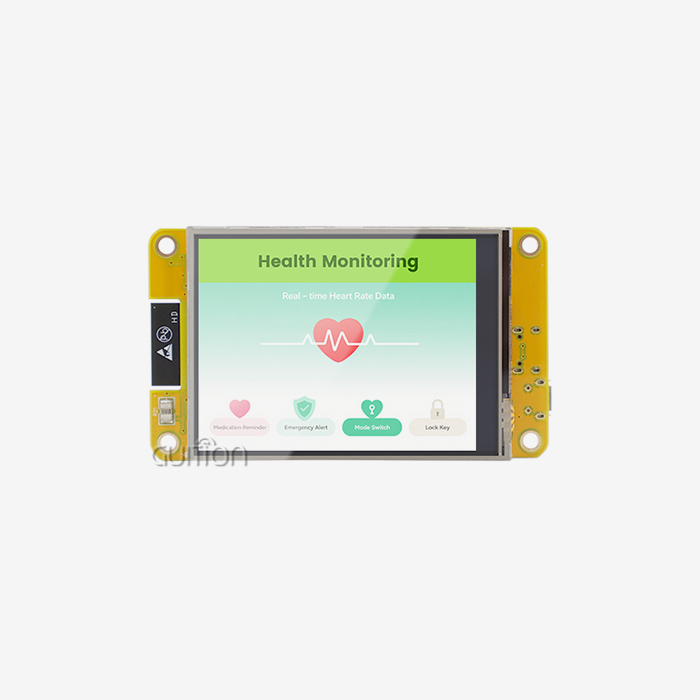
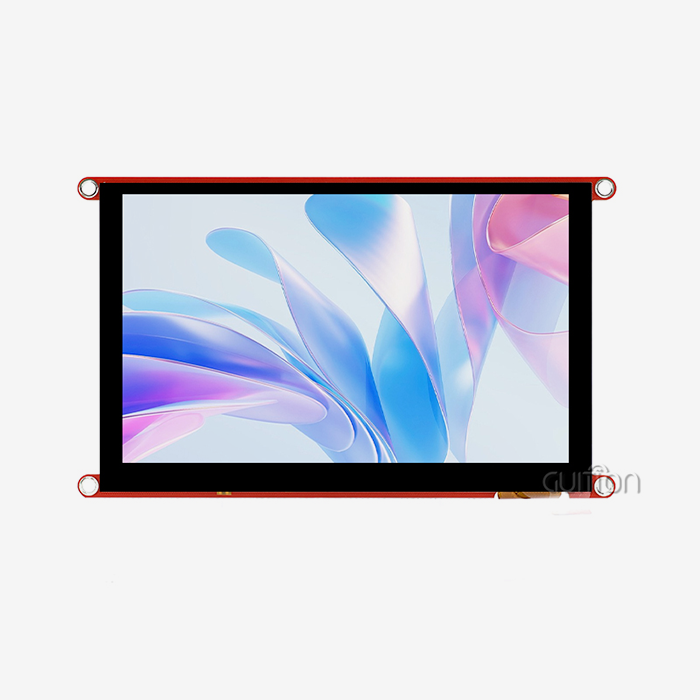
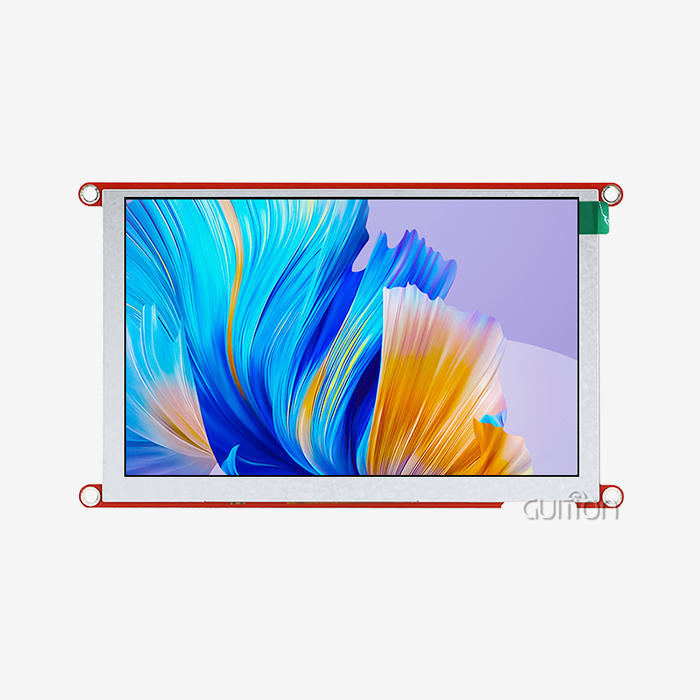
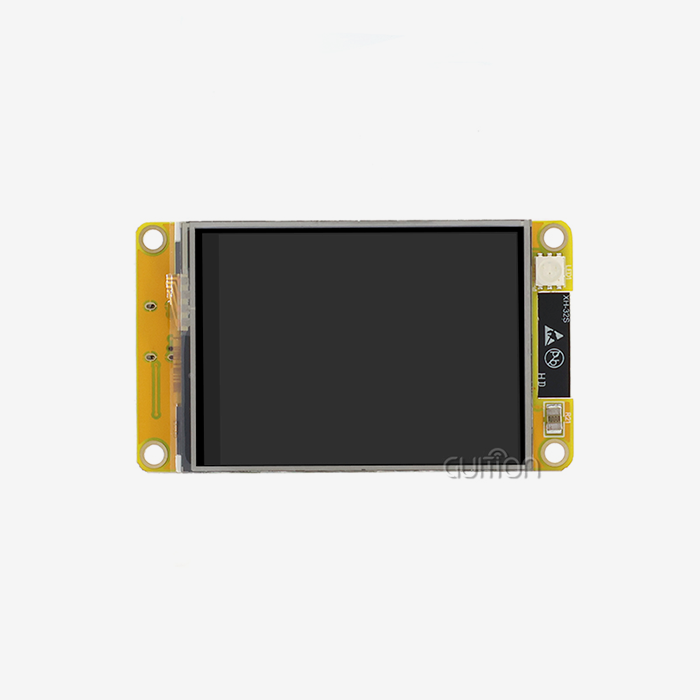
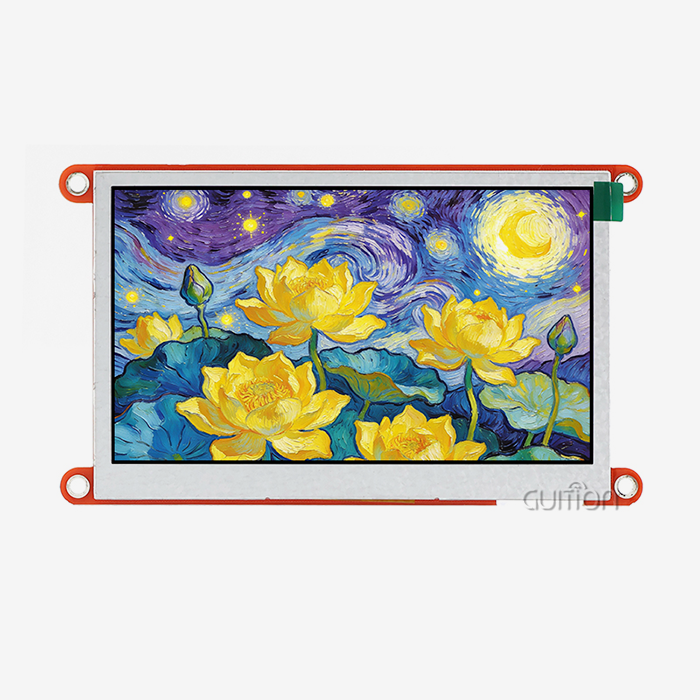
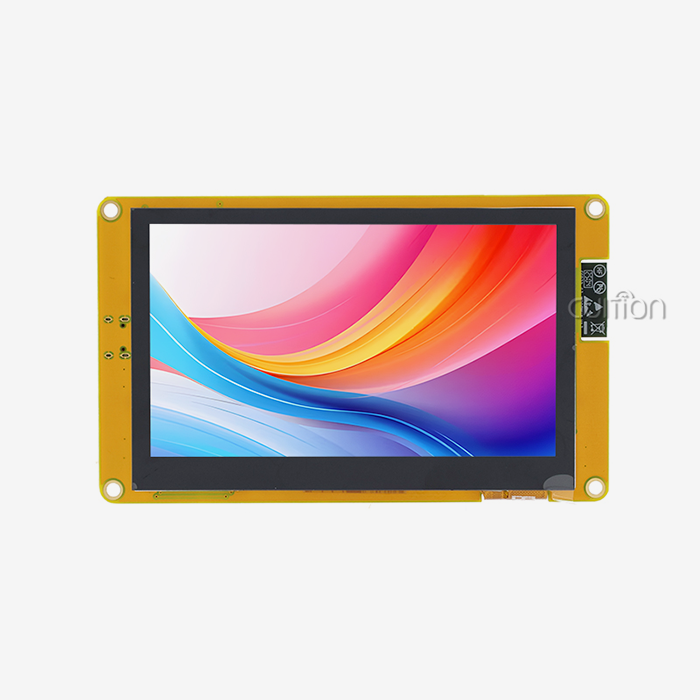
An IPS display module is a sophisticated liquid crystal display assembly integrating an In-Plane Switching panel, driver integrated circuit, backlight unit, and interface connectivity into a single, ready-to-integrate component. Unlike Twisted Nematic technologies, where liquid crystals twist perpendicular to the substrate, IPS technology aligns molecules parallel to the glass surface, rotating within that plane when voltage is applied. This fundamental structural difference delivers wide viewing angles up to 178 degrees, superior color accuracy covering over 100% sRGB color space, and eliminates the "water ripple" effect common when touching TN screens—making it the preferred choice for interactive industrial control interfaces and medical equipment displays.


Essential Buying Criteria for IPS Display Modules
Resolution and Display Size Matching
Product managers who are making smart products or industrial terminals need to make sure that the size of the screens they use fits the needs of the information architecture. The Guition JC4848B040C_I's 4.0-inch form factor is just the right size for both handheld devices and control panels that don't have a lot of room. At normal viewing distances of 30 to 50 centimeters, the 800x480 resolution gives you enough pixels to see text clearly. The scalability of this resolution is good for bigger setups, like charging station connections or medical aesthetic equipment. The aspect ratio works for both landscape-oriented panels and portrait-oriented kiosk apps without having to reduce the content in a weird way.
Brightness and Contrast Requirements
The necessary brightness levels are set by the lighting conditions in the room. Standard Ips display modules give off 300 to 400 nits, which is enough for controlled overhead lighting in an industrial setting inside. For outdoor uses like agricultural automation monitors or energy management system displays, brightness needs to be raised above 1000 nits. Optical bonding is often used with this to lower surface reflections. The contrast ratio changes how easy it is to read in different lighting situations. IPS display module technology naturally has higher contrast than TN options, so text can still be read at sharp angles. This is very important when multiple people are looking at the same display at the same time.
Interface Compatibility and Driver Support
System builders like having a variety of connectivity choices when adding Ips display modules to current product architectures. The ST7701 driver chip used in high-tech modules works with MIPI DSI and is also compatible with common development environments. This flexibility speeds up development and makes it easier for engineering teams that already know how to use Arduino or ESP-IDF systems to learn new ones. Guition's development software fills in the gaps between what hardware can do and how it can be used in real life. The platform allows cross-platform debugging, which lets engineers make quick changes to interface designs without having to flash software to real devices over and over again. This improves process efficiency and cuts down on time to market.
Environmental Durability Standards
Electronics used in industrial control are subject to changes in temperature, pressure, and humidity. Quality Ips display modules that can work in temperatures ranging from -20°C to +70°C keep their performance stable whether they are installed in cold warehouses or around machines that make heat. This thermal resilience stops display problems like response time lag or image retention that only last for a short time when the temperature changes. Vibration resistance is important for mobile apps and mechanically operated equipment. According to ISO 13406-2 standards, Ips display modules made for industrial use go through a lot of tests to make sure the pixels stay intact, and the backlight stays even when the module is running all the time.
Comparing IPS Display Modules with Alternative Display Technologies
IPS versus TN Panel Trade-offs
Twisted Nematic displays are cheaper to make and have faster pixel response times, which makes them a good choice for projects on a budget that only need a small viewing range. TN panels, on the other hand, have bad color shifting when viewed off-axis and have a unique "water ripple" effect when touched, which means they aren't good for professional touchscreen uses. These problems can't happen because Ips display module architecture makes molecules more stable. The 178-degree viewing angle consistency of Ips display modules makes sure that the visual experience is the same in all interaction situations. This is important when designing medical device interfaces where clinicians can see displays from different positions or when designing retail kiosks that customers can see from different heights.
OLED Comparison for Industrial Contexts
Organic LED technology gives you the best contrast ratios and brightest colors by lighting up each image separately. This feature seems useful for high-end uses, but OLED's tendency to burn-in makes it a bad choice for industrial human-machine interfaces that need to show static elements like logos, status bars, or constant navigation menus. While offering longer operational lifespans, Ips display modules offer comparable color saturation within the sRGB spectrum. Quality Ips display modules with LED backlights have 50,000-hour ratings at half-brightness, which means they can be used continuously for years in 24/7 manufacturing environments without having to worry about the degradation that comes with using organic materials.
Cost-Performance Analysis for B2B Applications
In the end, choices about procurement have to balance the need for efficiency with the resources available and the costs over the product's life. Premium OLED solutions require a bigger initial investment, but Ips display modules, like the ones Guition sells, offer industrial-grade dependability at prices that are reasonable enough for mass production. The total cost of ownership should take into account how often maintenance needs to be done, how easy it is to get replacement parts, and how quickly technical support can help. Long-term running costs can be lowered by working with providers that offer detailed documentation, customization options, and remote upgrade features. These are often more important than the price per unit when making strategic buying choices.
Installation, Integration, and Quality Assurance Best Practices
Mechanical Integration Considerations
Planning the dimensions carefully is the first step to installing an Ips display module correctly. For enclosures to fit the 4.0-inch form factor, they need to have the right cutouts and mounting options for bezels or protective overlays. For capacitive touch to work, it needs to be properly grounded and shielded so that electromagnetic interference from nearby power sources or motor drives doesn't affect its functioning. Thermal control affects how long a panel lasts. Even tho Ips display modules can work in a wide range of temperatures, putting them close to heat-generating parts like voltage regulators or motor controls without enough airflow can speed up the degradation of the backlight. Strategic placement and the integration of heat sinks keep the best performance throughout the lifecycle of a product.
Electrical Interface Configuration
While MIPI DSI connection makes wiring easier than parallel RGB solutions, it is still important to follow good signal integrity standards. Differential pair routing, controlled impedance lines, and the right termination prevent data transfer mistakes that show up on the screen as artifacts or fail to initialize. You can change the brightness, color balance, and power states at the firmware level by configuring the driver chip through I2C or SPI control interfaces. Guition's development platform hides these low-level details, giving UI designers easy-to-use controls while still giving system engineers who need to fine-tune optimization access to advanced parameters.
Quality Validation Testing Protocols
When inspections come in, they should compare the number of pixels that are defective to ISO standards and look for stuck pixels, dead pixels, or problems with how the pixels are distributed across the Ips display module area. Temperature cycling tests make sure that the device works reliably across all temperature ranges, and shaking tests make sure that the mechanical connection is still attached properly. Calibration for capacitive touch makes sure that coordinate reporting is correct across the whole active area. Multi-point touch testing makes sure that multiple users can enter information at the same time for apps that need to recognize gestures or allow multiple users to connect.
Future Trends and Innovation in IPS Display Technologies
Emerging Panel Technologies
New technologies like Low-Temperature Polysilicon (LTPS) backplane technologies are helping the display business keep improving parallel lcd display capabilities. These changes make aperture ratios better, which lowers the amount of power needed for the backlight while increasing the brightness output. This directly addresses the power usage issues that have been linked to Ips display module design in the past. Flexible Ips display module surfaces make it easier to create curved connections and systems that fit perfectly. Even tho these technologies are still new to industry use, they point to ways that companies will be able to make their next-generation smart devices stand out by giving them unique shapes.
Connectivity Evolution and Smart Integration
More and more modern Ips display modules include wireless connectivity. With built-in WiFi and Bluetooth, passive displays can be turned into Internet of Things (IoT) devices that can get software updates, sync content from cloud platforms, or join mesh networks for spread tracking systems. This trend can be seen in the way that ignition modules support over-the-air upgrades. This feature lets product makers fix bugs, add features, or update user interfaces without having to send service technicians out to fix problems. This cuts down on after-sales support costs by a huge amount and keeps products relevant through software evolution.
Co-Development Partnerships
As HMIs get more complex, partnerships between companies that make Ips display modules and those that make products become very valuable. In competitive markets, suppliers who offer customization services—from changing the mechanical dimensions to implementing firmware in a way that works best for the customer—allow businesses to stand out. Innovation processes are sped up by having access to detailed technical documents, quick engineering help, and compatibility with popular development toolchains. Development platforms that support multiple languages and UTF-8 encoding can be used in global rollout scenarios. This makes it easier for makers to serve international markets by getting rid of the problems that come with localization.
Conclusion
To choose the best display solution, you have to compare technical specs to the needs of the application. IPS display modules give industrial equipment makers, medical device developers, and IoT solution providers the visual performance, longevity, and integration freedom they need. The technology is especially good for interactive applications where multiple people use displays or operators work in different lighting conditions because it has better viewing angles, more accurate colors, and works with touchscreens. Parallel LCD Display solutions can also be considered for applications that require reliable data transmission and flexible display integration. Quality IPS display modules like the Guition JC4848B040C_I mix tried-and-true IPS display module technology with modern conveniences like capacitive touch response, operation in a wide range of temperatures, and simplified MIPI DSI connection. When combined with full development tools that support both Arduino and IDF processes, these solutions shorten the time it takes to get a product to market while still meeting the high standards of stability needed for industrial use.
FAQ
Why does IPS technology suit touchscreen applications better than alternatives?
The arrangement of molecules in Ips display modules stays stable even when they are physically pressed. This stops the "water ripple effect" that happens when you touch TN displays and changes the way they look. This structural stability makes sure that the image quality stays the same when you touch it many times. This is very important for industrial control panels and medical equipment interfaces that get a lot of user input during shifts or procedures.
Can display modules operate reliably in outdoor industrial environments?
Standard Ips display modules with 300 to 400 nits of light are bright enough for indoor use, but they need to be upgraded for outdoor use. When combined with optical bonding techniques, backlights that are brighter than 1000 nits cut down on surface reflections and stop solar washout. Also, wide temperature ranges (-30°C to +85°C) make sure that farm automation systems or energy management equipment that is exposed to harsh environments can keep working properly.
What factors determine the display module lifespan in continuous operation?
The operating lifespan is mostly determined by how long the LED backlight lasts. Good units are listed for 30,000 to 50,000 hours at half brightness. This means that the light will work nonstop for about 3.4 to 5.7 years before it starts to lose its brightness. Maintaining visual quality standards while extending useful life through proper thermal management, avoiding exposure to temperature extremes above and below recommended limits, and stopping long-term static picture show are all important.
Partner with Guition for Your IPS Display Module Requirements
Picking the right Ips display module supplier has a direct effect on how quickly you can develop new products and how competitive you are in the market. Guition specializes in providing industrial-grade Ips display module options ranging from 1.28 inches to 21.5 inches. Our development software makes it easier to create HMIs without having to know a lot about low-level code. Our JC4848B040C_I model shows how we aim to combine cutting-edge technology with usefulness. It has a 4.0-inch screen, a 800x480 resolution, sensitive touch, and MIPI DSI connection. It also has the ST7701 driver chip. We help with secondary development by providing detailed instructions and debugging tools that work on both Arduino and IDF environments. Built-in WiFi and Bluetooth make it easy to join, and the ability to update over-the-air (OTA) remotely makes maintenance easier after the sale. Our Ips display modules give you the visual clarity and operational stability your applications need, whether you're making 3D printers, medical tools, charging stations, or smart home devices. With a dependable Ips display module manufacturer, are you ready to speed up your next project? Email our technical team at david@guition.com to talk about your specific needs, get samples, or look into how we can customize our products to fit your product architecture.
References
1. Chen, R. & Liu, S. (2021). "Advanced Display Technologies for Industrial Applications: A Comparative Analysis of IPS, TN, and OLED Architectures." Journal of Electronic Manufacturing Systems, Vol. 18, pp. 234-251.
2. International Organization for Standardization (2019). "ISO 13406-2: Ergonomic Requirements for Work with Visual Displays Based on Flat Panels - Part 2: Ergonomic Requirements for Flat Panel Displays." Geneva: ISO Standards Publication.
3. Morrison, K. & Tanaka, H. (2022). "Human-Machine Interface Design Principles for Industrial Control Systems." Industrial Engineering & Production Management Quarterly, Vol. 15(3), pp. 112-129.
4. Patel, A. (2020). "Liquid Crystal Display Technologies: Materials, Manufacturing, and Applications in Smart Devices." New York: Technical Publishing International.
5. Zhang, W. & Anderson, M. (2023). "Thermal Management and Longevity Optimization in Industrial Display Modules." Proceedings of the International Conference on Electronic Components and Systems, pp. 567-584.
6. European Committee for Electrotechnical Standardization (2021). "Display Module Integration Standards for Medical and Industrial Equipment: Best Practices and Quality Assurance Protocols." Brussels: CENELEC Technical Report TR-8845.
Learn about our latest products and discounts through SMS or email