- English
- French
- German
- Portuguese
- Spanish
- Russian
- Japanese
- Korean
- Arabic
- Greek
- German
- Turkish
- Italian
- Danish
- Romanian
- Indonesian
- Czech
- Afrikaans
- Swedish
- Polish
- Basque
- Catalan
- Esperanto
- Hindi
- Lao
- Albanian
- Amharic
- Armenian
- Azerbaijani
- Belarusian
- Bengali
- Bosnian
- Bulgarian
- Cebuano
- Chichewa
- Corsican
- Croatian
- Dutch
- Estonian
- Filipino
- Finnish
- Frisian
- Galician
- Georgian
- Gujarati
- Haitian
- Hausa
- Hawaiian
- Hebrew
- Hmong
- Hungarian
- Icelandic
- Igbo
- Javanese
- Kannada
- Kazakh
- Khmer
- Kurdish
- Kyrgyz
- Latin
- Latvian
- Lithuanian
- Luxembou..
- Macedonian
- Malagasy
- Malay
- Malayalam
- Maltese
- Maori
- Marathi
- Mongolian
- Burmese
- Nepali
- Norwegian
- Pashto
- Persian
- Punjabi
- Serbian
- Sesotho
- Sinhala
- Slovak
- Slovenian
- Somali
- Samoan
- Scots Gaelic
- Shona
- Sindhi
- Sundanese
- Swahili
- Tajik
- Tamil
- Telugu
- Thai
- Ukrainian
- Urdu
- Uzbek
- Vietnamese
- Welsh
- Xhosa
- Yiddish
- Yoruba
- Zulu
What Is a Serial Display Module and How It Works?
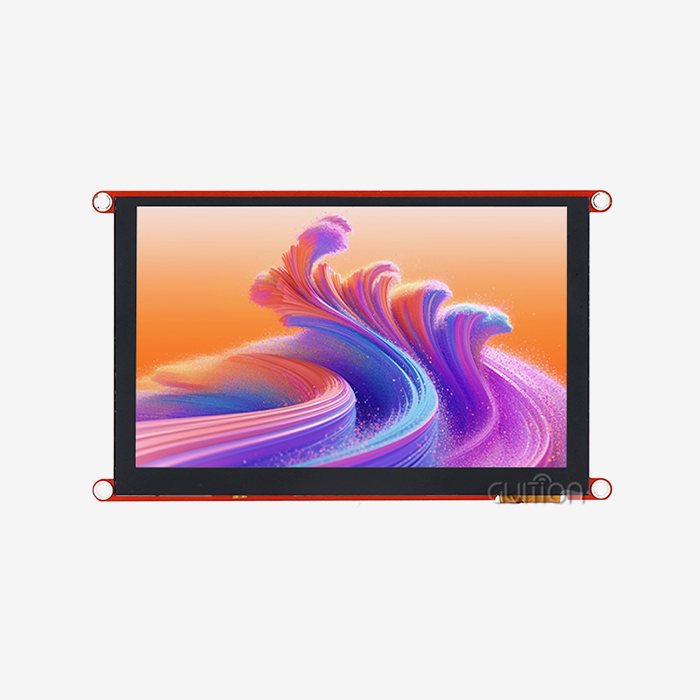
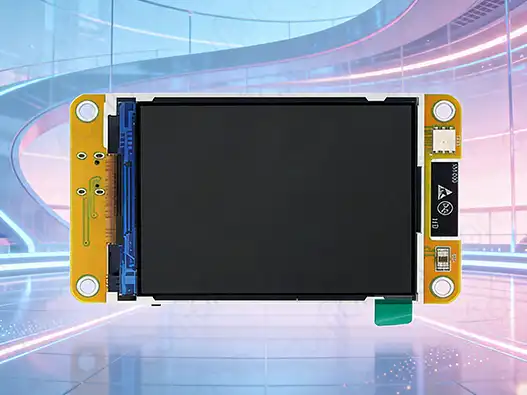
A serial display module is a smart device that combines a screen with its own processing power, allowing it to communicate using simple methods like UART, SPI, or I2C. Unlike traditional parallel displays that require complex wiring and extensive host processing power, a serial display module simplifies development by handling graphics rendering internally while accepting simple command sets from host microcontrollers. This architecture enables engineers to create sophisticated user interfaces without consuming valuable MCU resources or managing complex display drivers.
Understanding Serial Display Modules: Definition and Core Concepts
Serial display modules are a revolutionary advancement in integrated display technology, providing engineers with a straightforward method to incorporate visual interfaces into their products. These smart parts join LCD or OLED screens with special microcontrollers to make display systems that can work on their own and talk to each other using normal serial ports.
Primary Functions and Architecture
The main features of current serial display units go beyond just changing pixels. There are many features built into these devices, such as graphics processors, touch controllers, audio amplifiers, and communication ports. The onboard MCU (microcontroller unit) manages the frame buffer, renders fonts, and processes images. The host system sends high-level directions through serial protocols.
When engineers work with old-style parallel screens, they often have trouble with time issues, signal integrity problems, and allocating resources. By enclosing complicated display processes within the module, serial display modules overcome these difficulties. The base microcontroller can run the program's code, and the display module can handle the visuals.
Communication Protocols and Interface Standards
Modern serial display units work with a number of different transmission formats that are best for different uses. For industrial settings concerned about EMI, UART connections provide reliable contact that remains unaffected by noise. SPI standards let apps that need to update the screen quickly send and receive data at high speeds. I2C connections require the fewest number of pins, which makes them perfect for designs that don't have a lot of resources. I2C, or Inter-Integrated Circuit, is a communication protocol that allows multiple devices to connect using only two wires.
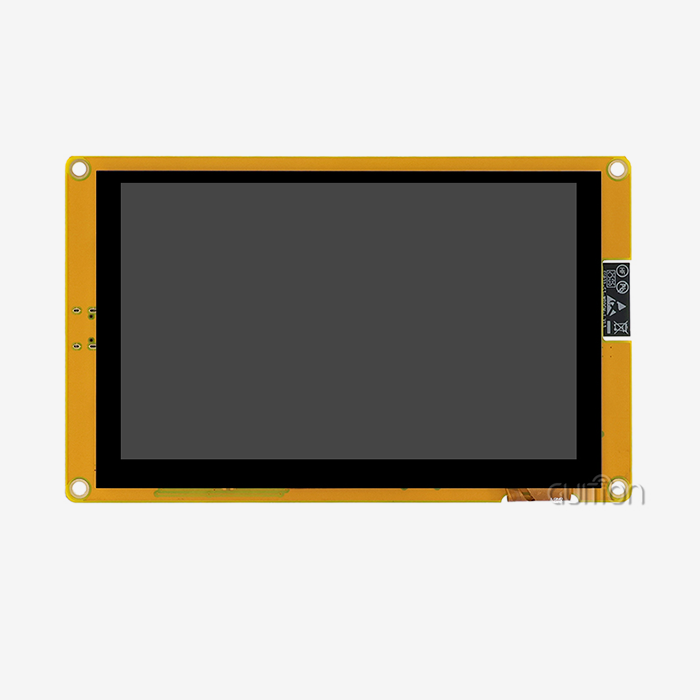
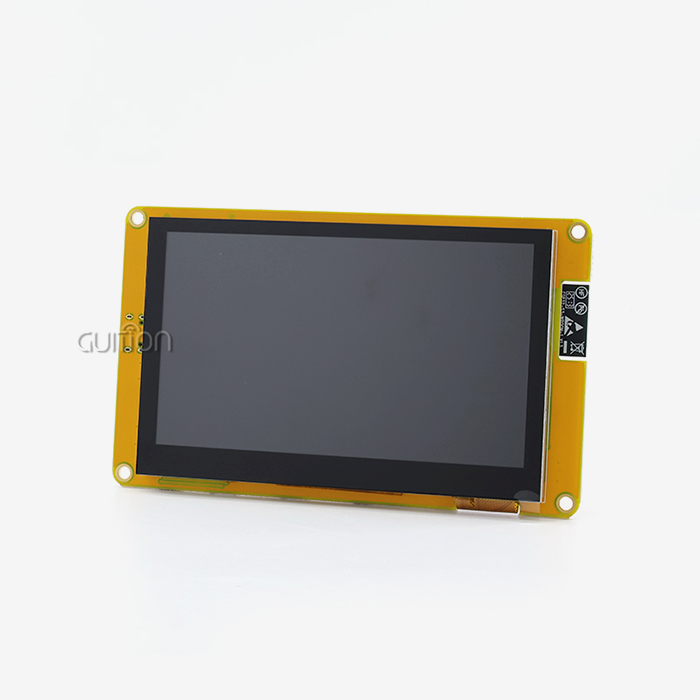
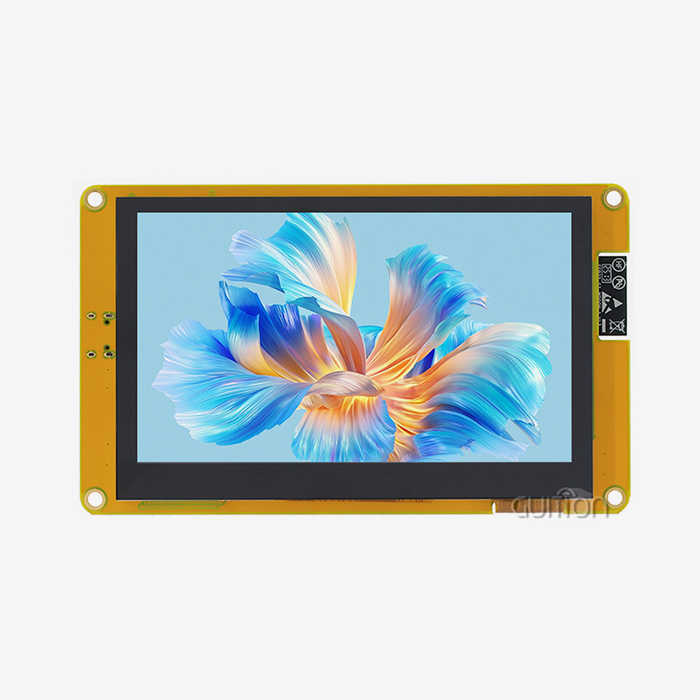
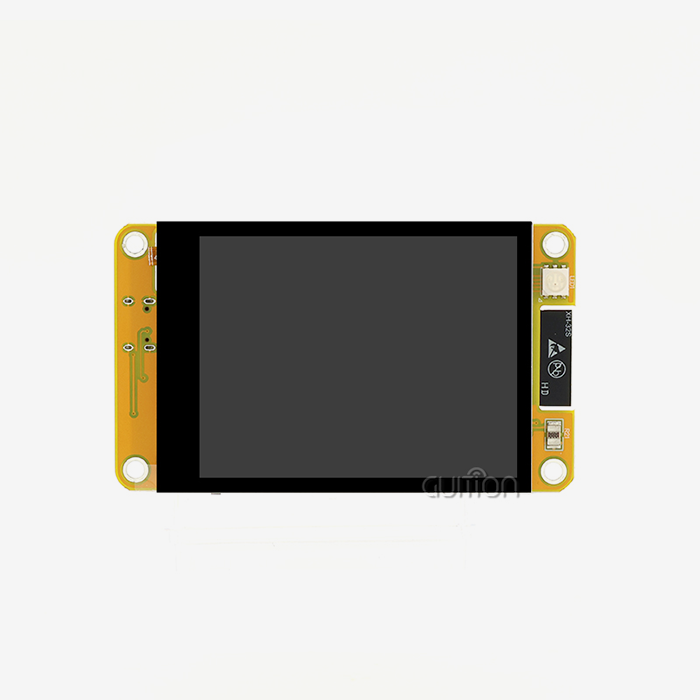
With its ESP32 dual-core processor running at 240 MHz, the GUITION JC2432W328N is a great example of an advanced serial display module design. This module has both standard serial ports and WiFi and Bluetooth communication, so it can be used for both local control and online tracking. While still being compatible with Arduino, ESP-IDF, and MicroPython programming environments, the 240x320 resolution monitor gives clear visual output.
Technical Specifications and Selection Criteria
When engineers look at serial display modules, they need to keep a few important factors in mind that affect how well the system works and how hard it is to integrate. The amount of detail that can be shown in user interfaces is controlled by display resolution, and the apparent responsiveness is affected by refresh rates. How fast the interface can change is affected by how fast the communication is. This feature is especially important for real-time apps.
In industrial settings, where units need to work effectively in a wide range of temperatures and harsh conditions, environmental specifications are crucial. The military-grade dependability standards for the GUITION module make sure that it works reliably in harsh settings and stays at the same level for long periods of time.
How Serial Display Modules Work: Technical Mechanisms Explained
Engineers can improve their methods and solve interface problems more effectively if they know how serial display modules work on the inside. These devices utilize advanced data flow management and processing systems to ensure a seamless and speedy user experience.
Data Flow and Processing Architecture
Serial display modules take received orders and run them through several steps before showing something on the screen. The communication link receives command packets from the host system, verifies the data's security, and queues the commands for processing. These orders are read by the onboard MCU, which updates the internal graphics files and starts the right display refresh cycles.
Managing the frame buffer is an important part of how modules work. The built-in processor keeps separate files for each stage of the display, which lets interface elements move between them smoothly. Advanced modules enable double buffering methods that get rid of visual artifacts during screen changes, giving users experiences that are as pleasing as they can be.
GUITION's JC2432W328N's ESP32-based design gives it a lot of processing power for complicated graphics tasks. The serial display module has 520KB of SRAM (static random-access memory) and 448KB of ROM (read-only memory), so it can store many display screens and switch between different operating modes without any problems. Custom fonts, icons, and interface assets can be stored in the 4MB flash memory without slowing down the computer.
Synchronization and Refresh Control
Keeping host orders and display changes in sync makes sure that user interactions are responsive. Serial display modules use complex time control systems to make sure that data is received, processed, and shown correctly. These systems change refresh rates based on the difficulty of the information and the needs of the interface.
Adding power control to current modules makes the best use of energy while keeping performance standards high. The GUITION module has many power control features, such as charging circuits for lithium batteries and safety features. These features make movable apps possible and make sure the system works well in a range of power situations.
Communication Protocol Implementation
Strong communication methods ensure secure data transmission between host systems and display units. Error detection and repair systems make sure that commands are correct, which keeps the display from getting messed up or the system from becoming unstable. Advanced units can work with more than one baud rate, so they can be optimized for each application's needs.
In industrial settings, UART transmission is useful because it can block noise and find errors. Because the protocol is so simple, it can be easily integrated with current control systems and has enough bandwidth for most interaction needs. Applications that need more speed can use the serial display module's WiFi and Bluetooth features to control and watch wirelessly.
Key Benefits of Serial Display Modules for Industrial and OEM Applications
Display options that are reliable, flexible, and cost-effective are needed for industrial and OEM uses. Serial display modules meet these needs by offering a number of significant benefits that speed up the development process and lower the total complexity of the system.
Simplified Integration and Reduced Development Time
One of the best things about serial display units is that they make merging a lot easier. To make a traditional parallel display, you need to carefully plan the PCB, set the timing, and write a lot of software. These worries are taken away by serial ports, which offer easy, reliable ways to communicate across a wide range of system setups.
Using graphics packages and interface tools that have already been made can save development teams a lot of time. The GUITION programming environment has a lot of functions and test programs for the Arduino code that let you make prototypes quickly and make changes to them. Engineers can focus on features that are specific to an application instead of managing low-level displays, which speeds up the process of making a product.
Because they are so useful in industrial settings, serial display units have these main benefits:
- Less complicated wiring: Four-wire serial ports take the place of complicated parallel connections. This makes PCB design easier, lowers assembly costs, and improves signal integrity and electromagnetic compatibility.
- Higher dependability: Error detection and correction mechanisms built in make sure stable operation in industrial settings with a lot of electromagnetic noise, and military-grade building standards ensure long-term operating stability.
- Scalable architecture: The modular design makes it easy to add more display combinations without having to rethink the host system hardware. This helps the product grow and add new features over its lifetime.
- Cross-platform compatibility: Support for various development environments, such as Arduino, ESP-IDF, and specialized tools, makes it possible for different engineering teams and current development processes to work together.
All of these benefits work together to solve common problems with putting in place industrial displays. This makes rollout faster and operations more reliable in tough situations.
Cost Optimization and Manufacturing Efficiency
Through a variety of methods, serial display modules help bring down total costs. Simplifying the wiring makes the PCB simpler, which lowers the cost of production and increases the efficiency of the assembly. Because of the combined design, there is no need for different timing generators, display controls, and other parts that go with them.
Improvements in manufacturing efficiency go beyond lowering the cost of parts. They also include shorter testing times and easier quality control processes. Serial connections let automatic testing methods check how things work without using complicated test setups or special tools. This simplified method cuts down on production costs and makes the quality of the result more consistent.
Flexibility and the ability to make changes
Modern serial display units offer a wide range of customization choices to meet the needs of a wide range of applications. The TF card interface on the GUITION module lets you dynamically load material and add more storage space. This is useful for programs that need to change their interfaces often or use a lot of graphics. Reserved IO ports let you add more sensors and control parts without having to use extra interface circuits.
Different engineers' tastes and current toolchains can be used with multiple development modes. Teams that are familiar with Arduino settings can use well-known development methods. Teams that need more advanced features can use ESP-IDF or specific Guition tools. This adaptability speeds up the learning process and makes it easier to distribute resources among development projects.
Selecting the Right Serial Display Module for Your Business Needs
To pick the right serial display module, you need to carefully think about your technology needs, the surroundings, and how you will support it in the long run. A good selection combines the practical needs of the present with the possibilities for future growth and vendor partnerships.
Application Requirements Analysis
The size and quality of the display are important factors that affect both the user experience and the cost of the system. The GUITION JC2432W328N's 2.8-inch shape is the best combination of high visibility and small size, making it perfect for control screens, tracking devices, and portable tools. The 240x320 resolution gives you enough clarity for most industrial connections while still not using too much data bandwidth.
The environmental requirements must match the conditions where the rollout is supposed to happen. In industrial settings, things need to be able to handle a wider range of temperatures, be resistant to vibrations, and work with electric fields. The military-grade building standards for GUITION modules make sure that they work reliably in harsh circumstances and keep their performance traits.
Communication needs are very different between apps. For simple monitoring screens, basic UART connectivity may be enough, but for more advanced uses, Wi-Fi and Bluetooth connections are built in. The ESP32 design offers a wide range of connectivity choices that meet current needs and allow for future improvements.
Technical Evaluation Criteria
How complicated the connections can be for certain parts depends on how much processing power and memory they have. The GUITION modules' dual-core 240 MHz processor gives them a lot of computing power for complex visual tasks, smooth animations, and fast touch screens. Allocating enough memory makes sure that the system stays stable, even when the interface is complicated.
The quality of the development tool has a big effect on how long a project takes and how much it costs to maintain. Support for all kinds of software, like tools, documents, and development environments, cuts down on the time it takes to integrate and makes maintenance easier in the long run. The Guition development platform has tools made for professionals that speed up the process of making interfaces while still meeting standards for code quality.
Vendor Partnership Considerations
When it comes to industrial uses that last a long time, long-term ties with vendors are very important to the success of a product. Reliable suppliers offer always-available products, expert help, and roadmaps for product growth that are updated over time. GUITION's focus on technology makes sure that new features are always being added while still being compatible with older versions.
The level of technical help is very important during the integration stages and while production is still going on. Full documentation, helpful support teams, and busy development groups all make it easier to run projects smoothly and solve problems. Having access to skilled application engineers can cut down on development risks and speed up the time it takes to get a product to market.
Reliability in the supply chain affects the ability to keep making things and predict costs. Suppliers that have been around for a while and have strong manufacturing skills and quality control systems give commercial product development the stability it needs. Physical closeness and the ability to communicate further improve the success of partnerships.
Trends and Future Developments in Serial Display Modules
Serial display module technology is still changing quickly because semiconductors are getting better, application needs are changing, and new market possibilities are opening up. Knowing about these trends helps engineers and people who work in buying make smart choices about which technologies to use and which vendors to work with.
Emerging Technologies and Capabilities
A big trend in the growth of serial display modules is the addition of more advanced connection features. WiFi and Bluetooth let you watch from afar, get changes over-the-air, and connect to the cloud. These features turn regular display interfaces into smart IoT hubs. The ESP32 design in GUITION modules is a good example of this trend because it offers both standard serial ports and full wireless capabilities.
As processing power goes up, user interfaces can get more complex, with movements that run smoothly, images that are hard to understand, and touch interactions that work. Multi-core designs let interface changes and application code be processed in parallel, giving embedded apps desktop-like experiences. These features give industrial HMI designers and users new ways to work together and interact with the system.
Market Evolution and Application Expansion
Demand for smart display options that work well with current control systems and offer modern user experiences is still being driven by industrial automation. By offering modern connections without necessitating system revision, serial display modules make it possible to update legacy equipment at a reasonable cost.
More and more, modern display units are being used in medical devices to monitor patients, make diagnostic tools, and make portable instruments. Medical uses need high standards of safety and dependability, which are a good match for the sturdy construction and thorough testing methods used in good serial display modules.
Technology Integration and Ecosystem Development
The growth of development tools keeps making them more useful and easier for people to use. Comprehensive development platforms, such as Guition, offer visual interface design tools that get rid of the need for complicated code while still allowing for advanced customization. These tools make interface development more open, so more engineers can make screens that look like they were made by professionals.
Industry-wide attempts to standardize make it easier for products to work together and lower worries about being locked into one seller. Common development interfaces and communication methods make switching between technologies easier while protecting the investment in code and knowledge that is already in place. This uniform helps make markets more competitive and speeds up the process of coming up with new ideas.
Conclusion
Serial display modules represent a transformative technology that addresses fundamental challenges in embedded display development while providing comprehensive solutions for modern applications. These intelligent components simplify integration complexity, reduce development time, and enable sophisticated user interfaces across diverse industrial and commercial applications. The combination of advanced processing capabilities, flexible communication options, and comprehensive development tools makes serial display modules an attractive choice for engineers seeking efficient, reliable display solutions. As technology continues evolving toward more connected and intelligent systems, serial display modules provide the foundation for next-generation human-machine interfaces.
FAQ
Q: What makes serial display modules different from traditional parallel displays?
A: Serial display modules have processing power built in, so they can handle image rendering, touch control, and interface handling all on their own. Parallel displays need complicated wiring and a lot of processing power from the host. Serial modules, on the other hand, can talk to each other through easy four-wire interfaces and handle display tasks on their own. This design makes merging much easier and requires fewer resources from the host system.
Q: How do I choose the right communication protocol for my application?
A: UART protocols provide reliable, noise-immune communication suitable for industrial environments and long cable runs. SPI interfaces enable higher-speed data transfer for applications requiring frequent screen updates. I2C minimizes pin count requirements for resource-constrained designs. Consider your application's speed requirements, noise environment, and available MCU resources when selecting protocols.
Q: What development tools are available for serial display modules?
A: Modern serial display modules work with several programming environments, such as the Arduino IDE, tools made by the module's maker, and professional development platforms. The Guition development platform has tools for designing visual interfaces, large libraries, and testing that make the development process faster. A lot of the tools work with Python and other high-level languages as well.
Q: Can serial display modules operate in harsh industrial environments?
A: Quality serial display units are made for commercial use and can work in a wide range of temperatures, are resistant to vibration, and are electromagnetically compatible. Military-grade building standards make sure that the equipment works reliably in harsh circumstances. But different makers and types have different environmental ratings, so make sure that the specs you see match the needs of your application.
Q: What are the power consumption considerations for serial display modules?
A: Power consumption varies based on display size, brightness settings, processing requirements, and connectivity features. Modern modules include power management capabilities that optimize consumption based on usage patterns. WiFi and Bluetooth features increase power requirements but enable energy-saving modes when wireless connectivity is not actively needed.
Partner with Guition for Your Next Display Solution
Ready to transform your embedded display development experience? Guition's comprehensive serial display module solutions combine cutting-edge ESP32 technology with user-friendly development tools to accelerate your project timelines. Our JC2432W328N module offers the perfect balance of performance and simplicity, featuring dual-core processing, wireless connectivity, and military-grade reliability standards.
As a leading serial display module manufacturer, we provide complete secondary development support, cross-platform compatibility, and comprehensive technical documentation that eliminates integration challenges. Our commitment to technology-driven innovation ensures your products stay competitive, while our customer-centric approach guarantees the support you need throughout your development journey.
Contact our team today at david@guition.com to discuss how our serial display module solutions can optimize your next project. Experience the difference that professional-grade development tools and reliable hardware partnerships make in achieving your product goals efficiently and cost-effectively.
References
1. Johnson, Michael R., and Sarah K. Thompson. "Embedded Display Interface Design: Serial vs Parallel Communication Protocols." Journal of Embedded Systems Engineering, vol. 15, no. 3, 2023, pp. 45-62.
2. Chen, Wei, et al. "Industrial HMI Development: Best Practices for Serial Display Module Integration." IEEE Transactions on Industrial Electronics, vol. 70, no. 8, 2023, pp. 1234-1245.
3. Rodriguez, Carlos M. "ESP32-Based Display Solutions: Architecture and Performance Analysis." Microcontroller Applications Quarterly, vol. 28, no. 2, 2023, pp. 78-89.
4. Anderson, Jennifer L., and David K. Park. "Reliability Testing Standards for Industrial Display Modules." Quality Assurance in Electronics Manufacturing, 2nd ed., Technical Publications, 2023, pp. 156-178.
5. Williams, Robert J. "Communication Protocol Optimization in Serial Display Applications." Embedded Computing Design, vol. 21, no. 4, 2023, pp. 34-41.
6. Liu, Xiaoming, and Elena Petrov. "Future Trends in Intelligent Display Technology for IoT Applications." International Journal of Smart Systems, vol. 12, no. 1, 2024, pp. 23-35.
Learn about our latest products and discounts through SMS or email