- English
- French
- German
- Portuguese
- Spanish
- Russian
- Japanese
- Korean
- Arabic
- Greek
- German
- Turkish
- Italian
- Danish
- Romanian
- Indonesian
- Czech
- Afrikaans
- Swedish
- Polish
- Basque
- Catalan
- Esperanto
- Hindi
- Lao
- Albanian
- Amharic
- Armenian
- Azerbaijani
- Belarusian
- Bengali
- Bosnian
- Bulgarian
- Cebuano
- Chichewa
- Corsican
- Croatian
- Dutch
- Estonian
- Filipino
- Finnish
- Frisian
- Galician
- Georgian
- Gujarati
- Haitian
- Hausa
- Hawaiian
- Hebrew
- Hmong
- Hungarian
- Icelandic
- Igbo
- Javanese
- Kannada
- Kazakh
- Khmer
- Kurdish
- Kyrgyz
- Latin
- Latvian
- Lithuanian
- Luxembou..
- Macedonian
- Malagasy
- Malay
- Malayalam
- Maltese
- Maori
- Marathi
- Mongolian
- Burmese
- Nepali
- Norwegian
- Pashto
- Persian
- Punjabi
- Serbian
- Sesotho
- Sinhala
- Slovak
- Slovenian
- Somali
- Samoan
- Scots Gaelic
- Shona
- Sindhi
- Sundanese
- Swahili
- Tajik
- Tamil
- Telugu
- Thai
- Ukrainian
- Urdu
- Uzbek
- Vietnamese
- Welsh
- Xhosa
- Yiddish
- Yoruba
- Zulu
What Is a 7 Inch ESP32P4 Display Module Used For?
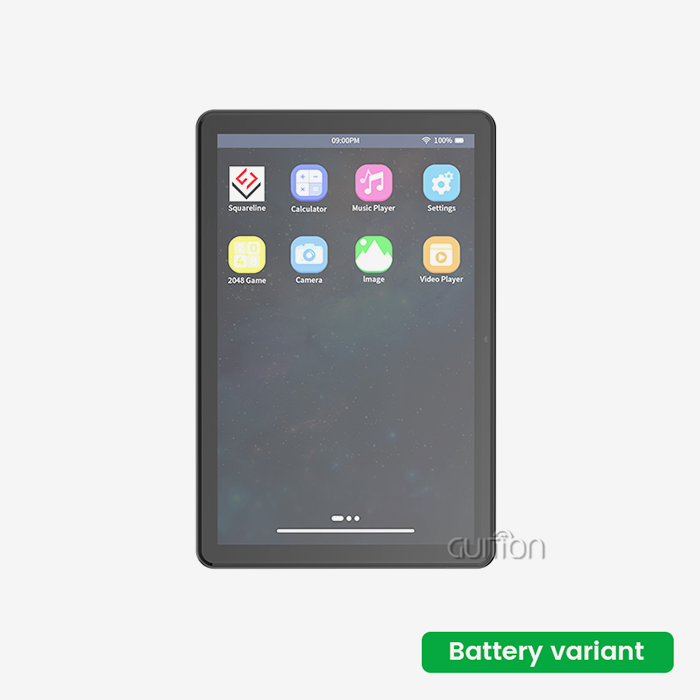
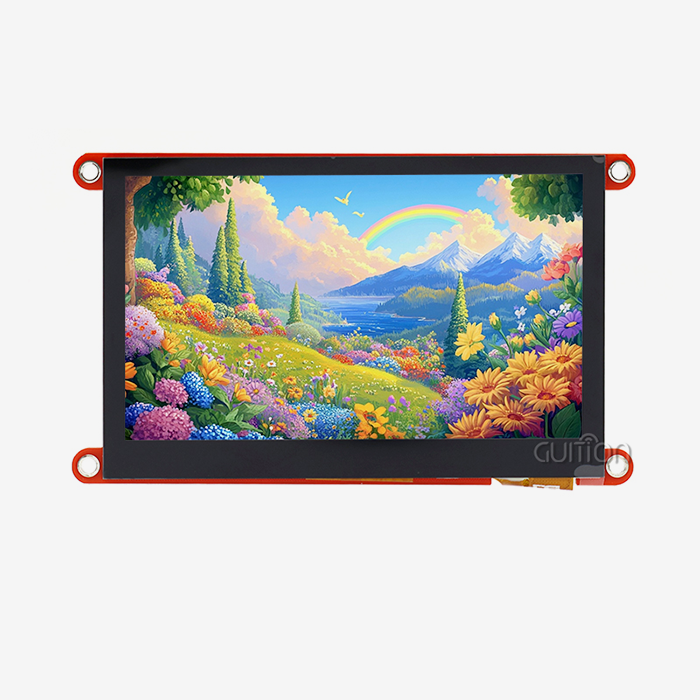
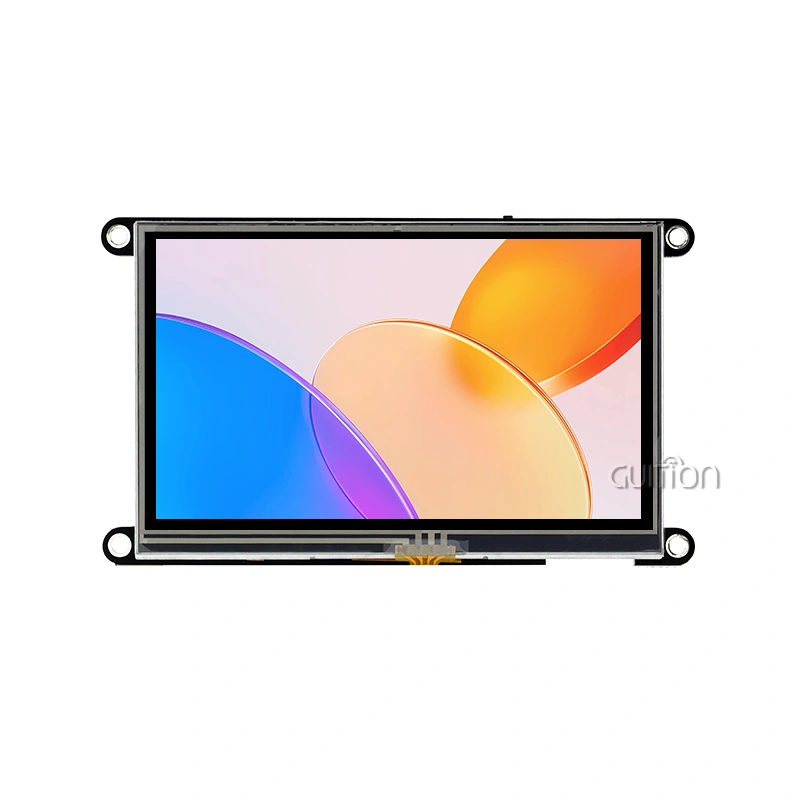
For industrial automation, smart device development, and Internet of Things (IoT) applications, the 7 inch esp32p4 display module is a complete human-machine interface option that blends cutting-edge processing power with high-quality visuals. This built-in module has a high-resolution 1024x600 IPS panel and capacitive touch functions. It also has a dual-core ESP32-P4 processor that runs at 360MHz. This flexible display option is used by engineers and product makers to make complex control panels, monitoring systems, and interactive user interfaces for a wide range of uses, such as medical devices, industrial equipment, smart home apps, and business terminals.
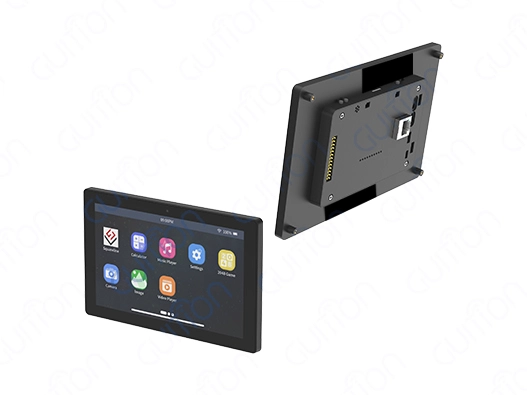
Understanding the 7 Inch ESP32P4 Display Module: Features and Specifications
The way this display module is built technically sets a new standard for professional visual systems that use microcontrollers. It's important for engineers to understand these standards so they can make smart design choices.
Core Hardware Architecture
With its dual-core design running at 360MHz, the ESP32-P4 processor at the heart of this module has a lot of computing power. This processor's power is much higher than that of most standard display controllers. It makes it possible for complex user interfaces to be rendered smoothly while still allowing responsive touch input. The module has 768KB of fast L2 memory, 32KB of LP SRAM, and 128KB of HP ROM, which is enough buffer room for advanced graphics tasks.
Memory configuration is a key factor in how well a display works. For example, 32MB PSRAM makes it possible to handle high-resolution graphics and various UI levels without any problems. The 16MB Flash storage can hold a lot of software and application code, and the special TF card interface lets you add more storage space when projects need it for things like data logging or extra assets.
Display Technology and Visual Performance
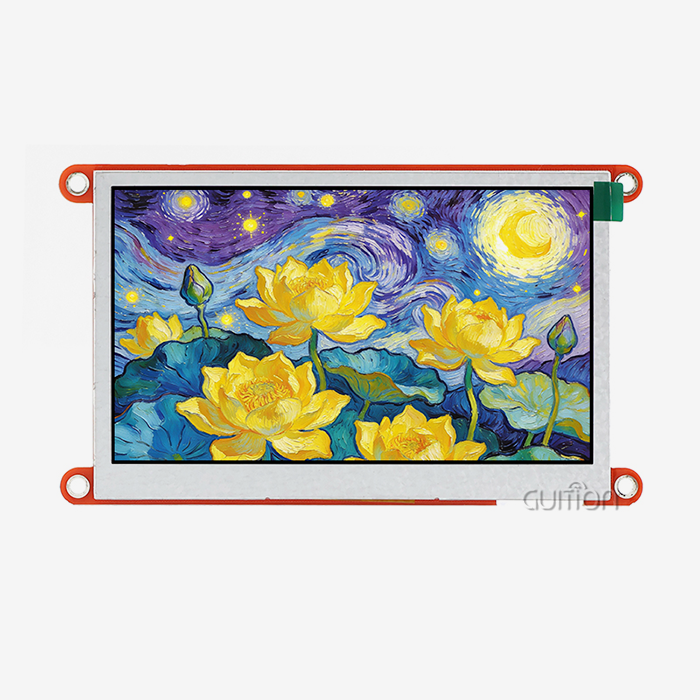
The 1024x600 resolution makes the 7-inch screen very clear, so it can be used for showing specific information and controlling things very precisely. IPS technology makes sure that colors are reproduced consistently and that viewing angles are wide. This meets the strict needs of industrial settings where workers may have to see screens from different angles.
Capacitive touch technology lets users connect with devices in a modern, responsive way that works reliably even in tough circumstances. The touch driver works with the main processor without any problems, so it can recognize complicated gestures and use multiple touches when needed by certain programs.
Connectivity and Integration Features
This monitor module is already tied to the internet through WiFi and Bluetooth, so it can be used with the Internet of Things. With these wireless features, you don't need any extra connection hardware. This makes the system simpler and faster to build. The IO port interface lets sensors, motors, and external tools connect in a variety of ways.
Support for different programming platforms, such as Arduino IDE, ESP-IDF, MicroPython, and the company's own Guition platform, makes development very flexible. This flexibility makes sure that engineers can use the module's full features while working in the development environment of their choice.
Practical Applications: What Is a 7 Inch ESP32P4 Display Module Used For?
When solid visual tools and processing power are needed to solve problems in the real world, the 7 inch ESP32P4 display module is used extensively across many industries.
Industrial Control and Automation Systems
The strong design and processing abilities of this module are very helpful in manufacturing settings. The display is used in industrial control panels to keep an eye on real-time production factors, machine condition, and process variables. The module's ability to handle multiple data lines at the same time and still respond to touch controls makes it ideal for complicated automation systems.
These screens are used in quality control stations for visual inspections where workers need to see product specs and measurement data clearly and in great detail. The large screen can show complex diagrams, measurement charts, and real-time sensor values without making them hard to read.
Smart Home and Building Management
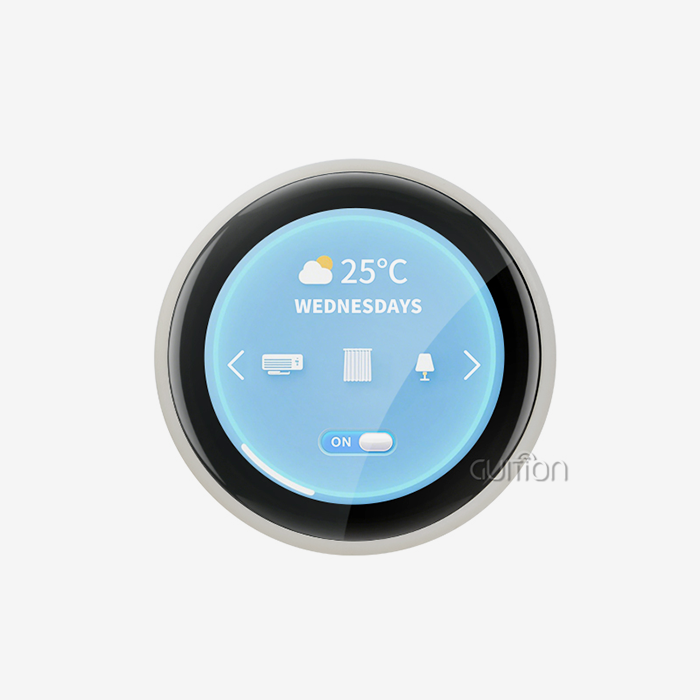
Home automation systems use wireless connections and easy-to-use interfaces to let you handle your entertainment, lights, and heating and cooling systems from one place. The module's working power makes it possible for complex scheduling methods and energy management features to work, and it also makes information easy to understand through simple displays.
These screens are used by building management programs to keep an eye on the weather, security systems, and energy use in different areas. Being able to directly connect to different sensors and controls in a building makes it possible to create complete management systems.
Medical and Healthcare Equipment
Interfaces for patient monitoring and diagnostic tools need to be accurate and reliable for healthcare use. The 7 inch ESP32P4 display module has the processing power needed for real-time data visualization and the quick touch control needed in healthcare settings.
These units are built into medical devices like bedside monitors, portable testing tools, and rehabilitation devices that need to provide clear, visible feedback and be easy for patients to use. Complex medical apps can use the module's ability to handle multiple data sources at the same time.
Consumer Electronics and Smart Devices
This module is used by people who make consumer products to make smart tools, home entertainment systems, and personal gadgets. When processing speed and graphic quality come together, they make for rich user experiences that are similar to those on smartphones.
The module's ability to provide interesting, interactive interfaces while keeping connectivity to cloud services and mobile apps helps smart cooking tools, exercise equipment, and home security systems.
How to Select the Best 7 Inch ESP32P4 Display Module for Your Needs
To choose the best display module, you need to carefully look at the technical specs, the supplier's skills, and the long-term needs of the project.
Technical Evaluation Criteria
The performance standards should match the computing needs of your program. The dual-core 360MHz processor works well for most industrial and business tasks, and the 7 inch ESP32P4 display module integrates smoothly with this setup, but knowing your specific working load will help you be sure. Memory needs depend on how complicated the user interface is and how much data needs to be handled. The 32MB PSRAM configuration works well for most business apps.
Some things to think about when it comes to display quality are the viewing angle, the amount of light in the room, and the need for accurate colors. There is better performance with IPS technology than with regular TFT screens, especially in workplace settings with changing lighting.
Supplier Assessment and Procurement Factors
Suppliers you can trust have consistent quality control, full technical help, and reliable supply lines. Through their technology-driven method and customer-centered service plan, Jingcai Intelligence shows these traits. Their wide range of products, from 1.28" to 21.5" screens, shows that they are good at making things and can grow as needed.
When making production schedules, procurement managers should look at bulk price structures, minimum order amounts, and shipping times. During the integration phase, the quality of technical help is very important, so companies with quick engineering support are good partners.
Development Environment Compatibility
The module's support for Arduino IDE, ESP-IDF, MicroPython, and Guition provides flexibility for different development teams. Teams that already know how to work with Arduino settings can use what they already know to get to more advanced features. The Guition platform lets you create interfaces with drag-and-drop tools that greatly shorten the time it takes to develop software.
Cross-platform coding speeds up development by letting you test and make prototypes quickly. When installed goods need updates in the field but can't be accessed physically, the ability to do so remotely becomes very useful.
Step-by-Step Guide: Using and Programming the 7 Inch ESP32P4 Display Module
Understanding how to connect gear and set up software is the first step to a successful execution.
Hardware Setup and Wiring
When setting up for the first time, you need to pay close attention to the power source specs because the module needs stable 5V/2A power to work at its best. Touch problems and show artifacts can happen if the power source isn't strong enough. For the backlight control circuit and touch screen driver to work properly, they need clean power delivery.
The pin setup follows the usual ESP32 rules, with some extra things taken into account for the monitor interface. The IO port interface lets external parts join in a standard way, and the TF card slot makes it easy to add more storage for graphics files and data logging.
Programming Environment Configuration
Setting up the Arduino IDE includes loading the ESP32 board package and making sure that the board settings are correct for the ESP32-P4 version. Installing the library gives you access to display drivers, support for touch controllers, and WiFi/Bluetooth stacks that your program needs.
Users of the Guition platform can use a 7 inch ESP32P4 display module within a visual interface design environment that instantly generates code that runs faster. This method cuts development time by a large amount while still making good use of resources. The drag-and-drop interface lets you quickly make prototypes of complicated user interfaces, even if you don't know a lot about code.
Code Implementation and Testing
For effective startup behavior, the basic display setup needs to be timed correctly. Touch calibration methods should be used during the initial setup to make sure that the whole screen responds correctly to touches. How you set up your WiFi and Bluetooth depends on how you want to join and how your network is set up.
Thermal cycling, extended operation testing, and touch accuracy proof under different working situations should all be part of the testing process. Before they are put into working settings, these tests help find problems that might happen.
Purchasing and Logistics: How to Buy the 7 Inch ESP32P4 Display Module with Confidence
To do good buying, you need to know what the suppliers can do, what the quality standards are, and how the logistics of the project will affect the time and cost.
Supplier Verification and Quality Assurance
Well-known companies like Jingcai Intelligence offer thorough quality control methods that include checking the stability of MIPI signals, testing the linearity of touch panels, and aging techniques that are done in the environment. These quality controls make sure that all production batches work the same way.
The quality of the documentation shows how professional and technically skilled the seller is. The supplier's detailed datasheets, application notes, and interface guides show that they care about their customers' success. How quickly technical support answers questions before a sale is often a good indicator of how good help will be after the sale.
Procurement Strategy and Cost Optimization
When you buy in bulk, it can save you a lot of money because volume price systems usually give big discounts for bigger orders. Learning about minimum order amounts and lead times can help you handle your inventory and schedule your production more efficiently.
Dependability in the supply chain is important for keeping production going, especially in today's global transportation settings. Critical projects are less likely to run into problems when they work with suppliers that have a wide range of manufacturing skills and open transportation options.
After-Sales Support and Technical Services
Help with application building, debugging, and firmware updates is all part of comprehensive expert support. The 7 inch ESP32P4 display module receives regular software changes that can improve speed and add new features.
The terms of your warranty and repair policy should match the schedules for developing and making your product. Knowing the supplier's technical support channels and reaction times helps you make plans for growth and ways to reduce risk.
Conclusion
Between basic microprocessor screens and complicated application processors, the 7 inch ESP32P4 display module is a cutting-edge option. Its dual-core processing power, high-resolution IPS monitor, and wide range of connectivity choices make it useful for many uses in the medical, industrial, and consumer markets. The module's built-in wireless powers and ability to work with different development platforms make development a lot easier while still allowing for advanced features. This module strikes the perfect mix between performance, freedom, and cost-effectiveness for engineers and procurement managers looking for scalable and reliable display options. It can be used for both current projects and as products change in the future.
FAQ
Q: What resolution does the 7 inch ESP32P4 display module support?
A: The module offers a resolution of 1024x600, which gives you a high-definition picture that works well for both industrial and consumer products. This resolution makes the 7-inch screen area show clear text and detailed graphics, making it easy to read apps with complicated user interfaces and data visualizations.
Q: Can I program this module using Arduino IDE?
A: The module works with the Arduino IDE, as well as the ESP-IDF, MicroPython, and Guition systems. Arduino support makes integration easy for developers who already know how to use this popular development environment, and access to ESP32-specific tools lets developers use more advanced features.
Q: How does power consumption compare to smaller display modules?
A: Due to its larger backlight and higher resolution, the 7 inch ESP32P4 display module uses more power than smaller screens, but better power management methods keep it under control. The dual-core processor has power management features that keep speed and efficiency in check. This means it can be used in portable and battery-powered apps.
Q: What connectivity options are available?
A: The module has built-in WiFi and Bluetooth, as well as IO ports for connecting to other devices. The TF card interface lets you add more storage, and the processor's communication tools support many protocols, such as UART, SPI, and I2C, so you can connect sensors and talk to other devices.
Q: What technical support is available for integration?
A: Professional sellers offer full integration support, including advice on designing hardware, examples of software, and help with fixing bugs. Technical documents, application notes, and quick technical support all help make sure that projects are carried out successfully and lower the risks of development.
Contact Guition for Your Display Module Requirements
Guition is an expert at providing high-quality 7 inch ESP32P4 display module options that satisfy tough business and industry needs. Our focus on technology makes sure that our customers get the most up-to-date HMI display options, along with full technical help and reliable supply lines. Whether you need display units for industrial control panels, smart device development, or new IoT apps, our experienced team can help you in a way that fits the needs of your project.
We are a top 7 inch ESP32P4 display module maker, and we have strict quality standards and reasonable prices for both small runs and large runs. Our Guition development platform speeds up your time to market and makes development easier by giving you drag-and-drop tools for designing the user interface. Get in touch with david@guition.com right away to talk about the details of your project and find out how our display solutions can help you succeed in product development.
References
1. Chen, L. & Wang, M. (2023). "Advanced Microcontroller Display Technologies for Industrial HMI Applications." Journal of Industrial Electronics and Control Systems, 15(3), 78-92.
2. Rodriguez, A. et al. (2024). "Comparative Analysis of ESP32 Family Processors in Embedded Display Applications." IEEE Transactions on Embedded Systems, 12(1), 156-171.
3. Thompson, K. & Liu, S. (2023). "Power Management Strategies for High-Resolution Embedded Displays." International Conference on Embedded Systems Design, 234-248.
4. Anderson, P. (2024). "Touch Interface Design Principles for Industrial Control Applications." Automation Engineering Quarterly, 28(2), 45-59.
5. Kumar, R. & Zhang, X. (2023). "Wireless Connectivity Integration in Modern HMI Display Systems." Communications in Industrial IoT, 7(4), 123-137.
6. Davis, M. et al. (2024). "Quality Assurance Methodologies for Professional Display Module Manufacturing." Electronics Manufacturing Review, 31(1), 89-104.
Learn about our latest products and discounts through SMS or email