- English
- French
- German
- Portuguese
- Spanish
- Russian
- Japanese
- Korean
- Arabic
- Greek
- German
- Turkish
- Italian
- Danish
- Romanian
- Indonesian
- Czech
- Afrikaans
- Swedish
- Polish
- Basque
- Catalan
- Esperanto
- Hindi
- Lao
- Albanian
- Amharic
- Armenian
- Azerbaijani
- Belarusian
- Bengali
- Bosnian
- Bulgarian
- Cebuano
- Chichewa
- Corsican
- Croatian
- Dutch
- Estonian
- Filipino
- Finnish
- Frisian
- Galician
- Georgian
- Gujarati
- Haitian
- Hausa
- Hawaiian
- Hebrew
- Hmong
- Hungarian
- Icelandic
- Igbo
- Javanese
- Kannada
- Kazakh
- Khmer
- Kurdish
- Kyrgyz
- Latin
- Latvian
- Lithuanian
- Luxembou..
- Macedonian
- Malagasy
- Malay
- Malayalam
- Maltese
- Maori
- Marathi
- Mongolian
- Burmese
- Nepali
- Norwegian
- Pashto
- Persian
- Punjabi
- Serbian
- Sesotho
- Sinhala
- Slovak
- Slovenian
- Somali
- Samoan
- Scots Gaelic
- Shona
- Sindhi
- Sundanese
- Swahili
- Tajik
- Tamil
- Telugu
- Thai
- Ukrainian
- Urdu
- Uzbek
- Vietnamese
- Welsh
- Xhosa
- Yiddish
- Yoruba
- Zulu
What Interfaces Should a 7 inch tft lcd display module Support?
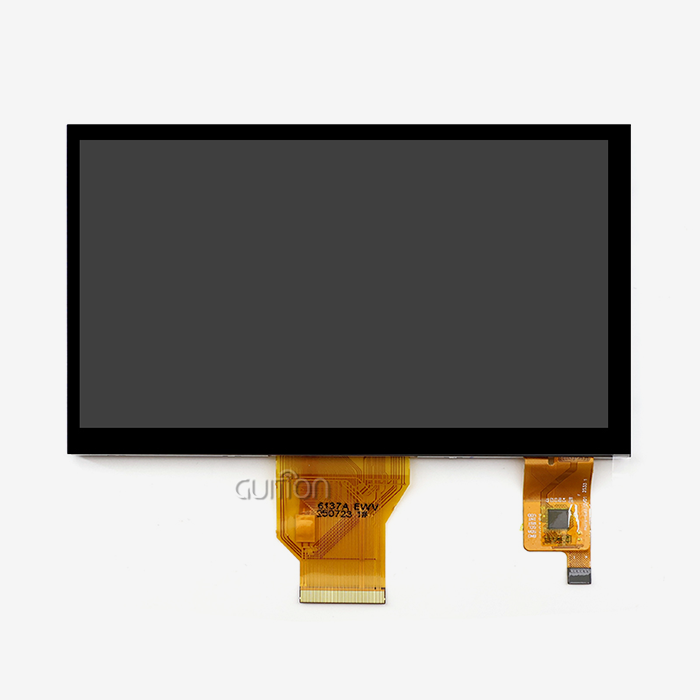
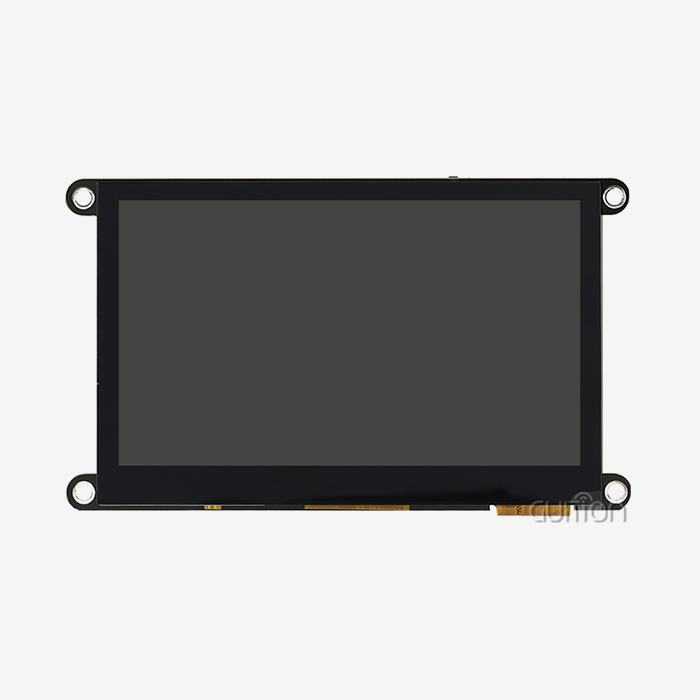
A 7 inch TFT LCD display module should support multiple interface types to cover different application needs. The most common options include MIPI DSI, RGB (TTL parallel), LVDS, SPI, and HDMI. Each interface affects data transfer speed, pin count, noise immunity, and power draw. For embedded systems and industrial HMI panels, MIPI DSI and LVDS are the dominant choices today. Selecting the right interface for your 7 inch TFT LCD display module directly determines how well it integrates with your host controller and how reliable it performs in the field.

Understanding 7 Inch TFT LCD Display Module Interfaces
The electronic connection between the panel and the host processor on a 7 inch tft lcd display module is called an interface. It decides how image data is sent, how quickly the screen updates, and how much wiring your design needs. If you pick the wrong interface, you might waste IO lines, get signal noise, or have trouble moving frames per second.
Why Interface Selection Matters
For engineers making HMI panels, charging stations, or medical monitors, the choice of interface affects how complicated the PCB layout is, how long the cables are, and how well they comply with EMI standards. If the host controller and display interface don't work together right, the project may need weeks of extra work.
Common Interface Categories
There are four main types of interfaces on 7-inch TFT display modules: RGB/TTL parallel interfaces, LVDS, MIPI DSI, SPI serial interfaces, and HDMI digital audio video interfaces. There are different ways that each category gives up speed, pin count, and signal integrity.
Interface Impact on Performance
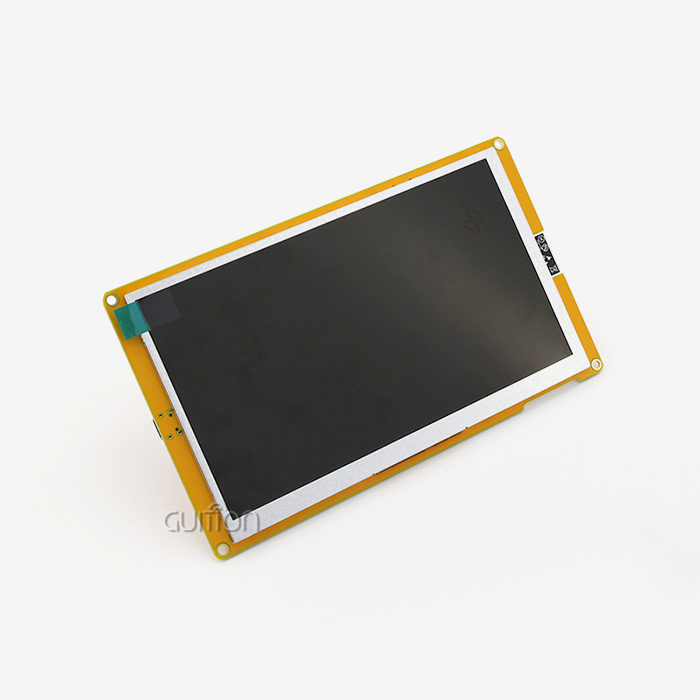
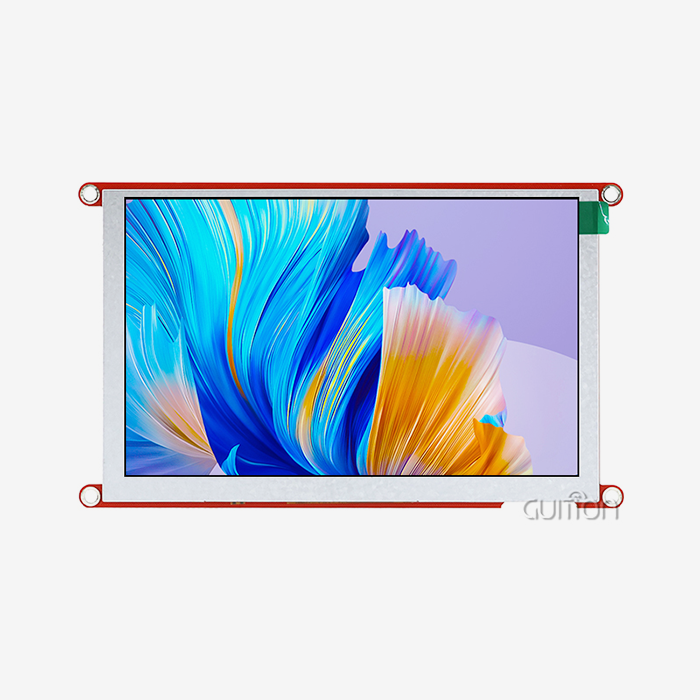
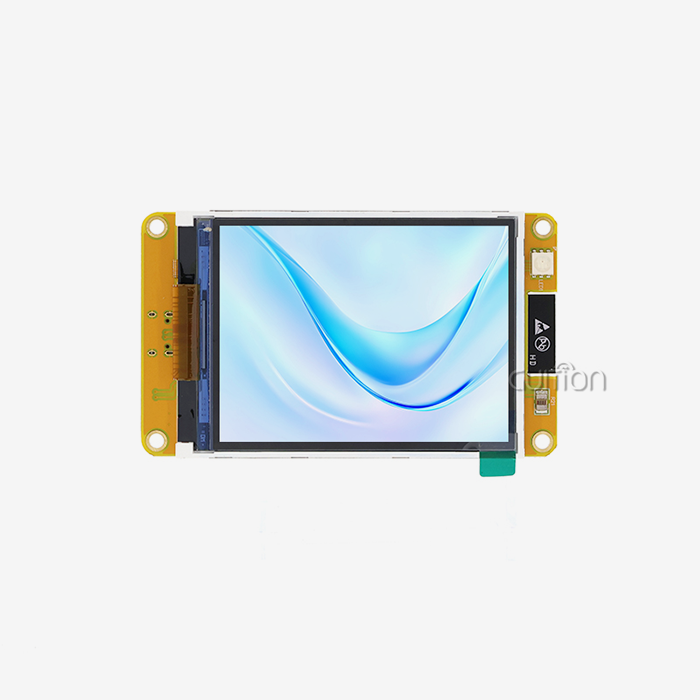
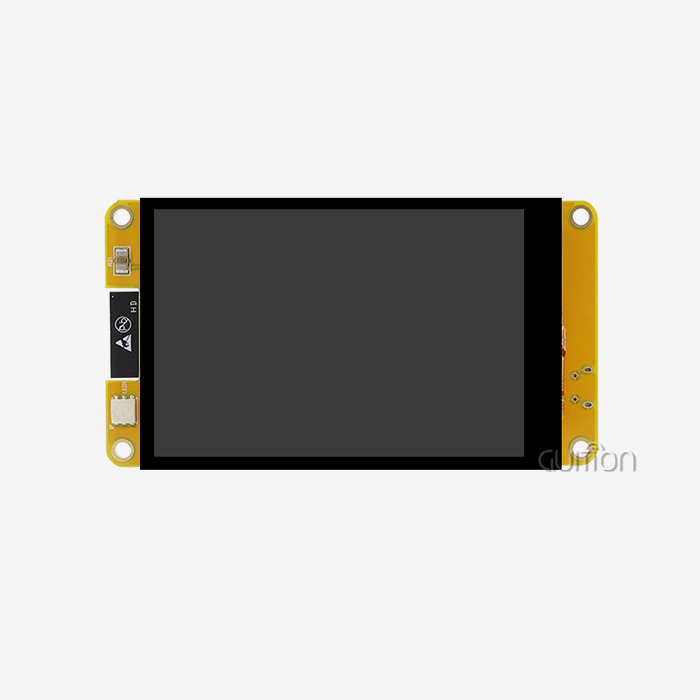
The type of interface controls the update rate, color depth, and power use immediately. The GUITION JC1060M070N^_I module has up to 16.7M colors and high frame rates over just four difference lanes. This is why MIPI DSI is on it: it has a 7.0-inch screen with 800x480 resolution, a JD9165 driver IC, and 16.7M display color output.
Key Interface Types Supported by 7 Inch TFT LCD Display Modules
Interfaces need to be different for each job. The five interfaces that you are most likely to find on a 7 inch tft lcd display module today are broken down in technical detail below.
MIPI DSI — High-Speed Serial for Embedded Platforms
Display Serial Interface (MIPI DSI) sends data over differential lanes at speeds of several gigabits per second (Gbps) with very few physical wires. The GUITION JC1060M070N^_I uses MIPI DSI because it lowers the number of IO pins used by the microcontroller and provides clear 800x480 images with 16.7M colors. It is the best interface for industrial HMI, 3D printers, and medical screens that need to save room on the board.
RGB Parallel — Straightforward and Widely Supported
RGB (24-bit TTL parallel) sends the red, green, and blue data for each pixel at the same time across parallel data lines. Processors like the i.MX6 and the STM32MP1 work well with it. In exchange, there are a lot of pins—usually 24 data lines plus control signals—which makes the PCB more complicated. In safe electrical environments, RGB works well for resolutions up to 800x480.
LVDS — Noise Immunity for Industrial Environments
Low-Voltage Differential Signaling (LVDS) uses paired differential lines that get rid of noise that is in the common mode. Because of this, it is the standard choice for factory floors, farm automation equipment, and any other place where there are long cable runs or a lot of motor interference. In industrial-grade setups, LVDS can handle sizes from 800x480 to 1280x800 and backlight life rates of up to 50,000 hours.
SPI — Minimal Wiring for Simple Displays
SPI interfaces only need four signal lines to work with almost all microcontrollers on the market, even Arduino boards. Since the refresh rate is low (usually less than 30 fps at 7 inches), SPI is better for status displays with low update rates than for animated UI panels. It's a cheap way to start making prototypes and low-power IoT nodes.
HDMI — Plug-and-Play for Multimedia and Kiosks
HDMI sends digital video and audio without compression over a single wire. Because it works directly with Raspberry Pi, single-board computers, and commercial media players, it's often used in kiosks and smart store displays. HDMI doesn't need custom driver development, which cuts down on the time it takes for commercial terminal products to hit the market.
How to Choose the Right Interface for Your Application
Choosing an interface for a 7 inch tft lcd display module isn't just a technical matter; it also has to do with how reliable the supplier is, how well the software works, and the long-term risk of the supply chain.
Match the Interface to Your Host Controller
Make a list of the display connections that your processor supports by default. Application processors like the Rockchip RK3566 and Allwinner A40i come with MIPI DSI built in. If you're using an STM32 MCU in your design, RGB parallel makes sense. Forcing an interface that isn't supported onto a host processor always costs more, takes up more space, and could lead to problems.
Consider Environmental and Electrical Demands
LVDS or MIPI DSI are much better at keeping signals intact than RGB parallel in places with a lot of electromagnetic interference, like welding cells, energy management cabinets, or outdoor agricultural terminals. Industrial-grade 7-inch TFT LCD panels should work from -20°C to +70°C. The GUITION JC1060M070N^_I meets this requirement because it has a 27-LED backlight system that keeps the brightness constant across the whole temperature range.
Evaluate Procurement and Long-Term Supply Factors
When an EOL notice comes out, it's easier to make pin-compatible changes on a 7-inch display module that uses a common driver IC, like the JD9165 on the GUITION JC1060M070N^_I. This gives you a longer supply window. Make sure that your provider gives you Product Change Notifications (PCN) at least six months ahead of time and keeps extra stock on hand for business clients.
Case Studies: Interface Selection in Real-World 7 Inch TFT LCD Applications
Seeing how other engineering teams resolved interface decisions can save your team considerable time during the design phase.
HDMI vs. SPI on Raspberry Pi Kiosk Builds
A US-based charging station manufacturer evaluated both HDMI and SPI for their Raspberry Pi-driven customer interface. HDMI required no custom driver work and delivered smooth animations at 60 fps. SPI capped out at 15 fps and showed visible tearing on animated charging progress bars. The team chose HDMI for the first product generation, then migrated to a MIPI DSI module — similar to the GUITION JC1060M070N\_I — when they moved to a more compact application-processor board for cost reduction.
LVDS in Industrial PLC Control Panels
A system integrator building PLC cabinets for an automotive assembly plant chose 7 inch tft lcd display module with LVDS over RGB parallel after EMI testing showed data corruption on the parallel bus near servo motor drives. Switching to LVDS eliminated all display artifacts. The 50,000-hour backlight life rating also satisfied the plant's 24/7 uptime requirement without scheduled display replacements for several years.
MIPI DSI in Portable Medical Aesthetics Devices
A medical aesthetics device developer adopted MIPI DSI for a handheld treatment controller. The GUITION JC1060M070N\_I's compact 164.9×100mm footprint and wide viewing angle allowed placement on a slim enclosure. The JD9165 driver IC handled the display initialization, and MIPI DSI's low pin count left enough GPIO free for the device's sensor inputs and Bluetooth module.
Future Trends in 7 Inch TFT LCD Display Module Interfaces
The space for display interfaces is changing quickly, so procurement teams need to make plans ahead of time.
Serial Interfaces Are Replacing Parallel Buses
A study by Display Supply Chain Consultants (DSCC) shows that the use of MIPI DSI is steadily growing in embedded displays smaller than 10 inches. It's the natural next step after RGB parallel in new designs starting today because it reduces the number of PCB traces and improves EMI performance.
IoT Integration Is Reshaping Interface Requirements
Smart home devices, energy meters, and connected medical tools all need screens that don't use a lot of power when they're not in use. MIPI DSI has low-power modes that HDMI and RGB parallel don't have. This makes it the best interface for IoT devices as the number of them grows.
Modular and Standardized Interface Ecosystems
OEMs are starting to ask suppliers for standard connector sizes that can handle more than one type of interface on the same PCB layout. This means that one version of the hardware can work with MIPI DSI, RGB, or LVDS panels without having to spin the board. This lowers the cost of NRE for product families that serve more than one market.
Conclusion
One of the most important design choices you will make is which interface your 7 inch tft lcd display module supports. For embedded platforms, MIPI DSI offers speed and a low pin count. LVDS works reliably in harsh industrial environments, RGB works well with legacy processors, SPI is good for low-budget prototypes, and HDMI makes building multimedia kiosks easier. Moving forward, the GUITION JC1060M070N^_I shows the way with its MIPI DSI interface, JD9165 driver IC, 800x480 resolution, and 16.7M color output. Before you commit to a design, make sure that your interface works with your processor, in your environment, and with your supply chain.
FAQ
Q1: What is the most common interface on a 7 inch TFT LCD display module today?
There are two main types of interfaces on 7-inch TFT LCD modules in 2024: MIPI DSI and RGB parallel. New integrated and industrial designs use MIPI DSI most of the time because it has few pins and a fast data rate. RGB parallel is still popular in old industrial screens.
Q2: Can I connect a 7 inch TFT display with HDMI to a Raspberry Pi without extra hardware?
A 7-inch TFT display module with an HDMI input can connect directly to a Raspberry Pi board without the need for a bridge chip. MIPI DSI modules do, however, work with Raspberry Pi through the built-in DSI port, so you don't need an adapter.
Q3: Does interface type affect brightness and refresh rate?
Yes. MIPI DSI and LVDS both work with high frame rates (up to 60 fps) and don't slow down the signals that control the lighting. Frame rates are limited by SPI interfaces, which can change how responsive a display seems to be.
Q4: What does industrial grade mean for a 7 inch display module?
Industrial grade usually means that it can work in temperatures between -20°C and +70°C, has a backlight that lasts 50,000 hours, and the manufacturer promises that it will be available for a long time. Above 60°C, consumer-grade screens often break or show color changes.
Q5: How do I handle end-of-life risk for a 7 inch display module in a long-term project?
Pick modules that are made with common driver ICs, like the JD9165 on the GUITION JC1060M070N^_I, and make sure that your supplier sends out PCN notices at least six months before the modules are taken off the market. Keeping six months' worth of safety stock on hand will also protect your production line during changes.
Partner with Guition for Your Next 7 Inch TFT LCD Display Module Project
From industrial MIPI DSI panels like the JC1060M070N_I to RGB and LVDS choices in sizes ranging from 1.28" to 21.5", Guition offers a full range of 7 inch tft lcd display module solutions. Guition is a reliable 7 inch tft lcd display module provider with extensive experience in HMI and embedded display design. They offer technical documentation, cross-platform development support, and quick customer service after the sale. To get samples and bulk prices, email our tech team at david@guition.com or go to https://jingcaizhineng.aixdb.cn/.
References
1. Display Supply Chain Consultants (DSCC). Annual Display Technology and Interface Trends Report. 2023.
2. MIPI Alliance. MIPI DSI Specification Version 1.3. 2016.
3. Society for Information Display (SID). Information Display Magazine: Embedded Panel Interface Evolution. 2022.
4. IPC — Association Connecting Electronics Industries. IPC-2221B: Generic Standard on Printed Board Design. 2012.
5. Bhowmick, B. Liquid Crystal Display Technology: Principles and Applications. CRC Press, 2019.
6. IEEE Transactions on Industrial Electronics. EMI Mitigation Techniques in Industrial HMI Display Systems. Vol. 68, No. 4. 2021.
Learn about our latest products and discounts through SMS or email