- English
- French
- German
- Portuguese
- Spanish
- Russian
- Japanese
- Korean
- Arabic
- Greek
- German
- Turkish
- Italian
- Danish
- Romanian
- Indonesian
- Czech
- Afrikaans
- Swedish
- Polish
- Basque
- Catalan
- Esperanto
- Hindi
- Lao
- Albanian
- Amharic
- Armenian
- Azerbaijani
- Belarusian
- Bengali
- Bosnian
- Bulgarian
- Cebuano
- Chichewa
- Corsican
- Croatian
- Dutch
- Estonian
- Filipino
- Finnish
- Frisian
- Galician
- Georgian
- Gujarati
- Haitian
- Hausa
- Hawaiian
- Hebrew
- Hmong
- Hungarian
- Icelandic
- Igbo
- Javanese
- Kannada
- Kazakh
- Khmer
- Kurdish
- Kyrgyz
- Latin
- Latvian
- Lithuanian
- Luxembou..
- Macedonian
- Malagasy
- Malay
- Malayalam
- Maltese
- Maori
- Marathi
- Mongolian
- Burmese
- Nepali
- Norwegian
- Pashto
- Persian
- Punjabi
- Serbian
- Sesotho
- Sinhala
- Slovak
- Slovenian
- Somali
- Samoan
- Scots Gaelic
- Shona
- Sindhi
- Sundanese
- Swahili
- Tajik
- Tamil
- Telugu
- Thai
- Ukrainian
- Urdu
- Uzbek
- Vietnamese
- Welsh
- Xhosa
- Yiddish
- Yoruba
- Zulu
Can a Small LCD Display Module Support Battery-Powered Devices?
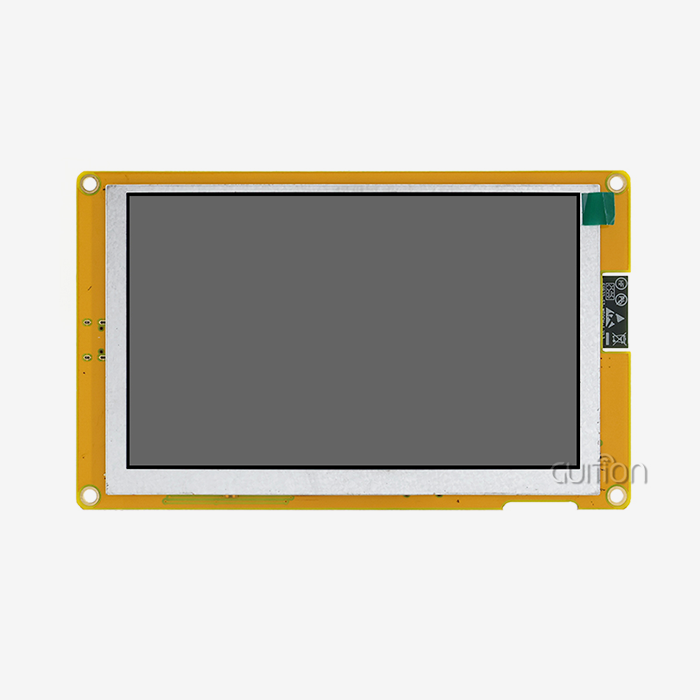
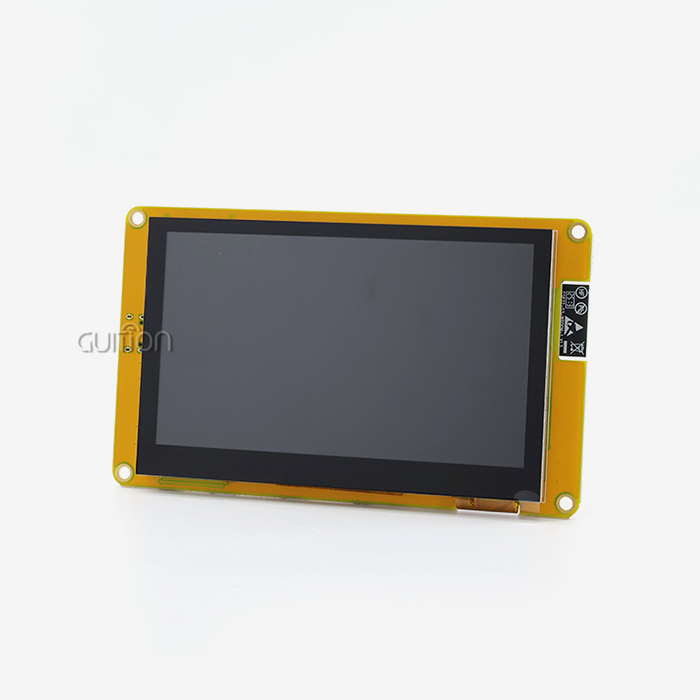
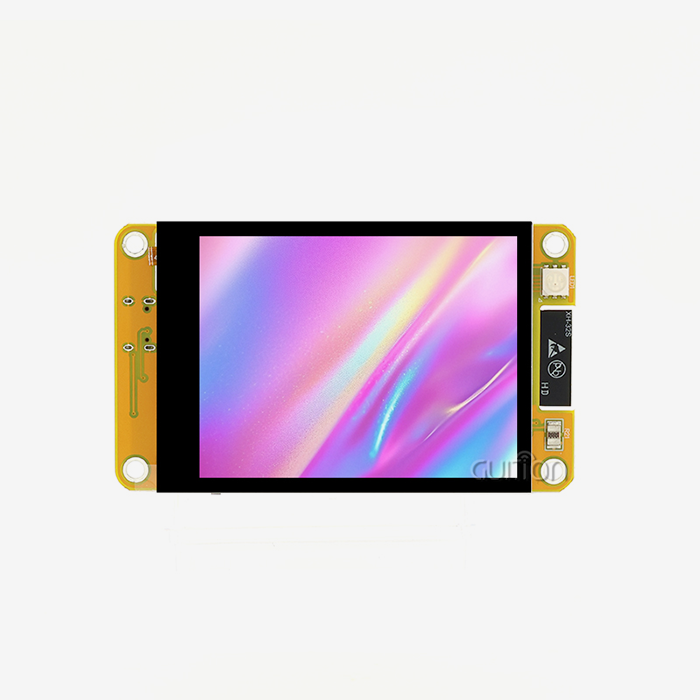
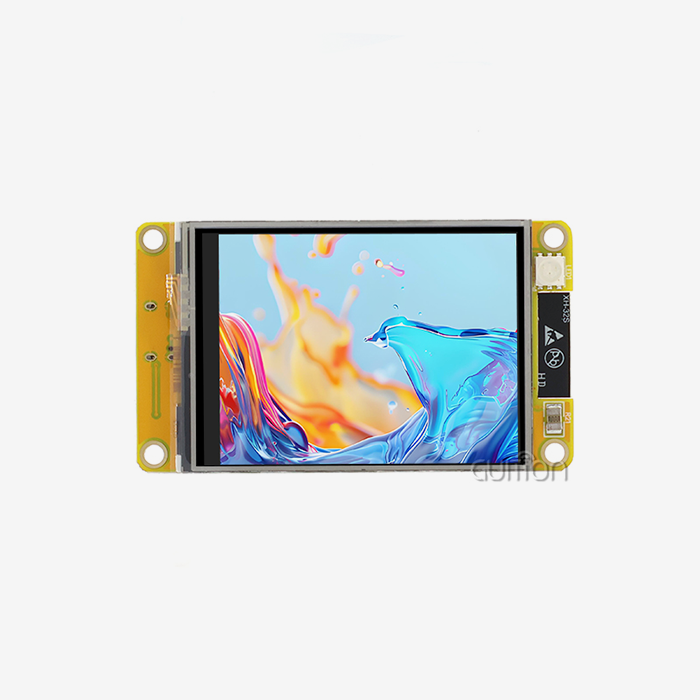
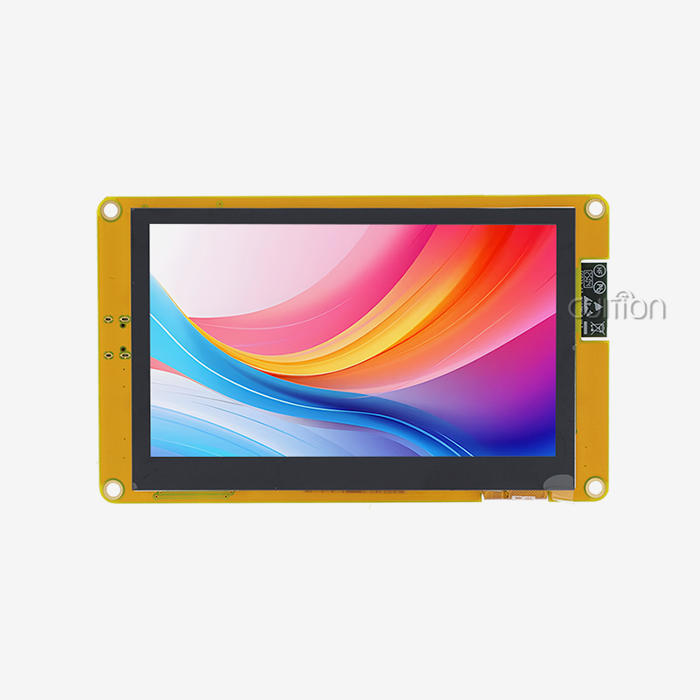
Yes, a tiny LCD display module may certainly work with battery-powered devices if you choose and install it properly. The GUITION JC3248S035N is using the 4-wire SPI interface with the ILI9488 driver IC, so it only draws the current your project truly requires. Its backlight control circuitry enables developers to programmatically reduce brightness, which immediately reduces energy use. This 3.5-inch LCD display module at 320×480 resolution provides a good compromise between visual clarity and power budget, making it a viable possibility for compact industrial terminals, handheld medical devices, and IoT sensors operating on rechargeable batteries. Choosing a Small lcd display module with adjustable backlight brightness can further support low-power design requirements.

Understanding Small LCD Display Modules and Their Working Principles
Before selecting any display for a battery-powered device, it’s useful to understand what’s really occurring electrically within the module.
What Is a Small LCD Display Module?
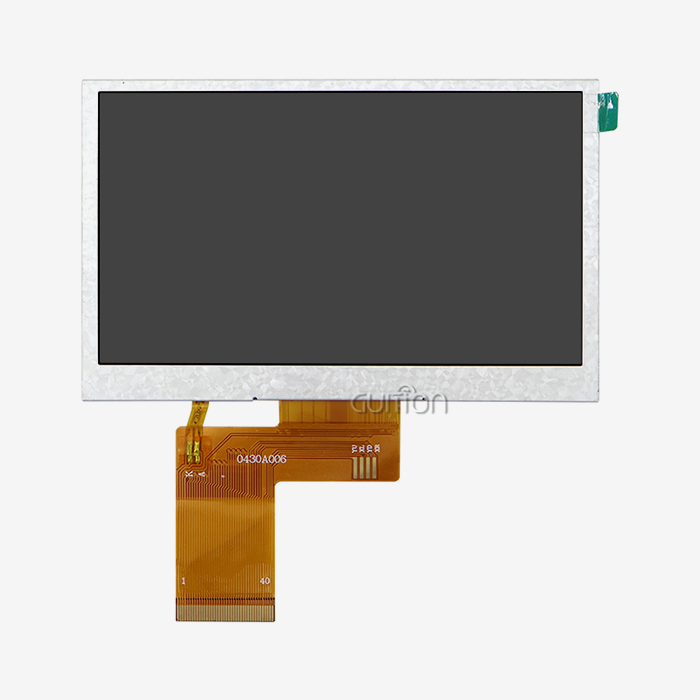
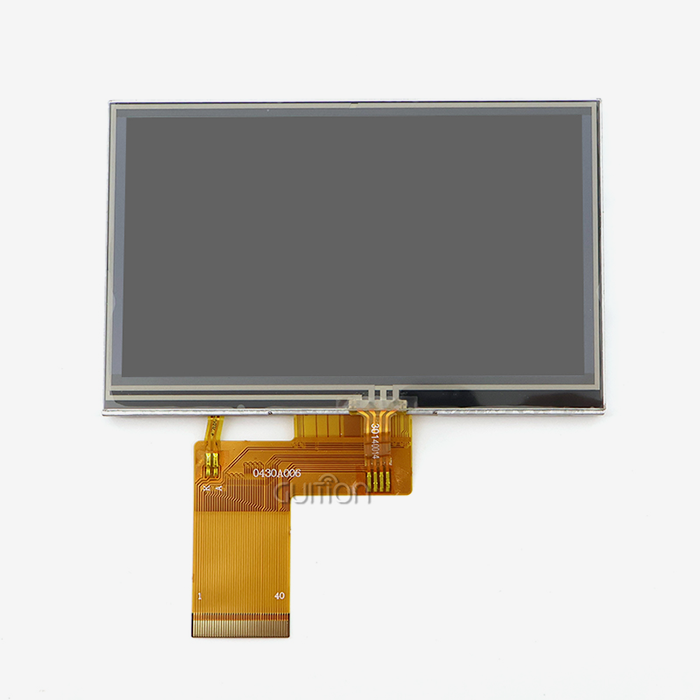
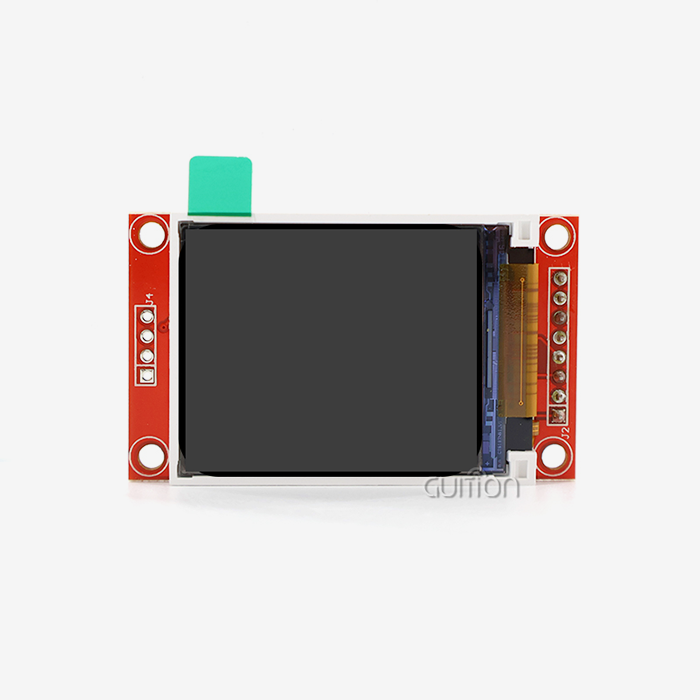
A tiny LCD display module is an integrated optoelectronic assembly combining a liquid crystal screen, a backlight unit (BLU), a driver IC and a flexible printed circuit (FPC) into a single ready for use component. The panel sizes are typically between 0.96 inches and 7.0 inches. The GUITION JC3248S035N is a 3.5" display with 320×480 resolution, powered by the ILI9488 IC using a 4-wire SPI link, which keeps GPIO use low and allows processing headroom for your core application logic.
How the Backlight Affects Power Draw
For a display module, the backlight unit accounts for the bulk of the power used, usually 60–80% of the consumption at maximum brightness. Current TFT LCD panels feature LED backlighting that can be PWM controlled, so software can dim the screen appropriately and save power while the device is idle. The JC3248S035N has dedicated backlight control circuitry, allowing developers to use direct hardware-level control without the need for other components.
Interface Type and Its Role in Efficiency
The interface you choose will determine how long the power rail of your MCU is active each display transaction. The 4-wire SPI protocol uses just four GPIO lines (MOSI, MISO, CLK, CS) which decreases bus congestion and enables the host CPU to sleep in low-power modes between screen updates. 8080/6800 parallel MCU interfaces are quicker but use more active pins and use more average current. Embedded developers working on sub-100mA display subsystems still choose SPI for battery powered applications.
Power Consumption Analysis of Small LCD Display Modules
Real power levels that matter between a decent design and one that drains batteries in hours, not simply datasheet peaks.
Active vs. Standby Power States
For example, the JC3248S035N TFT LCD module, a type of Small lcd display module, consumes far more power while the display is being updated than when it is blank or muted. A 3.5 inch SPI TFT module would typically draw 80mA to 150mA at 3.3V when fully illuminated and in operation. If you turn the backlight off and send a software instruction to the ILI9488 to put the driver IC into sleep mode, the current may decrease below 5mA. It is a 30× size reduction for the 2000mAh Li-ion battery that extends battery life.
Comparing LCD, OLED, and TFT for Portable Use
Each display technology has its own set of pros and cons for battery powered designs: TFT LCD (like the JC3248S035N) Backlight power is constant no matter what is on the screen. High nit backlight makes it easy to read in bright sunlight. Lower cost per unit when used in large quantities. Backlight PWM dimming is the main power control.
- TFT LCD (JC3248S035N, for example) – same brightness for all content, good outdoor readability due to high-nit backlights, reduced cost per unit at volume, backlight PWM dimming dominates power reduction.
- OLED Characteristics Power depends on how bright the pixels are . Best for dark based UIs . Burn in issue if used 24/7 . More expensive for the same sizes .
- Monochrome LCD (STN/TN) Lowest power consumption of all. Very little color depth. Good for basic alphanumeric readouts on meters or sensors.
Smart appliances, medical monitoring and industrial HMI displays demand full color user interfaces. When done properly, backlight control makes TFT LCD modules the best cost to performance ratio for these applications.
Common Causes of Excessive Power Draw and How to Fix Them
Three factors commonly cause this problem: the backlight being on 100% all the time, the driver IC not going into sleep mode between frames, or the SD card port being on while it’s not being used. All three are handled by the JC3248S035N lighting control circuitry and support for ILI9488 sleep instructions. In the field, shutting off the SD card power line while not reading data may save an additional 10–20mA.
Evaluating Small LCD Display Modules for Battery-Powered Devices
And once you know the power profile, the next step of the examination is if the module suits the demands of your device.
Power Threshold Criteria for Portable Products
Most embedded products that operate on batteries are designed for an average system current of less than 50mA so that they can run for a few days on one charge. That indicates that the display subsytem should draw less than 20mA in typical circumstances. The JC3248S035N can do this by combining a 20-30% backlight brightness (enough to read indoors) with frequent sleep-wake cycles triggered by user inputs. This is a common motif for medical wearables and smart home displays.
Compatibility with Arduino, ESP32, and Raspberry Pi
The JC3248S035N is a Small lcd display module with a 4-wire SPI interface which is compatible with Arduino UNO/Mega, ESP32 (ESP-IDF/Arduino mode), STM32 and Raspberry Pi. GUITION comes with several ready to go test programs that configure the ILI9488 driver and demonstrate how to draw on the screen. This reduces the time between the arrival of a module to the appearance of the first pixels from days to hours. One of the most common concerns from embedded developers is that it takes days to write display setup code from scratch. And its cross-platform interoperability eliminates that issue immediately.
Real-World Application Examples
The JC3248S035N has been used in a number of real-world battery-powered situations. Here are some examples of cases from areas that GUITION actively supports:
- Portable medical monitors: Pulse oximeters and ECG front-ends use the module's sleep mode aggressively, waking the display only during measurement cycles, achieving 18+ hours of continuous operation on a 3000mAh pack.
- Agricultural IoT sensors: Field soil-moisture terminals display readings on demand and blank the screen between polling intervals, extending AA-battery life to weeks.
- Industrial handheld terminals: Technicians use the full-color 320×480 UI for equipment diagnostics; the SD card slot stores fault logs locally without cloud dependency.
These examples show that a properly configured LCD display module can actually work in goods with limited battery life, not just in theory.
Procurement Considerations for Bulk Buying Small LCD Display Modules
Procurement decisions for display modules go beyond unit price. Supply chain reliability, documentation depth, and customization flexibility all affect your total project cost.
Choosing a Supplier with Long-Term Panel Stability
The most underappreciated risk in display procurement is driver IC end-of-life (EOL). Professional suppliers like GUITION select mainstream ICs — the ILI9488 from Ilitek is a well-supported, widely stocked controller — and maintain pin-compatible replacement paths when panel generations change. This prevents costly board respins mid-production. When evaluating small LCD display module manufacturers, ask directly about their EOL policy and replacement timeline commitments before signing volume agreements.
MOQ, Lead Times, and OEM Customization
GUITION supports OEM customization on the JC3248S035N platform, including FPC shape adjustments, backlight brightness tuning, and optional capacitive touch integration. For B2B buyers placing volume orders, consolidated shipping and flexible MOQ tiers reduce per-unit landed cost. The built-in SD card slot also adds storage expansion without additional BOM components, simplifying assembly at the contract manufacturing level.
Quality Standards That Matter in Battery Deployments
GUTION’s military-grade production processes include thermal shock testing (rapid cycling between -30°C and +80°C), high temperature/humidity endurance (60°C/90% RH for 240 hours) and ESD resistance certification. These tests are especially relevant for battery-powered field equipment that experiences a change in temperature, such as agricultural monitors that are left out overnight or medical instruments that are transferred from one setting to another. For regulated industries, the purchase of any LCD display module should meet baseline standards such as ISO 9001, RoHS/REACH certification.
Future Trends and Innovations Impacting Battery-Powered Displays
Low-Power Driver IC Advances
Today’s driver IC providers are releasing controllers that have deeper partial-display settings and lower floors for idle power. More modern ICs than the ILI9488 generation provide area-selective refresh, where one small part of the screen updates each cycle. This is particularly beneficial for a Small lcd display module, as it correspondingly minimizes the power consumption of the backlight and driver. Engineers designing new battery-powered goods in 2025 should specifically obtain datasheets for these partial update modes.
Adaptive Backlight and Ambient Light Integration
When you combine a small LCD module with an ambient light sensor (ALS) and firmware-driven PWM control, you get an adaptive brightness loop that lowers the average backlight power by 30–50% in situations where the device is used both indoors and outdoors. This is becoming common in commercial kiosk terminals and smart home panels that run on batteries when the power goes out.
Sustainability Pressure on Display Supply Chains
More and more global B2B clients, especially in the US medical and industrial sectors, want proof of compliance with hazardous substance laws and carbon footprint per unit. This is directly dealt with by GUITION's RoHS/REACH-certified production. By 2026, sourcing teams will likely include sustainable scores in their evaluations of suppliers. This will make certification paperwork a purchase difference, not just a box to be checked.
Conclusion
A small LCD display module can support battery-powered devices effectively when the right hardware and firmware choices are made together. The GUITION JC3248S035N demonstrates this through its SPI interface efficiency, ILI9488 sleep-mode support, PWM backlight control circuitry, and military-grade build quality. Across medical, industrial, agricultural, and smart home applications, teams using this module have achieved practical battery runtimes without sacrificing display quality. Procurement managers and embedded engineers evaluating compact TFT display solutions for portable products will find the JC3248S035N a technically sound, supply-chain-stable option worth prototyping.
FAQ
Can a 3.5-inch TFT LCD module realistically run on a small battery?
Yes. When the PWM backlight is dimmed to 25–30% and the ILI9488 driver is put into sleep mode when the user doesn't do anything, the average current at 3.3V drops below 20mA. This profile can be kept up by a 2000mAh Li-ion cell for more than 100 hours of intermittent use.
How does SPI compare to parallel MCU interface for battery-powered designs?
SPI requires fewer GPIO lines, which lets the host MCU go into low-power sleep more quickly between display activities. Parallel connections move data faster, but they keep the MCU running for longer. SPI is the more power-efficient choice for battery-powered devices that only update information rarely.
Does the JC3248S035N work with Arduino out of the box?
Yes. GUITION has test programs that work with Arduino, ESP-IDF, and the Guition development mode. The ILI9488 driver is well-documented and works with many common graphics libraries, so setting it up for the first time doesn't require a lot of custom code.
What causes a TFT LCD display module to drain battery faster than expected?
The three most common reasons are that the backlight is always on at full brightness, the driver IC never goes to sleep, and the SD card slot draws current even when it's not being used. The JC3248S035N has software settings and hardware power-gating that can be used to control all three.
Is the JC3248S035N suitable for medical device applications?
It has been put to use in portable devices for monitoring and diagnosing. Because it is made to military standards and has been tested for thermal endurance and ESD protection, it can be used in medical hardware environments. However, it is still the system integrator's job to make sure that it meets all device-level regulations (FDA 510(k), etc.
Get Your JC3248S035N Sample from Guition Today
Guition's JC3248S035N is a proven 3.5-inch small LCD display module built for battery-powered embedded products — from medical monitors to agricultural IoT terminals. As a direct small LCD display module manufacturer and supplier, GUITION backs every unit with comprehensive test programs, OEM customization, and dedicated technical support. Contact our team to request a sample, discuss bulk pricing, or download the full datasheet. Email: david@guition.com
References
1. Bhattacharyya, S. — IEEE Transactions on Consumer Electronics, 2021.
2. ILI Technology Corp. — ILI9488 TFT LCD Driver IC Datasheet, 2019.
3. Lee, J. & Park, H. — Journal of Display Technology, 2020.
4. Microchip Technology Inc. — Low-Power Embedded Display Design Guide, 2022.
5. Society for Information Display (SID) — Display Week Symposium Digest of Technical Papers, 2023.
6. Texas Instruments — Power Management for Portable Display Systems, Application Report SLVA447, 2018.
Learn about our latest products and discounts through SMS or email