- English
- French
- German
- Portuguese
- Spanish
- Russian
- Japanese
- Korean
- Arabic
- Greek
- German
- Turkish
- Italian
- Danish
- Romanian
- Indonesian
- Czech
- Afrikaans
- Swedish
- Polish
- Basque
- Catalan
- Esperanto
- Hindi
- Lao
- Albanian
- Amharic
- Armenian
- Azerbaijani
- Belarusian
- Bengali
- Bosnian
- Bulgarian
- Cebuano
- Chichewa
- Corsican
- Croatian
- Dutch
- Estonian
- Filipino
- Finnish
- Frisian
- Galician
- Georgian
- Gujarati
- Haitian
- Hausa
- Hawaiian
- Hebrew
- Hmong
- Hungarian
- Icelandic
- Igbo
- Javanese
- Kannada
- Kazakh
- Khmer
- Kurdish
- Kyrgyz
- Latin
- Latvian
- Lithuanian
- Luxembou..
- Macedonian
- Malagasy
- Malay
- Malayalam
- Maltese
- Maori
- Marathi
- Mongolian
- Burmese
- Nepali
- Norwegian
- Pashto
- Persian
- Punjabi
- Serbian
- Sesotho
- Sinhala
- Slovak
- Slovenian
- Somali
- Samoan
- Scots Gaelic
- Shona
- Sindhi
- Sundanese
- Swahili
- Tajik
- Tamil
- Telugu
- Thai
- Ukrainian
- Urdu
- Uzbek
- Vietnamese
- Welsh
- Xhosa
- Yiddish
- Yoruba
- Zulu
What industries rely on Resistive touch screen monitor Technology?
Many different types of businesses and industries count on pressure-sensitive display systems to run their daily operations. Resistive touch screen monitor technology is the foundation for uses that need to work with gloves, be tough, and be resistant to external contaminants. These displays are used in healthcare facilities, transportation systems, food service businesses, and outdoor kiosks because regular capacitive displays can't handle harsh conditions like being wet, electromagnetic interference, or input devices that don't conduct electricity. Knowing which industries put this technology at the top of their list of priorities helps buying teams make choices that meet practical needs and stay within their budgets.


Understanding Resistive Touch Screen Monitor Technology
Pressure-sensitive screen technology is based on two bendable layers that are covered with a clear electrical material, which is usually Indium Tin Oxide. You can press on the surface with your finger, a pen, or even your safety gloves, and the top layer will bend and touch the bottom layer. The voltage changes because of this actual link, and the controller reads it to get the exact X and Y positions.
How Pressure Detection Works?
There are tiny filler dots between the two electrical sheets that help hold the structure together. Capacitive screens work by reading the electrical features of human skin; this analogue method only reads mechanical pressure. You can use thick safety gloves, a plastic pen, or even your fingernail to trigger the screen. This is very useful in industrial settings where workers can't take off their safety gear.
Common Operational Challenges
Even though they are very durable, these screens sometimes need to be fixed. When temperature changes cause layers to expand, the phenomenon is called calibration drift. It will look like some touch points are registering a little off-target. Most of the time, this is fixed quickly by running the built-in calibration process through your controller program. Over time, surface scratches on 4-wire versions can make them less accurate. This is why 5-wire versions are better for industrial use, where the glass base does the positional math.
Troubleshooting Quick Fixes
When the response goes down, look for a buildup of dust or dirt around the edges of the rim. Particles of dust can stop layers from deflecting properly. Soapy water and a microfibre cloth will clean the surface. If the screen stops reacting at all, check the connections between the cables at the controller board. Vibrations in machinery environments can make joints loosen. These easy checks help maintain uptime without needing specialised help.
Key Industries and Applications Using Resistive Touch Screen Monitors
Many fields use pressure-based touch solutions because they solve particular problems that other technologies can't. The main businesses that are driving demand in the B2B market are listed below.
Manufacturing and Industrial Automation
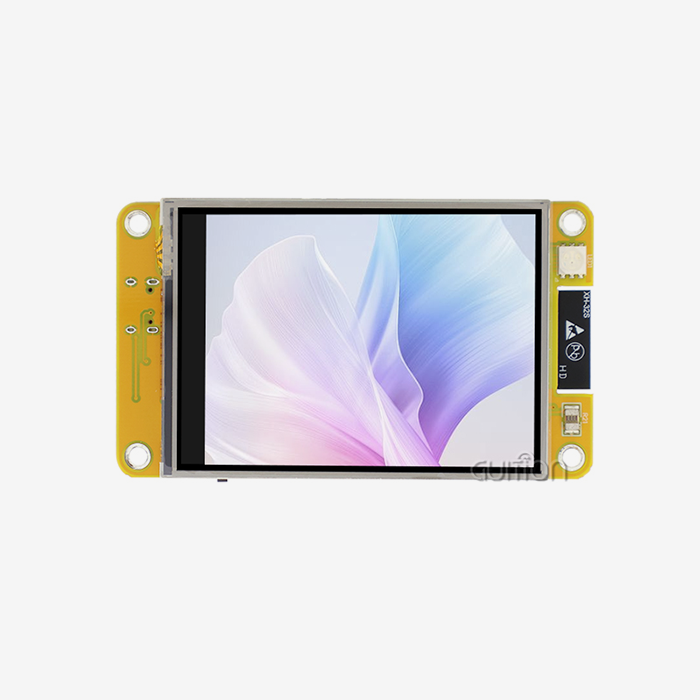
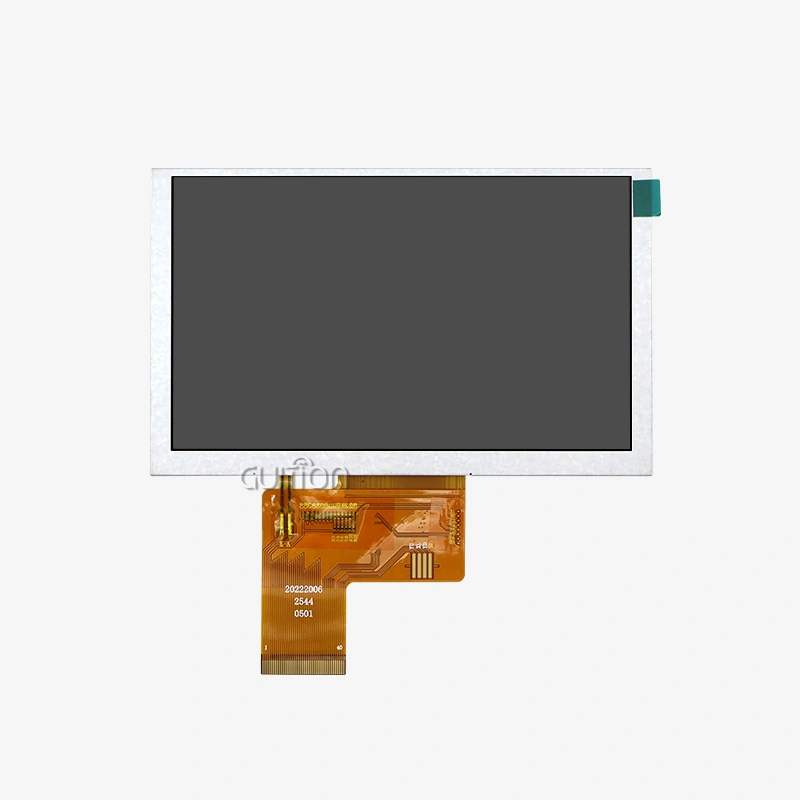
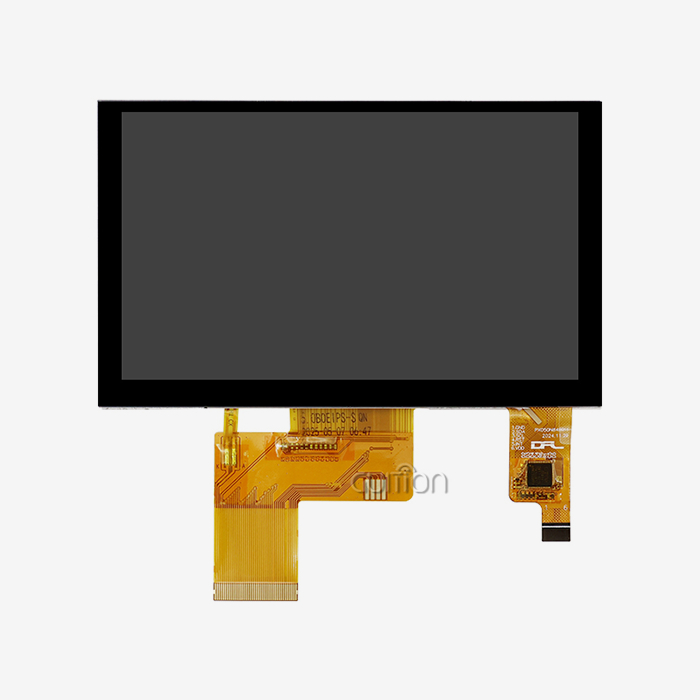
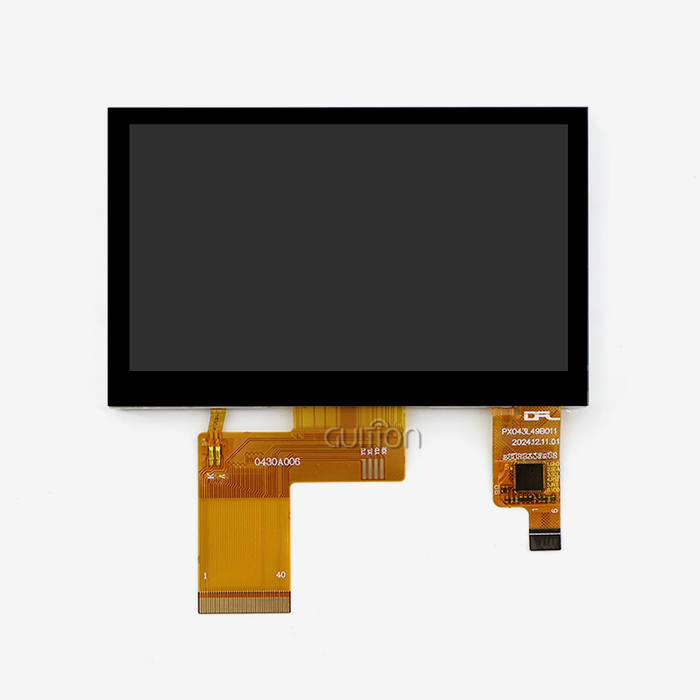
Electronic parts don't do well in harsh settings like factory halls. Heavy machinery, electromagnetic fields, metal dust, and coolant sprays can all mess up sensitive touch. Operators on an assembly line who wear gloves that protect them from chemicals need control panels that reliably record what they type. Most of the time, Resistive touch screen monitors are used in human-machine interface devices in CNC machining centres, injection moulding presses, and automatic packaging lines. The GUITION JC4827B043R is a great example of an industrial solution that was made just for that purpose. Its 480x272 resolution monitor and ILI6485 driver chip give 16.7 million colours through an RGB interface, and it can work in temperatures ranging from -20°C to 70°C. This 4.3-inch module fits perfectly into current control systems that need to be small because of limited room, but it doesn't lose any readability.
Healthcare and Medical Equipment
Devices used in hospitals need to be able to handle strict cleaning procedures. Nurses and workers who are wearing latex or nitrile gloves must use patient tracking systems, diagnostic tools, and units that give out medications while still wearing their protective gear. Bleach-based disinfectants and quaternary ammonium chemicals can damage the oleophobic films on consumer-grade tablets, but Resistive touch screen monitors can handle being exposed to them over and over again. Precise touch registration helps medical aesthetic devices work better when treatment settings are changed during processes. Meeting IP65 standards for sterile settings, the design keeps fluids out and keeps the building completely sealed.
Point-of-Sale and Retail Systems
Quick-service restaurants use cooking display systems that can handle steam, grease in the air, and a lot of cleaning. Even if the people behind the counter have wet hands from making food, they can still take orders without getting ghost touches from water drops. Self-service machines in stores with a lot of foot traffic deal with thousands of transactions every day, so reliability is very important. These screens are less likely to be damaged by theft than capacitive panels with visible glass, which lowers the cost of repair. The security of transactions is improved because clothing or close items won't be able to accidentally send orders.
Transportation and Outdoor Applications
Ticket boxes at transit stops, tracking systems in industrial vehicles, and control panels on ships are all exposed to extreme temperatures and direct sunlight. Because these screens are made of multiple layers, they keep working even when sensitive ones stop working because of conductive water films or workers wearing gloves. Military-grade uses take advantage of the technology's ability to block radio frequency interference, which is important for electronics and combat gear where electromagnetic pulses could otherwise cause false inputs.
Energy Management and Utility Systems
Charging points for electric cars need user interfaces that can work in both indoor and outdoor settings. The GUITION JC4827B043R is great for this job because it can work in a wide range of temperatures and doesn't cause interruption. These screens are used in smart meter interfaces, power grid tracking stations, and solar array control panels because they work reliably even when they are exposed to dust and direct sunlight. Utility workers who wear insulated gloves can easily use tools while doing repairs.
Agricultural robotic systems that control the climate in greenhouses and handle watering have to deal with the same problems: moisture, changing temperatures, and the need to work while wearing gloves. Standard touch technologies don't work well in these settings, so Resistive touch screen monitors are the best option.
Comparing Resistive Touch Screen Technology to Alternatives
Figuring out the trade-offs between speeds helps you choose the best option for your application.
Performance Against Capacitive Screens
Because they are made of a single piece of glass, capacitive screens are better at multitouch and optical clarity. But they don't work when people use gloves that don't conduct electricity or when the screen is wet. Electromagnetic interference from motors and inverters can make the surroundings very noisy, and capacitive sensors can make fake touches that stop work. These worries are taken away by the pressure-based technology's mechanical triggering process. While you give up multi-touch motions, you gain input compatibility across all devices and environmental durability.
Cost Considerations
The cost of materials for analogue resistive touch screen monitors is much lower than expected for capacitive alternatives, especially for screens between 4 and 10 inches in size. When hundreds of units are used in factories or stores, this cost benefit becomes important. Maintenance costs are also better for pressure-based technology because new overlays are much cheaper than capacitive digitiser assemblies, and field workers don't need any special tools to do swaps.
Environmental Suitability
Infrared touch frames can tell when light beams are interrupted around the edge of the screen. Even though they can handle surface dirt, they don't work outside because the direct sunshine is too strong for the infrared emitters. Surface acoustic wave technology gives clear images, but it can't work through barriers like safety glass or when dirt and dust build up on the surface. Resistive touch screen monitor construction is still the best choice for tough uses that need sealed cabinets and NEMA 4 ratings.
Procurement Considerations for B2B Clients
For strategic buying to work, technical requirements must be matched with operational needs, and good business terms must be secured.
Technical Specifications Alignment
The starting point is interface consistency. The GUITION JC4827B043R has an RGB parallel port that works well with microcontrollers and embedded systems. Make sure that your host device can handle the pin layout and timing patterns that are needed. USB and HDMI ports make it easier to connect to PCs, but they may add latency that isn't good for real-time control apps. Resolution needs to change depending on how far away you are looking. For example, 480x272 is fine for control panels that you can see at arm's length, but dashboard screens may need a higher pixel density.
The specs of a touch device are more important than just the screen. Four-wire configurations work well enough for low-volume market goods, but five-wire designs last longer, which is what industry applications need. In a five-wire design, positional tracking is done by the bottom glass substrate. This means that the system doesn't have to deal with the top-layer wear patterns that happen in four-wire versions.
Supplier Landscape and Customization
In North America and Europe, well-known brands like Elo Touch Solutions and 3M control the markets, and their high prices represent this. Asian providers, like Guition, offer similar technical specs at reasonable prices, which makes them especially appealing for large purchases. You can change more than just the size of the screen. You can also add integrated controls, special lights for reading in bright sunlight, and anti-glare treatments. When you buy more than 500 units, providers will usually match the colour of the bezels, let you choose where the connectors go, and load pre-loaded calibration profiles that are specific to your application.
Volume buying deals give you more rewards. Annual supply contracts with committed minimum order numbers can cut costs per unit by 15–25% while ensuring stock availability during shortages of parts. Ask for longer guarantee coverage and advance replacement plans to keep your installation base's downtime costs as low as possible.
Development Ecosystem Integration
Future Trends and Innovations in Resistive Touch Screen Technology
People thought that capacitive technology would make Resistive touchscreen monitors useless, but new technologies are still making analogue touch useful in some situations.
Enhanced Sensitivity and Multi-Touch
Recent improvements to controllers have lowered the triggering force needed from 100 grams to as low as 20 grams. This is getting closer to the responsiveness that people expect from consumer gadgets. Matrix resistive setups allow for limited two-point touch tracking, which lets higher-end industrial tablets support pinch-zoom motions. Even though these improvements don't match the ten-finger tracking of capacitive screens, they make them more useful in situations where multitouch makes the user experience better without supporting the environmental costs of capacitive technology.
Industry 4.0 Integration
For smart factory projects to work, every part of the system needs to be able to join and log data. Modern Resistive touch screen monitors have microcontrollers built in that record when the touch event happened, keep an eye on the screen's health measures, and send diagnostic data to central maintenance platforms. Algorithms for predictive maintenance look at changes in touch patterns to plan adjustments before accuracy loss affects production. By adding new features and security changes, remote firmware updates sent through Guition's software platform can extend the life of products without requiring direct access to the hardware.
Emerging Market Adoption
For building projects in developing areas where environmental problems are worse than what equipment can handle in climate-controlled rooms, ruggedised screens are being asked for more and more. Southeast Asia and Latin America are both putting out new agricultural technologies that use Resistive touch screen monitors for irrigation controllers and crop tracking units. The technology is better suited to the needs of these markets than consumer-grade options because it can handle high temperatures and dust.
Conclusion
Pressure-based touch technology is used in fields where safety concerns, environmental issues, and the need for multiple entry methods are more important than the ability to use sensitive technology. Some of the things that count on this tested technology are manufacturing robotics, healthcare equipment, point-of-sale systems, transportation infrastructure, and energy management installations. The GUITION JC4827B043R is the best industrial display option right now because it combines reliable performance with the development tools that speed up product launch. As the use of Industry 4.0 grows, so do the needs for connectivity. Resistive touch screen monitors change to meet these needs while still keeping the tough reliability that made them essential for tough uses in the first place.
FAQ
Which environments make pressure-sensitive displays preferable to capacitive alternatives?
Pressure-based technology works best in situations where you need to wear gloves, are exposed to wetness or other contaminants, and don't want to be affected by electromagnetic interference. This method works well for outdoor shops that get wet and hot, factory floors with metal dust and cooling sprays, and medical facilities that need surfaces that can handle disinfectants. The mechanical triggering principle works no matter how conductive the user's skin is or if there are surface contaminants that would stop sensitive sensors from working.
Can these displays support gesture controls like pinch-to-zoom?
Standard single-touch setups can't see the multiple input points that are needed for multi-touch motions at the same time. There are matrix resistive types that can only identify two points, but they are not very common because they are expensive. Capacitive technology is needed for situations where motion control is important. Most industrial control interfaces, on the other hand, work well with a series of single-touch interactions and physical buttons for common tasks.
What maintenance procedures extend operational lifespan?
Temperature changes and material ageing can be fixed by periodically calibrating the driver software. Isopropyl alcohol should be used once a month to clean the surface and keep it free of dirt that could stop the layer from bending. Check the links between cables every three months, especially in places with a lot of vibration where plugs can come loose. Instead of waiting for touch sensitivity to decrease, replace protective covers when surface scratches build up. Replacing them before they break costs less than replacing them after a failure has harmed operations.
Partner With Guition for Your Industrial Display Needs
Pressure-sensitive display systems from Guition are designed to work well in harsh industrial settings. Our JC4827B043R model has a small 4.3-inch screen, a resolution of 480×272, and a colour depth of 16.7 million. It comes in a sturdy package that works reliably from -20°C to 70°C. In addition to great hardware, our own programming software speeds up your time to market with an easy-to-use drag-and-drop interface, support for cross-platform debugging, and built-in connections for IoT integration. As a Resistive touch screen monitor maker that cares about its customers' success, we offer detailed technical documentation, quick engineering help, and the ability to make changes to large orders. Talk to david@guition.com about how our USART-HMI display units can help you with your unique application problems, cut down on development costs, and speed up product launches.
References
1. Walker, G. (2019). Industrial Touch Screen Technology: A Comparative Analysis of Input Methods. Cambridge Technical Press.
2. Martinez, R., & Chen, L. (2021). "Reliability Assessment of Touch Technologies in Harsh Environments." Journal of Industrial Electronics, 45(3), 178-194.
3. Thompson, S. (2020). Human-Machine Interface Design for Manufacturing Systems. New York: Industrial Automation Publishers.
4. Patel, K., & Yoshida, T. (2022). "Evolution of Resistive Touch Sensors in Medical Device Applications." Medical Device Technology Review, 18(2), 56-71.
5. Anderson, M. (2021). Procurement Strategies for Industrial Display Components. Chicago: Supply Chain Management Institute.
6. Liu, H., & Schmidt, F. (2023). "Touch Screen Technology Trends in Industry 4.0 Implementations." International Journal of Advanced Manufacturing, 67(4), 823-841.
Learn about our latest products and discounts through SMS or email