- English
- French
- German
- Portuguese
- Spanish
- Russian
- Japanese
- Korean
- Arabic
- Greek
- German
- Turkish
- Italian
- Danish
- Romanian
- Indonesian
- Czech
- Afrikaans
- Swedish
- Polish
- Basque
- Catalan
- Esperanto
- Hindi
- Lao
- Albanian
- Amharic
- Armenian
- Azerbaijani
- Belarusian
- Bengali
- Bosnian
- Bulgarian
- Cebuano
- Chichewa
- Corsican
- Croatian
- Dutch
- Estonian
- Filipino
- Finnish
- Frisian
- Galician
- Georgian
- Gujarati
- Haitian
- Hausa
- Hawaiian
- Hebrew
- Hmong
- Hungarian
- Icelandic
- Igbo
- Javanese
- Kannada
- Kazakh
- Khmer
- Kurdish
- Kyrgyz
- Latin
- Latvian
- Lithuanian
- Luxembou..
- Macedonian
- Malagasy
- Malay
- Malayalam
- Maltese
- Maori
- Marathi
- Mongolian
- Burmese
- Nepali
- Norwegian
- Pashto
- Persian
- Punjabi
- Serbian
- Sesotho
- Sinhala
- Slovak
- Slovenian
- Somali
- Samoan
- Scots Gaelic
- Shona
- Sindhi
- Sundanese
- Swahili
- Tajik
- Tamil
- Telugu
- Thai
- Ukrainian
- Urdu
- Uzbek
- Vietnamese
- Welsh
- Xhosa
- Yiddish
- Yoruba
- Zulu
Is an ESP32 development board display Suitable for Embedded Systems?
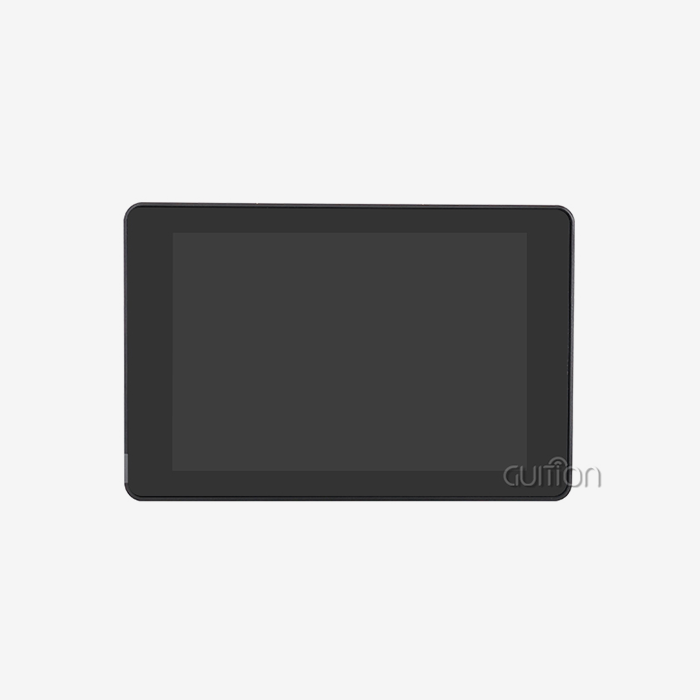
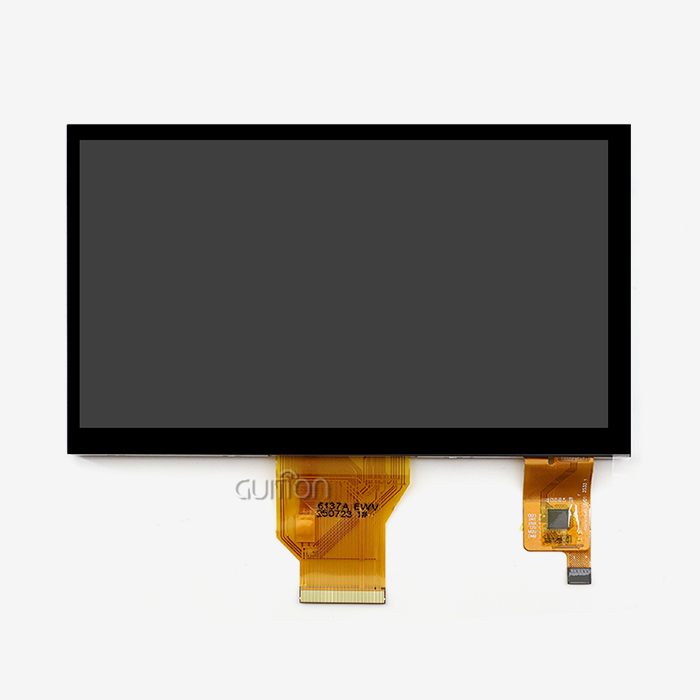
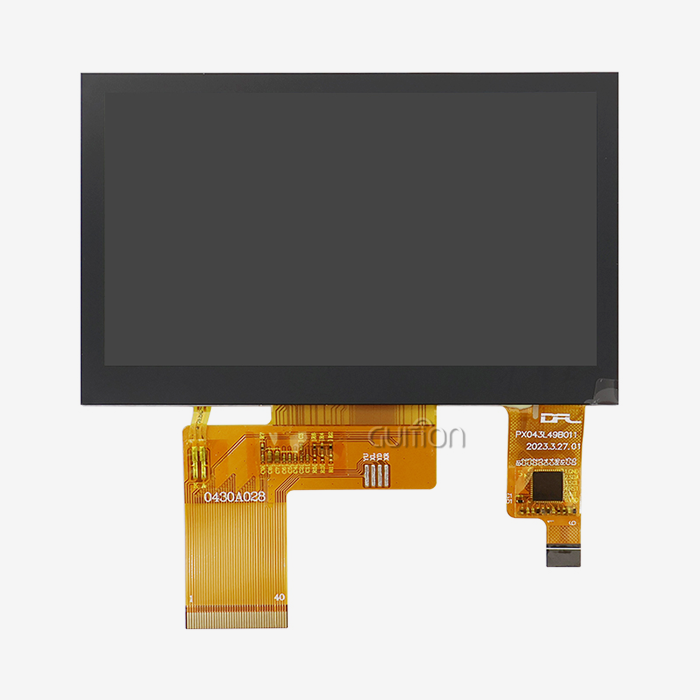
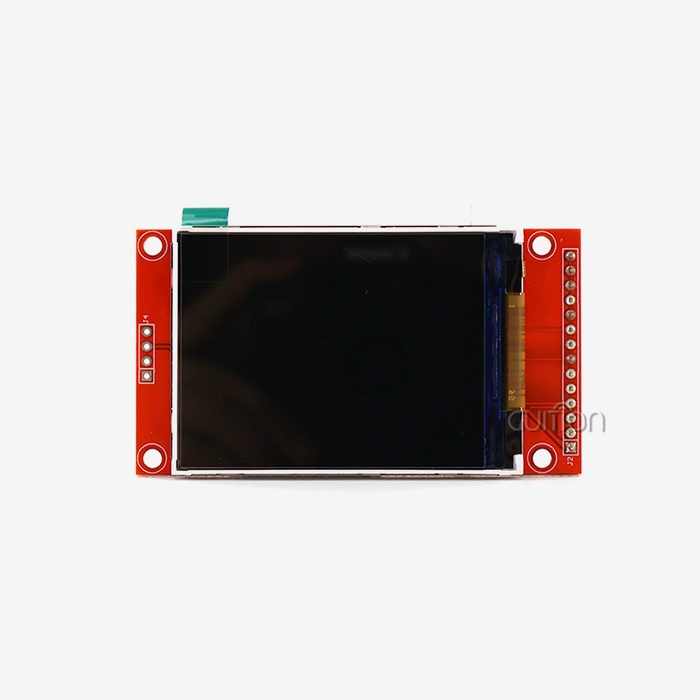
An ESP32 development board display is perfect for embedded systems because it has two cores of processing power, built-in wireless connection, and touchscreen features all in one package. These boards have TFT LCD or OLED screens and the ESP32 microcontroller's 240MHz working power. They provide solid human-machine interface options for IoT, smart device control, and industrial automation. They speed up time-to-market and simplify engineering by supporting Arduino IDE, ESP-IDF, and visual development tools. This makes them a great choice for embedded projects with limited resources.

Understanding ESP32 Development Board Displays for Embedded Systems
ESP32 units with built-in screens have changed the way we build embedded systems. These boards provide a full HMI solution, unlike standard setups that need separate microprocessor and monitor parts.
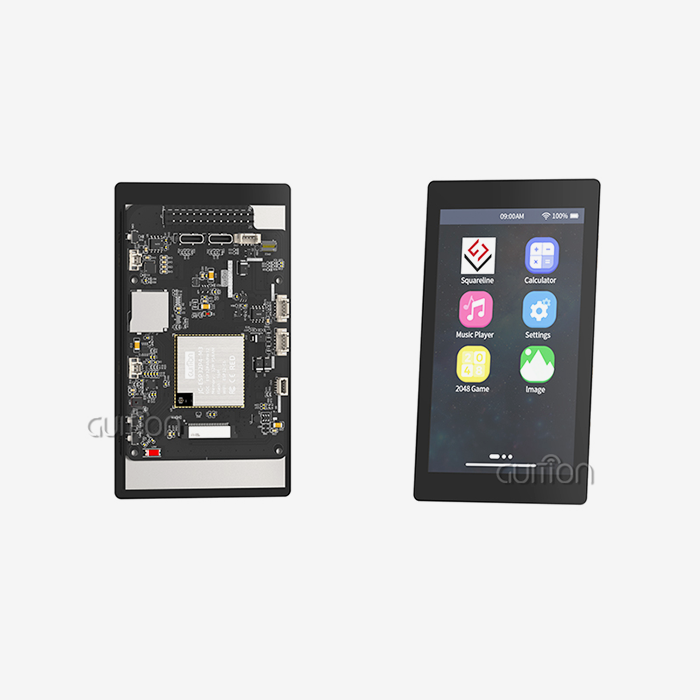
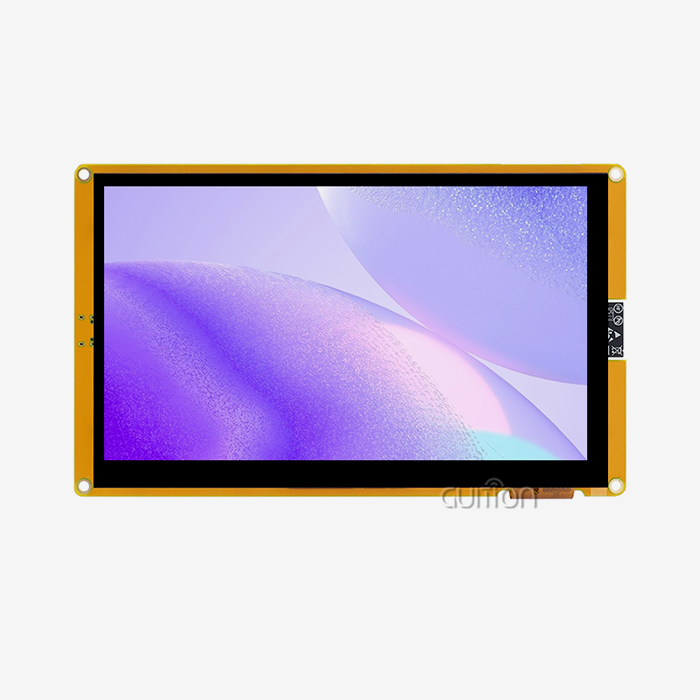
The technology blends the ESP32 dual-core Xtensa processor from Espressif with LCD screens that range in size from 0.96-inch OLED screens to 7-inch TFT screens. This combination gets rid of the need for complicated wiring between separate parts, which fixes signal integrity problems that commonly happen with modular development.
Core Technical Architecture
These days, ESP32 display devices use more complex communication methods. SPI connection works well with smaller screens, while parallel 8-bit or RGB ports let you use higher frame rates for more difficult tasks. The two-core design is very useful; one core handles drawing on the screen and graphics libraries like LVGL; the other core handles network connections and handling sensor data. This joint processing keeps the UI from lagging while background jobs are doing a lot of work.
Built-in Bluetooth LE and Wi-Fi (802.11 b/g/n) let you watch and change the system from afar. These digital features help in workplace settings where direct entry is hard to get to or costs a lot.
Industrial Application Scenarios
In factories, these screens are used to keep an eye on the state of machines and keep track of production counts and machine health measures. Because the PCBs are strong and the modules are grounded correctly, they can handle electromagnetic interference from big machines better than consumer-grade options.
The low-power sleep settings are helpful for smart home apps that use wall-mounted heaters and lighting controls. The ESP32 can wake up from deep sleep in milliseconds. It only updates the screen when the user touches it, which keeps portable devices' batteries from dying.
Medical equipment uses these boards to make testing tools that can be carried around and sites for keeping an eye on patients. When compared to button-based systems, the touchscreen interface makes entering data easier. However, sensitive touch versions work better when gloves are worn.
Technical Considerations: Evaluating Display Compatibility and Performance
To choose the right esp32 display module, you have to look at several interconnected factors that have a direct effect on the stability of the system.
Display Technology Comparison
Because they can be read in a variety of lighting situations, TFT LCD screens are the most common type used in industry. IPS versions offer wide viewing angles, which is important for control panels that are seen from different user positions. The price of TN screens is lower, but the viewing angle and colour clarity are not as good.
OLED screens work best in places with a lot of contrast and use very little power when showing dark themes. They cost more than LCD alternatives, though, and there is a chance of burn-in in static HMI apps.
E-paper screens work well with low-power field tools that need to be readable in bright sunlight. Their slow response rates make engaging apps less useful, but they're perfect for data loggers that are only updated occasionally.
Interface Protocol Selection
With only four data lines, SPI ports make connecting easier and can work with screens up to 2.8 inches. The clock speed goes up to 40MHz, but the frame rates stay low—usually 20 to 30 FPS with simple graphics. This works fine for control screens and setup menus, but movements are hard to make it work.
Higher speed can be accessed through parallel 8080 or RGB connections. For LVGL graphics to run smoothly in customer-facing apps, you need a 16-bit parallel link that can handle 60+ FPS at 320x480 resolution. On the other hand, it uses more GPIO pins and needs careful PCB placement to keep signals intact.
I2C works well with small OLED screens where ease is more important than speed. GPIO is saved by the two-wire interface, but screen sizes and frame rates are limited.
Power Management Strategies
When they are on, display backlights use 60–80% of the system's total power. PWM dimming circuits change the brightness based on sensors that measure the amount of light in the room. This makes handheld devices' batteries last longer. Advanced modules have sensor circuits that automatically improve sight while using as little power as possible.
In deep sleep states, the ESP32 uses less than 10µA of power. With e-paper screens that can keep pictures even when they're not powered on, field devices can run for months on coin cell batteries.
Comparing ESP32 with Alternative Platforms: Making the Right Choice
Procurement decisions benefit from understanding how ESP32 compares against established alternatives.
ESP32 vs. Raspberry Pi
Raspberry Pi boards deliver significantly more processing power with quad-core ARM Cortex-A processors and up to 8GB RAM. This computational advantage suits applications requiring complex image processing or running full Linux environments with Qt-based interfaces.
However, Raspberry Pi consumes substantially more power—typically 500mA at idle versus ESP32's 80mA during active display operation. Boot times are measured in tens of seconds compared to ESP32's near-instantaneous wake from sleep. Raspberry Pi modules also cost 3-5x more than ESP32 solutions.
ESP32 excels in real-time embedded systems requiring deterministic response times. The RTOS environment ensures critical sensor readings aren't delayed by operating system overhead. Wireless connectivity comes integrated rather than requiring USB dongles, reducing bill-of-materials costs.
ESP32 vs. Arduino with Separate Displays
Traditional Arduino boards paired with separate TFT shields involve complex wiring and limited processing power. An Arduino Uno's 16MHz single-core processor struggles with graphics rendering, achieving only 5-10 FPS with basic UI elements.
ESP32-based solutions of the ESP32 Display Module integrate the display controller, eliminating compatibility issues between shield manufacturers. The 240MHz dual-core processor provides 15x more computational headroom, enabling sophisticated animations and rapid screen updates.
Wireless connectivity requires additional shields with Arduino, increasing costs and complexity. ESP32 modules include Wi-Fi and Bluetooth without consuming external expansion slots.
Cost Efficiency Analysis
Entry-level ESP32 display modules start around $8-12 in single quantities, with prices dropping 40% for 100+ unit orders. Raspberry Pi with official 7-inch touchscreen approaches $90 combined.
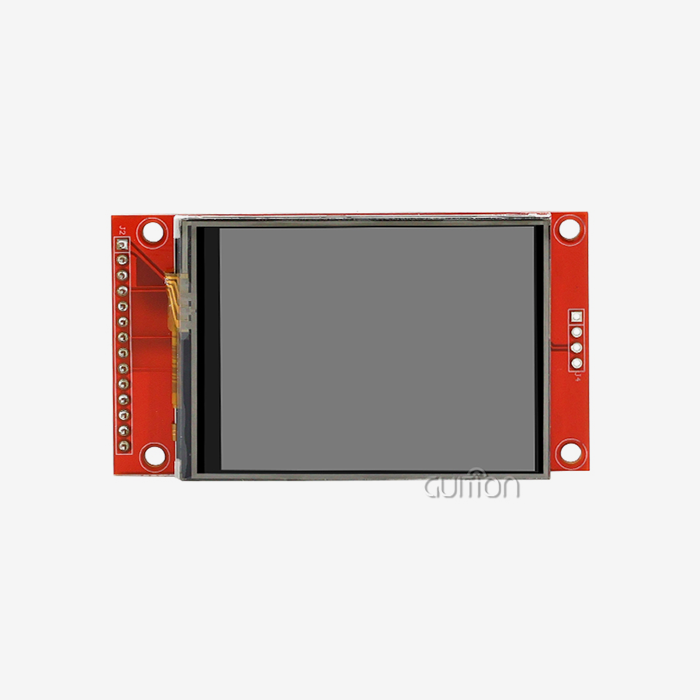
The GUITION ESP32-2432S024R exemplifies this value proposition. At approximately $10 per unit, it delivers a complete 2.4-inch touchscreen interface with 240x320 resolution, resistive touch, speaker driver, and environmental sensor interface. The integrated TF card slot supports expandable storage for UI assets without external memory chips.
Development costs also favor ESP32. Arduino IDE and ESP-IDF remain free and open-source, while visual development environments like Guition's proprietary software eliminate low-level graphics programming. Engineers prototype functional interfaces in hours rather than days, accelerating product iteration cycles.
Procurement Considerations for Embedded Systems Projects
Strategic sourcing of display modules involves evaluating multiple factors beyond unit pricing.
Supplier Reliability Assessment
Authorized distributors maintain quality control throughout the supply chain, reducing counterfeit component risks. Verify suppliers offer genuine Espressif-certified ESP32 modules rather than remarked chips with inconsistent performance.
Long-term availability matters for industrial products with multi-year lifecycles. Suppliers should provide product longevity commitments and obsolescence notices. Guition maintains consistent module production with backward-compatible firmware updates, protecting your engineering investment.
Volume Pricing Strategies
Bulk purchasing unlocks significant cost reductions. Orders exceeding 100 units typically qualify for 15-20% discounts, while 500+ unit commitments can achieve 30-35% savings. Negotiate annual pricing agreements for predictable budgeting across production cycles.
Minimum order quantities vary by supplier. Some manufacturers require 50-unit minimums for custom firmware or silkscreen modifications, while others accommodate prototyping orders as small as 5-10 units.
Customization Capabilities
OEM partnerships enable hardware modifications tailored to specific applications. Custom enclosure mounting holes, modified connector placements, and pre-loaded firmware reduce production assembly steps.
The GUITION ESP32-2432S024R supports extensive customization. Clients specify default application behaviors, custom boot screens with corporate branding, and pre-configured Wi-Fi credentials for enterprise deployments. These factory modifications eliminate field programming steps, reducing manufacturing labor costs.
Technical Support Infrastructure
Comprehensive documentation accelerates development. Evaluate whether suppliers provide detailed datasheets, pinout diagrams, and sample code repositories. The Guition platform includes extensive API documentation and community forums where engineers share integration solutions.
Responsive technical support channels prove invaluable during development crunch periods. Email response times under 24 hours and availability of engineering consultation calls separate professional suppliers from commodity resellers.
Why Choose ESP32 Development Board Displays? Brand Insights and Advantages
The ESP32 ecosystem has matured substantially, with several manufacturers offering specialized display solutions.
Leading Brand Comparison
M5Stack targets rapid prototyping with modular stackable designs. Their unified form factor simplifies mechanical integration, though limited GPIO access constrains custom peripheral additions.
TTGO modules emphasize cost efficiency and diverse display options. Their bare-board designs suit applications where custom enclosures are already planned. However, documentation quality varies, occasionally requiring community forum research.
Heltec focuses on LoRa-enabled displays for long-range wireless applications. The specialized radio integration adds cost but enables unique use cases in agricultural monitoring and remote sensor networks.
Guition's Differentiated Approach
Guition positions its ESP32 display modules as comprehensive HMI solutions rather than bare development boards. The ESP32-2432S024R arrives factory-programmed with demonstration interfaces showcasing its capabilities—engineers confirm functionality before writing a single line of code.
The module includes peripheral circuits often omitted from competitor products. The integrated speaker driver circuit eliminates external audio amplifiers for audible alerts and feedback. RGB LED control enables status indication without consuming additional GPIO pins. DHT11 temperature and humidity sensor interfaces support environmental monitoring without breadboard prototyping.
This complete-system approach of the ESP32 development board display reduces engineering time substantially. Rather than sourcing separate backlight driver ICs, touch controllers, and audio circuits, procurement teams order a single part number. The consolidated bill of materials simplifies inventory management and reduces assembly errors.
Software Ecosystem Advantages
Cross-platform development support distinguishes robust solutions from limited alternatives. The ESP32-2432S024R functions seamlessly across Arduino IDE for rapid prototyping, ESP-IDF for advanced peripheral control, MicroPython for high-level scripting, and Mixly for visual programming education.
Guition's proprietary development software provides drag-and-drop UI construction. Engineers arrange buttons, sliders, and gauges visually, with the software generating optimized embedded code automatically. This visual approach democratizes HMI development—mechanical engineers and product managers prototype interfaces without embedded programming expertise.
Remote upgrade capabilities prove essential for deployed devices. The over-the-air update mechanism pushes firmware improvements and UI enhancements to fielded units without technician visits. This capability reduces maintenance costs substantially, particularly for geographically-distributed installations.
Multi-language support extends market reach. UTF-8 encoding enables Chinese, Japanese, Cyrillic, and Arabic character displays from a single firmware image. Font libraries reside on the onboard TF card, avoiding flash memory constraints that limit built-in character sets.
Hardware Specifications That Matter
The ESP32-2432S024R's technical specifications address common embedded system requirements. The 520KB SRAM supports complex graphical applications—sufficient for multi-screen LVGL interfaces with smooth transitions. The 4MB flash accommodates application code, configuration data, and moderate-sized graphical assets.
Operating the dual-core processor at 240MHz enables responsive touch interfaces. Resistive touchscreens provide tactile feedback and work reliably in dusty industrial environments where capacitive screens fail. The 240x320 resolution balances pixel density with frame rate performance—sufficient for clear text rendering without overwhelming the graphics processor.
Industrial-grade operating temperature ranges distinguish professional modules from hobbyist boards. Components rated for -20°C to +70°C operation enable deployment in warehouse automation and outdoor agricultural monitoring where consumer electronics would fail.
Conclusion
ESP32 development board displays deliver an optimal balance of performance, connectivity, and cost-effectiveness for embedded systems. The dual-core architecture, integrated wireless capabilities, and comprehensive peripheral support address the most demanding industrial HMI requirements. Guition's ESP32-2432S024R exemplifies this category's maturity, combining hardware completeness with accessible development tools. Procurement teams gain predictable project timelines through pre-integrated components and visual programming environments. The technology's proven reliability across industrial control, medical instrumentation, and smart home applications demonstrates its versatility. Strategic supplier partnerships and volume pricing make ESP32 display solutions financially viable for both prototype development and large-scale production deployments.
FAQ
1. How do I select the optimal ESP32 display module for my embedded application?
Match display size and resolution to viewing distance and information density requirements. Industrial control panels benefit from 2.4-3.5 inch screens viewable at arm's length, while portable instruments may require smaller 1.8-inch displays. Evaluate touch technology—resistive screens tolerate gloves and contaminants, while capacitive variants offer better multi-touch sensitivity. Assess peripheral requirements early; modules with integrated sensor interfaces and audio circuits reduce external component counts.
2. What power management practices extend battery life in portable ESP32 display devices?
Implement dynamic backlight dimming based on ambient light sensors, reducing power consumption by 50-70% in bright environments. Utilize deep sleep modes between user interactions, waking only on touch events or scheduled sensor readings. E-paper displays eliminate backlight power for static displays. Frame buffer optimization in LVGL reduces redundant screen updates, minimizing SPI bus activity.
3. Which development environment accelerates the ESP32 display project completion?
Arduino IDE suits engineers familiar with C++ and seeking extensive community library support. ESP-IDF provides advanced peripheral control and real-time operating system features for complex applications. Visual tools like Guition's software eliminate graphics programming—designers create interfaces through drag-and-drop operations, with code generation handled automatically. This approach reduces UI development time from weeks to hours, particularly valuable when non-programmers contribute to interface design.
Partner with Guition for Your ESP32 Development Board Display Solutions
Guition specializes in delivering industrial-grade ESP32 development board display modules that accelerate your embedded system projects from concept to production. Our ESP32-2432S024R integrates display, touch, wireless connectivity, and peripheral interfaces in a single validated module, eliminating integration risks and reducing bill-of-materials complexity. We support secondary development through comprehensive documentation and cross-platform compatibility with Arduino, ESP-IDF, and our proprietary Guition visual development software.
Whether you require 10 prototypes or 10,000 production units, our team provides customized solutions, including pre-loaded firmware, branded boot screens, and modified connector configurations tailored to your mechanical requirements. Contact our engineering team at david@guition.com to discuss how Guition's ESP32 display modules can optimize your development timeline and reduce total project costs. As a trusted ESP32 development board display manufacturer, we provide reliable supply chains, competitive volume pricing, and responsive technical support throughout your product lifecycle.
References
1. Espressif Systems. (2023). "ESP32 Series Datasheet: Technical Specifications and Application Guidelines." Espressif Systems Product Documentation.
2. Kumar, A. & Zhang, L. (2022). "Comparative Analysis of Embedded Display Technologies for Industrial IoT Applications." Journal of Embedded Systems Engineering, 45(3), 112-128.
3. International Electrotechnical Commission. (2021). "IEC 61000-6-2: Generic Standards for Industrial Electromagnetic Immunity." IEC Standards Publication.
4. Patel, R. (2023). "Power Management Strategies for Battery-Operated ESP32 Devices." Embedded Computing Design Magazine, 18(7), 34-41.
5. Association for Computing Machinery. (2022). "Human-Machine Interface Design Principles for Embedded Industrial Systems." ACM Transactions on Embedded Computing Systems, 21(4), Article 47.
6. Liu, H., Chen, X. & Morrison, T. (2023). "Economic Analysis of Microcontroller Selection in Volume Manufacturing." IEEE Transactions on Industrial Electronics, 70(9), 9234-9245.
Learn about our latest products and discounts through SMS or email