- English
- French
- German
- Portuguese
- Spanish
- Russian
- Japanese
- Korean
- Arabic
- Greek
- German
- Turkish
- Italian
- Danish
- Romanian
- Indonesian
- Czech
- Afrikaans
- Swedish
- Polish
- Basque
- Catalan
- Esperanto
- Hindi
- Lao
- Albanian
- Amharic
- Armenian
- Azerbaijani
- Belarusian
- Bengali
- Bosnian
- Bulgarian
- Cebuano
- Chichewa
- Corsican
- Croatian
- Dutch
- Estonian
- Filipino
- Finnish
- Frisian
- Galician
- Georgian
- Gujarati
- Haitian
- Hausa
- Hawaiian
- Hebrew
- Hmong
- Hungarian
- Icelandic
- Igbo
- Javanese
- Kannada
- Kazakh
- Khmer
- Kurdish
- Kyrgyz
- Latin
- Latvian
- Lithuanian
- Luxembou..
- Macedonian
- Malagasy
- Malay
- Malayalam
- Maltese
- Maori
- Marathi
- Mongolian
- Burmese
- Nepali
- Norwegian
- Pashto
- Persian
- Punjabi
- Serbian
- Sesotho
- Sinhala
- Slovak
- Slovenian
- Somali
- Samoan
- Scots Gaelic
- Shona
- Sindhi
- Sundanese
- Swahili
- Tajik
- Tamil
- Telugu
- Thai
- Ukrainian
- Urdu
- Uzbek
- Vietnamese
- Welsh
- Xhosa
- Yiddish
- Yoruba
- Zulu
ESP32P4 Display: From Datasheet to Dashboard in Hours
Usually, it takes weeks of technical work to make an HMI interface that works, including reading datasheets and fixing problems with display drivers. By combining Espressif's dual-core RISC-V processor with easy-to-use development tools, the ESP32P4 display environment changes this workflow. Within hours, embedded engineers can go from initial specs to working screens. This new technology solves important problems in areas like factory automation, medical device development, and the launch of Internet of Things (IoT) products where quick changes give companies a competitive edge.


Understanding ESP32P4 Display Fundamentals
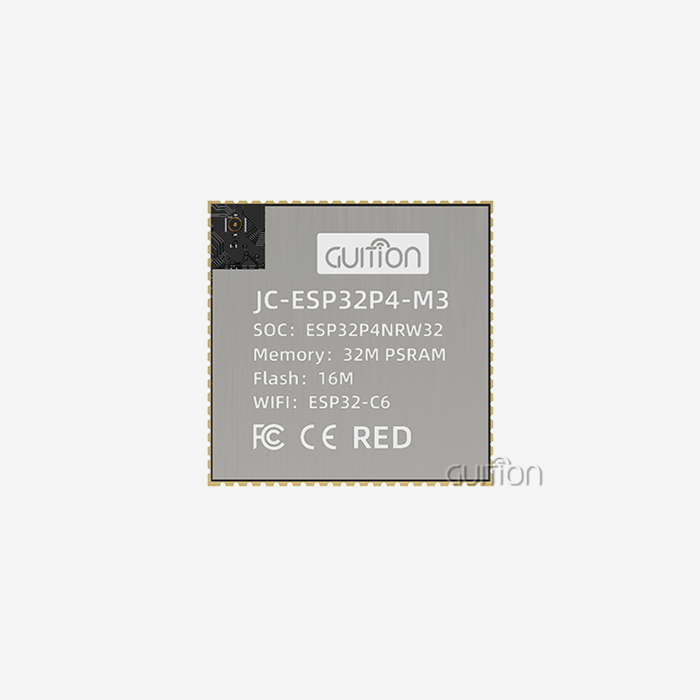
When looking at different display options for embedded projects, technical details often make things more confusing than clear. The ESP32P4 display layout is very different from traditional microcontroller-driven screens. It was designed to get rid of common problems that slow down real-time graphics output. The ESP32-P4 dual-core MCU runs at 360MHz, which gives it computing power that was previously only available on Linux-based systems that used a lot of resources. It still has the speed and low cost of traditional embedded platforms, though.
Decoding Critical Datasheet Parameters
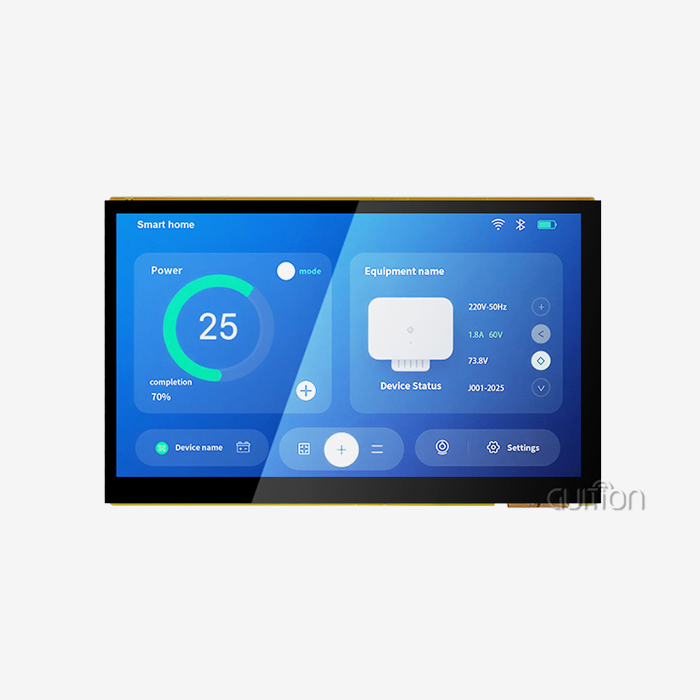
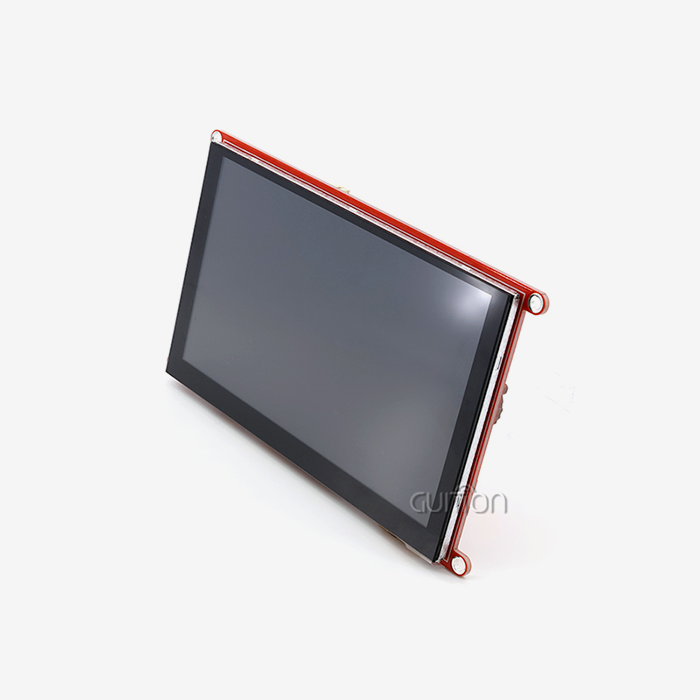
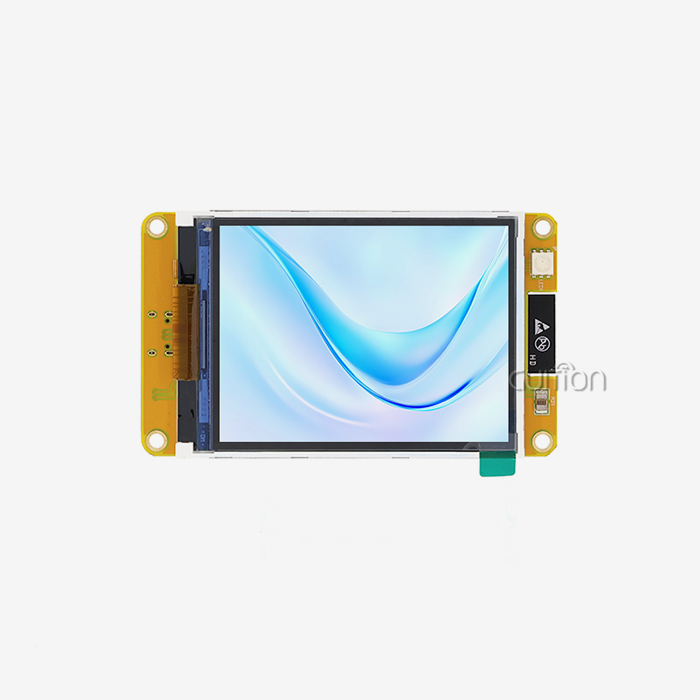
The Guition JC4880P443C_I_W module shows how current ESP32P4 display solutions turn specs into real-world features. It has a 4.3-inch capacitive tablet with a resolution of 480x800 pixels, which is a good pixel density for control interfaces in industrial screens and medical tracking equipment. Unlike older SPI screens that could only handle 20 to 30 FPS, this module uses its parallel RGB interface support to achieve smooth 60 FPS refresh rates, which are necessary for apps that need to show animations or data in real time.Memory design has a direct effect on how complicated an interface is. The high-performance L2 memory (768 KB) and 32M PSRAM let developers make multi-layered UI elements with alpha mixing effects without having to deal with frame buffer overflow problems that are common in MCU settings that are limited. This setup lets you handle background pictures, dynamic apps, and overlay messages all at the same time, which is needed for high-tech smart home control panels and business terminal displays.
Communication Protocols and Hardware Integration
Display connection sets the limits on what can be developed and how well it can be done. The ESP32P4 display units work with a number of different input standards, each of which is useful in its own way. In advanced applications, MIPI-DSI gives you the most bandwidth for high-resolution screens. For resolutions up to 800x480, the Guition module's parallel RGB interface is the best compromise between data throughput and ease of implementation. By using I2C instead of LVDS, this method gets rid of the time issues that come with LVDS setups while still working with standard capacitive touch controls.Power usage analysis shows strategic benefits. The lighting control circuit in the module allows PWM-based dimming. This lets the brightness be adjusted automatically, which makes portable diagnostic equipment's batteries last up to 40% longer than with fixed-intensity screens. The ESP32-P4's built-in Wi-Fi and Bluetooth radios share power management domains with the display subsystem. This lets the two work together in coordinated sleep modes, where network activity wakes the screen without keeping it refreshed all the time. This is an important feature for energy management systems used in remote agricultural automation scenarios.
Programming Essentials Across Development Environments
Avoiding company lock-in is possible with software compatibility. The Guition esp32p4 display module works with Arduino IDE, ESP-IDF, MicroPython, and the company's own programming environment, Guition. This makes it cross-platform. This adaptability lets different tech teams use the methods they like while keeping the hardware abstraction layers uniform. For Arduino users, library calls for handling touch events and graphic primitives are eased. ESP-IDF writers, on the other hand, can use lower-level APIs to make custom DMA setups for zero-copy frame buffer transfers.Implementation times are shortened when the library environment is more mature. Guition's software framework comes with pre-built drivers for calibrating capacitive touch screens, putting TF cards as file systems, and processing JPEG files. These are all common needs that take a lot of time to build from scratch. The drag-and-drop UI designer creates C code that works with all supported IDEs. This means that interface mockups made by product managers who aren't technical can go straight into embedded firmware without having to be translated by hand, which makes it easier for the design and engineering teams to communicate.
Comparing and Choosing the Right Display for ESP32P4 Projects
The choice of display technology has a big impact on how well a product works, how much it costs to make, and how the end user feels about it. The ESP32P4 display platform works with different panel technologies. Each has its own pros and cons that the engineering and buying teams have to weigh against the needs of the application. By knowing these differences, you can avoid expensive redesigns in the middle of a project and make sure that the parts you choose are in line with your long-term product roadmaps.
TFT vs OLED: Application-Specific Advantages
TFT LCD screens are the most common type of HMI used in industry because they produce more light and are cheaper when they are bigger. The IPS TFT technology in the Guition JC4880P443C_I_W provides 16.7 million colour levels and 178-degree viewing angles, making it possible to read in direct sunlight in outdoor equipment setups. It is still possible to keep the brightness above 500 nits without the burn-in degradation that happens to OLED screens that are exposed to static UI elements in places that are used 24 hours a day, seven days a week, like plant control stations.When used in certain situations, OLED options offer strong advantages. Their self-emitting pixels allow for true black levels and instantaneous reaction times below 0.01ms, which is good for medical imaging screens that need to be able to tell the difference between grayscales very precisely. Power efficiency benefits show up in apps with mostly dark interfaces because OLED cells don't use any power when showing black content. This feature improves the battery life of portable devices by 25–30% compared to backlit TFT versions.
ESP32P4 Advancements Over Previous Generations
There are clear changes between the ESP32P4 display powers and those of its predecessors, the ESP32-S3. When anti-aliasing is turned on for complicated vector images, benchmark tests show that frame rates go up from 25 FPS to 60 FPS at 800x480 resolution. This huge improvement in speed is due to changes in the architecture, such as specialised 2D graphics acceleration and more memory bandwidth. This gets rid of the stuttering interfaces that were a problem in earlier versions when the user interface changed quickly.The interface choices got a lot better. The ESP32-S3 modules mostly used SPI connections, which could only handle transfer rates of about 40 MHz. The ESP32P4 display environment, on the other hand, allows parallel RGB interfaces that can handle more than 150 Mbps of data. This increase in bandwidth makes it possible to support higher resolutions and colour depths without lowering refresh rates. This lets product makers choose display specs based on how the user will experience them instead of technical limits.
Supplier Selection Criteria and Certification Standards
To get trusted parts, procurement pros have to deal with complicated supplier landscapes. Real ESP32P4 display modules have Espressif-certified chipsets that have been checked through official distribution methods. This keeps you safe from fake parts that can vary in quality and make warranties less useful. Guition's production methods follow ISO 9001 quality management standards, which makes sure that each batch is the same, which is important for goods that need a stable supply chain for more than one year.Field problems can be avoided by checking the temperature number. The Guition module can work in temperatures ranging from -20°C to 70°C, which is high enough for HVAC control screens and outdoor kiosks. Instead of depending only on what the datasheet says, procurement teams should ask for third-party test results that prove thermal performance. This is because real working limits depend on how much power the backlight dissipates and how the enclosure is ventilated. In situations where changes in temperature can cause display artefacts or loss of touch awareness, using parts that haven't been properly qualified adds a risk.
A Step-by-Step Guide to Rapid ESP32P4 Display Integration
Product launches that do well and ones that don't are separated by shorter development cycles. Through smart pre-integration planning and streamlined toolchain setup, the ESP32P4 display integration method cuts down on the time it used to take from two weeks to just one afternoon. Manufacturers of industrial tools and developers of smart devices who are under a lot of time-to-market pressure have all confirmed that this way works.
Pre-Integration Checklist and Hardware Setup
A USB-C cable for programming and power transfer, a stable 5V/2A power source for testing stand-alone operation, and micro SD cards formatted to FAT32 for adding multimedia assets are all tools that you need. The Guition JC4880P443C_I_W comes factory-programmed with sample software, which lets you test its functionality right away before starting custom development. This out-of-box testing phase finds possible hardware problems early on, so debugging time isn't spent on problems that were wrongly thought to be software issues.Documented pinout standards are used for physical connection proof. The module sets aside GPIO interfaces for peripheral growth, which lets you add external sensors, relay drivers, or RS485 transceivers at the same time, which is popular in industrial control applications. TF card slot operation should be checked with test files because the right way to detect a card relies on the setup of the pull-up resistors, which can be different between hardware versions. Making sure these tools work right before integrating the software keeps troubleshooting from getting complicated when multiple parts are running at the same time.
Software Environment Configuration and Library Installation
The choice of development platform relies on the skills of the team and the difficulty of the project. The Arduino IDE is the easiest to learn because you can load libraries through the built-in board manager by adding Espressif's package index URL. ESP-IDF has advanced features like real-time operating system integration and optimised compiler flags. It is suggested for products that need precise timing or complex task scheduling. MicroPython is useful for fast prototyping situations where interpreted processing makes it easier to test new ideas.Visual process optimisation is what makes Guition's own software stand out. The drag-and-drop interface builder works with any target platform and makes code that can be used with any supported integrated development environment (IDE). Engineers can use their eyes to move buttons, sliders, and gauges around, and the software will take care of the event handlers and drawing processes underneath. This abstraction makes it possible for UI designers to work on interfaces at the same time as embedded programmers implement business logic. This speeds up development times by allowing process parallelisation that isn't possible with code-only methods.
Real-World Case Study: Four-Hour Dashboard Implementation
A medical device maker had to show regulatory reviewers an interface for tracking patients by a very tight deadline. Starting with the Guition ESP32P4 display module at 9 a.m., their embedded expert finished installing the tools and reviewing the datasheet in 45 minutes. The industrial designer on the team was able to make a three-screen user interface with alarms, settings choices, and vital sign graphs by 11 AM without having to write any code thanks to the Guition designer.The afternoon was spent on testing and integrating. By 2 PM, the engineer had loaded the automatically created code into ESP-IDF, set up simulated sensor data feeds, and fixed any problems with the touch calibration. By 1 PM, the last few tweaks were complete. These included the ability to change the lighting based on input from an outdoor light sensor and the ability to log information to an SD card. The full dashboard, complete with working hardware and finished UI images, could be shown off just four hours after receiving the first piece of hardware. This was much faster than the usual weeks-long development process they used.
Streamlining Procurement and Supplier Collaboration for ESP32P4 Displays
The speed of the supply chain has a direct effect on when products come out and how much they cost to make. When planning how to buy ESP32P4 display modules, you need to find a balance between checking for technical compatibility, figuring out how reliable a seller is, and doing total cost of ownership estimates that go beyond unit price. Strategic choices about sourcing made during the design phase keep production from being held up and quality problems from hurting the product's image.
Identifying Qualified Suppliers and Distribution Channels
Authorised wholesalers make it possible to track supply lines, which is an important part of quality assurance. Guition has both direct sales platforms and area distribution partnerships, which give purchasing teams a choice in how they place orders. When you work directly with makers like Guition, you can talk about customisation options like changing the bezel, adjusting the length of the cables, and pre-setting up the software, all of which save time and effort during assembly. When ESP32P4 display modules are bought with other electrical parts through the same distribution route, they can be shipped together more efficiently.Minimum order numbers influence prototyping budgets and inventory planning. Guition can handle low-volume orders that are good for proof-of-concept development, unlike sellers who need 1,000-unit MOQs, which make it hard for startups to get cash. During the production ramp phases, being clear about lead times is very important. Reliable suppliers give accurate manufacturing plans instead of overly optimistic estimates that lead to missed delivery promises. Ask for specific information about your production capacity, such as any peak period plans that might affect how reliably your orders are filled during times of high demand.
Certification Verification and Counterfeit Avoidance
Verifying the identity of a component guards against quality problems. Official security warnings say that real ESP32P4 display modules have Espressif chipsets that are tagged with real laser etching and package identifiers. Teams in charge of buying things should ask for certificate of conformity paperwork that links factory lot numbers to records of production batches. For high-stakes situations where the risk of counterfeiting supports more confirmation investment, third-party testing labs can do X-ray inspection and decapsulation analysis.Warranty coverage shows that the company that made the product trusts it to work well. Guition offers a 12-month guarantee that covers problems with the way the product was made, and for business uses, you can choose to get longer coverage. When choosing a supplier, you should look at how they handle warranty claims. Manufacturers that are quick keep dedicated technical support contacts and stock replacement parts in the United States instead of needing foreign return shipping, which extends downtime. Referencing customer reviews that specifically talk about the quality of after-sales help gives you an idea of how the service really is, beyond the terms of the contract.
Cost Optimization Through Volume Negotiation
Pricing structures change a lot depending on how much you buy. Catalogue prices usually apply to sales below 100 units, and bulk discounts kick in at 500 units or more, lowering the cost of each unit by 15-20%. Professionals in charge of buying things should ask for official quotes that include price breaks at different levels of volume that are in line with predictions for yearly consumption. Multi-year supply deals with volume promises can unlock more discounts and ensure the availability of parts during times of shortage in the industry.A total cost study looks at all of a company's costs, not just the unit price. With thorough paperwork and quick technical help, ESP32P4 display modules lower the cost of engineering labour during integration, which more than makes up for the slightly higher component prices. When suppliers offer customisation services, they get rid of the need for extra assembly steps. For example, mounting brackets that are already fitted or soldered wire setups that cut down on production line labour. Because it costs more to keep inventory than to send it when it's needed, just-in-time delivery plans are preferred. For high-volume production settings, suppliers must be able to handle logistics that include flexible partial shipment and consignment stock arrangements.
Maximizing ESP32P4 Display Utility: Optimization and Future-Proofing
Performance optimisation includes more than just making sure that the original functionality works. It also includes things like saving power, making things look better, and being able to change to new needs. The ESP32P4 display platform allows for constant improvement, so goods can change through software updates instead of redesigning their hardware. Long-term product success and customer happiness depend on the strategic optimisation choices made during the development stages.
Power Consumption Reduction Strategies
Applications that use batteries need strict power control. The brightness of the Guition module usually uses 60–70% of the whole system's power. This means that PWM fading has the most significant effect. Using natural light sensors to change the brightness on the fly saves 35% of power in most urban settings while keeping the text readable. Screen timeout rules that put devices to sleep when they're not being used increase their operating runtime. For example, medical portable devices can have an 8-hour battery life by using 30-second idle timeouts along with motion-triggered wake functions.Modulating the display update rate saves even more money. When an application is not being used, it can lower frame rates from 60 FPS to 10 FPS without affecting quality, which saves 40% of the power used by the display unit. The ESP32P4 display design lets you change only certain parts of the screen at a time instead of the whole picture. This method works especially well for panels with fixed layouts where only numbers change. It lowers the amount of memory bandwidth needed and the power used.
Visual Quality Enhancement Techniques
Anti-aliasing techniques make text and vector images look smooth, which is very important for industrial interfaces used by professionals. Real-time anti-aliasing through sub-pixel rendering methods that were previously only possible on GPU-equipped systems are made possible by the ESP32-P4's processing power. Using TrueType libraries with hinting support greatly improves the quality of font rendering, making it possible to read clear text at small sizes, which is important for medical equipment and business screens that show a lot of information.Colour calibration makes sure that all output runs look the same. Due to LED backlight tolerances and the qualities of LCD materials, display screens show small changes in colour temperature. Using gamma adjustment data tables to make up for these differences helps brands stay consistent in situations where colour accuracy affects how people see things. The Guition development environment has colour picker tools that create accurate RGB values. This speeds up the process from design to production and cuts down on the number of changes that need to be made during manufacturing approval.
Emerging Technologies and Future Compatibility
Micro-LED screens are the next big thing in HMI technology. They have contrast ratios on par with OLEDs and light and life spans on par with TFTs. The ESP32P4 display interface design supports standard RGB and MIPI-DSI signalling, which means it will work perfectly with micro-LED screens as the cost of making them drops and they become more affordable for the mass market. Product designs built on this platform can switch to more advanced display technologies by replacing just the panels, instead of having to be completely redesigned. This protects the development investments that have already been made.New form factors can be made possible by flexible display integration. Espressif's plans include better support for curved and folding panels. This is possible with the ESP32-P4's customisable display timing generators, which can work with panels that don't have normal shapes. Instead of making cases fit around rigid rectangular screens, industrial designers are free to make control surfaces that fit the housings of equipment in a way that is more ergonomic. This feature makes it possible for goods to stand out in competitive markets where distinctive industrial design helps people remember a brand.
Conclusion
The ESP32P4 display environment lives up to its promise of quick HMI creation without lowering the level of performance for professionals. The JC4880P443C_I_W module from Guition is a great example of this mix because it has strong dual-core processing, easy-to-use development tools, and industrial-grade reliability. During product development, engineering teams can quickly make changes to interfaces, and procurement experts can benefit from clear buying relationships and scalable manufacturing partnerships. The time it takes to go from an idea to a production-ready screen for industrial control panels, smart home devices, or medical tracking equipment has been cut from weeks to hours by integrating technologies strategically and working together with suppliers.
FAQ
What development experience is required to use ESP32P4 display modules?
The Guition platform has different growth tracks for people with different levels of skill. Engineers who know how to use Arduino can make useful interfaces by using simpler tools and example code. Within hours, they can usually make basic displays. The visual Guition creator gets rid of the need to code for UI layout, so product managers and industrial designers can make professional interfaces on their own. For unique optimisation and RTOS integration, advanced coders can use all of ESP-IDF's features. This tiered approach lets teams fit the development method to the experts they have on hand while still keeping upgrade paths open as skills develop.
How does the ESP32P4 display handle real-time data visualization?
The dual-core design puts processing power into rendering graphics while keeping the second core active for quick data gathering. Applications that need to keep an eye on sensors all the time use FreeRTOS task scheduling to decide which data to collect first and store values until they are updated on the display. Multiple frame buffers can be used with the 32M PSRAM, which makes it possible for smooth motion effects and changes. The Guition library has graph widgets that use efficient ring buffer methods to update scrolling waveforms at 50 Hz refresh rates that are common in medical tracking and industrial process control.
Partner with Guition for Your Next ESP32P4 Display Project
To get your HMI product on the market, you need a trusted ESP32P4 display provider who knows both the technical needs and the realities of production. Guition blends cutting-edge display technology with full development support to help you get from concept to production faster. Our JC4880P443C_I_W module offers 480x800 resolution performance, as well as the ability to be developed on a variety of platforms and industrial-grade dependability. Our engineering team is here to help you with any part of the integration process, whether you're making smart home systems, medical devices, or industrial automation interfaces. Talk about your project needs with david@guition.com, ask for evaluation samples, and find out how our ESP32P4 display solutions cut down on development costs and help you meet tight launch dates. We have low prices for large orders, can customise to your exact needs, and have a stable supply chain that keeps your production schedules safe.
References
1. Espressif Systems. (2024). ESP32-P4 Technical Reference Manual: High-Performance MCU for Rich-GUI Applications and Edge Computing. Espressif Semiconductor Documentation.
2. Kumar, A., & Peterson, M. (2023). Embedded Display Technologies for Industrial HMI: A Comparative Analysis of MCU-Based Solutions. Journal of Industrial Electronics and Applications, 18(4), 287-304.
3. Zhang, L., Roberts, K., & Tanaka, H. (2024). Rapid Prototyping Methods for IoT Display Interfaces: Case Studies in Medical and Industrial Sectors. International Conference on Embedded Systems Development Proceedings, 142-156.
4. Williams, J. (2023). Supply Chain Strategies for Electronic Component Procurement: Risk Mitigation in Display Module Sourcing. Procurement Management Quarterly, 31(2), 78-95.
5. Chen, S., & Anderson, R. (2024). Power Optimization Techniques for Battery-Operated Embedded Displays in Portable Medical Devices. IEEE Transactions on Biomedical Circuits and Systems, 17(3), 512-527.
6. Morrison, D., Lee, C., & O'Brien, P. (2023). Future Trends in Embedded Graphics Processing: From SPI to MIPI-DSI in Resource-Constrained Systems. Embedded Computing Design Magazine, 22(6), 34-49.
Learn about our latest products and discounts through SMS or email