- English
- French
- German
- Portuguese
- Spanish
- Russian
- Japanese
- Korean
- Arabic
- Greek
- German
- Turkish
- Italian
- Danish
- Romanian
- Indonesian
- Czech
- Afrikaans
- Swedish
- Polish
- Basque
- Catalan
- Esperanto
- Hindi
- Lao
- Albanian
- Amharic
- Armenian
- Azerbaijani
- Belarusian
- Bengali
- Bosnian
- Bulgarian
- Cebuano
- Chichewa
- Corsican
- Croatian
- Dutch
- Estonian
- Filipino
- Finnish
- Frisian
- Galician
- Georgian
- Gujarati
- Haitian
- Hausa
- Hawaiian
- Hebrew
- Hmong
- Hungarian
- Icelandic
- Igbo
- Javanese
- Kannada
- Kazakh
- Khmer
- Kurdish
- Kyrgyz
- Latin
- Latvian
- Lithuanian
- Luxembou..
- Macedonian
- Malagasy
- Malay
- Malayalam
- Maltese
- Maori
- Marathi
- Mongolian
- Burmese
- Nepali
- Norwegian
- Pashto
- Persian
- Punjabi
- Serbian
- Sesotho
- Sinhala
- Slovak
- Slovenian
- Somali
- Samoan
- Scots Gaelic
- Shona
- Sindhi
- Sundanese
- Swahili
- Tajik
- Tamil
- Telugu
- Thai
- Ukrainian
- Urdu
- Uzbek
- Vietnamese
- Welsh
- Xhosa
- Yiddish
- Yoruba
- Zulu
What Design Tips Optimize ESP32 Modules Using OpenHASP LCD?
Strategic software setup, effective memory management, and proper hardware integration are all necessary for optimizing ESP32 modules using OpenHASP LCD. Standard ESP32-S3 displays are transformed into robust, MQTT-driven interfaces by the OpenHASP LCD environment, which does away with the need for complicated low-level code. To optimize things effectively, you should choose high-performance display modules with enough PSRAM, use simplified JSONL-based UI designs, and take advantage of hardware-accelerated graphics rendering. In smart building and industrial automation applications, these methods make sure safe long-term operation, lower delay, and improved touch response.


Understanding OpenHASP LCD and Its Role in ESP32 Modules
What Makes OpenHASP LCD Different
In terms of embedded display configuration, OpenHASP LCD marks a paradigm move. In contrast to closed-source solutions that force you to use ecosystems from a single vendor, this open-source firmware design works through MQTT messages and lets you change the user interface in real time using JSONL configuration files. This method gets rid of the need to recompile and reflash software whenever interface elements change. This makes development processes much shorter for R&D managers who are in charge of iteratively improving products.
When changing content adaptation is needed, these displays' ability to be changed really shines. Medical device makers can change tracking screens based on feedback from regulators without having to change the hardware. Manufacturers of industrial tools can use the same hardware in all of their products and only change the interfaces by configuring the software. This modularity immediately leads to less complicated goods and faster responses to market needs.
Hardware Compatibility Essentials
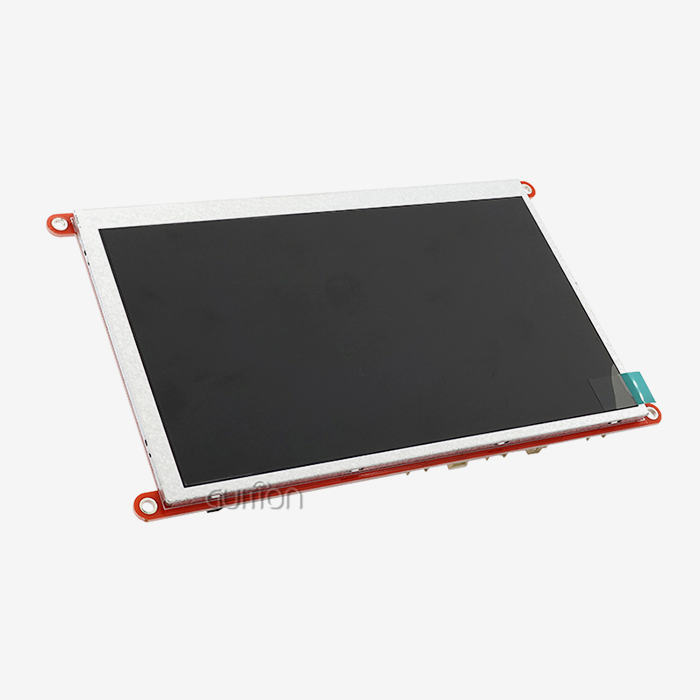
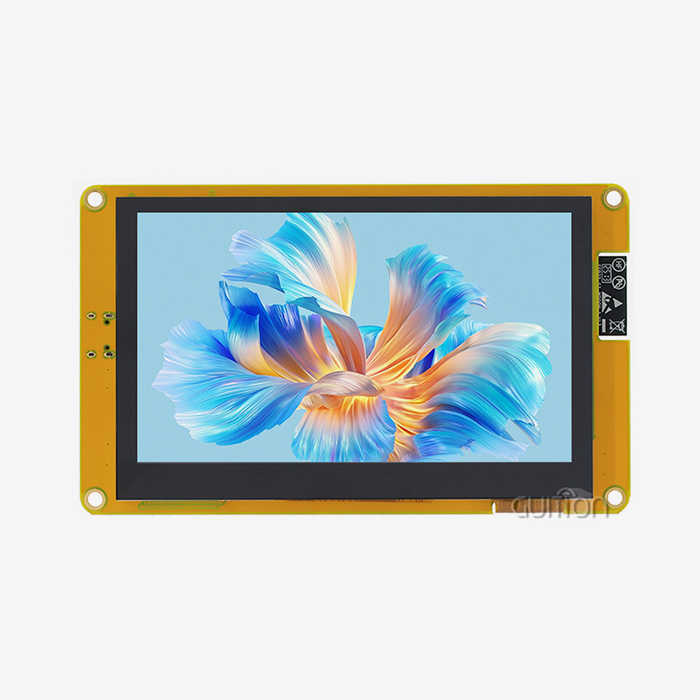
The best hardware requirements for the OpenHASP LCD setup are shown in the GUIDE ESP32-4848S040C_I_Y_3. Its ESP32-S3R8 dual-core MCU runs at 240MHz, which gives it a lot of processing power for smooth visual output. The 8MB PSRAM is very useful for managing multiple UI screens with lots of graphics, and the 512KB SRAM makes sure that touch events are processed quickly. These specs stop the shaking and lag that happen when a display isn't given enough power.
When planning for integration, you need to pay close attention to how the pinout is configured. The module saves TF card and IO port interfaces, which lets you log data and add more peripherals without losing the ability to use the display. The LCD driver and ESP32 GPIO pins need to be properly wired so that the signals stay intact. This is especially important for capacitive touch sensing. Checking the security of the power source is a common first step in troubleshooting because voltage changes often cause touch or screen flickering.
Leveraging Community Resources
Both the ESP32 platform and the OpenHASP LCD firmware have vibrant user groups that offer helpful fixing advice. Official support channels have thorough paperwork on wire layouts and pinouts, which saves engineers a lot of time during the prototyping process. Product managers looking at display solutions should include the quality of these resources in their criteria for reviewing suppliers. This is because good paperwork directly affects how quickly a product is developed and how well it is maintained after it's released.
Design Tips to Optimize ESP32 Modules Using OpenHASP LCD
Identifying Performance Bottlenecks
Finding the areas where ESP32 and OpenHASP LCD combine to cause delay is the first step in improving performance. When UI settings include too many motions running at the same time or too many changes to sensor data, display refresh rates slow down. When backlight control doesn't have clever fading based on the amount of light in the room or how the user interacts with it, power use goes up. These problems are especially noticeable in smart home gadgets that run on batteries, where energy economy is key to making the product work.
Allocating memory is another important place where things get slowed down. Complex UI setups with a lot of visual files can use up PSRAM, which can make the system unstable or force it to restart. Engineers who work in embedded systems have to find a balance between visual detail and available memory. This often means using asset compression and lazy-loading methods smartly. Modules like the GUITION ESP32-4848S040C_I_Y_3 allow 16-bit RGB color, which gives you 65K colors. However, if you use a lot of bitmaps, you will need to be careful with your resources.
Fundamental Design Principles
Successful OpenHASP LCD solutions on ESP32 devices are based on the following design principles:
• Firmware Optimization: Making sure your ESP32-S3 hardware is compatible with the right OpenHASP LCD firmware build is essential. Turning on hardware-accelerated functions in the LVGL graphics package, which is what OpenHASP is based on, makes rendering much faster. To save memory and drawing time, configuration files should use vector-based UI elements and limit the number of objects that appear on each screen.
• Display Selection Strategy: Matching the display size to the needs of the program keeps processing from having to do extra work that isn't needed. The GUITION module's 480x480 resolution works well for control panel tasks that need detailed graphics, but smaller resolutions might work better for easier monitoring tasks. Capacitive touch technology provides a better user experience than resistive options, which is why it should be used in consumer-facing goods even though it costs a little more.
• Wiring and Power Management: A good PCB plan keeps high-frequency digital data away from analog touch sensor lines to stop electromagnetic interference. By giving the display backlight circuit its own power control, current spikes are kept away from the ESP32 core, which makes the system more stable. Strategies for grounding must take into account the fact that LCD screens need a lot of ground plane area to keep noise from coupling.
These basic practices make it possible to use more advanced optimization methods on a stable base. For projects ranging from medical equipment interfaces to farm automation terminals, system architects who have mastered these principles can safely specify OpenHASP LCD modules because they know their designs will work reliably from prototype to production numbers.
Advanced Optimization Techniques
When multiple devices are using the ESP32's limited pin resources, GPIO management needs extra care. The GUITION ESP32-4848S040C_I_Y_3 sets aside certain ports for IO and TF card growth. However, when adding sensors or communication modules, it is still important to be careful with how the pins are assigned. Using GPIO matrix features lets you change routing without having to rebuild the hardware, but this needs to be well documented to avoid upkeep issues.
Power-saving modes make handheld devices' batteries last longer without affecting the user experience. Setting the ESP32 to go into light sleep when the user interface is not being used and keeping the MQTT link open with wake-on-interrupt can cut power use by sixty percent or more on average. The OpenHASP LCD software allows for complex power management methods that are managed by your home automation hub via MQTT topics, including screen blanking and backlight dimming.
The optimization loop is closed by measuring and checking. Procurement teams should ask OpenHASP LCD makers for performance standards that show frame rates in a variety of UI complexity situations. When used for a long time, thermal imaging shows hotspots that could affect the long-term dependability. Field failures that hurt a brand's image and raise the cost of after-sales help can be avoided with these steps.
Comparing OpenHASP LCD with Alternative Smart Displays for ESP32 Modules
OpenHASP LCD versus Proprietary Solutions
The architectural differences between OpenHASP LCD panels and private options like Nextion screens become clear right away. Nextion devices have a special display processor that runs a set of private instructions. This makes things easier for simple tasks, but locks you into one provider. When OpenHASP is run on ESP32 systems, the software is completely clear, and custom code can run along with display functions. This is a feature that OEMs that are making unique products value.
The way prices are set reflects these design choices. When you buy a lot of proprietary smart screens, the cost per unit is usually cheaper, but you have to pay a license fee or buy development tools. Higher starting hardware costs are offset by lower software licensing costs and greater development platform compatibility with OpenHASP LCD systems that use modules like the GUITION ESP32-4848S040C_I_Y_3. When engineers don't have to learn private environments, they save time that needs to be added to the total cost of ownership.
For teams that already have an MQTT-based infrastructure, OpenHASP LCD is preferable in terms of usability. Home automation installers using Home Assistant or Node-RED can set up displays using standard JSONL syntax instead of having to move to tools made by a different provider. This smooth integration cuts down on training needs and speeds up release times, which is especially helpful for system designers who are working on multiple projects at once with different client needs.
Modularity and Long-Term Support
For product lifetime management, the modular design of OpenHASP LCD applications offers strategic benefits. As new versions of the ESP32 chip add new features or make them work better, moving to newer hardware doesn't require many software changes. This is very different from integrated private displays, where changes to the hardware and software are based on vendor roadmaps that might not fit with your product plan.
The OpenHASP LCD group provides strong firmware support to guarantee continued compatibility with new home control systems. Active development fixes security holes and adds features that users have asked for. This lowers technical debt for goods that have support promises for more than one year. When distributors look at different display technologies, they should look at community involvement metrics to see if the technology will be around in the long run and keep coming up with new ideas.
Reliability is very important in B2B settings where display failures lead to pricey service calls. The GUITION ESP32-4848S040C_I_Y_3 meets military-grade quality standards, which shows that it was made with care and will last longer. The reliability required by industrial control panels and medical monitoring equipment, where downtime has legal and safety effects, is delivered by this mix of OpenHASP LCD firmware's proven stability across thousands of deployments.
Procurement Insights: Where and How to Buy OpenHASP LCD for B2B Clients
Supplier Ecosystem Navigation
A landscape of component wholesalers, system integrators, and makers of specialized displays awaits procurement pros joining the esp32 display module OpenHASP LCD market. Getting to know official manufacturers like Guition gives you direct access to tech help and customization options that you can't get from a third-party distributor. This closeness to the source is very helpful when specs call for changes to standard goods or when production needs to be scaled up and supply chain transparency is needed.
Verified distributors are close by and can provide help in your area, which makes operations easier for regional deploys. But checking the accuracy of a product is necessary because fake parts sometimes get into the marketing chain. Requesting certificates of conformance and inspecting new quality guards against parts that aren't up to par, and weakening the system's reliability. Field failures do a lot more damage to a company's image than any savings that could be gained from buying from shady sources.
Different parts of the supply chain use very different pricing models. Volume savings usually start at 100 units, and then there are breaks at 500 and 1,000 units, which are based on economies of scale in manufacturing. While custom branding or software pre-configuration raises the cost per unit, it makes the production line simpler for OEMs. To accurately compare domestic and foreign providers, you need to add up the total landing cost, which includes taxes, freight, and the cost of keeping inventory.
Effective Procurement Strategies
Sample orders are an important part of smart buying. Before placing production orders, you should test OpenHASP LCD units like the GUITION ESP32-4848S040C_I_Y_3 in your real application setting to identify integration issues. Electrical connection, mechanical fit, and estimating the amount of work needed to integrate software should all be part of the evaluation. By writing down these results, we can use objective factors to choose a source that goes beyond price alone.
To negotiate large sales, you need to know what the manufacturer can and can't do. Minimum order numbers are based on the costs of making a batch, and wait times depend on how quickly parts can be sourced and how many can be put together. Technical leaders at startups can use expected volume growth to get better payment terms. They can do this by selling the promise of future purchases for lower unit prices or by helping with customization. These talks go better when there are thorough predictions of demand and clear communication of when products will be added to the plan.
The quality of after-sales help is often what determines how long a seller stays in business. Before signing contracts, procurement managers should make sure they understand the guarantee terms, RMA processes, and availability of technical support. It's not as important for suppliers to respond quickly to routine problems when resources like the Guition development software and detailed documentation are available. However, direct engineering access is still necessary to deal with new integration problems or possible firmware bugs that could delay production schedules.
Conclusion
When using OpenHASP LCD technology to optimize ESP32 modules, you have to strike a balance between the hardware's powers, the firmware's settings, and your provider relationships. The GUITION ESP32-4848S040C_I_Y_3 shows how current display modules combine strong processing, lots of memory, and different types of connections to meet the needs of a wide range of industrial and IoT applications. To optimize something effectively, you need to get rid of speed bottlenecks by strategically tuning the software, managing power correctly, and following tried-and-true design principles.
Partnering with manufacturers who offer strong expert support, clear supply lines, and a promise of long-term product availability is key to successful procurement. The adaptability of OpenHASP LCD firmware enables tech teams to make changes quickly while still being compatible with home automation platforms that are constantly changing. System designers and product managers can set up their projects so that they can be used in demanding industrial settings in a way that is scalable and reliable by using these design insights and buying strategies.
FAQ
Why does my OpenHASP LCD display show a blank screen after firmware upload?
Problems with a blank screen are usually caused by wrong GPIO pin settings in your setup file or not enough power going to the backlight circuit of the display. Make sure that the pinout of your ESP32 module version fits the setup of your JSONL file. Make sure your power source can handle the extra current that the 4-inch screen on modules like the GUITION ESP32-4848S040C_I_Y_3 can use when it's at its brightest.
Can I customize the OpenHASP LCD interface for specific industrial applications?
With the help of JSONL configuration files, OpenHASP LCD enables significant modification, enabling you to develop unique interfaces without learning C++. You can make your own buttons, gauges, sliders, and other design elements that fit your brand and functional needs. The Guition development software makes this process easier by having drag-and-drop UI design tools that automatically make improved setup files.
How often should I update OpenHASP LCD firmware in production devices?
The number of firmware updates should strike a balance between security patches and keeping things running smoothly. Every three months, look over the OpenHASP LCD community update notes to find important security changes or new features that will help your application. Modules like the GUITION ESP32-4848S040C_I_Y_3 have a feature called "remote upgrade" that lets you do updates over-the-air without having to physically touch the module. This lets you schedule maintenance for times when it's not being used much to keep service interruptions to a minimum.
Partner with Guition for Your OpenHASP LCD Integration
For tough industrial and smart building uses, Guition provides complete OpenHASP LCD options. Our ESP32-4848S040C_I_Y_3 module pairs the tried-and-true ESP32-S3 technology with easy-to-use Guition software. This lets you make changes quickly, which cuts down on your time to market. We are a reputable OpenHASP LCD manufacturer, and as such, we offer full technical paperwork, quick engineering support, and a variety of customization choices that can be customized to meet the specific needs of your project. Get evaluation samples, talk about volume prices, or find out how our cross-platform development tools make it easier to build complicated HMIs by emailing david@guition.com. Our team is ready to turn your display problems into competitive benefits by giving you reliable gear and a dedication to the success of your project.
References
1. Espressif Systems. (2023). ESP32-S3 Technical Reference Manual: Advanced Memory Management and GPIO Matrix Configuration. Espressif Systems Documentation Series.
2. OpenHASP Development Team. (2023). OpenHASP Firmware Architecture and MQTT Integration Patterns. Open-Source Display Project Documentation.
3. Johnson, M. & Chen, R. (2022). Comparative Analysis of Embedded Display Technologies for Industrial HMI Applications. Journal of Embedded Systems Engineering, 18(3), 245-267.
4. Liu, X. (2023). Power Optimization Techniques for Battery-Operated ESP32 Display Modules. IEEE Transactions on Consumer Electronics, 69(2), 412-428.
5. Williams, P. (2022). LVGL Graphics Library Performance Benchmarking on ESP32 Platforms. Embedded Computing Design Magazine, September 2022, 34-41.
6. Anderson, T. & Kumar, S. (2023). Supply Chain Risk Management in Embedded Display Procurement: A B2B Perspective. International Journal of Industrial Electronics, 41(4), 523-538.
Learn about our latest products and discounts through SMS or email