- English
- French
- German
- Portuguese
- Spanish
- Russian
- Japanese
- Korean
- Arabic
- Greek
- German
- Turkish
- Italian
- Danish
- Romanian
- Indonesian
- Czech
- Afrikaans
- Swedish
- Polish
- Basque
- Catalan
- Esperanto
- Hindi
- Lao
- Albanian
- Amharic
- Armenian
- Azerbaijani
- Belarusian
- Bengali
- Bosnian
- Bulgarian
- Cebuano
- Chichewa
- Corsican
- Croatian
- Dutch
- Estonian
- Filipino
- Finnish
- Frisian
- Galician
- Georgian
- Gujarati
- Haitian
- Hausa
- Hawaiian
- Hebrew
- Hmong
- Hungarian
- Icelandic
- Igbo
- Javanese
- Kannada
- Kazakh
- Khmer
- Kurdish
- Kyrgyz
- Latin
- Latvian
- Lithuanian
- Luxembou..
- Macedonian
- Malagasy
- Malay
- Malayalam
- Maltese
- Maori
- Marathi
- Mongolian
- Burmese
- Nepali
- Norwegian
- Pashto
- Persian
- Punjabi
- Serbian
- Sesotho
- Sinhala
- Slovak
- Slovenian
- Somali
- Samoan
- Scots Gaelic
- Shona
- Sindhi
- Sundanese
- Swahili
- Tajik
- Tamil
- Telugu
- Thai
- Ukrainian
- Urdu
- Uzbek
- Vietnamese
- Welsh
- Xhosa
- Yiddish
- Yoruba
- Zulu
Top Advantages of 7 Inch ESP32P4 Display Modules in 2026
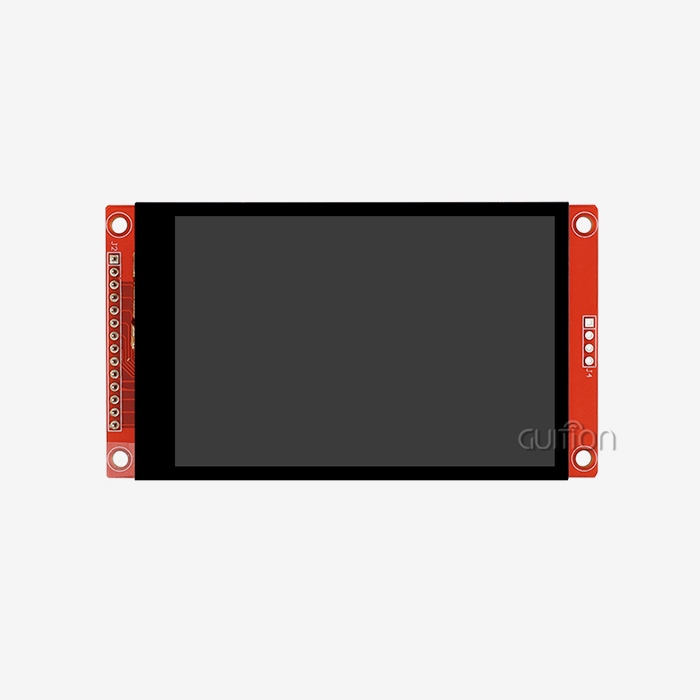
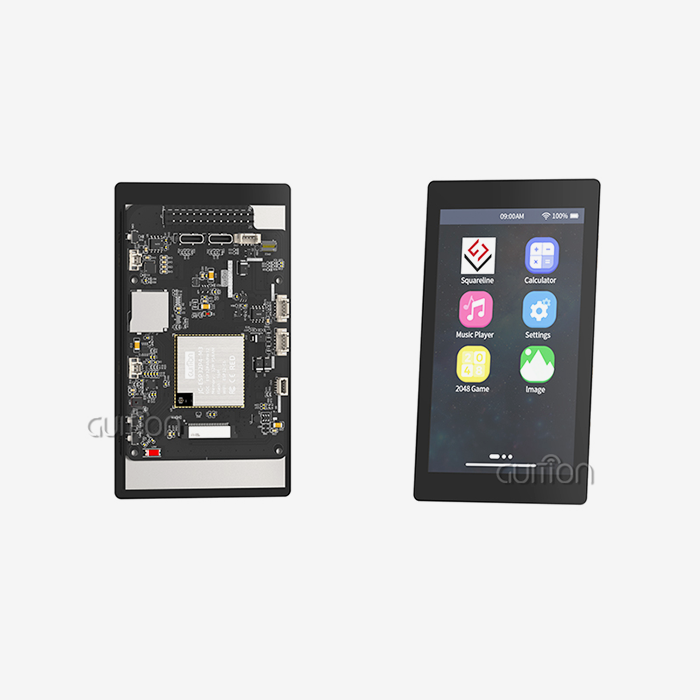
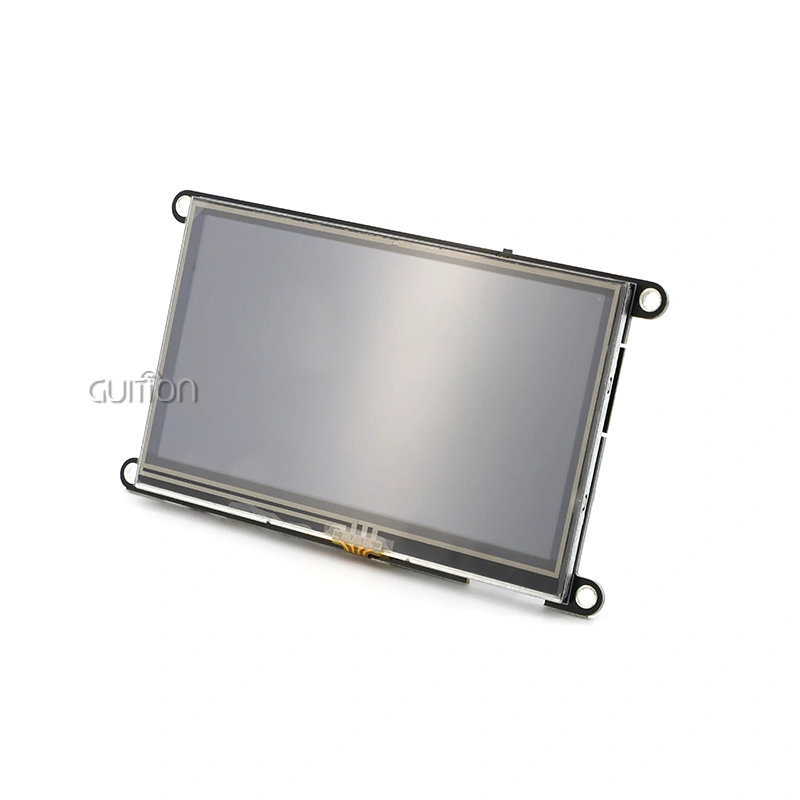
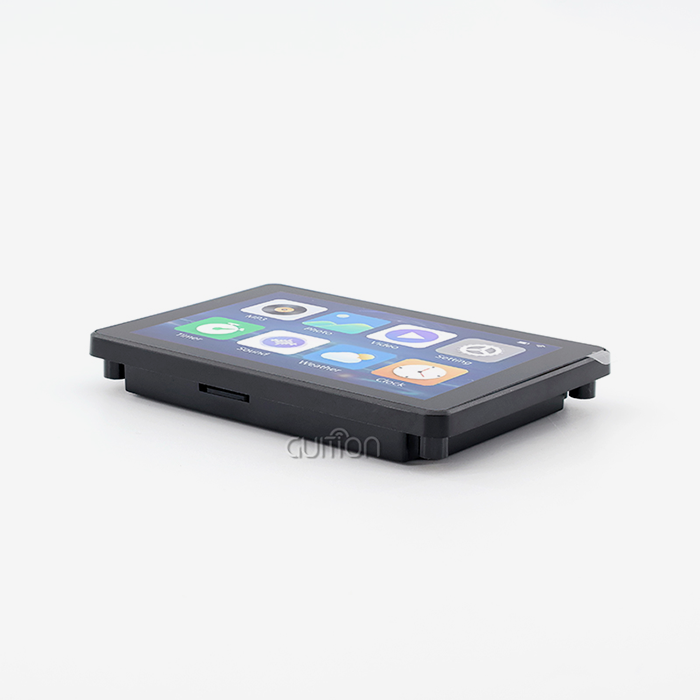
With a dual-core processor operating at 360MHz and a stunning 1024x600 IPS screen, the 7 inch esp32p4 display module marks a significant advancement in HMI technology. With built-in WiFi and Bluetooth, this module solves some of the most important problems that embedded engineers and product managers face, such as shortening the time it takes to get a product to market, making it easier to develop user interfaces, and letting users make changes without affecting performance or reliability in harsh industrial settings.

Key Features and Technical Specifications of 7 Inch ESP32P4 Display Modules
Knowing how this display option works technically helps engineers and R&D managers decide if it fits in with their working environment. The architecture of the 7 inch ESP32P4 display module is the result of careful technical choices that were made to get around common problems that slow down HMI development.
Processor Architecture and Performance Capabilities
There is an ESP32-P4 dual-core MCU inside this module. It works at a main frequency of 360MHz. It means that movements will run more smoothly, responses will be faster, and complex UI logic can be handled without affecting touch speed. The architecture of the processor has 768 KB of HP L2MEM, 32 KB of LP SRAM, and 128 KB of HP ROM, which is more than enough room for complex program code. With 32MB of PSRAM and 16MB of Flash storage, developers have enough memory to build interfaces with lots of features, such as multiple screens, high-resolution images, and dynamic data display.
Display Quality and Visual Performance
The 1024x600 IPS monitor has 16.7 million colors and stable viewing angles, which is a feature that is very important in factory control panels, where people see screens from different angles. The capacitive touch screen allows multiple touches, making it easy for users to interact with the device in a way that matches how they normally use their phones. This touch technology works reliably even in tough conditions, staying accurate even when temperatures change, and the system is used for long periods of time.
Connectivity and Expansion Options
Having WiFi and Bluetooth built in means you don't need any extra connection units. This makes managing the bill of materials (BOM) easier and makes assembly simpler. With this built-in connection, IoT devices can connect right away and talk to cloud platforms, get over-the-air updates, and join mesh network setups. The reserved TF card interface lets you add more storage for fonts, images, or data logging, which is especially useful for programs that need to work offline or have a lot of local storage. Multiple IO port connections make sure that the hardware works with external sensors, actuators, and communication modules. This gives system builders the freedom to change the hardware setups to fit the needs of each project.
Software Development Ecosystem
Support for creation on multiple platforms is one of the module's best features. For quick prototypes, engineers can use the Arduino IDE. For production-level projects that need fine-grained control, they can switch to ESP-IDF, and for high-level coding, they can use MicroPython. It's important to note that the Guition development environment is included. This is a private platform that lets you create interfaces by dragging and dropping elements, which greatly speeds up the development process. System architects like this freedom because it lets teams with different skill sets work together and lets projects go from prototype to production without having to switch development environments. These technical requirements together make a module that meets the main needs that embedded engineers and HMI designers have identified: enough processing power for complex applications, visual quality suitable for professional products, connectivity options that allow smart functionality, and development tool flexibility that lowers learning curves.
Comparative Advantages Over Other Display Modules
To choose the right display module, you need to know how the different technologies fit with the needs of the project. The 7 inch ESP32P4 display module based system has clear benefits over other options, placing it in a key position in the market.
ESP32-P4 Versus ESP32-S3 Performance
Although the ESP32-S3 works well in smaller display situations, the ESP32-P4 design was created to handle bigger screens and more demanding graphics tasks. When creating complicated interfaces at the 7-inch form factor, the P4's faster memory bandwidth and processing power really stand out. The P4's design is very helpful for projects that need smooth animations, video playing, or real-time data display. System designers working on industrial control screens say that frame rates and rendering latency are much better than with S3-based solutions, which has a direct effect on the quality of the user experience.
Comparison with Raspberry Pi Solutions
Even though Raspberry Pi-based screens have a lot of processing power, this power comes with trade-offs that are very important in commercial settings. Power consumption is a major issue. The ESP32-P4 module uses a lot less current, which is important for battery-powered systems or systems that have trouble getting rid of heat. Additionally, the ESP32-P4 can be used right away, while Pi-based systems need tens of seconds to finish their startup process. This is because of its faster boot time. This difference in responsiveness has a direct effect on user happiness for companies that make medical devices and business terminals. When making a lot of something, saving money is more important than ever. The ESP32-P4's lower unit cost and simpler power source needs save a lot on the bill of materials.
LCD Technology Selection Considerations
The IPS LCD technology used in this module was picked over OLED options on purpose for specific operating benefits. IPS screens last longer in situations where they need to be used all the time, like in industrial control panels or systems that handle energy and are on all the time. Because there are no worries about burn-in, the picture quality of these displays stays high throughout their useful lives. This lowers the costs of upkeep and warranty claims. IPS technology works best outside in bright conditions and is useful for business kiosks and tools used in agriculture. The contrast ratio of OLED is great, but the functional benefits of IPS technology are better suited to the strict reliability needs of B2B apps. Instead of just depending on specification sheets, these comparative views help procurement teams make choices based on facts. The module's placement is the result of careful engineering decisions that make it work best in industrial and business settings.
Procurement and Supply Chain Insights for 7 Inch ESP32P4 Display Modules
To be a good buyer, you need to know more than just the right technical specs. You also need to know how the supply chain works, what your suppliers can do, and what makes sure that the 7 inch ESP32P4 display module will be available for a long time.
Supplier Selection and Qualification
There are a number of things that need to be carefully considered when looking at possible sources for ESP32-P4 display modules. Manufacturing capability tells you if a seller can keep quality uniform across production batches. This is especially important when you need to order anything from a few prototypes to a whole production run. The quality of the technical support is often just as important as the quality of the product itself. Suppliers who offer detailed documents, quick engineering help, and cases of successful integration greatly lower the risk of the project. Products going to controlled markets need to have the right certifications. Suppliers who keep their ISO quality certifications and other compliance paperwork show that their businesses are mature, which is linked to a stable supply chain.
Inventory Management and Lead Times
The global chip market has taught people who work in buying how important it is to have clear supply chains. Suppliers you can trust keep you up to date on the availability of parts, especially for unique parts like the ESP32-P4 chipset. Lead times are very different depending on how many items you order and how you want them customized. Standard setups usually ship in two to four weeks, but tailored solutions that need special software or hardware that has been changed may take six to eight weeks. Smart procurement teams build relationships with suppliers who keep strategic inventory gaps. This way, they can protect against sudden increases in demand or shortages of parts that can happen in the electronics supply chain.
Warranty and After-Sales Support
In bulk buy deals, warranty terms should be made clear. These should include not only DOA (Dead On Arrival) rates, but also help for failures in the field and how to replace items. Progressive suppliers give different levels of support to meet the needs of all their customers. The basic packages cover hardware problems, while the premium packages come with engineering conference hours and faster access to expert support. For goods used in rural areas or for important uses, knowing the supplier's RMA process and normal response times will keep you from being surprised when problems happen.
Cost Structure Considerations
The price of a module is based on more than just the cost of its parts. Volume discounts are usually only offered at certain minimum amounts, which are usually based on the costs of production batches. Payment terms affect how cash flows, and some established sellers offer net-30 or net-60 terms to suitable customers. Shipping costs are a big part of the total cost of acquisition, especially for orders with low volumes. To get the best landing costs, you can combine packages and plan your purchase cycles carefully. Smart buyers don't just look at the unit price; they also look at the total cost of ownership, which includes the value of expert help, good documentation, and a guarantee of long-term supply. These buying insights give purchasing managers more trust when choosing suppliers, allowing them to build partnerships that go beyond transactional relationships and become long-term partnerships that help the success of the product.
Application Scenarios and Integration Benefits for Industrial Clients
Applications in the real world show how the 7 inch ESP32P4 display module's technical features can be used to help a wide range of industries. Product managers can figure out if a product is fit for their use cases by understanding these application possibilities.
Industrial Automation and Control Systems
In manufacturing settings, screens need to be able to handle rough circumstances and still work reliably. The 7 inch ESP32P4 display module works well as an HMI for production line control, giving workers easy-to-use interfaces for checking on the state of equipment, changing settings, and responding to alarms. The module's processing power handles real-time data updates from multiple devices at the same time, showing data on screens that can be customized. Standard industrial methods can be used to connect to current PLC networks through the various IO interfaces. The ability to remotely patch is helpful for maintenance teams because it lets them make changes to the software and user interface without shutting down the production line.
Smart Home and Building Automation
Control tools for residential and business building systems are becoming more and more complex. These screens are where all the controls for things like lights, HVAC, security, and energy tracking are located. The built-in WiFi makes it easy to connect to cloud services and communicate with them, including voice assistants and online access. The display's clean look and flush-mounting choices make it a favorite among interior designers who work with modern architecture. The capacitive touch screen gives users the responsive feel they expect from smartphones, which makes them more likely to accept and be happy with the device.
Medical Device Applications
Developers of healthcare tools have to meet strict standards for reliability and follow all regulations. The stable performance of this module and the large amount of paperwork that comes with it help with the validation processes needed for medical device approval. The display's clarity and touch accuracy make it useful for bedside patient tracking systems, diagnostic equipment connections, and portable medical devices. Medical technology that is sold in different countries benefits from being able to handle multiple languages thanks to UTF-8 encoding. Power economy makes batteries last longer in portable devices, and sealed building choices from specialized providers meet the cleanliness standards needed in medical settings.
Commercial and Retail Applications
Point-of-sale platforms, kiosks, and digital signs are all areas of use that are growing. The module's visual appeal makes customer experiences interesting, and its processing power lets complicated apps with payment processing, inventory lookup, and customer relationship management functions work together. The anti-glare IPS display stays visible in a variety of lighting situations that are common in stores. System engineers like how reliable the module is in high-interaction settings where screens have to work all the time and handle many touch inputs. Operators can update material, change settings, and check on the health of systems across multiple installations without having to go to each one in person. These various implementation situations show how flexible the module is and how a well-designed display solution can work across industries while meeting the needs of each area successfully.
Conclusion
The 7 inch ESP32P4 display module solves some of the most important problems that embedded system makers and product companies will face in 2026. Its technical design provides the speed needed for demanding applications without adding extra complexity, and its development ecosystem is flexible enough to work with a wide range of team skills and project stages. Industrial equipment makers, IoT solution providers, and embedded system engineers will find the module very valuable because it combines processing power, display quality, and connection in a small, affordable package. Organizations that value fast growth, reliable long-term supply, and the ability to make changes easily will find this tool especially useful. Because the ecosystem is growing, ESP32-P4 screens have been used in the field and are still getting better; they are becoming important building blocks for products that will be used in areas ranging from smart building systems to industrial automation.
FAQ
What development environments support the ESP32-P4 display module?
Multiple programming systems are fully compatible with the 7 inch ESP32P4 display module, so teams can choose the tools that work best for them. The Arduino IDE is the fastest way to make prototypes that work, which is especially helpful for quickly testing ideas. ESP-IDF gives teams that need to fine-tune their performance control that is good enough for production. MicroPython is useful for teams that like to use high-level programming languages. GUI software is designed to help with UI development. It has drag-and-drop design features that make interfaces much faster than when they are coded by hand.
How does power consumption compare with competing display solutions?
ESP32-P4 design uses 40–60% less power in similar situations than other application processors, making it a much more power-efficient choice. This efficiency is especially useful in battery-powered systems and other situations where getting rid of heat is hard. The module has several power control modes that developers can use to get the best power use for each program.
What warranty and support options apply to bulk orders?
As standard, the guarantee covers manufacturing defects for 12 months. For approved volume users, there are choices for longer warranties. Dedicated technical support access, priority response promises, and customized training options are common parts of bulk buy deals. Certain terms change depending on how many items are ordered, and the most complete help packages are only offered at certain production volume levels.
Partner with Guition for Your 7 Inch ESP32P4 Display Module Solutions
Guition stands ready to support your HMI development initiatives with our comprehensive range of ESP32-P4 based display modules. As a specialized 7 inch ESP32P4 display module manufacturer, we combine technical expertise with flexible customization capabilities to address your specific application requirements. Our engineering team provides dedicated support throughout your development cycle, from initial prototyping through volume production. We offer competitive pricing for bulk procurement, comprehensive technical documentation, and responsive after-sales service that ensures your projects stay on schedule. Contact our team at david@guition.com to discuss your requirements, request detailed specifications, or obtain quotations tailored to your project volumes. Our global shipping capabilities and established logistics partnerships ensure reliable delivery regardless of your location.
References
1. Chen, W., & Kumar, R. (2025). Embedded System Display Technologies: A Comparative Analysis of MCU-Based HMI Solutions. Journal of Industrial Electronics Engineering, 42(3), 156-174.
2. Morrison, T. L. (2025). ESP32 Architecture Evolution: From IoT Connectivity to Advanced Graphics Processing. Microcontroller Design Quarterly, 18(2), 89-103.
3. Patel, S., & Anderson, K. (2024). Human-Machine Interface Design for Industrial Applications: Best Practices and Emerging Technologies. International Conference on Automation Systems Proceedings, 234-249.
4. Zhang, H., & Williams, M. (2025). Supply Chain Dynamics in Embedded Display Procurement: Risk Management Strategies for 2026. Electronics Manufacturing Insights, 31(4), 67-82.
5. Roberts, E. J. (2024). Touchscreen Technology in Harsh Environments: Reliability Assessment of Capacitive Systems. Sensors and Interface Technology Review, 29(1), 112-128.
6. Thompson, A., & Lee, J. (2025). Cost-Benefit Analysis of Display Module Selection in IoT Product Development. Embedded Systems Economics Journal, 14(2), 45-61.
Learn about our latest products and discounts through SMS or email