- English
- French
- German
- Portuguese
- Spanish
- Russian
- Japanese
- Korean
- Arabic
- Greek
- German
- Turkish
- Italian
- Danish
- Romanian
- Indonesian
- Czech
- Afrikaans
- Swedish
- Polish
- Basque
- Catalan
- Esperanto
- Hindi
- Lao
- Albanian
- Amharic
- Armenian
- Azerbaijani
- Belarusian
- Bengali
- Bosnian
- Bulgarian
- Cebuano
- Chichewa
- Corsican
- Croatian
- Dutch
- Estonian
- Filipino
- Finnish
- Frisian
- Galician
- Georgian
- Gujarati
- Haitian
- Hausa
- Hawaiian
- Hebrew
- Hmong
- Hungarian
- Icelandic
- Igbo
- Javanese
- Kannada
- Kazakh
- Khmer
- Kurdish
- Kyrgyz
- Latin
- Latvian
- Lithuanian
- Luxembou..
- Macedonian
- Malagasy
- Malay
- Malayalam
- Maltese
- Maori
- Marathi
- Mongolian
- Burmese
- Nepali
- Norwegian
- Pashto
- Persian
- Punjabi
- Serbian
- Sesotho
- Sinhala
- Slovak
- Slovenian
- Somali
- Samoan
- Scots Gaelic
- Shona
- Sindhi
- Sundanese
- Swahili
- Tajik
- Tamil
- Telugu
- Thai
- Ukrainian
- Urdu
- Uzbek
- Vietnamese
- Welsh
- Xhosa
- Yiddish
- Yoruba
- Zulu
Colour LCD Display Module Trends You Should Know in 2026
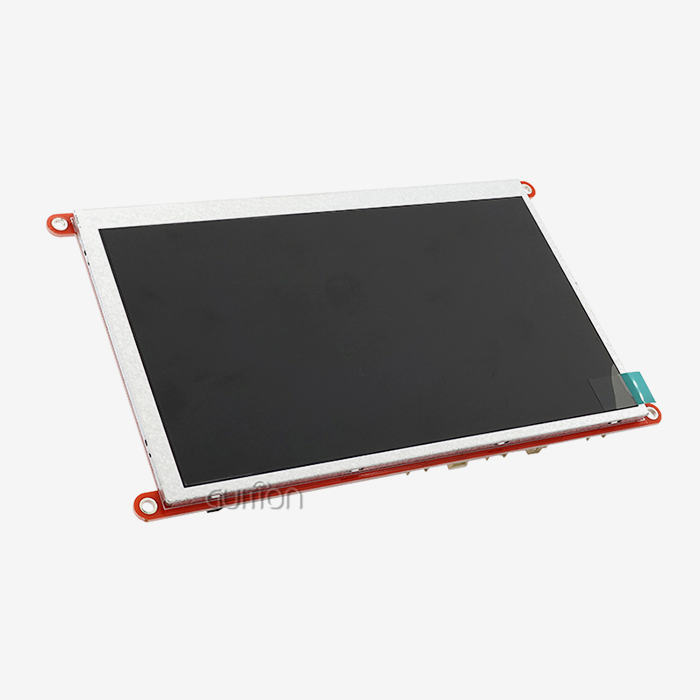
As we move into 2026, big changes are happening in the world of computer technology. Active Matrix TFT technology is now built into modern Colour LCD display module units, along with embedded controllers. This lets embedded engineers get past problems from the past, like difficult integration processes and poor visual performance. These modules offer 65K to 16.7M color depth and work with Arduino, ESP32, and STM32 systems. They do this by combining high-resolution RGB color filtering with intelligent communication methods, mostly SPI, MIPI DSI, and RGB interfaces. Among these improvements are faster time-to-market needs, easier UI development for people who don't know a lot about software, and better durability for use in industrial settings with temperatures ranging from -30°C to +85°C.

Emerging Trends Shaping Colour LCD Display Modules in 2026
In 2026, display technology will have changed a lot. This is because engineers are now focusing on fixing real-world problems that have been bothering product developers in the IoT, medical devices, and industrial automation environments. In the past, traditional display interaction needed a lot of low-level coding knowledge and long debugging processes that pushed back product launches by months. This whole situation changes with the new breed of Colour LCD display module units.
High-Resolution Panels Meeting Sophisticated HMI Demands
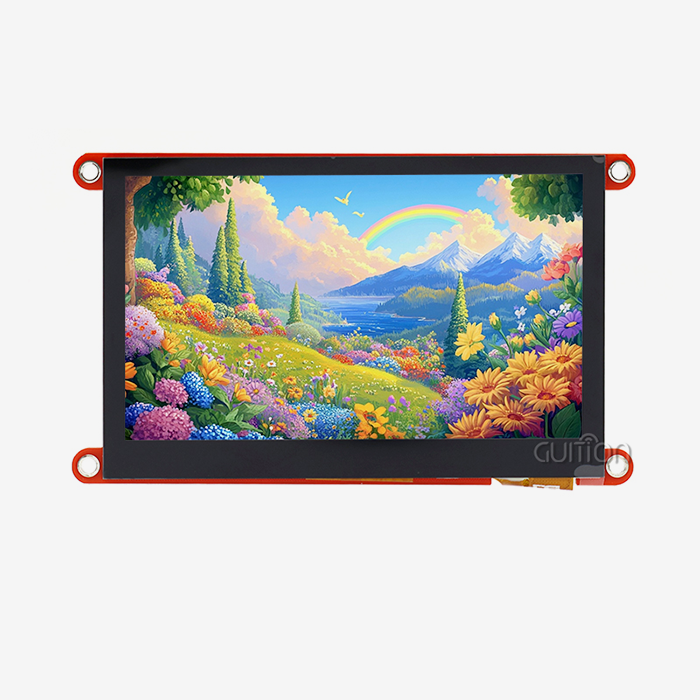
It is now possible to have resolutions much higher than the usual 320x480 ones. Modern TFT Colour LCD display module panels often come in small sizes and offer resolutions of 720x1280 or even 1920x1080. The demand from medical device makers for clear displays of patient data and diagnostic images on handheld devices is growing. This big step forward meets that need. Higher pixel density makes it easier to see complicated process diagrams and real-time sensor data without affecting the size of the screen, which is good for both industrial control panel makers and users. IPS (In-Plane Switching) technology has been used in these high-resolution modules instead of TN (Twisted Nematic) technology, which had viewing angle problems. Engineers working on business kiosks and smart home control interfaces now require IPS-based modules to make sure uniform color accuracy and readability from 178-degree viewing angles. This gets rid of the annoying color inversion problems that made previous generations less enjoyable for users.
Enhanced Brightness for Challenging Environmental Conditions
The brightness of most standard Colour LCD display module units is only 200 to 350 nits, which is too low for use outside or in places with a lot of natural light. In response, the market in 2026 will offer sunlight-readable versions with brightness levels of up to 1500 nits, designed for use in energy management terminals, farm automation systems, and outdoor business displays. Field workers who used to have trouble reading the screen in full sunlight no longer have to worry about that problem thanks to this improvement. Another big step forward in this field is reflective display technology. By having both transmissive and reflective qualities, these specific Colour LCD display module units keep being readable outside in bright conditions while using less power than only backlit options. Integrators of energy management systems like this feature a lot because it makes the batteries last longer in solar-powered tracking stations and remote data collection units.
Flexible Touchscreen Integration Simplifying User Interaction
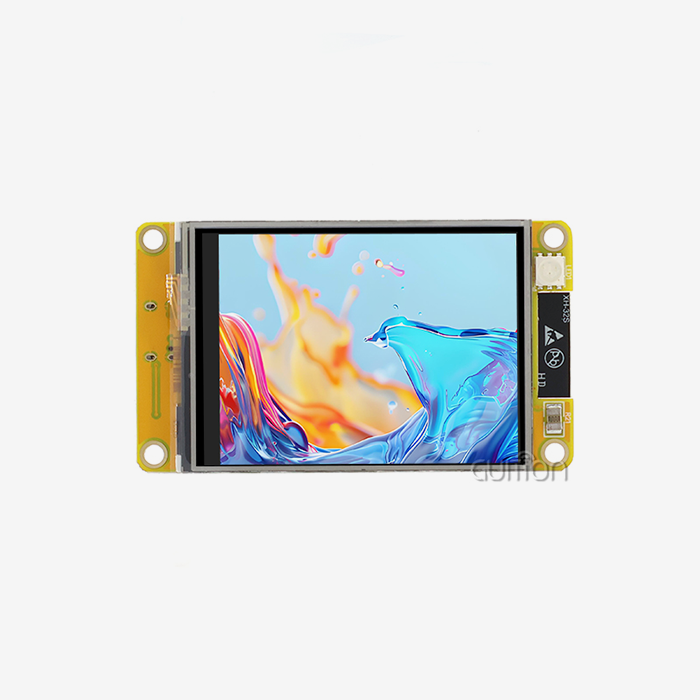
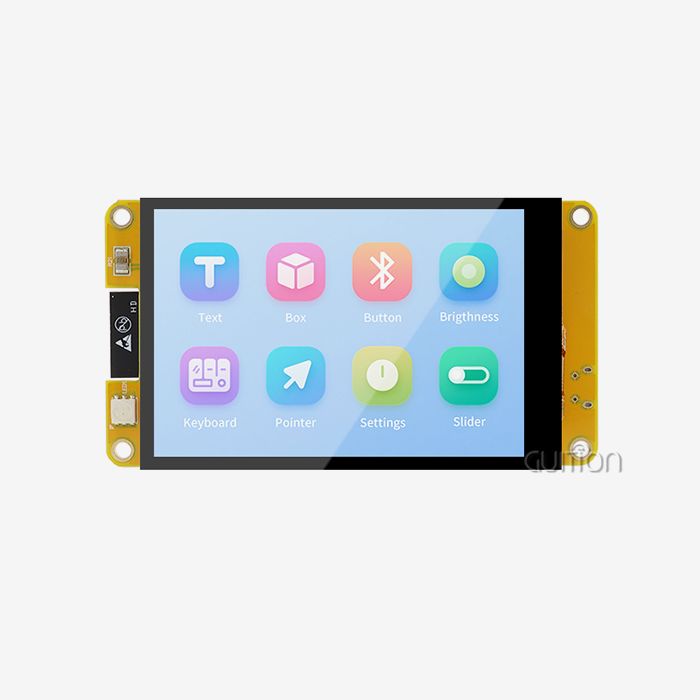
Because capacitive and resistive touch functions are built right into Colour LCD display module units, it's not necessary to find and install separate touch controls. If you use resistive touch choices, like the ones in the Guition JC3248S035R type, you can still reliably detect input even when wearing gloves, which is very important for medical and industrial settings. Capacitive multi-touch versions let you use gestures to control the device and pinch to zoom, which is something that current electronics users are used to. These combined touch options cut down on the number of parts needed, make managing the supply chain easier, and speed up the assembly process. This consolidation is good for system builders who are making smart appliances because it cuts down on possible failure spots and speeds up quality assurance processes. Standardization of the electrical interface around the I2C and SPI standards for touch transmission speeds up the integration process even more.
In-Depth Analysis of Colour LCD Display Module Specifications and Types
When buying managers and research and development teams know the technical differences between display technologies, they can make choices that are best for the application and don't break the bank.
Comparing TFT, IPS, and Hybrid Display Technologies
The technology that most Colour LCD display module units used in embedded systems are based on is TFT screens. Each pixel on these Active Matrix screens is connected to its own transistor, which allows for fast refresh rates and precise voltage control that are needed for smooth animation and video playing. We can say that the standard TFT design works well enough for indoor uses where viewing angles are limited and color accuracy needs are reasonable.
Critical Specifications Impacting Performance and Integration
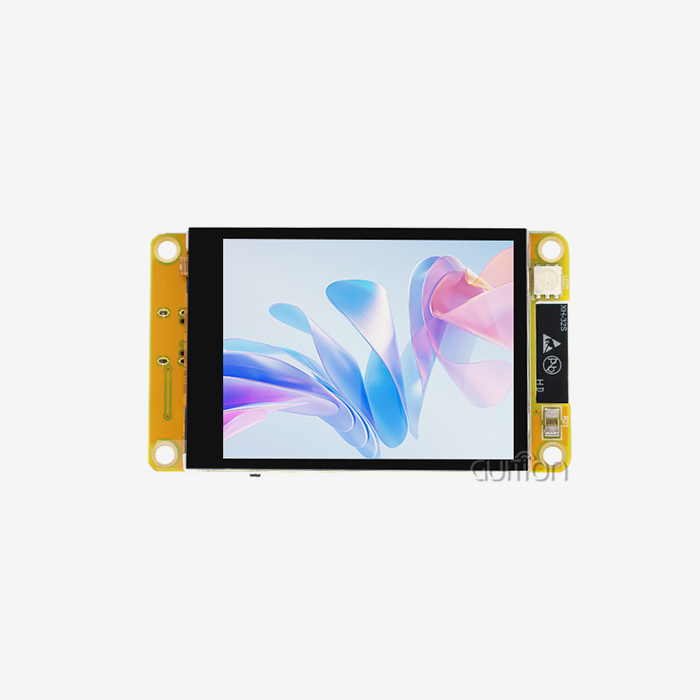
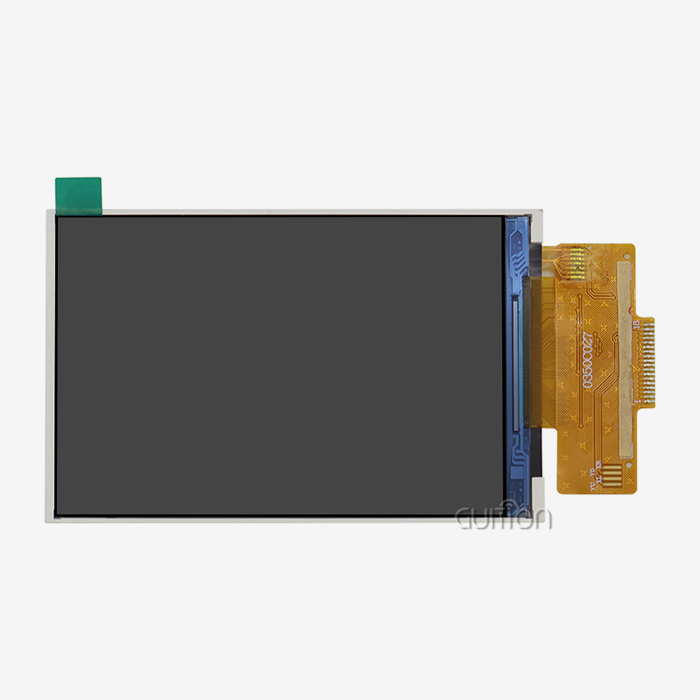
The amount of information that can be shown on a screen is directly related to its resolution and pixel density. A 3.5-inch screen with a resolution of 320x480, like the Guition JC3248S035R, gives you 165 pixels per inch, which is enough to show text, icons, and simple images in industrial control apps. When medical device designers need to see detailed waveforms or lots of data in tables, they usually ask for Colour LCD display module units that are at least 4.3 inches and have a resolution of 800x480 or higher so that the data can be read.
Controller Compatibility and Integration Ecosystem
The choice of driver IC decides how well it works with software tools and development platforms. The ILI9488 controller is found in a lot of 3.5-inch Colour LCD display module units. It has a lot of library support across the Arduino, ESP-IDF, and STM32 environments, which lets you make prototypes quickly with little need for special driver development. The SSD1963 is for larger screens that need extra frame buffer memory, while the ST7789 and ST7735 are more specialized processors that work with smaller display formats.
How to Choose the Best Colour LCD Display Module for Your Project in 2026
To find the best display option, you have to weigh a lot of different factors while keeping the main project needs and long-term growth goals in mind.
Evaluating Industry-Specific Requirements
Durability and dependability are more important than looks in industrial control uses. Colour LCD display module units used in factories have to be able to handle high and low temperatures, vibration, and the odd impact, all while keeping their performance stable over 10 to 15 years of use. Industrial-grade units need to be able to work in temperatures ranging from -30°C to +85°C, have more mechanical mounting choices, and have a conformal coating that keeps moisture and other contaminants out.
Balancing Resolution, Power Efficiency, and Cost Trade-offs
Higher resolution screens make user interfaces more complex, but they cost more, use more power, and need more computer power. 720x1280 output requires a lot more memory space and computing power than 320x480 output. This could mean that more powerful (and more expensive) microcontrollers are needed or that special graphics processors need to be added. R&D managers need to figure out if higher resolution is really needed for the application or if smart UI design can make the same level of usefulness while using less money on the Colour LCD display module.
Supplier Evaluation and Long-Term Partnership Considerations
In addition to technical specs and prices, the quality of technical support, the security of component supply, and how quickly quality problems are fixed are some of the other factors that have a big effect on the success of a project. Guition is a great example of a technology-driven seller because they offer both Colour LCD display module hardware and full development software (the Guition UI development tool) that speeds up interface design and cuts down on the time it takes for customer projects to reach market.
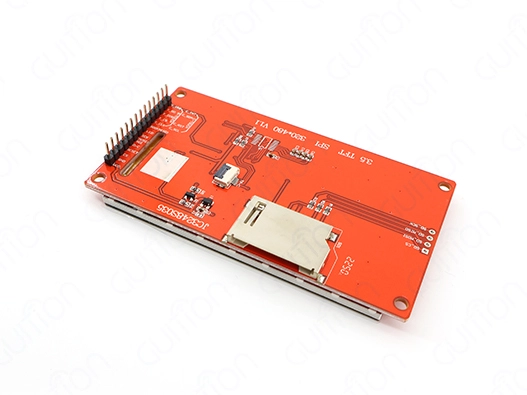
Top 5 Colour LCD Display Module Trends Driving Market Growth in 2026
Changes in the Colour LCD display module market are a reflection of larger changes in how embedded systems are designed, what users expect from user interfaces, and the need to buy technology that is environmentally friendly.
Ultra-High-Resolution Modules for Sophisticated Embedded Systems
Now that there are a lot of cheap microcontrollers with hardware graphics accelerators and special display drivers, displays that were only used for smartphone and tablet apps can be driven by embedded systems. Industrial HMI screens, medical diagnostic equipment, and car instrument sets all use Colour LCD display module units with resolutions of 1024x600 or higher. These modules provide information density that is similar to that of desktop computer monitors. This trend handles the special problem of fitting more and more process data, alarm conditions, and status markers onto a small screen without making them hard to read.
Energy-Saving Designs Aligned with Green Procurement Initiatives
Demand for Colour LCD display module units with power control features is driven by companies' promises to sustainability and concerns about the cost of energy. When used normally, intelligent lighting control circuits that change the level based on sensors in the room use 40 to 60 percent less power. These efficiency gains are especially welcome by companies that make medical devices (like portable patient monitoring equipment) and farming automation (like solar-powered sensors) because they directly increase battery runtime and decrease the number of times they need to be charged.
Enhanced Durability for Challenging Industrial Environments
As automation spreads to harsh settings like chemical processing plants, outdoor farming tools, and mining activities, it needs Colour LCD display module units that are made to work in those conditions. Newer specs usually include an IP65 rating for the front panel, cover glass that is chemically strengthened to resist scratches and impacts, and wider temperature ranges that can be used in both the Arctic and the desert. These ruggedized units directly address worries about reliability that kept displays from being used in harsh industrial settings before.
Touchscreen Integration with Flexible Form Factors
By combining display and touch functions into a single Colour LCD display module, it becomes easier to buy parts, simpler to put together, and more reliable because there are no longer any link connections between different parts. Depending on the needs of the product, both resistive and capacitive touch methods have their own benefits. The Guition JC3248S035R's resistive touch works effectively with gloved hands and stylus input, which is important for medical and industry uses. Capacitive touch gives smart home apps and shop booths the premium feel and support for multiple touch gestures that users expect.
Competitive Pricing with Optimized Supply Chains
As the market matures and production scales get better, the prices of Colour LCD display module units keep going down while their performance gets better at the same time. Three years ago, the 3.5-inch Colour LCD display module group had high prices, but now it's commonplace. This means that graphical user interfaces can be used in places where LED signs or black-and-white character displays were the only option before. This makes display technology more accessible to more people, which speeds up its use in cost-sensitive areas like smart agriculture, consumer gadgets, and building automation.
Troubleshooting and Quality Assurance of Colour LCD Display Modules
Putting in place strong quality control measures and learning structured ways to fix problems cuts down on project delays and field failures that hurt the brand's image and make warranty costs for any Colour LCD display module go up.
Common Technical Challenges and Diagnostic Approaches
Problems with the SPI LCD Display, like flickering, color banding, and ghosting, are usually caused by timing issues between the microprocessor that drives the display and the driver IC in the module. As with most display controls, the ILI9488 driver needs to be carefully set up with the right clock speeds, synchronization signals, and horizontal and vertical timing factors. Checking the SPI clock signals, chip pick timing, and data line integrity with an oscilloscope is the only way to be sure that transmission problems are fixed. Engineers need to make sure that the SPI clock speeds stay within the limits set out in the datasheet and that the signal integrity stays good along the whole cable path from the microprocessor to the display.
Datasheet Interpretation and Parameter Validation
To understand Colour LCD display module datasheets, you need to know about the electrical, mechanical, and visual specs that set limits on performance and make integration possible. Absolute maximum ratings tell you the source voltage ranges, input signal voltage levels, and operating temperature extremes that will cause lasting damage if they are exceeded. Engineers who are responsible keep safe distances below these limits. They usually plan for 80% of the highest ratings to make sure that the product will be reliable over its Colour LCD display module lifetime and any differences in how it was made.
Warranty Policies and Supplier Collaboration
Setting up clear warranty terms and return processes before buying Colour LCD display module units in bulk saves you from losing money because of broken parts or poor performance. Display modules usually come with a guarantee that lasts between 12 and 24 months. Some sellers offer longer warranties for extra money. It's also important to know what the warranty doesn't cover. For example, damage caused by overvoltage, mechanical abuse, or operating outside of certain environmental conditions is usually not covered by the guarantee. This shows how important it is to have strong protective circuit design and the right mechanical packing for the Colour LCD display module.
Conclusion
In 2026, the world of Colour LCD display module units will give embedded system designers tools they've never had before for making advanced user interfaces that meet the strict needs of industrial, medical, and market products. Improvements in resolution, brightness, power efficiency, and built-in touch features directly address the issues that used to make it hard to set up displays and take longer to create. The creation of all-in-one development tools like the Guition UI software platform has made professional-quality interface design even more accessible. These tools allow smaller engineering teams to create appealing user experiences without needing to know a lot about graphics code. By carefully choosing the Colour LCD display module technology, carefully evaluating the capabilities of suppliers, and putting in place strong quality assurance processes, product development teams can take advantage of these technological breakthroughs while effectively managing cost and time limits.
FAQ
What are the benefits of Colour LCD display module screens over black-and-white ones?
Color screens make it easy to understand the state of an application by using color-coded alerts (red for alarms, green for normal operation). This speeds up the time it takes for operators to respond in industrial control settings. Being able to show photographic pictures, detailed graphics, and various data streams at the same time increases the amount of information that can be seen without needing bigger screens. Modern Colour LCD display module units get these benefits while still using less power and being priced similarly to high-end monochrome graphic displays. This makes them the best choice for situations where the quality of the user interface affects how the product stands out and how happy the users are with it.
In what way do I figure out the right light levels for outdoor use?
For outdoor reading, the brightness needs to be at least 800 nits, and 1000 to 1500 nits is best for direct sunlight. Figure out what you need by thinking about the highest amount of natural light (usually 100,000 lux for direct sunlight) and the contrast ratio you want (at least 5:1 for easy reading). By cutting down on surface reflections, anti-reflective coats and optical bonding methods make effective contrast much better. Colour LCD display module applications that work well in slightly shaded areas or with viewing angles set by the user may be able to do with lower brightness requirements, which saves money and power.
What affects the wait time for sales of custom Colour LCD display module units?
Lead times depend on how customized the product is. For example, placing custom connectors on a mechanical part takes 6 to 8 weeks, while customizing software or making changes to the interface can take 10 to 12 weeks. Order amounts affect the importance of a supplier's production schedules, with bigger promises getting faster attention. Unpredictable delays are caused by the supply of Colour LCD display module parts for specialized controllers, touch panels, or cover glass. This shows how important it is to involve suppliers early on in the planning process. Working with well-known sources like Guition, which keep common parts in stock and can do modular manufacturing, cuts down on these delays for fair requests for customization.
Partner with Guition for Advanced Display Solutions
To get around in the world of changing display technology, you need a business partner who cares about your long-term success. Guition offers full Colour LCD display module options in sizes ranging from 1.28" to 21.5". These modules are designed to meet the needs of embedded system makers who need quick integration, flexible customization, and reliable performance. Our USART-hmi display modules, like the JC3248S035R with its fast 4-wire SPI interface and ILI9488 driver, make programming easier by working with a lot of popular systems, like Arduino and ESP-IDF. The proprietary Guition UI development software gets rid of the need for complicated code by using a drag-and-drop interface and supporting both WiFi and Bluetooth. It also has remote update features that lower the cost of service after the sale. Whether you're making a prototype for a new smart home device or increasing the production of industrial control equipment, our engineering team can help you get your Colour LCD display module product to market faster with quick technical support and customization services. You can talk to our applications engineers about your specific needs at david@guition.com, ask for evaluation samples, or learn more about how Guition's technology-driven approach to making Colour LCD display module units gives developers and procurement professionals measurable benefits.
References
1. Chen, Michael & Rodriguez, Elena. "Active Matrix Display Technologies: Engineering Perspectives on TFT and IPS Evolution." Journal of Embedded Systems Design, vol. 18, no. 3, 2025, pp. 112-134.
2. Industrial Display Standards Consortium. "Environmental Qualification Guidelines for HMI Display Modules in Harsh Environments." Technical Publication IDSC-2025-07, 2025.
3. Kumar, Rajesh. "Optimizing SPI Communication Protocols for LCD Controller Integration in Resource-Constrained Microcontrollers." Proceedings of the International Embedded Systems Conference, 2025, pp. 245-259.
4. Morrison, Jennifer & Park, Soon-Yi. "Power Management Strategies for Battery-Operated Display Systems: Comparative Analysis of Backlight Control Techniques." IEEE Transactions on Consumer Electronics, vol. 71, no. 2, 2025, pp. 88-103.
5. Nakamura, Hiroshi et al. "Touchscreen Interface Reliability in Industrial Applications: Long-term Performance Comparison of Resistive and Capacitive Technologies." International Journal of Human-Machine Systems, vol. 33, no. 4, 2025, pp. 421-438.
6. Thompson, David & Liu, Xiaoming. "Supply Chain Resilience and Component Longevity in the 2026 Embedded Display Market." Global Electronics Sourcing Review, vol. 12, no. 1, 2026, pp. 15-29.
Learn about our latest products and discounts through SMS or email