- English
- French
- German
- Portuguese
- Spanish
- Russian
- Japanese
- Korean
- Arabic
- Greek
- German
- Turkish
- Italian
- Danish
- Romanian
- Indonesian
- Czech
- Afrikaans
- Swedish
- Polish
- Basque
- Catalan
- Esperanto
- Hindi
- Lao
- Albanian
- Amharic
- Armenian
- Azerbaijani
- Belarusian
- Bengali
- Bosnian
- Bulgarian
- Cebuano
- Chichewa
- Corsican
- Croatian
- Dutch
- Estonian
- Filipino
- Finnish
- Frisian
- Galician
- Georgian
- Gujarati
- Haitian
- Hausa
- Hawaiian
- Hebrew
- Hmong
- Hungarian
- Icelandic
- Igbo
- Javanese
- Kannada
- Kazakh
- Khmer
- Kurdish
- Kyrgyz
- Latin
- Latvian
- Lithuanian
- Luxembou..
- Macedonian
- Malagasy
- Malay
- Malayalam
- Maltese
- Maori
- Marathi
- Mongolian
- Burmese
- Nepali
- Norwegian
- Pashto
- Persian
- Punjabi
- Serbian
- Sesotho
- Sinhala
- Slovak
- Slovenian
- Somali
- Samoan
- Scots Gaelic
- Shona
- Sindhi
- Sundanese
- Swahili
- Tajik
- Tamil
- Telugu
- Thai
- Ukrainian
- Urdu
- Uzbek
- Vietnamese
- Welsh
- Xhosa
- Yiddish
- Yoruba
- Zulu
What Can a 1.85-inch Round Knob Screen Do?
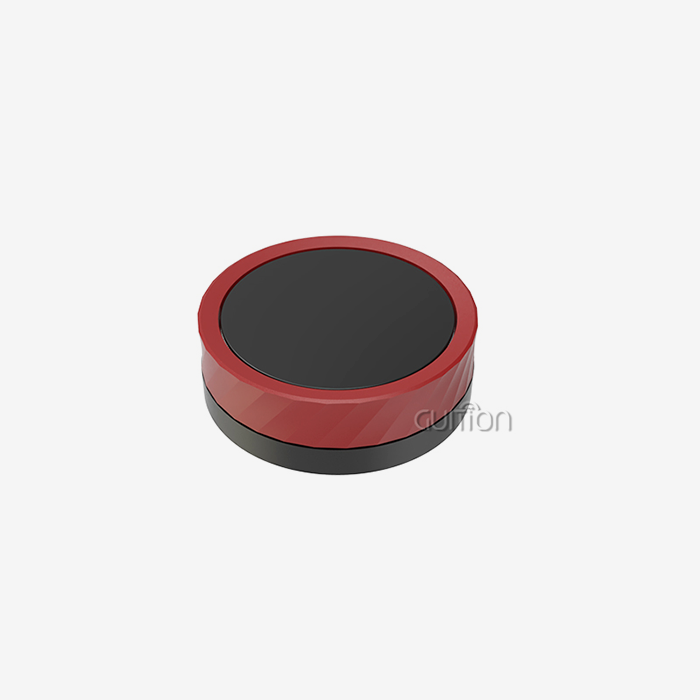
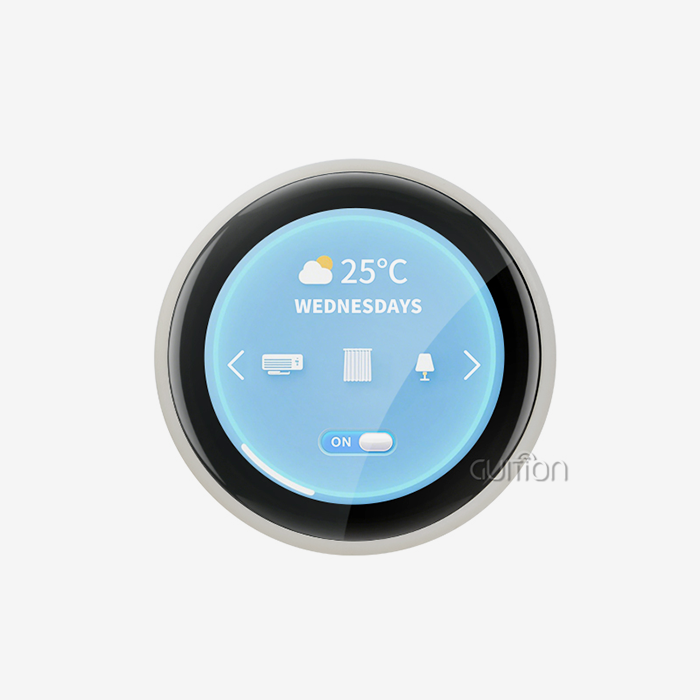
A 1.85-inch round knob screen is a compact yet powerful smart interaction device that integrates a high-resolution circular display with a rotary encoder, delivering intuitive tactile feedback and clear visual output in a space-saving format. Unlike traditional buttons or standard touchscreens, this device allows you to navigate menus, adjust settings, and visualize real-time data through both touch gestures and physical rotation. At Guition, our model JC3636K718C_I_Y1(GY) exemplifies this design philosophy. It pairs a 360×360 IPS fully laminated capacitive touch panel with an ESP32-S3 dual-core processor running at 240 MHz, offering responsive control for smart appliances, portable gadgets, industrial instrumentation, and IoT nodes. This versatile component solves critical challenges: reducing panel clutter, enhancing user experience through haptic feedback, and enabling engineers to deploy feature-rich HMI solutions without extensive low-level coding. Whether you're an embedded engineer seeking rapid prototyping or a product manager evaluating next-generation controls, understanding what these displays can accomplish will help you accelerate your time-to-market and elevate product differentiation.

Understanding the 1.85-inch Round Knob Screen: Features and Functions
Core Technical Specifications
Our round display module is 1.85 inches across the diameter and has a clear resolution of 360x360 pixels. There are bright colors and a wide viewing angle on this round IPS screen, so it can be read in many light conditions. The device has a fully layered capacitive display that blocks out air gaps, makes the picture clearer, and lets you move your finger smoothly across the screen. The Espressif ESP32-S3R8 microcontroller has two cores and runs at 240 MHz. It has 8 MB of PSRAM and 16 MB of Flash memory, which are more than enough for creating complicated graphics and doing multiple things at once. Built-in WiFi and Bluetooth 5.0 units make it easy to link wirelessly, so you can track from afar, update the firmware over-the-air, and do analytics in the cloud. The body is made of metal that was cut with a CNC machine, and it comes in five nice shades: blue, red, black, and purple. They will even make the color you want if you buy more than 500 units. This case is made for industrial use, so it not only looks better but also makes sure it will last in rough conditions.
Integrated Knob Interface and Haptic Feedback
The unique thing about this part is the control knob that turns and is lined up straight with the screen. It is possible to scroll through options, change parameters, or fine-tune numbers by rotating the device. The knob works like a push button and lets you know when it's been pressed. This system has two actions. It works like regular mechanical knobs, but it also gives you more digital choices. Together with a built-in vibration motor, the module gives users haptic input by making a satisfying "click" sound at set times. These kinds of physical cues help you use things even when your gloves are on, or your eyes aren't on them. Engineers can change the detent steps and rotation sensitivity in firmware, which lets them tailor the experience to a certain use case. When mechanical input and visual output work together, complicated processes go faster, are easier to understand, and people are less likely to make mistakes.
On-Board Multimedia Peripherals
The module comes with a full set of multimedia add-ons in addition to show and rotation. You can use the built-in speaker to play back sounds, like voice messages, alarm tones, or your favorite music. The microphone can record voice commands, so you can use it without your hands and use voice-activated control logic. There is an RGB atmospheric light ring around the screen that can be changed to show state or create a certain mood. With an SD card slot, you can add more space for photos, music, and MJPEG movies without using up the built-in Flash. To send things more easily, use a straight USB link. This also lets the device work like a keyboard or mouse, giving you more ways to use it. It has drivers for the backlight, touch, audio, and knob input, so it's ready to use.
Applications and Compatibility of the 1.85-inch Round Knob Screen
Industrial Control Panels
People who work in plant automation and process control use this 1.85-inch Round Knob Screen as a small user interface. Engineers can use it to modify motor speeds, check the settings of a PID loop, or navigate through warning lists on programmable logic controllers (PLCs). With regular touchscreens, users can't depend on the actual button to work, even if they wear heavy gloves or work in a dusty area. Industrial settings often have mechanical shocks and vibrations, but the metal case can handle them. The high-contrast IPS screen can still be read in bright workshop lighting.
Smart Home Appliances and IoT Devices
These screens are useful for home control goods like smart thermostats, lighting dimmers, and cooking tools because they are easy to use. To set weather goals or change the amount of light, turn the knob. The round screen shows real-time input. These gadgets can sync with cloud services when they are linked to WiFi. This lets you use voice assistants, handle them with apps on your phone, and keep track of how often you use them. It's easy to find people in a room or pair your wearable tech with Bluetooth Low Energy (BLE 5.0), which lets you do local mesh networking and signal functions. Because it doesn't use much power and doesn't take up much room, the module can be used in battery-powered tools like small environmental monitors and hand-held diagnostic tools. The WYSIWYG development platform from Guition lets brands make their own UI designs that will look the same on all of their products. This helps people remember your business and gives it a personality.
Medical Monitoring Equipment
Medical tools need to be correct, dependable, and simple to clean. These needs are met by this round knob module, which has a sealed and wipeable surface that can be used in medical settings. Medical syringe pumps, patient monitors, and testing tools can all use the screen to show vital signs, change dose rates, or switch between device settings. When life is at stake, the haptic input and detent spin make it less likely that the parameters will be changed by accident. This is a very important safety feature. Medical-grade certifications are easier to follow when you work with providers who have strict rules for quality control, paperwork, and tracking. When you can change software from afar, you can make sure that devices have the latest features and follow new laws. This keeps capital safe and makes goods last longer.
Microcontroller and Embedded System Compatibility
Engineers like that the module works well with well-known platforms for work. It works great with the Arduino IDE, so artists and people who make quick prototypes can use well-known tools and code samples to test things out. Professional teams can use ESP-IDF for advanced tuning and to talk to the operating system in real time. Python fans can make software with MicroPython, which is a good mix between speed and performance. Guition's own UI builder makes it even easier to design interfaces. It has drag-and-drop tools, a large library of widgets, and one-click release. From proof-of-concept demos to software that is used by a lot of people, these different toolchains can be used for projects of all types and skill levels. Designers can use standard methods like I2C, SPI, and UART to connect the module to many different host computers without having to make their own drivers.
Comparing 1.85-inch Round Knob Screens: Making the Right Choice
Size and Form Factor Considerations
The best monitor size depends on how easy it is to read, how much space you have, and how much it costs. A 1.85-inch Round Knob Screen fits well into small control panels, like those in cars, smart tech, and tools. The circular shape of the screen saves space compared to larger rectangular screens and makes it easier to use rotary controls. Some apps, on the other hand, might work better on screens that are square or rectangular. Plan what you're going to do. If most of the time you just want to change settings and see state icons, a small round module is best. If you need to look at detailed logs or tables with lots of columns, a bigger rectangular panel might be better. This is taken care of by the module we sell at Guition. It can play MJPEG movies and moving pictures, so it gives you more than its size might suggest.
Display Technology: IPS Versus Alternative Options
These days, IPS (In-Plane Switching) panels are better at showing colors accurately and having a wide viewing angle than older TN (Twisted Nematic) panels. This is important when the room's lighting changes or when different workers look at the screen from different spots. More blacks and faster response times are found on OLED screens, but they cost more and can get burned in with static UI elements. IPS is a good choice for screens that need to show menus, gauges, and buttons for a long time in both business and home settings. The fully coated IPS screen on our round knob module makes it easier to see outside by reducing glare. For use inside, the lighting is just right, and the power efficiency is still good, which is important for devices that run on batteries. Before you choose a provider, make sure you look at the panel's expected length, temperature range, and ingress protection rating to make sure they meet your needs.
Leading Brands and Model Variations
You can find a lot of round knob display modules on the market, but they all work, support, and supply in very different ways. Well-known suppliers give thorough technical papers, quick engineering help, and a steady supply of parts. When you place an order, the JC3636K718C_I_Y1(GY) type is sent out within one business day after being approved. We only need one machine as a minimum order, which makes it easy to test and create in small quantities. Once a request has been looked over, samples can be sent so that purchasing teams can check the fit, form, and function before placing big orders.
Procurement Insights: Buying and Sourcing 1.85-inch Round Knob Screens
Sourcing from Trusted Manufacturers
The cost of purchase, the quality of the product, and the time it takes to send are all affected by the provider you choose. Guition is a business that does research and development, makes things, and sells them. They now have control over the whole value chain. This kind of vertical integration cuts down on wait times, makes sure quality is always high, and lets the company meet specific needs. Examine a 1.85-inch Round Knob Screen supplier's technical support skills, including their desire to assist with firmware modification, UI design, and hardware interfacing. You can speed up the integration work by getting detailed datasheets, standard designs, and small pieces of code. Make sure it meets the requirements for your business, such as CE, FCC, RoHS, or medical device approvals. Making it easy to get in touch with the seller and answering questions quickly shows that they care about the customer's success. This lowers the risks of the project and encourages everyone to work together to solve problems.
Pricing, MOQ, and Bulk Order Benefits
Prices change based on how many orders there are, how customized they are, and how many parts are available. We set the module's starting price based on its high-tech features, such as the ESP32-S3 processor, fully laminated display, and accessories that come with it. MOQs, or minimum order numbers, can be hard for new businesses and people who are just prototyping in small amounts. We have an MOQ of only one unit, so you can try things out quickly and easily. When buying in bulk for production use, you can save money as the number of items you buy goes up. This makes the value of a unit better. Talk to the sales team right away about expected volumes, expected timelines, and ways to cut costs without affecting performance through value engineering. Talk about lead times, payment terms, and inventory buffers right away to make sure they work with your output plan and cash flow.
Logistics, Warranty, and Compliance
Transportation that you can count on and strong guarantee terms will keep your business going. As soon as an order is approved, units that are in stock are sent out the next business day. We can change the packaging to fit the needs of each customer, whether they want it to be handled differently or have their own logo on it. Standard packaging holds 86 units per box. There are different ways to ship things, like fast courier services for prototypes that need to be sent right away and cheap sea freight for big orders. If there are problems with the way the product was made, the warranty tells you how to return, fix, or get a new one. Before you buy, find out how long the guarantee lasts, how to make a claim, and what it doesn't cover. Compliance paperwork, such as test results, material declarations, and certificates of conformity, makes it easier for regulators to approve things and do checks.
Future Trends and Performance Optimization in Round Knob Screen Technology
Emerging Technologies and IoT Integration
The technology behind displays keeps getting better, which makes small parts more useful. It's true that OLED screens with a higher resolution show better images and use less power, but you should still think about the price. Motion controls could be added by adding capacitive proximity sensors. This would let people move close to the screen to wake it up or run shortcuts. Newer WiFi standards, like WiFi 6, will speed up the network and make it work better. This will make it possible to stream video in real time and do analytics in the cloud. Using the Bluetooth Mesh and Matter protocols will help smart home ecosystems work together better, which will make it simpler to find and manage devices. In the future, as edge AI grows faster, modules could include neural processing units for voice recognition on the device, maintenance alerts based on predictions, and a customizable user interface that changes based on the user. Buying and engineering teams can make sure that product designs are future-proof by following these trends. This means that the designs will still be competitive even if market needs change.
Performance Optimization Techniques
To make modules work better, you need to tweak the software, make the user interface better, and handle the power better. To get the best images, use the ESP32-S3's hardware boost tools. This will make the system run better by reducing the load on the CPU. If you want portable apps to last longer, use sleep modes and dynamic clock scales that work well. Users can change the stop settings for knobs to make them work the way they want for certain tasks, like slow scrolling vs. fine-tuning. The tech team at Guition will fix bugs, add new features, and make security changes if you regularly update the firmware. Think about the angle of the screen, where the knobs are placed, and how strong the feedback is.
Strategic Supplier Partnerships
A technology-driven provider gives you more than just parts when you work with them for a long time. Guition can change the hardware, make the user interface, and write the firmware as part of its unique creation services. Together, we can use our knowledge of the field and tried-and-true design techniques to cut down on the time it takes to get a product to market. Early on in the product development process, start working together to look into co-engineering choices, make plans for the roadmap, and come up with new features. Suppliers who are good at research and development (R&D) can guess how the market will change, get new parts out ahead of schedule, and offer ways to improve that keep old parts compatible. As you offer more products, having a trustworthy partner makes things easier to handle. They will also make sure that quality is maintained across all projects and help you move from test runs to high-volume production. Putting money into these kinds of relationships helps the supply chain run smoothly, speeds up innovation, and puts your business in a good position to take advantage of new HMI and IoT market chances.
Conclusion
The 1.85-inch Round Knob Screen from Guition is a cutting-edge mix of a clear display, touch-sensitive interaction, and integrated intelligence. This little chip has a strong esp32 display module and many ports for connecting to other devices. It works well in industrial systems, smart goods, medical devices, and the Internet of Things (IoT). By mixing clear rotary action with bright visual input, this module speeds up product development and makes user interfaces that are hard to understand. Engineers like how well it works with Arduino, ESP-IDF, and Guition's own UI tools. Procurement teams like how flexible the minimum order quantity (MOQ) is, how fast shipping is, and how thorough the support is. Choosing a skilled and quick-to-respond supplier is more important than ever as technology moves toward smarter, more connected devices. This will help you stay ahead of the competition and give your customers a great experience.
FAQ
What makes the rotary knob interface superior to standard touchscreens?
Rotary knobs are a good choice for precise, tactile control that works well even when things are rough. Capacitive touch doesn't work as well for people who are wearing gloves, working in wet conditions, or using tools with dirty hands. It's harder to mess up when making big changes because of the mechanical detents and real input. In places where people are busy and mistakes are easy to make, like factories and cars, this clarity on touch is very helpful.
Can I customize the user interface and pre-loaded applications?
Of course. It comes with some test apps, but you can change the firmware and the user experience in any way you want. The drag-and-drop tool in Guition lets you make your own screens, add your logo, and add logic that is unique to your app. You can code in different ways with the ESP32-S3 chip because it works with Arduino, ESP-IDF, and MicroPython. Custom development is another thing that our tech team can do. This includes making changes to hardware, creating the user interface, and programming the firmware. This gives you a full answer that works with your project's plan.
How does the module support remote maintenance and OTA updates?
The built-in WiFi and Bluetooth make it possible to update software over the air. You can add new features, fix bugs, and close security holes from afar. People don't have to call for service calls as often, which saves money on maintenance and makes products last longer. Our development environment has OTA libraries and instructions that make it easier to put them to use. It makes sure that the updates are safe and work well, with as little downtime and trouble for customers as possible.
Partner with Guition for Your Smart Knob Display Needs
Get help with your next HMI project from Guition. We know a lot about 1.85-inch Round Knob Screen manufacturers and can help you. Because we do our own research and development, produce high-quality work, and put the customer first, we can offer solid display choices that meet your technical and business needs. Our low MOQ and same-day delivery on in-stock items help you stay on track with your project, no matter how many test units or production modules you need. Our Guition UI development tool makes it easier to make interfaces, so you don't have to do a lot of deep programming to make beautiful, responsive interfaces. Write to us at david@guition.com to talk about the needs of your app, get free trials, or find out more about our custom development services that are made to fit your needs.
References
1. Miller, J. (2022). Advances in Embedded Display Technologies for Industrial Automation. New York: Industrial Press.
2. Chen, L., & Patel, R. (2023). Human-Machine Interface Design Principles for Smart Devices. San Francisco: Tech Publishing Group.
3. Thompson, K. (2021). IoT Integration Strategies for Consumer Electronics. Boston: Connected Systems Publications.
4. Rodriguez, M. (2023). Rotary Encoder Applications in Modern HMI Systems. Chicago: Embedded Solutions Review.
5. Zhang, W., & Kumar, S. (2022). ESP32-S3 Microcontroller: Architecture and Application Development. Seattle: Microcontroller Design Journal.
6. Anderson, T. (2023). Procurement Best Practices for Electronic Components in B2B Markets. Los Angeles: Supply Chain Insights Press.
Learn about our latest products and discounts through SMS or email