- English
- French
- German
- Portuguese
- Spanish
- Russian
- Japanese
- Korean
- Arabic
- Greek
- German
- Turkish
- Italian
- Danish
- Romanian
- Indonesian
- Czech
- Afrikaans
- Swedish
- Polish
- Basque
- Catalan
- Esperanto
- Hindi
- Lao
- Albanian
- Amharic
- Armenian
- Azerbaijani
- Belarusian
- Bengali
- Bosnian
- Bulgarian
- Cebuano
- Chichewa
- Corsican
- Croatian
- Dutch
- Estonian
- Filipino
- Finnish
- Frisian
- Galician
- Georgian
- Gujarati
- Haitian
- Hausa
- Hawaiian
- Hebrew
- Hmong
- Hungarian
- Icelandic
- Igbo
- Javanese
- Kannada
- Kazakh
- Khmer
- Kurdish
- Kyrgyz
- Latin
- Latvian
- Lithuanian
- Luxembou..
- Macedonian
- Malagasy
- Malay
- Malayalam
- Maltese
- Maori
- Marathi
- Mongolian
- Burmese
- Nepali
- Norwegian
- Pashto
- Persian
- Punjabi
- Serbian
- Sesotho
- Sinhala
- Slovak
- Slovenian
- Somali
- Samoan
- Scots Gaelic
- Shona
- Sindhi
- Sundanese
- Swahili
- Tajik
- Tamil
- Telugu
- Thai
- Ukrainian
- Urdu
- Uzbek
- Vietnamese
- Welsh
- Xhosa
- Yiddish
- Yoruba
- Zulu
What Are the Benefits of Colour LCD Display Modules?
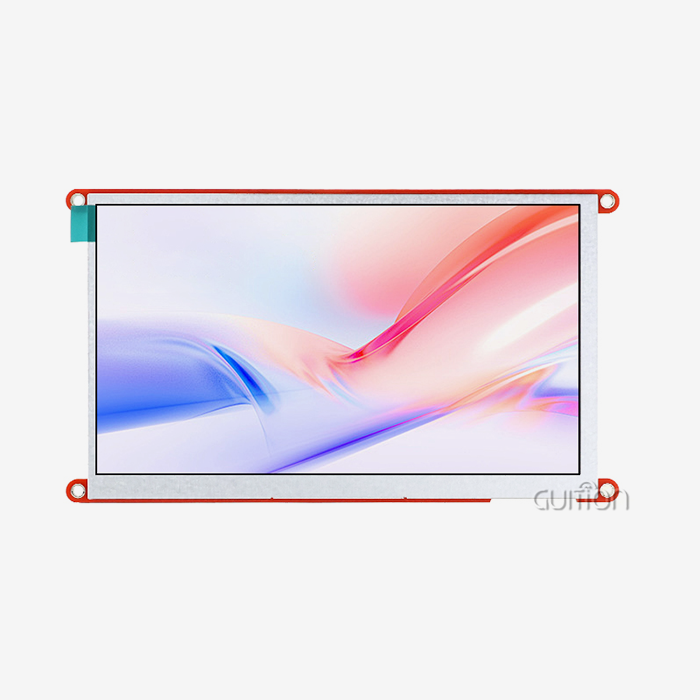
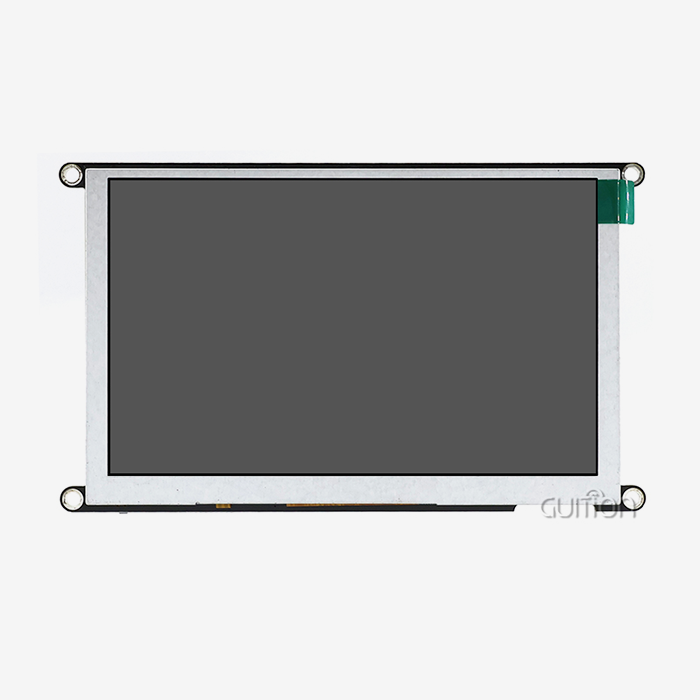
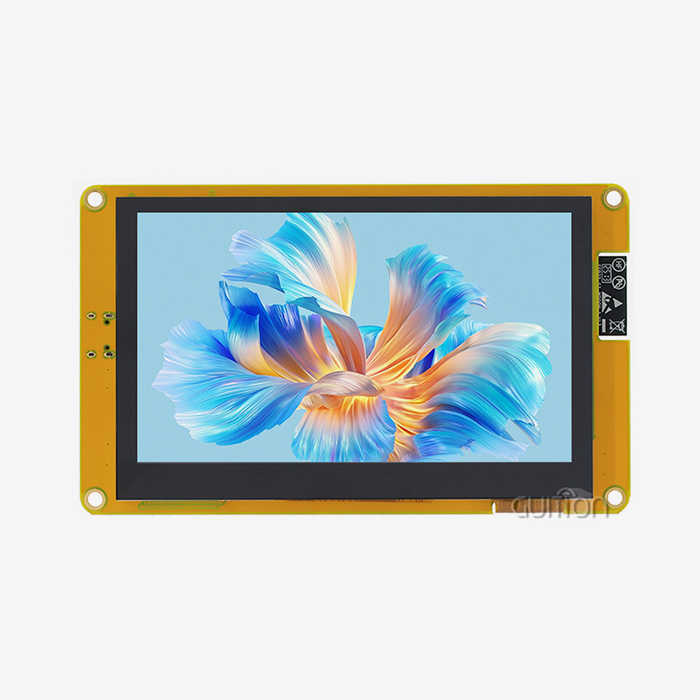
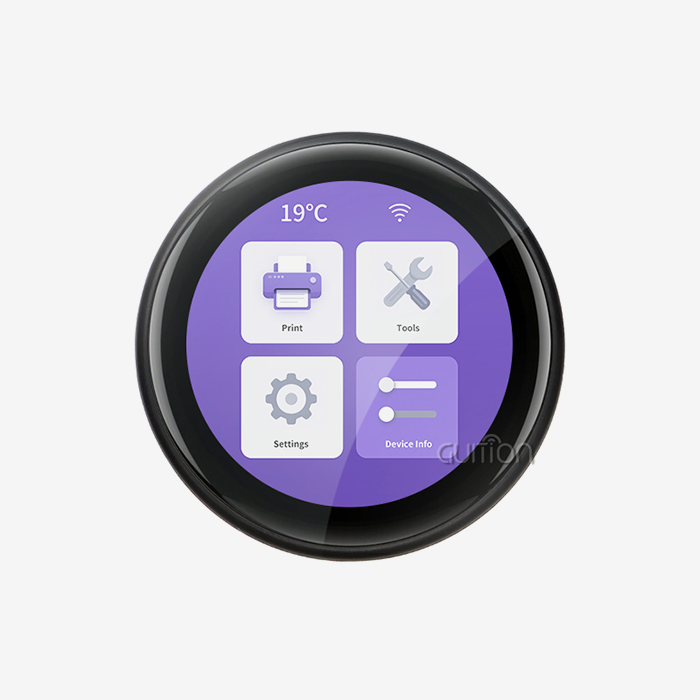
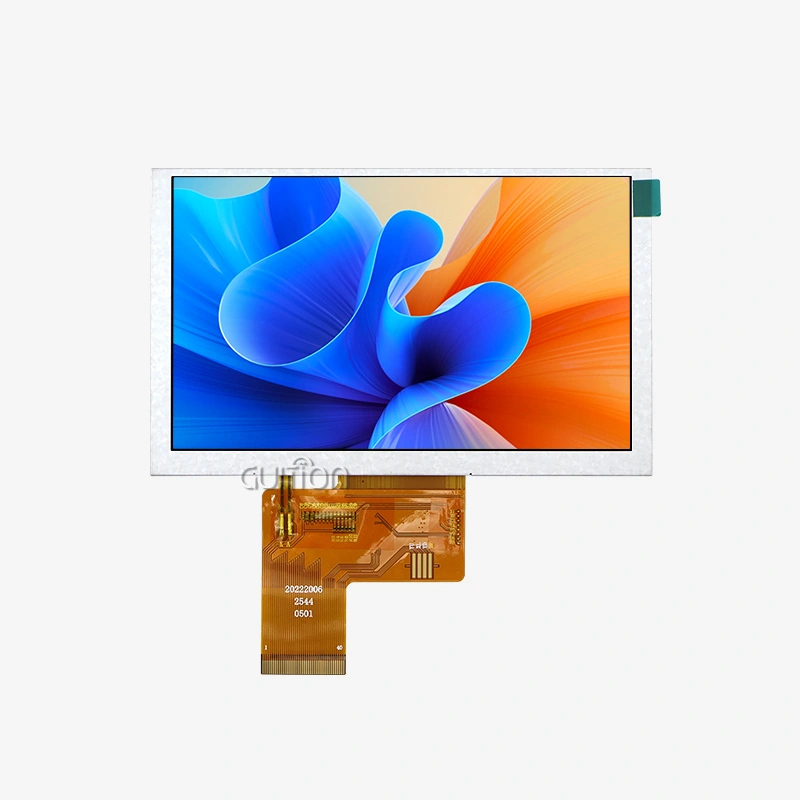
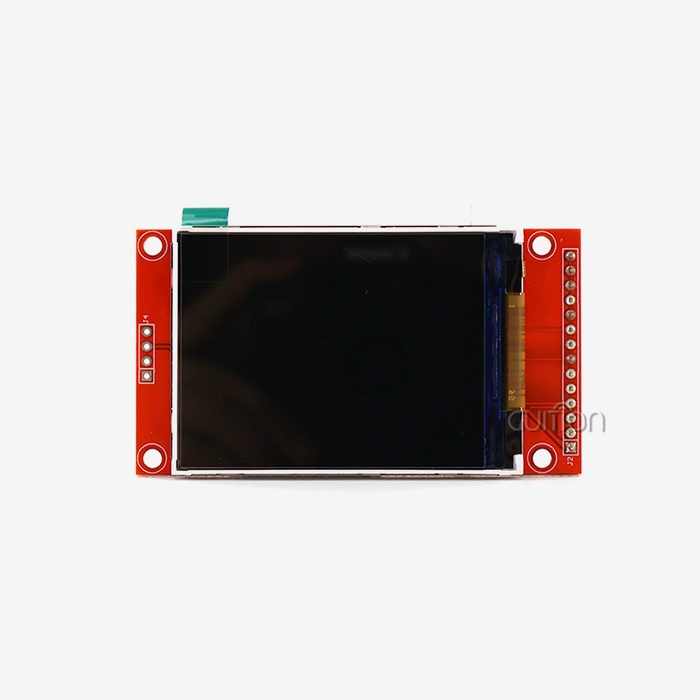
Colour LCD display modules have huge benefits for companies that make industrial tools, embedded systems, and human-machine interfaces (HMIs) that want to get their products to market faster without sacrificing quality. It's always hard to find the right balance between technical performance and development difficulty. These modules solve that problem by combining vivid colour representation with easy integration. Advanced colour LCD display modules use Active Matrix TFT technology and standard driver ICs to make it possible for engineers to create complex human-machine interfaces with a lot less low-level code. They are essential for medical monitoring equipment to smart home control panels because they work with popular development environments and support multiple communication protocols. Reliable visual feedback has a direct effect on both user experience and operational safety.
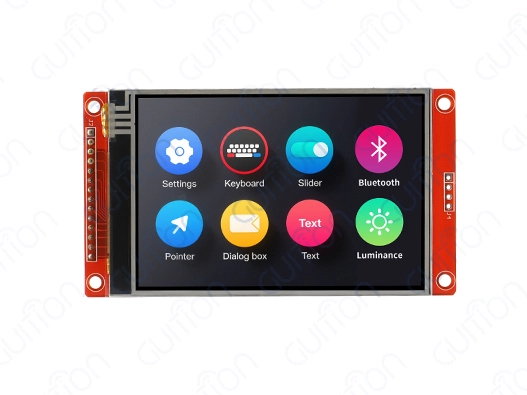
Understanding Colour LCD Display Modules
Colour LCD display modules are an important example of how optical engineering and embedded system design can work together. At their heart, these units use thin-film transistor technology, which gives each pixel its own voltage control. This lets them show colours accurately across the whole RGB range.
Technical Architecture and Working Principles
A colour LCD display module depends on three built-in parts that work together to do its job. The TFT backplane has millions of tiny transistors, and each one controls the direction of a single pixel's liquid crystal. When electricity is applied, these crystals move to let polarized light from the LED backlight unit behind the panel pass through or stop it. The white lighting is then split into the full colour spectrum by colour filters set up in RGB triads. This makes pictures with anywhere from 65,536 colours in 16-bit settings to 16.7 million colours in 24-bit settings. This architecture explains why colour LCD display modules have better colour consistency than passive display technologies. This is especially important for industrial uses that need to show correct state information or data.
Key Specifications That Define Performance
Resolution and pixel density tell you how much data your interface can show in a certain amount of space. A 3.5-inch colour LCD display module with 320x480 resolution, like the GUITION JC3248S035R, gives you about 165 pixels per inch, which is enough to read text and see icons clearly at normal viewing range in industrial control screens or handheld devices. The colour depth tells you how many shading levels are possible for each RGB channel. The 16-bit colour support lets you use 65,536 colours at the same time, which is more than enough for most commercial HMI uses where function is more important than picture colour accuracy. Specifications for viewing angles are very important in situations with more than one user. IPS (In-Plane Switching) technology allows viewing from 178 degrees with little colour shift, while TN (Twisted Nematic) panels may show colour inversion when viewed at steep angles. This is an important thing to keep in mind when multiple techs need to see the state of the control panel at the same time.
Display Technology Variations
In the group of colour LCD modules, different panel technologies are used for different kinds of tasks. TFT panels are common in household gadgets and mid-range industrial tools because they are a good mix between price and performance. IPS versions offer better viewing angles and colour reproduction, which is why they cost more in medical imaging devices, where accurate diagnosis depends on colours appearing the same from any viewing angle. Transflective colour LCD display modules have both reflective and transmissive qualities.
Core Benefits of Colour LCD Display Modules in Industrial and Embedded Systems
Integrating colour LCD display modules has strategic benefits beyond just providing visual output. It changes the way operators deal with complicated systems and solves many problems that embedded engineers face during product development processes.
Superior Visual Communication
Colour difference makes state communication obvious, which isn't possible with black-and-white displays. A colour LCD display module can show temperature readings in blue, pressure readings in green, and alert conditions in red in energy management systems that are tracking multiple factors at the same time. This lets workers quickly figure out what is going on with the system without having to read labels. This visual order makes it easier to make important decisions when you need to. This is especially helpful in industrial control panels where reaction time directly affects process safety. Modern colour LCD display modules have high contrast ratios that make them easy to read in a variety of lighting situations. Quality modules keep contrast ratios of 500:1 or higher, so they can be read even in equipment cabinets with low lighting or on factory floors with lots of light. When there are multiple operators, viewing angle performance is very important. Wide-angle colour LCD display modules make it possible for repair teams to check on the state of equipment without having to move around to be directly in front of panels. This makes joint troubleshooting sessions more productive.
Accelerated Development Timelines
Integration ease is a huge benefit for tech teams that have to work on projects with short deadlines. The GUITION JC3248S035R shows this benefit with its 4-wire SPI communication interface, which only needs power and wires for MOSI, MISO, SCK, and CS. This means that it uses very little GPIO, leaving more microcontroller resources for controlling sensors and writing code. Parallel RGB connections, on the other hand, need 20 or more data lines, which makes PCB layout harder and raises the cost of assembly. Standardizing driver ICs speeds up development even more. The ILI9488 controller in GUITION's colour LCD display module stays compatible at the register level with well-known command sets. This means that engineers can use pre-existing code packages instead of making low-level drivers from scratch. Cross-platform flexibility makes these benefits available across a wide range of working environments. Whether your team likes Arduino's easy-to-use framework, ESP-IDF's performance-focused approach, or Guition's specialized HMI development environment, colour LCD display modules don't force software changes in the middle of a project; they adapt to existing processes.
Versatility Across Application Domains
A single colour LCD display module design can be used for a wide range of tasks thanks to its deployment freedom. When making medical devices, the same 3.5-inch display module that shows vital signs on patient monitors can be used for infusion pump interfaces with different user interface styles, but the same hardware specs. This makes inventory simpler and lowers the cost of managing suppliers. Specifications for temperature tolerance allow the function in harsh conditions. Industrial-grade colour LCD display modules work regularly from -20°C to +70°C, so they can be used in climate-controlled buildings as well as outside in farm automation, where the weather changes with the seasons. There are both resistive and capacitive touchscreen interface choices that let users interact in ways that fit the needs of the application. Capacitive touch allows for motion recognition in smart home devices that people use, while resistive touch doesn't work with gloved hands or styluses, which are popular in manufacturing settings.
Enhanced System Scalability
Modular display designs make it possible to add more products to a line without having to rethink the core electronics. Manufacturers making a family of industrial control products can use the same colour LCD display module interfaces for everything from 1.28-inch status indicators to 21.5-inch operator workstations. This way, the firmware architecture stays the same, and the visual space can be adjusted to fit the complexity of the equipment. The adaptability of communication protocols helps meet the needs of future connections. Colour LCD display modules with WiFi and Bluetooth features allow for remote tracking and over-the-air (OTA) firmware changes, which extend the useful life of a product without the need for field service trips. This connectivity turns devices that aren't connected to the internet into nodes in bigger Industrial IoT ecosystems.
Comparing Colour LCD Modules with Alternative Display Technologies
To make smart purchasing decisions, you need to know the technical tradeoffs between colour LCD display modules and other technologies that are available. These tradeoffs affect the total cost of ownership and the suitability of the technology for a given application.
Colour LCD Versus OLED Technology
OLED screens make light at every pixel without needing a lighting layer. This means they can show true blacks, which results in contrast ratios higher than 100,000:1. This design leads to thinner form factors and faster reaction times below 1 millisecond, which are benefits that are appealing in consumer electronics that value style differences. However, colour LCD display modules still have clear advantages in business settings. Peak brightness is very important for locations that are outside or where there is a lot of natural light. With a strong backlight drive, good colour LCD display modules can reach 800 to 1,000 nits of brightness. On the other hand, OLED panels usually only reach 400 to 600 nits of brightness before manufacturers have to limit their specs because of worries about how quickly they will age. This brightness advantage is very useful in cabins for farm tools that are directly exposed to sunshine or in business stations that are placed near storefront windows. Colour LCD display modules tend to last longer when they are used continuously. OLED organic materials break down in a predictable way over time.
Panel Technology Selection Within LCD Category
TN (Twisted Nematic) screens have the quickest reaction times, usually between 5 and 8 milliseconds. This makes them good for showing data streams that change quickly and need to keep motion blur to a minimum. Their manufacturing maturity gives them cost benefits in consumer uses where price is important. However, they can only be seen from about 90 degrees horizontally, and the colours change when viewed off-axis, which makes them less useful in multi-operator workplace settings. IPS (In-Plane Switching) colour LCD display modules don't have any viewing angle restrictions because they use a different way to arrange the liquid crystals to keep the colours accurate across 178-degree viewing cones. This technology works well with medical imaging workstations, where doctors can look at diagnostic data from different places, or joint design terminals, where several engineers can look at drawings at the same time.
Touchscreen Integration Considerations
Resistive touch overlays sense pressure through mechanical deflection and work consistently even when gloves are worn, a pen is used, or the surface is dirty. This is especially helpful in places where people wear safety gear while working with food processing equipment or chemicals. Resistive touch colour LCD display modules are great for harsh industrial situations because they have been shown to last in a wide range of temperatures and are resistant to water (IP65+ ratings are possible). Capacitive touch systems pick up on changes in the electrical field caused by conductive items. This lets them recognize multiple touches and give a better tactile reaction. These features are in line with what people want in smart home control interfaces and business point-of-sale machines, where the user experience is similar to how people use smartphones.
Procurement Considerations for Colour LCD Display Modules
When you strategically source colour LCD display modules, you need to look at more than just unit price. You also need to look at the supplier's skills, technical specs, and lifecycle support infrastructure.
Supplier Evaluation Criteria
The level of technical help often has a bigger impact on the success of a project than the cost savings on individual parts. Check the documentation of potential colour LCD display module suppliers to see how complete it is. Full datasheets that describe the electrical properties, detailed mechanical drawings with tolerance callouts, and timing diagrams for communication interfaces all help with faster integration and fewer engineering iteration cycles. This method is shown in GUITION, which gives full details about the JC3248S035R, such as pinout diagrams, SPI time settings, and command docs for the ILI9488 driver IC at the register level. For teams with tight deadlines, the growth of the development environment is very important. GUI creation tools like Guition change the way displays are integrated from low-level register programming to building interfaces with drag and drop. This separation lets embedded engineers focus on application logic instead of optimizing drawing at the pixel level. Depending on the complexity of the user interface, this cuts development times by weeks or months.
Customization and Integration Flexibility
While standard colour LCD display modules work well for many uses, custom solutions are often needed for unique situations. Check to see if the supplier is willing to make changes, like extending the temperature range for outdoor use, setting the brightness of the backlight to match the environment, or making mechanical changes so that mounting features are built into the display assemblies instead of needing separate brackets. System complexity and bill-of-materials prices go down when interfaces are flexible. Colour LCD display modules that support multiple communication protocols—SPI, I2C, and parallel MCU interfaces—through configuration rather than hardware types make inventory management easier when creating product groups with different microcontroller choices.
Cost Optimization Strategies
The unit price changes a lot depending on the specifications that are combined. The main factors that affect the price are the screen size, quality, and touch features. A 3.5-inch colour LCD display module like the GUITION JC3248S035R with 320x480 resolution and possible SPI LCD Display sensitive touch is usually priced in the middle, which is a good balance between features and the limited budgets that come with making industrial equipment. When you agree to a volume, you can access price levels that make the economics of the project much better. Many colour LCD display module providers give discounts of 10–20% on orders of 1,000 units or more, and even more discounts on orders of 5,000 units or more. These levels of discounts are easy for well-known brands to reach, but they could be hard for new businesses or specialized equipment that can only make a few units at a time. When figuring out the total cost of ownership, you should include gains in development speed.
Troubleshooting and Maintaining Colour LCD Display Modules
Preventative maintenance plans and organized troubleshooting methods make colour LCD display modules last longer and reduce unplanned downtime in production settings.
Common Issues and Diagnostic Approaches
Flickering on a screen is usually caused by a power source that isn't regulated well enough or ground loop interference. Check that the voltage rails that power the colour LCD display module stay within the required range when the module is under load. The GUITION JC3248S035R needs stable 3.3V or 5V, based on the setup, with ripple below 100mV peak-to-peak. Instead of measuring the voltage at the regulator output, check the voltage at the module's power pins. This is because resistive losses in connections or PCB traces can cause a voltage drop big enough to make the module unstable. Another common failure mode is caused by ground resistance. Make sure that the driving microcontroller and the colour LCD display module share a shared, low-impedance ground reference. Shorten the lengths of the return paths to cut down on noise from swapping power sources or motor drives in industrial equipment.
Preventive Maintenance Best Practices
Protecting the environment makes colour LCD display modules last a lot longer. Applying conformal coating to PCB areas that are visible stops moisture from getting in during high-humidity outdoor or farming installations. In manufacturing settings, sealed enclosures with the right IP ratings keep out particulate contamination. Temperature control through proper airflow or active cooling stops backlight degradation from speeding up in places where the temperature is high. Monitoring operational parameters makes it possible to plan repairs ahead of time. Tracking the lighting current draw over time shows how LEDs age—gradual increases show that the LEDs are getting close to the end of their useful life, which lets them be replaced during planned repair windows instead of failing during production runs.
Conclusion
Colour LCD modules are a great way for embedded system designers, industrial equipment makers, and HMI developers to solve important development problems because they offer great visual performance, are easy to integrate, and can be used in a variety of ways. The benefits go beyond just visual output. They include shorter development times thanks to standardized interfaces and development tools, the ability to work in a variety of harsh environments, and the ability to perform upkeep remotely throughout the product's lifetime. When you do strategic buying, you have to compare technical specs to application needs and check the quality of the supplier's documentation, their ability to make changes, and their long-term support infrastructure. Solutions like the GUITION JC3248S035R show how current colour LCD modules balance performance requirements with realistic integration issues. This lets engineering teams focus on making applications stand out instead of developing low-level display drivers.
FAQ
How do I select the appropriate colour LCD display module for my embedded system project?
Match the actual size and clarity to the amount of information your interface needs to hold. To make sure it's easy to read, figure out the number of characters and the size of each icon at normal viewing distances. Check the communication interface choices against the microcontroller's GPIO resources. For example, the GUITION JC3248S035R uses fewer pins than parallel RGB interfaces for SPI versions. Think about the external conditions, like the working temperature range and the chance of being exposed to moisture or vibration, which will determine the enclosure needs. Figure out what kind of touch technology you need based on how the user will be interacting with it. For example, you might need resistive touch for glove use or capacitive touch for consumer-grade motion recognition.
What are the power consumption differences between colour LCD display modules and OLED alternatives?
Colour LCD module power usage is largely decided by the backlight drive current, which for 3.5-inch displays usually ranges from 100mA to 400mA based on brightness settings. OLED power use changes a lot depending on what is being shown—white screens may use more power than LCD screens, while interfaces that are mostly black use a lot less power. For reliable power planning, applications showing static information or mostly light backgrounds should use colour LCD modules. On the other hand, battery-powered devices with dark-themed interfaces may benefit from OLED's content-dependent efficiency features.
Can colour LCD display modules be customized for specific industrial applications?
Reliable makers give you a lot of ways to customize their products, such as parts that can work in a wider temperature range for outdoor use, changed mechanical measurements that include mounting features, different levels of backlight brightness, and different interface protocol variations. Customizing software with tools like Guition lets you make your own UI designs without having to change the hardware. During the quotation process, talk to sellers about your unique needs to find out what the minimum order numbers are and how long the lead times will be for custom configurations versus standard catalogue goods.
Partner with GUITION for Your Display Solution Needs
GUITION can speed up the development of your product by providing high-performance colour LCD display modules that are designed to be reliable in industrial settings and easy to integrate. Our JC3248S035R model shows how we try to balance scientific ability with usability by offering a small 3.5-inch screen with 320x480 resolution, 65K colour depth, and easy 4-wire SPI connection. As a maker of colour LCD modules, we offer full development support through our own Guition software, which lets you build a user interface (UI) with just a few clicks instead of weeks of low-level code. Our product line includes sizes from 1.28" to 21.5" and works with Arduino, ESP-IDF, and custom development environments. It also has WiFi and Bluetooth connections, the ability to update over-the-air (OTA), and support for multiple languages, which is necessary for global operation. Get in touch with our engineering team at david@guition.com to talk about how our colour LCD module solutions can meet your unique HMI needs with flexible customization options, low prices, and reliable supply chain support.
References
1. Chen, W., Zhang, L., & Kumar, S. (2021). Active Matrix Display Technologies: Principles and Applications in Industrial Human-Machine Interfaces. Journal of Display Technology, 17(8), 645-658.
2. Roberts, M. J., & Patterson, K. L. (2020). Comparative Analysis of TFT LCD and OLED Performance Metrics in Embedded System Applications. IEEE Transactions on Industrial Electronics, 67(11), 9834-9843.
3. Anderson, T. R. (2022). Touchscreen Technology Selection for Industrial Control Panels: Environmental and Operational Considerations. International Journal of Human-Computer Interaction, 38(4), 312-328.
4. Liu, Q., Yamamoto, H., & Schneider, F. (2023). Power Efficiency Optimization in Colour LCD Display Modules for Battery-Powered Medical Devices. Biomedical Engineering Advances, 15(2), 145-159.
5. Thompson, G. S., & Martinez, C. D. (2021). Supply Chain Risk Management for Electronic Display Components in Global Manufacturing. Operations Management Review, 29(3), 78-94.
6. Patel, N. K., Williams, J. A., & Zhou, X. (2022). Lifecycle Cost Analysis of Display Technologies in Industrial Automation Systems. Journal of Manufacturing Systems, 64, 223-237.
Learn about our latest products and discounts through SMS or email