- English
- French
- German
- Portuguese
- Spanish
- Russian
- Japanese
- Korean
- Arabic
- Greek
- German
- Turkish
- Italian
- Danish
- Romanian
- Indonesian
- Czech
- Afrikaans
- Swedish
- Polish
- Basque
- Catalan
- Esperanto
- Hindi
- Lao
- Albanian
- Amharic
- Armenian
- Azerbaijani
- Belarusian
- Bengali
- Bosnian
- Bulgarian
- Cebuano
- Chichewa
- Corsican
- Croatian
- Dutch
- Estonian
- Filipino
- Finnish
- Frisian
- Galician
- Georgian
- Gujarati
- Haitian
- Hausa
- Hawaiian
- Hebrew
- Hmong
- Hungarian
- Icelandic
- Igbo
- Javanese
- Kannada
- Kazakh
- Khmer
- Kurdish
- Kyrgyz
- Latin
- Latvian
- Lithuanian
- Luxembou..
- Macedonian
- Malagasy
- Malay
- Malayalam
- Maltese
- Maori
- Marathi
- Mongolian
- Burmese
- Nepali
- Norwegian
- Pashto
- Persian
- Punjabi
- Serbian
- Sesotho
- Sinhala
- Slovak
- Slovenian
- Somali
- Samoan
- Scots Gaelic
- Shona
- Sindhi
- Sundanese
- Swahili
- Tajik
- Tamil
- Telugu
- Thai
- Ukrainian
- Urdu
- Uzbek
- Vietnamese
- Welsh
- Xhosa
- Yiddish
- Yoruba
- Zulu
What Accessories Enhance the ESP32 P4 Display Module Experience?
If you work with high-tech HMI hardware, picking the right tools for your ESP32 P4 display module can turn it from a useful part to a strong, ready-for-production option. When engineers use the right mix of power management tools, interface adapters, development kits, and safety gear, they can directly solve common integration problems like unstable connections, voltage changes, and inefficient debugging. These add-ons not only improve operating stability but also speed up time-to-market, which is very important for embedded system developers and product managers in medical devices, smart homes, and industrial automation who want to stay ahead of the competition.

Understanding the Core Needs for ESP32 P4 Display Module Accessories
When engineers work on RISC-V-based ESP32 P4 display module solutions, they often run into certain technology problems that can be fixed with devices. A constant problem is connection instability, especially when combining MIPI-DSI or parallel RGB ports in a business setting. Uneven voltage can cause flickering, slower performance, or sudden restarts while the system is running, which lowers its trustworthiness. Problems with development and testing make projects take longer to finish, especially when working on multiple systems, like Arduino and IDF.
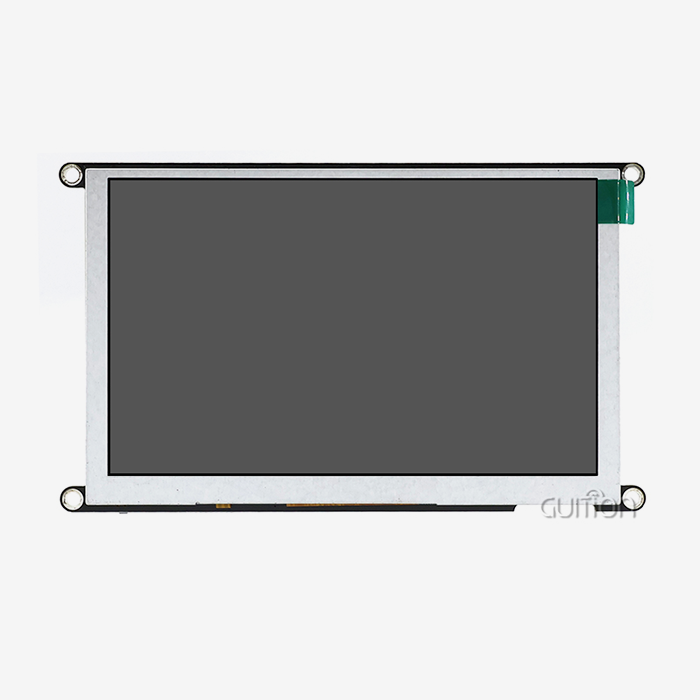
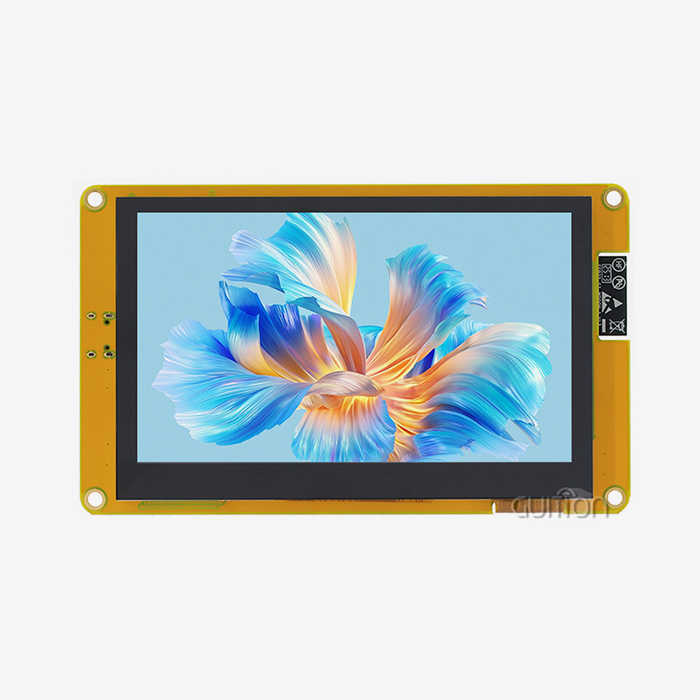
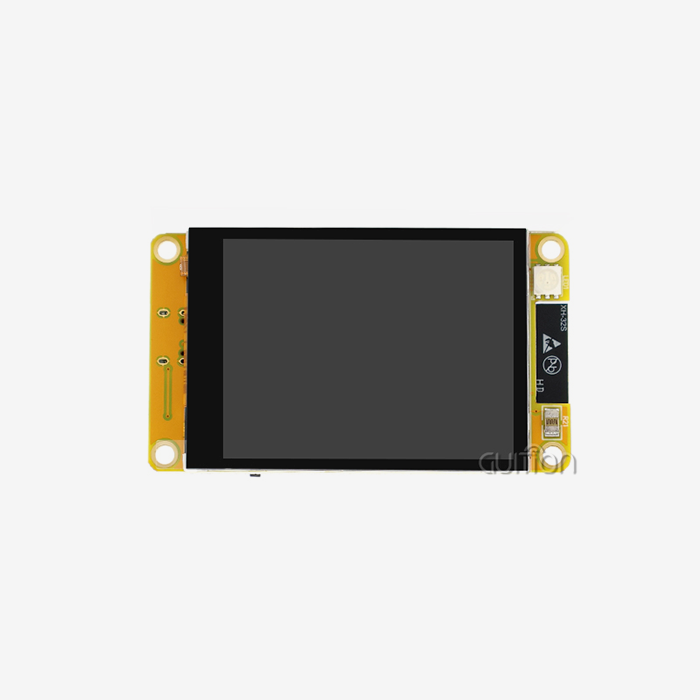
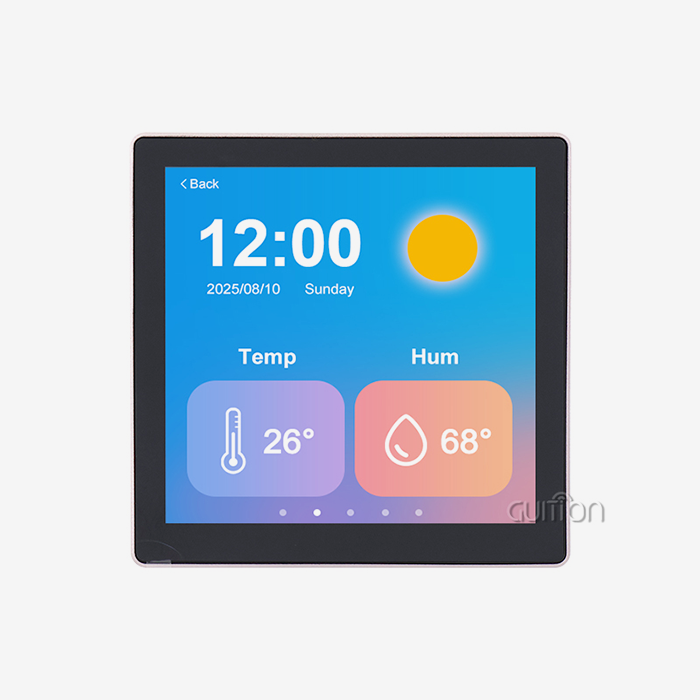
The GUITION JC-ESP32P4-M3-C6 core board has a 400MHz dual-core RISC-V processor and an integrated ESP32-C6. It has great processing power and works especially well with devices that work with it. It has a lot of different HCI interfaces, such as MIPI-CSI with integrated ISP, MIPI-DSI, SPI, I2S, I2C, LED PWM, MCPWM, RMT, ADC, UART, and TWAI. This means that the right tools can be used in a lot of different places to improve the overall performance of the system.
Power Stability Challenges
Display quality and system performance are both affected by a power supply that isn't stable. Without regulated power sources, units that drive screens with a size of up to 800x1280 pixels work less well. Support for 32MB PSRAM and the ability to encode in H.264 require stable power levels to keep multimedia operations running smoothly without any problems.
Connectivity Bottlenecks
Simple connection methods are put to the test by complex interaction standards. Signal integrity problems are caused by pin misalignment, poor insulation, and connections that don't work with each other. These problems lower the quality of the visual output. With the right breakout boards and interface adapters, these problems can be fixed, and data can be sent reliably across all external links.
Development Environment Limitations
Specialized tools are needed to program and fix in various development modes. When engineers switch between Arduino, IDF, and their own platforms, they need tools that make the process easier and require less setup. When making a prototype, good debugging tools and computer interfaces cut down on the number of iterations by a large amount.
Essential Accessories to Improve ESP32 P4 Display Module Functionality
To make effective embedded systems, you need to pick out basic tools for the ESP32 P4 display module that take care of things like controlling voltage, making connections physically, writing software, and protecting the environment. These parts are what make stable operation possible in difficult industrial and business settings.
The most important type of device is a regulated power supply. Voltage drops that cause the screen to flicker or the computer to crash can be avoided with a good 5V power adapter that protects against overcurrent. Low-dropout regulators keep voltage levels stable during peak working loads, like when the dual-core processor handles both UI rendering and wireless transmission jobs at the same time. Short-term voltage spikes that could damage sensitive MIPI-DSI circuits or mess up PSRAM data are absorbed by capacitor banks.
Interface Components and Connectivity Solutions
Physical connection devices have a direct effect on how well and how long something will work after being integrated. Precision-machined pin ends make sure that the electrical connection is strong without adding too much resistance. Good breakout boards show all of the interface pins and clearly name them, which makes connecting prototypes easier and lowers the chance of making mistakes during assembly. Connectors called FFC (Flat Flexible Cable) that are made for MIPI connections keep the signals clean so that high-speed display data can be sent without any cross-talk or impedance problems.
Cable control tools keep links from being stressed by mechanical forces. Strain relief boots keep solder joints from breaking down over time because of vibrations in industrial settings. Shielded cables cut down on electromagnetic interference that could mess up I2C talks or add noise to ADC readings. This keeps the system accurate in workplace settings that are noisy with electricity.
Development and Programming Tools
Having the right computer tools is very important for making software development go more smoothly. When you use a good USB-to-UART bridge, you can transfer software safely and debug in real time. JTAG debuggers that work with RISC-V designs can set hardware-level breakpoints, which are necessary for fixing timing problems that are more complicated. Logic monitors record more than one signal line at the same time, which is very helpful for fixing problems with how SPI or I2S peripherals interact during development.
The GUI software for making user interfaces works perfectly with these hardware tools. It lets engineers create beautiful user interfaces using simple drag-and-drop actions while keeping an eye on how the system is acting in real time. Using this mix of software and hardware devices cuts down on fixing time by a large amount compared to using only the command line.
Protective Equipment and Environmental Safeguards
Strong physical security is needed for industrial deployments. Wrist bands and mats that are anti-static keep electrostatic discharge damage from happening during repair and assembly work. Protective covers keep gadgets safe from dust, water, and physical damage while still letting them keep the right temperature. Conformal coatings protect modules from chemicals and moisture when they are used in harsh conditions, like in business cooking equipment or farm automation systems.
Thermal control devices make things last longer. When the processor is under a lot of stress, like when it's encoding H.264 video streams or handling complex UI movements, heat sinks remove heat from the processor. Thermal contact materials make sure that heat moves quickly from the 27x27x3.4mm module size to the heat sink surface, keeping the module at the right temperature for operation.
Advanced Accessories for Enhanced Display Capability and User Experience
In addition to basic tools, more modern parts allow for better visual performance and more functions. For example, these specialized tools are used in medical devices, smart home control screens, and high-end industrial HMI systems where the user experience has a direct effect on how the ESP32 P4 display module stands out.
When the lighting is bad, high-brightness LED backlights make the monitor easier to see. Industrial control panels used on plant floors have brightness intensities that can be changed so that they can still be read in bright overhead lighting or direct sunlight. Optical bonding materials lower internal echoes and raise contrast ratios, which is very important for medical tracking equipment, where the clarity of the display affects the accuracy of the diagnosis.
Enhanced Interaction Capabilities
Capacitive touch overlays that allow multiple touches let users communicate in more ways than just one point. Gesture recognition lets smart home screens and business terminals be controlled in a way that is easy to understand. When your eyes are busy with other tasks, like when you're using a 3D printer or an EV charging station, haptic feedback units let you feel things. This makes the device easier to use.
Environmental sensors give the device more information than just what it can see. Ambient light sensors change the backlight's strength automatically to save power and make the watching experience more comfortable. Proximity sensors make wake-on-approach possible, which cuts down on wasted energy in business kiosks. The system has temperature and humidity sensors that give useful information for things like air quality monitors and weather control systems.
Wireless Communication Enhancements
The built-in ESP32-C6 offers strong Wi-Fi 6 and Bluetooth 5 connections, but adding external antennas greatly increases range and dependability. High-gain antennas make the wireless range bigger for placement in big buildings or outside. Antenna diversity systems keep connections stable in places where RF spread is complicated, like industrial equipment with metal walls or crowded business areas.
The built-in features for specialized protocols are complemented by wireless connection units. Zigbee devices make it possible to connect to existing networks for industrial control. LoRaWAN adapters make it possible for farm automation apps to connect to the internet over big outdoor areas. These growth choices show how flexible the platform can be when used with the right add-ons.
Rapid Prototyping and Development Kits
Comprehensive development kits shorten the time it takes to finish a project by including widely needed parts in tried-and-true arrangements. Evaluation boards give you examples of designs that show you the best ways to handle things like power, signals, and heat. Pre-configured software packages come with drivers, libraries, and example code that make setting up the software easier and give you a good place to start when you're making your own changes.
Accessories for prototyping, such as breadboards, jumper wires, and modular sensor kits, make it possible to try functionality quickly without having to make a unique PCB. This method works especially well during the proof-of-concept stage, when needs are still being worked out, and design changes are being made all the time. The Guition development platform's visual programming features and the hardware's ability to be changed quickly make for a great setting for creation.
Choosing the Right Accessories: A Rational Approach for Global B2B Clients
When buying ESP32 P4 display module parts, you need to carefully consider how well they work with the module itself, how reliable the seller is, and the total cost of ownership. To keep the supply chain stable, engineers and buying managers have to find a mix between short-term project needs and long-term support needs.
The first step in checking for technical compatibility is to carefully look over the manual. To avoid overload or undervoltage conditions, voltage and current specs must match the needs of the module. Specifications for interfaces say that MIPI-DSI lane configurations, I2C addressing methods, and SPI clock rates all need to be perfectly matched. Mechanical compatibility makes sure that the parts fit together properly inside the box and that cables don't have to bend too much, which could cause them to fail early.
Supplier Evaluation Criteria
The name of the manufacturer is a good indicator of the quality of the product and the availability of long-term help. Established suppliers with written quality control systems make it easier to be sure that product specs will stay the same from one production run to the next. During integration fixing, how quickly technical support responds is very important. Suppliers who offer application engineering help lower risk during complex system integration.
For medical gadgets and industrial tools, certification and compliance paperwork are very important. Many countries require basic things like CE marking, FCC approval, and RoHS compliance. If the application calls for it, certificates specific to the industry may be needed, such as UL listing for industrial equipment or FDA registration for medical products.
Cost Optimization Strategies
When you negotiate volume prices, you can save a lot of money on production runs. Building connections with wholesalers who keep inventory cuts down on wait times and gives extra stock in case of shortages of parts. Total cost of ownership estimates need to take into account the product's warranty coverage, return procedures, and the availability of replacement parts over its entire lifetime.
Logistics issues have a big effect on project schedules and costs. Domestic warehousing in the US cuts down on shipping delays and makes customs steps easier. When you combine orders of different types of accessories, you can save money on freight costs and make managing your inventory easier. Reliable providers keep clear records of their inventory levels and give accurate lead time projections that help project planners stay on track.
Case Studies: Real-World Applications Featuring ESP32 P4 Display Accessories
Real-life examples show how carefully choosing the right accessories can directly affect the success of an ESP32 P4 display module project in a wide range of industries. Real-life examples like these show how important it is to have the right tools in work settings.
A company that makes medical devices and is making portable tools to monitor patients had trouble with how reliable the displays were in clinical situations. When moving equipment, the power would go out often, which would restart the displays and erase data. Using hospital-grade power sources with battery backup devices got rid of these problems and made sure that the machines would keep running while the patients were being moved. Adding antimicrobial screen protectors and sealed containers met the needs for infection control while keeping the touch sensitivity and display sharpness needed to see vital signs.
Industrial Automation Success
An automation systems integrator that put HMI devices on the plant floor had trouble with electromagnetic interference that made transmission less reliable. Noise from machine control signals messed up the I2C sensor data and caused display glitches from time to time. These interference problems were fixed by switching to shielded wire systems and using the right grounding devices. Industrial-rated connectors with IP65 sealing kept out dust and wetness in the harsh production environment, which cut down on repair calls and unplanned downtime by a huge amount.
The project used USB OTG 2.0 HS to log data to external storage devices. This was made possible by high-quality USB host items that kept the link strong even when they were exposed to vibration. Reliable network connection devices made it possible to update the firmware on all installed terminals from a distance, so the production line didn't have to stop.
Consumer IoT Product Development
A smart home device company sped up product development by using the Guition development platform and full prototyping tools together. With modular sensor kits, it was easy to try out different ways of reading the world without having to make unique hardware. With the Guition software's visual user interface design tools and real-time testing through high-quality code interfaces, development times were cut from months to weeks.
During the production shift, established ties with accessory providers were helped by offering bulk discounts and reliable supply. Having custom cable connectors made just for the product's case made it easier to put together and saved money on work. Support for multiple languages and UTF-8 encoding, along with properly set up display accessories, made it possible for the foreign market to grow without having to remake the hardware.
Conclusion
Choosing the right accessories changes the way the ESP32 P4 display module options work in real-world settings in a big way. Power control parts make sure that the power stays stable, which stops flickering and keeps the performance steady. Connectivity bottlenecks that damage signal integrity can be fixed with good input hardware. Development tools shorten the time between iterations and get products to market faster so that they can compete. Protective gear makes operations last longer in tough industrial and business settings. Putting together Guition's JC-ESP32P4-M3-C6 module with carefully picked accessories makes a full ecosystem that solves real-world engineering problems while keeping costs low, which is important for making medical devices, industrial automation, smart home applications, and IoT implementations work in the real world.
FAQ
What accessories are most critical for reliable ESP32 display module operation?
Regulated power sources are the most important type of device for the ESP32 P4 display module because they protect against voltage changes that could damage components or cause the screen to flicker. For MIPI-DSI and other high-speed connections, using good interface connectors and wires keeps the signals clean. Tools for development and testing make it easier to connect software to the Arduino, IDF, and Guition systems. Protective containers and anti-static gear keep hardware safe while it is being put together and used in the field, especially in industrial settings.
How do I verify accessory compatibility with specific display modules?
Reviewing technical datasheets is the first step in making sure that two products are compatible. Make sure the voltage and current values match what the module says they should be. Check that the module's features match the interface standards, such as the number of MIPI-DSI lanes, I2C addresses, and SPI time needs. The mechanical measurements must fit inside the box without putting too much stress on the cables. Reliable providers offer compatibility charts and reference designs that make the selection process easier. Integration risk is greatly reduced when testing with evaluation samples before ordering in bulk.
Where can I source quality accessories for production deployments?
Well-known companies that sell gadgets keep a stock of approved accessories with clear instructions and quality control. Direct relationships with manufacturers give you access to technical help and customization choices that meet the specific needs of your application. When compared to buying from other countries, regional distribution hubs in the United States offer faster delivery and easier operations. You should look at how quickly the supplier's technical help is, how long the warranty lasts, and whether the supplier promises to be available for a long time, which is important for multi-year production runs.
Partner with Guition for Complete ESP32 P4 Display Solutions
Guition is your one-stop shop for ESP32 P4 display modules. They sell the cutting-edge JC-ESP32P4-M3-C6 core board and can also help you choose the right accessories to make sure your project is a success. Our engineering team knows the problems embedded system makers face, like the need for power stability and cross-platform analysis. They can make suggestions that are specific to your application. Our knowledge of HMI solutions for display sizes ranging from 1.28" to 21.5" makes us able to help you with every step of the development process, whether you're making medical tracking equipment, industrial control panels, or smart home devices.
The Guition interface development software gets rid of common code problems by using easy-to-use visual design tools that work with the right accessories. With our secondary development help, multilingual options, and remote update tools, your team can make products that are scalable, future-proof, and meet the needs of global release. Email our technical experts at david@guition.com to talk about your project needs, get specific advice on how to make sure accessories work with your system, and ask for review samples that show the full ecosystem benefit. As a manufacturer focused on technology and dedicated to customer satisfaction, we offer the documents, expert support, and reliable supply chain that turn development problems into competitive advantages.
References
1. Zhang, Wei, and Chen, Hua. "Power Management Strategies for High-Performance Embedded Display Systems." Journal of Embedded Computing and Applications, vol. 15, no. 3, 2023, pp. 145-162.
2. Martinez, Carlos, and Thompson, Sarah. "Signal Integrity Considerations in MIPI-DSI Interface Design for Industrial HMI Applications." IEEE Transactions on Industrial Electronics, vol. 70, no. 8, 2023, pp. 8234-8247.
3. Anderson, James et al. "Rapid Prototyping Methodologies for IoT Device Development Using RISC-V Architecture." International Conference on Embedded Systems and Applications Proceedings, 2023, pp. 412-428.
4. Liu, Xiaoming and Park, Ji-hoon. "Electromagnetic Compatibility in Factory Automation Display Systems: Accessory Selection and Implementation." Industrial Communication Technology Quarterly, vol. 28, no. 2, 2024, pp. 78-95.
5. Roberts, Emily, and Patel, Raj. "Total Cost of Ownership Analysis for Embedded System Component Procurement in Medical Device Manufacturing." Medical Device Engineering Review, vol. 12, no. 1, 2024, pp. 34-51.
6. Kumar, Anish, and Schneider, Michael. "Thermal Management Solutions for Compact High-Performance Display Controllers in Harsh Environments." Electronics Cooling Magazine, vol. 29, no. 4, 2023, pp. 22-29.
Learn about our latest products and discounts through SMS or email