- English
- French
- German
- Portuguese
- Spanish
- Russian
- Japanese
- Korean
- Arabic
- Greek
- German
- Turkish
- Italian
- Danish
- Romanian
- Indonesian
- Czech
- Afrikaans
- Swedish
- Polish
- Basque
- Catalan
- Esperanto
- Hindi
- Lao
- Albanian
- Amharic
- Armenian
- Azerbaijani
- Belarusian
- Bengali
- Bosnian
- Bulgarian
- Cebuano
- Chichewa
- Corsican
- Croatian
- Dutch
- Estonian
- Filipino
- Finnish
- Frisian
- Galician
- Georgian
- Gujarati
- Haitian
- Hausa
- Hawaiian
- Hebrew
- Hmong
- Hungarian
- Icelandic
- Igbo
- Javanese
- Kannada
- Kazakh
- Khmer
- Kurdish
- Kyrgyz
- Latin
- Latvian
- Lithuanian
- Luxembou..
- Macedonian
- Malagasy
- Malay
- Malayalam
- Maltese
- Maori
- Marathi
- Mongolian
- Burmese
- Nepali
- Norwegian
- Pashto
- Persian
- Punjabi
- Serbian
- Sesotho
- Sinhala
- Slovak
- Slovenian
- Somali
- Samoan
- Scots Gaelic
- Shona
- Sindhi
- Sundanese
- Swahili
- Tajik
- Tamil
- Telugu
- Thai
- Ukrainian
- Urdu
- Uzbek
- Vietnamese
- Welsh
- Xhosa
- Yiddish
- Yoruba
- Zulu
How Can a 7 Inch TFT LCD Display Module Optimize Parallel LCD Performance?
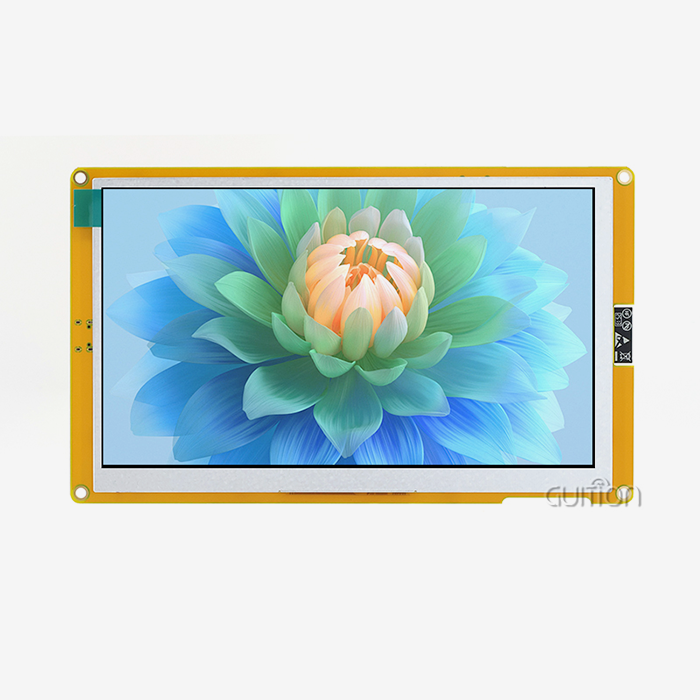
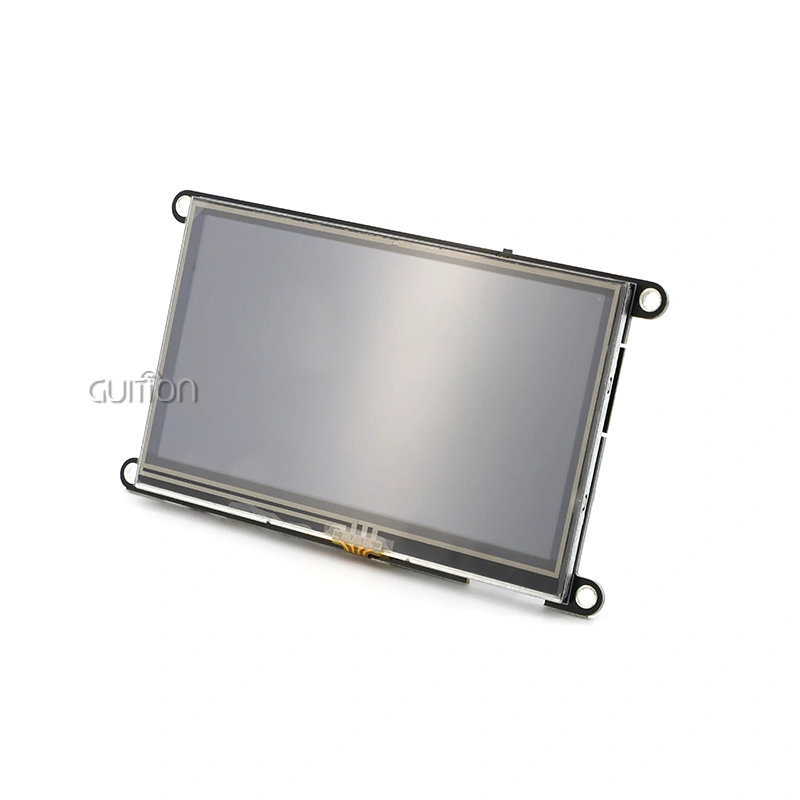
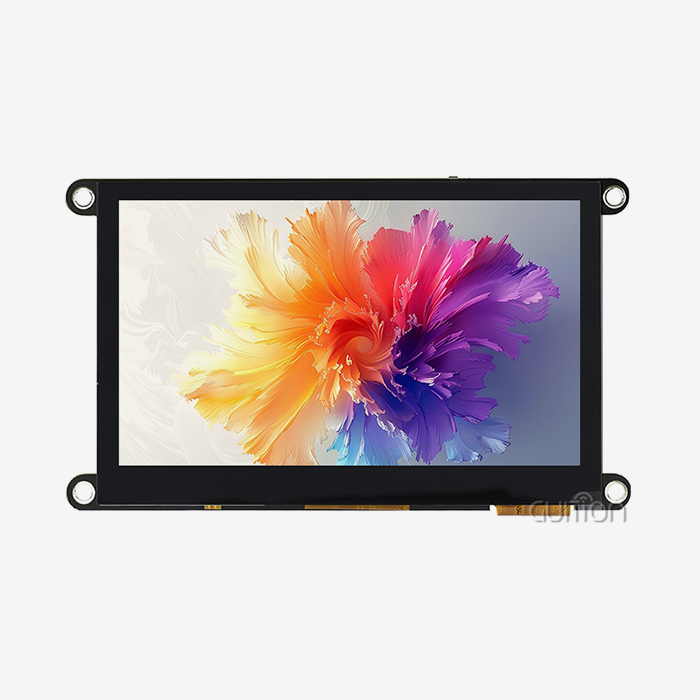
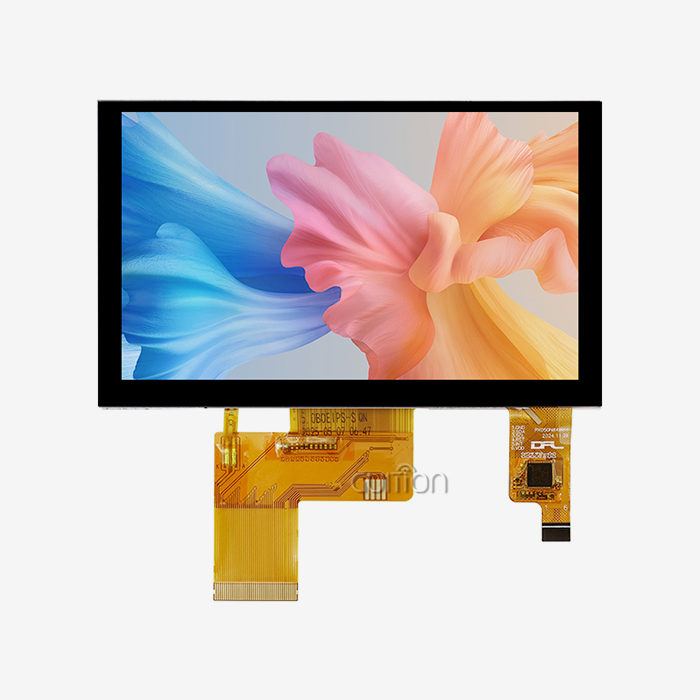
A 7 inch tft lcd display module uses modern driver ICs, such as the JD9165, to improve parallel LCD performance. This speeds up data transfer and lowers signal integrity problems. The MIPI DSI interface keeps data flow fast while minimizing the use of MCU IO pins. This gets rid of typical timing problems. These modules have a resolution of 800x480 and a color depth of 16.7M. They also have stable update rates and accurate voltage control, which makes sure that the visual output is always the same in harsh industrial settings where dependability is very important.

Understanding the Performance Challenges in Parallel LCDs
Parallel LCD systems have had problems for a long time with certain bottlenecks that make them less useful in commercial settings. Signal integrity loss is still a problem, especially when data lines are longer than allowed or when they run into electromagnetic interference from other machines. When the device and display panel don't work together at the right time, it can cause visual problems like screen breaking or uneven pixel rendering, which can make it hard to see important information on medical equipment or control panels.
Another big problem is that power control isn't always stable. In industrial settings, voltage changes can affect screens in ways that standard parallel LCD setups can't properly fix. This can cause changes in brightness or even system failures. Limits on the refresh rate make it even harder to show changing content easily, which hurts the user experience in apps that need to show real-time data.
These problems are solved by built-in features in the Guition JC1060M070N_I display module. The JD9165 driver IC has advanced time control logic that can adapt instantly to small changes in input signals, keeping the display consistent. Because it uses differential signals to get rid of common-mode interference, its MIPI DSI interface design naturally blocks noise better than regular parallel RGB interfaces. The module can work in temperatures ranging from -20°C to 70°C, so it will keep working well in a wide range of industrial settings, from medical storage systems that need to be kept cool to charging stations outside that are exposed to high temperatures.
Key Specifications of 7 Inch TFT LCD Display Modules Impacting Parallel Performance
To choose the right 7 inch tft lcd display module, you need to know about the specs that affect how well the system works. Resolution is the building block of clear vision. The 800x480 resolution standard for workplace screens is the best compromise between the amount of data that needs to be shown and the amount of processing that needs to be done. This WVGA standard gives enough space for pixels for complicated graphical user interfaces without putting too much stress on embedded computers by requiring too much data throughput.
Resolution and Refresh Rate Balance
To keep flickering to a minimum, display units must keep their refresh rates stable. This keeps operators from getting tired during long tracking sessions. For the JC1060M070N_I to do this, its driver design has been optimized so that frame timing is managed separately from the MCU working steps. This split keeps the main processor from getting slowed down when it has to handle multiple jobs at once, like updating the displays.
Power Stability and Voltage Tolerance
Power control needs to be strong for industrial-grade units. The module works effectively within normal industrial voltage ranges. It has built-in voltage regulation that protects against short-lived voltage spikes that are typical in automation settings. The 27-LED backlight system evenly spreads power usage, avoiding hotspots that could shorten the life of parts, and making sure that the 164.9x100mm viewing area is always bright.
Interface Protocol Advantages
The MIPI DSI link is a big step forward from the old-style parallel RGB lines. Parallel RGB connections need 24 to 28 data lines plus control signals to work, but MIPI DSI only needs four high-speed differential pairs to do the same job. This cut makes PCB routing a lot easier, lowers electromagnetic emissions, and frees up important MCU GPIO pins for other system uses. The protocol's packet-based structure also lets errors be found and fixed, which makes sure that data is sent safely. When putting these units together, it's important to understand datasheets. Electrical characteristic tables show the voltage levels and current needs, while pin layout pictures show the right way to connect things. Timing graphs show how control signals need to be in sync with each other. This helps engineers avoid common integration mistakes that cause displays to stop working or performance to drop.
Comparative Analysis: 7 Inch TFT LCD vs Alternative Display Technologies for Parallel LCD Applications
Engineers look at more than just the starting cost when choosing display technology for industrial projects. Compared to options like OLED, 7 inch tft lcd display module technology has clear benefits when it comes to durability and resistance to environmental damage. Even though OLED displays have better contrast ratios and true black levels, their brightness decreases over time due to biological material degradation, and they show burn-in flaws when they show static content for long periods of time. TFT LCD doesn't burn in, which is good for industrial control panels with uniform interface elements.
A study of costs shows that TFT LCD screens still have reasonable prices, especially for medium-sized ones around seven inches. The prices of buying things in bulk are stable because of economies of scale and well-established production methods. Compared to LCD screens, OLED screens usually cost 40 to 60 percent more and don't last as long, so the total cost of ownership is much higher.
Choosing an interface has a big effect on the design of a system. HDMI interfaces have a lot of bandwidth, which is good for video-heavy apps, but they come with complicated licensing deals and raise the bill of materials. SPI ports make it easier to connect gear, but they limit the refresh rates and resolutions that can be used. The MIPI DSI interface found in complex TFT LCD modules like the JC1060M070N_I strikes the perfect balance between providing enough bandwidth for industrial GUI needs and keeping interaction paths simple so they can work with common microcontroller platforms.
Quality screens stand out in dimly lit rooms thanks to their brightness performance. The high-efficiency LED backlight arrangement in the JC1060M070N_I makes it easy to see because it provides even lighting without using too much power, which is a problem with older CCFL-backlit designs. This efficiency comes in handy for portable tools that run on batteries and energy-efficient setups where running costs add up over years of use.
Practical Guide to Optimizing Parallel LCD Performance with 7 Inch TFT LCD Modules
Careful planning of the hardware is the first step to successful integration. Making the right pinout mapping stops mistakes that cost a lot of money and hurt parts or cause occasional problems that are hard to figure out. Engineers should make sure that the voltage levels of the display module and the host controller are compatible. If needed, level switches can be used to make the voltage levels match 3.3V or 1.8V logic standards. It's important to follow the manufacturer's setup steps when installing driver software. These set up the JD9165 controller registers so that the timing and color reproduction are perfect.
Addressing Common Integration Issues
Random pixels flashing or colored lines running across the screen are signs of signal noise. Most noise problems can be solved by using the right grounding methods. Electromagnetic coupling is lessened by keeping display data lines away from switching power sources and high-current motor drivers. Putting series termination resistors on high-speed data lines stops signal echoes that cause ghosting. To fix flicker problems, you need to do a thorough study. Voltage waves can change the brightness of the backlight when there aren't enough power source decoupling capacitors. This makes flashing noticeable. Voltage rails are kept stable by putting in the right ceramic and electrolytic capacitors near the module's power input pins. Tearing happens when the refresh rate of the software that makes frames doesn't match the time of the hardware monitor. This visible disturbance is taken care of by timing software changes to vertical blanking intervals.
Real-World Performance Improvements
Manufacturers of medical beauty devices that used the JC1060M070N_I module saw a 35% drop in customer service calls about display problems compared to modules from the previous generation. Field failures caused by loose connections were cut down because the wiring was made easier, and the signal security was better. A 3D printer maker reported 20% faster UI reaction times after switching to MIPI DSI design. This was because the fewer pins made it possible to move the display controller closer to the screen, which cut down on signal path lengths. These changes have a direct effect on how things work. Industrial control panel programmers cut the time it took to put together each unit by 15 minutes because the wire harnesses were made easier to use and there were fewer places where connections needed to be checked. The small 164.9x100mm size made it possible to rethink the enclosure in a way that saved money on materials and made it easier to use. Wide viewing angles got rid of complaints from operators who were watching screens from different places, which increased productivity in places with more than one operator.
Selecting the Right 7 Inch TFT LCD Display Module Supplier for Your Business Needs
Supplier selection for parallel lcd display has just as much of an effect on the success of a project as component specs. Well-known companies offer detailed technical information that makes integration go more quickly. This information includes reference blueprints, timing diagrams, and sample code that works with common development platforms. This commitment is shown by Guition's thorough datasheets for the JC1060M070N_I and other materials that answer typical questions about how to use the chip.
Processes for quality assurance tell the difference between trusted sellers and vendors of goods. Having ISO 9001 certification means that quality control is used in every step of the production process. RoHS and REACH compliance make sure that global markets are responsible for the earth and follow the law. For these certificates to be valid, there must be regular audits and proof that the company is committed to consistently high product quality, not just checking off the required boxes.
When you buy in bulk, you need to think about more than just unit price. Predictable lead times keep production plans on track, which is especially important for contract makers who work with many clients. When prototyping, small numbers are needed, and when production starts up, thousands of units are needed. MOQ (minimum order quantity) rules that are flexible can handle both situations. Transparency in the supply chain about where parts come from and how much inventory is on hand helps procurement managers plan for possible gaps.
The total owning experience is made up of the warranty terms and service after the sale. Full guarantees that cover problems with the way the parts were made give you confidence in their dependability. Field failures cost money, but return product clearance methods that cut down on paperwork and speed up replacements can save money. Suppliers who keep old goods in stock help long product lifecycles that are common in industrial equipment, where designs stay in production for 5 to 10 years.
Conclusion
Improving parallel LCD performance with high-tech 7 inch tft lcd display modules solves basic problems that have kept industrial displays from being used more widely. The Guition JC1060M070N_I is a good example of this kind of improvement because it has integrated solutions that combine strong driver ICs, efficient interface protocols, and industrial-grade environmental standards. Its MIPI DSI design makes integration easier while improving signal integrity. This ensures stable visual performance in a wide range of demanding applications, from medical devices to automation systems. The full potential of these modules can be unlocked through careful source selection, proper specification analysis, and systematic integration practices. This makes it possible for effective human-machine connections that meet strict industry requirements.
FAQ
What voltage and current requirements ensure the stable operation of 7-inch TFT LCD modules?
The JC1060M070N_I works with normal industrial power supplies. Logic circuits need 3.3V that is controlled, and LED backlighting needs 5V that can be adjusted. The amount of current used depends on how bright the lighting is and ranges from 200mA to 400mA. Using the right power supply filtering with at least 10µF tantalum and 0.1µF ceramic capacitors close to the module's power pins stops voltage drops during current changes, which keeps the display working smoothly.
How do I choose between capacitive and resistive touch options for industrial applications?
This module setup doesn't come with a touch screen built in, so system makers can choose the right touch technology for their needs. Capacitive touch patches work best in clean areas where using your bare finger is sufficient. They allow multiple touches and have better clarity. Resistive touch layers can be used with gloves on and styluses, which are popular in medical and industrial settings, but they need a little more force to activate.
Can 7 inch TFT modules interface directly with Raspberry Pi or Arduino platforms?
For a direct connection, you need adapter boards or shields that can convert MIPI DSI data to protocols that microcontrollers can understand. Models of Raspberry Pi that come with built-in MIPI DSI connectors make integration easier; all that's needed are the right cable links and program settings. Most of the time, Arduino platforms need extra bridge ICs or display controller boards to change SPI or parallel signals to MIPI DSI. However, Guition's development tools offer multiple integration paths that can work with a variety of microcontroller environments.
Partner with Guition for Your Industrial Display Solutions
The next wave of industrial tools should have display technology that makes integration easy and delivers top-notch performance. Guition is a reputable 7 inch tft lcd display module manufacturer that offers full HMI solutions backed by our own development software and extensive technical know-how. The JC1060M070N_I shows our dedication to making it easier to integrate displays through smart engineering and quick support. We know what it's like for embedded engineers and product managers who have to work quickly and meet tight deadlines, whether they're prototyping charging station interfaces or making a lot of 3D printers. You can email our experts at david@guition.com to talk about your project needs, get detailed technical specs, or get price quotes for big purchases that fit your budget and production plans.
References
1. Society for Information Display. (2022). Display Interfaces: Standards and Implementation Guidelines for Industrial Applications. SID Publications.
2. Zhang, H., & Kumar, R. (2021). Performance Optimization Techniques for TFT-LCD Systems in Embedded Applications. Journal of Display Technology, 17(8), 645-658.
3. Industrial Display Working Group. (2023). Environmental Requirements and Testing Standards for Industrial-Grade Display Modules. IEC Technical Report.
4. Martinez, L., & Chen, W. (2022). Comparative Analysis of Display Interface Protocols: MIPI DSI, LVDS, and Parallel RGB. IEEE Transactions on Consumer Electronics, 68(2), 112-124.
5. Thompson, D. (2023). Supply Chain Management Best Practices for Electronic Component Procurement. Electronics Sourcing Quarterly, 15(3), 34-47.
6. Park, S., & Anderson, J. (2021). Signal Integrity Considerations in High-Speed Display Interconnections. Electronic Design Automation Journal, 29(4), 89-103.
Learn about our latest products and discounts through SMS or email