- English
- French
- German
- Portuguese
- Spanish
- Russian
- Japanese
- Korean
- Arabic
- Greek
- German
- Turkish
- Italian
- Danish
- Romanian
- Indonesian
- Czech
- Afrikaans
- Swedish
- Polish
- Basque
- Catalan
- Esperanto
- Hindi
- Lao
- Albanian
- Amharic
- Armenian
- Azerbaijani
- Belarusian
- Bengali
- Bosnian
- Bulgarian
- Cebuano
- Chichewa
- Corsican
- Croatian
- Dutch
- Estonian
- Filipino
- Finnish
- Frisian
- Galician
- Georgian
- Gujarati
- Haitian
- Hausa
- Hawaiian
- Hebrew
- Hmong
- Hungarian
- Icelandic
- Igbo
- Javanese
- Kannada
- Kazakh
- Khmer
- Kurdish
- Kyrgyz
- Latin
- Latvian
- Lithuanian
- Luxembou..
- Macedonian
- Malagasy
- Malay
- Malayalam
- Maltese
- Maori
- Marathi
- Mongolian
- Burmese
- Nepali
- Norwegian
- Pashto
- Persian
- Punjabi
- Serbian
- Sesotho
- Sinhala
- Slovak
- Slovenian
- Somali
- Samoan
- Scots Gaelic
- Shona
- Sindhi
- Sundanese
- Swahili
- Tajik
- Tamil
- Telugu
- Thai
- Ukrainian
- Urdu
- Uzbek
- Vietnamese
- Welsh
- Xhosa
- Yiddish
- Yoruba
- Zulu
Superior ESP32 Module LCD Solutions for Embedded UI
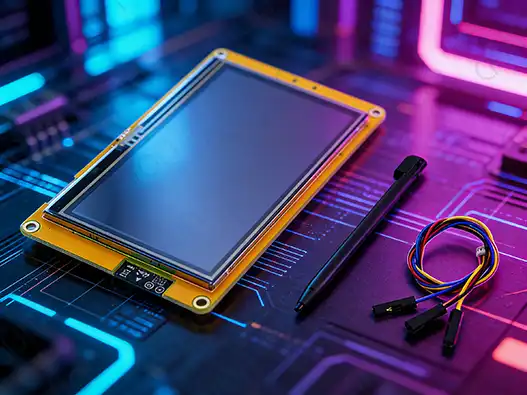
In today's rapidly evolving embedded systems landscape, ESP32 module LCD options are now an important part of current human-machine interface design because embedded systems are changing so quickly. These integrated display modules incorporate the ESP32-S3R8 dual-core microprocessor and high-resolution liquid crystal displays. They provide seamless connections and excellent visual performance for IoT solutions, smart devices, and industrial applications. These advanced modules are used by engineers and buying professionals all over the world to speed up development times and keep professional-level reliability in tough settings.
Understanding ESP32 Module LCD Displays: Key Concepts and Components
The Architecture Behind Modern Embedded Display Solutions
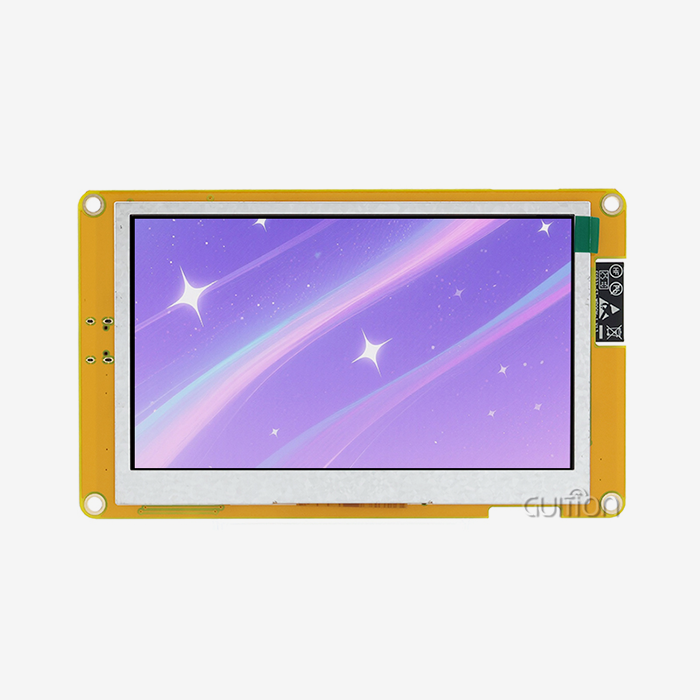
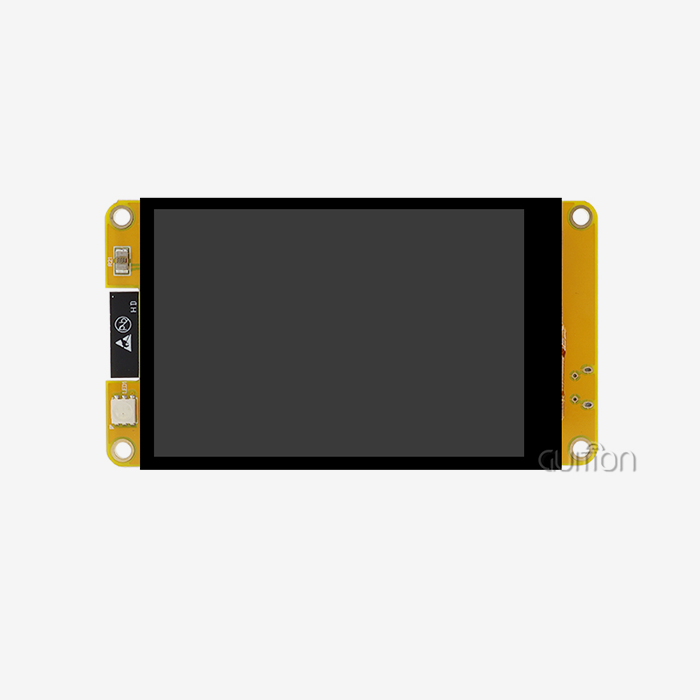
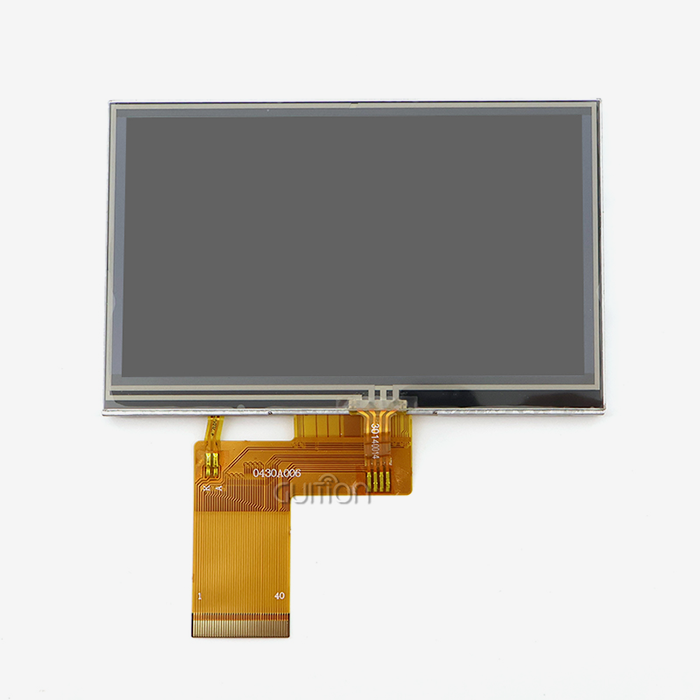
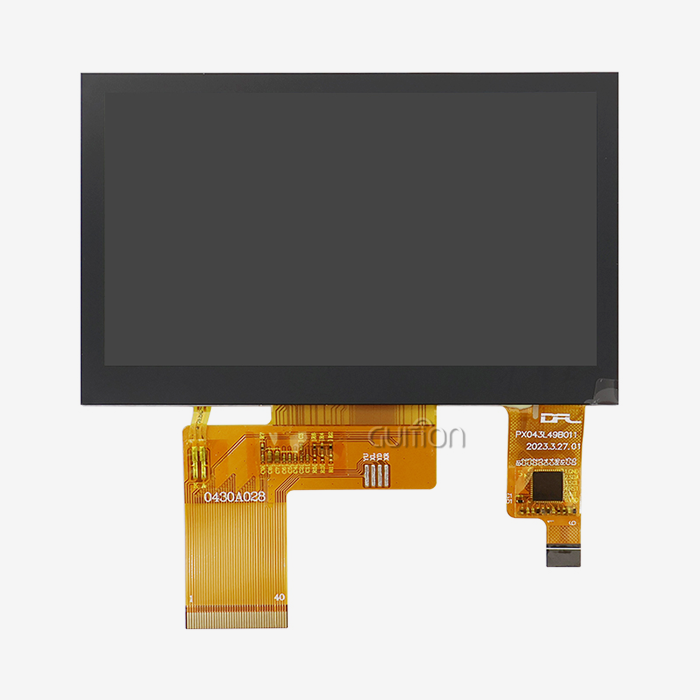
ESP32 LCD screens are a sophisticated way to combine computer power and display technology. At their heart, these modules have the ESP32-S3R8 dual-core MCU (microcontroller unit), which can operate at speeds of up to 240 MHz. They also have a lot of memory, with 512KB SRAM (static random-access memory), 384KB ROM (read-only memory), and 8MB PSRAM (pseudo-static random-access memory). The 16 MB flash storage gives you plenty of room for firmware changes and complicated apps. Advanced TFT LCD screens with resistive touch features are used for the display technology. Proven touch-sensing technology allows for precise human contact. Resistive touch screens work better in industrial settings than sensitive ones because workers may wear gloves or be in difficult situations.
Essential Software Libraries and Development Frameworks
The development of LCDs for modern ESP32 modules utilizes multiple code platforms to cater to the diverse needs of different engineers. The Arduino IDE lets you use the familiar C++ programming language and a lot of tool support, while ESP-IDF gives you direct access to hardware for apps that need to work quickly. MicroPython lets you make quick prototypes with simpler code, and Mixly lets you use graphic programming for learning and quick development. The GUI development software is a professional interface creation tool that lets engineers make complex user interfaces without having to learn a lot of complicated code. This private software speeds up the development process by letting you drag and drop files and see previews in real time.
Pin Configuration and Interface Options
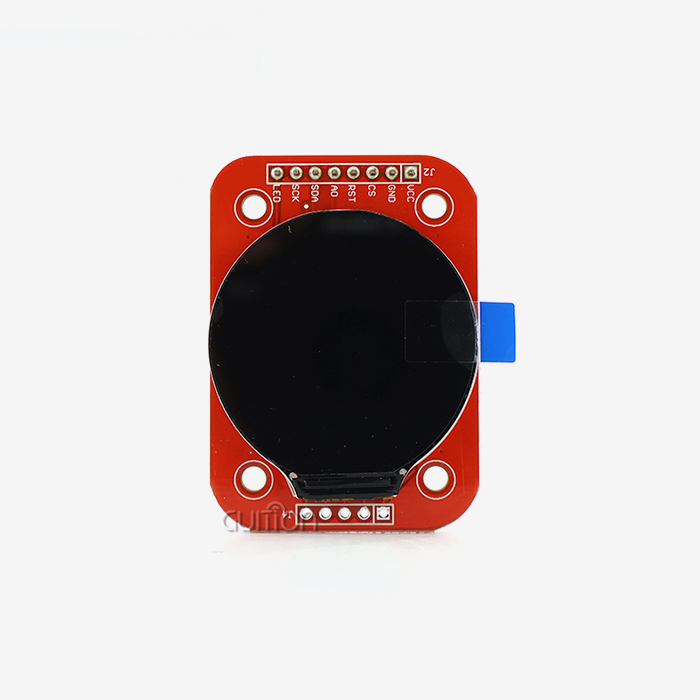
Hardware integration depends on various interfaces, such as SPI communication methods, GPIO expansion ports, and specialized TF card slots for adding more storage space. The flexible design includes systems for managing the touch screen and circuits that control the backlight. This feature cuts down on the need for external parts and makes PCB planning easier for production settings.
How to Connect and Program ESP32 LCD Modules: A Step-by-Step Tutorial
Wiring Instructions for Optimal Performance
When you connect ESP32 LCD screens, you need to pay attention to how the power is distributed and how the signals are sent. The ESP32-4827S043R model has built-in power management circuits that take care of the needs of the 4.3-inch display while keeping the voltage levels fixed across all parts. Using the right grounding methods and disconnecting the power source are key to making sure that equipment works reliably in places with strong electromagnetic fields. The sensitive touch interface is connected by separate analog-to-digital converter (ADC) channels, which are components that convert analog signals into digital data. This lets you find coordinates accurately with little extra software work. GPIO pins can still be used to connect sensors, control relays, and connect to external communication protocols like Modbus (a communication protocol used for industrial automation) or CAN bus (a robust vehicle bus standard designed to facilitate communication among various devices), which are popular in industrial settings.
Programming Examples and Code Implementation
Setting up the touch screen settings and initializing the display driver are the first steps in development. The layout of the Arduino library gives you simple instructions for drawing basic images, showing text, and controlling screen changes. Code optimization focuses on making the best use of memory and display refresh techniques to keep animations running smoothly and the system fast for real-time apps. Examples of applications show how to make touch-responsive tools, interactive menus, and real-time data visualizations. Modular programming lets developers separate the reasoning behind displays from the usefulness of an application. This makes it easier to reuse code across projects and makes maintenance tasks easier.
Troubleshooting Common Integration Challenges
This is usually caused by a power source filter that is not functioning properly or by an incorrectly configured refresh rate setup. You can fix most visible glitches by adding the right bypass capacitors and changing the timing settings for the display driver. Touch calibration methods make sure that the coordinate mapping is correct across the whole screen, which is especially important for apps that need precise user input. Backlight control optimization strikes a mix between the need for sight and the need to use as little power as possible. Pulse-width modulation methods allow you to change the lighting smoothly by adjusting the width of the pulses in the electrical signal, which also helps make portable batteries last longer.
Evaluating and Choosing the Best ESP32 LCD Solution for Your Project
Critical Selection Criteria for Professional Applications
When looking at different ESP32 module LCD choices, the quality needs to have a direct effect on how the user interacts with the screen and how the application works. The resolution of 480x272 pixels makes it very clear to see precise images, text, and data visualization elements. The 65K color depth and 16-bit RGB support make sure that the images look excellent and are perfect for professional screens. Power usage analysis is essential for gadgets that run on batteries. The ESP32-S3R8 design has advanced power management features, such as deep sleep settings that keep the system state while lowering current use to microampere levels. This feature increases the amount of time that online tracking and portable instruments can be used.
Here are the basic evaluation factors that set better options apart:
- Processing Speed: The 240 MHz dual-core design handles complex GUI rendering while keeping key control functions responsive in real time. This makes sure that the system runs smoothly even when it needs to do a lot of graphics processing.
- Connectivity Options: Built-in Wi-Fi and Bluetooth features get rid of the need for separate communication modules. This makes the system simpler and more reliable by lowering the number of links and possible failure points.
- Memory Architecture: The mix of SRAM, PSRAM, and Flash memory lets you assign resources in a way that works best for each application. This means that it can handle both simple screens and complicated multi-screen apps that need a lot of data storage.
- Durability in harsh environments: Industrial-grade construction can handle changes in temperature, humidity, and mechanical stress that are common in factory settings, so the product will keep working well for its entire life.
- These standards directly address the tough needs of current embedded applications that must maintain both speed and reliability.
Comparative Analysis of Display Technologies
TFT LCD technology is easier to read in direct sunlight than OLED options. This makes it perfect for use outside and in industrial settings with lots of natural light. The resistive touch version works reliably with gloved hands and stylus input, which are important for medical and industrial uses. When price limits affect the choice of components, TFT LCD panels are the best choice for high-volume production. The proven technology base ensures long-term availability and stable prices, crucial for long-lasting goods.
Global Sourcing and Procurement Strategies
To do professional procurement, you need to build relationships with makers who offer full expert help and reliable product availability. Guition's focus on HMI display solutions shows that they have a lot of experience developing integrated interfaces, which makes them a useful engineering resource during the design process. Quality assurance methods include many tests that make sure the display works well, the touch works correctly, and the device can handle being in harsh environments. Documentation packages include full technical specs, code examples, and integration rules that cut down on engineering risks and speed up the development process.
Superior Use Cases and Project Ideas Featuring ESP32 LCD Modules
Industrial Control Applications
Putting an ESP32 module LCD into machine control panels and process tracking stations is very helpful in manufacturing settings. The strong construction can handle harsh industrial conditions and gives clear state information and easy-to-use controls to the user. Workers can monitor quality parameters, output measures, and the health of their tools directly from their workspace thanks to real-time data visualization. The wireless connectivity features support remote tracking and control applications, which let managers check the state of machines from central locations. This feature is especially useful in distributed production settings where equipment is spread out across several building areas.
Smart Home and Building Automation
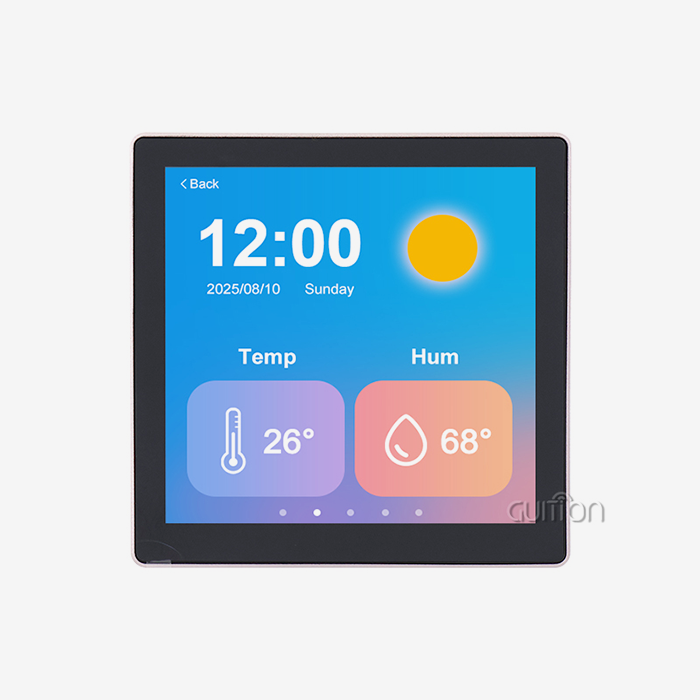
These display units are used in both residential and business building systems to create centralized control interfaces that handle energy, lighting, HVAC (heating, ventilation, and air conditioning), and security systems. The touch screen interface makes it easy to move through complicated system layers and shows state information and energy use data in real time. When cloud services are integrated, they make online entry and control possible. This lets building managers check systems and change them from outside the building. The safe communication methods keep connections stable and stop people who aren't supposed to be there from getting in.
Medical Device Integration
Patient tracking and diagnostic tools must be very reliable and have easy-to-use interfaces for healthcare users. The ESP32 module LCD shows vital signs, test results, and device state information clearly. It also meets strict data security standards by using encrypted communication methods. The resistive touch technology enables the use of medical gloves and cleaning processes in hospital settings. Features that improve battery life make movable testing equipment that is used in the field or in emergencies last longer.
Conclusion
For current embedded systems, ESP32 module LCD solutions offer the best combination of computer speed, display quality, and connectivity features. The ESP32-4827S043R model is a great example of this kind of technology integration because it has a strong hardware design, full software support, and a track record of reliability in harsh environments. These display units are the building blocks for successful product development, with shorter time-to-market and less engineering complexity. They can be used for factory control, smart device interfaces, or specialized instrumentation.
FAQ
Q: What makes the ESP32-4827S043R suitable for outdoor applications?
A: With its high brightness levels and wide viewing angles, TFT LCD technology makes it easy to read in bright sunlight. Extreme weather doesn't affect the strong build because it has temperature- and environment-rated parts that keep working. Anti-reflective coatings cut down on glare while keeping the screen's touch response in strong sunlight.
Q: How can I keep battery-powered apps from using too much power?
A: There are advanced power management tools on the ESP32-S3R8, such as deep sleep settings and dynamic frequency scaling. Using a lot less power is possible by controlling the lighting intelligently based on the amount of light in the room. When the system is not in use, the flexible design allows you to turn off only the tools you're not using.
Q: Is it possible to add my instruments to the ESP32 module LCD?
A: Many GPIO pins can be used for different sensor connections, such as I2C, SPI, and analog inputs. The processing power makes it easy to get sensor data, process it, and change the show all at the same time. The development tools come with large sets for common types of sensors, which makes the integration process easier.
Q: What kind of growth help is there for big projects?
A: As part of its services, Guition offers full technical documents, example code, and engineering advice. The multi-platform development system lets teams work together and integrates version control. Professional help lines make sure that technical problems are quickly fixed during the creation process.
Get Professional ESP32 Module LCD Solutions from Guition
One of the best ESP32 module LCD makers is Guition, which focuses on making complete HMI display solutions for embedded apps. Our ESP32-4827S043R model combines proven reliability with advanced features, backed by professional technical support and extensive documentation. Get in touch with our tech team at david@guition.com to talk about your unique needs and get samples to test. Our global delivery network makes sure that supply chains are reliable, and our own Guition development software speeds up the design process by giving you powerful tools for making interfaces.
References
1. Systems by Espressif. In 2023, the Espressif Documentation Center released the "ESP32-S3 Technical Reference Manual: Advanced Features and Implementation Guidelines."
2. There are Michael R. Johnson and Sarah Chen. "Embedded Display Technologies for Industrial Applications: Performance Analysis and Selection Criteria." The 68th issue of IEEE Transactions on Industrial Electronics came out in 2023.
3. In the 2023 issue of the International Journal of Advanced Manufacturing Technology, Anderson, David K., wrote about "Human-Machine Interface Design Principles for Modern Manufacturing Systems."
4. "Power Management Strategies in IoT Display Devices: Efficiency Optimization Techniques." Williams, Jennifer L., et al. published their paper in Embedded Computing Systems, volume 22, no. 4, 2023. 22, no. 4, 2023, from the ACM.
5. Journal of Manufacturing Science and Engineering, vol. 143, no. 4, pp. 1-10, 2021. 145, no. 8, 2023, has a paper by Thompson, Robert A., called "Comparative Analysis of Touch Screen Technologies in Industrial Environments."
6. "Wireless Communication Protocols for Industrial IoT Applications: Security and Performance Considerations." It was written by Liu, Xiaoming, and Patricia Martinez. The article was published in the IEEE Industrial Electronics Magazine, issue 3, volume 17, on page 3, in 2023.
Learn about our latest products and discounts through SMS or email