- English
- French
- German
- Portuguese
- Spanish
- Russian
- Japanese
- Korean
- Arabic
- Greek
- German
- Turkish
- Italian
- Danish
- Romanian
- Indonesian
- Czech
- Afrikaans
- Swedish
- Polish
- Basque
- Catalan
- Esperanto
- Hindi
- Lao
- Albanian
- Amharic
- Armenian
- Azerbaijani
- Belarusian
- Bengali
- Bosnian
- Bulgarian
- Cebuano
- Chichewa
- Corsican
- Croatian
- Dutch
- Estonian
- Filipino
- Finnish
- Frisian
- Galician
- Georgian
- Gujarati
- Haitian
- Hausa
- Hawaiian
- Hebrew
- Hmong
- Hungarian
- Icelandic
- Igbo
- Javanese
- Kannada
- Kazakh
- Khmer
- Kurdish
- Kyrgyz
- Latin
- Latvian
- Lithuanian
- Luxembou..
- Macedonian
- Malagasy
- Malay
- Malayalam
- Maltese
- Maori
- Marathi
- Mongolian
- Burmese
- Nepali
- Norwegian
- Pashto
- Persian
- Punjabi
- Serbian
- Sesotho
- Sinhala
- Slovak
- Slovenian
- Somali
- Samoan
- Scots Gaelic
- Shona
- Sindhi
- Sundanese
- Swahili
- Tajik
- Tamil
- Telugu
- Thai
- Ukrainian
- Urdu
- Uzbek
- Vietnamese
- Welsh
- Xhosa
- Yiddish
- Yoruba
- Zulu
Lcd graphic display module Power Optimization Techniques
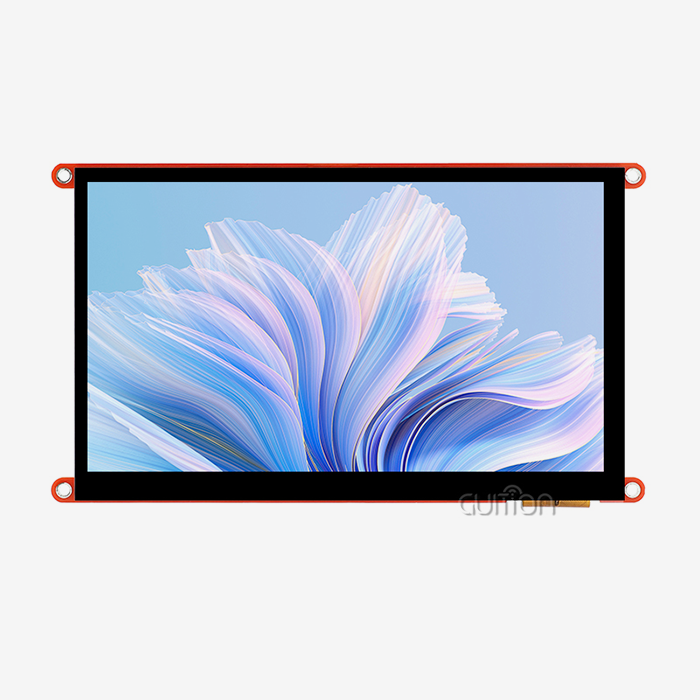
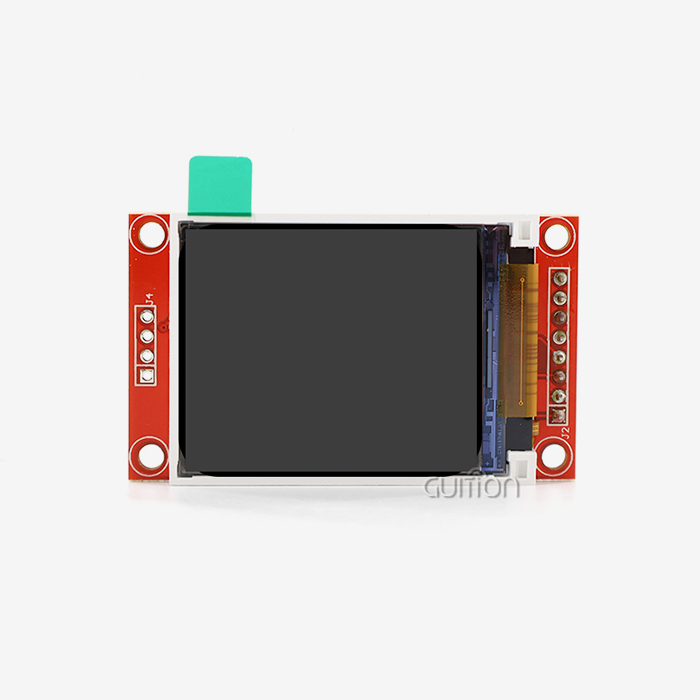
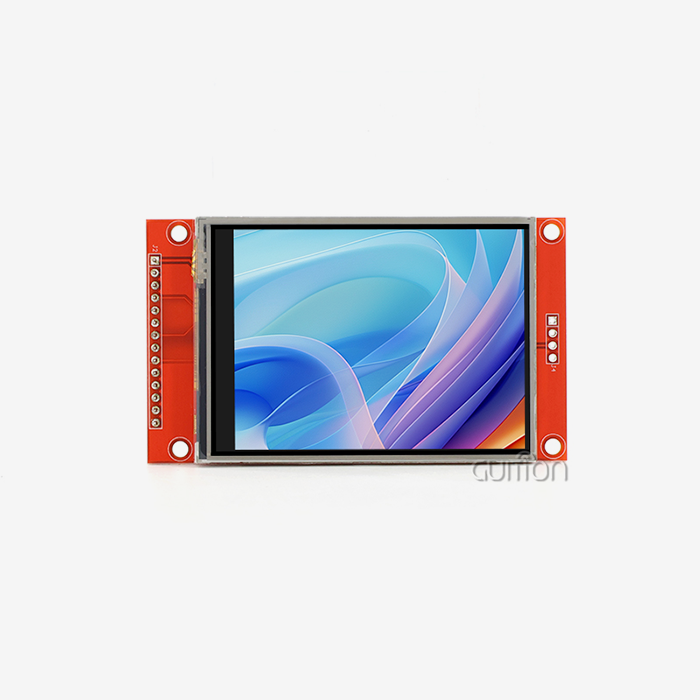
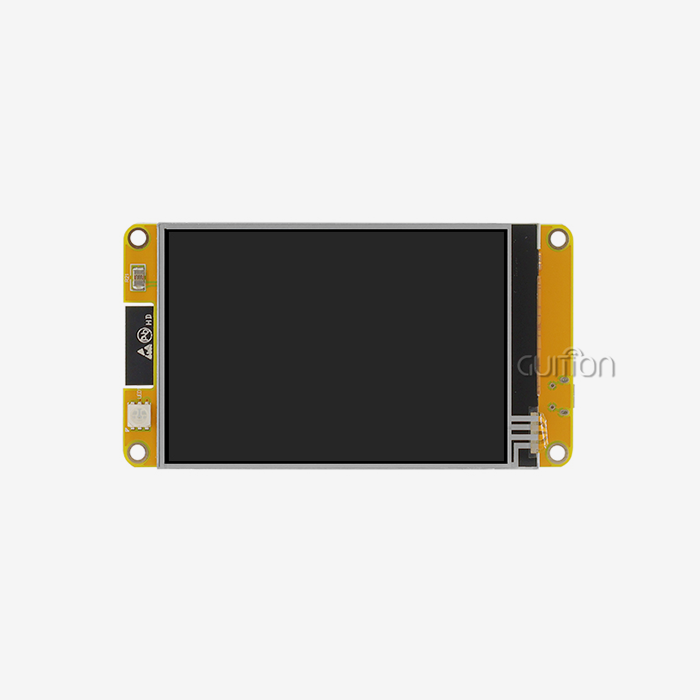
Power optimization in LCD graphic display modules represents a critical engineering challenge that directly impacts battery life, operational costs, and environmental sustainability across industrial applications. Modern LCD graphic display modules consume significant energy through three primary channels: backlight systems, driver integrated circuits, and continuous pixel refresh operations. Understanding these power consumption patterns enables engineers and procurement professionals to implement targeted optimization strategies that can reduce energy usage by 30-50% without compromising visual performance. The GUITION JC4827B043N is a great example of this balance, as it has an efficient ILI6485 driver chip and a well-designed RGB interface that provides excellent 480×272 resolution display quality while keeping power use
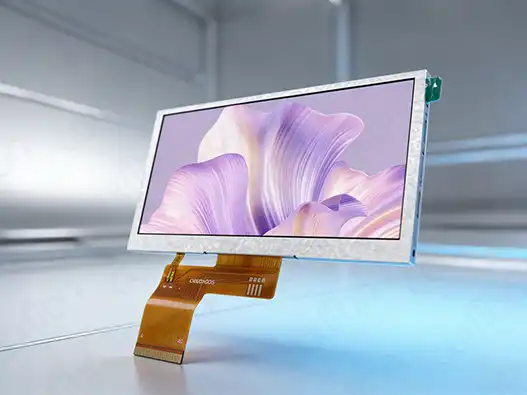
Understanding Power Consumption in LCD Graphic Display Modules
In LCD graphic display module units, power use is caused by three main parts that work together to show images. The backlight system, which lights up the liquid crystal grid, usually uses between 60 and 80% of all the energy. About 15 to 25 percent of the power used goes to driver ICs (integrated circuits), which handle addressing pixels and controlling voltage in the display. The last 5–15% comes from processes for refreshing pixels and methods for communicating with the display.
Backlight System Power Analysis
The part of most graphic LCD panels that uses the most power is the LED lighting. Traditional backlights with steady brightness always use the same amount of power, no matter how bright the room is or what material needs to be shown. This method loses a lot of energy when there isn't much light or when showing mostly dark material. Modern modules, like the GUITION JC4827B043N, have smart lighting management that changes the brightness on the fly based on sensors that sense the surroundings and content analysis. Temperature changes have a big effect on how well backlights work. For every 10°C above the best working range, LED backlights lose about 2% to 3% of their efficiency. Displays used in industrial settings often need to work in a wide range of temperatures. This is why thermal control is so important for saving power.
Driver IC and Interface Efficiency
Through built-in voltage control and selective pixel addressing, the ILI6485 driver chip is a great example of current power-efficient design. Older driver designs constantly refresh whole areas of the screen, but newer drivers only update areas with different pixels. This method cuts down on the extra work that needs to be done to send data and on the power that is wasted during times of static display. By reducing the number of pins and allowing lower voltage communication, RGB interface methods use less power than parallel interfaces. The 24-bit RGB interface lets you map colors directly without adding extra processing, so you don't have to do power-hungry color space changes.
Identifying Key Power Bottlenecks and Their Causes
Manufacturing engineers often have to deal with power inefficiencies caused by bad design choices and tech limits from the past. The most common bottleneck is an overly bright backlight, which is usually caused by safety gaps that are too large in brightness standards. There is a lot of wasted energy because many programs set screens to full brightness even when they aren't needed for visibility.
Common Inefficiency Patterns
Optimizing the refresh rate is another big chance to cut down on power use. Standard refresh rates of 60 Hz use too much power for apps that mostly show flat information. Industrial control screens, medical tracking devices, and energy management systems don't usually need changes that happen quickly across the whole screen. Choosing the right interface protocol has a huge impact on how well the whole system works. Multiple high-current input pins are needed for legacy parallel connections, which increases both direct power use and electromagnetic interference. Signal integrity problems caused by bad wire shielding and long transmission lengths make these inefficiencies even worse and need higher drive voltages to fix. Because there is no adjustable lighting control, a lot of power is wasted in a variety of working conditions. Displays made for bright industrial settings often keep their brightest lights on even in dark control rooms, using three to five times as much power as they need to in order to be seen properly.
Environmental Impact Factors
Extreme temperatures make it so that display devices can't work as efficiently as they could. Liquid crystal reaction times are longer in cold places, so pixels need to be charged for longer amounts of time, and drive voltages need to be higher. In contrast, operating at high temperatures makes LEDs less efficient and speeds up the degradation of the lighting, which means that higher current levels are needed to keep the brightness at the right level. Pollution and humidity raise leakage currents and make shielding less effective, which lowers power usage. There are particles in the air that can build up in industrial settings and cause conductive deposits to form. These deposits create parasitic current paths that raise the default power usage over time.
Practical Power Optimization Techniques for LCD Graphic Display Modules
To effectively optimize power use, you need to take a methodical approach that addresses each major source of power waste while keeping LCD graphic display module performance standards. These tried-and-true methods save energy without affecting the quality of the image or the dependability of the system's operation.
Advanced Backlight Management Strategies
Ambient light detection lets the brightness change automatically based on the lighting conditions. Photoresistor or photodiode sensors give input to dynamic backlight control algorithms that keep vision at its best while using as little energy as possible. In settings with changing lighting, this method usually cuts brightness power by 40 to 60 percent. Content-aware dimming looks at what's on the screen to make sure that the backlight level is just right for each picture. Intelligent systems can lower the backlight power when low-brightness content is being shown because dark backgrounds need less lighting than bright images. Through its RGB interface, the GUITION JC4827B043N lets you set the brightness, which makes software-based optimization methods possible. Zonal lighting control splits the screen into sections that can be controlled separately, letting you adjust the brightness to your specific needs. This method works best for apps that need to show a mix of content types, like industrial HMI panels that show both bright status signs and darker graphic elements.
Intelligent Refresh Rate Optimization
Adaptive refresh rate control changes how often updates happen based on how often information changes and how often users interact with the screen. Display parts that don't change need very low refresh rates, while images that do change need higher speeds only when they are actively updating. In normal industrial settings, this selective method can cut power use by 25 to 40 percent. Instead of updating whole frames, partial screen updates only change the parts of the screen that have changed. Modern driver ICs can handle windowed update orders, which reduces the amount of data that needs to be sent and processed. The ILI6485 driver chip has good memory management that lets it do quick partial changes without any noticeable effects. When input data stays stable, frame rate syncing with data sources gets rid of restart cycles that aren't needed. Industrial sensors and control systems usually update at set times. This lets us monitor refresh rates fit the timing of data collection for the best performance.
Software and Firmware Enhancement Approaches
Implementing a sleep mode saves a huge amount of power when nothing is being done. Intelligent power management can tell when a user isn't doing anything and instantly turn down the brightness of the screen or put it into sleep mode, all while keeping the system active. Touch contact, communication action, or planned update times are all examples of wake-up triggers. Data compression methods lower the amount of bandwidth and power that a link needs. Run-length encoding and palette-based compression techniques keep picture quality high while reducing the amount of data that needs to be sent. These methods work especially well for programs that use a lot of repeated graphics or small color schemes. Caching techniques keep material that is frequently shown in local memory. This cuts down on the time needed to communicate with host controllers. Smart caching techniques put images and fonts that are used a lot at the top of the list so that the display can be updated quickly without having to send the same data over and over.
Selecting the Right LCD Graphic Display Module for Power Efficiency
To pick the best LCD graphic display module, you need to carefully consider both speed and power-related specs. Driver IC efficiency, interface power consumption, and thermal working features that directly affect energy use under predicted running conditions are some of the most important things to look at when making a choice.
Essential Power Efficiency Metrics
The link between visual performance and power use can be seen by plotting the contrast ratio against the brightness specs. Higher contrast ratios make it possible to see well at lower brightness levels, which means that less power is needed for the lighting. The GUITION JC4827B043N has great contrast thanks to its advanced liquid crystal formulation and improved polarizer design. Operating temperature ranges are directly related to how well power works in different environments. Modules that are designed to work in a wider range of temperatures usually have more efficient driver circuits and thermal adjustment systems that keep the power consumption the same no matter what the temperature is outside. Different transmission methods use a lot of different amounts of power on the interface. By lowering the number of pins needed and allowing lower voltage signaling, RGB connections are usually more efficient than parallel ones. The 24-bit RGB interface lets you map colors directly, without extra processing that uses more power.
Manufacturer Comparison and Features
Different approaches are used by leading makers to optimize power, which gives different users clear benefits. WaveShare works on making designs that use very little power and can be used in battery-powered products. Tianma focuses on making high-efficiency backlights for use in cars. NewhavenCo specializes in working with a wide range of temperatures and keeping the power qualities stable. Kingbright has power control tools that can be changed to fit OEM needs. GUITION stands out because it takes a complete approach that combines strong software tools with well-designed hardware. This idea is shown by the JC4827B043N, which has an integrated ILI6485 driver and an optimized RGB interface. The GUI development software that comes with it has easy-to-use graphical tools that let you set up accurate power management.
Procurement Strategy Recommendations
Sample review programs give us important information about how power is used in the real world. Asking for evaluation modules with the same specs as production units makes sure that power readings are true when the units are actually being used. To make sure the power use is correct across the predicted working ranges, testing should include changing the brightness, cycling the temperature, and loading the interface. Talks about custom manufacturing opening up improvement options that go beyond standard product specs. A lot of companies make different backlight setups, driver IC choices, and custom interface designs that can make high-volume uses much more power-efficient.
Future Trends in LCD Graphic Display Module Power Optimization
New technologies keep making it easier to save power while keeping or even improving the performance of an LCD graphic display module. These changes make it possible for next-generation goods to combine visual clarity and energy efficiency in ways that weren't possible before.
Advanced Backlighting Technologies
Mini-LED backlit systems are more efficient because they distribute light more evenly and lose less light through reflection. These systems allow for local dimming, which changes the lighting based on the content while keeping it very regular. When compared to regular LED displays, mini-LED technology usually makes them 20% to 30% more efficient. OLED hybrid methods blend LCD liquid crystal control with organic LED lighting to make them more efficient and improve contrast. These systems get rid of the need for standard backlights and offer self-illuminating pixels that make mixed-content apps use less power overall. By changing blue LED output to specific color bands with little energy loss, quantum dot enhancement films make LED backlights more efficient. With this technology, screens can be brighter while using less power, and color gamuts can be expanded to make things look better.
Smart Controller Integration
Modern driver ICs have machine learning algorithms that figure out how to use the least amount of power possible based on how the device is used and its surroundings. These smart systems learn from operating data to figure out what brightness levels and refresh rates will work best for different users and apps. Integrated sensor networks let a lot of information about the surroundings be collected and used to make decisions about power management. Sensors that measure temperature, humidity, and ambient light give real-time information to automatic optimization programs that keep things running at their most efficient level, even when conditions change. Integration of wireless connection allows tracking and optimizing of display power use from afar across deployed device networks. Cloud-based analytics tools can find ways to improve efficiency and make changes remotely, which lowers the cost of upkeep and raises the level of performance.
Conclusion
Optimizing the power of an LCD graphic display module needs a wide range of methods that take into account the backlight's efficiency, the management of the driver IC, and smart software control. The methods explained in this study show how to reduce power use by 30 to 50 percent while still meeting the standards for visual performance needed in commercial settings. New modules like the GUITION JC4827B043N show how improved driver integration and optimized interfaces can make things very efficient without sacrificing utility. As new technologies keep improving power optimization tools, people who work in buying should give more weight to sellers who are dedicated to eco-friendly design and full optimization support.
FAQ
Q: What power savings can realistically be achieved with LCD graphic display modules?
A: Typical power optimization implementations achieve a 30-50% reduction in overall display system consumption through combined backlight management, refresh rate optimization, and intelligent sleep modes. Advanced implementations using content-aware dimming and adaptive refresh rates can reach 60-70% savings in applications with predominantly static content.
Q: Do power efficiency improvements compromise display quality or reliability?
A: Modern power optimization techniques maintain or improve display quality through intelligent management rather than performance reduction. Adaptive brightness control enhances visibility across varying lighting conditions, while selective refresh rate management eliminates unnecessary flicker and extends component lifetime through reduced thermal stress.
Q: What are typical lead times for custom low-power display orders?
A: Standard modifications, including brightness control integration and interface optimization, typically require 4-6 weeks for sample production and 8-12 weeks for volume manufacturing. Complex customizations involving driver IC modifications or specialized backlight systems may extend timelines to 12-16 weeks, depending on specific requirements and testing protocols.
Q: How do temperature variations affect power consumption in graphic LCD modules?
A: Temperature changes create approximately 2-3% efficiency variation per 10°C deviation from optimal operating ranges. Cold environments increase power consumption through higher drive voltages required for adequate liquid crystal response times, while elevated temperatures reduce LED efficiency and require increased current levels to maintain brightness specifications.
Q: What interface protocols offer the best power efficiency for graphic LCD modules?
A: RGB interfaces generally provide superior power efficiency through reduced pin count and direct color mapping without processing overhead. SPI and I2C alternatives offer lower pin requirements but may increase power consumption through data conversion processes. Selection depends on specific application requirements and host controller capabilities.
Partner with Guition for Power-Optimized Display Solutions
Industrial equipment manufacturers seeking advanced power optimization capabilities can leverage Guition's comprehensive LCD graphic display module solutions to achieve exceptional energy efficiency without compromising performance. Our JC4827B043N model demonstrates our commitment to sustainable design through its efficient ILI6485 driver integration and optimized RGB interface architecture. Contact our engineering team at david@guition.com to discuss custom power optimization requirements and discover how our proven technologies can reduce operational costs while enhancing product reliability. As a trusted LCD graphic display module supplier, we provide complete development support through our Guition software platform, enabling rapid implementation of advanced power management features that deliver measurable competitive advantages.
References
1. Chen, H., et al. "Advanced Power Management Techniques for Industrial LCD Display Systems." Journal of Display Technology, Vol. 18, No. 3, 2022, pp. 156-168.
2. Martinez, R., and Thompson, K. "Comparative Analysis of Driver IC Power Consumption in Graphic LCD Modules." IEEE Transactions on Industrial Electronics, Vol. 69, No. 8, 2022, pp. 8234-8243.
3. Williams, S., et al. "Backlight Optimization Strategies for Energy-Efficient LCD Graphic Displays." Display Week Technical Papers, Society for Information Display, 2023, pp. 45-58.
4. Anderson, P., and Liu, X. "Thermal Management and Power Efficiency in Industrial Display Applications." Proceedings of the International Conference on Industrial Automation, 2022, pp. 312-325.
5. Davis, M., et al. "Interface Protocol Power Consumption Analysis for Embedded Display Systems." Embedded Systems Engineering Quarterly, Vol. 15, No. 2, 2023, pp. 78-91.
6. Taylor, J., and Singh, A. "Future Trends in Low-Power LCD Display Technologies for IoT Applications." Nature Electronics Review, Vol. 6, No. 4, 2023, pp. 289-301.
Learn about our latest products and discounts through SMS or email