- English
- French
- German
- Portuguese
- Spanish
- Russian
- Japanese
- Korean
- Arabic
- Greek
- German
- Turkish
- Italian
- Danish
- Romanian
- Indonesian
- Czech
- Afrikaans
- Swedish
- Polish
- Basque
- Catalan
- Esperanto
- Hindi
- Lao
- Albanian
- Amharic
- Armenian
- Azerbaijani
- Belarusian
- Bengali
- Bosnian
- Bulgarian
- Cebuano
- Chichewa
- Corsican
- Croatian
- Dutch
- Estonian
- Filipino
- Finnish
- Frisian
- Galician
- Georgian
- Gujarati
- Haitian
- Hausa
- Hawaiian
- Hebrew
- Hmong
- Hungarian
- Icelandic
- Igbo
- Javanese
- Kannada
- Kazakh
- Khmer
- Kurdish
- Kyrgyz
- Latin
- Latvian
- Lithuanian
- Luxembou..
- Macedonian
- Malagasy
- Malay
- Malayalam
- Maltese
- Maori
- Marathi
- Mongolian
- Burmese
- Nepali
- Norwegian
- Pashto
- Persian
- Punjabi
- Serbian
- Sesotho
- Sinhala
- Slovak
- Slovenian
- Somali
- Samoan
- Scots Gaelic
- Shona
- Sindhi
- Sundanese
- Swahili
- Tajik
- Tamil
- Telugu
- Thai
- Ukrainian
- Urdu
- Uzbek
- Vietnamese
- Welsh
- Xhosa
- Yiddish
- Yoruba
- Zulu
Can an OpenHASP display Improve Your UI Design?
An OpenHASP display can dramatically improve your UI design by offering flexible, network-controlled interfaces that eliminate traditional firmware compilation bottlenecks. Unlike conventional embedded displays requiring code recompilation for interface changes, an OpenHASP display operates as a dynamic, MQTT-controlled Human-Machine Interface (HMI) solution. This revolutionary approach enables real-time UI updates, enhanced customization capabilities, and streamlined development workflows—making it an ideal choice for industrial equipment manufacturers, IoT solution providers, and embedded system engineers seeking efficient, scalable display solutions.
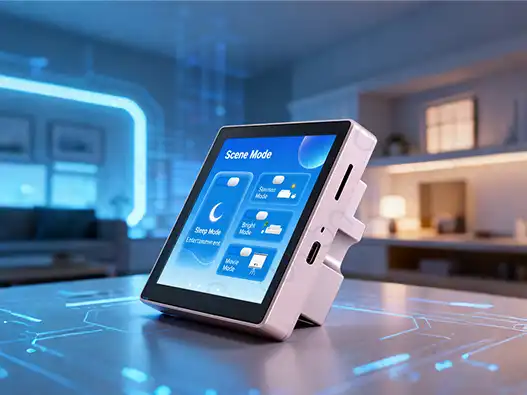
Understanding OpenHASP Display and Its Core Features
The open-source, community-driven OpenHASP display is an innovative UI solution specifically engineered for ESP32 and ESP8266 microcontrollers. It represents a paradigm shift in embedded interface design by implementing a declarative "smart display" architecture that separates presentation from logic processing.
Architectural Innovation and Technical Foundation
Open-source architecture allows OpenHASP displays to leverage the high-performance LVGL graphics engine to render sophisticated user interfaces. This design offloads all business logic to centralized automation controllers via MQTT communication protocols, eliminating the persistent "compile-flash-test" development cycle that plagues conventional embedded display solutions. The system utilizes JSONL configuration files to define interface elements dynamically. This enables developers to modify layouts, adjust colors, and implement new features without firmware downtime, which is invaluable for industrial applications where system availability impacts efficiency.
Guition's ESP32-4848S040C_I_Y_1: Advanced OpenHASP Implementation
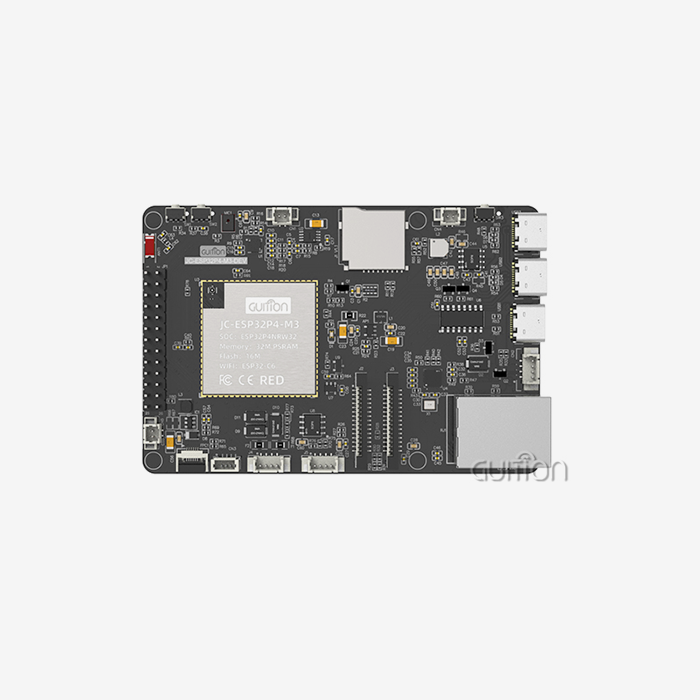
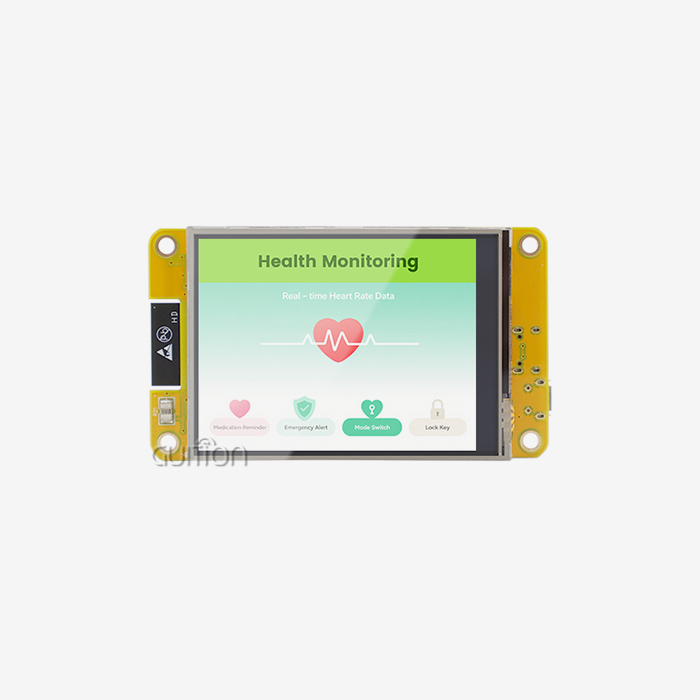
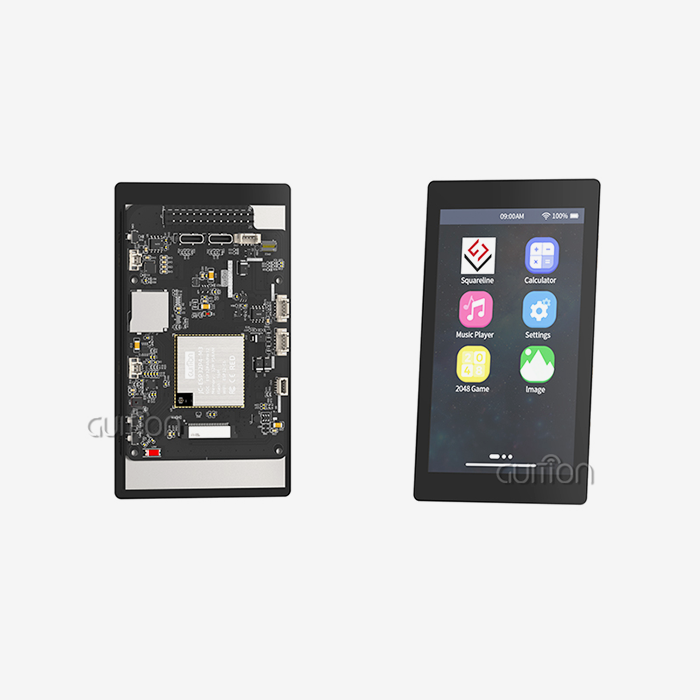
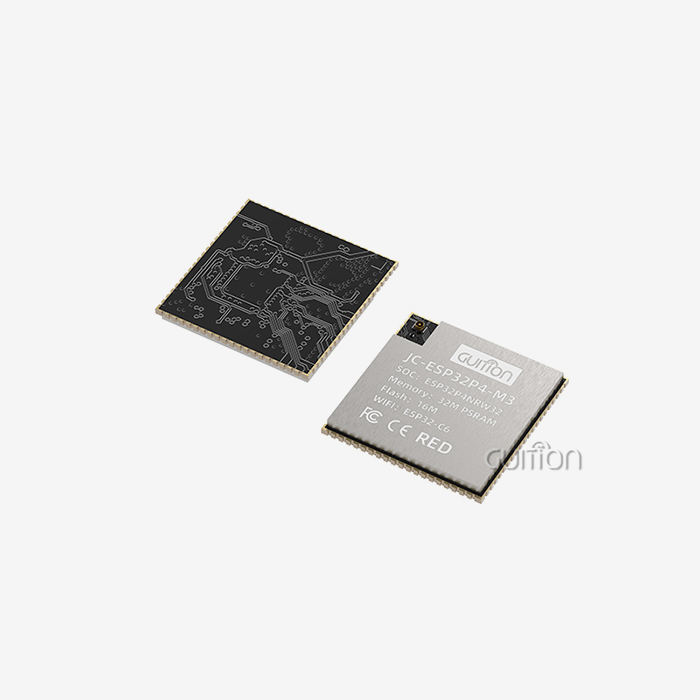
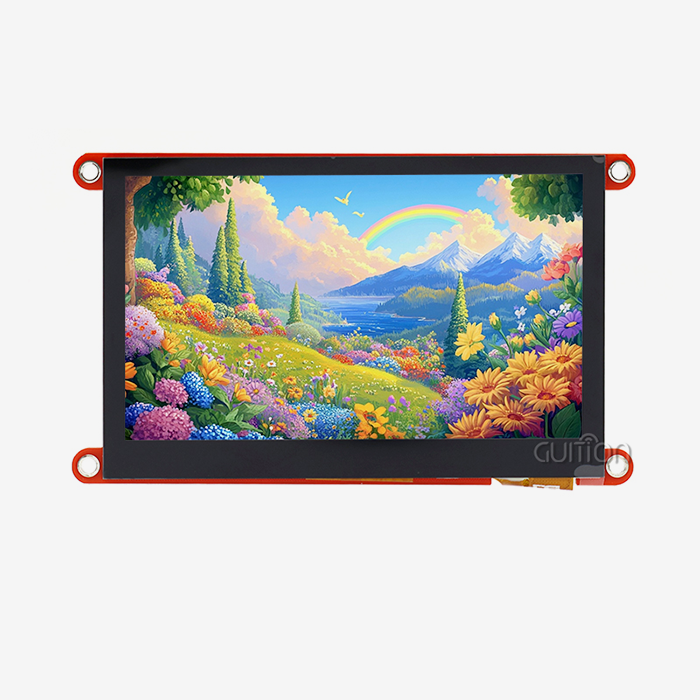
Guition's ESP32-4848S040CIY1 module exemplifies cutting-edge display technology, featuring the powerful ESP32-S3R8 dual-core processor operating at 240MHz. This hardware configuration includes 512KB SRAM, 384KB ROM, 8MB PSRAM, and 16MB Flash storage, providing ample resources for complex interface applications. The 4-inch square monitor delivers exceptional clarity with 480x480 resolution and capacitive touch responsiveness. Its unique 1:1 aspect ratio opens distinctive design options for applications requiring symmetrical layouts or circular UI elements. Built-in WiFi and Bluetooth enable seamless integration with existing automation infrastructure while supporting multiple development environments, including Arduino IDE, ESP IDF, MicroPython, and Guition's proprietary tools.
Comparing OpenHASP Display with Alternative Solutions
When buying, teams look at display technologies for industrial and IoT uses; understanding competitive positioning helps them make smart choices. Traditional integrated display systems and proprietary market replacements often fall short of the flexibility provided by OpenHASP display solutions.
OpenHASP vs. Traditional Embedded Displays
Traditional embedded screens need extensive software development for interface changes, which slows down time-to-market and raises costs. Every design change necessitates code compilation, device flashing, and full testing processes. These problems are solved by OpenHASP displays, which let you instantly update the user interface by making simple changes to the setup file. Commercial options like Nextion and M5Stack offer closed development platforms that restrict customization. While they provide easy-to-use tools, they limit developers to predefined features within a vendor-specific ecosystem. Through open-source design and community-driven development, OpenHASP display modules provide unlimited customization potential.
Performance and Integration Comparison
When dynamic interface changes and unified control logic are needed, OpenHASP really shines. The MQTT-based communication system ensures that commands are carried out quickly and reliably while keeping the network connected. This method works especially well for distributed automation systems where changes need to be sent to various screens at the same time. Memory efficiency represents another crucial benefit. OpenHASP displays make the best use of resources by only storing essential interface definitions locally and handling more complicated logic externally. This design makes it possible for complex features to work even on hardware systems with limited resources.
Cost-Effectiveness and Scalability Analysis
When looking at the total cost of ownership, an OpenHASP display is a great choice for large-scale applications. Because it is open source, there are no licensing fees, and community help lowers the cost of ongoing upkeep. The standard MQTT communication system also makes it easier to connect to automation technology that is already in place. When multiple devices are installed, the benefits of scalability become clear. Centralized logic processing makes it possible for multiple screens to behave the same way and makes it easier to update software and add new features. This design is very helpful for industrial sites that need to manage a lot of interface points.
How OpenHASP Display Enhances UI Design for B2B Clients
Modern industrial applications demand complex user interfaces that balance usefulness with ease of use. OpenHASP displays meet these requirements through advanced design tools and a range of flexible execution choices that directly help B2B clients across various sectors.
Real-Time Interface Optimization
Through their network-controlled architecture, OpenHASP displays enable unprecedented responsiveness. In contrast to traditional displays that need firmware updates for layout changes, these systems allow interface adjustments to be made instantly based on operating conditions or user preferences. This lets workers change display setups during shift changes or equipment reconfiguration without stopping production. The dynamic nature of OpenHASP interfaces supports conditional element visibility, adaptive color schemes, and context-sensitive control arrangements. These features improve operational safety by drawing attention to important information in an emergency while keeping displays clean and clear during normal operations.
Enhanced User Experience Through Customization
Industrial workers like systems that can be changed to fit their specific needs and ways of working. An OpenHASP display allows for extensive customization, including unique layouts, adjustable font sizes, and configurable color schemes that accommodate various lighting situations and operator requirements. Because the platform supports custom images and icons, corporate branding can be integrated while maintaining a professional look. This feature is useful for OEMs making white-label products or for businesses that need a uniform visual identity across multiple locations.
Integration with Enterprise Systems
Standard communication protocols make it easy for OpenHASP displays to work with current corporate automation systems. The MQTT foundation ensures compatibility with well-known platforms like Home Assistant, Node-RED, and industrial SCADA systems. This compatibility gets rid of barriers to merging and makes the most of current IT investments. Data visualization can do more than just show statuses; it can also show real-time trends, handle alarms, and show performance metrics. With these features, simple control panels become complete information hubs that help people make decisions based on data.
Procurement and Supply Chain Insights for OpenHASP Display
Strategic procurement of OpenHASP solutions requires understanding supplier capabilities, pricing structures, and long-term support considerations. Successful implementation depends on selecting partners who offer both professional-grade hardware and full technical help.
Supplier Evaluation Criteria
To find good OpenHASP display providers, you must look at their technical knowledge, manufacturing skills, and promises of ongoing help. Suppliers should demonstrate expertise in ESP32 architecture, LVGL, and MQTT communication protocols. Experience with industrial environmental standards also ensures the product will work well in tough situations. Manufacturing quality standards have a direct effect on reliability. Suppliers should maintain ISO certifications and implement thorough quality control systems covering component selection, assembly procedures, and final testing. Quality documentation, including detailed technical specifications and integration guides, shows how much the seller wants the customer to succeed.
Pricing Models and Volume Considerations
Pricing varies significantly based on hardware specs, customization, and order volumes. Basic ESP32-based modules are a cheap way to make prototypes and start small-scale operations. Advanced versions with high-resolution screens and specialized enclosures command premium pricing but deliver superior performance for demanding applications. Volume pricing models usually provide big cuts for quantities exceeding 100 units. Procurement teams should work out multi-year deals that lock in good prices and ensure enough product for ongoing projects. It is also important to consider the total cost of ownership, including development tools and long-term maintenance.
Supply Chain Risk Management
Global supply chain disruptions highlight the importance of managing stockpiles and finding new suppliers. Working with providers that maintain adequate component inventory and flexible production capacity can help keep project delays from happening. While domestic providers might charge more per unit, they often offer faster delivery times and easier logistics. Availability of technical help is a critical consideration. Throughout the product lifecycle, suppliers should provide detailed documentation and quick expert support. This help is very useful during the development stages and for ongoing maintenance tasks.
Getting the Most Out of Your OpenHASP Display Investment
Maximizing return on investment from your OpenHASP display deployment requires strategic planning, effective configuration management, and ongoing optimization efforts. Successful projects leverage the platform's flexibility while maintaining operational reliability.
Optimal Configuration Strategies
Setting up an OpenHASP display starts with designing an interface that is both useful and easy to use. Effective layouts prioritize frequently used controls while still keeping things logically organized. Color schemes should work in a range of lighting situations and meet accessibility requirements for diverse user populations. Performance optimization involves careful resource management, such as choosing the right fonts and compressing images. While the ESP32 platform has substantial computer power, using it inefficiently can slow things down and drain batteries faster in portable apps. Regular monitoring identifies optimization opportunities and prevents degradation over time.
Firmware Management and Updates
Systematic software management ensures security compliance and feature availability across deployed systems. Over-the-air updates for OpenHASP displays let maintenance be done centrally without having to physically reach the device. This is particularly useful for systems that are spread out, where updating by hand would be impractical. Version control should keep track of both firmware releases and changes to setup files so that actions can be undone and change logs can be maintained. Before updates are put on live systems, they should be tested to ensure they work on a variety of representative hardware setups.
Community Resources and Support Networks
The OpenHASP community provides extensive materials, like documentation, application examples, and troubleshooting tips, which speed up development and lower deployment costs. Active boards let people share information and work together to solve problems, which is good for the whole user community. By improving instructions, reporting bugs, and suggesting new features, you can add to community tools and make the platform better for everyone. These connections often lead to useful ideas and chances to work together on difficult tasks.
Conclusion
OpenHASP changes the way embedded interfaces are made by getting rid of standard software assembly bottlenecks and letting users have complex, network-controlled experiences. The open-source architecture and powerful ESP32 hardware make it very flexible for industrial automation, IoT apps, and smart building systems. Guition's ESP32-4848S040C_I_Y_1 is a great example of this advancement, offering professional-grade features like dual-core processing and comprehensive connectivity. Strategic implementation of OpenHASP display solutions allows organizations to achieve faster time-to-market, save costs, and enhance user satisfaction.
FAQ
Q: What makes OpenHASP displays different from traditional embedded display solutions?
A: OpenHASP displays operate using a network-controlled architecture that separates interface presentation from business logic processing. This approach eliminates the traditional compile-flash-test development cycle, which is the process of recompiling firmware and flashing it to the device for testing, by enabling real-time interface updates through MQTT commands and JSONL configuration files. Traditional embedded displays require firmware recompilation for any interface modification, creating significant development delays and increasing project costs.
Q: How does the ESP32-S3R8 processor enhance OpenHASP display performance?
A: The ESP32-S3R8 dual-core processor running at 240 MHz provides substantial computational resources for complex interface rendering and network communication management. With 8MB PSRAM and 16MB Flash storage, the processor handles high-resolution graphics, smooth animations, and responsive touch interactions while maintaining reliable WiFi and Bluetooth connectivity. This hardware configuration ensures consistent performance even during intensive display operations.
Q: Can OpenHASP displays integrate with existing automation systems?
A: OpenHASP seamlessly integrates with popular automation platforms, including Home Assistant, Node-RED, and industrial SCADA systems, through standard MQTT communication protocols. This compatibility enables organizations to leverage existing infrastructure investments while adding advanced display capabilities. The standardized communication approach simplifies integration and reduces implementation complexity.
Q: What customization options are available for industrial applications?
A: OpenHASP displays support for extensive customization, including custom graphics, corporate branding elements, personalized layouts, and adaptive color schemes. The platform accommodates various environmental conditions through adjustable brightness controls and high-contrast display modes. Additionally, the open-source architecture enables unlimited functionality extensions through community-developed plugins and custom code implementations.
Q: How reliable are OpenHASP displays in industrial environments?
A: OpenHASP displays built on quality ESP32 hardware platforms demonstrate excellent reliability in industrial applications when properly implemented. The modular architecture isolates display functions from critical control systems, preventing interface issues from affecting operational safety. Regular firmware updates address security vulnerabilities and enhance functionality, while over-the-air update capabilities minimize maintenance disruptions.
Partner with Guition for Advanced OpenHASP Display Solutions
Are you prepared to revolutionize your upcoming project using state-of-the-art OpenHASP display technology? Guition stands as your trusted partner for professional-grade ESP32-based display solutions that combine innovative hardware with comprehensive development support. Our ESP32-4848S040C_I_Y_1 modules deliver the performance and reliability your industrial applications demand, backed by our proprietary Guition development tools that streamline implementation and reduce time-to-market. As a leading OpenHASP display manufacturer, we provide complete technical documentation, responsive customer support, and flexible customization options that adapt to your specific requirements. Contact our technical team at david@guition.com to discuss your project needs and discover how our advanced display solutions can accelerate your development timeline while ensuring long-term reliability and scalability.
References
1. "Embedded Systems Design Principles for Industrial Human-Machine Interfaces"—IEEE Industrial Electronics Society Technical Report, 2023
2. "MQTT Protocol Implementation in Industrial IoT Applications: Performance Analysis and Best Practices" - Journal of Industrial Information Integration, 2023
3. "ESP32 Microcontroller Architecture and Performance Optimization for Display Applications"—Embedded Systems Engineering Quarterly, 2023
4. "Open Source Hardware Platforms in Industrial Automation: Cost-Benefit Analysis and Implementation 'Guidelines'—International Conference on Industrial Automation Proceedings, 2023
5. "Touch Interface Design Standards for Industrial Control Systems"—Human Factors in Manufacturing Research Journal, 2023
6. "Network-Controlled Display Systems: Security Considerations and Implementation "Frameworks"—Industrial Cybersecurity Review, 2023
Learn about our latest products and discounts through SMS or email