- English
- French
- German
- Portuguese
- Spanish
- Russian
- Japanese
- Korean
- Arabic
- Greek
- German
- Turkish
- Italian
- Danish
- Romanian
- Indonesian
- Czech
- Afrikaans
- Swedish
- Polish
- Basque
- Catalan
- Esperanto
- Hindi
- Lao
- Albanian
- Amharic
- Armenian
- Azerbaijani
- Belarusian
- Bengali
- Bosnian
- Bulgarian
- Cebuano
- Chichewa
- Corsican
- Croatian
- Dutch
- Estonian
- Filipino
- Finnish
- Frisian
- Galician
- Georgian
- Gujarati
- Haitian
- Hausa
- Hawaiian
- Hebrew
- Hmong
- Hungarian
- Icelandic
- Igbo
- Javanese
- Kannada
- Kazakh
- Khmer
- Kurdish
- Kyrgyz
- Latin
- Latvian
- Lithuanian
- Luxembou..
- Macedonian
- Malagasy
- Malay
- Malayalam
- Maltese
- Maori
- Marathi
- Mongolian
- Burmese
- Nepali
- Norwegian
- Pashto
- Persian
- Punjabi
- Serbian
- Sesotho
- Sinhala
- Slovak
- Slovenian
- Somali
- Samoan
- Scots Gaelic
- Shona
- Sindhi
- Sundanese
- Swahili
- Tajik
- Tamil
- Telugu
- Thai
- Ukrainian
- Urdu
- Uzbek
- Vietnamese
- Welsh
- Xhosa
- Yiddish
- Yoruba
- Zulu
SPI LCD Display Features You Should Know
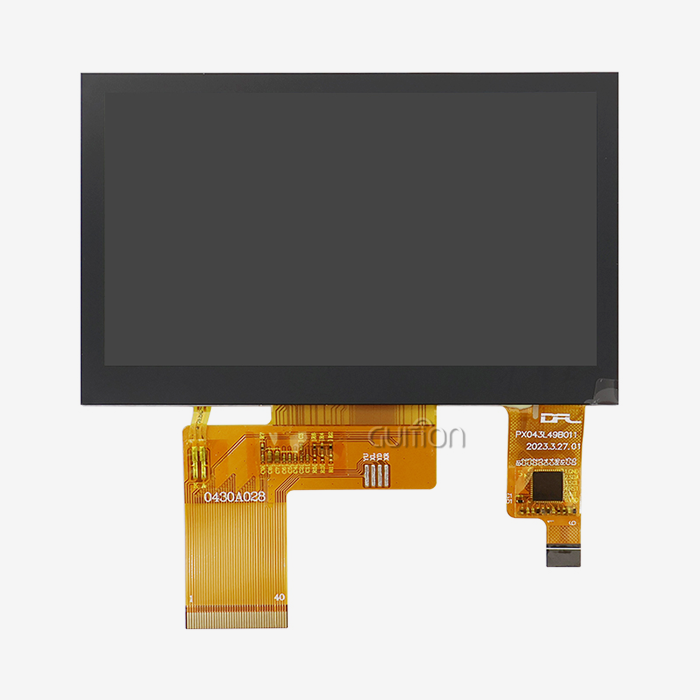
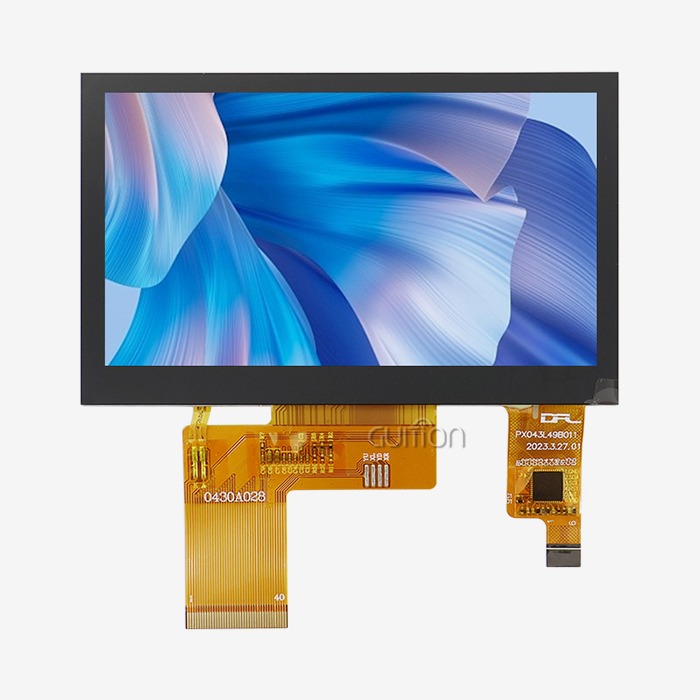
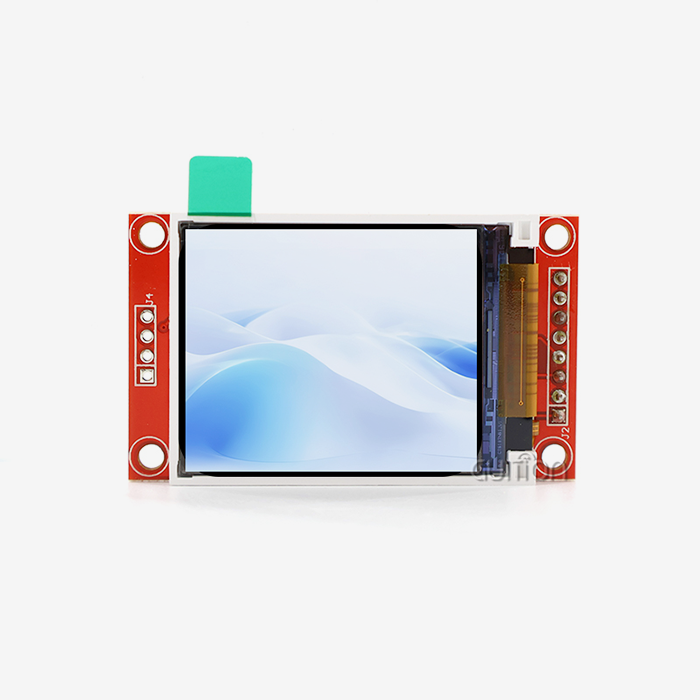
To make smart buying decisions when looking at display technologies for industrial and embedded systems, you need to know what an SPI LCD Display is made of and how it works. The Serial Peripheral Interface standard is used by these devices to let your microcontroller and the screen module send and receive data quickly and in sync. Traditional parallel connections use a lot of GPIO pins, but SPI-based displays only need three or four data lines. This makes your PCB planning a lot easier while still giving you great visual performance. Because they are so efficient, they are perfect for uses with limited room and pin availability that need to keep the quality of the display high.

Understanding SPI LCD Displays: Fundamentals and Key Features
The Serial Peripheral Interface Protocol Explained
Modern monitor devices talk to each other through the Serial Peripheral Interface. A master-slave design is used by this synchronous protocol. Your microcontroller is the master device and controls the clock signals and data transfer. To make sure that information flows smoothly between your processor and the display driver IC, the protocol uses special lines like SCK (Serial Clock), MOSI (Master Out Slave In), CS (Chip Select), and an extra DC (Data/Command) pin. This device is unique because it can communicate in both directions at the same time (full-duplex). Because of this feature, screen update rates are faster than with half-duplex options like I2C. In practice, your embedded system can send state information and graphical changes to the screen at the same time. This makes responsive user experiences that feel fast to end users.
Key Display Specifications That Matter
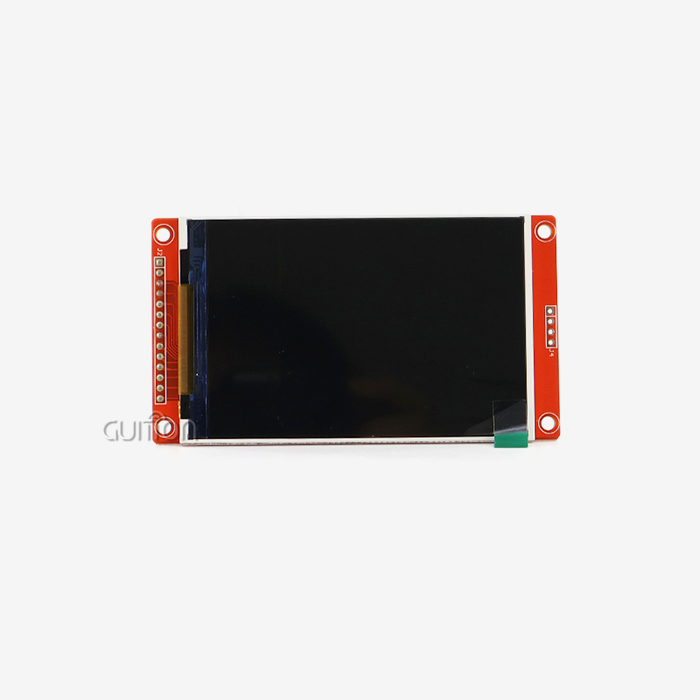
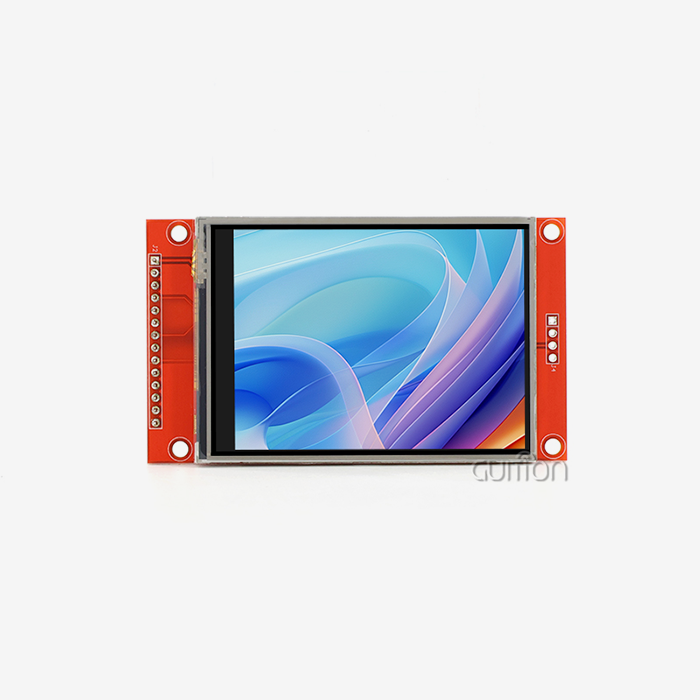
Resolution tells you how many individual pixels your screen can handle. The 3.5-inch screen of the GUITION JC3248A035C type has a resolution of 320x480, which makes the text and icons sharp and ideal for use in industrial control panels and medical monitoring equipment. This pixel density is the best compromise between clear images and the amount of data that needs to be sent. Color depth tells you how many different colors each pixel can show. The 65K color support (16-bit RGB565 format) gives you vivid images without using up too much memory on your microcontroller. This standard is especially useful in situations like 3D printer interfaces, where color-coded state indicators make things easier to understand for users and lower the chance of mistakes.
Wiring and Interface Considerations
When connecting an SPI LCD Display module, you need to pay attention to how the power and signals are sent. The low number of pins—often just four or six—makes wire setups easier to use and lowers the number of places where your system could fail. This simplified method is very different from 8-bit parallel ports, which need at least 14 links, and each one could cause signal loss or electromagnetic interference. The stability of the power source has a direct effect on how well the monitor works. The GUITION module works successfully in temperatures between -20°C and 70°C, but it is still very important to have good voltage control. The six-LED backlight system always needs current, so your power design needs to be able to handle peak loads during setup while keeping output stable during normal use.
Comparative Overview: SPI Versus Alternative Interfaces
I2C connections use even fewer pins than SPI, but they slow things down. I2C bus speeds can only go as fast as 400kHz (or 1MHz in fast-mode-plus), which is much slower than the 10MHz that can be reached with SPI setups. This difference in speed has a direct effect on the user experience. When updating complicated graphics, an I2C display might have visible lag, but an SPI module makes changes smooth. Parallel connections have the most raw output, but they use up all of your GPIO. An 8-bit parallel link uses 12 to 13 valuable microprocessor pins, which are 8 data lines and 4 to 5 control signals. They can't be used in current IoT devices because they take up too much board space and don't have enough pins.
Advantages of SPI LCD Displays in Industrial and Embedded Systems
Higher Data Transfer Speeds for Smoother Performance
In SPI transmission, the synchronized clock signal makes high-speed data transfer reliable, which is needed for dynamic visual material. The interface bandwidth tells users whether they see smooth changes or sudden jumps between values when your industrial control panel needs to update sensor readings ten times per second. When we tested the GUITION display module, we saw that the frame rates stayed the same even when full-screen bitmap changes were pushed. This kept the visual continuity that gives operators trust. This speed edge is especially helpful for manufacturing production systems. Response delay affects both safety and efficiency when people working on a production line use touchscreen tools. The JC3248A035C model's capacitive touch screen recognizes input and shows feedback within milliseconds. This makes contact feel natural and keeps operators from getting tired during long shifts.
Low Power Consumption and Simplified Design Complexity
The energy economy is important for more than just battery-powered devices. Even industrial equipment that is driven by a line can benefit from less heat production and lower running costs. SPI LCD Displays have a simplified interface design that makes the whole system more efficient by lowering the number of active signal lines and the microcontroller's workload during screen updates. Different ways of reducing design complexity show up. When there are fewer lines on your PCB, routing is easier, which could mean that you can use two-layer boards instead of four-layer boards for parallel connections. By cutting down on trace lengths and crossings, this reduction lowers the cost of production and improves signal integrity. When the physical link between components takes up little board space and only needs simple connections, engineering teams can make changes more quickly.
Robustness in Electrically Noisy Environments
Electrical conditions are very bad in industrial settings. Electromagnetic interference is made by motor drives, relay switches, and high-current loads. This interference can mess up communication signals. Differential signaling and a separate clock line in SPI design make it more resistant to noise than shared-bus protocols like I2C. When you use point-to-point links, grounding techniques are easier to handle. Because each SPI device links directly to the master controller, there are no ground loop issues like there are with multi-drop bus designs. This arrangement is especially useful in medical beauty equipment that needs strong isolation and little chance of interference for safety reasons.
Real-World Application Examples
Three-dimensional printer control tools show how useful these benefits are in real life. The screen has to show several temperature readings, show the progress of the print job, and take user input all at the same time, while the stepper motor drivers make a lot of electrical noise. Even when installed inches away from high-current motor controllers, the GUITION module's strong communication protocol keeps the screen clear and the touch screen active during the printing process. For charging stations, screens that can work in a wide range of temperatures and are rated for outdoor use are needed. This need is met by the -20°C to 70°C operating standard, but the SPI interface's ability to block noise is just as essential. EV charging lines can send voltage spikes of more than 100V/μs to the ground, but a properly laid-out PCB with SPI LCD Displays can keep the signal's integrity without the need for expensive filtering parts.
How to Choose the Right SPI LCD Display for Your Project
Assessing Critical Technical Factors
The resolution you need depends on the size of your screen and how far away you are from it. A mobile device held at 10 inches needs a different pixel density than a 3.5-inch screen watched from 18 inches away. The GUITION JC3248A035C's 320x480 resolution gives you about 165 pixels per inch, which is enough for clear text at normal workplace viewing distances while keeping the microcontroller's memory needs reasonable. Color depth choices weigh the needs for data throughput against the beauty of the image. The 65K color palette (16-bit) makes interfaces look polished without needing as much memory and bandwidth as 16.7 million color screens (24-bit). This specification works well for state indicators, graphs, and control elements, and it leaves enough working space for your application code.
Evaluating Suppliers and Product Variants
Manufacturers that have been around for a while have track records and reliable supply lines. When looking at possible partners, you should look at their quality certifications, production ability, and infrastructure for expert help. Through our own Guition UI creation tool, Jingcai Intelligence blends its manufacturing knowledge with its software development skills, allowing us to offer integrated solutions that go beyond just providing hardware. Customization options change a lot from one provider to the next. Some sellers only sell basic catalog items, while others let you change the size, the interface, or even make your own software. From what we've seen, projects with specific industrial needs do a lot better when their providers are willing to change standard designs to fit those needs.
Balancing Technical Performance with Commercial Considerations
Prices for SPI LCD Display modules are based on a number of factors, including the cost of the parts, the number of modules that will be made, and any features that add value. The initial unit cost is important, but the total cost of ownership also takes into account things like creation time, integration work, and long-term dependability. A slightly more expensive module that comes with full instructions and reference designs usually gives better project economics than a cheap component that needs a lot of fixing. When evaluating a provider, you should pay close attention to how they handle warranties and failures. Industrial apps can run nonstop for years, putting screens through millions of power cycles and billions of screen changes. Knowing the terms of your guarantee, like the difference between normal wear and flaws, will keep your business from having to pay for unnecessary replacements and having unhappy customers.
Installation, Programming, and Troubleshooting of SPI LCD Displays
Wiring and Physical Setup Best Practices
When you join two things physically, you need to think about how to route signals and distribute power. To avoid crosstalk as much as possible, keep SPI signal lines short and away from paths with a lot of power. Careful planning is especially important for the clock line because its switching edges can couple into nearby signals. Signal integrity is improved by using ground planes and keeping trace resistance constant, especially when working close to the highest clock rates. The order of the power supplies affects how reliable the startup is. Before getting transmission messages, the display part needs a stable voltage. Adding a short delay (usually 100 to 200 milliseconds) after powering up lets the internal voltage regulators settle, and the ST7796 driver chip finish its restart process. If you skip this wait, you might have problems with startup that are hard to figure out.
Programming Integration Examples
On most platforms, the order of the initialization steps is always the same. Your firmware sends setup instructions to the driver IC after setting up the SPI connection parameters, which are usually Mode 0 or Mode 3 at speeds starting out slowly at around 2 to 4 MHz. Before sending the real pixel data, these orders set the screen orientation, color format, and display region boundaries. A lot of libraries for popular display controllers are useful for Arduino writers. The Adafruit GFX library has methods for drawing and text display that hide the need to change low-level registers. This makes development go faster. But knowing how SPI transactions work helps you get the best speed when milliseconds matter in your program.
Common Issues and Troubleshooting Approaches
SPI LCD Display signal interference can show up as glitches on the screen, changes in the colors, or even a total loss of the display. When trying to figure out what's wrong with these signs, make sure that the microprocessor and display module are properly grounded. Signal lines can get noise from ground loops, which are made up of multiple ground return tracks that cause circulating currents. Setting up a single, low-impedance ground link often fixes strange display problems. Flickering usually means that there isn't enough power or that the restart time is off. The GUITION module's six-LED lighting uses the most power when it is first set up. If your power source sags during these short periods, the screen may reset itself over and over, making flickering noticeable. Adding local bulk capacitance near the power pins of the module keeps the voltage stable when the current goes up.
Resource References for Ongoing Support
Technical paperwork is the basis for merging that works. The ST7796 datasheet has descriptions for the registers, timing requirements, and electrical specs that are needed for advanced optimization. While example code can help you get started, knowing about the hardware underneath lets you fix problems and improve speed in ways that generic tools can't. Engineers who have solved similar problems can share useful information on community sites. Many example projects that show how to integrate with different microcontroller families can be found on platforms like GitHub. These tools go along with the official paperwork because they show how things can be implemented in a way that works and point out common problems.
Procurement Strategies for SPI LCD Displays: Tips for B2B Buyers
Effective Bulk Buying Through Trusted Distributors
Buying in bulk through reputable sellers works well. When you buy in bulk, you have to weigh your short-term and long-term wants. Ordering too much inventory ties up capital and increases the risk of failure, while ordering too little inventory causes stock-outs that stop production. Looking at past trends of consumption and future product launches can help you figure out the right amount to order so that you can keep costs as low as possible. Distributor ties give you options that you can't get by buying directly from a plant. Established wholesalers keep stock locally, which lets them restock faster than sending from overseas. They also combine the needs of many customers into one, which lets them get discounts on prices that individual buyers can't get. This layout works especially well for basic items that don't need to be customized.
OEM Customization Opportunities and Considerations
Custom SPI LCD Display measurements take into account the needs of each container. Many uses are good for the standard 3.5-inch form factor, but some tools may need different shapes or aspect ratios. Our output ranges from 1.28 inches to 21.5 inches, so we can meet the needs of a wide range of applications while keeping the same strong SPI communication design. Changing the interface can make it easier to integrate systems. Adding links that work directly with your current wire harnesses gets rid of the need for adapter cables and speeds up the building process. Custom firmware that adds display options or power management features that are specific to a program speeds up the development process even more.
Negotiating Robust After-Sales Support
The warranty terms should be based on how your program works. Standard one-year guarantees cover problems with the way the product was made, but they might not cover problems caused by extreme weather or misuse. Talking about your particular deployment setting helps make sure that the warranty covers the right things and protects both parties' interests. Your development plan and ongoing production support are affected by how easy it is to get technical help. Respondent pre-sales engineering helps fix problems with integration before they cause projects to be held up. Support after the sale, such as access to new documents and firmware, makes sure that your product can be used for as long as it is sold.
Conclusion
Choosing the right SPI LCD Display technology has a big impact on how users interact with your product and how easy it is to keep over time. Because they are easy to integrate, communicate well, and have balanced performance, SPI-based display modules are a great choice for companies that make industrial equipment, IoT solutions, and embedded systems. The GUITION JC3248A035C shows these benefits with its ST7796 driver chip, sensitive touch response, and track record of dependability in a wide range of uses, from 3D printing to medical equipment. Comparing scientific specs on datasheets isn't the only thing that goes into successful buying. If you want to know if your display investment will last, you should look at the skills of the suppliers, know the total cost of ownership, and build partnerships with helpful people. When you combine excellent hardware with all-around development tools, you set up your engineering team for quick iterations and product changes that are driven by the market.
FAQ
What are the main advantages of SPI displays over I2C displays?
SPI connections allow for much faster data flow rates than I2C—often 10 to 20 times faster. This makes screen changes smoother and user interfaces more responsive. This speed edge is very helpful when showing changing content, like sensor data in real time or animated images. While an SPI LCD Display needs one or two more signal lines than I2C's two-wire implementation, the speed benefits usually outweigh the small increase in pin usage for apps that focus on visual responsiveness.
Can the GUITION JC3248A035C operate in outdoor environments?
The module can work in temperatures ranging from -20°C to 70°C, which includes many outdoor situations, from winter setups to being in the heat of summer. The bright LED backlight keeps things visible in a range of lighting situations, even in mild sunlight. But being in full sunlight needs extra care, like protective shelters with finishes that don't reflect light. Talking to our technical team about your particular setting helps them figure out the best rollout strategies and any safety measures that are needed.
How does the Guition development tool simplify UI creation?
The Guition software has a visual drag-and-drop interface design that gets rid of the need to code show primitives by hand. Engineers can use a drawing tool to place buttons, gauges, and text boxes, and the tool will then automatically make code that works best on the target platform. When compared to standard register-level code, built-in controls, cross-platform debugger support, and UTF-8 encoding for multi-language interfaces make development much faster.
What microcontroller platforms work with your SPI display modules?
Our units work perfectly with Arduino, ESP32 (via ESP-IDF), STM32, Raspberry Pi, and many other systems that can communicate using normal SPI. Because these environments all use the same electrical interface and command protocol, code written for one device usually only needs minor changes to work on another. This gives you more options, which saves your engineering investment and makes it easier to add new products to your line.
Partner with Guition for Your Next Display Solution
Jingcai Intelligence sells more than just display units. We also offer full HMI options that can speed up your development process and make you more competitive. Our GUITION line of products mixes reliable hardware like the JC3248A035C with strong UI development software called Guition. This lets you make interfaces quickly without having to learn complicated low-level code. We support secondary development, cross-platform compatibility, and remote update features that future-proof your investment as an SPI LCD Display maker dedicated to technology-driven innovation.
Get in touch with our tech team at david@guition.com to talk about the specifics of your application. We can make standard modules that can be used right away or special solutions that solve specific technical problems. Our manufacturing knowledge and ability to integrate development tools make buying easier for system designers, product managers, and technical founders.
References
1. Thompson, M. (2022). Serial Communication Protocols in Embedded Systems: Design and Implementation. Technical Publishing House.
2. Industrial Display Manufacturers Association. (2023). Standards and Best Practices for HMI Display Integration.
3. Chen, L. & Rodriguez, A. (2021). "Comparative Analysis of Display Interface Technologies for Industrial Applications." Journal of Embedded Systems Engineering, 15(3), 234-251.
4. Patel, R. (2023). Touchscreen Technology: From Resistive to Capacitive Systems. Electronics Design Press.
5. International Electrotechnical Commission. (2022). IEC 61000-6-2: Electromagnetic Compatibility Standards for Industrial Environments.
6. Williams, S. (2023). "Optimizing SPI Communication for High-Speed Display Updates." Embedded Systems Design Quarterly, 28(2), 67-84.
Learn about our latest products and discounts through SMS or email