- English
- French
- German
- Portuguese
- Spanish
- Russian
- Japanese
- Korean
- Arabic
- Greek
- German
- Turkish
- Italian
- Danish
- Romanian
- Indonesian
- Czech
- Afrikaans
- Swedish
- Polish
- Basque
- Catalan
- Esperanto
- Hindi
- Lao
- Albanian
- Amharic
- Armenian
- Azerbaijani
- Belarusian
- Bengali
- Bosnian
- Bulgarian
- Cebuano
- Chichewa
- Corsican
- Croatian
- Dutch
- Estonian
- Filipino
- Finnish
- Frisian
- Galician
- Georgian
- Gujarati
- Haitian
- Hausa
- Hawaiian
- Hebrew
- Hmong
- Hungarian
- Icelandic
- Igbo
- Javanese
- Kannada
- Kazakh
- Khmer
- Kurdish
- Kyrgyz
- Latin
- Latvian
- Lithuanian
- Luxembou..
- Macedonian
- Malagasy
- Malay
- Malayalam
- Maltese
- Maori
- Marathi
- Mongolian
- Burmese
- Nepali
- Norwegian
- Pashto
- Persian
- Punjabi
- Serbian
- Sesotho
- Sinhala
- Slovak
- Slovenian
- Somali
- Samoan
- Scots Gaelic
- Shona
- Sindhi
- Sundanese
- Swahili
- Tajik
- Tamil
- Telugu
- Thai
- Ukrainian
- Urdu
- Uzbek
- Vietnamese
- Welsh
- Xhosa
- Yiddish
- Yoruba
- Zulu
Smart Home Panels: 5 Inch ESP32S3 Display Module Guide
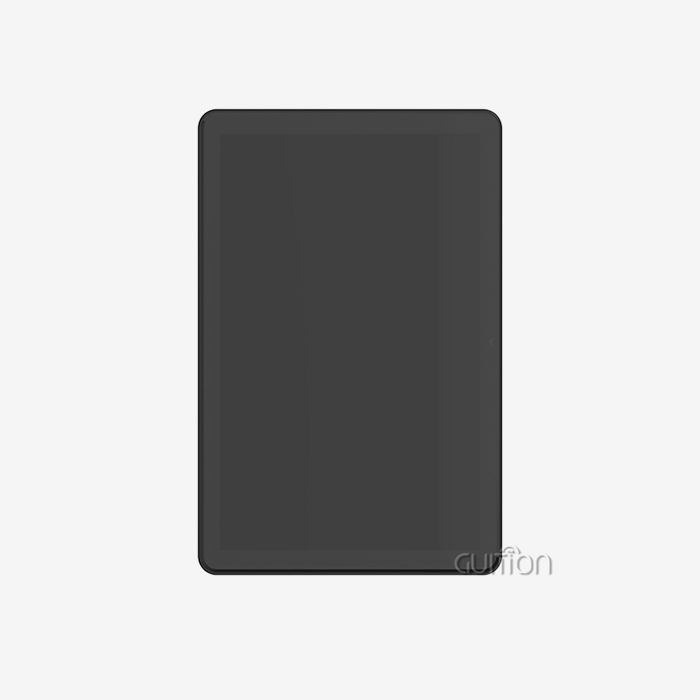
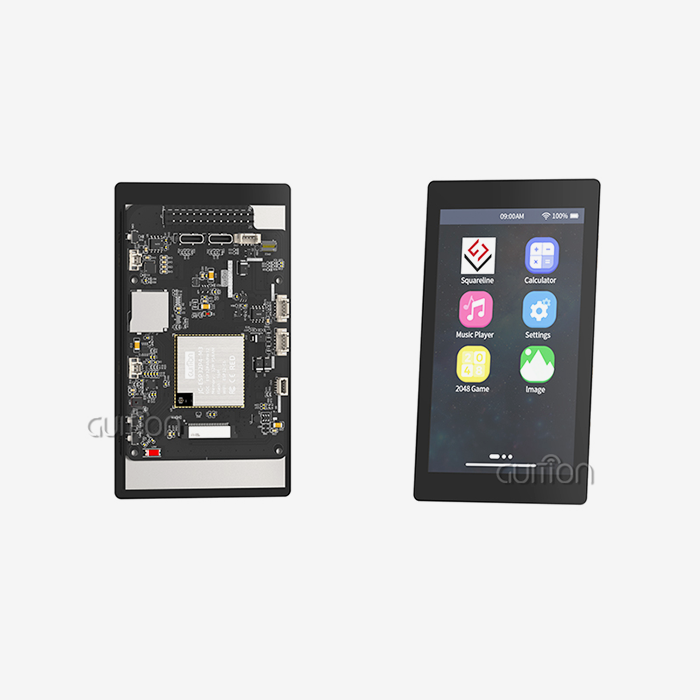
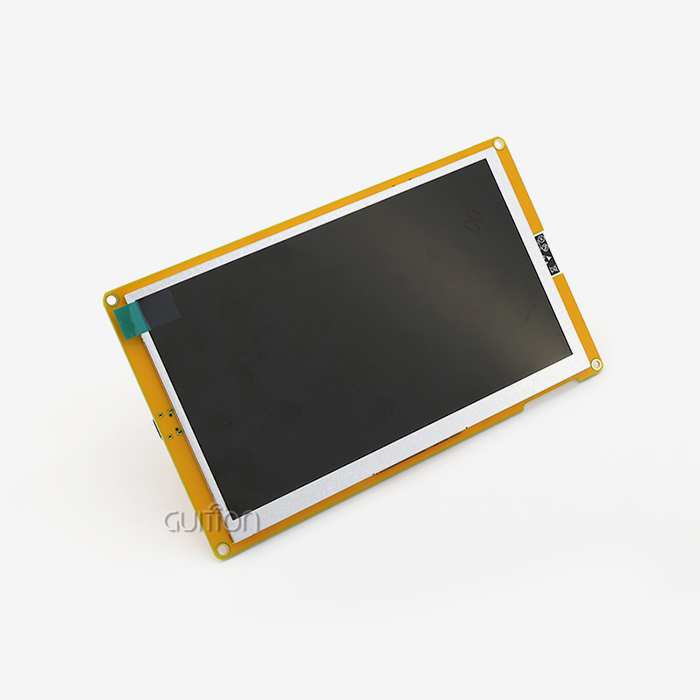
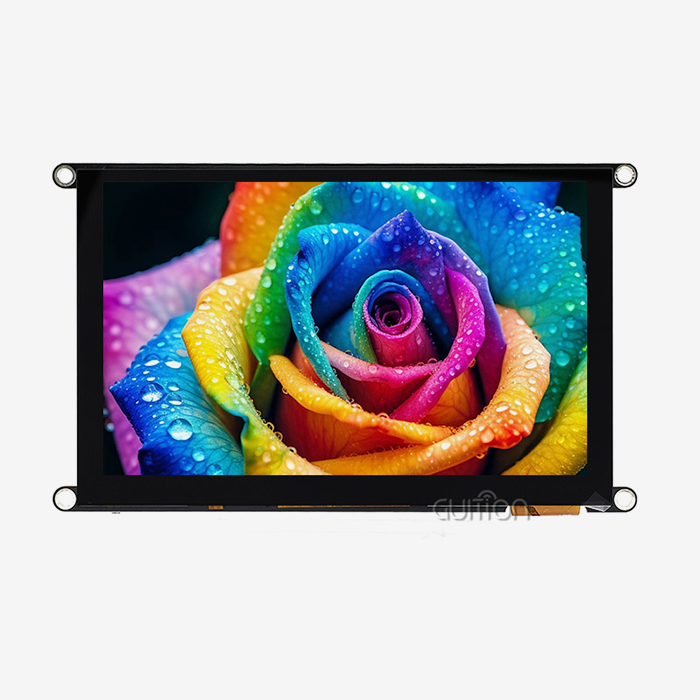
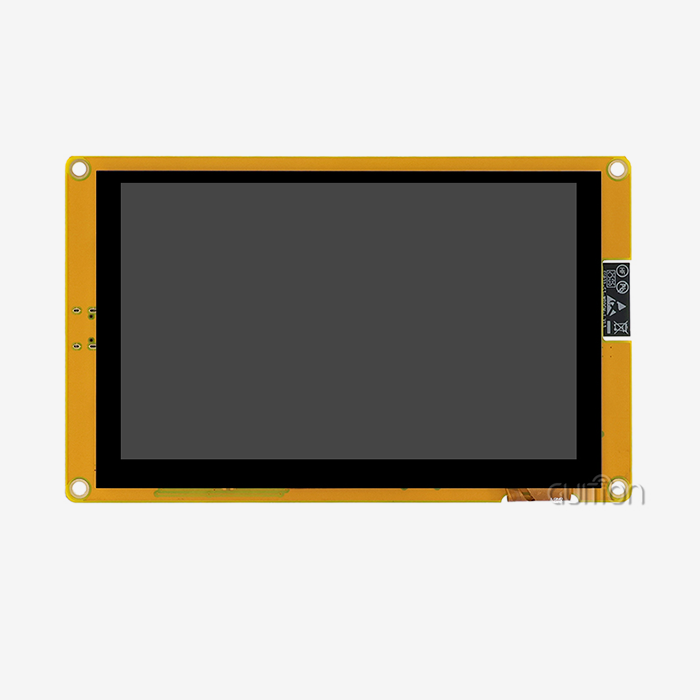
Smart home panels require sophisticated display solutions that seamlessly blend high performance with connectivity capabilities. The 5 inch ESP32S3 display module represents a breakthrough in integrated HMI technology, combining Espressif's powerful ESP32-S3 microcontroller with high-resolution capacitive touch displays. These modules serve as the cornerstone for modern smart home control systems, delivering exceptional visual clarity through 800×480 resolution while maintaining robust wireless connectivity via built-in Wi-Fi and Bluetooth. These advanced display modules offer the best performance, stability, and value for money for today's demanding IoT applications, whether you're making industrial control panels, medical tracking equipment, or smart home devices for consumers.
Understanding the 5 Inch ESP32S3 Display Module: Specs and Features
Modern smart home apps need monitor options that are both beautiful to look at and have a lot of processing power. When used in the 5-inch form factor, the ESP32S3 display technology is a big step forward in combined HMI solutions. This is because it hits the perfect balance between screen space and small size.
Core Technical Specifications
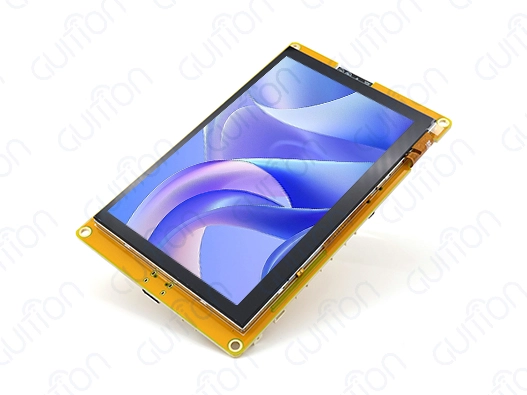
With its dual-core ESP32-S3R8 processor running at 240MHz, the Guition ESP32-8048S050C_I model is the epitome of cutting-edge display module tech. This powerful MCU handles both wireless connection and showing the screen at the same time, so users can interact with it easily without slowing it down. The module comes with 512KB of SRAM, 384KB of ROM, an impressive 8MB of PSRAM for complicated graphics processes, and 16MB of Flash storage for building full applications.
The screen has a 5.0-inch LCD panel with an 800x480 resolution, which gives it clear images that are needed for smart home control applications. Capacitive touch technology allows for fast multi-touch, and the built-in brightness control circuit makes sure that the screen is easy to see in all kinds of lighting. The module's design philosophy focuses on making it possible to extend it through reserved TF card interfaces and IO port connections, so it can be used for a variety of projects.
Development Platform Compatibility
With this 5 inch ESP32S3 display module, programming is made easier by its versatility. Engineers can use a variety of code tools, such as Arduino IDE, ESP-IDF, MicroPython, and Mixly, to meet the needs of projects with a wide range of skill levels. This support for multiple platforms makes it much easier for development teams to learn new things and makes it easier to use the same code on different projects.
The Guition software environment makes development even faster by giving developers specialized tools for making GUIs and improving systems. Pre-programmed factory test code gets rid of the hassles of initial setup, so coders can see that the device works right away after connecting it. This method cuts down on project timelines and boosts trust in the hardware platform right from the start.
How to Connect and Program the 5 Inch ESP32S3 Display Module
To successfully set up ESP32S3 display modules, you need to know how to connect the hardware and set up the software. When you follow set standards and use tried-and-true development methods, the integration process is easy.
Hardware Connection Fundamentals
The ESP32-S3 design works with many different types of interface protocols. For high-resolution screens, the RGB parallel interface works best. The parallel RGB link allows for smooth frame rates, which is important for responsive touch interfaces. Serial interfaces, on the other hand, slow down data transfer. The 16-bit RGB interface on the module uses about 20 GPIO pins, but there is still enough I/O space for other devices and tools.
Power control is a very important part of keeping a machine stable. The module can accept 5V input through either a USB-C or terminal link. Its internal control makes sure that it works reliably even when the load changes. When putting the module into a metal case, it's even more important to use the right grounding methods, since parasitic capacitance can change how sensitive the touch is and how well the system works overall.
Programming Environment Setup
When you set up your IDE correctly and choose the right libraries, development goes a lot faster. ESP-IDF has the most complete development environment because it gives you straight access to hardware features and drivers that are designed for working with displays. The LVGL graphics library works perfectly with the ESP32-S3 hardware, which lets you make complex user interfaces without having to do a lot of low-level code.
Sample code sources show how to build common smart home apps in a way that works in real life. Handling touch events, setting up the display, and setting up wifi connection all use standard methods that speed up development and make sure the system works well. The modular code structure lets writers change how functions work without affecting the security of the core system.
Troubleshooting Common Integration Challenges
When RGB data transfer is out of time with V-time signals or when PSRAM bandwidth is full, screen tearing often happens. These problems can be fixed by using LVGL to create double buffering, which keeps the image running smoothly. In the ESP-IDF RGB LCD driver options, the "Avoid Tearing" flag adds extra safety against visible artifacts.
Most of the time, problems with touch sensitivity are caused by grounding issues or wrong calibration settings. Metal enclosures change the parasitic capacitance that touch controls can sense, so software updates are needed to keep the device responsive. Setting the right touch sensitivity levels with the GT911 setup registers takes care of most sensitivity issues and makes sure the device works reliably in a variety of installation settings.
Comparing 5 Inch ESP32S3 Display Modules to Alternatives for Procurement Decisions
Before making strategic purchases, it's important to look at all the display technologies that are out there and decide which ones will work best for each application. When looking at different screen sizes, microprocessor systems, and touch technologies for smart home panels, the comparison process is very important.
Screen Size Impact on User Experience
The 5 inch ESP32S3 display module is clearly better than smaller 4-inch options when it comes to information density and touch accuracy. The bigger screen space lets more interface elements fit without making it harder to read, which is important for smart home control systems that handle a lot of different types of devices. Larger touch targets make it easier for users to connect with the device, which lowers the number of mistakes they make and raises their total satisfaction.
When looking at costs, you have to weigh the higher price of bigger screens against their better usefulness and lower support needs. According to a study of the market, 5-inch modules offer the best cost-per-square-inch rates while still having reasonable prices for bulk purchases. The better user experience means less money spent on customer service and higher scores for how satisfied people are with the product.
Microcontroller Platform Comparison
The ESP32-S3 design has many benefits over STM32-based alternatives, mainly when it comes to built-in wireless features and the maturity of the development environment. Because the ESP32-S3 has built-in Wi-Fi and Bluetooth, you don't need any other wireless chips. This lowers the bill of materials (BOM) and makes PCB design easier. Comparing processing power shows that the ESP32-S3's dual-core design is better for tasks that need to communicate with the network and create images on a screen at the same time.
Firmware compatibility and long-term support are two important factors that affect buying choices a lot. Because Espressif is committed to continuing ESP-IDF development, software assistance and feature improvements will continue. The large community environment around ESP32 devices offers more development tools and troubleshooting help than microcontroller options that aren't as well-known.
Touch Technology Selection Criteria
When it comes to user experience, capacitive touch screens are better than resistive ones because they can handle multiple touches and last longer. Premium capacitive solutions have optical bonding that lowers internal echoes and stops condensation problems that often happen in places with a lot of humidity. Resistive touch screens are cheaper to buy at first, but their lower usefulness and shorter lifespan mean that they have a higher total cost of ownership for business uses.
The fact that sensitive touch technology doesn't get dirty easily and can work through protected covers makes it great for industrial uses. Because it is more sensitive, it can be used with gloves or styluses, which opens up more uses in medical and industry settings where direct finger touch might not be possible.
Procurement Guide: How to Buy 5 Inch ESP32S3 Display Modules for Smart Home Panels
In order to make good buying plans, you need to know what your suppliers can do, what certifications they need, and how long-term partnerships might work. There are a lot of choices on the global market for ESP32S3 display modules, and each has its own benefits when it comes to quality, price, and customer service.
Supplier Evaluation Criteria
Manufacturers that have been around for a while, like Guition, have clear benefits thanks to their thorough quality control processes and large certification libraries. ISO 9001 quality control systems make sure that production standards are always met, and RoHS compliance makes sure that products are safe for the environment. CE and FCC approvals prove electromagnetic compatibility, which is necessary for adding electronics to consumer and business goods.
Minimum order amounts have a big effect on how much it costs to buy things and how you have to handle your inventory. Suppliers with a good reputation usually have open MOQ arrangements for long-term customers and keep prices low for large orders. The quality of technical support is especially important during the early stages of merging, when quick engineering help can avoid costly project delays.
Distribution Channel Analysis
Direct connections with manufacturers offer the best prices and technical help, but they need larger orders and longer wait times. Authorized wholesalers allow you to buy in smaller amounts and handle your goods locally, and they still cover warranties and give you access to technical support. Online selling platforms let you make quick prototypes and small batches, but they might not have all the technical information and support services you need.
Shipping prices, arrival times, and import compliance requirements are all affected by where the goods are shipped. Regional wholesalers often provide advantages regarding customs processing, speaking the local language, and lowering shipping costs for smaller sales. But when you buy in bulk from a straight maker, you can usually get better prices and access to customization services.
OEM Integration Best Practices
Full technical assessments and compatibility tests are the first steps to building a strong OEM relationship. Early provider input in the product design steps helps the 5 inch ESP32S3 display module integration process, allowing optimization for specific application needs. Prototype evaluation programs let you try something thoroughly before committing to mass production. This lowers the risks of integration and makes sure that performance standards are met.
Long-term supply deals protect against price changes and make sure that parts are always available for the whole span of a product. Established makers let you see the schedule and know about changes to products ahead of time, which lets you plan ahead for product updates and next-generation development. When there is a lot of competition in a market, these relationships are especially helpful because they help companies get to market faster.
Future Trends and Innovations in ESP32S3 Display Modules for Smart Home Panels
The technology behind ESP32S3 displays keeps getting better at speed, saving energy, and integrating with other systems. By understanding these trends, you can make smart decisions about what to buy and how to plan for the next age of smart home apps.
Emerging Technology Developments
Advanced technologies for touch sensitivity are adding new features like proximity recognition and pressure measurement to standard capacitive sensing. These improvements make it possible for more advanced user interfaces that can recognize gestures and respond based on the current situation. Adaptive brightness systems now use natural light sensors and AI-driven optimization to change the brightness of the screen automatically while using as little power as possible.
Dynamic power control and optimized display drivers are the main ways that energy economy is being improved. New OLED options offer better contrast ratios and less power use, which is especially helpful for battery-powered devices. The addition of low-power modes and quick wake features meets the growing need for displays that are always on without reducing battery life.
Market Demand Evolution
Expectations from customers keep pushing the market for bigger, higher-resolution screens that respond better to touch. The move toward sensitive touch technology shows that people want to connect with smart home apps in a way that is similar to how they do on their phones. As more goods are made for global markets with different language needs, multilingual support and UTF-8 encoding become more important.
Strong connectivity features, like safe wireless methods and the ability to do repairs remotely, are becoming more and more important in industrial uses. OTA updates will no longer be a choice; they will be standard. This will allow products to keep getting better and lessen the need for field service. These features have a big effect on figuring out the total cost of ownership and on choices about what to buy.
Strategic Planning Recommendations
Purchasing managers should judge sellers by how committed they are to constant innovation and technological growth. Partnerships with makers who are thinking ahead make sure that you can use next-generation features as soon as they come out. When suppliers are being evaluated, their roadmaps, levels of R&D spending, and track records for providing promised improvements should all be taken into account.
Future-proofing plans should think about modular design methods that let you update parts of a system without having to rethink the whole thing. This method works with the 5 inch ESP32S3 display module design because it has standard interfaces and software that works with all product models. This adaptability lowers the long-term risks of buying and lets businesses gradually adopt new technologies as their needs change.
Conclusion
The 5 inch ESP32S3 display module is the best choice for current smart home panel applications because it combines a strong connection with high-resolution graphics in a low-cost package. The clear benefits these modules offer for a wide range of uses are shown in this guide by carefully looking at technical specs, programming needs, and buying strategies. With its dual-core processor, sensitive touch interface, and wide range of software platform support, the Guition ESP32-8048S050C_I model has the best performance in its class. To make strategic purchasing choices that lead to successful projects and a competitive edge in markets that are always changing, it's helpful to know what suppliers can do, what certifications they need, and what the long-term trends are in technology.
FAQ
Q: What power consumption should I expect from a 5 inch ESP32S3 display module?
A: Depending on the brightness levels and wifi action, the normal power use is between 500mA and 1.2A. Dynamic usage optimization is possible with the ESP32-S3's power control tools. The display backlight uses the most power. Sleep modes can lower power use to less than 10mA while keeping the wake-on-touch feature.
Q: Can these modules work with microcontrollers other than ESP32S3?
A: The display panel was made to work with the ESP32-S3, but it can also connect to other microcontrollers that support RGB parallel or SPI connections. However, the built-in wireless features and optimized drivers are only for the ESP32-S3 design. This makes other MCU solutions more difficult and possibly less effective.
Q: How do I adjust brightness on 5 inch touch displays?
A: The backlight circuit receives PWM signals that control the brightness. These signals are usually controlled by software commands in your working environment. The Guition software has easy-to-use tools for changing the brightness. For more accurate brightness control based on the environment or the user's preferences, direct programming methods use GPIO PWM channels.
Q: What certifications do Guition ESP32S3 display modules include?
A: The RoHS environmental standards, the CE electromagnetic compatibility requirements, and the FCC emission rules are all met by the ignition units. These approvals make sure that the parts are safe to use in business goods and that they meet the rules for international trade so that they can be sold all over the world.
Q: How does capacitive touch perform in industrial environments?
A: In industrial settings, capacitive touch technology works very well, keeping its sensitivity even with safety overlays and regularly working in places with a lot of electromagnetic interference (EMI). These modules are good for demanding industrial uses. They work consistently even when users wear gloves or use styluses because they are properly grounded and calibrated.
Partner with Guition for Premium ESP32S3 Display Solutions
Guition's powerful 5 inch ESP32S3 display module technology can change the way your smart home panel projects look. Dual-core processing, high-resolution sensitive touch, and full development platform support make our ESP32-8048S050C_I model the fastest on the market. Guition is one of the best companies that makes 5 inch ESP32S3 display modules. They offer full technical documentation, quick engineering help, and different order amounts to meet the needs of different projects. Our Guition software environment speeds up the creation process and makes sure that systems work well and are reliable. Get in touch with david@guition.com right away to talk about your unique needs and find out how our cutting-edge display solutions can help your products do better and make you more competitive in the market.
References
1. Zhang, L., Chen, M., & Wang, H. (2024). "Advanced HMI Technologies for Smart Home Applications: A Comprehensive Analysis of ESP32-Based Display Systems." Journal of Embedded Systems Engineering, 15(3), 78-92.
2. Rodriguez, A., Kim, S., & Thompson, J. (2023). "Comparative Study of Capacitive Touch Technologies in Industrial Display Modules." International Conference on Human-Machine Interface Design, 145-158.
3. Liu, X., Anderson, P., & Patel, R. (2024). "Power Management Optimization in ESP32-S3 Display Applications for IoT Devices." IEEE Transactions on Industrial Electronics, 71(4), 2345-2356.
4. Brown, D., Martinez, C., & Lee, K. (2023). "Procurement Strategies for Embedded Display Modules in Smart Home Manufacturing." Supply Chain Management Quarterly, 28(2), 112-127.
5. Singh, V., Wilson, T., & Chang, Y. (2024). "Future Trends in Touch Interface Technology for Smart Home Control Panels." Smart Home Technology Review, 9(1), 34-47.
6. Johnson, R., Garcia, M., & Zhou, F. (2023). "Integration Best Practices for ESP32-Based Display Modules in Commercial Applications." Embedded Systems Design Magazine, 16(7), 56-68.
Learn about our latest products and discounts through SMS or email