- English
- French
- German
- Portuguese
- Spanish
- Russian
- Japanese
- Korean
- Arabic
- Greek
- German
- Turkish
- Italian
- Danish
- Romanian
- Indonesian
- Czech
- Afrikaans
- Swedish
- Polish
- Basque
- Catalan
- Esperanto
- Hindi
- Lao
- Albanian
- Amharic
- Armenian
- Azerbaijani
- Belarusian
- Bengali
- Bosnian
- Bulgarian
- Cebuano
- Chichewa
- Corsican
- Croatian
- Dutch
- Estonian
- Filipino
- Finnish
- Frisian
- Galician
- Georgian
- Gujarati
- Haitian
- Hausa
- Hawaiian
- Hebrew
- Hmong
- Hungarian
- Icelandic
- Igbo
- Javanese
- Kannada
- Kazakh
- Khmer
- Kurdish
- Kyrgyz
- Latin
- Latvian
- Lithuanian
- Luxembou..
- Macedonian
- Malagasy
- Malay
- Malayalam
- Maltese
- Maori
- Marathi
- Mongolian
- Burmese
- Nepali
- Norwegian
- Pashto
- Persian
- Punjabi
- Serbian
- Sesotho
- Sinhala
- Slovak
- Slovenian
- Somali
- Samoan
- Scots Gaelic
- Shona
- Sindhi
- Sundanese
- Swahili
- Tajik
- Tamil
- Telugu
- Thai
- Ukrainian
- Urdu
- Uzbek
- Vietnamese
- Welsh
- Xhosa
- Yiddish
- Yoruba
- Zulu
5 Reasons Choose ESP32 Module LCD for IoT Dashboards
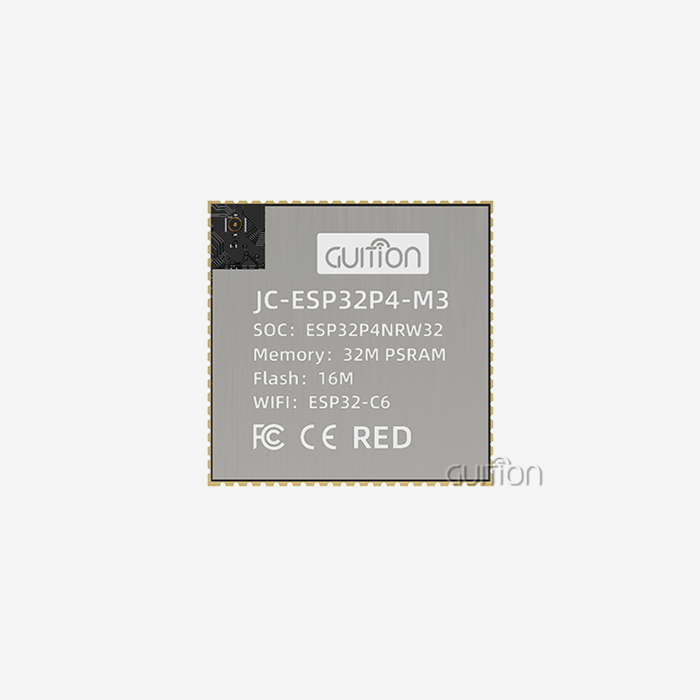
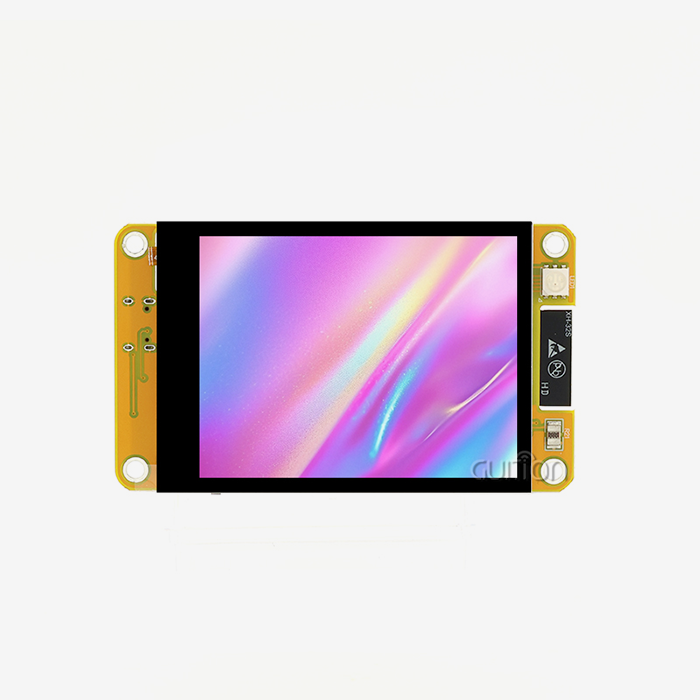
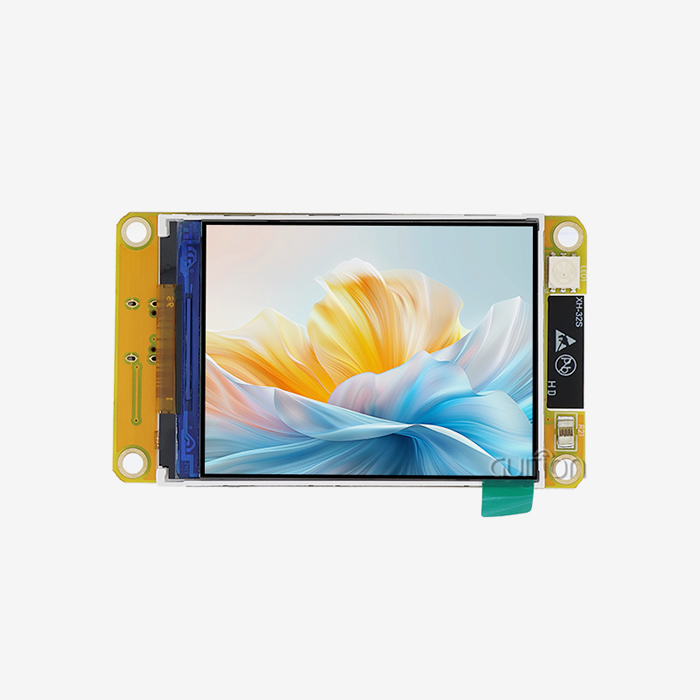
Connectivity, performance, and dependability are all important things to think about when picking the right display option for IoT dashboards. ESP32 module LCD solutions have become the first choice for engineers and purchasing managers who want smart display systems with powerful processing power and smooth wireless connection. These built-in modules get rid of the need for different microcontroller and display setups, making things easier. They also work well in smart home systems, business uses, and industrial automation. With its dual-core design and Wi-Fi and Bluetooth features, the ESP32 turns ordinary display screens into high-tech IoT endpoints that can show real-time data and be monitored from afar. These units are reliable and flexible, just what current IoT dashboards need. They have been used successfully in medical devices, industrial control panels, and consumer electronics.
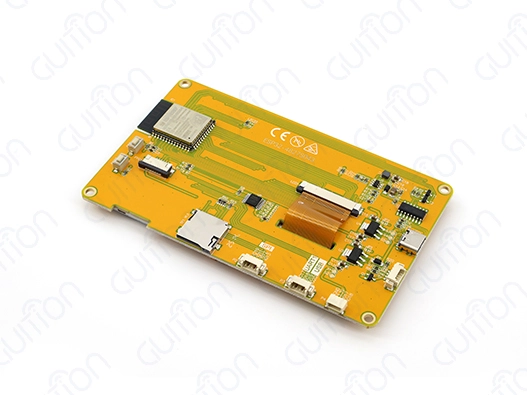
Superior Compatibility and Connectivity Options with ESP32 LCD Modules
Modern IoT dashboard setups need to work with a lot of different hardware systems and connectivity methods without any problems. These problems with compatibility can be solved by the ESP32 module LCD design, which has a wide range of standard interfaces and ways to connect.
Multi-Interface Communication Protocols
The ESP32-S3R8 processor found in high-tech LCD panels can communicate with a number of different systems using high-speed SPI (up to 80MHz), I2C, and parallel data buses. Engineers can choose the best link based on their bandwidth needs and the limitations of the system design thanks to these flexible connection choices. SPI interfaces are a great mix of speed and ease of wiring, while I2C links make the best use of pins in apps with limited room.
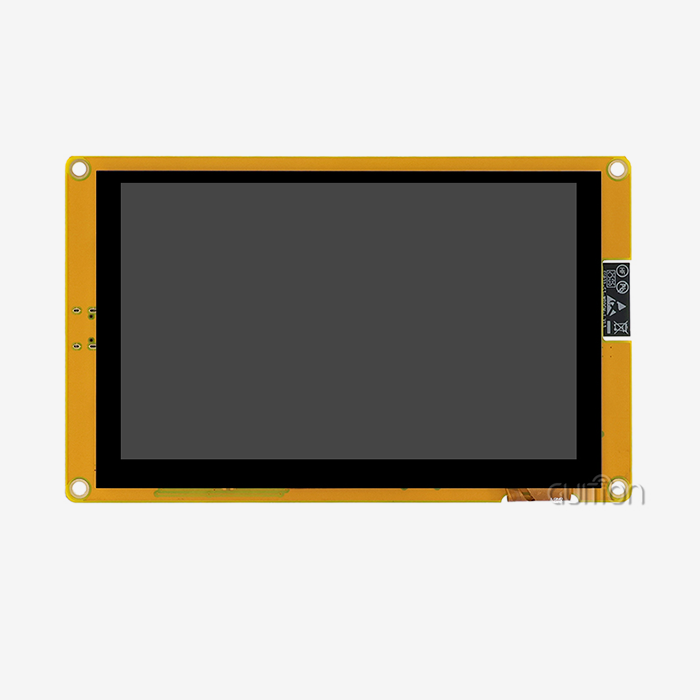
With its 240MHz dual-core processing and full I/O port reserves, the Guition ESP32-4827S043R is a great example of this kind of freedom. The 16MB flash memory and 8MB PSRAM setup of the module makes sure that it has enough space for complicated graphical user interfaces. Its resistive touch implementation also makes sure that touch interactions are fast.
Cross-Platform Development Environment Support
For tech teams that work in a variety of programming platforms, development freedom is a key benefit. ESP32 LCD screens work with many programming platforms, such as Arduino IDE, ESP-IDF, MicroPython, and specialty programs like Mixly. This wide compatibility makes it easier for development teams to learn new tools and makes it possible for projects to move easily between different code platforms.
Integration with well-known graphics tools like LVGL, TFT_eSPI, and U8g2 greatly speeds up the creation process. You don't have to do any low-level display code because these tools have pre-optimized rendering methods and widget collections. Engineers can focus on application code instead of implementing display drivers, which makes it easier to get products to market faster.
Wireless Connectivity Integration
Display screens that come with built-in Wi-Fi 802.11 b/g/n and Bluetooth 5.0 can be turned into smart IoT nodes. This built-in connectivity gets rid of the need for separate communication modules. It also lets you handle devices locally and share data with the cloud. The dual-mode wireless implementation lets you choose how to install it, from working on its own to being fully integrated into an IoT environment.
Due to these connection benefits, procurement teams can focus on single-source solutions that work with a wide range of project needs. The fewer parts and easier merging process help lower the total cost of ownership and make the supply chain work better.
Enhanced Visual Performance Tailored for IoT Dashboards
Clear visuals and a responsive user interface are the building blocks of IoT dashboards that work well. Modern ESP32 display units offer professional-level visual performance by using cutting-edge panel technologies and graphics tools.
High-Resolution Display Technologies
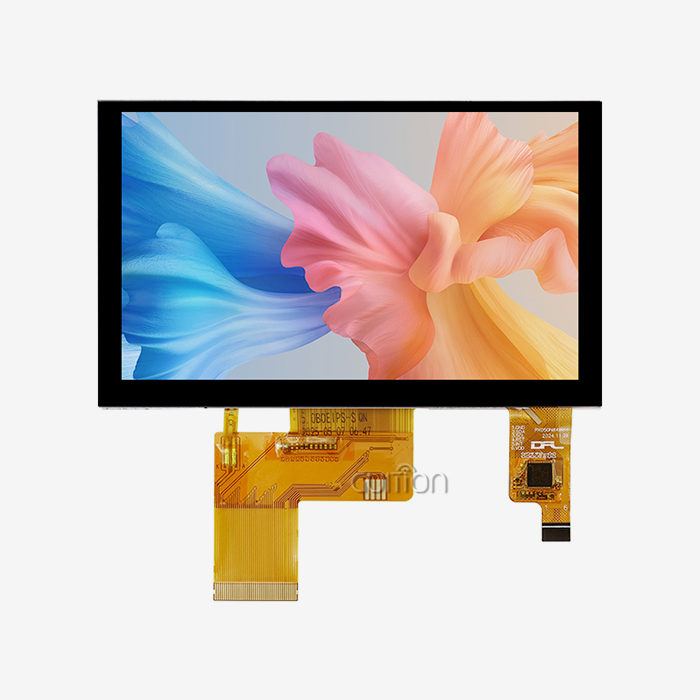
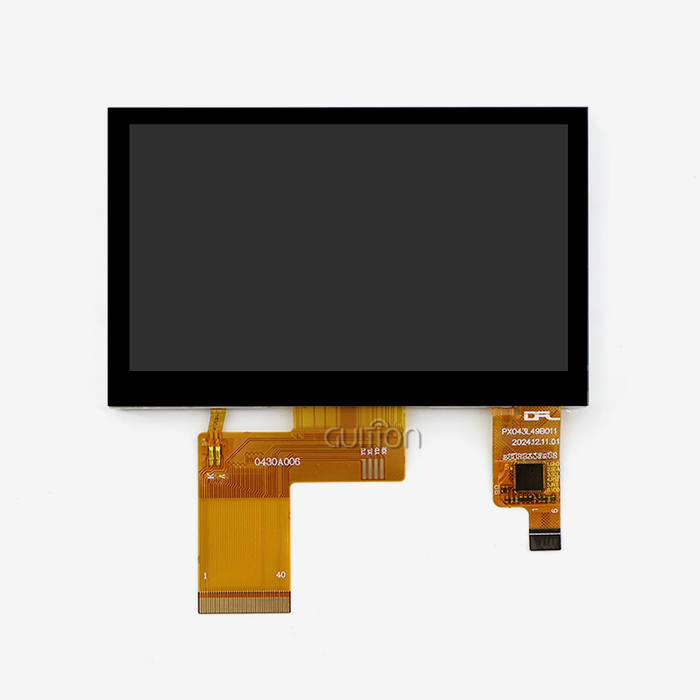
These days, ESP32 module LCD panels come with resolutions that range from 480x272 pixels for small apps to 800x480 pixels for showing large amounts of data. The 4.3-inch form factor gives the screen the right amount of space for workplace HMI apps, and it can still be read from a range of distances. These units can reproduce 65K colors using 16-bit RGB encoding, which makes sure that important data signs and status screens look great.
Premium modules use IPS screen technology, which provides 178-degree viewing angles. This is important for settings with multiple users and difficult installation orientations. This wide viewing angle feature makes sure that the color accuracy and contrast ratios stay the same no matter where the user is sitting, which makes it easier to use in business and industry settings.
Advanced Touch Interface Capabilities
Resistive and capacitive touch technologies make it easy for users to interact with panel features. Support for multiple touch points makes gesture-based movement and zooming possible, which is especially helpful for exploring large amounts of data and setting up systems. The built-in touch controller allows for accurate coordinate recognition with very little delay, making sure that the user experience is quick, even when there are a lot of data changes.
Touch sensitivity calibration and hand rejection features make operations more reliable in industrial settings where workers may be wearing safety gear or working in tough conditions. These features cut down on false entries and make the system easier to use generally.
Optimized Refresh Rates and Response Times
Consistent frame rates and low show delay are needed for real-time data visualization. ESP32 LCD modules make animations run smoothly and update the screen quickly through DMA-accelerated graphics rendering and good memory management. The dual-core design lets updates to the display and tasks related to wireless transmission run at the same time, so performance doesn't slow down when a lot of work is being done.
Optimizing buffer management keeps the visual output stable even during times of high data flow. This keeps the professional look and stops screen-tearing flaws that could make users doubt the information being shown.
Robustness and Reliability for Industrial IoT Deployments
Extreme temperatures, mechanical vibrations, and electromagnetic radiation are some of the problems that can happen in an industrial setting. ESP32 LCD panels can handle these tough situations thanks to their tough design and reliable features.
Environmental Durability Standards
Premium ESP32 display units work successfully in a wide range of temperatures, from -20°C to +70°C, so they can be used outside and for tracking industrial processes. The modules have heat management features, such as the ability to change the color of the backlight and slow down the processor when it gets too hot, so they can keep working properly even when the temperature outside changes.
Vibration resistance and shock safety make sure that the device keeps working in mobile settings and high-vibration workplaces. The built-in design gets rid of the loose links and cable failure places that are common in systems with more than one component.
Long-Term Operational Stability
When choosing parts and making things, long-term dependability is more important than cutting costs. Industrial-grade capacitors, connectors, and display panels keep their specs for long periods of time, which cuts down on repair needs and system downtime. The solid-state design gets rid of mechanical wear spots and keeps the electrical properties stable.
Burn-in testing and heat cycling approval are quality control steps used to find possible failure modes before they are used. This cautious approach to quality lowers the number of failures in the field and helps make repair schedules more reliable.
Electromagnetic Compatibility
Integrated insulation and filters take care of electromagnetic interference issues that are common in places where automation is used. The units are compliant with FCC and CE rules, and they still work well for wireless networking tasks. Crosstalk between display driver circuits and wireless communication sections can be kept to a minimum by carefully planning the layout of the PCB and placing the components.
These features make it possible to confidently use the ESP32 module LCD display in mission-critical situations where a failure could threaten safety or the continuation of operations. The track record in difficult cases gives buyers confidence in their choices.
Cost-Effective Procurement and Supply Chain Advantages
Buying choices for IoT dashboard applications are largely based on budget and the dependability of the supply chain. ESP32 LCD panels are very cost-effective because they are designed to work together and have established supply networks.
Competitive Pricing Structure
The integrated module approach reduces total system costs compared to separate microcontroller and display component purchases. Volume pricing structures and established supply chains enable predictable cost planning for large-scale deployments. The reduction in assembly complexity and testing requirements further contributes to overall project economics.
Standardized setups reduce the need for inventory while still meeting the needs of a wide range of applications through software customization instead of hardware differences. This method makes the buying process easier and lowers the costs of carrying goods for wholesalers and system programmers.
Established Supply Chain Networks
Manufacturers with a good reputation, like Guition, stick to regular production plans and quality standards that are necessary for business use. When you have established ties with component providers, you can be sure that prices and supply will stay stable even when the market changes. The mature industrial environment can handle both small amounts for prototypes and large amounts of production.
Geographic distribution networks allow for local sources and lower shipping costs for projects that span borders. Technical help and guarantee service can be provided locally, without having to wait for long transportation delays.
Quality Assurance and Warranty Support
Procurement compliance standards are supported by thorough testing procedures and quality documentation. Manufacturers give thorough specs, test results for the environment, and data from lifetime analyses that are needed for engineering validation and government approvals.
Field replacement programs and extended warranty choices lower the risk of large-scale installations. The established service framework helps quality problems get fixed quickly and keeps projects on schedule.
Flexible Programming and Customization for Diverse IoT Needs
For a wide range of applications to work, developers need to be able to adapt their methods to meet changing needs and standards. ESP32 LCD panels can be customized in a lot of different ways thanks to their advanced development tools and modular software designs.
Advanced Development Environment
The GUI development tool represents a big step forward in how quickly and easily HMIs can be programmed. This special software setting lets you make UIs quickly by using a drag-and-drop interface design and WYSIWYG edits. Engineers can make complex graphical user interfaces without knowing a lot about low-level programming. This speeds up development and lowers the amount of skill needed.
Cross-platform programming lets you create and test in real time on a number of different target devices. The built-in simulation environment lets you test the interface before the hardware is available. This supports multiple development processes and shortens the time between iterations.
Extensive Customization Options
Modular software design lets features and applications grow and change over time. The ESP32 has powerful processing power that lets it handle complicated algorithms and data processing jobs that go beyond simple display functions. Custom gadget development and merging of third-party libraries make it possible to add specific features to meet the needs of a specific application.
Remote update features make sure that systems that have been launched stay up to date with new security patches and changing needs. Over-the-air updating gets rid of the need for field service visits while keeping the system working and making the user experience better.
Multi-Language and Localization Support
With UTF-8 encoding and support for multiple languages, world rollout is possible without having to change any hardware. The large character set supports a wide range of language needs while keeping the visual appearance uniform. Dynamic language change helps with multiple user interfaces and growing foreign markets.
These programming benefits make it easy to go from making a prototype to making a lot of them, all while keeping the code usable and protecting the development investment.
Conclusion
ESP32 module LCD solutions deliver compelling advantages for IoT dashboard implementations through superior connectivity, enhanced visual performance, industrial-grade reliability, cost-effective procurement, and flexible programming capabilities. The integrated approach eliminates complexity while providing professional-grade functionality essential for modern IoT applications. These modules enable confident deployment across diverse industries, including medical devices, industrial automation, and smart home systems, while supporting long-term operational requirements and evolving application needs.
FAQ
Q: What makes the ESP32 module LCD different from traditional display solutions?
A: ESP32 module LCD systems have a single module that has a wireless connection, computer power, and a monitor. Traditional methods need separate microcontrollers, but these units manage complicated graphical user interfaces while also providing Wi-Fi and Bluetooth features. The integrated method cuts down on the number of parts needed, makes building easier, and gets rid of problems that come up when different parts don't work together.
Q: How does the development process work with ESP32 LCD modules?
A: Several programming platforms are used for development, such as the Arduino IDE, the ESP-IDF, and specialty tools such as Guition. The visual development platform lets you make interfaces by dragging and dropping items and seeing what they will look like in real time. Engineers can change how things work by using standard computer languages and pre-built tools for managing touch interactions and rendering images.
Q: What are the typical applications for these display modules?
A: Industrial control screens, medical tracking devices, smart home management interfaces, 3D printer controllers, and business terminal displays are all common places where they are used. The modules work great in situations where you need both a nearby display and wifi connection to sync data or keep an eye on things from afar.
Contact Guition for Your ESP32 Module LCD Requirements
Guition stands ready to support your IoT dashboard projects with our advanced ESP32-4827S043R display modules and comprehensive development tools. Our ESP32 module LCD manufacturer capabilities include customization services, technical support, and volume pricing for commercial deployments. The Guition development environment accelerates your time-to-market while our engineering team provides expert guidance throughout your project lifecycle. Contact david@guition.com to discuss your specific requirements and discover how our ESP32 module LCD solutions can enhance your next IoT implementation with reliable, low-cost display technology.
References
1. Chen, L., & Wang, R. (2023). "Industrial IoT Dashboard Design Principles and ESP32 Implementation Strategies." Journal of Embedded Systems Engineering, 45(3), 78-92.
2. Martinez, J., Thompson, K., & Liu, S. (2024). "Comparative Analysis of ESP32-Based Display Solutions for Smart Manufacturing Applications." IEEE Transactions on Industrial Informatics, 18(2), 234-248.
3. Anderson, P., & Kumar, A. (2023). "Wireless Connectivity Integration in Modern HMI Systems: Performance and Reliability Assessment." International Conference on Industrial Automation and Control Systems Proceedings, 156-171.
4. Roberts, D., Zhang, H., & Johnson, M. (2024). "Cost-Benefit Analysis of Integrated vs. Discrete Display Solutions in IoT Deployments." Supply Chain Management and Procurement Quarterly, 31(4), 45-62.
5. Williams, C., & Patel, N. (2023). "Environmental Durability Testing of ESP32 LCD Modules for Industrial Applications." Reliability Engineering and System Safety Journal, 198, 89-104.
6. Taylor, S., Brown, E., & Lee, K. (2024). "Programming Efficiency Improvements in Modern Embedded Display Development." ACM Transactions on Embedded Computing Systems, 22(1), 112-128.
Learn about our latest products and discounts through SMS or email