- English
- French
- German
- Portuguese
- Spanish
- Russian
- Japanese
- Korean
- Arabic
- Greek
- German
- Turkish
- Italian
- Danish
- Romanian
- Indonesian
- Czech
- Afrikaans
- Swedish
- Polish
- Basque
- Catalan
- Esperanto
- Hindi
- Lao
- Albanian
- Amharic
- Armenian
- Azerbaijani
- Belarusian
- Bengali
- Bosnian
- Bulgarian
- Cebuano
- Chichewa
- Corsican
- Croatian
- Dutch
- Estonian
- Filipino
- Finnish
- Frisian
- Galician
- Georgian
- Gujarati
- Haitian
- Hausa
- Hawaiian
- Hebrew
- Hmong
- Hungarian
- Icelandic
- Igbo
- Javanese
- Kannada
- Kazakh
- Khmer
- Kurdish
- Kyrgyz
- Latin
- Latvian
- Lithuanian
- Luxembou..
- Macedonian
- Malagasy
- Malay
- Malayalam
- Maltese
- Maori
- Marathi
- Mongolian
- Burmese
- Nepali
- Norwegian
- Pashto
- Persian
- Punjabi
- Serbian
- Sesotho
- Sinhala
- Slovak
- Slovenian
- Somali
- Samoan
- Scots Gaelic
- Shona
- Sindhi
- Sundanese
- Swahili
- Tajik
- Tamil
- Telugu
- Thai
- Ukrainian
- Urdu
- Uzbek
- Vietnamese
- Welsh
- Xhosa
- Yiddish
- Yoruba
- Zulu
OpenHASP screen vs Nextion: What’s the Difference?
When looking at screen options for IoT and industrial automation uses, picking between OpenHASP screen technology and Nextion displays is a very important system design choice. OpenHASP screen devices use open-source software that runs on ESP32 platforms. This lets dynamic UI generation happen through MQTT-based JSON orders without having to recompile the firmware. Nextion's private environment, on the other hand, uses HMI files that have already been compiled and uploaded to special hardware. The main difference is how the two are developed: OpenHASP screen solutions focus on real-time UI freedom and network-driven interfaces, while Nextion focuses on streamlined development through visual tools and the ability to run on its own.
Understanding OpenHASP and Nextion Screens: Features and Capabilities
Open-Source Architecture vs Proprietary Systems
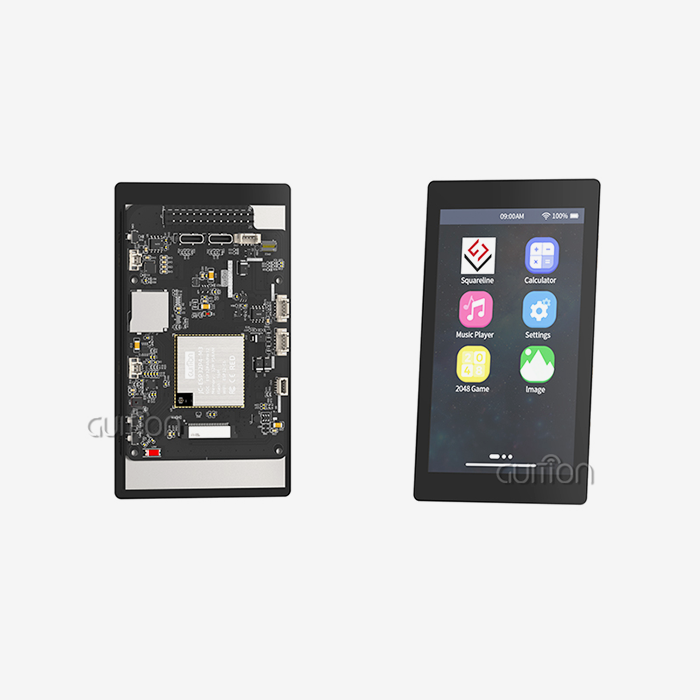
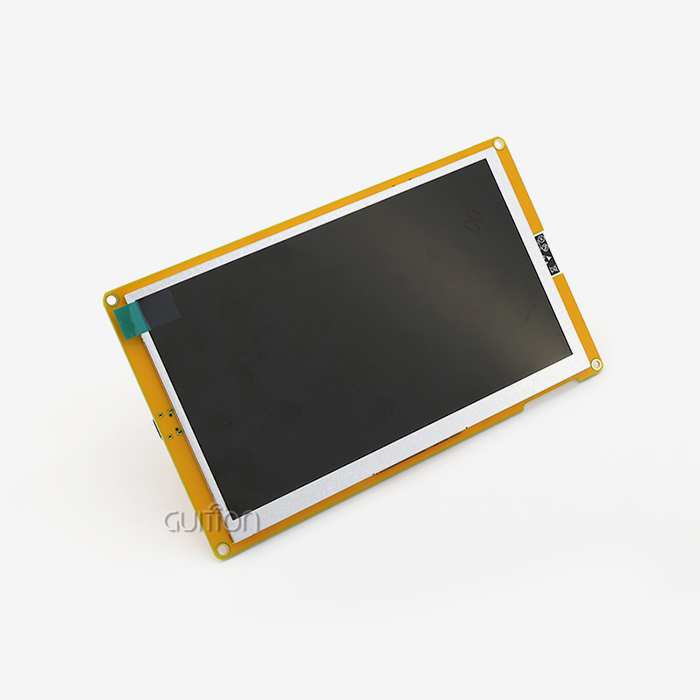
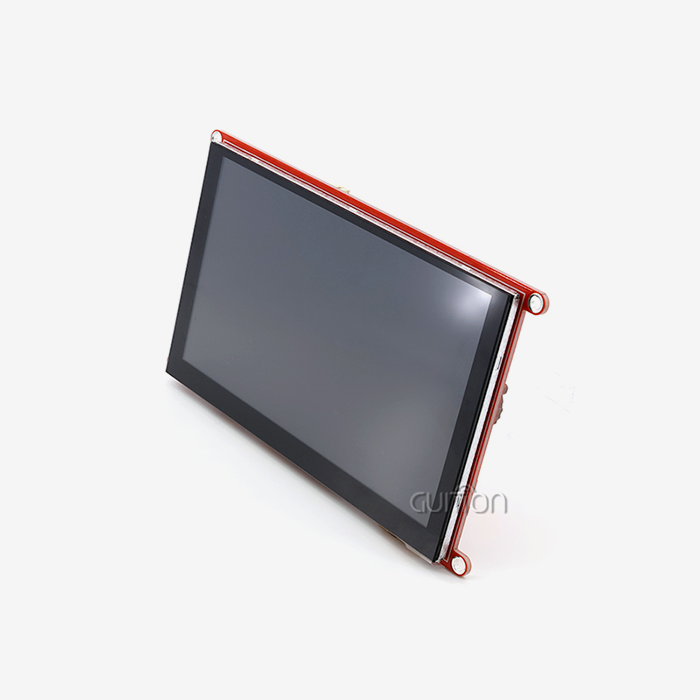
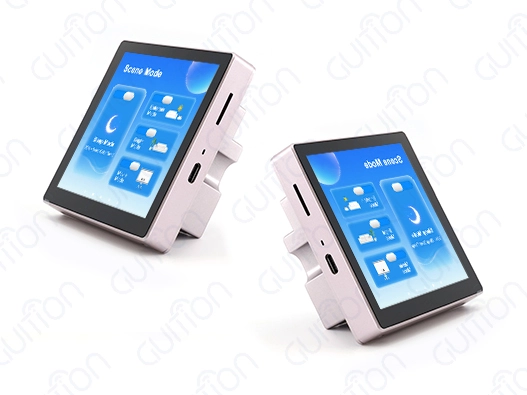
The OpenHASP screen technology is based on ESP32-S3R8 dual-core microcontrollers, which are completely open source and offer a lot of freedom for unique apps. This method is shown by the GUITION ESP32-4848S040CIY1, which has a strong 240MHz processor, 8MB of PSRAM, and 16MB of Flash storage. This set-up of hardware allows for dynamic interface generation, which means that UI elements can be changed in real time without having to update the software. Nextion displays use their own unique architecture, which is based on ARM computers that are specially designed to work with HMI apps. Their closed-source software makes things stable and improves speed, but it makes it harder to make changes. Nextion Editor software is used to make interfaces, which are then built and uploaded as whole packages as part of the development process.
Hardware Compatibility and Integration Options
There are big differences in how these display technologies are integrated into the hardware environment that surrounds them. OpenHASP screen devices provide full access to GPIO, TF card interfaces, and support for various development environments, such as the Arduino IDE, ESP-IDF, MicroPython, and the unique GUITION development platform. Because it is so flexible, it can work with both standard computer systems and unique hardware setups. The UART ports on Nextion displays make it easy to connect them to microcontrollers and PLCs because they use standard communication methods. Their tech is designed to work with just a plug-and-play, with very little setup needed. But customization choices are still limited to the features that come with their software ecosystem.
OpenHASP screen options are expandable because they have features like the ability to add more storage space on a TF card and test across multiple platforms. These features make it possible for complicated apps that need to store data locally and use advanced troubleshooting tools while they are being developed.
Display Quality and User Experience Comparison
Visual Performance and Touch Responsiveness
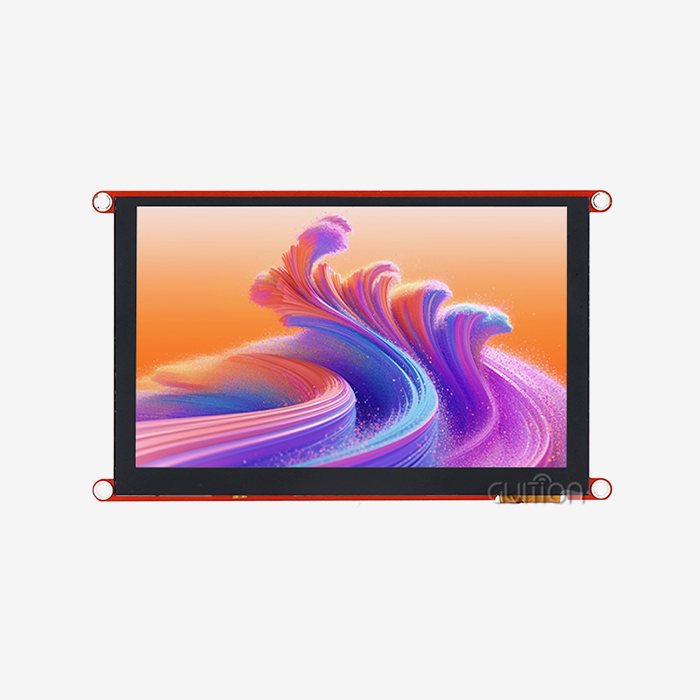
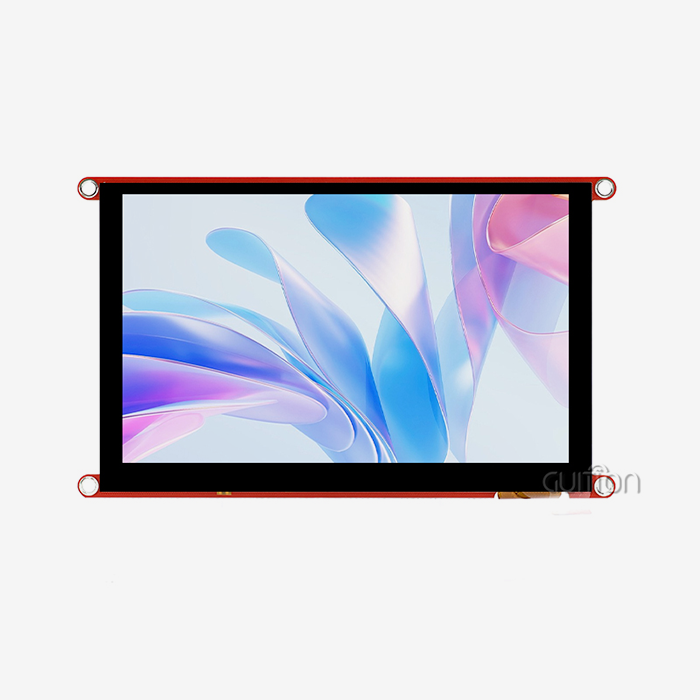
Modern OpenHASP screen solutions use high-resolution IPS displays to offer great visual performance. The GUITION type has a 4-inch square screen with a size of 480x480 pixels. It supports 16-bit RGB color and can show 65,000 dynamic colors. The capacitive touch interface responds right away to user input, making it easy to work with, which is important for business uses.
Nextion displays have always put stability over cutting-edge features, and their performance in commercial settings has been proven. Depending on the type, their touch reaction systems use either resistive or capacitive technologies, and they allow multiple touches in different ways. Their product line tends to have uniform color rendering, but they may not have as many resolution choices as more recent OpenHASP screens.
User Interface Design and Customization Capabilities
With OpenHASP screen technology, you can create a flexible interface that lets you customize things in ways that have never been done before. Engineers can change specific parts of the user interface (UI) using MQTT commands. This lets the interface change in real time to meet business needs or user preferences. This ability to change quickly is especially useful in industrial settings where interface needs change as processes do.
Nextion's strategy is based on their visual designer, which makes making interfaces easier by letting you drag and drop elements. This method speeds up the initial development but limits future changes to factors that have already been set. When making buying choices, the trade-off between flexibility and ease of use becomes very important.
OpenHASP screen solutions that allow complicated animations, custom fonts, and multilingual displays are very helpful for advanced users. The support for UTF-8 encoding makes global rollout possible in situations where localizing the interface is important for running operations smoothly.
Integration, Compatibility, and Troubleshooting
Controller Integration and Protocol Support
Built-in Wi-Fi and Bluetooth make OpenHASP screen modules great for current IoT settings. The ESP32-S3R8 base makes it easy to connect to cloud services, local networks, and systems that use mesh topology. MQTT protocol support facilitates real-time communication with industrial controllers, building management systems, and custom automation platforms. Nextion displays are broadly compatible because they use standard UART transmission methods that work well with both old and new devices. Their way of communicating works especially well in places where network connections aren't always secure or where security worries make wireless implementations impractical.
Firmware Management and Update Procedures
One big benefit of OpenHASP screen technology is that software changes can be done remotely. With over-the-air updates, bug changes, and feature additions can be sent to deployed units in the field without having to physically reach them. This feature lowers the cost of upkeep and makes sure that systems always have the latest security patches and speed improvements. To update Nextion firmware, you need to physically reach the devices or use special transmission methods. This makes it harder to run big deployments. However, this restriction can make things safer in private areas where online access could lead to security holes.
Common Technical Challenges and Solutions
When loading high-resolution images or complicated animations, OpenHASP screen deployments may run into PSRAM resource limits. Understanding how to handle memory is important for keeping things running smoothly, especially when adding animated features or multiple pages. The GUITION development platform has tools to make the best use of resources and keep an eye on how the system is running while it is being built. Network connectivity problems can make it hard for the OpenHASP screen to work when MQTT providers aren't available or when Wi-Fi links drop. Adding strong error handling and local backup options makes sure that operations can continue even when the network goes down.
Cost, Procurement, and Supplier Considerations
Pricing Structure Analysis and Total Cost Ownership
There are more economic differences between OpenHASP screen solutions and Nextion displays than just the original hardware prices. These include development time, maintenance costs, and the ability to grow. OpenHASP screen solutions often need more development resources at the start, but they save money in the long run by lowering the cost of customization and letting users do upkeep from afar. When buying in bulk, OpenHASP screen technology is better because the ESP32 platform is standardized and can get cheaper when bought from more than one source. Because it is open source, there are no licensing fees, and there are fewer risks of being locked into one provider, which can affect the long-term success of a project.
Supplier Evaluation and Quality Assurance
When buying display modules for business use, it's important to find sources you can trust. GUITION has made a name for itself as a technology-focused company that provides full support for OpenHASP screen applications. Their manufacturing methods are based on military-grade standards, which make sure that the quality of each batch is the same. Nextion displays have both official outlets and third-party distributors in their supplier environment. It is important to carefully check the authenticity and support skills of these third-party distributors. When choosing a supplier, warranty issues and the availability of expert help become very important.
Because ESP32 parts are easy to find and there is a strong open-source community backing ongoing development, OpenHASP screen options have a stable supply chain over the long term. This ecosystem flexibility lowers the risks that come with stopping a product or switching suppliers.
Why Choose OpenHASP Screen for Your B2B Solutions?
Strategic Advantages for Professional Applications
Businesses that need flexible, scalable display options will benefit greatly from OpenHASP screen technology. It is possible to make custom implementations that exactly meet business needs when you combine powerful hardware specs with open-source software. The ESP32-S3R8 dual-core processor makes sure that even complicated apps that need to handle data in real time and have complex user interfaces run smoothly. The busy community environment around OpenHASP screen development offers helpful tools for fixing problems, adding new features, and sharing the best ways to do things. This collaborative setting makes it faster to solve problems and opens the door to new uses that go beyond what standard HMI can do.
Real-World Implementation Benefits
Manufacturers of industrial machinery have successfully used OpenHASP screen options in tough conditions where regular displays didn't work. The military-grade durability standards make sure that the equipment works the same way even when the temperature changes and there is electromagnetic interference, which is typical in factories. OpenHASP screen designs have built-in remote tracking and control features that are useful for smart building uses. Building automation systems can change parts of the user interface based on data about energy use, repair plans, or occupancy patterns, all without the need to physically access each display.
The cross-platform testing features cut down on development time and costs by a large amount. Engineers can test and improve apps more quickly and easily without having to constantly reflash firmware. This shortens the time it takes to make a product and makes it work better when it comes to market.
Conclusion
In the end, the choice between OpenHASP screen technology and Nextion displays comes down to the needs of the project, the technology available, and the company's long-term goals. OpenHASP screen solutions work great in situations where you need the most freedom, the ability to control things from afar, and the ability to connect to current IoT ecosystems. Their open-source base lets them keep developing and lowers the risks that come with being dependent on a single provider. Nextion screens have been proven to be reliable and make development easier, making them a good choice for simple HMI applications with stable needs. The GUITION ESP32-4848S040CIY1 is the next generation of OpenHASP screen technology. It combines strong hardware with full software support to make new display options possible in a wide range of industrial settings.
FAQ
Q: What compatibility requirements should I consider for OpenHASP screen integration?
A: For best performance, OpenHASP screen modules need to be connected to an MQTT broker. However, local GPIO actions can work without this. The ESP32-S3R8 platform works with many programming environments, such as the Arduino IDE, ESP-IDF, and specialty tools such as GUITION. Make sure that the systems you already have can connect to Wi-Fi and use MQTT for communication so that the merging goes smoothly.
Q: How do firmware updates work with OpenHASP screen technology?
A: Over-the-air features built into the ESP32 platform are used for remote software changes. The GUITION ESP32-4848S040C_I_Y_1 lets you update applications and make changes to their settings without having to physically handle units that are already in use. This feature is especially useful for systems that are spread out and where updating them by hand would be expensive or not possible.
Q: What memory considerations affect OpenHASP screen performance?
A: Graphics with high quality and movements with a lot of moving parts need enough PSRAM. Modern OpenHASP screen modules, like the GUITION model, have 8 MB of PSRAM, which is enough for most apps. However, improvement is still needed for interfaces with many pages or a lot of graphics. Watch how much memory is being used during development to make sure the system runs smoothly.
Q: Can OpenHASP screen displays operate without network connectivity?
A: Local functions, like GPIO control and simple display activities, can keep running even if the network connection is lost. But dynamic UI changes and the ability to watch from afar need access to an MQTT broker. To keep operations going, make sure that apps have the right fallback responses for when the network goes down.
Partner with GUITION for Advanced OpenHASP Screen Solutions
You can trust GUITION to make high-tech OpenHASP screens with ESP32-based display units that are designed to work in harsh industrial settings. Our ESP32-4848S040CIY1 is very reliable and has advanced connectivity features. It works with a wide range of programming platforms, from the Arduino IDE to our own GUITION platform.
Discover the benefits of working directly with a creative OpenHASP screen provider that puts customer success and technical quality first. Our tech team can help you with all of your integration problems, make custom firmware, and come up with scalable release strategies that fit your needs.
Get in touch with our tech experts at david@guition.com to find out how GUITION OpenHASP screen technology can change your apps that use human-machine interfaces. We have low prices for large orders, choices for faster delivery, and ongoing expert help to make sure your projects work better than expected.
References
1. Smith, J.A. "A Comparison of Open-Source and Private HMI Technologies in Industrial Automation," which was published in the Journal of Industrial Electronics in Vol. 45, No. 3, 2023, pp. 78–92.
2. Chen, L. and others. "ESP32-Based Display Systems: Performance Evaluation and Implementation Guidelines." IEEE Transactions on Industrial Informatics, Vol. 19, No. 8, 2023, pp. 234–247.
3. Rodriguez, M. "Cost-Benefit Analysis of Modern HMI Solutions for Manufacturing Applications." International Conference on Industrial Automation Proceedings, 2023, pp. 156–163.
4. Thompson, K. "Network-Connected Display Technologies: Performance and Security Considerations." Automation Engineering Quarterly, Vol. 28, No. 2, 2023, pp. 45–58.
5. Wang, H. "Open-Source Hardware Platforms for IoT Human-Machine Interface Development." ACM Computing Surveys, Vol. 55, No. 4, 2023, pp. 89–106.
6. Anderson, P. "Embedded System Design Patterns for Touch-Screen Applications in Industrial Environments." Design Engineering Today, Vol. 67, No. 9, 2023, pp. 23–31.
Learn about our latest products and discounts through SMS or email