- English
- French
- German
- Portuguese
- Spanish
- Russian
- Japanese
- Korean
- Arabic
- Greek
- German
- Turkish
- Italian
- Danish
- Romanian
- Indonesian
- Czech
- Afrikaans
- Swedish
- Polish
- Basque
- Catalan
- Esperanto
- Hindi
- Lao
- Albanian
- Amharic
- Armenian
- Azerbaijani
- Belarusian
- Bengali
- Bosnian
- Bulgarian
- Cebuano
- Chichewa
- Corsican
- Croatian
- Dutch
- Estonian
- Filipino
- Finnish
- Frisian
- Galician
- Georgian
- Gujarati
- Haitian
- Hausa
- Hawaiian
- Hebrew
- Hmong
- Hungarian
- Icelandic
- Igbo
- Javanese
- Kannada
- Kazakh
- Khmer
- Kurdish
- Kyrgyz
- Latin
- Latvian
- Lithuanian
- Luxembou..
- Macedonian
- Malagasy
- Malay
- Malayalam
- Maltese
- Maori
- Marathi
- Mongolian
- Burmese
- Nepali
- Norwegian
- Pashto
- Persian
- Punjabi
- Serbian
- Sesotho
- Sinhala
- Slovak
- Slovenian
- Somali
- Samoan
- Scots Gaelic
- Shona
- Sindhi
- Sundanese
- Swahili
- Tajik
- Tamil
- Telugu
- Thai
- Ukrainian
- Urdu
- Uzbek
- Vietnamese
- Welsh
- Xhosa
- Yiddish
- Yoruba
- Zulu
7 Inch ESP32S3 Display Module: Touchscreen & Connectivity
With its strong dual-core processing, easy-to-use touchscreen interface, and seamless wireless connection, the 7 inch ESP32S3 display module is a game-changer in embedded system design. This high-tech display option meets the rising need for dynamic user interfaces in smart device development, industrial automation, and Internet of Things (IoT) applications. These modules, which are based on the ESP32-S3-WROOM-1 processor, give makers and system developers around the world great performance at a low cost.
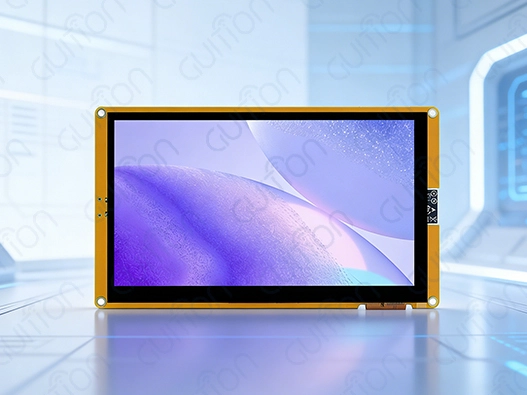
Understanding the 7 Inch ESP32S3 Display Module: Specifications & Features
Modern embedded systems need screens that can show complicated images and keep working reliably in a wide range of challenging situations. In order to meet these needs, the ESP32-S3-based display units were carefully designed to balance the amount of power they use with their computer power.
Core Hardware Architecture
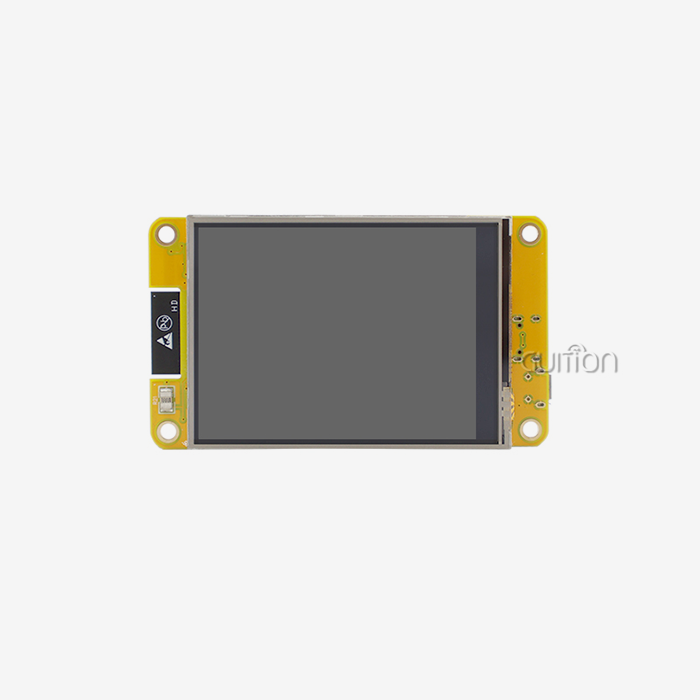
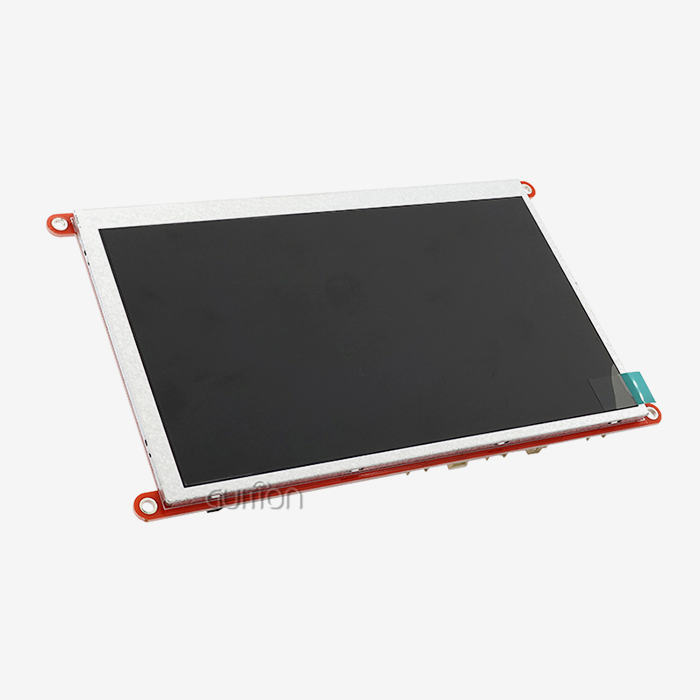
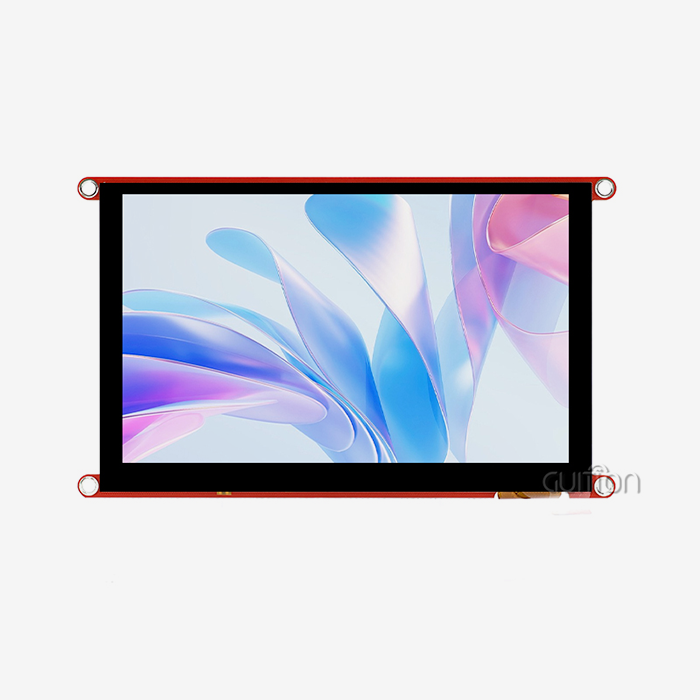
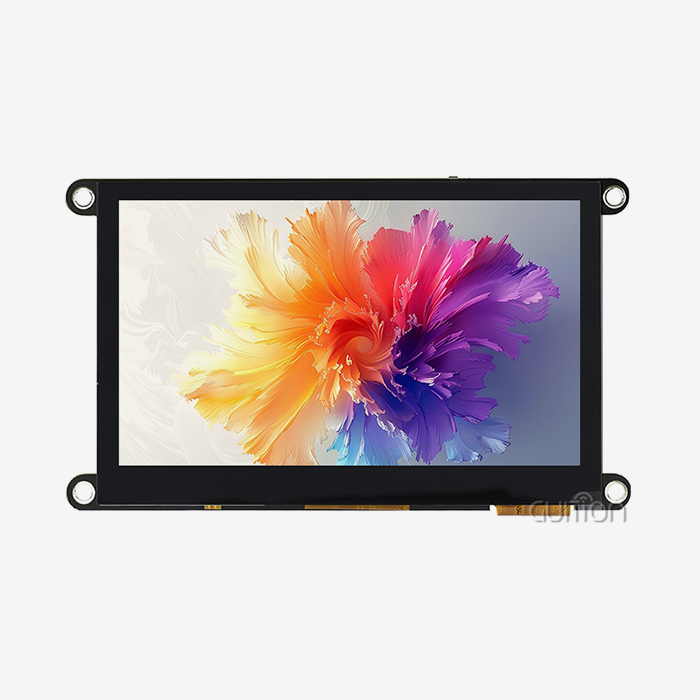
The 7 inch ESP32S3 display module GUITION ESP32-8048S070C has great technical specs that make it a top pick for business uses. The ESP32-S3-WROOM-1 processor has two cores and runs at 240MHz. It has a lot of computing power for rendering images and handling data in real time. The memory setup includes 512KB of SRAM, 384KB of ROM, 8MB of PSRAM, and 16MB of Flash storage.
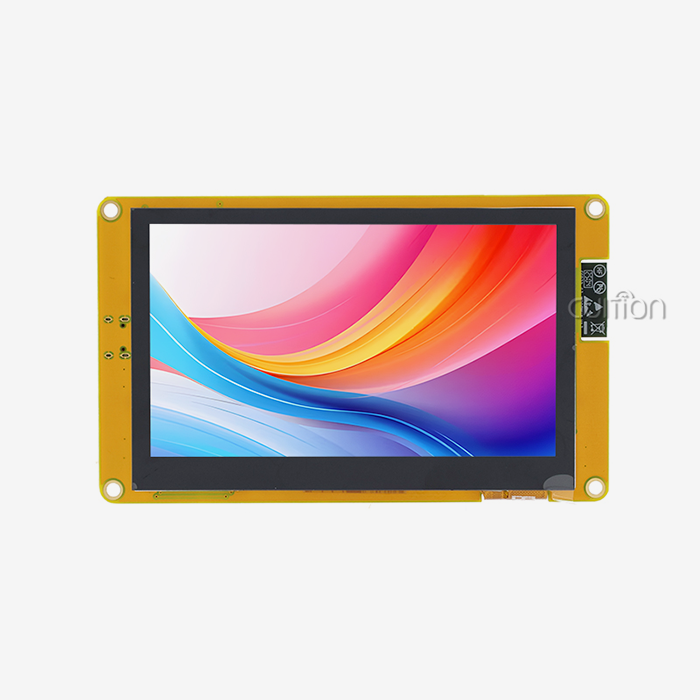
The screen has an 800x480 LCD panel with sensitive touch technology, which lets users interact with it precisely and see bright images. This resolution keeps update rates smooth while giving enough information for complicated user interfaces. The built-in touch screen control circuit and backlight control circuit make the best use of power and improve the user experience in a range of lighting situations.
Connectivity and Expansion Options
One of the best things about ESP32-based display devices is that they can link wirelessly. Built-in Wi-Fi and Bluetooth make it easy to connect to current networks and Internet of Things (IoT) platforms. With these connection choices, you don't need any extra transmission modules. This makes the system simpler and cheaper to set up.
The module has a special TF card interface and an IO port interface, which lets you add more storage and connect peripherals in a variety of ways. With these connections, developers can change the module to fit the needs of a specific program without having to make a lot of changes to the hardware. High-resolution images, fonts, and application data can all be stored on the extra storage.
How to Integrate and Program the 7 Inch ESP32S3 Display Module
Integration challenges often arise when implementing display units in complicated embedded systems. Knowing the right way to integrate things makes sure that the project is deployed successfully and will work reliably for a long time.
Development Environment Setup
Different code styles and project needs can be met by a variety of working environments. The ESP32-8048S070C works with the Arduino IDE, the ESP IDF, MicroPython, and Mixly. For rapid prototyping, the Arduino IDE is easy to use, and ESP IDF has more advanced tools for professional programming.
Installing the right libraries and setting up hardware-specific factors are part of setting up the working environment. To get the best speed and stability, display drivers must be properly started. Calibration methods for touch screens set up accurate coordinate mapping so that users can deal with them accurately.
Programming Best Practices
When working with high-resolution displays and limited embedded tools, it's important to handle memory well. Frame buffer management methods make the best use of memory while keeping graphics output smooth. Using double buffering stops screen tearing and makes the image better when the material is being updated.
Power management techniques make batteries last longer in handheld devices and lower heat stress in places where things are always running. Implementing a sleep mode lets the module save power when it's not being used, but it can still wake up quickly when needed. Handling interrupts correctly makes sure that touch events work without putting the system at risk.
Comparative Analysis: Choosing the Best 7 Inch Display for ESP32S3 Projects
To choose the best display module, you need to carefully look at its technical specs, cost, and the needs of your unique application. Knowing the differences between the choices you have makes it easier to make smart decisions.
Resolution and Display Technology Comparison
In terms of visible content area and user interface complexity, the 7 inch ESP32S3 display module has major benefits over smaller form factors. In comparison to 5-inch models, the bigger screen space allows for more detailed control and data display features. The 800x480 resolution is a good compromise between clear images and the amount of processing needed.
Most industry and business uses of LCD technology can be done at a very low cost. Others, like OLED screens, have better contrast ratios and color reproduction, but LCD screens work reliably across a wider range of temperatures and last longer. The capacitive touch interface makes sure that input is recognized correctly and that multiple touches can be used if needed.
Performance and Integration Complexity
The specialized graphics acceleration and parallel processing features of ESP32-S3 modules make them work better than standard microcontroller displays. The dual-core design lets you do both conversation and graphics rendering at the same time without slowing down the computer.
Different microcontroller systems have very different levels of integration difficulty. ESP32-S3 modules come with a lot of software assistance and instructions, which cuts down on the time needed for creation and troubleshooting. ESP32-S3 options use less power and have built-in wireless features compared to STM32 or Raspberry Pi alternatives.
Procurement Guide: Buying and Sourcing 7 Inch ESP32S3 Display Modules for Bulk Orders
Strategic choices about buying affect how long a project takes, how well it works, and how much it costs in the long run. To make good buying plans, you need to know what your suppliers can do and how the market works.
Supplier Evaluation Criteria
Different companies that make display modules have very different quality assurance requirements. Established providers use thorough testing methods that include checking for dead pixels, making sure the touch lines are straight, and testing the product's resistance to weather stress. These quality control steps make sure that all production batches work the same way and that mistakes in the field are kept to a minimum.
GUITION has strict rules for making their ESP32-8048S070C modules and offers a lot of technical help for them. The company cares about quality not only during initial production, but also during long-term product assistance and the stability of the supply chain. Pre-programmed test apps let you check the operation right away after receiving the product.
Bulk Ordering Considerations
Minimum order amounts usually lower the cost per unit while needing bigger investments up front. Supply gaps can be avoided without high carrying costs by balancing store levels with project deadlines. Lead times can change depending on how customized the product needs to be and how demand changes with the seasons.
RoHS compliance, EMC testing, and safety certifications are some of the certifications that are needed for foreign shipping. These certifications make sure that different markets and program settings follow the rules. Having the right paperwork makes clearing customs easier and cuts down on shipping delays.
Enhancing Your Product with the 7 Inch ESP32S3 Display: Practical Applications and Case Studies
Real-life examples show how flexible and useful current display modules are in a wide range of businesses and situations. Understanding these uses helps with design choices and deciding which features to include first.
Industrial Automation and Control Systems
The use of a 7 inch ESP32S3 display module in control screens and operator interfaces is highly beneficial in manufacturing settings. The sturdy build can handle being used in industrial settings, and the tablet interface makes it easier to train operators and cuts down on input mistakes. Wireless connection lets you watch and collect data from afar without having to set up extra cables.
Visualizing the state of a machine is easier to understand when the display area is bigger and can hold more than one data stream at once. On a single interface, trend graphs, alarm signs, and control buttons all work together without being too crowded. The ESP32-S3's processing power lets data be updated in real time, and human exchanges stay responsive.
Smart Home and Building Automation
Central control screens for smart home systems use the fact that they can show information and connect wirelessly to make full management interfaces. Integration with current Wi-Fi networks lets smart devices all over the house talk to each other without the need for extra gateway hardware.
The module's ability to show complicated data visualizations and talk to multiple sensor nodes makes it useful for energy management apps. The TF card interface stores historical data that can be used for trend analysis and improvement suggestions. Monitoring and controlling can be done from mobile devices or web tools thanks to remote access.
Medical and Laboratory Equipment
Touchscreens are being added to more and more lab tools to make them easier to use and lessen the need for training. For detailed parameter readings and user-friendly control schemes, the 7 inch ESP32S3 display module offers enough screen space. Data logging and remote tracking are important parts of modern lab processes, and wireless connectivity makes them easier to do.
The module's processing power is used by temperature and weather tracking systems to analyze local data and set off alarms. The expandable storage can handle large amounts of data logging, and the wifi connection lets you back up and analyze data in the cloud.
Conclusion
For embedded system developers who want to strike a mix between speed, connectivity, and price, the 7 inch ESP32S3 display module offers an appealing option. This module meets the changing needs of modern industry and business use with its powerful dual-core processor, high-resolution display, and built-in wireless capabilities. Because it has a lot of features and is built to last, the GUITION ESP32-8048S070C is a great example of these skills. It's perfect for challenging embedded display applications in many fields.
FAQ
Q: What makes the ESP32-S3 processor suitable for display applications?
A: The ESP32-S3's dual-core architecture running at 240MHz gives it enough processing power to generate images while keeping touch interactions responsive. The specialized graphics acceleration features and 8MB PSRAM make it possible for frame buffer processes to run smoothly, which is important for high-resolution displays.
Q: How does the touch interface performance compare to resistive alternatives?
A: With capacitive touch technology, you can use more than one finger at once, and the device will last longer than with resistive technology. The integrated touch controller provides precise coordinate detection and noise immunity essential for industrial environments.
Q: What development platforms are recommended for beginners?
A: The Arduino IDE is the easiest way to start developing with an ESP32-S3 display because it comes with a lot of code support and community resources. MicroPython is an option for developers who like the style of Python, and ESP IDF is for advanced users who need full control over hardware features.
Partner with GUITION for Your Display Module Requirements
GUITION stands ready to support your embedded display projects with our advanced ESP32-8048S070C module and full programming environment. Our experienced engineering team gives expert advice at every stage of the development process, from the first idea to putting the product into production. As a top 7 inch ESP32S3 display module provider, we are aware of the particular difficulties that modern product makers face and can help them find solutions that cut down on time-to-market and improve stability over time. Get in touch with David at david@guition.com to talk about your unique needs and find out how our display units can help your next project.
References
1. Espressif Systems. "ESP32-S3 Series Datasheet: Technical Reference Manual for Dual-Core MCU with AI Acceleration." Espressif Technical Documentation, 2023.
2. IEEE Standards Association. "IEEE 802.11 Wireless LAN Medium Access Control and Physical Layer Specifications for IoT Applications." IEEE Computer Society, 2022.
3. International Electrotechnical Commission. "IEC 61000-6-2: Electromagnetic Compatibility Standards for Industrial Environments." IEC Publications, 2023.
4. Society for Information Display. "Display Technology Trends in Embedded Systems: Performance and Integration Analysis." SID Technical Papers, 2023.
5. Embedded Computing Design Magazine. "Comparative Analysis of Microcontroller Display Solutions for Industrial Applications." OpenSystems Media, 2023.
6. Industrial IoT Consortium. "Best Practices for HMI Design in Connected Manufacturing Systems." Industrial Internet Consortium Technical Report, 2022.
Learn about our latest products and discounts through SMS or email