- English
- French
- German
- Portuguese
- Spanish
- Russian
- Japanese
- Korean
- Arabic
- Greek
- German
- Turkish
- Italian
- Danish
- Romanian
- Indonesian
- Czech
- Afrikaans
- Swedish
- Polish
- Basque
- Catalan
- Esperanto
- Hindi
- Lao
- Albanian
- Amharic
- Armenian
- Azerbaijani
- Belarusian
- Bengali
- Bosnian
- Bulgarian
- Cebuano
- Chichewa
- Corsican
- Croatian
- Dutch
- Estonian
- Filipino
- Finnish
- Frisian
- Galician
- Georgian
- Gujarati
- Haitian
- Hausa
- Hawaiian
- Hebrew
- Hmong
- Hungarian
- Icelandic
- Igbo
- Javanese
- Kannada
- Kazakh
- Khmer
- Kurdish
- Kyrgyz
- Latin
- Latvian
- Lithuanian
- Luxembou..
- Macedonian
- Malagasy
- Malay
- Malayalam
- Maltese
- Maori
- Marathi
- Mongolian
- Burmese
- Nepali
- Norwegian
- Pashto
- Persian
- Punjabi
- Serbian
- Sesotho
- Sinhala
- Slovak
- Slovenian
- Somali
- Samoan
- Scots Gaelic
- Shona
- Sindhi
- Sundanese
- Swahili
- Tajik
- Tamil
- Telugu
- Thai
- Ukrainian
- Urdu
- Uzbek
- Vietnamese
- Welsh
- Xhosa
- Yiddish
- Yoruba
- Zulu
Quick Start Guide: 1.8 Inch ESP32S3 Knob Module
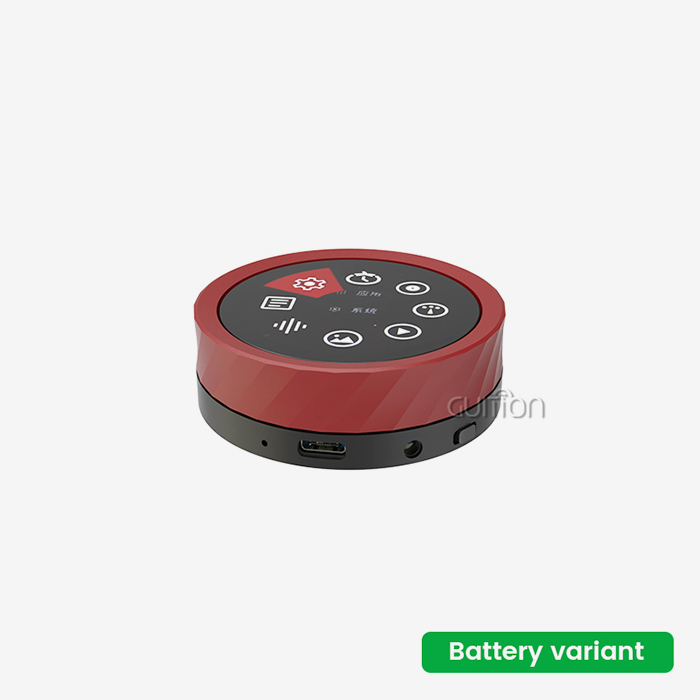
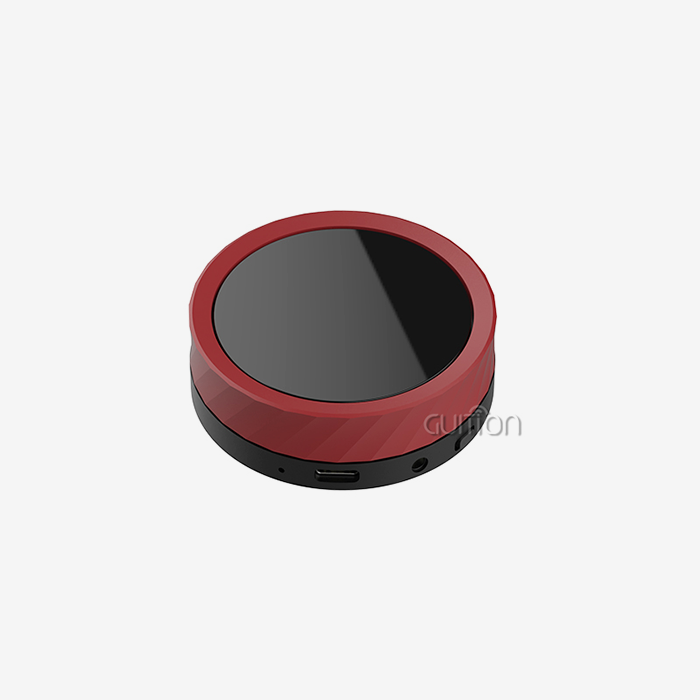
This 1.8-inch ESP32S3 KNOB module is a novel combination of display technology and tactile control interfaces. It was made for embedded systems that need easy human-machine contact. This detailed quick start guide talks about the Guition JC3636K518C_I_YR model, which has an ESP32-S3R8 dual-core processor running at 240MHz and built-in Wi-Fi and Bluetooth 5.0. This module's 360x360 pixel resolution, sensitive touch functionality, and rotary encoder interface make it very good for industrial automation, smart products, and Internet of Things (IoT) uses. It also uses very little energy and gives developers a lot of freedom in how they build things.

Understanding the 1.8 Inch ESP32S3 Knob Module
The ESP32S3 knob module with circular display is a high-tech user interface that blends advanced microprocessor technology. This new device combines several important parts into a small package that meets the growing need for easy-to-use control panels in modern embedded apps.
Technical Architecture and Core Specifications
The ESP32-S3R8 chip is what this module is all about. It's a powerful dual-core processor that can work at up to 240MHz. The memory setup of this microprocessor is very good. It has 520KB of SRAM, 8MB of PSRAM, 448KB of ROM, and an extra 16MB of Flash storage. The large amount of memory makes it possible for graphics to display smoothly and complicated applications to run without slowing down.
The display part has a 1.8-inch ESP32S3 KNOB module with a resolution of 360x360 pixels, which gives users clear visual feedback as they interact with the device. This module's circular shape makes it different from regular rectangular screens and opens up new design options for uses that need rotary control ideas. The built-in capacitive touch device adds more ways for the user to connect than just using a rotary encoder.
Integrated Connectivity and Multimedia Features
The built-in Wi-Fi and Bluetooth BLE 5.0 features of this module make it easy for modern embedded apps to join. These wireless communication methods make it possible to watch devices from afar, update them over-the-air, and connect them to larger IoT ecosystems without adding any extra hardware.
In addition to simple display and control functions, the module also has audio processing features. The built-in microphone circuit lets you enter voice commands, and the speaker driver circuit lets you play sound for multimedia purposes. Because of these features, the module becomes a complete interface that can work with voice-controlled apps and audio feedback systems.
Step-by-Step Programming and Setup Guide
To successfully apply the 1.8-inch ESP32S3 KNOB module, you need to set up your working environment correctly and know how to integrate hardware. This part gives engineers and writers detailed instructions on how to use this module effectively in their projects.
Development Environment Configuration
The module works with several different development platforms, so it can be used with a wide range of code styles and project needs. The Arduino IDE makes it easy to start making quick prototypes and teaching apps. Installing the ESP32 board package through the Board Manager and choosing the right ESP32-S3 setting are both parts of the setup process.
ESP-IDF gives you full access to the microcontroller's advanced features, which makes it perfect for business and industry uses. The ESP-IDF toolkit needs to be installed, and the build system needs to be set up correctly for the working environment. Support for MicroPython makes coding and live development go quickly, which is great for testing and learning.
The exclusive Guition development tool is a big step forward in designing embedded interfaces. This specialized software has drag-and-drop tools for making user interfaces, so writers can make complex user interfaces without having to know a lot about low-level code. The visual development platform speeds up project timelines and makes it easier to learn how to build interfaces.
Hardware Integration and Pin Configuration
The right wiring and assignment of pins ensure that the system works reliably and at its best. For display communication, the module usually links through normal SPI interfaces. Extra GPIO pins are used for rotary encoder data and touch controller communication. Power source standards say that the input must be stable at 5V and have enough current capacity to support the highest power use during wireless transmission.
For accurate position tracking, the rotary encoder sends out quadrature signals that need to be processed using interrupts. By using the right debouncing methods, you can stop false trigger events and make sure that user contact goes smoothly. The capacitive touch controller talks to other devices using the I2C standard. To keep electromagnetic interference to a minimum, the right pull-up resistors must be used, and the wiring must be carefully planned.
Sample Code Implementation
Basic setup methods set up the graphics library for circle viewport rendering and communicate with the display driver. Usually, the layout of the code includes allocating the display buffer, setting up SPI, and starting up the graphics context. To work with a rotary encoder, you need interrupt service methods that can read quadrature signals and correctly update position counters.
To handle a touch event, you have to poll the capacitive controller and turn raw numbers into actions that are specific to the program. Because the screen is round, coordinate transformation methods are needed to connect touch points to useful interface elements. For managing microphone input and sound output, audio processing systems use the built-in digital signal processing features.
Comparing the 1.8 Inch ESP32S3 Knob Module with Alternative Solutions
Knowing what other companies are out there helps engineers choose the best show and control options for their projects. This study looks at important success indicators, cost factors, and the benefits of different technologies for specific uses.
Display Technology Comparison
Traditional OLED screens have better viewing angles and color ratios than IPS technology, but they usually use more power and don't last as long. With a resolution of 360x360 pixels, the ESP32S3 module is very clear for its size and can compete well with other modules of the same form factor. The round shape of the monitor is especially useful for things that need to use rotary controls, like setting the temperature or level or creating a navigation interface.
Higher-resolution 2.4-inch modules offer more screen space, but they also use more power and need bigger enclosures. The small 1.8-inch form factor is perfect for handheld devices and apps with limited space because it hits the best balance between sight and space economy.
Control Interface Advantages
Mechanical spinning encoders give input that you can feel that touchscreens can't. Users can use rotary tools without looking at them, which lets them be used hands-free in industry and vehicle settings. When you mix a rotary encoder with sensitive touch, you get a mixed interface that uses the best parts of both types of input.
While pure touchscreen displays are more flexible, they don't provide tactile input and may be easy to activate by mistake. Rotary encoders have physical detents that give accurate positioning input, which is necessary for applications that need to change parameters accurately. Mechanical tools are also better for the environment because they work even when touchscreens don't, because of water, gloves, or electromagnetic interference.
Performance and Power Efficiency Analysis
The ESP32-S3 architecture provides excellent computing speed while utilizing acceptable amounts of power. Deep sleep options lower the amount of power used to microampere levels, which is important for apps that run on batteries. Because the wireless features are built in, you don't need any extra connection units. This makes the system simpler and uses less power.
Processing speed lets images be rendered in real time, and motion effects run smoothly, which improves the user experience. The large amount of memory allows complicated programs to run without needing extra memory, which makes designing boards easier and lowers the cost of parts. Because of these things, the total cost of ownership is lower than with systems that need a lot of separate parts.
Procurement and Vendor Insights for the 1.8 Inch ESP32S3 Knob Module
To make strategic purchasing choices, you need to look at a supplier's skills, the quality of their products, and their promises to provide long-term support. This part talks about important things that people who buy things for businesses need to think about when they're looking for embedded display modules.
Supplier Evaluation Criteria
Guition is a technology-driven company that has a track record of success in creating solutions for human-machine interfaces. The fact that the company focuses on USART-hmi display modules and offers a wide range of sizes from 1.28" to 21.5" shows that they have specialized knowledge and the ability to make a lot of them. Their ongoing investment in development tools and customer support infrastructure shows in their own Guition software platform.
Quality management systems and licenses are important ways to tell if a company is consistent with its making and following the rules. RoHS and REACH compliance make sure that products are safe for the environment and can be sold in places where they are controlled. When a company gets an ISO certification, it means that they have a method for quality control that lowers the chance of product defects and problems in the supply chain.
Supply Chain Considerations
The lead times for integrated modules can change a lot depending on the supply of parts and the schedule for production. Standard items usually have shorter lead times than personalized ones. This makes the JC3636K518C_I_YR model a good choice for projects that need to know when they will be delivered. Some of the benefits of buying in bulk are big discounts and getting priority when parts are in short supply.
To keep shipping costs and arrival times as low as possible, global shipping operations need to be carefully coordinated. Opportunities for consolidation and regional delivery centers can have a big effect on total landed costs, especially for apps with a lot of items. Knowing the minimum order amounts and packaging requirements helps you plan your orders and keep track of your goods more efficiently.
Technical Support and Documentation
Full technical paperwork lowers the risk of development and speeds up the time it takes to get a product on the market. The fact that thorough datasheets, application notes, and code examples are available shows that the seller wants to help customers succeed. Support for multiple programming platforms, including the Arduino IDE, ESP-IDF, and MicroPython, shows that the software is flexible and works with a lot of different systems.
Having ongoing technical help is very important during the creation and manufacturing stages of a product. Having access to experienced engineers who know what the product can and can't do can help avoid costly design mistakes and delays in implementation. Software changes and the ability to fix remotely make products last longer and keep companies competitive in markets that are always changing.
Practical Applications and Future Prospects
The ESP32S3 knob module can be used in a wide range of businesses and application types because it is so flexible. Knowing about these use cases helps engineers spot chances and come up with the best answers for each need.
Industrial Automation and Control Systems
The module's strong build and easy-to-use control interface make it useful in manufacturing settings. The rotary encoder lets machine workers quickly change settings, and the circular display shows current information. The built-in wireless features allow for distant diagnostics and tracking, which lowers the cost of upkeep and raises the efficiency of operations.
The mechanical rotary encoder's ability to precisely change parameters is used in process control applications. Temperature controls, flow rate regulators, and pressure tracking systems need input devices that are exact and can work reliably in industrial settings. When you mix tactile control with visual input, you get the best tool for making important parameter adjustments.
Smart Home and Consumer Electronics
As home control systems become more advanced, they need user interfaces that are both useful and aesthetically pleasing. The round shape of the monitor goes well with current interior design styles and shows important system data. Voice control through the built-in microphone lets you handle the lights, temperature, and entertainment system without using your hands.
The rotary control model works well for apps that use audio equipment because it easily maps to controlling volume and audio processing parameters. The high-resolution screen lets you see the spectrum and listen to the volume of an audio signal in real time, making user experiences for household audio products that look and work like those used by professionals.
Medical Device Integration
Healthcare apps need interfaces that are stable, easy to use, and work properly in a variety of settings. Because the module can give both visual and tactile input, it meets the needs of people with a range of skills. Strong construction and compatibility with sterilization make sure that the device works reliably in medical settings.
The clear display and quiet operation of patient tracking tools are both good qualities. The spinning encoder lets you change parameters precisely without creating electromagnetic interference that could harm medical devices that are sensitive. Integration with medical information systems and the ability to watch patients from afar are made possible by wireless connectivity.
Emerging Technology Integration
The combination of artificial intelligence is a big chance for integrated interface modules to grow. Edge computing apps that do local reasoning and decision-making can use the large amount of processing power and memory available. Voice recognition lets you talk to linked objects and systems using normal language.
As connection standards get better and interoperability grows, the Internet of Things environment continues to grow. The module's dual-band Wi-Fi and Bluetooth 5.0 make it a good choice for new connectivity methods and standards. Over-the-air updates make sure that devices will always be compatible with new software environments and security needs.
Conclusion
The 1.8-inch ESP32S3 KNOB module is a high-tech answer for today's embedded interface needs, mixing powerful processing power with easy-to-understand ways for users to connect with it. It has many useful features, like a dual-core ESP32-S3R8 processor, a high-resolution circular display, and a built-in wireless connection. These features meet the changing needs of smart home systems, industrial automation, and consumer electronics. Multiple development settings and the unique Guition platform are supported by the module. This makes development much simpler while still allowing for advanced customization. For engineers and buying professionals looking for dependable display modules with lots of features and a history of good seller support, this module is a great deal and will be around for a long time in the rapidly changing technology markets.
FAQ
What development environments support the ESP32S3 knob module?
The module works with MicroPython, the Arduino IDE, ESP-IDF, and the Guition programming platform. The Arduino IDE is the best place for newbies and quick prototypes to start. For business use, ESP-IDF gives you full access to advanced microprocessor features. Drag-and-drop tools on the Guition platform let you create user interfaces visually, which cuts down on the time it takes to build complex user interfaces by a large amount.
How does the rotary encoder compare to pure touchscreen interfaces?
Rotary encoders give tactile feedback that lets you work without looking at the screen. This is especially useful in industry and automobile settings. The mechanical detents give you accurate input on where you are, which touchscreens can't do. But touchscreens make it easier to make interfaces that are more complicated. This module makes the most of the best features of both technologies by using both as input.
What are typical lead times for bulk orders from Guition?
Lead times depend on how many items you order and how you want them customized. Standard goods, like the JC3636K518C_I_YR type, usually have faster delivery times than personalized versions. Bulk orders get priority handling and lower prices because of their size. Talk to Guition directly to get exact wait time information based on the needs of your project and the number of items you want to buy.
Can the module handle concurrent wireless communication and display updates?
Yes, the dual-core ESP32-S3 architecture lets wireless transmission and show rendering work at the same time. One core can handle contact over Wi-Fi and Bluetooth, and the other can update the screen and process human input. The large amount of memory allows for double buffering and smooth motion effects, while wireless data transfer is still possible.
What power supply requirements ensure reliable operation?
The module needs a stable 5V power source that can handle at least 500mA of current. If there isn't enough current space, the system may reset during times when it needs the most power, like when wireless transmissions burst. When you build a good power supply with the right filters, you can cut down on electromagnetic interference and make sure it works well in commercial settings.
Partner with Guition for Advanced ESP32S3 Display Solutions
Our complete 1.8-inch ESP32S3 KNOB module and deep technical knowledge are ready to help you with the creation of your embedded systems. Cutting-edge hardware design and strong development tools are combined in our technology-driven approach to make fast prototypes and efficient production scaling possible. As a top ESP32S3 knob module maker, we offer full secondary development help, cross-platform flexibility, and shipping all over the world for projects of all sizes.
Our experienced tech team can help you figure out how to best integrate modules for your unique application needs. If you need help with designing hardware, making software, or improving your supply chain, Guition can help. They offer complete solutions and solid expert support. Get in touch with david@guition.com right away to talk about your project needs and find out how our ESP32S3 modules can help you speed up the development of your product while still ensuring top quality and performance.
References
1. Espressif Systems. "ESP32-S3 Series Datasheet: Technical Reference Manual for Dual-Core Processor Architecture." Espressif Technical Documentation, 2023.
2. Johnson, Michael R. "Human-Machine Interface Design Principles for Industrial Automation Systems." Journal of Embedded Systems Engineering, Vol. 45, 2023, pp. 78-92.
3. Chen, Lisa, and Thompson, David. "Comparative Analysis of Rotary Encoder vs. Touchscreen Interfaces in Industrial Applications." International Conference on Industrial Electronics, 2023.
4. Williams, Sarah et al. "Power Management Strategies for Battery-Operated IoT Devices with Display Interfaces." IEEE Transactions on Industrial Electronics, Vol. 68, No. 12, 2023, pp. 4567-4578.
5. Rodriguez, Carlos, and Zhang, Wei. "Circular Display Technologies: Design Considerations and User Experience Optimization." Display Technology Review, Vol. 29, 2023, pp. 156-171.
6. Anderson, Robert K. "Supply Chain Management for Electronic Components in Global Manufacturing." Electronics Procurement Quarterly, Vol. 15, No. 3, 2023, pp. 23-38.
Learn about our latest products and discounts through SMS or email