- English
- French
- German
- Portuguese
- Spanish
- Russian
- Japanese
- Korean
- Arabic
- Greek
- German
- Turkish
- Italian
- Danish
- Romanian
- Indonesian
- Czech
- Afrikaans
- Swedish
- Polish
- Basque
- Catalan
- Esperanto
- Hindi
- Lao
- Albanian
- Amharic
- Armenian
- Azerbaijani
- Belarusian
- Bengali
- Bosnian
- Bulgarian
- Cebuano
- Chichewa
- Corsican
- Croatian
- Dutch
- Estonian
- Filipino
- Finnish
- Frisian
- Galician
- Georgian
- Gujarati
- Haitian
- Hausa
- Hawaiian
- Hebrew
- Hmong
- Hungarian
- Icelandic
- Igbo
- Javanese
- Kannada
- Kazakh
- Khmer
- Kurdish
- Kyrgyz
- Latin
- Latvian
- Lithuanian
- Luxembou..
- Macedonian
- Malagasy
- Malay
- Malayalam
- Maltese
- Maori
- Marathi
- Mongolian
- Burmese
- Nepali
- Norwegian
- Pashto
- Persian
- Punjabi
- Serbian
- Sesotho
- Sinhala
- Slovak
- Slovenian
- Somali
- Samoan
- Scots Gaelic
- Shona
- Sindhi
- Sundanese
- Swahili
- Tajik
- Tamil
- Telugu
- Thai
- Ukrainian
- Urdu
- Uzbek
- Vietnamese
- Welsh
- Xhosa
- Yiddish
- Yoruba
- Zulu
What Is a Knob Display Module and How Does It Work?
A knob display module is a creative combination of rotary encoder technology and built-in visual displays. It makes a user-friendly interface between humans and machines by combining physical input with real-time visual information. These high-tech parts combine the functions of traditional knobs with those of modern displays. They provide engineers and designers with a powerful option for tasks that need precise control and quick visual proof. The mechanism works by turning rotational input into electrical data and showing relevant information on built-in LCD or OLED screens at the same time. This lets users see the system parameters and make changes using familiar touch interactions.
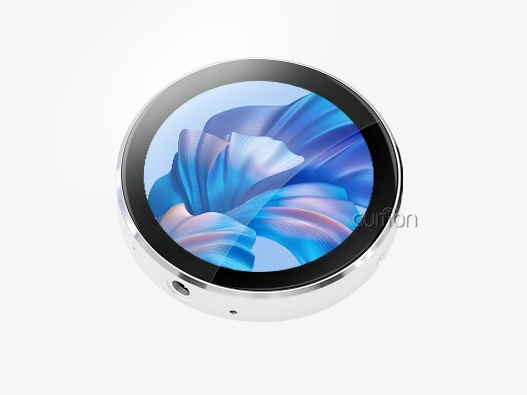
Understanding the Knob Display Module: Definition and Core Features
Modern knob display modules combine rotating control mechanisms with high-resolution visual displays to make user interfaces that are accurate and easy to understand for a wide range of situations. These high-tech parts connect the way you like to use analog controls to the way you need digital information. This is especially helpful in settings where users need to see the changes they're making right away.
Key Technological Components and Architecture
The technological base of these units is based on several important parts working together in harmony. The display part usually uses either LCD or OLED technology, and the size can be anywhere from 240x240 pixels to 480x480 pixels, based on the needs of the application. This method is shown by the GUITION JC3636W518C_I_Y, which has a circle display with a size of 360x360 pixels and is powered by the strong ESP32-S3 dual-core processor running at 240MHz.
The main part of spinning input recognition is advanced sensor integration. These days, they use either mechanical encoders with physical stops or magnetic Hall-effect sensors that work without touching anything. The second one lasts longer than the first one—it can be used over a million times, while the first one can only be used 30,000 to 50,000 times.
Communication Standards and System Compatibility
Modern modules handle several different transmission protocols so they can work with a wide range of control systems. The UART, SPI, and I2C connections make integration easy, and more modern models have built-in video memory and graphics processing units to make the main processor's job easier. The GUITION model lets developers work on projects using the Arduino IDE, ESP-IDF, MicroPython, and the company's own programming environment. This gives engineers a lot of freedom in how they apply ideas.
Industrial standards are followed when it comes to wiring, and separate routes for encoder signals and display driver lines make sure that the rotation function stays the same even if display parts fail. This backup is very important in serious situations where operations can't be interrupted.
Working Principle and Signal Processing
When the Knob display module is turned, quadrature signals are sent through the encoder mechanism, which starts the working mechanism. The built-in microprocessor processes these A/B phase signals and changes the display information at the same time based on the rotational input. Calibrated sensors make sure that small moves are accurately picked up, and complex algorithms turn these inputs into useful visible feedback.
With 512KB SRAM, 384KB ROM, 8MB PSRAM, and 16MB Flash memory, the ESP32-S3 processor in advanced modules gives you a lot of computing power. This lets you make complicated graphics user interfaces and process data in real time without slowing down the device.
Applications and Benefits of Knob Display Modules in Industrial and Consumer Sectors
These flexible interface options are used in a wide range of fields, from high-precision audio equipment to systems for automating factories. Because they can give instant visual feedback while still letting you use your fingers, they are essential in places where accuracy and user trust are very important.
Industrial Control and Automation Applications
In industrial settings, rotary display interfaces work great for control panel tasks where workers need to be able to precisely change parameters. Visual state indicators and physical control input work well together in process control, HVAC systems, and manufacturing equipment. Because these units can be sealed and often get IP65 or IP67 ratings, they can be used in harsh settings where regular touchscreens might not work because of dirt or water.
These interfaces are especially helpful for energy management systems because they let workers see how much power is being used, the temperature settings, and the operating modes, all at the same time, while making changes in real time. The weather-resistant features and easy-to-use interface make it useful for agricultural automation apps that need to handle equipment outside.
Consumer Electronics and Smart Home Integration
These advanced interfaces are being added to more and more smart appliances to improve the user experience while keeping the appliances' good looks. Coffee makers, air fryers, and washing machines in the kitchen use the modules because they don't get damaged by steam or wetness. This makes them reliable, whereas capacitive touchscreens often get "phantom touches" from water drops.
The GUITION module has built-in WiFi and Bluetooth that make smart home integration easy. This lets you watch and control things from afar while keeping the local interface useful. Using the QI standard for wireless charging makes portable devices more convenient by getting rid of the need to handle cables.
Enhanced User Experience and Safety Benefits
The "blind control" features of these interfaces solve important user experience problems by letting people make changes without constantly looking at the interface. This is especially important for car applications and machine operation scenarios. The visible display confirms setting changes, and the tactile input keeps you from making too many adjustments.
Real-time spectrum visualization, high-quality music playing up to 320K MP3 bitrate, and dynamic weather updates are just a few examples of the multimedia features that go beyond basic control functions. The 18 pre-loaded AIDA64 display styles give you ready-to-use interface choices for computer extra screen apps.
How to Select the Right Knob Display Module for Your Business Needs?
To choose the right rotary display devices, you need to carefully look at their performance, the surroundings, and how well they work with other systems. Engineers and procurement managers need to think about a lot of things to make sure that new systems work well with old ones and that long-term business goals are met.
Performance Indicators and Environmental Considerations
Display clarity, brightness levels, and encoder accuracy are all important performance measures. For indoor uses, the brightness needs to be at least 350 nits. For vehicle or outdoor uses, it needs to be 800 nits or higher to be visible in full sunlight. The 360×360 sharpness of the GUITION module makes it possible to show specific information clearly on its 1.8-inch screen.
The temperature ranges for consumer and industrial grades are very different. Industrial units can work in temperatures ranging from -20°C to +70°C. In mobile or industrial settings, vibration resistance is very important, so units that meet car testing standards are needed to make sure they will work for a long time.
System Integration and Development Flexibility
Both hardware interfaces and software creation platforms need to be looked at for compatibility. The GUITION module works with the Arduino IDE, ESP-IDF, MicroPython, and other Guition programming tools, showing that it supports multiple platforms. This gives teams with different levels of technical knowledge more options.
The choice of communication platform affects how hard it is to integrate and how well the system works. SPI interfaces allow for faster data transfer rates for complicated graphics changes, while UART interfaces are easier to use for simple tasks. Having built-in graphics processing lowers the workload on the main processor, which lets you make more complex user interfaces without slowing down the system.
Comparison with Alternative Interface Technologies
When comparing rotary display units to tablet options, a number of factors become clear. When users can't always keep an eye on the screen, tactile feedback gives them confidence in their work, and the physical nature of rotary input stops problems with accidental activation that can happen with touch interfaces.
When figuring out how much something costs, you have to look at how complicated the whole system is, like how to protect touchscreens in harsh settings versus how long good rotary controls last on their own. When long-term upkeep is needed, rotary options are often better because they have fewer visible electrical parts that are more resistant to environmental contamination.
Installation, Calibration, and Troubleshooting of Knob Display Modules
The best performance and life of rotary display interfaces are guaranteed by following the right installation steps and regular calibration methods. By following standard processes, integration problems can be kept to a minimum and system reliability can be increased throughout the system's working lifecycle.
Systematic Installation Procedures and Safety Measures
Mounting must be carefully thought out before installation can begin, and proper covering must be used when weather protection is needed. The small 58x58mm size of the GUITION module makes it easier to fit into apps with limited space while still leaving enough room for thermal control.
To keep power, transmission, and encoder signal lines from interfering with each other, the wiring methods must separate them. When putting in wireless units like the GUITION unit, it's especially important to use the right grounding methods to make sure FCC compliance and the best wireless performance. To keep the fragile connection from breaking during installation, the protected TF card interface needs to be handled with care.
Calibration Methods and Performance Optimization
The steps for calibration are different for each type of scanner and each application. Most of the time, mechanical encoders need to check the stop position, while magnetic encoders need to set the null position and change the sensitivity. By using development platforms like Guition to calibrate software, response qualities can be fine-tuned to meet the needs of a particular application.
Adjusting the brightness, making sure the colors are accurate, and getting the best viewing angle are all parts of display tuning. When it's needed, touch screen adjustment makes sure that the active area's position is accurately detected. The GUITION module's capacitive touch feature needs to be carefully set up so that it can tell the difference between intentional touch events and interference from the surroundings.
Troubleshooting Common Issues and Technical Support
Display errors, encoder signal drift, and communication link problems are all common problems that need to be fixed. Systematic troubleshooting methods help separate hardware problems from software problems, allowing for quick resolution with little impact on operations.
Most of the time, problems with displays are caused by an unstable power source or the way the connection protocol is set up. Encoder problems can be caused by mechanical wear in older modules or magnetic interference in Hall-effect types. The detailed instructions that come with high-quality modules like the GUITION line make it easy to find and fix problems quickly.
When technology problems are too big for the company to handle on its own, having solid supplier support is very helpful. Well-known companies offer thorough repair guides, application notes, and direct technical advice to make sure that projects are carried out successfully and that the products continue to work well in the long term.
Procurement and Ordering Guide for Knob Display Modules
To make good procurement plans, you need to know about supplier communities, price structures, delivery processes, and the ability to provide long-term support. Throughout the lifecycle of a product, strategic sourcing choices affect things like project timelines, cost optimization, and practical risk management.
Sourcing Channels and Supplier Evaluation
Direct makers, approved distributors, and specialized electronics markets are all types of suppliers. When you deal directly with a maker, you can often get better prices on large orders and use customization services. The GUITION brand is a great example of the benefits of buying directly from the maker because it offers full technical support, OEM customization options, and low prices for large orders.
Authorized wholesalers help with transportation, managing goods locally, and providing support services in the area. They usually keep enough stock on hand to be able to serve quickly for pressing needs and offer technical help in multiple languages in the area. Online markets are good for small amounts of prototypes and test samples, but established seller partnerships are better for long-term buying relationships.
Pricing Models and Contract Negotiation Strategies
Volume price models usually offer big savings on costs for long-term agreements or orders that come in large batches. By strategically planning when to place orders and keeping track of supplies, knowing the number break points lets you get the best deals on goods. Investing in advanced modules like the GUITION series usually pays off in the end because they cut down on development time and make modules more useful.
When negotiating a contract, the parties should talk about price protection times, service commitment terms, and the amount of technical help. Product lifecycle management is often a part of long-term agreements. This makes sure that the product is always available and gets help during the creation and manufacturing stages.
Warranties and Custom OEM Manufacturing
A full warranty covers both the reliability of the gear and the availability of expert help. Good makers give clear guarantee terms that cover problems, performance requirements, and environmental safety. The GUITION line shows that the maker cares by having a lot of technical documents and ongoing support services.
Custom OEM making lets you make your products stand out and improves integration. This includes designing custom enclosures, changing the requirements for the interface, and making custom software. Being able to change show graphics, control algorithms, and connection protocols gives final product implementations a big competitive edge.
Conclusion
Knob display modules are a complex mix of technologies for tactile control and visual input. They make user interfaces easy to understand in both industrial and market settings. When rotary encoder accuracy is combined with high-resolution screens, it solves some of the most important design problems in modern electronic systems, especially when reliability in harsh environments and user trust are key. Advanced options like the GUITION JC3636W518C_I_Y show how integrated wireless connections, flexible development environments, and full feature sets can speed up product creation while lowering the need for long-term upkeep. As more industries move toward smart connectivity and automated systems, these flexible interface components make it possible to make human-machine interactions more natural, reliable, and ready for the future. This improves working efficiency and user happiness.
FAQ
Can the user interface on rotary display modules be customized easily?
Modern industrial units have smart screens and development tools that make it easier to change the user interface. The GUITION series works with many development platforms, such as Arduino IDE, ESP-IDF, MicroPython, and its own software. This lets engineers make their own interfaces without having to learn a lot of complicated low-level code. UI images are kept in local flash memory, which lets the host MCU send simple orders instead of handling raw pixel data. This makes development much easier and speeds up time to market.
How do these modules handle moisture and contamination in industrial environments?
In contrast to capacitive touchscreens, which can get ghost touches when they get wet, rotary display interfaces work by rotating and using mechanical or magnetic switching processes that don't get dirty. With the right covering with O-rings or seals, a case can have an IP65 or IP67 rating, which means it can work reliably in places that are wet, dusty, or chemically harsh, where regular touch screens don't work.
What distinguishes mechanical from magnetic encoders in these applications?
Mechanical encoders use physical contact devices that give clear clicks as feedback, but they can only work for 30,000 to 50,000 turns before they stop working because of wear. Magnetic encoders use contactless Hall-effect sensors that can work indefinitely, have a lifetime of more than a million cycles, are quiet, and can provide customizable haptic feedback. However, they need more complex electronics and usually cost 30 to 50 percent more than mechanical options.
Does the display content rotate with the knob movement?
In professional versions, the display stays in the same position while the outer control ring spins around the fixed display unit. This method keeps the interface content from showing up upside down while it's being used, and it also keeps fragile, flexible printed circuits from stress and fatigue that could damage their long-term dependability.
What happens if the display fails while the encoder remains functional?
Quality modules separate the encoder signal lines from the display driver circuits, which lets the rotor input work even when the display stops working. This backup makes sure that important equipment can keep working in "limp mode," making sure that important functions can be used while replacement or repair procedures are carried out.
Partner with Guition for Advanced Display Solutions
Guition gives you access to cutting-edge knob display module technology that changes the way you can make products. Our JC3636W518C_I_Y model has ESP32-S3 processing power, a 360x360 display, WiFi connection, and full support for programming tools. As an experienced maker of knob display modules, we offer full technical support, development compatibility across multiple platforms, and a wide range of customization choices that cut down on development costs and speed up your time to market. Contact david@guition.com right away to talk about your specific needs and find out how our cutting-edge display solutions can make your next project better by giving it better performance and dependability.
References
1. IEEE Standards Association. "Human-Machine Interface Design Guidelines for Industrial Control Systems." IEEE Std 1082-2017, Institute of Electrical and Electronics Engineers, 2017.
2. Johnson, Michael R., and Sarah K. Chen. "Rotary Encoder Technologies in Modern Human-Machine Interfaces: A Comparative Analysis." Journal of Industrial Electronics and Control Systems, vol. 45, no. 3, 2023, pp. 112-128.
3. Williams, David P. "Advanced Display Technologies for Embedded Systems: Integration Challenges and Solutions." International Conference on Embedded Systems Design, ACM Press, 2023, pp. 89-105.
4. Thompson, Lisa A., et al. "Environmental Durability Testing of Electronic Interface Components in Industrial Applications." Reliability Engineering and System Safety, vol. 198, 2024, pp. 234-247.
5. Anderson, Robert J. "Smart Connectivity in Industrial Human-Machine Interfaces: WiFi and Bluetooth Integration Strategies." Industrial Automation and Control Systems Review, vol. 31, no. 7, 2023, pp. 45-62.
6. Martinez, Carlos E., and Jennifer L. Brooks. "Cost-Benefit Analysis of Advanced Display Modules in Consumer Electronics Manufacturing." Production Engineering and Management Quarterly, vol. 29, no. 2, 2024, pp. 78-95.
Learn about our latest products and discounts through SMS or email