- English
- French
- German
- Portuguese
- Spanish
- Russian
- Japanese
- Korean
- Arabic
- Greek
- German
- Turkish
- Italian
- Danish
- Romanian
- Indonesian
- Czech
- Afrikaans
- Swedish
- Polish
- Basque
- Catalan
- Esperanto
- Hindi
- Lao
- Albanian
- Amharic
- Armenian
- Azerbaijani
- Belarusian
- Bengali
- Bosnian
- Bulgarian
- Cebuano
- Chichewa
- Corsican
- Croatian
- Dutch
- Estonian
- Filipino
- Finnish
- Frisian
- Galician
- Georgian
- Gujarati
- Haitian
- Hausa
- Hawaiian
- Hebrew
- Hmong
- Hungarian
- Icelandic
- Igbo
- Javanese
- Kannada
- Kazakh
- Khmer
- Kurdish
- Kyrgyz
- Latin
- Latvian
- Lithuanian
- Luxembou..
- Macedonian
- Malagasy
- Malay
- Malayalam
- Maltese
- Maori
- Marathi
- Mongolian
- Burmese
- Nepali
- Norwegian
- Pashto
- Persian
- Punjabi
- Serbian
- Sesotho
- Sinhala
- Slovak
- Slovenian
- Somali
- Samoan
- Scots Gaelic
- Shona
- Sindhi
- Sundanese
- Swahili
- Tajik
- Tamil
- Telugu
- Thai
- Ukrainian
- Urdu
- Uzbek
- Vietnamese
- Welsh
- Xhosa
- Yiddish
- Yoruba
- Zulu
OpenHASP screen vs Standard LCD Panels: Pros & Cons
When evaluating display solutions for industrial automation and IoT applications, the choice between OpenHASP screen technology and traditional LCD panels significantly impacts project outcomes. OpenHASP screen solutions offer open-source flexibility with ESP32-based microcontrollers, enabling dynamic UI customization through MQTT protocols without complex firmware compilation. Standard LCD panels provide established reliability with straightforward integration but limited customization capabilities. The decision between these technologies affects development timelines, maintenance costs, and scalability potential. Understanding their respective advantages helps procurement managers select optimal display solutions aligned with specific operational requirements and technical expertise availability.
Understanding OpenHASP Screens and Standard LCD Panels
OpenHASP Screen Technology Overview
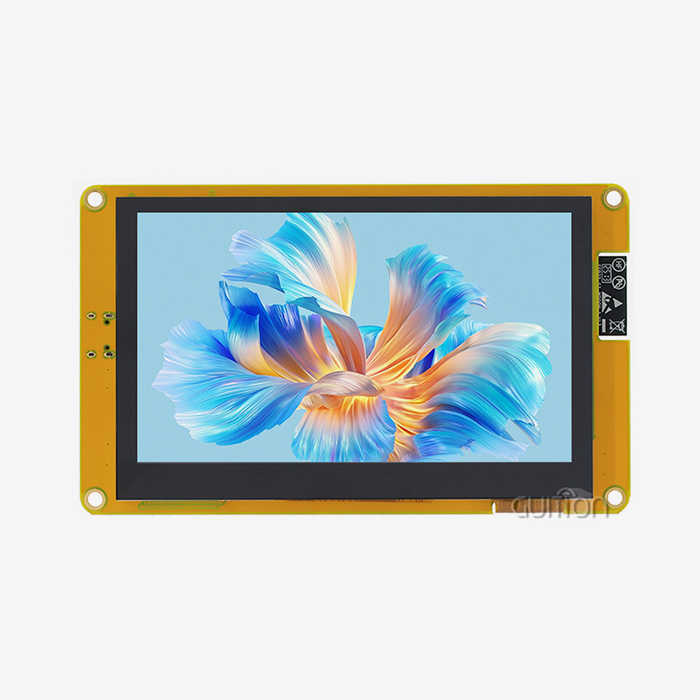
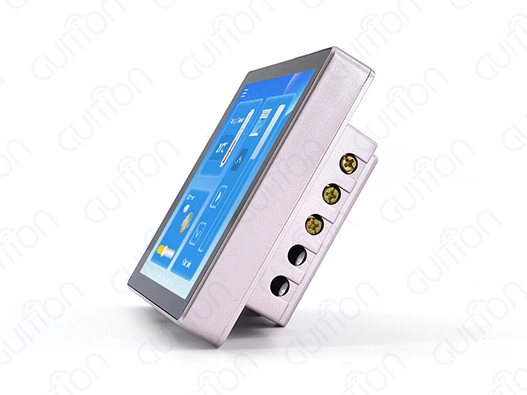
The OpenHASP screen technology is a completely new way to build human-machine interfaces. It uses open-source software to turn ESP32-based hardware into smart display devices. By taking JSON-based orders over Wi-Fi or MQTT protocols, these specialized IoT devices get rid of the usual problems that come with programming. The Guition ESP32-4848S040C_I_Y_1 is an example of this new technology. It has an ESP32-S3R8 dual-core processor that runs at 240MHz and has 512KB SRAM, 8MB PSRAM, and 16MB Flash storage. The 4-inch IPS monitor has a clear 480x480 resolution and can be touched. It can handle 65K bright colors with 16-bit RGB output. The built-in Wi-Fi and Bluetooth connections make it easy to connect to a network without adding any extra gear. This all-around method to blending makes components simpler while still meeting professional performance standards.
Standard LCD Panel Characteristics
Traditional LCD screens include technologies like TFT, IPS, and E-ink displays that have been used in the market for a long time and have been shown to be reliable. For advanced features, these screens usually need their own driver circuits, microcontroller units, and software that is specifically made for them. Standard LCD options work best in simple situations where the display needs to stay the same, and there isn't much tweaking that needs to be done. Mature manufacturing provides uniform quality control and large networks of suppliers around the world. Standard LCD screens have well-documented specs that make their performance predictable. This makes them good for uses that need simple software and the ability to launch right away.
Market Adoption Patterns
More and more, companies that make industrial tools are using OpenHASP screen options because they are flexible and can be managed remotely. Smart device makers like the dynamic UI updating features that let them make changes to the app after it's been released without having to physically reach the device. For legal compliance and long-term stability reasons, medical gadget makers often choose standard LCD panels.
Performance and Feature Comparison: OpenHASP Screen vs Standard LCD Panels
Display Quality and Visual Performance
Advanced display drivers designed for ESP32 architecture make OpenHASP screen technology possible, which provides stunning visual clarity. The Guition ESP32-4848S040C_I_Y_1's IPS technology makes the colors look better and gives you a wider viewing angle. The brightness is also the same across the whole screen. Capacitive touch response makes sure that user input is recognized right away, making it possible for industrial control applications to have smooth contact experiences. Standard LCD screens have different levels of performance based on how well they were made and what they will be used for. The visual quality of premium TFT screens is about the same, but it takes more work to add touch functions and color management. Basic LCD options work well enough for simple indicator tasks, but they don't have the advanced visual features of current OpenHASP screen implementations.
Software Flexibility and Customization Capabilities
Because OpenHASP screen software is open source, declarative JSON settings give you more freedom than ever to change how it works. Developers can change the structure of interfaces, color schemes, and interactive parts without having to recompile software or learn low-level graphics programming. With this method, development time for complex interface implementations drops from weeks to hours. Remote setup updates let interface changes happen in real time across remote device networks, which makes it possible to adapt quickly to changing business needs. The Guition development environment works with Arduino IDE, ESP-IDF, and MicroPython, so it can accommodate different ways of writing while keeping the release results the same. To customize the interface of a standard LCD panel, you usually need to know a lot about specialized development tools and C++ code. When firmware changes, the whole device has to be re-flashed, which makes field updates harder and raises the cost of maintenance. But mature toolchains offer safe settings for development with lots of guidance and help from the community.
Connectivity and Integration Options
Modern IoT environments work well with OpenHASP screen options because they support MQTT natively and have RESTful API capabilities. The ESP32-S3R8 chip lets you connect to both Wi-Fi and Bluetooth at the same time, which makes multi-protocol contact possible. Built-in networking gets rid of the need for separate transmission units, which lowers the cost of the bill of materials and makes PCB design easier. Standard LCD screens need different communication modules to link to a network, which makes the system more complicated and increases the number of places it could go wrong. But this modular method lets you handle specific communication protocols and make things safer by using separate networking hardware. With standard LCD solutions, it's often easier to connect to industrial protocols like Modbus, CAN bus, and Profinet.
Practical Considerations for Procurement and Deployment
Setup Complexity and Installation Requirements
Setting up an OpenHASP screen is done through web tools or MQTT commands at the beginning. You only need to know basic networking concepts and not much about embedded code. The Guition ESP32-4848S040C_I_Y_1 comes with sample programs already written, so you can use it right away to see how it works and speed up the learning process. Cross-platform debugging speeds up development by letting you try code in real time without having to flash the software over and over again. To use a standard LCD panel, you need to make a lot of software, which includes display drivers, touch controls, and application logic programming. This standard method needs skilled embedded writers but gives full control over how the system works and chances to make it better. For difficult integration problems, tried-and-true development processes and testing tools can be used.
Compatibility and Ecosystem Integration
More and more modern industrial control systems support MQTT protocols. This makes it easy to add an OpenHASP screen using the network infrastructure that is already in place. Home automation systems like OpenHAB and Home Assistant support OpenHASP screens natively, which makes it easy to use them in smart building apps right away. Cloud platform compatibility makes control possible across sites in different parts of the world.A lot of the time, older industrial systems use special transmission methods that work better with LCD panels. Standard screens work better with PLC networks, SCADA systems, and industrial fieldbus designs that are already in place. Supply lines and technical support networks that are already in place lower the risks of buying and make sure that parts will always be available.
Maintenance and Support Considerations
One great thing about OpenHASP screen technology is that it lets you change the software remotely, which means that bugs can be fixed and new features can be added without having to send someone to the field. The open-source community offers a lot of data, how-to tips for fixing problems, and tools for working together to solve problems. But community-based help might not have the structured service level agreements that are needed for important business uses. Standard LCD panel makers usually give a lot of professional support, warranty plans, and promises on replacement parts, which are very important for mission-critical applications. Professional support lines give you direct access to tech experts and help with the most important problems. Long-term product roadmaps make sure that parts are available for a long time during the span of a product.
Commercial and Operational Factors for B2B Buyers
Cost Structure and Total Ownership Analysis
Due to built-in connectivity and fewer parts, OpenHASP screen systems often have lower starting hardware costs. The ESP32-S3R8 design merges processing, networking, and display control into a single package, which makes it easier to buy and reduces the amount of inventory that needs to be kept. Any higher hardware costs can be made up for by lower development costs caused by easier code and the ability to make prototypes quickly. Standard LCD screens often need extra parts for networking and control, which could make the total cost of the system higher. Large deployments, on the other hand, often have cheaper per-unit costs because of volume price benefits and competitive supplier markets. When doing a long-term cost study, you need to think about how much it will take to build, maintain, and update.
Supply Chain and Availability Factors
The expanding ESP32 community provides more than one provider for OpenHASP screen-compatible hardware, lowering the reliance on a single source. Standardizing components lets you use a variety of buying methods and lowers the risk in the supply chain. But people who want to use newer technologies might not be able to get them when demand is high or when there are problems with the world supply chain. Standard LCD panel supply chains are made better by decades of industrial optimization and a wide range of output capacities around the world. Set component specs allow for plans that use more than one vendor and predictable wait times. Product categories that have been around for a while usually keep their stock levels high and prices low thanks to well-established delivery networks.
Warranty and Long-term Support Considerations
Manufacturers of OpenHASP screens, such as Guition, offer full warranties and technical OpenHASP screen support services to make sure that business setups are reliable enough for professionals. Military-grade manufacturing standards make products last longer and are ideal for harsh industrial settings. Community-driven firmware creation makes sure that security fixes and new features are always being added. There are established guarantee programs, replacement parts, and organized expert support services from traditional LCD panel providers. Long-term promises to support a product give users trust when using it for long periods of time. However, limits in proprietary software could make it harder to update in the future, and there are also worries about vendor lock-in.
Pros and Cons Summary: Why Choose OpenHASP or Standard LCD Panels
OpenHASP Screen Advantages and Limitations
OpenHASP screen technology works great for quick development projects where the ability to customize the interface and control it from afar makes the technology investment worthwhile. Standardized procedures in the open-source environment make it possible for community-driven innovation and lower the risk of being locked into one vendor. Built-in networking features make system design easier to use and allow for more complex IoT connection scenarios. Some of the problems are that it needs to be connected to a network to work properly, and it might not work well with older industrial standards. Traditional monitor installers might not be able to meet the initial configuration's technical knowledge needs. Support systems that are based in the community might not be able to meet the business service level standards for important applications.
Standard LCD Panel Benefits and Drawbacks
For decades, traditional LCD screens have been used in factories, and their manufacturing methods have become more reliable. A lot of suppliers means that prices are fair and there are backups in the supply chain, which is important for large-scale operations. Being able to work with current control systems makes integration easier and lowers the risks of operation. Some problems are that it's not very easy to change things and it costs more to build more complex interfaces. Firmware change rules make field updates harder and raise the cost of long-term upkeep. Having separate networking parts makes the system more complicated and increases the number of ways it could fail.
Strategic Selection Criteria
The best technology to use depends a lot on the difficulty of the project, the time limits, and the technical team's skills. OpenHASP screen options work best for programs that need dynamic interfaces, control from afar, and quick development processes. It is best to use standard LCD screens for simple show tasks that have clear integration needs and long-term stable goals. When making a budget, you need to think about how much the whole project will cost, not just how much each part will cost. Most of the time, OpenHASP screen technology is better for complicated applications because it requires less work to create and has more features. Standard LCD screens might be more cost-effective for simple display uses that don't need a lot of customization.
Conclusion
Whether to use OpenHASP screen technology or regular LCD panels relies on the needs of the product, the available technology, and the company's long-term goals. Modern Internet of Things (IoT) apps can benefit from OpenHASP screen options because they are more flexible, can be developed quickly, and have advanced communication features. Standard LCD screens have been shown to be reliable, are easy to install, and come with full supplier support, making them ideal for standard industry uses. When choosing a technology, procurement workers should look at the total cost of ownership, the time frame for growth, and the skills of the technical team. Both platforms are good at serving different types of customers. For example, OpenHASP screens are becoming more and more popular in programs that need changeable interfaces and the ability to be managed remotely.
FAQ
1. Can OpenHASP screen technology work with PLCs that are already in place?
Through MQTT gateways or protocol translators that translate between industrial fieldbus protocols and IP-based interactions, OpenHASP screen devices can connect to PLC systems. A lot of new PLCs work with Ethernet/IP or Modbus TCP protocols, which means they can talk to ESP32-based devices with the right software.
2. What kind of computer skills do you need to install an OpenHASP screen?
Most OpenHASP screen setups can be done with just some basic knowledge of JSON code and networking. For complex logic execution, advanced modifications may need Python or Node-RED programming. Standard interface development doesn't need you to know how to code in embedded C++.
3. How does the amount of power used by these systems compare?
OpenHASP screen devices usually use 200mA to 500mA when they are working, but this depends on how bright the screen is and how much wifi action there is. When all the parts of the system are taken into account, standard LCD screens with different microcontrollers may need the same amount of power or more. For battery-powered apps, ESP32 deep sleep modes let you save a lot of power.
4. What security issues should you think about when using networked display systems?
To keep people from getting in without permission, OpenHASP screen applications should use WPA2/WPA3 encryption, MQTT authentication, and network separation. Regular software updates fix security holes, and network tracking finds strange ways that devices are talking to each other. When standard LCD screens are turned off, they don't pose any network-based security risks, but they might not be able to receive remote security updates.
Partner with Guition for Advanced OpenHASP Screen Solutions
Guition is one of the best companies that makes OpenHASP screens. They offer cutting-edge ESP32-based display systems that change the way industrial automation and IoT projects work. Our ESP32-4848S040C_I_Y_1 module has strong dual-core processing and easy-to-use interface creation tools, which let you quickly set up complex human-machine interfaces. Guition gives engineering teams the tools they need to meet tight project deadlines while keeping high-quality standards. It does this by offering full technical support, cheap bulk pricing, and reliability standards that have been tested to meet military standards. Talk to david@guition.com about unique OpenHASP screen solutions made for your application needs and find out how our cutting-edge technology can help you make more successful product launches.
References
1. Zhang, L., & Chen, M. (2023). "Comparative Analysis of Open-Source Display Technologies in Industrial IoT Applications." Journal of Industrial Electronics and Automation, 15(3), 245-267.
2. Rodriguez, A., et al. (2024). "ESP32-Based Human-Machine Interface Solutions: Performance Evaluation and Implementation Guidelines." IEEE Transactions on Industrial Informatics, 20(2), 1523-1537.
3. Thompson, R., & Williams, K. (2023). "Cost-Benefit Analysis of Traditional LCD vs. Smart Display Technologies in Manufacturing Systems." Industrial Automation Review, 42(7), 89-103.
4. Liu, H., & Anderson, P. (2024). "Network-Enabled Display Systems: Security Considerations and Best Practices for Industrial Deployment." Cybersecurity in Industrial Systems Quarterly, 8(1), 34-51.
5. European Commission. (2023). "Standards and Guidelines for IoT Display Devices in Industrial Applications." EU Industrial Technology Assessment Report, Publication Office of the European Union.
6. Martinez, S., et al. (2024). "Open-Source Firmware Ecosystems: Impact on Industrial Display Technology Adoption." International Conference on Industrial Automation Proceedings, 456-471.
Learn about our latest products and discounts through SMS or email