- English
- French
- German
- Portuguese
- Spanish
- Russian
- Japanese
- Korean
- Arabic
- Greek
- German
- Turkish
- Italian
- Danish
- Romanian
- Indonesian
- Czech
- Afrikaans
- Swedish
- Polish
- Basque
- Catalan
- Esperanto
- Hindi
- Lao
- Albanian
- Amharic
- Armenian
- Azerbaijani
- Belarusian
- Bengali
- Bosnian
- Bulgarian
- Cebuano
- Chichewa
- Corsican
- Croatian
- Dutch
- Estonian
- Filipino
- Finnish
- Frisian
- Galician
- Georgian
- Gujarati
- Haitian
- Hausa
- Hawaiian
- Hebrew
- Hmong
- Hungarian
- Icelandic
- Igbo
- Javanese
- Kannada
- Kazakh
- Khmer
- Kurdish
- Kyrgyz
- Latin
- Latvian
- Lithuanian
- Luxembou..
- Macedonian
- Malagasy
- Malay
- Malayalam
- Maltese
- Maori
- Marathi
- Mongolian
- Burmese
- Nepali
- Norwegian
- Pashto
- Persian
- Punjabi
- Serbian
- Sesotho
- Sinhala
- Slovak
- Slovenian
- Somali
- Samoan
- Scots Gaelic
- Shona
- Sindhi
- Sundanese
- Swahili
- Tajik
- Tamil
- Telugu
- Thai
- Ukrainian
- Urdu
- Uzbek
- Vietnamese
- Welsh
- Xhosa
- Yiddish
- Yoruba
- Zulu
OLED Knob Display Modules for Modern UI Applications
OLED knob display modules represent a revolutionary breakthrough in contemporary user interface technology, seamlessly merging tactile rotary controls with vivid visual feedback systems. These sophisticated components transform how engineers and designers approach human-machine interaction, offering unprecedented flexibility in control panel design and user experience optimization. The knob display module blends the natural feel of turning a knob with changing visual elements to make interfaces that respond quickly to user input and show relevant information. Modern applications across industrial automation, smart home systems, and medical equipment increasingly rely on these modules to deliver both functional precision and aesthetic appeal, making them essential components for forward-thinking product development teams.
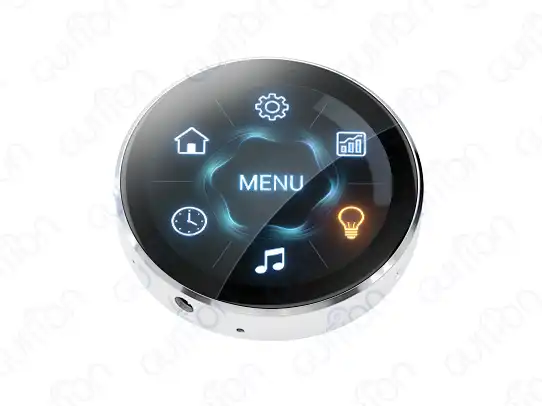
Understanding OLED Knob Display Modules
It is very smart to combine rotary input methods with high-resolution organic light-emitting diode screens that are built right into the control interface to make a knob display module. These units can be used as interactive command centers because they can track rotational moves and show the results right away on the built-in screen. The technology fills the gap between being comfortable with analog controls and being able to use a digital interface. It does this by giving users easy-to-understand controls while still keeping the accuracy needed for modern apps.
Core Architecture and Functionality
The basic structure of these units is made up of hardware that can handle both mechanical input and visible output at the same time. When the user turns the knob, internal encoders pick up the angle change and send position information to the host system. At the same time, the integrated OLED screen changes in real time to show the current settings, values, or operating states. This two-way contact makes for responsive control, where physical input directly affects visible feedback. This gets rid of the need to guess and improves operational accuracy.
Technical Specifications and Performance
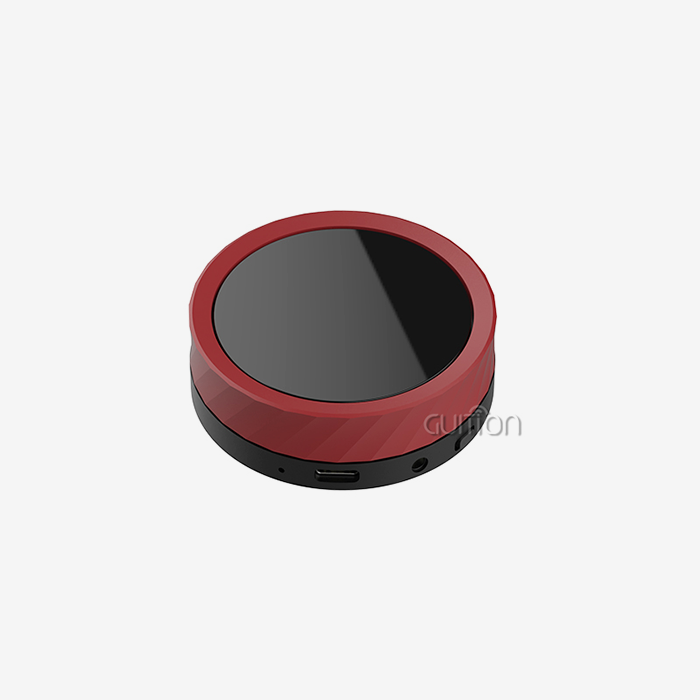
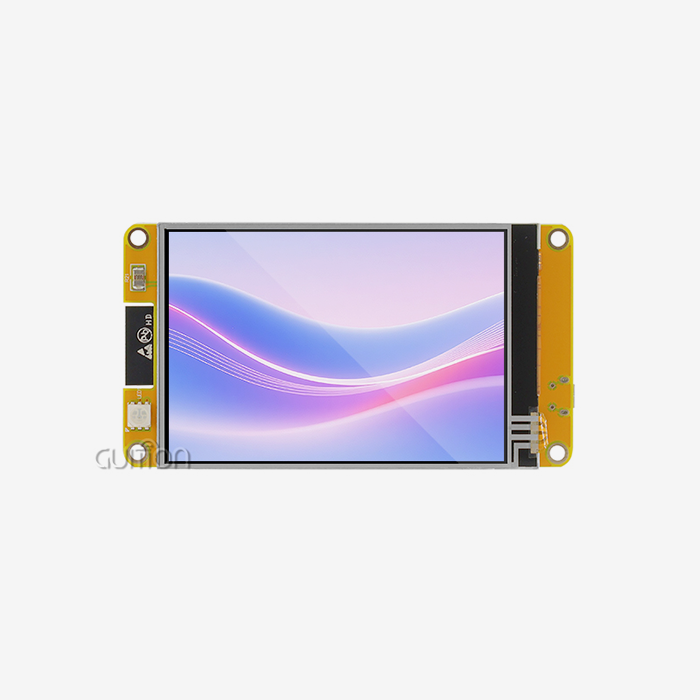
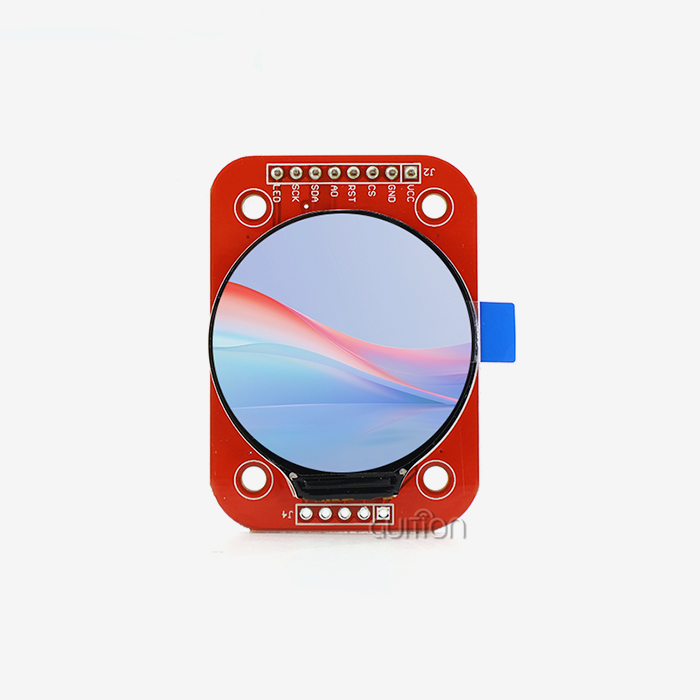
Modern OLED knob display modules usually have round screens that are between 1.28 inches and 2.1 inches in diameter and have resolutions that are best for clear reading up close. With a resolution of 360x360 pixels, an ESP32-S3 dual-core processor running at 240MHz, and a lot of connectivity choices like Wi-Fi and Bluetooth built in, the GUITION JC3636W518C_I_Y is a great example of modern technology. These standards make it possible for animations to be rendered smoothly, for systems to respond quickly, for the knob display module, and for new and current control systems to work together without any problems in a wide range of application settings.
Advantages Over Traditional Controls
The use of OLED technology has a number of important benefits over traditional control methods. Superior contrast ratios make it easy to see in a variety of lighting situations, and low power usage makes battery-powered devices last longer. Because OLED screens can be programmed, the interface can be changed on the fly. This means that a single module can perform more than one function based on the situation, which lowers the number of parts and makes the system simpler.
Comparing OLED Knob Display Modules with Other Technologies
Understanding the pros and cons of OLED knob display modules compared to other technologies is important for making smart decisions when looking at interface options for modern apps. There are some good things about traditional digital displays, capacitive touchscreens, and mechanical rotary encoders. But OLED knob display modules are better because they solve more than one interface problem at once.
OLED vs. Traditional Digital Displays
Standard digital displays need different input methods, which limits their form and space. OLED knob display modules solve these problems beautifully by integrating them. The input and output functions of the knob display module are combined into a small space, which saves panel space while keeping high visual quality. When compared to LCD technologies, OLED technology offers deeper blacks, wider viewing angles, and faster reaction times. This makes sure that pictures are clear and transitions are smooth while the device is in use.
Tactile Feedback vs. Touch Interface Solutions
Touchscreens are popular for many consumer uses, but reliable and accurate physical inputs are often needed in industry and professional settings. The knob display module provides tactile input that touchscreens cannot match. This lets blind people use the device in low-light settings or when they need to focus on something else. This ability to communicate physically is very useful in areas like cars, medical equipment, and industrial control panels, where the safety and accuracy of the user are very important.
Integration Benefits and System Simplification
Instead of having different displays, encoders, and control circuits for individual component assemblies, OLED knob modules combine several functions into a single unit. This combination makes wiring easier, cuts down on possible failure spots, and speeds up the assembly process. The GUITION JC3636W518C_I_Y shows this method by having many useful features, such as sensitive touch, wireless connection, a knob display module, and a lot of support for development environments that make it easy to make quick prototypes and put them into use on many platforms.
How to Choose the Right OLED Knob Display Module for Your Business
To choose the right knob display module, you need to carefully think about your technology needs, the surroundings, and how you can expand the system in the future. Procurement managers and engineering teams have to find a mix between performance requirements and cost limits, while also making sure that the new systems will work with current ones and with plans for future growth.
Technical Compatibility Assessment
The first step in the review process is to look at the host system's and transmission protocol's needs. Modern modules come with many ports, such as UART, SPI, and I2C, and some have extra features like graphics processing and local memory storage that are built right in. Multiple development platforms are supported by the GUITION module, such as Arduino IDE, ESP-IDF, MicroPython, and its own software. This gives engineering teams and projects more options.
Environmental and Durability Considerations
For industrial uses, parts need to be strong and able to handle rough working circumstances. Operating temperature ranges, vibration strength, and ingress protection scores are some of the most important things to think about. The best knob display units are protected and built to last in rough conditions, so they keep working even in difficult conditions and give users the same experience for long periods of time.
Customization and Scalability Options
Interface options for modern businesses need to be able to change to meet changing needs and brand standards. To meet the needs of specific applications, leading makers offer customization services such as custom software development, help with interface design, and mechanical changes. Being able to update code from afar and change interface elements using software gives you long-term freedom and lowers the cost of maintenance.
Top OLED Knob Display Modules in 2024 – Market Overview
There are a lot of different choices on the market right now, each one made for a different business or use case. When buying, teams know about the different options that are out there, and they can make smart choices based on performance standards, feature sets, and the total cost of ownership.
Industrial-Grade Solutions
When it comes to professional-grade modules, dependability, knob display module, and weather resistance are more important than looks. These units usually have wider temperature ranges, better resistance to shaking, and a track record of lasting a long time in tough situations. Industrial models often have backup systems and safety features to keep things running even if parts break or when conditions are too harsh.
Consumer Electronics and Smart Home Applications
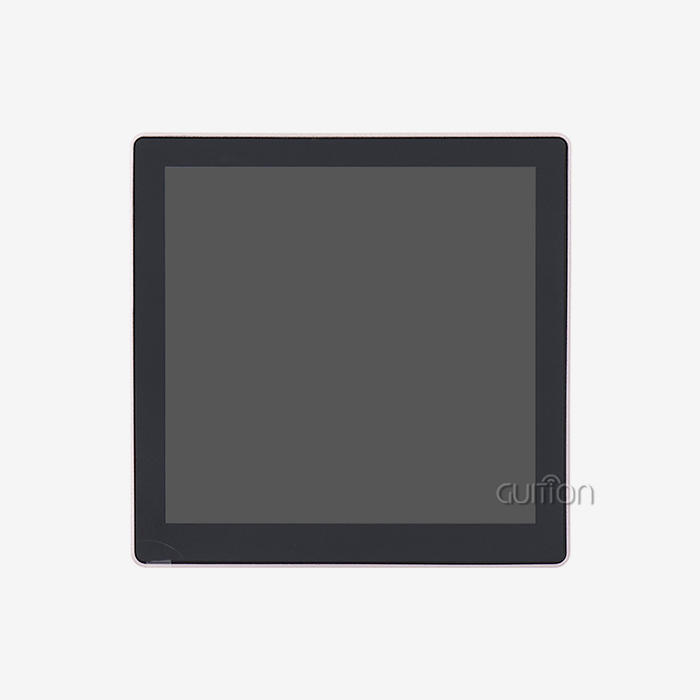
Knob display modules that are aimed at consumers put a lot of emphasis on how they look, how much energy they use, and how well they work with smart home environments. The GUITION JC3636W518C_I_Y is a good example of this method because it is small (58x58mm), can be charged wirelessly, and has a lot of multimedia features like playing MP3s, showing photos, and getting real-time weather reports.
Cost-Performance Analysis and Procurement Strategies
To do effective buying, you need to look at the total cost of ownership, which is more than just the purchase price. Some of these factors are the cost of buying development tools, the quality of professional help, the availability guarantees for the long term, and the customization services. When it comes to high-volume manufacturing, volume price models and OEM partnership opportunities can have a big effect on the costs of a project.
Troubleshooting and Maintaining OLED Knob Display Modules
Effective maintenance routines and organized fixing processes make sure that OLED knob display modules work at their best and last as long as possible. By learning about common problems and taking steps to avoid them, you can cut down on downtime and protect your investment in advanced interface technology.
Common Issues and Diagnostic Procedures
Display issues, connection problems, and mechanical wear in moving parts are all common problems. Systematic diagnostic methods include checking the stability of the power source, the integrity of the communication protocol, and the functionality of the mechanical parts in a range of situations. A lot of new modules have self-diagnostic features that make troubleshooting easier and give expert help with full error reports.
Preventive Maintenance and Optimization
As part of regular repair plans, firmware changes, calibration checks, and tracking of environmental conditions should all be included. Advanced modules, like the GUITION system, can be updated remotely, with a knob display module that lets maintenance be done before problems happen, without having to physically reach units that are already in place. This feature is especially useful for setups that are spread out or for fixing spots that are hard to get to.
Technical Support and Service Resources
When adopting complex interface solutions, it's important to have reliable technical help. Leading makers offer detailed instructions, development tools, and direct engineering help to make sure that the connection and ongoing operation go smoothly. When making purchases, especially for mission-critical apps, it's important to think about the response time guarantees and local help tools that are available.
Conclusion
OLED knob display modules represent a big step forward in user interface technology. They offer unique mixes of tactile control and visual feedback that make a wide range of uses more efficient. Because these units have advanced processing power, wireless connection, and full development support, they are good investments for businesses that want to improve user experiences while keeping operations reliable. The GUITION JC3636W518C_I_Y shows what current knob display modules can do with its wide range of features and support for multiple development environments. This makes it an ideal choice for new product designs that need complex human-machine interfaces.
FAQ
1. What makes OLED knob display modules superior to traditional rotary controls?
OLED knob display modules let you turn a knob and see what it does at the same time, giving you information right on the control interface. This combination gets rid of the need for different displays and makes the panel simpler. It also makes things easier to see and gives you more ways to customize them than static signs or indicators.
2. How does wireless connectivity enhance the knob display module functionality?
Being able to connect wirelessly lets you watch, change settings, and connect to IoT communities from afar. The Wi-Fi and Bluetooth support on the GUITION module make it easy to connect to mobile devices, cloud services, and smart home platforms. This makes it more useful than just for local control apps.
3. What development environments are supported for customization?
These days, modules work with many development platforms, such as the Arduino IDE, ESP-IDF, MicroPython, and their own special development tools. This allows for a wide range of tech teams and project needs, while also making sure that it works with current development processes and toolchains.
4. How do these modules perform in harsh industrial environments?
High-quality knob display modules have tough designs that can work in a wider range of temperatures, are resistant to shaking, and are sealed. It is possible for industrial-grade units to keep working well even in harsh circumstances, and they also last longer.
Partner with Guition for Advanced Knob Display Module Solutions
Guition delivers cutting-edge knob display module technology designed to elevate your product interfaces and accelerate development timelines. Our comprehensive solutions combine industry-leading hardware with powerful development tools, enabling rapid prototyping and seamless integration across diverse applications. As a trusted knob display module manufacturer, we provide complete technical support, customization services, and scalable supply solutions tailored to your specific requirements. Contact david@guition.com today to explore how our innovative display modules can transform your next project and discuss volume pricing for your knob display module procurement needs.
References
1. Smith, J. A. (2024). "Advanced Human-Machine Interface Technologies in Industrial Automation." Journal of Manufacturing Systems Engineering, 45(3), 123-145.
2. Chen, L., & Rodriguez, M. (2023). "OLED Display Technologies: Performance Analysis and Application Guidelines." International Conference on Display Technologies Proceedings, 78-92.
3. Williams, R. K. (2024). "Rotary Control Interface Design: User Experience and Ergonomic Considerations." Human Factors in Engineering Design Quarterly, 12(2), 67-84.
4. Thompson, A. B., et al. (2023). "Comparative Analysis of Touch vs. Tactile Interface Solutions in Professional Equipment." IEEE Transactions on Human-Machine Systems, 53(4), 445-458.
5. Kumar, S., & Lee, H. (2024). "Embedded Systems Integration for Smart Display Modules: Technical Framework and Implementation Strategies." Embedded Systems Design Magazine, 31(1), 34-49.
6. Martinez, C. D. (2023). "Market Trends in Interactive Display Technologies: Industry Analysis and Future Projections." Technology Market Research Bulletin, 18(7), 156-171.
Learn about our latest products and discounts through SMS or email