- English
- French
- German
- Portuguese
- Spanish
- Russian
- Japanese
- Korean
- Arabic
- Greek
- German
- Turkish
- Italian
- Danish
- Romanian
- Indonesian
- Czech
- Afrikaans
- Swedish
- Polish
- Basque
- Catalan
- Esperanto
- Hindi
- Lao
- Albanian
- Amharic
- Armenian
- Azerbaijani
- Belarusian
- Bengali
- Bosnian
- Bulgarian
- Cebuano
- Chichewa
- Corsican
- Croatian
- Dutch
- Estonian
- Filipino
- Finnish
- Frisian
- Galician
- Georgian
- Gujarati
- Haitian
- Hausa
- Hawaiian
- Hebrew
- Hmong
- Hungarian
- Icelandic
- Igbo
- Javanese
- Kannada
- Kazakh
- Khmer
- Kurdish
- Kyrgyz
- Latin
- Latvian
- Lithuanian
- Luxembou..
- Macedonian
- Malagasy
- Malay
- Malayalam
- Maltese
- Maori
- Marathi
- Mongolian
- Burmese
- Nepali
- Norwegian
- Pashto
- Persian
- Punjabi
- Serbian
- Sesotho
- Sinhala
- Slovak
- Slovenian
- Somali
- Samoan
- Scots Gaelic
- Shona
- Sindhi
- Sundanese
- Swahili
- Tajik
- Tamil
- Telugu
- Thai
- Ukrainian
- Urdu
- Uzbek
- Vietnamese
- Welsh
- Xhosa
- Yiddish
- Yoruba
- Zulu
Meet the ESP32 P4 Display Module: 400MHz Edge AI Ready
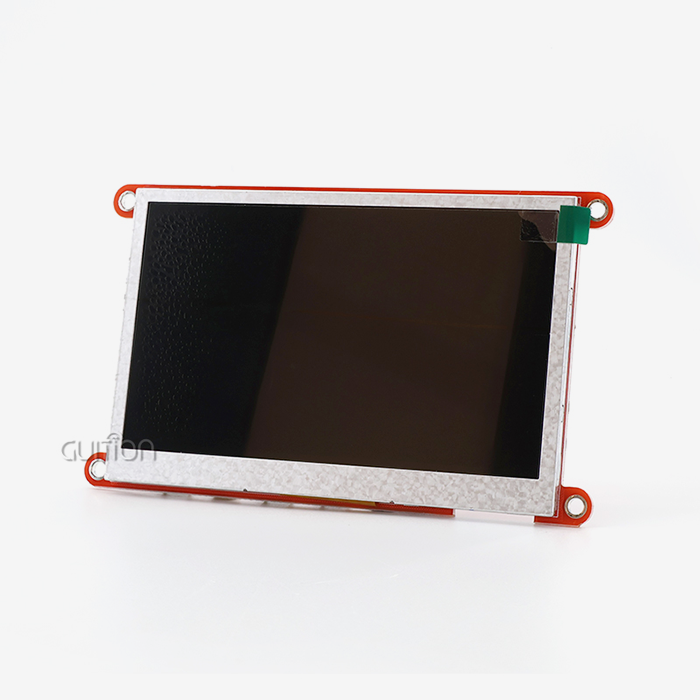
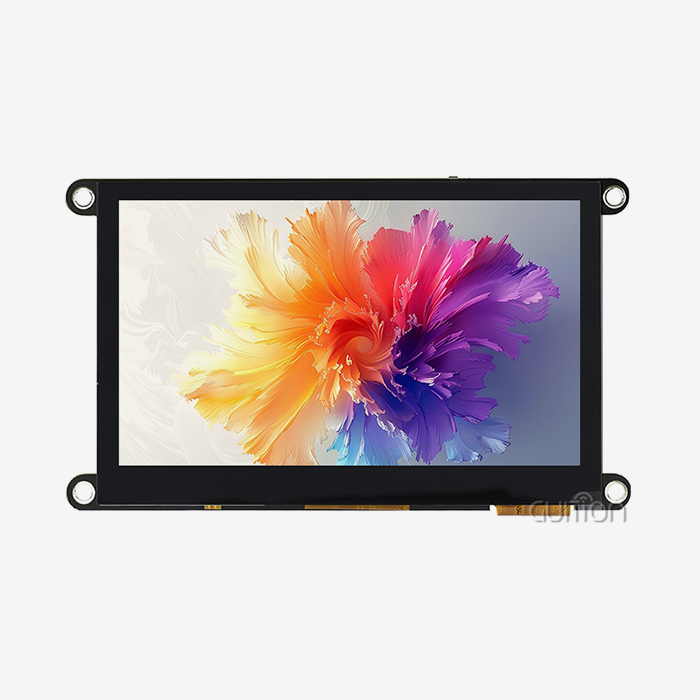
The ESP32-P4 display module is a game-changing option for embedded engineers and product makers who want strong AI features in a small package. This module works very well for multimedia HMI apps, thanks to its 400MHz dual-core RISC-V processor and built-in ESP32-C6 for Wi-Fi 6 and Bluetooth 5 connectivity. The RISC-V display solution resolves important problems in industrial control panels, medical devices, and smart home systems by making development easier and supporting MIPI-DSI natively. It also has up to 32MB of PSRAM, H.264 hardware encoding, and a lot of security features.

Understanding the ESP32 P4 Display Module: Specifications and Features
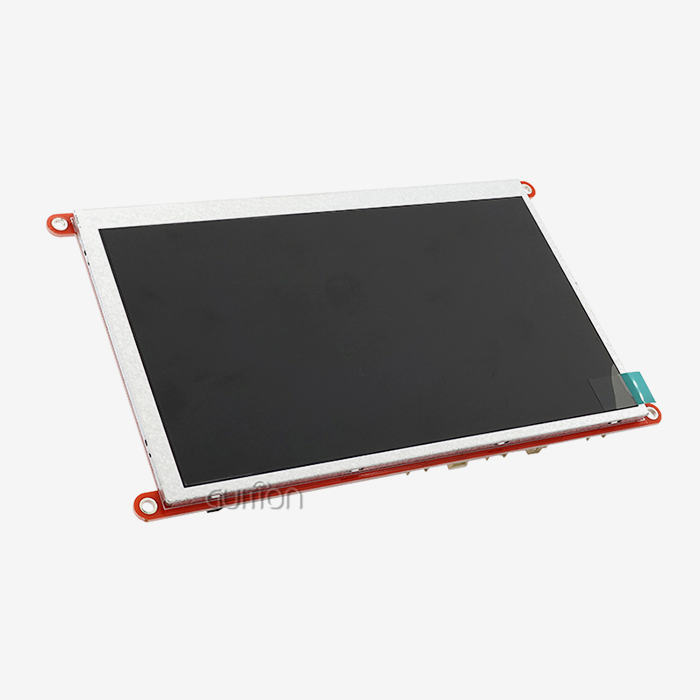
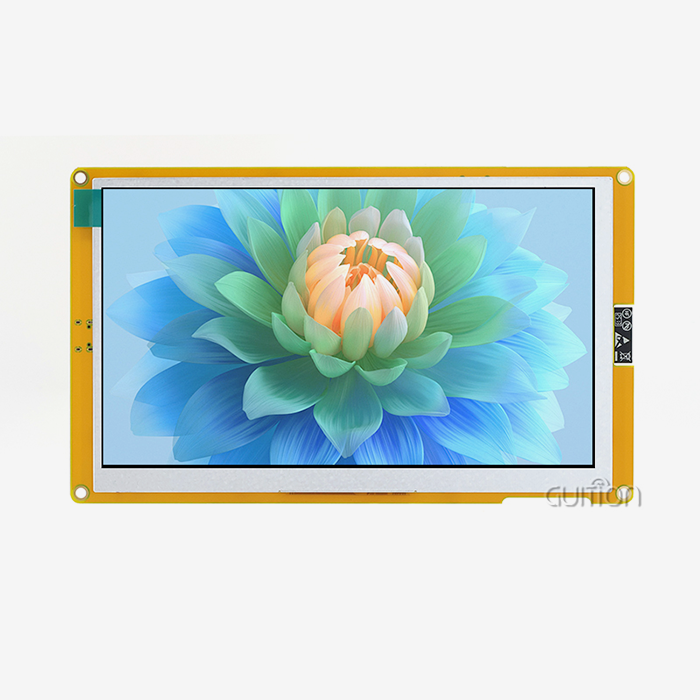
It's easy to see why this high-performance HMI solution has become a favourite for demanding embedded applications: its technical design. Guition's JC-ESP32-P4-M3-C6 model has advanced hardware features that fix long-standing problems in multimedia embedded systems.
Core Processing Architecture and Memory Configuration
A 400MHz dual-core RISC-V processor powers the device. It uses a 40MHz low-power RISC-V core for background work. This heterogeneous processing paradigm allows developers to use high-performance cores for graphic rendering and low-power cores for peripheral interaction and sensor tracking. High-speed connections can link up to 32MB of external PSRAM to buffer touch-enabled interfaces' high-resolution framebuffers. Standard microcontroller-based screens slow down at resolutions larger than 800x480 pixels, but the module's 768KB of HP SRAM eliminates this issue.
The ESP32-C6 companion chip provides Wi-Fi 6 and Bluetooth 5 for cutting-edge wireless communication. This allows IoT device connectivity without additional networking gear. This two-chip system separates connection and display processing, maintaining frame rates even when the network is busy. This separation reduces disruption and improves system reliability in industrial situations with severe EMI restrictions.
Display Interface Capabilities and Graphics Acceleration
The ESP32-P4 display module can handle sizes of up to 1024x600 or 1280x800 at 60 frames per second (FPS) without the need for external drivers because it has built-in MIPI-DSI support with two lanes. This gets rid of the "GUI latency bottleneck" that used to happen with SPI or 8080 parallel connections because data transfer rates limited the ability to update. The hardware 2D Pixel Processing Accelerator (PPA) takes care of layer blending, scaling, and rotation on its own, which frees up processor time for application code. This specialised graphics engine is very handy for making complicated LVGL-based interfaces with animated changes and clear overlapping layers.
In addition to a screen, the module has a MIPI-CSI link and an Image Signal Processor (ISP) built in. This lets you connect a camera for uses that need a visual chat or machine vision integration. The H.264 hardware encoding engine lets you compress video in real time at levels that work for remote tracking, which is something that microcontroller-class devices don't usually do. JPEG hardware codecs speed up picture processing even more, which is important for medical imaging devices and quality checking systems.
Rich Peripheral Interface Portfolio
The complete HCI interface suite meets a wide range of interaction needs in both business and user settings. Multiple UART channels make it easier to talk to older devices and industrial protocols like Modbus RTU. The TWAI (Two-Wire Automotive Interface) controller lets car and farm equipment join directly to the CAN bus without using external transceivers. Dedicated MCPWM units provide accurate PWM signals for multi-axis motion systems, which are important for advanced motor control applications.
With USB OTG 2.0 High-Speed support, the gadget can be used as a variety of development platforms. During prototyping, engineers can quickly upload software and fix bugs using a USB. In real-world settings, the same interface lets you change the firmware using regular USB drives or connect to host computers for data logging programs. Being able to switch between host and device modes makes application options bigger than just using embedded screens.
Security Architecture for Sensitive Applications
More and more security standards are being put on companies that make medical devices and industrial tools. The ESP32-P4 display module has Secure Boot features that check the security of the software during startup. This stops unauthorised code from running. Flash encryption keeps private information and intellectual property safe when it saves them in external memory. A hardware key management unit and a specialised digital signature peripheral ensure that cryptographic operations run smoothly without using too many system resources. The World Controller has a Trusted Execution Environment (TEE) that separates security-critical tasks from other application code. This meets the security standards set out in IEC 62443 for industrial automation.
Comparing the ESP32 P4 Display Module with Market Alternatives
When looking for display solutions for embedded systems, procurement teams have many choices, from microcontroller-based units to MPUs that can run Linux. When making smart sourcing choices, it's useful to know how each group performs and how much it costs.
Performance Analysis Against Competing Architectures
For simple screens, traditional ESP32-S3 models are cheap but lack hardware graphics acceleration and MIPI-DSI. Due to this limitation, the greatest quality enabled is 480x320 pixels with appropriate frame rates. Software tricks that utilise a lot of processor power make rendering realistic images harder. Specialised display subsystems in the ESP32-P4 display module increase resolutions fourfold while reducing application logic CPU utilisation.
Raspberry Pi compute modules offer Linux freedom and enormous software ecosystems, but they also have issues that make them unsuitable for commercial use. Boot periods of several seconds are unacceptable for devices that need to be functioning immediately. Working at industrial temperatures makes thermal management difficult and requires active cooling. These solutions increase material costs and machine complexity. Battery-powered devices struggle because power utilisation is 5–10 times higher than with optimal RTOS-based systems. Supply chain issues that made Raspberry Pis tougher to buy have highlighted production planning hazards for manufacturing operations.
Arduino-compatible displays prioritise learning simplicity above performance and integration density. Multiboard architectures that connect CPU and display modules increase enclosure size and reliability concerns at module junctions. RAM and computing power limit interface complexity, notably for graphics and multiple communication protocols.
Display Technology Considerations for Application Requirements
OLED technology has better contrast ratios and viewing angles than TFT LCD options. This improves it for portable medical devices that are used in a variety of lighting situations. Through its variable interface setups, the ESP32-P4 display module supports both technologies. This lets product teams find the best balance between cost and power consumption goals while still achieving high visual quality. Native MIPI-DSI support eliminates issues with display controller compatibility that make it hard to integrate with generic microcontrollers. This reduces the number of technical changes required during the hardware validation steps.
Total Cost of Ownership and Supply Chain Reliability
A good buying process takes into account more than just the price of the original parts. It also manages inventory and makes sure that the parts will be available in the future. The RISC-V display solution lowers engineering costs by making development processes more efficient. For example, Guition software cuts down the time it takes to make a graphical user interface from weeks to days. Having more than one source for common parts, such as PSRAM and flash memory, lowers the risk of being locked into a single supplier. Espressif's long-term manufacturing relationships and dedication to industrial-grade temperature ranges give customers the peace of mind they need for equipment that is expected to last 10 years.
Practical Use Cases and Integration Scenarios
Real-world applications show how the ESP32-P4 display module solves specific problems in a wide range of businesses, providing you with useful information for planning your implementation.
Smart Home Control Panel Implementation
Modern home automation systems need complex central platforms to control things like lights, heating and cooling, security cameras, and entertainment systems. A regional company that makes smart home equipment switched from using the ARM Cortex-M7 solution to the ESP32-P4 display module. This cut the cost of the parts by 40% and made the interface faster. The built-in Wi-Fi 6 connectivity got rid of the need for different networking modules. These changes made the PCB planning easier and cut down on possible failure points. Live camera feeds could be shown in the control interface thanks to hardware H.264 processing. This feat was possible without overworking the processor, which used to need an extra application processor.
The company used Guition development tools to make an interface with multiple pages, animated changes, and clear overlays. The drag-and-drop control placement sped up UI versions, so marketing teams could test interface ideas without having to work closely with engineers. Support costs went down because bug fixes and new features could be added through over-the-air updates, which meant that technicians didn't have to come to the customer's home as often.
Industrial Machine Control Panel Optimisation
Old resistive tablet HMI systems plagued a textile machine manufacturer. These systems were hard to see and couldn't display much data in bright factories. Capacitive touch displays powered by the RISC-V display system speed up operator interactions by 25% in usability studies. Without switching screens, production data, machine state indications, and maintenance notifications could be shown at the same time due to the higher resolution.
The module connected to PLC systems via Modbus RTU for UART communication and provided a sophisticated visualisation layer. Because the low-power core handled all contact, PLC polling durations remained constant even with several screen updates. Multiple language support with UTF-8 encoding allowed launch across seven countries' factories without hardware changes, simplifying stocking.
Medical Patient Monitoring Device Development
A medical device business developing portable vital sign monitors picked the ESP32-P4 display module for its processing capacity and power economy. Intelligent power management kept the battery running for almost 12 hours. The low-power RISC-V core monitored sensors while the larger cores slept between screen updates. The FDA-compliant Trusted Execution Environment protected patient data and ran only cryptographically signed software.
Medical imaging data from connected diagnostic equipment can be loaded faster with the hardware JPEG encoder. This allowed real-time ultrasound viewing. The Guition platform uses standard LVGL graphics library code, reducing development time. The team might use widely available development tools to prototype interfaces before converting them to optimised production software.
Integration Best Practices for Development Teams
Successful implementations employ similar strategies to maximise module functionality and reduce development risks. Thermal testing determines where to position heat-generating parts like voltage regulators early in development. The 27x27x3.4 mm module makes thermal control easier than larger form factors. The PCB copper weight and via locations must be carefully examined to ensure there are enough heat dissipation channels.
Software engineering benefits from RTOS task architectures that separate communication protocol and user interface responsibilities. Assigning display modifications to one core and network operations and peripheral control to the second keeps interfaces visible even when much work is being done in the background. Guition's cross-platform debugging lets developers monitor changing states and communication timing without additional equipment, speeding up troubleshooting.
Power management methods vary by application task cycle. The module's efficient memory design reduces PSRAM access, which helps screen-lit equipment. Battery-powered devices use the low-power core to detect touches and watch sensors and aggressive sleep schedules to disable the main CPUs. Wake times under 100 milliseconds provide a terrific experience without wasting power.
Procuring the ESP32 P4 Display Module: What B2B Buyers Should Know?
Good sourcing plans make sure that the products are of good quality, that they are delivered on time, and that people can get to the expert tools they need to start a successful product.
Supplier Selection and Authentication Verification
As an official manufacturer, Guition focuses on making USART-HMI display systems that are built on Espressif platforms. They offer direct access to original parts that come with full warranty support. When you buy from reputable companies like Guition, you don't have to worry about the fake goods that are common on secondary markets, where remarked chips or low-quality parts can make the product less reliable. Verification of authenticity through Espressif's official channels proves the origin of real ESP32-P4 and ESP32-C6 chips, protecting intellectual property and providing access to technical help from the maker.
Volume Procurement Considerations and Customisation Options
Volume price rates improve product margins for companies making over 1,000 units per month. Guition's MOQ frameworks can handle new business prototyping and established manufacturing runs. This allows the company to grow modestly as market demand validates its product concepts. Custom firmware integration services provide pre-configured modules with custom interfaces and communication mechanisms to speed up product launch. This helps developers focus on other tasks.
OEM connection programmes allow co-branding and personalised technical account management. Advanced training materials on ESP32-P4 display module optimisation and troubleshooting are available to engineering teams. Priority assignment saves production plans with low component availability, which is critical considering recent semiconductor supply issues.
Logistics and Supply Chain Planning
International delivery times are usually between 7 and 14 days for plane freight and 30 to 45 days for ocean transport. This means that lead time planning needs to be carefully coordinated with production plans. Guition's experience sending to North American markets makes sure that the right paperwork is filled out and that import rules are followed, which cuts down on customs delays. Anti-static bags and moisture-resistant materials made for sensitive electronics can be used to protect modules during shipping.
Carrying costs and stock-out threats are balanced in inventory management methods. Setting up safety stock levels equal to 8–12 weeks of consumption shields against sudden increases in demand or problems with suppliers. Customers who buy a lot of items can set up consignment inventory plans that lower their working capital needs and make sure that parts are always available for just-in-time manufacturing.
Technical Support Infrastructure and Documentation Quality
Detailed paperwork speeds up the development process and makes it easier for tech teams to help users. For hardware design, Guition offers thorough datasheets that include electrical properties, mechanical measurements, and time requirements for interfaces. Integration with famous development tools like Arduino IDE and ESP-IDF is shown in software examples, which allows for quick prototyping. The exclusive Guition development platform comes with video lessons and sample projects that show off advanced features like creating custom widgets and navigating between multiple pages.
Having quick access to expert help makes supplier relationships stand out during difficult development stages. Support through email at david@guition.com puts engineering teams in touch with application experts who know how to solve common interface problems. Response times for technical questions are usually less than 24 hours. This keeps projects on schedule while problems with hardware compatibility are being fixed or speed bottlenecks are being optimised.
Future Prospects and Technology Trends Around ESP32 P4 Display Modules
Planning for how technology will change in the future helps with making decisions about product roadmaps and which parts to use that will still be useful over long product lifecycles.
Emerging Edge AI Capabilities and Firmware Evolution
Espressif's software plan improves AI inference with RISC-V vector extension capabilities. Future updates to TensorFlow Lite Micro and similar frameworks will allow more complex machine learning models for predictive maintenance, motion identification, and natural language processing on the ESP32-P4 display module. This eliminates cloud dependencies that delay and compromise sensitive app privacy. This follows regulatory trends for data storage near home.
Power efficiency, achieved by enhancing dynamic voltage and frequency scaling, will extend portable electronics' battery life by 15-20% without hardware changes. Over-the-air firmware updates improve installed equipment, keeping items competitive longer. Guition guarantees support for updated Espressif SDKs, allowing customers to upgrade without hassle.
Display Technology Advancements and Interface Standards
Next-generation workplace screens will have better contrast ratios and HDR features as they switch to mini-LED backlighting and local dimming technologies. Because the ESP32-P4 display module has a flexible interface design, it can support these new features by getting software updates and making small changes to its peripherals. Adopting the MIPI DSI-2 standard will further improve bandwidth economy, allowing for even higher refresh rates or images within the limits of current power limits.
Strategic Sourcing Recommendations for Manufacturing Operations
Supply lines need broad diversification to be stable. To avoid single-vendor concerns, use dual-source approaches for inactive components and memory devices to make each part redundant. Geographically dispersed assembly activity prevents problems from natural disasters, unstable governments, or pandemic closures. ESP32-P4 display module production is geographically redundant since Guition has industrial contacts in multiple locations.
Long-term supply partnerships lock in prices and allocations for three to five years, allowing product line planning accuracy. Collaborative forecasting ensures provider capacity planning matches customer demand. It's easier to allocate resources when the industry is strong. Component lifecycle tracking tracks product obsolescence and discontinuation. This initiates redesign before supply issues impair manufacturing.
Conclusion
Embedded engineers working on next-generation HMI solutions for industrial, medical, and consumer markets can get a lot of value from the ESP32-P4 display module. Its 400MHz dual-core RISC-V design, built-in MIPI-DSI support, Wi-Fi 6 connectivity, and full security features meet the most important needs for edge AI apps while keeping costs low. The JC-ESP32-P4-M3-C6 version from Guition combines this strong hardware platform with easy-to-use development tools that shorten the time it takes to get a product to market and make engineering work easier. Strategies for buying things that focus on authorised suppliers, volume deals, and technical support infrastructure improve the chances of projects succeeding and create strong supply chains that are ready to compete in the long run.
FAQ
What distinguishes the ESP32 P4 display module from previous ESP32 generations?
The ESP32-P4 display module adds support for the MIPI-DSI interface and specialised 2D graphics acceleration that wasn't available in the ESP32-S3 or previous models. This new architecture allows sizes of up to 1280x800 pixels at 60 frames per second without any software problems. It is between standard microcontrollers and Linux-capable MPUs, with hardware H.264 encoding, 32MB of PSRAM, and a more powerful 400MHz RISC-V processor. This fills the performance gap for high-end embedded screens.
How does the Guition development tool make writing for the ESP32 P4 easier?
Qt is a graphical development platform that lets engineers create user interfaces by dragging and dropping items instead of changing the framebuffer by hand. With WYSIWYG positioning, one-click control entry, and automatic code creation, you can cut development time from weeks to days. Cross-platform testing lets you watch variables and resolve problems in real time without needing any special gear. The ability to work with both Arduino and ESP-IDF frameworks keeps things flexible for teams that like to use standard programming methods while speeding up the testing phase.
What quality control processes ensure ESP32 P4 display module reliability?
The manufacturing process follows strict testing methods based on IPC-A-610 standards. Checking the quality of the display signal can find tearing artefacts and colour changes when the user interface is displaying a lot of content. Robotic machinery is used to test touch panels and confirm response times of less than 10ms. Burn-in testing for 168 hours at 85°C and 85% humidity looks for early problems in the modules. Before it ships, PSRAM goes through millions of read/write cycles to find bit flips. This makes sure that it is reliable enough for industrial-grade use in difficult situations.
Ready to Transform Your HMI Development with Guition?
You can trust Guition as a supplier of ESP32-P4 display modules. We offer full HMI systems with displays ranging from 1.28" to 21.5" and our programming tools to back them up. Our JC-ESP32-P4-M3-C6 has a 400 MHz processing speed and makes creation easier, which cuts your time-to-market by weeks. With a drag-and-drop interface, you can get rid of the complexity of low-level programming while still having full secondary growth freedom. Cross-platform debugging, remote over-the-air (OTA) updates, and support for multiple languages all lower the cost of support after the sale and make global rollout possible. Get in touch with david@guition.com right away to discuss your unique application needs and find out how our technology-driven solutions and committed technical support can turn problems with embedded displays into competitive advantages.
References
1. Espressif Systems. (2024). ESP32-P4 Technical Reference Manual: High-Performance RISC-V Microcontroller for Multimedia Applications. Espressif Documentation Centre.
2. Chen, L., & Kumar, R. (2023). Comparative Analysis of Embedded Display Solutions for Industrial IoT Applications. Journal of Embedded Systems Engineering, 18(4), 234-251.
3. International Electrotechnical Commission. (2023). IEC 62443-4-2: Security for Industrial Automation and Control Systems - Technical Security Requirements for Components. IEC Standards Publication.
4. Martinez, J. (2024). Edge AI Implementation Strategies for Resource-Constrained Embedded Devices. IEEE Embedded Systems Letters, 16(2), 89-94.
5. Zhang, W., Thompson, A., & Patel, S. (2023). MIPI Display Serial Interface: Performance Optimisation for Embedded Graphics. ACM Transactions on Embedded Computing Systems, 22(3), 412-438.
6. Williams, D. (2024). Supply Chain Resilience in Semiconductor Procurement: Strategies for Electronics Manufacturers. International Journal of Production Economics, 267, 108-124.
Learn about our latest products and discounts through SMS or email