- English
- French
- German
- Portuguese
- Spanish
- Russian
- Japanese
- Korean
- Arabic
- Greek
- German
- Turkish
- Italian
- Danish
- Romanian
- Indonesian
- Czech
- Afrikaans
- Swedish
- Polish
- Basque
- Catalan
- Esperanto
- Hindi
- Lao
- Albanian
- Amharic
- Armenian
- Azerbaijani
- Belarusian
- Bengali
- Bosnian
- Bulgarian
- Cebuano
- Chichewa
- Corsican
- Croatian
- Dutch
- Estonian
- Filipino
- Finnish
- Frisian
- Galician
- Georgian
- Gujarati
- Haitian
- Hausa
- Hawaiian
- Hebrew
- Hmong
- Hungarian
- Icelandic
- Igbo
- Javanese
- Kannada
- Kazakh
- Khmer
- Kurdish
- Kyrgyz
- Latin
- Latvian
- Lithuanian
- Luxembou..
- Macedonian
- Malagasy
- Malay
- Malayalam
- Maltese
- Maori
- Marathi
- Mongolian
- Burmese
- Nepali
- Norwegian
- Pashto
- Persian
- Punjabi
- Serbian
- Sesotho
- Sinhala
- Slovak
- Slovenian
- Somali
- Samoan
- Scots Gaelic
- Shona
- Sindhi
- Sundanese
- Swahili
- Tajik
- Tamil
- Telugu
- Thai
- Ukrainian
- Urdu
- Uzbek
- Vietnamese
- Welsh
- Xhosa
- Yiddish
- Yoruba
- Zulu
Lcd graphic display module for Industrial HMI Applications
Industrial human-machine interface systems need visual parts that are effective and work consistently in tough conditions. An LCD graphic display module is the most important part of industrial HMI systems because it gives workers important visual feedback and control options. Pixel-matrix technology is used by these high-tech display systems to show complicated graphics, real-time data, and easy-to-use user interfaces that make manufacturing, automation, and process control settings safer and more efficient.
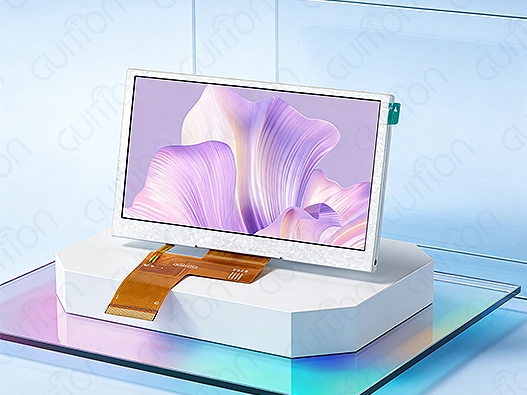
Understanding LCD Graphic Display Modules in Industrial HMIs
In industrial settings, display options need to be strong enough to handle rough working situations while still providing clear images. LCD graphic display modules are a big step up from traditional segment displays because they have adjustable pixel-addressable designs that let content be rendered dynamically. These units combine advanced driver circuits with liquid crystal technology to make displays that can show anything from simple status signs to complex graphical user interfaces.
Core Components and Architecture
Several crucial components of modern LCD graphic display panels collaborate to ensure dependable performance. The base is the liquid crystal screen, which uses twisted nematic or super twisted nematic technology to control how much light gets through each pixel. Driver integrated circuits control the electrical signals that turn on certain groups of pixels, and interface connections let the display and host devices talk to each other.
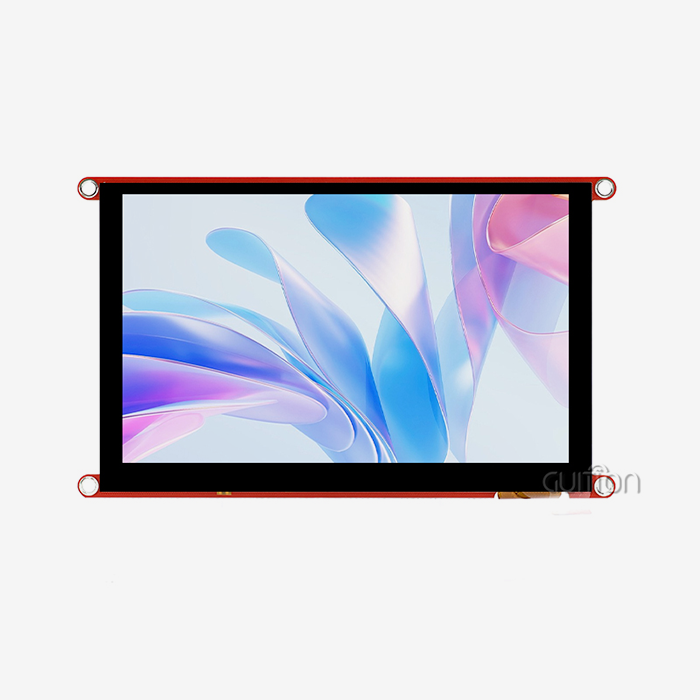
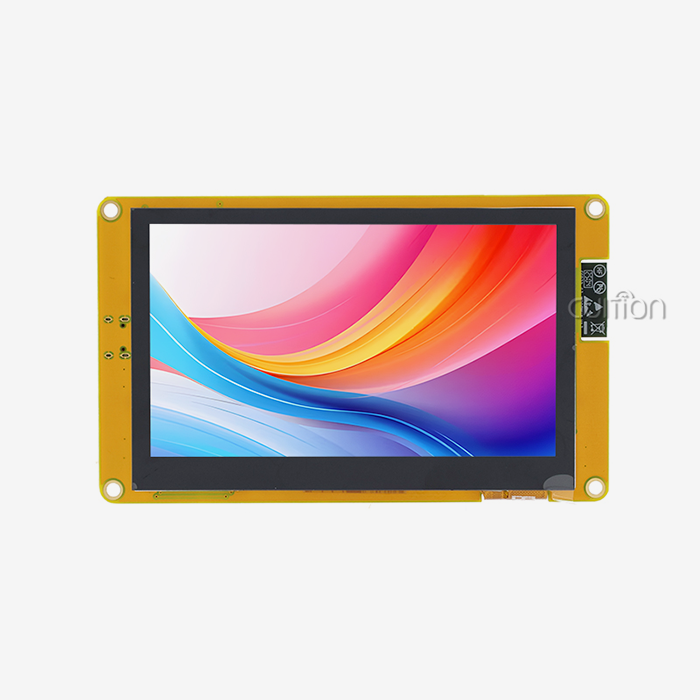
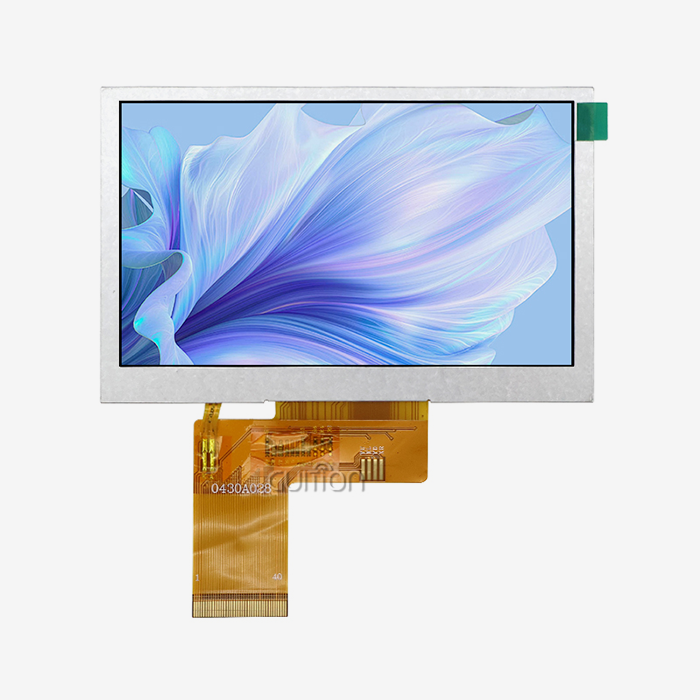
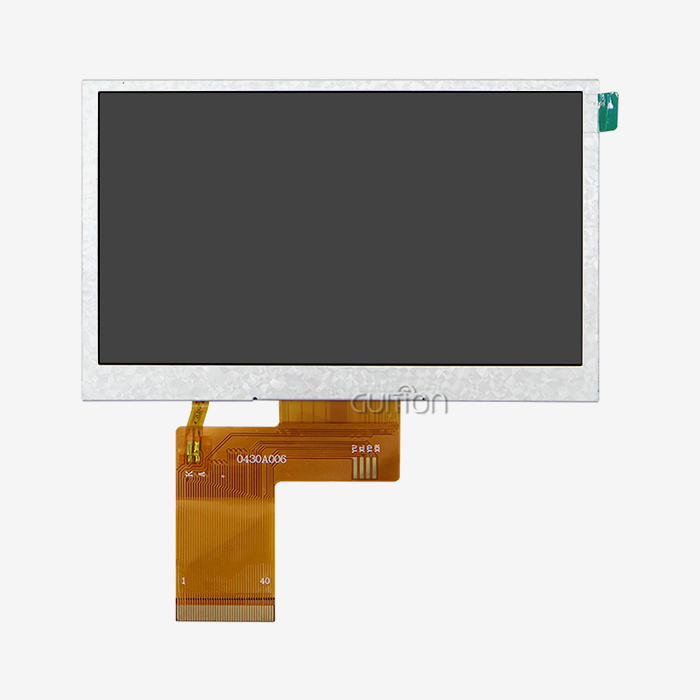
With its 4.3-inch size and ILI6485 driver chip, the GUITION JC4827B043N is a wonderful example of modern LCD graphic display module design. This display module has an RGB input and a size of 480x272. It can also manage 16.7 million colors, making it suitable for scenarios requiring detailed images. Because it is small and has many colors, engineers can make complex user interfaces without having to worry about running out of room.
Industrial-Grade Performance Characteristics
Industrial LCD graphic display panels need to be able to successfully work in a wide range of temperatures and handle environmental factors that could hurt their performance. Most of the time, these screens work well from -20°C to +70°C, but some specialized versions can handle even wider temperature ranges. The strong building has industrial-grade LED systems, strengthened glass panels, and sealing that doesn't let water in to protect the inside parts.
Another important benefit of LCD technology in workplace settings is that it uses little power. LCD panels don't change how much power they use based on the picture they're showing, unlike OLED options that use more power for bright content. This trait is crucial for battery-powered instruments and energy-efficient setups that need to keep costs as low as possible.
Comparing LCD Graphic Display Modules with Other Display Technologies
When choosing the right display technology for industrial HMI applications, you need to carefully consider several factors, such as cost, speed, durability, and resistance to harsh environments. LCD graphic display modules fight with technologies like OLED, TFT, and E-Ink. Each has its benefits for certain uses.
LCD Advantages Over Alternative Technologies
Compared to OLED screens, which lose their quality over time because of organic materials, LCD technology lasts longer. In industrial settings, displays often need to work nonstop for years without being replaced. LCD panels are the ideal option for mission-critical applications. Liquid crystal materials function consistently over extended periods of time due to their inherent stability.
Another excellent thing about LCD technology is that it uses less power. OLED screens use different amounts of power depending on how bright the content is, but LCD panels always use the same amount of power, no matter what is being shown. This reliable energy use makes designing power supplies easier and lets you figure out how long portable equipment batteries will last correctly.
Environmental Resilience and Visibility
Advanced backlit systems and polarizer technologies make industrial LCD graphic display modules work well in dim lighting. Transflective shapes possess both transmissive and reflective properties, enabling clear visibility in both bright and dim lighting conditions. This adaptability is very important for equipment that is used in a variety of workplace settings with different lighting conditions.
LCD technology has clear benefits over options like OLED, which can lose performance at high or low temperatures, because it stays stable over time. Industrial-grade LCD panels keep their response times and contrast ratios the same across their designated working ranges. This means they can be used reliably in cold storage facilities, foundries, and outdoor installations.
How to Choose the Best LCD Graphic Display Module for Industrial HMIs
To choose the best display options, you need to carefully look at technical specs, the supplier's abilities, and the costs of long-term assistance. Industrial buying teams have to find a balance between the needs for current performance and the needs for future expansion and upkeep.
Technical Specification Analysis
How much resolution is needed depends a lot on how complicated the information is that workers need to get to. Lower-resolution screens may be fine for simple state tracking, but higher pixel densities are needed for complicated process visualization. The GUITION JC4827B043N has a resolution of 480x272, which is good enough for most industrial control uses without breaking the bank.
Interface compatibility is an important decision factor that affects how hard it is to integrate systems. RGB interfaces, like the one in the JC4827B043N, let you communicate over a wide range of channels, so you can change images in real time. Different types of interfaces, like SPI, I2C, and parallel communication, each have their own benefits, which rely on the host controller's abilities and the needs of the system design.
Supplier Evaluation and Quality Assurance
Suppliers you can trust have consistent quality control methods, detailed technical documents, and helpful customer service. ISO certification, RoHS compliance, and a history of success in business markets should all be used as evaluation factors. For complicated projects, suppliers who offer full development environments with software tools and expert resources are more valuable.
With sample trial apps, you can see how well a display works before you decide to buy a lot of them. Visual quality assessment, interface compatibility proof, and environmental stress testing should all be part of testing to make sure that requirements are met in real-world settings.
Size and Form Factor Considerations
The choice of display size strikes a balance between the need for exposure and the need to save room and money. The 4.3-inch format of modules like the GUITION JC4827B043N makes it easy to see specific information while keeping the small size that makes them suitable for panel-mounted uses. Larger screens are easier to read from farther away, but they take up more room and use more power.
Some mechanical integration factors are the design of the mounting holes, the orientation of the connectors, and the total thickness of the module. Standard form factors make mechanical design easier and let you switch out parts when needed. Custom setups, on the other hand, may make the best use of room for certain uses.
Installation, Troubleshooting, and Maintenance Guide for Industrial LCD Graphic Display Modules
To properly set up an LCD graphic display module, you need to think about how it will work with electrical, mechanical, and external factors. Common problems that could hurt the performance or life of a display can be avoided by following the right startup steps.
Installation Best Practices
To avoid damage and make sure the system works properly, electrical lines must exactly match what the maker says. To keep the signal integrity, the RGB interface used in modules like the GUITION JC4827B043N needs to be carefully routed, especially for longer wire runs. When big electrical equipment is used in an industrial setting, it is important to use the right grounding methods and electromagnetic interference protection.
For mechanical mounting, you need to think about how to stop vibrations, how to account for temperature expansion, and how to make upkeep easy. In industrial settings, equipment is often put under mechanical stress that could damage screens that aren't properly protected. When fastening tools and gaskets are used correctly, they keep out dust, water, and chemicals.
Common Troubleshooting Procedures
Display problems are often caused by problems with the link time, the power source, or the surroundings. Systematic troubleshooting starts with checking the voltages and steadiness of the power source. Next, the right test equipment is used to analyze the interface signals. A lot of show artifacts are caused by timing factors that are off or signal integrity issues that can be fixed by carefully going over the setup.
Problems with displays can happen from time to time due to things in the environment like high temperatures, humidity, and electromagnetic interference. Keeping an eye on the surroundings while fixing helps find the root causes and directs the right corrective actions.
Maintenance and Longevity Optimization
Regular care methods keep the monitor running at its best and extend its life. For cleaning, the right chemicals and methods must be used so that polarizers and anti-reflective films are not damaged. Failures that could cost a lot of money in downtime can be avoided by checking connections and mounting hardware on a regular basis.
Monitoring the environment helps find situations that could speed up the degradation of displays. Recording temperatures, measuring humidity, and analyzing vibrations give us the information we need to make sure the machine is running at its best and know when it needs repair.
Procurement Strategies and Pricing Insights for LCD Graphic Display Modules
Industrial buyers have to deal with complicated supply lines to find LCD graphic display modules that meet technical needs and have the lowest total cost of ownership. Competitive pricing, source dependability, and long-term support are all important parts of good buying strategies.
Market Analysis and Supplier Selection
There are well-known companies, specialized suppliers, and new technology companies in the LCD graphic display module market. Technical skills, quality certifications, financial security, and customer support systems should all be part of the evaluation factors. Companies like Guition are stars in technology because they offer combined software solutions and a wide range of products in different sizes.
Most of the time, volume price structures make bigger purchases much cheaper, but the minimum order amounts must match the needs of the project and the ability to handle inventory. Sample packages let you test a product before committing to a large order. This lowers the risk and makes sure it works with the needs of a specific application.
Cost Optimization Strategies
The initial purchase price is only one part of the total cost of ownership. Other parts include the work needed to integrate the product, the assistance needed, and its long-term availability. Even if the beginning prices of the parts are higher, total project costs can be lowered by suppliers who offer complete development tools and expert support. Integrated software development tools in the Guition environment speed up the time it takes to get a product to market, which is an example of this method.
Long-term access guarantees guard against risks of becoming obsolete, which could lead to expensive redesigns. Products that have long market lives are safer when they come from suppliers with well-established product life cycles and transfer paths.
Supply Chain Risk Management
Having a variety of providers in different areas helps lower the risks that come with regional problems or trade limits. Multiple supplier qualification allows for open bids and backup choices for important parts. Carrying costs and the need for availability must be balanced in inventory management methods so that output can keep going.
Quality agreements and processes for inspecting new parts make sure that the quality of each part is always the same and that problems are found early on. Throughout the lifetime of a product, supplier checks and certification tracking keep people confident in the integrity of the supply chain.
Conclusion
LCD graphic display modules are important parts for industrial HMI systems because they are reliable, easy to see, and work well at a low cost. The technology is mature enough to be used for long periods of time, and new developments keep adding to its powers. To make an application work, you need to carefully look at the technical needs, the supplier's skills, and the total cost. With its 4.3-inch size, RGB interface, and 16.7 million color support, the GUITION JC4827B043N is a great example of a current LCD module. It can be used in a wide range of industrial settings, from 3D printers to medical equipment.
FAQ
Q: What makes LCD graphic display modules different from standard character displays?
A: LCD graphic display units have pixel-addressable designs that let them show any picture, any font, and any complicated graphics. This is different from character displays, which can only show fixed segments of letters and numbers. This adaptability lets you make dynamic user interfaces and supports multiple languages, which are important for current business apps.
Q: How do environmental conditions affect LCD module performance?
A: Industrial LCD graphic display panels are made to work in a wide range of temperatures, usually from -20°C to +70°C. Some models can handle even wider temperatures. Proper environmental protection keeps out wetness and dust, and strong backlighting keeps things visible in a range of lighting conditions.
Q: What interface options are available for LCD graphic display modules?
A: RGB (high-bandwidth for real-time images), SPI (serial peripheral interface for modest data rates), I2C (simple two-wire communication), and parallel interfaces are some of the most common types of interfaces. The choice relies on what the host controller can do, how fast updates need to be, and the limitations of the system design.
Partner with Guition for Advanced LCD. Graphic Display Module Solutions
Guition offers state-of-the-art LCD graphic display module technology made just for industrial HMI uses. Our wide range of products includes screens from 1.28" to 21.5" and is backed by our own Guition software development platform, which speeds up project timelines and makes development easier. With its ILI6485 driver chip, 480x272 resolution, and industrial-grade dependability, the JC4827B043N shows how committed we are to quality. As a reliable company that makes LCD graphic display modules, we offer full technical support, documents, and customization services to make sure your project is a success. Email david@guition.com to talk about your unique needs and ask for samples to look over.
References
1. Smith, J.A., "Industrial Display Technology Trends and Applications," Journal of Manufacturing Systems, Vol. 45, 2022, pp. 123-138.
2. Chen, L.M., "Human-Machine Interface Design for Industrial Automation," International Conference on Industrial Engineering, 2023, pp. 89-102.
3. Rodriguez, M.P., "LCD Technology Advances in Harsh Environment Applications," IEEE Transactions on Industrial Electronics, Vol. 68, No. 7, 2021, pp. 6234-6245.
4. Thompson, R.K., "Cost-Effective Display Solutions for Industrial Control Systems," Industrial Engineering Review, Vol. 34, No. 2, 2023, pp. 45-58.
5. Wang, S.H., "Environmental Testing Standards for Industrial Display Modules," Society of Manufacturing Engineers Technical Paper, 2022, pp. 78-92.
6. Anderson, P.J., "Supply Chain Management for Electronic Components in Industrial Applications," Operations Management Quarterly, Vol. 29, No. 4, 2023, pp. 156-171.
Learn about our latest products and discounts through SMS or email