- English
- French
- German
- Portuguese
- Spanish
- Russian
- Japanese
- Korean
- Arabic
- Greek
- German
- Turkish
- Italian
- Danish
- Romanian
- Indonesian
- Czech
- Afrikaans
- Swedish
- Polish
- Basque
- Catalan
- Esperanto
- Hindi
- Lao
- Albanian
- Amharic
- Armenian
- Azerbaijani
- Belarusian
- Bengali
- Bosnian
- Bulgarian
- Cebuano
- Chichewa
- Corsican
- Croatian
- Dutch
- Estonian
- Filipino
- Finnish
- Frisian
- Galician
- Georgian
- Gujarati
- Haitian
- Hausa
- Hawaiian
- Hebrew
- Hmong
- Hungarian
- Icelandic
- Igbo
- Javanese
- Kannada
- Kazakh
- Khmer
- Kurdish
- Kyrgyz
- Latin
- Latvian
- Lithuanian
- Luxembou..
- Macedonian
- Malagasy
- Malay
- Malayalam
- Maltese
- Maori
- Marathi
- Mongolian
- Burmese
- Nepali
- Norwegian
- Pashto
- Persian
- Punjabi
- Serbian
- Sesotho
- Sinhala
- Slovak
- Slovenian
- Somali
- Samoan
- Scots Gaelic
- Shona
- Sindhi
- Sundanese
- Swahili
- Tajik
- Tamil
- Telugu
- Thai
- Ukrainian
- Urdu
- Uzbek
- Vietnamese
- Welsh
- Xhosa
- Yiddish
- Yoruba
- Zulu
Lcd graphic display module Buying Guide for Engineers
When choosing the right LCD graphic display module, you need to carefully think about the technical specs, the needs of the application, and the factors that affect long-term dependability. These flexible display options are very important in embedded systems, medical devices, industrial robotics, and consumer gadgets because they let end users see what complex systems are doing. Engineers have to find the best balance between speed, cost, and integration complexity while also making sure that the display module they choose meets strict operating requirements in a wide range of settings.
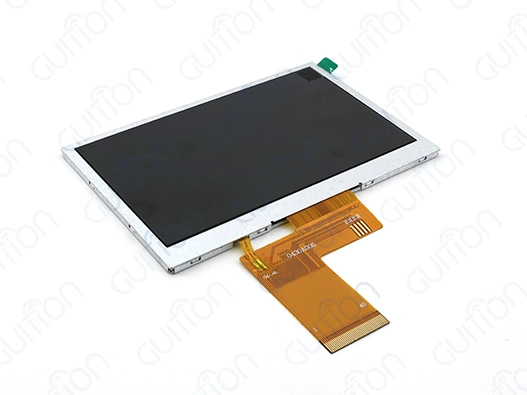
Understanding LCD Graphic Display Modules
Using a dot-matrix layout, LCD graphic display modules work on the principles of liquid crystal technology and can create any images and interactions at the pixel level. The core design is made up of several linked parts that work together to produce visual output.
Core Components and Architecture
The basic structure is made up of layers of liquid crystal glass that are placed between polarized screens. Pixel transparency is controlled by precise voltage control. Driver ICs, which are usually installed using Chip-on-Glass (COG) or Chip-on-Board (COB) technology, handle the complicated multiplexing needed to properly address each pixel. The light source that goes through the controlled liquid crystal grid is the backlight system, which can be LED-based or electroluminescent.
Interface Protocols and Connectivity Options
Modern graphic display units come with a number of different transmission interfaces so they can work with a range of system designs. Parallel connections, such as the 6800 and 8080 protocols, let you send and receive data quickly, making them ideal for programs that need to update the screen quickly. Serial interfaces, like SPI and I2C, make integration easier because they need fewer connection pins. This makes them perfect for designs that don't have a lot of room. RGB connections send direct color data streams, which let apps that need high-quality images show colors that are true to life.
Performance Advantages Over Alternative Technologies
LCD modules last longer and are less likely to get burn-in effects than OLED screens, which is important for industrial uses with static interface elements. Compared to TFT options, they are much more power efficient, which means that batteries in handheld devices last longer. LCD technology is naturally strong, so it can handle changes in temperature, electromagnetic interference, and mechanical stress better than many other technologies. This makes it the best choice for tough industrial settings.
Key Factors to Consider When Choosing an LCD Graphic Display Module
For you to choose the right LCD graphic display module, you need to carefully compare the technical specs to the needs of your application. Knowing about these important factors helps make sure that the system works well and is reliable in the long run.
Resolution and Display Size Requirements
The base resolution needs are directly related to the amount of information your program needs. Most of the time, industrial control systems need enough pixels to show many data fields, state markers, and navigation elements at the same time. The actual display size needs to be a mix between how visible it needs to be and how much mounting room you have in your enclosure design.
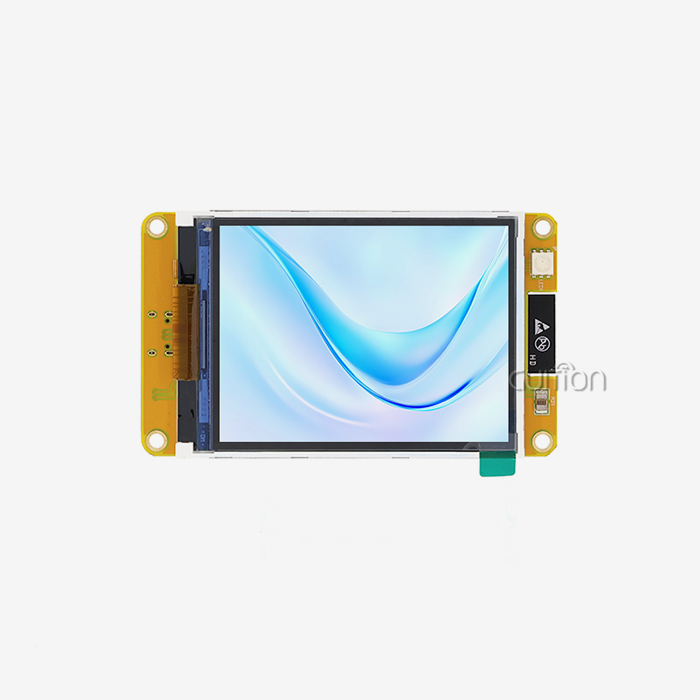
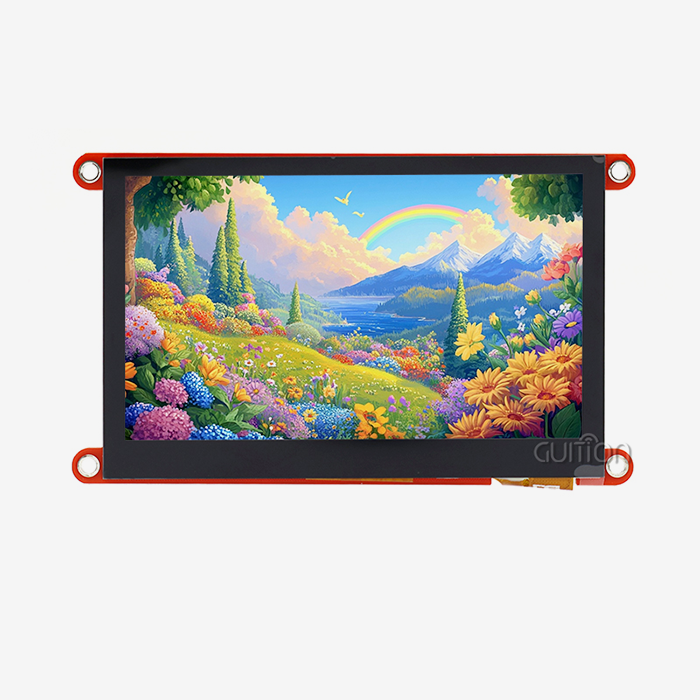
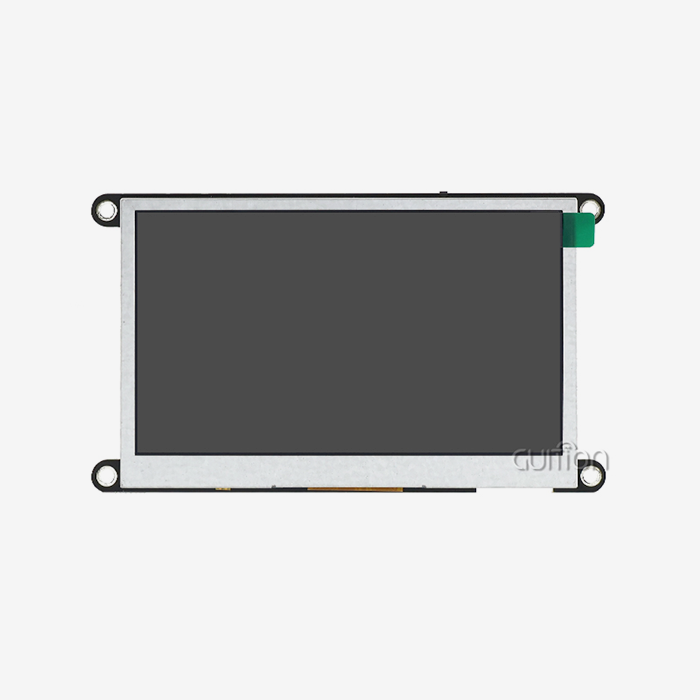
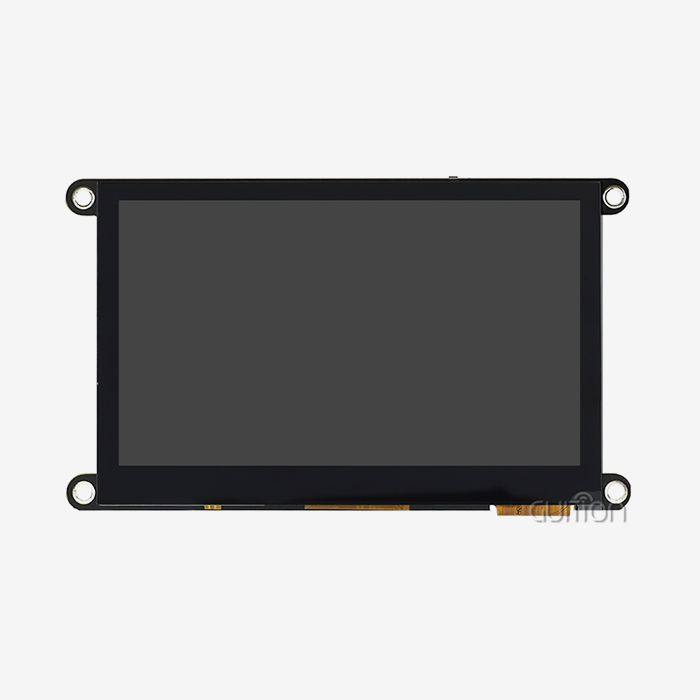
Specifications for resolutions like 480×272 pixels, found in modules like the GUITION JC4827B043N, give enough clarity for most industry uses while keeping processing costs low. The 4.3-inch form factor is the best compromise between screen space and the need for a small design.
Environmental Operating Conditions
Display modules are often put through tough conditions in industrial and embedded systems that regular consumer-grade screens can't handle. For example, temperature tolerance is important in places that get very cold, like warehouses, and very hot, like factories. Good industrial units work effectively in a wide range of temperatures, usually from -20°C to +70°C.
In places where mechanical stress is inevitable, like mobile equipment, car applications, and industrial machines, vibration resistance and shock tolerance are very important. EMI immunity makes sure that systems can work reliably in places where electricity is noisy, like factory automation and power control systems.
Interface Compatibility and Integration Complexity
The best communication technique will depend a lot on how your current system is set up. RGB connections, like the ones in advanced modules, let you send color data directly to your host device with little extra processing. This method makes it easier to make software and supports 16.7 million colors, so it can show a wide range of colors.
Think about how experienced your development team is with various interaction methods. Some protocols need more complicated initialization steps and control of time, which could make development take longer. Compatible with well-known development tools like Arduino and ESP-IDF speeds up the creation process and lowers the learning curve.
Power Consumption and Efficiency Metrics
For battery-powered apps, you need to pay close attention to how the displays use power. LCD technology naturally uses less power than backlit options, but how much power it actually uses depends a lot on the lighting strength, refresh rates, and what is currently on the screen. Knowing these trends can help you make your final product have better battery life and thermal control.
Modern driver ICs, like the ILI6485, have power management features that change how much power is used automatically based on how much the display is being used. This makes portable apps last longer.
Comparing Popular LCD Graphic Display Module Options
The display technology landscape offers multiple options, each with distinct advantages and limitations that affect suitability for different engineering applications.
LCD Graphic Modules vs. OLED Solutions
OLED technology has better contrast ratios and faster reaction times, which makes it appealing for uses that need clear moving pictures or video. But OLED screens don't last long in applications with static content, and they use a lot more power in industrial applications where the surfaces are bright and mostly white.
LCD graphic display modules work great in situations where they need to be used 24 hours a day, seven days a week. The technology doesn't let burn-in effects happen, so the appearance stays the same over the life of the product. This is very important for industrial control panels and tracking tools that show fixed state information.
Comparison with TFT Color Displays
It's true that TFT screens show bright colors and have wide viewing angles, but they also use more power and make the system more complicated. TFT units usually need more complex timing control and bigger frame banks, which means they need more memory and more processing power.
For applications prioritizing energy efficiency and development simplicity, LCD graphic modules provide an optimal balance. They provide good enough color representation for most industrial interfaces while still meeting simple integration needs.
Leading Manufacturer Analysis
There are several well-known makers in the market, and each one has its own strengths in certain types of applications. Guition stands out because it uses an integrated development environment, which combines hardware modules with a wide range of software tools that speed up the creation process.
Well-known companies like Newhaven and Electronic Assembly focus on making products that are very reliable and last a long time, which is important for uses that need to be available for a long time. Asian companies like Eastar and Crystalfontz make options that are both cost-effective and good for high-volume customer use.
The GUITION JC4827B043N is a current graphic LCD module that has the tried-and-true ILI6485 driver IC and strong 480x272 resolution support. Its RGB interface architecture lets it work with famous software platforms without any problems, and its 16.7 million color reproduction makes it perfect for professional industrial interfaces.
Procurement and Purchasing Guide for Engineers
Using good procurement strategies will help you handle your supply chain reliably and get the best mix of price and performance for your display module needs.
Supplier Evaluation and Vendor Selection
Before you can work with a provider you can trust, you need to carefully check out their technical skills, quality processes, and service levels. Look for vendors who can show they really understand what you need for your application and offer full expert help throughout the whole process of making your product.
Lead times, shipping prices, and how well people can communicate are all affected by where they are located. For pressing needs, domestic suppliers often respond faster, and it's easier to work together on custom solutions with them. On the other hand, foreign suppliers may offer lower costs for large-scale production.
Sample Evaluation and Testing Protocols
A thorough review of sample modules can help you avoid expensive merging problems later on in the development process. Set up standard testing procedures that check important specs in the real-world situations of your business. Testing for electromagnetic compatibility, temperature cycling, and vibration should all be done in the same way that your finished program will be used.
Interface time testing makes sure that it works with the requirements of your host controller. A lot of problems with integration are caused by small time differences that only show up in certain situations or data trends.
Volume Pricing and Supply Chain Management
Knowing how your suppliers set their prices can help you make the best decisions about what to buy at all times and for all production levels. Many sellers offer big price cuts for large orders, but these deals need careful planning of expected demand and control of inventory.
Managing lead times is very important when a new product comes out or when demand changes with the seasons. Setting up buffer stock levels and other ties with suppliers protects you against problems in the supply chain that could delay your production plans.
Conclusion
In order to choose the best LCD graphic display module, you have to weigh technical specs, outdoor needs, and buying factors that are specific to your application. It's important to know how the display's features, like clarity, communication protocols, and ability to work in different environments, fit with your system's design and the tasks you need to complete.
Modern modules like the GUITION JC4827B043N show how powerful driver ICs and well-thought-out interface design can make integration easier while still providing professional-level visual performance. To successfully buy display modules, you need to carefully compare these factors to your unique needs and build relationships with dependable suppliers that will help you reach your long-term product development goals.
FAQ
Q: What specifications should I verify before purchasing LCD graphic modules?
A: Important requirements include a monitor resolution that meets the needs of your interface, a working temperature range that covers the conditions of your application, and an interface protocol that works with your host controller. Check the power usage specs, especially the peak current during initialization, and make sure the mechanical measurements fit the form of your enclosure. Driver IC specs, like the ones for the ILI6485, should include exact time needs and command sets.
Q: How do I determine if custom LCD development is necessary?
A: When standard parts don't work with your size limits, environmental needs, or interface requirements, you need custom development. Think about unique solutions when your number justifies the investment in development, which is usually when you sell more than 10,000 units per year. Custom methods are often better for applications that need unique optical properties, mounting setups, or secret interface protocols.
Q: What are typical lead times and minimum order quantities for bulk purchases?
A: Standard modules usually ship between 2 and 4 weeks for orders of less than 1,000 units, and between 6 and 8 weeks for orders of more than 1,000 units. Custom sections need between 8 and 12 weeks to build, plus time for production. Minimum order numbers change from supplier to seller and can be anywhere from 100 to 500 units for standard goods or 1,000 to 5,000 units for unique solutions. Planning for these dates keeps production from being held up.
Ready to Find Your Perfect LCD Graphic Display Module?
Guition blends cutting-edge display technology with full development support to help your project succeed faster. Our LCD graphic display module options, like the tried-and-true JC4827B043N type, make your development process easier and give you reliable performance in challenging industry settings.
Our integrated method includes hardware modules, tools for making software, and expert help that cuts your time to market by a large amount. Our team knows the unique problems engineers face in today's competitive world, whether you need samples to test or quotes for large quantities for production. Get in touch with David at david@guition.com to talk about your unique needs and find out how our skills as an LCD graphic display module maker can help your next project.
References
1. Smith, J.A. "Industrial Display Technology Selection Criteria for Embedded Systems." Journal of Electronic Engineering Applications, Vol. 45, No. 3, 2023.
2. Chen, L.K. "Comparative Analysis of LCD vs OLED Performance in Industrial Automation." International Conference on Display Technologies, 2023.
3. Johnson, M.R. "Power Management Strategies for Battery-Operated Display Systems." Embedded Systems Design Quarterly, Issue 2, 2023.
4. Williams, P.T. "Environmental Testing Standards for Industrial Display Modules." IEEE Transactions on Industrial Electronics, Vol. 70, No. 8, 2023.
5. Anderson, K.S. "Interface Protocol Optimization in Modern LCD Controller Design." Electronic Design Magazine, September 2023.
6. Rodriguez, C.M. "Supply Chain Risk Management for Electronic Component Procurement." Procurement Engineering Review, Vol. 28, No. 4, 2023.
Learn about our latest products and discounts through SMS or email