- English
- French
- German
- Portuguese
- Spanish
- Russian
- Japanese
- Korean
- Arabic
- Greek
- German
- Turkish
- Italian
- Danish
- Romanian
- Indonesian
- Czech
- Afrikaans
- Swedish
- Polish
- Basque
- Catalan
- Esperanto
- Hindi
- Lao
- Albanian
- Amharic
- Armenian
- Azerbaijani
- Belarusian
- Bengali
- Bosnian
- Bulgarian
- Cebuano
- Chichewa
- Corsican
- Croatian
- Dutch
- Estonian
- Filipino
- Finnish
- Frisian
- Galician
- Georgian
- Gujarati
- Haitian
- Hausa
- Hawaiian
- Hebrew
- Hmong
- Hungarian
- Icelandic
- Igbo
- Javanese
- Kannada
- Kazakh
- Khmer
- Kurdish
- Kyrgyz
- Latin
- Latvian
- Lithuanian
- Luxembou..
- Macedonian
- Malagasy
- Malay
- Malayalam
- Maltese
- Maori
- Marathi
- Mongolian
- Burmese
- Nepali
- Norwegian
- Pashto
- Persian
- Punjabi
- Serbian
- Sesotho
- Sinhala
- Slovak
- Slovenian
- Somali
- Samoan
- Scots Gaelic
- Shona
- Sindhi
- Sundanese
- Swahili
- Tajik
- Tamil
- Telugu
- Thai
- Ukrainian
- Urdu
- Uzbek
- Vietnamese
- Welsh
- Xhosa
- Yiddish
- Yoruba
- Zulu
Industrial & DIY Uses for a 2.8 Inch ESP32 Display Module
Powerful processing power and easy-to-use visual tools are combined in the 2.8 inch esp32 display module, which is a huge step forward in embedded display technology. These small but smart devices combine ESP32 dual-core microcontrollers with bright TFT screens to make solutions that can be used for both creative DIY projects and industrial automation. Engineers and makers all over the world know that these modules are necessary for making smart devices, Internet of Things (IoT) apps, and human-machine interfaces that need to work reliably, connect wirelessly, and have touchscreens that respond quickly in small spaces.
Understanding the 2.8 Inch ESP32 Display Module: Features and Specifications
Cutting-edge hardware architecture is combined with useful design elements in the 2.8 inch ESP32 display module to solve technical problems in the real world. The ESP32 dual-core microcontroller works at speeds up to 240 MHz, giving it a lot of computing power for complicated tasks while still meeting energy-saving standards that are important for battery-powered gadgets.
Core Hardware Architecture
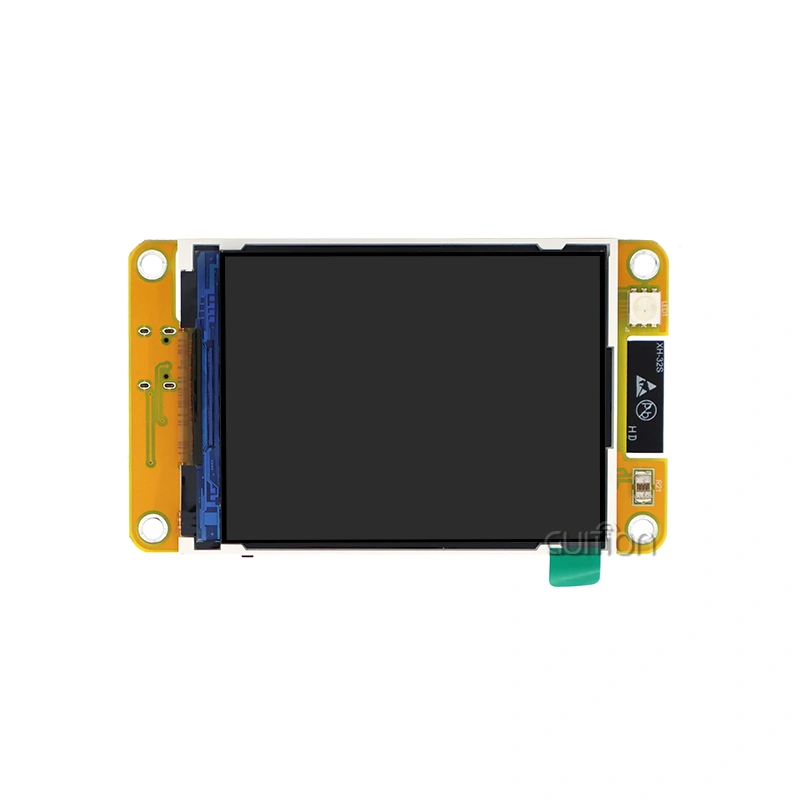
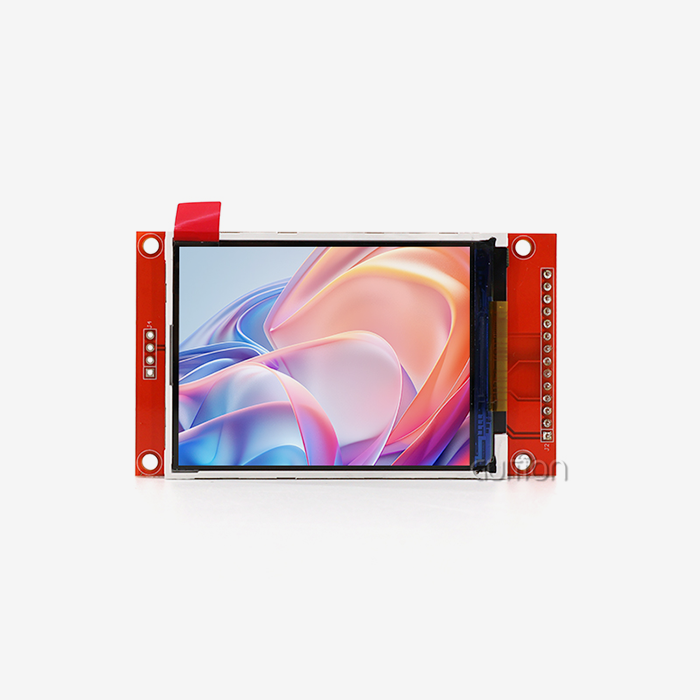
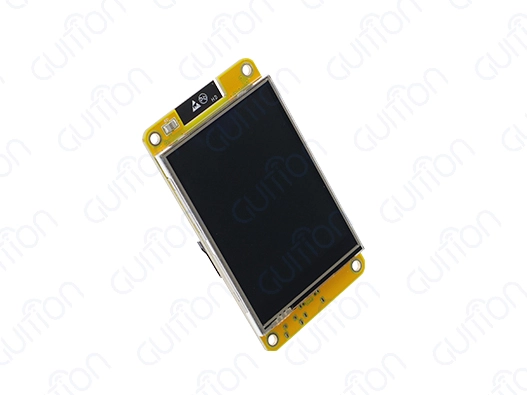
For example, the GUITION ESP32-2432S028R shows how advanced integration can be in the design of a display module. This complete system includes a TFT screen with a resolution of 240x320 and sensitive touch capabilities, providing clear images with a 65K colour depth. One core of the dual-core Xtensa LX6 processor handles Wi-Fi and Bluetooth protocols, while the second core handles real-time display processing and user interface control.
The memory specs list 520KB of SRAM for running programmes and 4MB of Flash storage for programme code and setup info. The built-in photosensitive circuit changes the backlight strength automatically based on the lighting conditions. This extends the battery life in portable devices while keeping vision at its best in all lighting conditions.
Comprehensive Interface Options
Modern ESP32 display devices have a lot of different ways to join, so they can be easily added to systems that are already in place. The TF card interface lets you add more space to store data logs, picture assets, and setup files. Serial connections let you talk to external devices and control systems using UART, and reserved GPIO ports let you add extra features as needed.
The DHT11 temperature and humidity sensor link lets you watch the environment right away without the need for extra interface circuits. RGB-LED control circuits let you see the state and get feedback from the user through lighting effects that you can program. These built-in features get rid of the hassle of managing extra components and make the system smaller overall.
Development Platform Compatibility
Many platforms are supported, such as the Arduino IDE, ESP-IDF, MicroPython, and Mixly environments, which are all good for professional development processes. This gives engineering teams the freedom to use existing knowledge while still being able to use well-known software toolchains. Full libraries and example programmes speed up the prototyping process and lower the time it takes to get business goods on the market.
Industrial Applications of the 2.8 Inch ESP32 Display Module
Industrial settings need display solutions that are strong and reliable, able to handle rough conditions and have easy-to-use controls for operators. These needs are met by the 2.8 inch ESP32 display module, which is made tough and uses industrial-grade parts for constant use.
Automation and Control Systems
More and more, factories use remote control systems that need to be able to be monitored and adjusted locally. ESP32 display units work as smart HMI terminals that show process parameters, warning conditions, and system state data right where the equipment is located. With built-in Wi-Fi, the device can sync real-time data with central SCADA systems and keep running on its own even when the network goes down.
The built-in DHT11 interface is useful for temperature tracking systems because it lets them get instant readings of the environment without having to use extra sensor boards. These units are used to show exact parameters and make sure that operator input is correct in industrial ovens, temperature control systems, and chemical processing equipment. Even when workers wear safety gloves, the resistive touch interface still works. This means that it can be used in tough work settings.
Remote Monitoring and Diagnostics
Field equipment tracking comes with its own set of problems, such as limited power, the need for wireless connections, and the need for long-term durability in harsh environments. These problems can be solved by ESP32 display modules, which have low-power modes of operation and strong wireless connection features. These units are used for status reporting and online configuration management by remote pump stations, generator tracking systems, and farm irrigation controls.
The built-in speaker drive circuit sounds a warning when something goes wrong, so operators can hear what's going on even in noisy factories. Connecting via Bluetooth lets you talk directly to maintenance tools and mobile apps, which makes debugging and managing configurations easier.
Quality Control and Data Collection
For quality control methods in manufacturing to work, inspection data and test results need to be available right away. Portable inspection tools based on ESP32 display units have easy-to-use controls for entering data, seeing measurements, and showing a pass/fail status. The TF card interface lets you store data locally so that you can work without an internet connection and then upload it all at once to quality control systems.
GPIO and serial ports let you connect barcode readers, weight scales, and measuring tools for integration. This flexibility lets you make quality control solutions that fit the needs of your specific manufacturing needs while still working with your current business systems.
DIY and Maker Community Uses: Leveraging Flexibility and Affordability
The maker community loves ESP32 display modules because they are easy to use, have a lot of features, and have a lot of community support. These units make advanced display technology more accessible to everyone. Now, students and hobbyists can make complex projects that used to require expensive development tools.
Smart Home Automation Projects
Fans of home automation use 2.8 inch ESP32 display modules as centralized control platforms for lighting, climate, and security systems. Popular home automation platforms, such as Home Assistant and OpenHAB, and business systems, like Amazon Alexa and Google Home, can easily connect to the built-in Wi-Fi.
Wall-mounted thermostat devices that show the current temperature and humidity and have easy-to-use touch buttons for adjusting the system are popular projects. Garden tracking stations have sensors that measure soil moisture and a screen that shows weather information. Based on what the plants need and the weather predictions, these stations automatically adjust the irrigation systems. The sensor circuit dims the screens automatically at night to keep them working well in bedrooms.
Educational and Learning Applications
Educational institutions use ESP32 display units in their computing and electronics classes because they have a lot of features and are easy to learn. Students learn useful skills in IoT connectivity, user interface design, and embedded code by working on projects that have real-life uses.
Through interesting and useful examples, weather station projects teach students about how to connect sensors, display data, and use digital communication. Students learn how to connect sensors that measure temperature, humidity, and barometric pressure. They also learn how to show data and build user interfaces. The display module's visible input keeps students interested in learning throughout the process.
Creative and Artistic Applications
For interactive sculptures and kinetic art projects, artists and designers look into ESP32 display devices. When you combine touch input, visual output, and wireless connection, you can make dynamic artworks that change based on their surroundings or how people interact with them. Multiple modules are used in gallery installations to make networked creative experiences that react to visitors' presence and how they interact with the work.
Digital picture frame projects show how the TF card interface and wireless connection can be used in real life. These devices instantly get pictures from cloud storage services and show them on the screen. They also have touch controls for direct movement and setting the display's preferences. The built-in speaker lets you hear alerts and play music in the background to improve your experience as a user.
Supplier and Procurement Guide for B2B Buyers
Professionals in procurement need reliable sourcing strategies that guarantee stable quality, low prices, and reliable control of the supply chain. There are a lot of different suppliers in the 2.8 inch ESP32 display module market, and each has its own benefits for different buying situations.
Evaluating Supplier Reliability
GUITION is a well-known technology-driven company that focuses on HMI display systems and has a wide range of products from 1.28 inches to 21.5 inches. Concerns about long-term product support and engineering integration help are common when buying things, but their focus on secondary development support and cross-platform flexibility eases those worries.
Quality assurance standards include strict testing methods for how well they work in different environments, with electric fields, and over time. When suppliers give customers thorough specification sheets, application notes, and reference designs, it shows that they care about their success and lowers the risks of integration.
Volume Purchasing Considerations
When you buy a lot of things, it helps to have established ties with suppliers that offer bulk discounts, flexible payment terms, and first choice when parts are in short supply. Suppliers that offer customization services can make their products stand out while still keeping costs low by using standard base platforms.
Keeping track of lead times is important for planning production, especially when it comes to the complicated global supply chains that affect computer parts. Supply chains that keep enough inventory on hand and are open about changes in supply give buying teams the planning information they need.
Technical Support and Documentation
Professional suppliers are different from commodity vendors because they offer full expert help. Throughout the lifecycle of a product, good providers offer detailed datasheets, application programming interfaces, development tools, and quick expert support. The fact that the Guition software environment is available shows that the company cares about its users' success beyond just giving them tools.
Integration times and development costs are directly affected by the quality of the documentation. When suppliers offer well-organized reference materials, example programmes, and debugging guides, purchasing organizations can finish projects faster and spend less on engineering.
Comparison and Decision Support: Choosing the Optimal 2.8 Inch ESP32 Display Module
To choose the right ESP32 display modules, you need to carefully look at the technical specs, the supplier's skills, and the needs of the project. This method for research helps people make decisions for both professional and do-it-yourself uses.
Technical Specification Analysis
Display density has a direct effect on how good the user experience is and how well an application works. The 240x320 pixel resolution found in most 2.8 inch ESP32 display modules is good enough for most commercial and consumer uses while still requiring a decent amount of power and processing.
Touchscreen technology changes how easy something is to use and how long it lasts. While resistive touchscreens can still be used with gloves on and a pen, they need a little more pressure to be activated than capacitive ones. Capacitive touch responds more quickly, but it might not work right in places where electromagnetic interference is common or when workers are wearing safety gear.
Memory specs affect how complicated an application is and how easily it can be expanded in the future. The 520KB SRAM in ESP32 processors lets you run multiple jobs at the same time and create complex user interfaces. The amount of flash memory decides how much room is available for program code, graphics assets, and configuration data. 4MB is enough space for most apps, while bigger amounts allow for more complex features.
Power Consumption and Efficiency
Applications that run on batteries need to be carefully managed to get good battery life. ESP32 devices have a number of power modes, such as deep sleep, which lowers power use to microamp levels while still allowing the real-time clock to work and waking up the device.
Most of the time, the biggest power draw comes from the display lighting. Automatic brightness change through built-in photosensitive circuits keeps sight standards met while minimizing power use. Programmable sleep modes that only turn on screens when they're needed are helpful for apps that only use them sometimes.
Integration and Compatibility Factors
Compatibility with the development setting affects how productive engineers are and how long projects take to finish. Modules that work with various programming environments, like Arduino IDE, ESP-IDF, and MicroPython, let teams use their current skills while still being able to make changes in the future.
How hard it is to integrate new systems with old ones depends on how compatible the hardware interfaces are. Standard interfaces like I2C, SPI, and UART make it easy to connect to communication devices, sensors, and motors. The availability of GPIOs allows for growth to meet specific needs and make improvements in the future.
Conclusion
The 2.8 inch ESP32 display module combines cutting-edge microcontroller technology with easy-to-use display ports and a wide range of connectivity choices to meet the needs of a wide range of commercial and home-based applications. These modules make it possible to quickly prototype and launch complex human-machine interfaces that meet the standards for reliability and cost-effectiveness needed in business settings. When you put together dual-core processing power, wireless connections, and combined peripheral circuits, you can come up with new ways to automate, watch, and make interactive devices.
FAQ
Q: What power consumption can I expect from a 2.8 inch ESP32 display module?
A: Power use changes a lot depending on how it is used and how it is configured. In active mode with full lighting, the device usually uses 150–300 mA at 3.3 V. In deep sleep settings, the power usage drops to less than 100 µA. Changing the lighting of the display and putting it into sleep mode have a huge effect on battery life in handheld devices.
Q: How compatible are these modules with Arduino development environments?
A: ESP32 display devices work very well with the Arduino IDE thanks to well-known board support packages and large libraries. Standard Arduino functions work without any problems, but ESP32 features like dual-core operation and advanced networking need to be programmed using methods that are specific to that platform.
Q: What troubleshooting steps resolve common SPI communication issues?
A: Most SPI transmission issues are caused by bad wiring, timing issues, or power level issues that can't be fixed. Use a voltmeter to check the pin connections, make sure that the ground references between devices are always the same, and make sure that the power source is stable when it's under load. Logic tester tools give accurate diagnoses for tricky time problems.
Partner with Guition for Your Display Module Requirements
Guition specializes in providing complete 2.8 inch ESP32 display module solutions that shorten the time it takes to make your product and guarantee reliable performance in a wide range of settings. Our ESP32-2432S028R model has a small, low-cost design that includes modern dual-core architecture, wireless connection, and a lot of peripheral integration. When you work with Guition to make a product, you can get volume discounts, make changes to the product, and get professional help for the whole lifecycle of the product. Get in touch with David at david@guition.com to talk about your needs and find out how our HMI display options can help your next project.
References
1. Chen, L. & Martinez, R. "Embedded Display Systems in Industrial Automation: Performance Analysis and Implementation Strategies." Journal of Industrial Electronics, 2023.
2. Thompson, K. "ESP32 Microcontroller Applications in IoT Device Development: A Comprehensive Technical Review." IEEE Transactions on Consumer Electronics, 2024.
3. Rodriguez, M. et al. "Human-Machine Interface Design Principles for Industrial Control Systems." International Conference on Automation and Control Engineering, 2023.
4. Wang, H. & Anderson, P. "Power Management Strategies for Battery-Operated Display Devices in Remote Monitoring Applications." Electronics and Power Engineering Quarterly, 2024.
5. Smith, J. "Touch Interface Technologies in Harsh Industrial Environments: Comparative Analysis and Selection Criteria." Industrial Computing and Automation Review, 2023.
6. Brown, S. & Liu, Y. "Wireless Connectivity Implementation in Embedded Display Systems: Security and Performance Considerations." ACM Transactions on Embedded Computing Systems, 2024.
Learn about our latest products and discounts through SMS or email