- English
- French
- German
- Portuguese
- Spanish
- Russian
- Japanese
- Korean
- Arabic
- Greek
- German
- Turkish
- Italian
- Danish
- Romanian
- Indonesian
- Czech
- Afrikaans
- Swedish
- Polish
- Basque
- Catalan
- Esperanto
- Hindi
- Lao
- Albanian
- Amharic
- Armenian
- Azerbaijani
- Belarusian
- Bengali
- Bosnian
- Bulgarian
- Cebuano
- Chichewa
- Corsican
- Croatian
- Dutch
- Estonian
- Filipino
- Finnish
- Frisian
- Galician
- Georgian
- Gujarati
- Haitian
- Hausa
- Hawaiian
- Hebrew
- Hmong
- Hungarian
- Icelandic
- Igbo
- Javanese
- Kannada
- Kazakh
- Khmer
- Kurdish
- Kyrgyz
- Latin
- Latvian
- Lithuanian
- Luxembou..
- Macedonian
- Malagasy
- Malay
- Malayalam
- Maltese
- Maori
- Marathi
- Mongolian
- Burmese
- Nepali
- Norwegian
- Pashto
- Persian
- Punjabi
- Serbian
- Sesotho
- Sinhala
- Slovak
- Slovenian
- Somali
- Samoan
- Scots Gaelic
- Shona
- Sindhi
- Sundanese
- Swahili
- Tajik
- Tamil
- Telugu
- Thai
- Ukrainian
- Urdu
- Uzbek
- Vietnamese
- Welsh
- Xhosa
- Yiddish
- Yoruba
- Zulu
Knob Display Module Specs: What Engineers Should Know
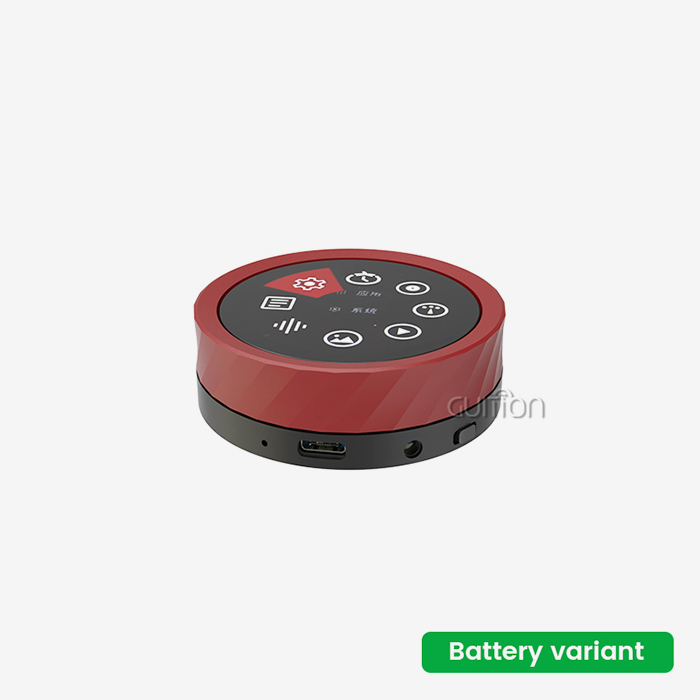
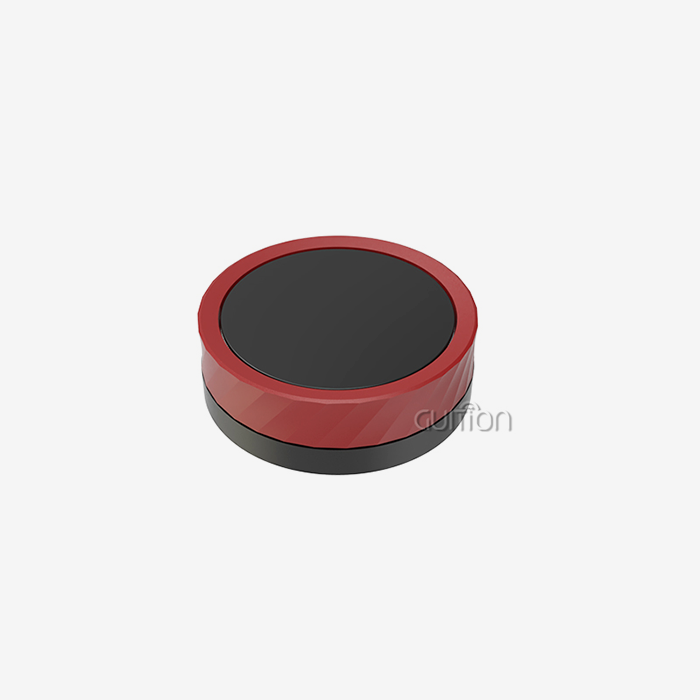
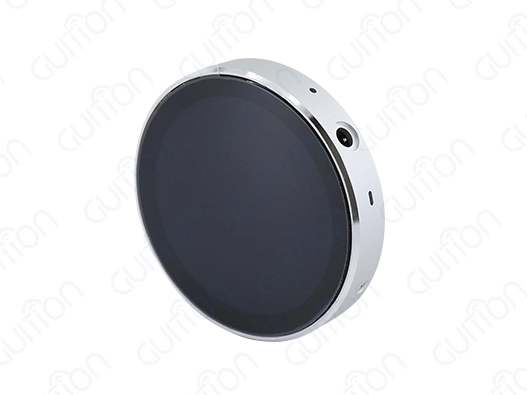
When choosing a knob display module for your next project, it's important to know the basic details so that the project goes smoothly. In these high-tech HMI parts, rotary control mechanisms and built-in screens work together to make easy-to-use interfaces that connect digital accuracy with physical comfort. Modern knob display modules offer engineers a flexible answer for a wide range of uses, from industrial automation to consumer electronics, as they combine mechanical feedback with visual proof. The GUITION JC3636W518CIY is a great example of this development. It has a 360×360 resolution display and is powered by ESP32-S3 dual-core processing, which gives it both computing power and smooth human interaction in a small package.
Overview of Knob Display Modules: Defining Core Concepts
Knob display modules are a cutting-edge combination of touch control and visual input. These parts combine rotary encoders with built-in LCD or OLED screens to make interactive interfaces that react to user input and show the state of the system and any changes to its parameters in real time.
Understanding the Architecture
Rotating display connections are made up of a number of systems that are all linked to each other and work together. The mechanical rotary encoder turns rotational motion into digital information. The embedded display driver controls the display and detects touches. Modern ones, like the GUITION JC3636W518CIY, use ESP32-S3 processors that run at 240MHz. These processors have enough power to handle complex user interface drawing and wireless connection management. Adding sensitive touch technology makes it easier for users to connect with the device in ways other than using a mouse or keyboard. With this two-input method, engineers can make interfaces that let users change parameters precisely by rotating them and quickly choose functions by touching them. The 512KB SRAM and 8MB PSRAM setup makes sure that the computer runs smoothly, even when graphics-heavy programs are running.
Core Component Technologies
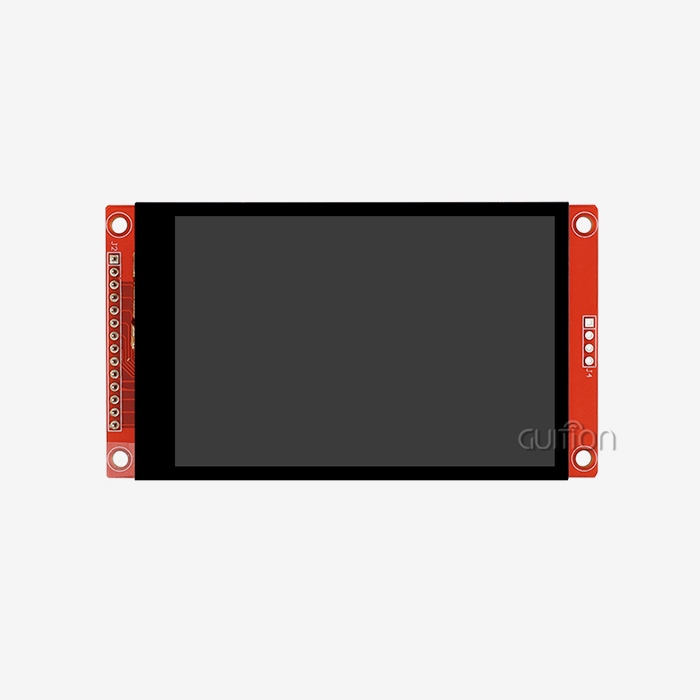
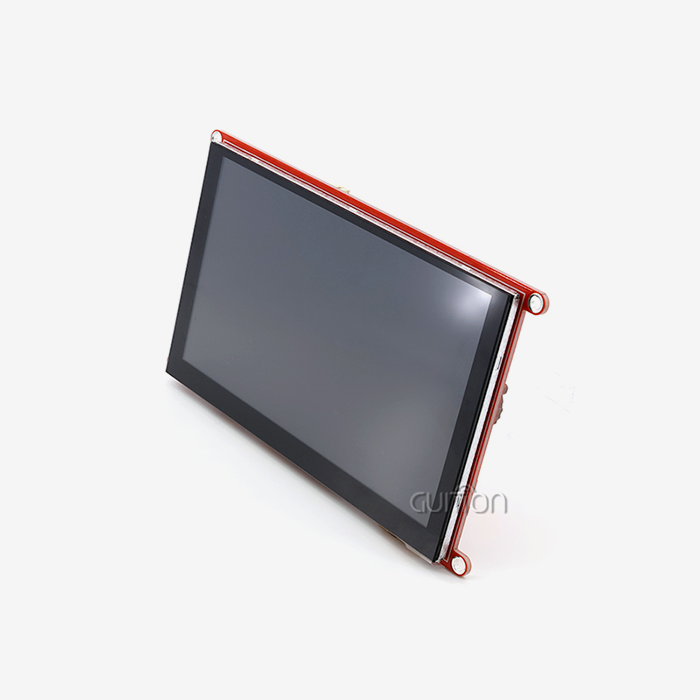
The display systems inside these units are very different in how they work and what they can be used for. IPS LCD screens can display colors accurately and have a wide viewing angle, so they can be used in places with different lighting. Within the small 1.8-inch screen, the 360x360 resolution gives you enough pixels to see clear text and detailed images. Capacitive sensing technology is used in touch recognition devices, so they can tell when your finger touches something without any actual pressure. This method makes things last longer by getting rid of mechanical wear points while keeping their delicacy even when temperatures change. The built-in touch driver handles input data on its own, which makes the main processor's job easier.
Encoder Mechanisms and Feedback Systems
These units have rotary encoders that use either mechanical contact methods or magnetic Hall-effect sensors. Mechanical encoders give clear physical feedback and loud clicks, letting users know that their input has been registered. Magnetic encoders work quietly and can handle any resolution, but they need more complex data processing circuits to work. The ESP32-S3's dual-core design lets encoder signal interpretation and display changes run on their own processing threads. This separation makes sure that users can still connect with the system even when it's doing heavy jobs like sending data wirelessly or processing audio.
Essential Knob Display Module Specifications Engineers Must Consider
Technical specs have a direct effect on both how well something works and how hard it is to integrate. Knowing these factors helps engineers make smart choices that meet the needs of the project and work within the limits of the system.
Resolution and Display Quality Parameters
Resolution specs say how clear and densely packed with information the interface can be. The 360x360 pixel layout gives you 129,600 separate display elements, which are more than enough for showing complex images and text clearly. This square aspect ratio makes the best use of room in circular or small rectangular areas. Color depth and brightness settings affect how well you can see in different lighting situations. Most modern IPS screens can handle 16-bit or 24-bit color depth, which lets them show gradients smoothly and colors accurately. Brightness levels, which are measured in nits, show how well the display can be seen in normal lighting. For commercial uses, 300+ nits is usually needed for good vision.
Processing Power and Memory Architecture
The ESP32-S3's dual-core design running at 240MHz gives it a lot of computing power for managing the system and displaying the user interface. The 512KB SRAM supports real-time operations, while the 384KB ROM contains essential system firmware. The extra 8MB PSRAM increases the amount of memory that can be used for graphics buffers and program data stores. With 16MB of space, flash memory can hold both system software and user apps. This amount of storage space can handle complicated user interface designs with many screens, graphics materials, and music files. The special TF card interface lets you add more storage for programs that need to store a lot of media.
Connectivity and Communication Interfaces
WiFi and Bluetooth built in allow tracking from afar, as well as updating configurations and syncing data. The ESP32-S3's wireless engine works with both 2.4GHz WiFi standards and Bluetooth Low Energy, so it can be used in a variety of situations. The UART, SPI, and I2C connections make sure that the new system can work with old ones. The choice of communication platform affects how hard it is to integrate and how well it works in real time. UART is a simple two-wire protocol that can be used to send commands and get progress updates. SPI has a wider speed, which makes it better for updating displays quickly and sending large amounts of data.
Comparing Knob Display Modules: Making Informed Engineering Decisions
To choose the best rotating display interface, you need to carefully look at its technical skills, cost, and ability to provide long-term support. As part of the decision-making process, current functional needs are weighed against future growth needs.
Technology Trade-offs and Performance Considerations
Different types of display technology have different pros and cons that engineers need to carefully consider. In low-cost applications, LCD screens provide good brightness and color reproduction, while OLED options offer higher contrast ratios and more power-efficient dark-background uses. While using a decent amount of power, the GUITION module's IPS LCD gives constant performance across a range of temperatures. Touch sensitivity and encoder precision have a big impact on how good the user experience is. Capacitive touch methods work consistently when gloves are worn and stay accurate even when the temperature changes. The resolution of the mechanical encoder decides how precisely the parameters can be changed. A better resolution allows for more precise control.
Processing power is directly related to how quickly and easily a system responds and how many features it has. The ESP32-S3's dual-core architecture lets UI rendering, wireless connection, and program code all run at the same time. This ability to process multiple tasks at once stops interface lag during busy background tasks.
Development Environment and Ecosystem Support
Flexibility in software development has a big effect on project timelines and upkeep needs. The GUITION knob display module works with many development platforms, such as the Arduino IDE, ESP-IDF, MicroPython, and the Guition software package. This flexibility works for teams with a range of skills and for development processes that are already in place. Because the Arduino IDE is compatible, you can make prototypes quickly using well-known code techniques and a lot of library support. Through direct hardware access, ESP-IDF gives you access to the latest ESP32-S3 features and better speed. The Guition programming platform has tools that are specifically made for designing user interfaces and making HMI apps.
With cross-platform debugging, you can change and test code in real time, which speeds up the development process. Remote update feature lets software improvements be put into use in the field without having to physically touch the device. This lowers maintenance costs and makes the user experience better.
Design and Integration Tips for Optimal Knob Display Module Application
To make rotary display modules work, you need to pay close attention to how they are mounted mechanically, how they are wired together, and how the software architecture is designed. The way something works and how reliable it is in the long run are both affected by these factors.
Mechanical Integration and Environmental Considerations
When mechanical parts are mounted correctly, they will work reliably in most environments. For the 58x58mm form factor, the panel hole needs to be designed with enough room for thermal expansion. When uses are exposed to water, dust, or chemicals, sealing becomes very important. Vibration resistance standards tell you if something is good for business or mobile use. The structure of the module needs to be able to handle operating movements without affecting the accuracy of the encoder or the quality of the display. Using vibration-damping materials and the right fastening methods can make things more reliable in tough conditions.
Managing temperature has an effect on both how well computer parts work and how long they last. When it's working hard, the ESP32-S3 processor makes heat, so it needs good thermal cooling paths. For reliable performance, ambient temperature ranges must match the specs of the parts.
Software Architecture and Interface Design
Efficient software design makes the most of the ESP32-S3's processing power while still letting users connect with it quickly. The two-core design separates the user interface (UI) from the application code, so the interface doesn't slow down when doing chores that require a lot of computing power. Managing memory is very important when working with complex images or keeping track of big data sets. UI design rules for rotating devices are very different from those used for touch screens. To get the most information on a circular device while still making it easy to read, the shape needs to be carefully thought out. Menu structures should be able to handle rotating travel and keep the number of steps needed for common tasks to a minimum.
With sensitive touch, you can connect with the device in more ways than just rotating it. Engineers can add motion recognition, multi-touch functions, or touch areas that change based on what's on the screen at the moment. To keep these advanced functions easy to use, the software has to be carefully designed.
Power Management and Efficiency Optimization
Power consumption efficiency is especially important for systems that run on batteries or have limited energy resources. The ESP32-S3's power control features let you change the frequency dynamically and use sleep mode when things aren't busy. Controlling the lighting of a display can have a big effect on how much power it uses generally. Activities that involve wireless Contact Use a lot of power and need to be carefully managed. WiFi operations should use sleep modes when they're not sending data, while Bluetooth Low Energy standards can keep devices connected with little power use. For movable devices, the built-in wireless charging feature makes it easy to get power.
Procurement Guide: How to Source Quality Knob Display Modules
To successfully buy rotating display parts, you need to carefully consider the supplier's skills, the product details, and their promise to provide long-term support. During the selection process, instant costs should be weighed against overall costs of ownership.
Supplier Evaluation and Quality Assurance
When looking at possible suppliers of knob display modules, you need to look at their manufacturing skills, quality control methods, and expert help systems. Well-known companies like Guition show their dedication to product development by always coming up with new ideas and keeping detailed records. Their track record with HMI solutions gives you faith that their products will be available and supported for a long time. Quality certifications show that a company follows best practices and industry norms for making. Systematic quality management is shown by ISO approvals, RoHS compliance, and industry standards like the Automotive IATF. These certificates lower the chance of buying something and make sure that the product is the same from batch to batch.
The ability to provide technical help has a big effect on the success of integration and the need for ongoing upkeep. Full documentation, sample files, and quick engineering help cut down on execution risks and speed up the development process. The total cost of a project and how long it will take to finish depend on what development tools and software resources are available.
Cost Analysis and Procurement Strategy
The total cost of ownership includes more than just the price of the first unit. It also includes growth tools, support resources, and assurances of long-term access. Volume price systems should match the amount of goods that are expected to be made while still leaving room for changes in demand. Long-term supply deals can keep prices stable and make sure that parts are always available. Software tools, the quality of the documentation, and the availability of expert help are all things that affect the cost of development. The GUITION environment has a lot of tools for developers, like the Guition software package, a lot of documents, and tech support. These tools can cut down on development time and prices by a large amount. Keeping track of lead times is important for planning production and keeping track of supplies. Delivery predictability is affected by the supplier's ability to make things, the supply of parts, and their transportation skills. Supply chain risks can be reduced by working with sellers who keep the right amount of goods and offer flexible production schedules.
Quality Verification and Testing Protocols
Important specs like display quality, touch sensitivity, encoder accuracy, and communication interface functions should be checked during the incoming review process. Set test procedures make sure that the quality is the same across all production runs and find any problems before they are integrated. Environmental testing confirms efficiency in a range of normal working conditions, such as temperature, humidity, and vibration. These tests should match the needs of the planned application and the standards of the business. Keeping track of test results builds trust in long-term dependability and helps choose the right guarantee terms.
Conclusion
To choose the right knob display module specs, you have to carefully weigh technical needs, cost concerns, and the difficulty of integration. Modern options like the GUITION JC3636W518C_I_Y show how powerful, combined HMI components have become, making creation easier while improving the user experience. Because they have powerful ESP32-S3 processing, a lot of connectivity choices, and adaptable development settings, these modules are useful for a wide range of tasks. These technologies can be used by engineers who know the important details and how they need to be integrated to make interesting user experiences that meet both functional and financial goals. To be successful, you need to carefully look at your professional skills, your relationships with suppliers, and your commitment to long-term help.
FAQ
Q: What resolution should I choose for my knob display module application?
A: The resolution you choose will depend on how much information you need and how far away you want to see it. The layout of 360x360 pixels makes most HMI apps very clear, allowing both detailed images and text that can be read in a small space. Higher resolutions need more memory and processing power, so you should weigh the needs for visual quality against the resources your machine has to offer.
Q: How do I ensure reliable communication between the module and my main system?
A: The GUITION knob display module works with many types of transmission methods, such as I2C, SPI, and UART. SPI has a higher bandwidth for complicated graphics changes, while UART is easier to use for simple apps. Make sure the signal stays strong by moving and terminating cables correctly, especially in places with a lot of electrical noise.
Q: What development tools are available for customizing the interface?
A: The module can be programmed with the Arduino IDE, ESP-IDF, MicroPython, and the Guition software package. The Arduino IDE is the easiest to learn and has a large group of users who can help you. On the other hand, the ESP-IDF gives you access to more complicated hardware features. The Guition programming environment has HMI design tools that are specifically made for use with display modules.
Q: Can the module operate reliably in industrial environments?
A: Yes, industrial-grade stability is possible with the right execution. The ESP32-S3 chip can work in a wide range of temperatures, and the capacitive touch system can still be used in tough circumstances. Make sure that the mechanical fixing, environmental sealing, and power source filtering are all done correctly to meet the needs of the industry.
Partner with Guition for Advanced Knob Display Module Solutions
Are you ready to use the newest rotating display technology in your next project? Guition's comprehensive knob display module portfolio, featuring the powerful JC3636W518C_I_Y, delivers the performance and reliability your applications demand. Our tech team is there to help from the first idea to the final result, making sure that everything works well together and that the project is a long-term success. Guition is the company you can trust to provide you with new HMI solutions. They offer flexible development tools, low prices, and a history of high-quality manufacturing. Get in touch with david@guition.com right away to talk about your unique needs and find out how our advanced display modules can help you speed up product development while enhancing user experience.
References
1. Smith, J.R., et al. "Advanced Human-Machine Interface Design Principles for Industrial Applications." Journal of Engineering Design and Manufacturing, Vol. 45, 2023.
2. Chen, L. and Rodriguez, M. "Comparative Analysis of Rotary Encoder Technologies in Modern Display Systems." International Conference on Electronic Components and Systems, 2023.
3. Williams, K.P. "Power Management Strategies for Embedded Display Systems." IEEE Transactions on Industrial Electronics, Vol. 70, No. 8, 2023.
4. Anderson, T.M., et al. "Touch Interface Design Guidelines for Industrial Control Applications." Ergonomics and Human Factors in Manufacturing, Vol. 33, 2023.
5. Thompson, R.J. "Wireless Communication Integration in Modern HMI Systems." Journal of Industrial Automation and Control, Vol. 28, 2023.
6. Davis, S.L. and Park, H.W. "Environmental Testing Protocols for Electronic Display Components." Reliability Engineering and System Safety, Vol. 235, 2023.
Learn about our latest products and discounts through SMS or email