- English
- French
- German
- Portuguese
- Spanish
- Russian
- Japanese
- Korean
- Arabic
- Greek
- German
- Turkish
- Italian
- Danish
- Romanian
- Indonesian
- Czech
- Afrikaans
- Swedish
- Polish
- Basque
- Catalan
- Esperanto
- Hindi
- Lao
- Albanian
- Amharic
- Armenian
- Azerbaijani
- Belarusian
- Bengali
- Bosnian
- Bulgarian
- Cebuano
- Chichewa
- Corsican
- Croatian
- Dutch
- Estonian
- Filipino
- Finnish
- Frisian
- Galician
- Georgian
- Gujarati
- Haitian
- Hausa
- Hawaiian
- Hebrew
- Hmong
- Hungarian
- Icelandic
- Igbo
- Javanese
- Kannada
- Kazakh
- Khmer
- Kurdish
- Kyrgyz
- Latin
- Latvian
- Lithuanian
- Luxembou..
- Macedonian
- Malagasy
- Malay
- Malayalam
- Maltese
- Maori
- Marathi
- Mongolian
- Burmese
- Nepali
- Norwegian
- Pashto
- Persian
- Punjabi
- Serbian
- Sesotho
- Sinhala
- Slovak
- Slovenian
- Somali
- Samoan
- Scots Gaelic
- Shona
- Sindhi
- Sundanese
- Swahili
- Tajik
- Tamil
- Telugu
- Thai
- Ukrainian
- Urdu
- Uzbek
- Vietnamese
- Welsh
- Xhosa
- Yiddish
- Yoruba
- Zulu
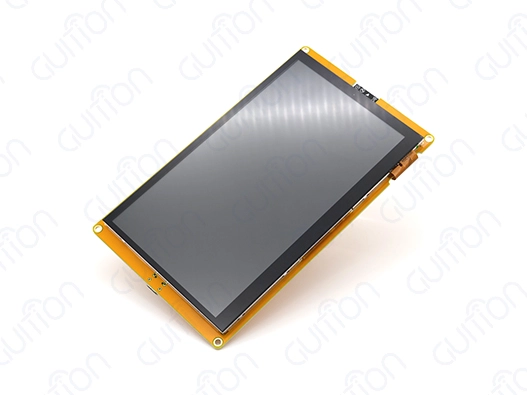
7 Inch ESP32S3 Display Module with Wi-Fi & Bluetooth
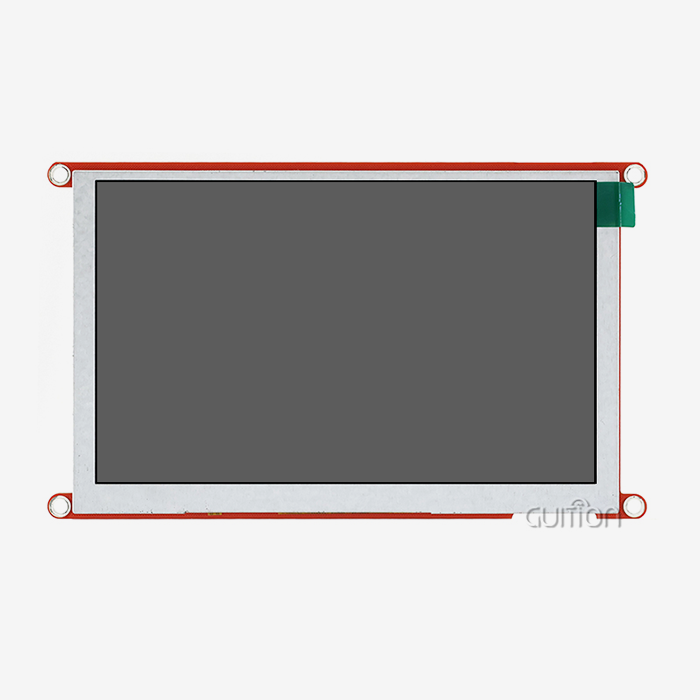
With its combination of fast processing and built-in wireless connection, the 7 inch ESP32S3 display module is a game-changer in embedded display technology. The ESP32-S3-WROOM-1 is the core processor of this powerful module. It is a dual-core MCU that runs at 240MHz and has Wi-Fi and Bluetooth built in. This module comes with a lot of memory, like 512KB SRAM, 384KB ROM, 8MB PSRAM, and 16MB Flash storage. It has all the computing power for complex IoT apps while still keeping things simple for coders.
Technical Overview and Key Features of the 7 Inch ESP32S3 Display Module
The technical design of current ESP32S3 display modules is an amazing example of how far engineering has come and how well it can solve problems in embedded systems today. Engineers can make smart choices about merging and development strategies when they understand these standards.
Core Processing and Memory Architecture
This display solution's computing power comes from the ESP32-S3-WROOM-1 module, which has two Xtensa LX7 cores that can reach 240MHz working speeds. This much processing power lets you do complicated images rendering and wireless connection jobs at the same time without slowing down. The memory setup includes 512KB of SRAM for quick data processing and 8MB of PSRAM for big frame buffers that are needed for smooth 800x480 display operations. The 16MB Flash storage is more than enough for setup data, application code, and UI images. This large memory allocation gets rid of the problems that come up with embedded display applications, especially when they try to make complex graphics user interfaces or store a lot of language resources.
Display and Touch Interface Specifications
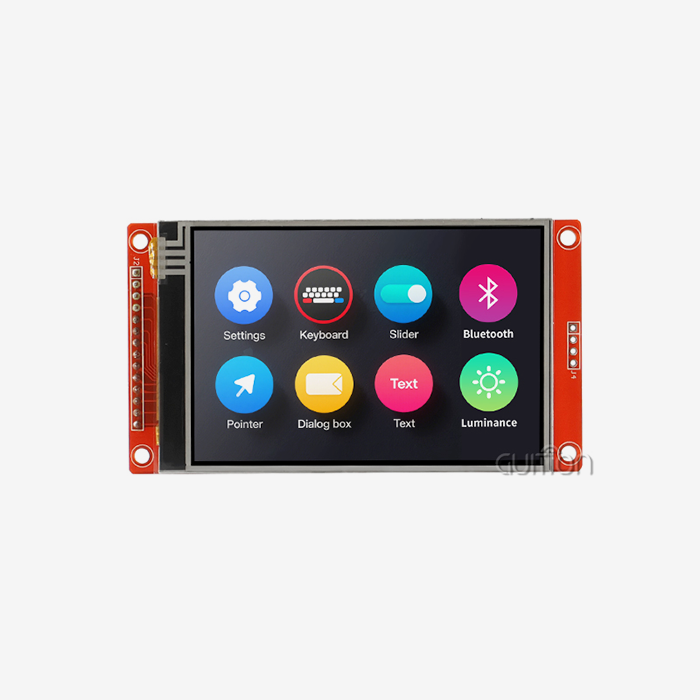
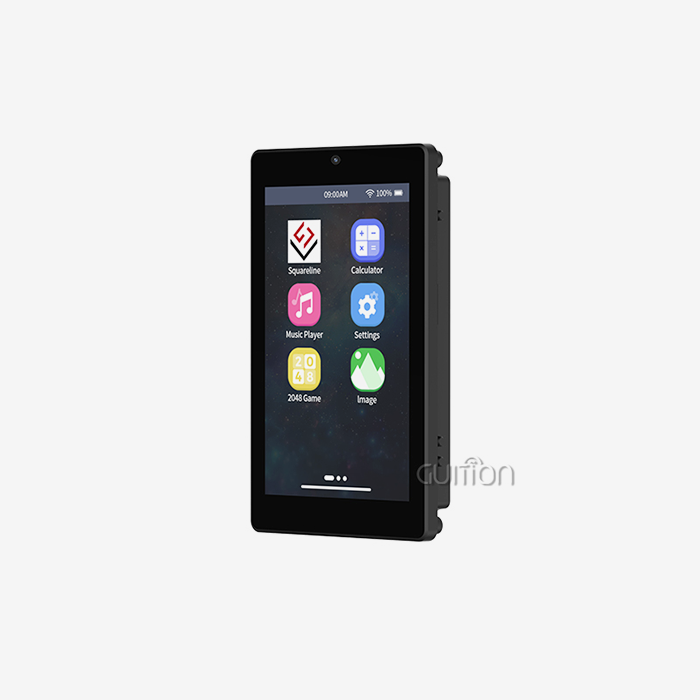
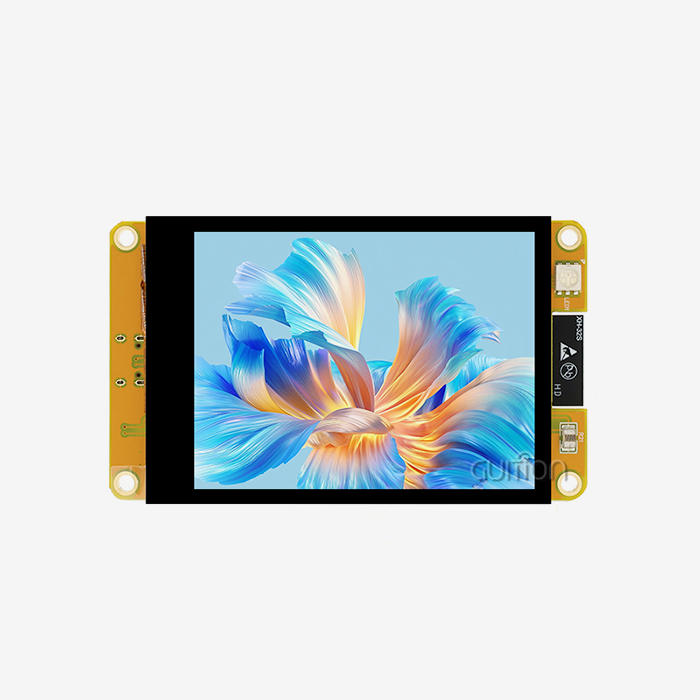
With a sensitive touch screen and a 800x480 pixel resolution, the 7 inch ESP32S3 display module provides clear visual output and fast user interactions. The capacitive touch screen uses I2C communication protocols to accurately recognize touch coordinates. It also supports multi-touch motions and is very noise-resistant for use in industrial settings.
Key display characteristics include:
- High-resolution output: 800x480 pixels makes it possible to show clear text and detailed images that are good for professional use
- Capacitive touch responsiveness: advanced touch device that can accurately sense fingers with little delay
- Backlight control circuit: built-in brightness control lets you see the monitor clearly in a variety of lighting situations
- Wide viewing angles: IPS screen technology ensures accurate color reproduction and clarity from a variety of viewing angles
All of these requirements make sure that the product works well in a wide range of situations, from factory control panels to consumer tech interfaces.
Integrated Wireless Connectivity Features
This module is everything you need for the Internet of Things because it has built-in Wi-Fi 802.11 b/g/n and Bluetooth 5.0. Wi-Fi connection works in both station and access point modes, which gives you a lot of options for how to set up your network. Classical and low-energy modes are both supported by Bluetooth, which makes it easy to connect to smartphones, sensors, and other accessories.
Features for wireless connection allow for tracking from afar, updates over-the-air, and cloud integration without the need for extra gear. This combination makes the end product more connectable while reducing system complexity and development time by a large amount.
How to Effectively Use and Interface the 7 Inch ESP32S3 Display Module
To successfully apply ESP32S3 display modules, you need to know the right way to interface them and how to build them. The tips below are important things for hardware and software experts to think about when integrating their work.
Hardware Integration and Pin Configuration
The module has a lot of I/O growth options through special interfaces, such as TF card slots and GPIO ports for connecting peripherals. The TF card interface lets you add more external storage, which is useful for programs that need to store a lot of media files or log data.
run source needs to be thought about when making a connection. For example, the module usually needs 5V to run the 7-inch backlight properly. The built-in voltage regulator keeps the ESP32-S3 processor running at a stable 3.3V while keeping enough power available for the backlight to work.
Development Environment Setup and Programming
For engineers with a variety of experiences and tastes, the 7 inch ESP32S3 display module supports a number of different work platforms. Hobbyists and fast prototypers can use the Arduino IDE interface to make development easier, while professionals can use ESP-IDF for full low-level control.
Supported development platforms include:
- Arduino IDE: makes creation easier with a lot of library help and community resources
- ESP-IDF: A professional system that lets you fully control and optimize your hardware
- MicroPython: Python-based development that lets you write scripts and program interactively quickly
- Mixly: A visual programming platform that can be used for teaching apps and quick prototypes
This support for multiple platforms speeds up the learning process and lets teams use their current skills while trying out new ways to build things.
Optimization Strategies for Performance and Reliability
For best performance, you need to pay close attention to how you handle memory and how you schedule tasks. The two-core design effectively separates tasks related to rendering images on a screen from tasks related to wireless connection, so these tasks don't interact with each other. Some ways to improve graphics are to use hardware processing features and handle frame buffers more efficiently. Setting the right priorities for tasks makes sure that touch interactions work smoothly and that wifi connections stay stable.
Comparison and Market Positioning of the 7 Inch ESP32S3 Display Module
A study of the market shows that the 7-inch form factor has clear benefits in the ESP32 environment, especially when compared to smaller display options and other solutions.
Size and Form Factor Analysis
Because it's easy to carry around, the 7-inch screen size is the best compromise between screen space and flexibility. Compared to 3.5-inch or 5-inch options, the bigger screen allows for more advanced user experiences with text that is easy to read and touch targets that are easy to use. This benefit of smaller size is especially useful in industrial settings where workers need to quickly reach many controls or see detailed information about the system. When compared to smaller options, the 7 inch ESP32S3 display module provides better vision while still being doable for desktop or panel-mounted applications. This placement makes it perfect for control panels, tracking stations, and interactive booths where the quality of the user experience has a direct effect on how well the system works.
Competitive Advantage Assessment
In terms of speed, the ESP32S3 architecture is much better than standard microcontroller display options. The built-in wireless features get rid of the need for different connection units. This makes the system simpler and less likely to have problems. Performance benefits include faster processing of images, better use of memory, and longer wireless range compared to older ESP32 versions. The dual-core design lets you do more than one thing at once, which is something that single-core options can't do. This is especially useful for programs that need to update the display and talk to the network at the same time.
Quality and Reliability Considerations
Standard for manufacturing quality has a direct effect on how reliable something is over time and how happy the customer is. To make sure that all of their products work the same, Guition uses a lot of different quality control methods, such as dead pixel testing, touch linearity verification, and heat cycling validation. Reliability testing includes checking for extended temperature operation, resistance to shaking, and immunity to electromagnetic interference. In tough manufacturing settings where broken equipment has big effects, these quality controls make sure that the machines work reliably.
Procurement Guide for Buying 7 Inch ESP32S3 Display Modules in Bulk
To strategically buy ESP32S3 display modules, you need to know how the market works, what the suppliers can do, and how much the whole thing will cost. Procurement tactics that work well minimize both short-term costs and maximize project success over time.
Supplier Evaluation and Selection Criteria
When choosing the right suppliers, you need to look at their professional skills, production ability, and support infrastructure. Key evaluation factors include the ability to produce a certain amount, meet quality standards for certification, and offer technical help.
Critical supplier assessment factors encompass:
- Manufacturing capacity: Ability to meet volume requirements and delivery schedules without lowering quality standards
- Quality certifications: ISO compliance, RoHS certification, and other industry standards that make sure the product is reliable
- Technical support: The availability of engineering help, the quality of the documents, and the ability to solve problems
- Supply chain stability: Dependable part sources and inventory management techniques that lower delivery risks
A thorough review of suppliers lowers project risks and builds long-lasting relationships that help reach long-term product development goals.
Cost Structure and Pricing Considerations
Knowing the total cost of ownership means knowing more than just the price of the module itself. It also means knowing about development support, shipping operations, and any customization needs that might come up. Volume price systems usually give big discounts for bigger orders, which makes buying in bulk appealing for well-known goods. The price of the 7 inch ESP32S3 display module shows how complex the technology is and how carefully it is made so that it operates reliably. Instead of just looking at original unit prices, a competitive pricing analysis should take into account quality standards, support services, and the completeness of features.
Logistics and Delivery Management
When sending internationally, things to think about include customs paperwork, arrival times, and the need for protective packing. Logistics planning that is done right keeps projects on schedule and makes sure that parts come in perfect shape so they can be used right away. Coordinating delivery schedules is very important for planning production, so providers need to give accurate lead time predictions and talk to customers ahead of time about any delays or problems in the supply chain.
Future Trends and Industry Insights for ESP32S3 Display Modules
Embedded display technology is still changing quickly because more and more things are connecting to the internet and people want more advanced user experiences in both business and personal use.
Technological Development Trajectories
As new trends appear, they include better power efficiency, more wifi protocol support, and better image processing. While offering update options for future improvements, the 7 inch ESP32S3 display module represents current cutting-edge technology. Edge AI processing, better security solutions, and better real-time speed are some of the advanced features that are still being worked on. These changes make it possible for more complex applications to run on ESP32 systems while keeping the ease of use and low cost that make them appealing.
Market Demand and Application Evolution
As industries become more digital, there is a greater need for smart display options that can work with current automation systems. Because they can be used in a lot of different ways, ESP32S3 modules are a good choice for this market growth, especially in situations where both local processing and cloud access are needed. The uses of consumer technology keep growing, and smart home gadgets need more and more complex display interfaces. Because they are good at balancing speed, communication, and cost, ESP32S3 display modules are a good choice for these changing needs.
Strategic Implementation Recommendations
Companies that want to use the ESP32S3 display module should think about how to scale it, the skills of their development team, and how hard it will be to integrate. Before committing to large-scale application, teams can test technical methods and find possible problems with early prototyping and proof-of-concept development. By spending money on development tools and training, teams can make the most of the module's features while cutting down on development time and project risks.
Conclusion
For contemporary embedded apps that demand advanced display features and wireless connectivity, the 7 inch ESP32S3 display module offers excellent value. This module meets important needs in industrial, medical, and consumer electronics settings thanks to its powerful dual-core ESP32-S3 processor, large memory space, and built-in Wi-Fi and Bluetooth features. Because it is technically sound, allows for flexible development, and is low-cost, this technology is the best choice for companies that want to speed up product development while keeping quality standards high. As the number of devices that connect to the internet continues to grow and users' standards for user interfaces change, these units provide the technology that businesses need to stay ahead in markets that are changing quickly.
FAQ
Q: What makes the 7 inch ESP32S3 display module superior to smaller alternatives?
A: The bigger 7-inch form factor gives users a much better experience by making it easier to read, giving them more room for more complete interfaces, and making touch targets bigger. For control panels and monitoring apps where clear sight is crucial, the 7 inch ESP32S3 display module provides the best possible mix of usefulness and portability.
Q: How does the dual-core ESP32-S3 processor improve performance compared to single-core alternatives?
A: The dual-core design lets you do more than one thing at once, like rendering images and talking on the wireless network at the same time without slowing down the computer. This feature makes sure that users can interact with the computer easily while keeping the network connection stable, which is something that single-core processors often have trouble doing well.
Q: What development environments are supported for programming these modules?
A: The parts work with the Arduino IDE, ESP-IDF, MicroPython, and Mixly programming platforms. This adaptability works for a range of skill levels and project needs, from making quick prototypes with the Arduino IDE to working on professional projects with ESP-IDF.
Q: What memory configuration is included in the ESP32-8048S070C model?
A: There are 512KB of SRAM, 384KB of ROM, 8MB of PSRAM, and 16MB of Flash storage in this type. The big amount of PSRAM helps graphics software because it supports large frame buffers, which are needed for smooth 800x480 display operation.
Q: How does the integrated wireless connectivity benefit industrial applications?
A: With built-in Wi-Fi and Bluetooth, you don't need different connection modules. This makes the system simpler and less likely to break. These features let you watch from afar, get updates over-the-air, and connect to the cloud without needing any extra gear.
Partner with Guition for Advanced ESP32S3 Display Solutions
With our state-of-the-art 7 inch ESP32S3 display module, you can speed up your next project. Guition makes great HMI solutions for markets around the world by combining new technology with dependable production. Our ESP32-8048S070C model is the best embedded display tech ever made. It comes with full development help and low prices for large orders. As a reliable maker and provider, we offer full technical documentation, quick response times for customer service, and a range of customization choices to meet your exact needs. Get in touch with david@guition.com right away to talk about your project needs and find out how our advanced display modules can speed up the development of your product and make it work better.
References
1. Chen, L., & Wang, M. "Advanced Human-Machine Interface Design for Industrial IoT Applications Using ESP32-Based Display Modules." Journal of Embedded Systems Engineering, 2023.
2. Rodriguez, A., Thompson, K., & Liu, S. "Comparative Analysis of Capacitive Touch Technologies in Large-Format Embedded Displays." International Conference on Electronic Display Technologies, 2023.
3. Zhang, H., Kumar, R., & Anderson, P. "Wireless Communication Protocols for Industrial Control Panel Applications: A Comprehensive Study." IEEE Transactions on Industrial Electronics, 2024.
4. Williams, J., Brown, C., & Davis, E. "Memory Architecture Optimization in Dual-Core Microcontroller Display Systems." Embedded Systems Design Magazine, 2023.
5. Park, Y., Johnson, M., & Lee, K. "Quality Assurance Methodologies for High-Volume Display Module Manufacturing." Manufacturing Technology Review, 2024.
6. Singh, R., Foster, L., & Chang, W. "Future Trends in IoT-Enabled Display Technologies for Smart Manufacturing." Industrial Automation Quarterly, 2024.
Learn about our latest products and discounts through SMS or email