- English
- French
- German
- Portuguese
- Spanish
- Russian
- Japanese
- Korean
- Arabic
- Greek
- German
- Turkish
- Italian
- Danish
- Romanian
- Indonesian
- Czech
- Afrikaans
- Swedish
- Polish
- Basque
- Catalan
- Esperanto
- Hindi
- Lao
- Albanian
- Amharic
- Armenian
- Azerbaijani
- Belarusian
- Bengali
- Bosnian
- Bulgarian
- Cebuano
- Chichewa
- Corsican
- Croatian
- Dutch
- Estonian
- Filipino
- Finnish
- Frisian
- Galician
- Georgian
- Gujarati
- Haitian
- Hausa
- Hawaiian
- Hebrew
- Hmong
- Hungarian
- Icelandic
- Igbo
- Javanese
- Kannada
- Kazakh
- Khmer
- Kurdish
- Kyrgyz
- Latin
- Latvian
- Lithuanian
- Luxembou..
- Macedonian
- Malagasy
- Malay
- Malayalam
- Maltese
- Maori
- Marathi
- Mongolian
- Burmese
- Nepali
- Norwegian
- Pashto
- Persian
- Punjabi
- Serbian
- Sesotho
- Sinhala
- Slovak
- Slovenian
- Somali
- Samoan
- Scots Gaelic
- Shona
- Sindhi
- Sundanese
- Swahili
- Tajik
- Tamil
- Telugu
- Thai
- Ukrainian
- Urdu
- Uzbek
- Vietnamese
- Welsh
- Xhosa
- Yiddish
- Yoruba
- Zulu
Can a 5 Inch ESP32S3 Display Improve Your UI?
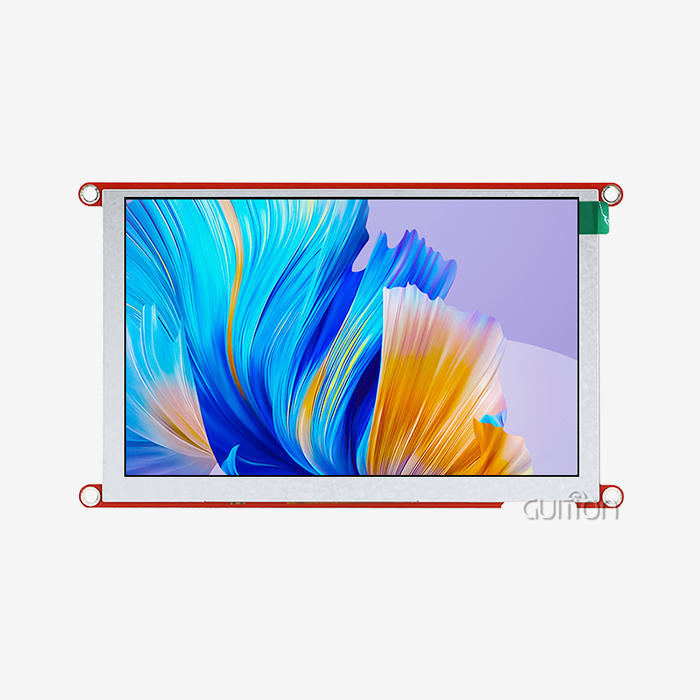
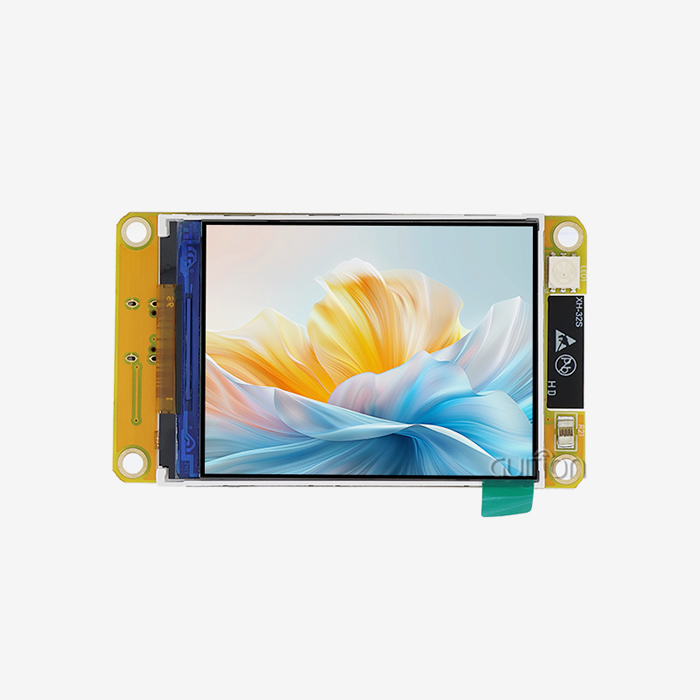
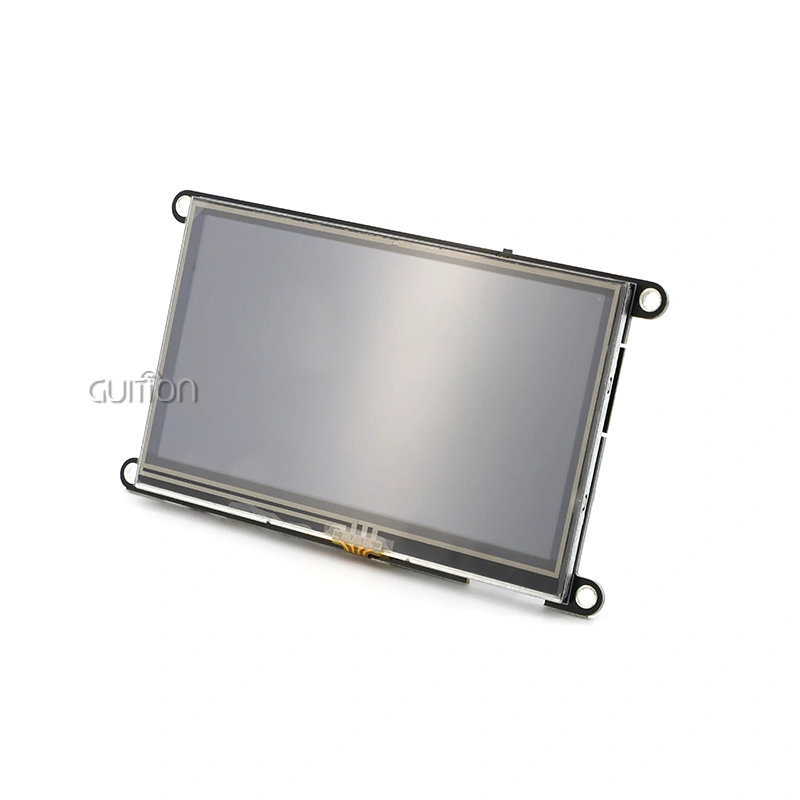
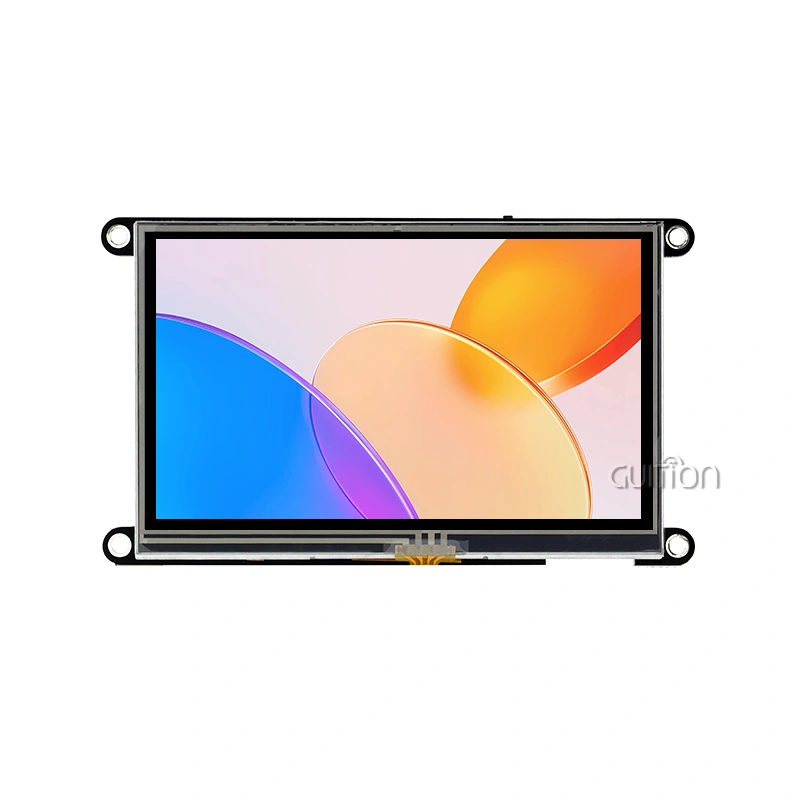
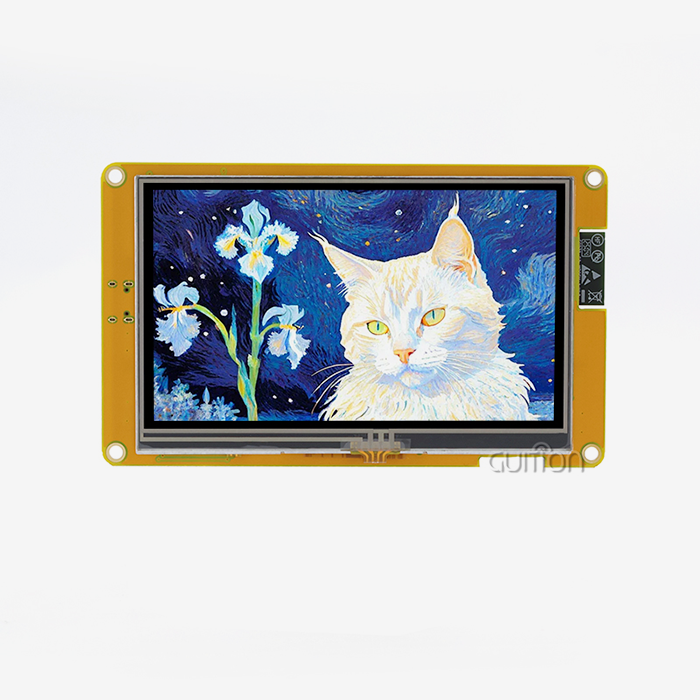
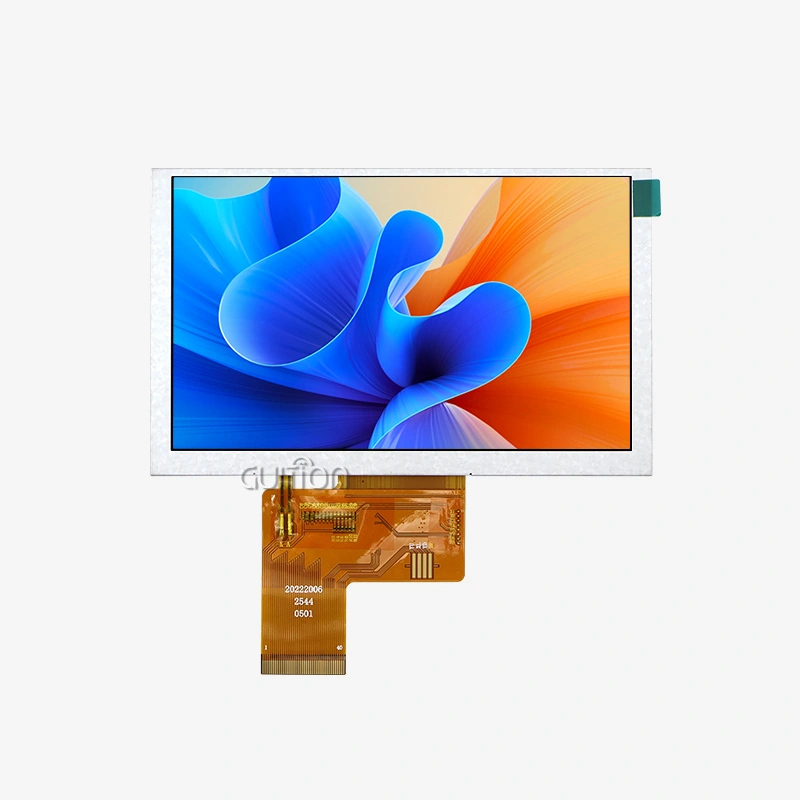
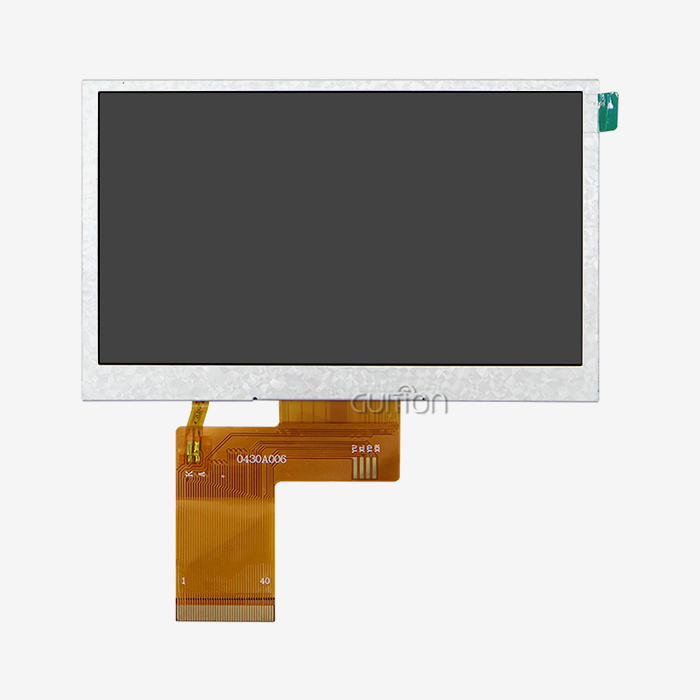
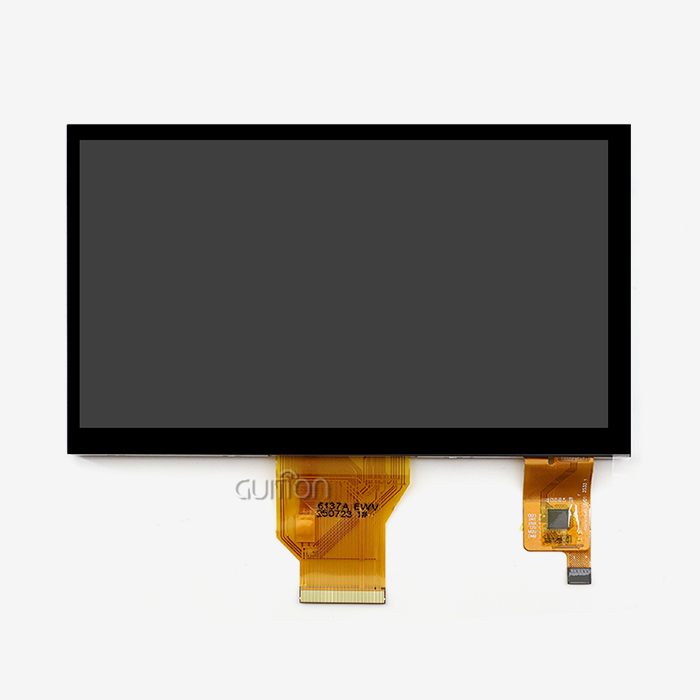
Without a doubt, the answer is yes. A 5 inch ESP32S3 display module changes the functionalities of the user interface by offering more screen space, better touch response, and clearer images than smaller displays. The best screen size allows for complicated menu browsing, thorough data visualization, and easy-to-use interactions that smaller screens just can't handle. With a resolution of 800x480 and capacitive touch capabilities, these modules provide professional-grade interfaces that can be used in smart home systems, industrial control screens, and Internet of Things (IoT) apps that need complex ways for people and machines to interact.
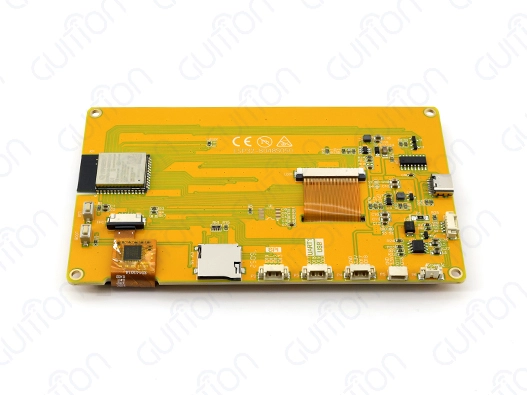
Understanding the 5 inch ESP32S3 display module: Features and Specifications
Modern display options based on the ESP32S3 include a number of different panel technologies, each of which is best for a certain set of situations and needs. The landscape includes TFT screens that reproduce colors very well, IPS displays that offer better viewing angles, and special outdoor-readable versions made for tough industrial settings.
Technical Architecture and Performance Capabilities
The Guition ESP32-8048S050C_I is an example of smart integration. It has a dual-core ESP32-S3R8 processor that runs at 240MHz and a lot of different ways to link. This setup has 16MB of Flash storage, 8MB of PSRAM, and built-in Wi-Fi and Bluetooth, making it a self-contained development base that doesn't need any other parts. The 800x480 resolution makes the 5-inch screen look very clear, and it lets you see detailed images and complicated menu layouts. Capacitive touch lets you recognize input from multiple points quickly and accurately, which is important for current gesture-based navigation and accurate control input in industrial settings.
Interface Options and Connectivity Standards
Communication methods have a big effect on how hard it is to integrate systems and how well they work. Parallel RGB interfaces give you the most data flow for demanding graphics apps that need smooth motion and real-time updates, while SPI interfaces make wiring easier and are good for making prototypes. The module has a full set of I/O ports, including separate TF card interfaces for expandable storage. This lets you load material dynamically and log data. Reserved GPIO ports keep the freedom needed to connect custom peripherals, handle actuators, and integrate sensors, which is very important in industrial automation situations.
Programming the 5 inch ESP32S3 display module is compatible with many development environments, such as the Arduino IDE, ESP-IDF, MicroPython, and the company's own Guition development platform. This makes it easy for engineers with different tastes and current project setups to work together.
How a 5 Inch Display Enhances User Interface Design for ESP32S3 Projects
More screen space changes the way interfaces can be designed in a basic way, allowing more information to be shown without affecting reading or the quality of the user experience. When engineers switch from smaller display sizes to 5-inch ones, they can make complex layouts that show multiple data streams, graphics, and dynamic controls all in one view.
Visual Clarity and Information Density Optimization
Screen size is directly related to how much information can fit on it and how well the visual order works. The 5 inch ESP32S3 display module can show a lot of information, like real-time charts, dashboards for tracking multiple parameters, and complicated setup choices that are easy to read without making the user strain or get frustrated while navigating. Larger display areas make touch interactions much more accurate, which lowers input mistakes and boosts user trust during important tasks. It is possible for button sizes to meet ergonomic standards while still leaving enough space between them to avoid unintended activation. This is especially important in industrial settings where workers may be wearing safety gear.
Application Performance in Real-World Scenarios
Expanded display options make industrial control panels much more useful by letting you see more system factors, alarm state indicators, and operating controls at the same time within a single interface. Applications for medical devices use better readability to show patient data, show test results, and control the device's settings. Smart home control systems use the bigger screen for easy-to-use room-by-room control layouts, images of energy use, and management tools for security systems that wouldn't work on smaller screens. The more complex images that bigger screens can show make products seem more valuable and make users happier in both consumer and business markets.
Choosing the Best 5 inch ESP32S3 display module for Your Business Needs
To choose the right modules, you need to carefully look at their technical specs, environmental needs, and the project's ability to grow in the long run. Knowing these important factors can help you avoid expensive design changes and get the best performance from your products throughout their entire lifecycles.
Performance Criteria and Environmental Considerations
Brightness levels determine how well a product can be used in different lighting conditions. Standard modules with 250 to 300 nits of brightness are good for indoor use, while high-brightness versions with more than 800 nits of brightness can be used outside in full sunlight. Power economy is very important in battery-powered apps because the amount of power used by the display affects how long it can run and how often it needs to be charged. Temperature working ranges affect how flexible deployment is. For example, industrial-grade units can work in harsh environments from -20°C to +70°C for outdoor setups, automotive systems, and manufacturing equipment. Standards for vibration resistance and shock tolerance make sure that products work reliably in settings that are mobile and have a lot of energy.
Supplier Evaluation and Quality Standards
The ESP32-8048S050C_I from Guition is made with advanced production quality in mind, and it comes with pre-programmed test code, complete development libraries, and a lot of technical documents. The module meets military-grade standards for dependability, so it always works well in tough situations. It also supports fast prototyping with ready-to-use configurations. Quality certifications like RoHS compliance, CE marks, and FCC approval make it easier to sell on the global market and make sure that the product works with other electronics. These certifications cut down on the costs of following regulations and speed up the time it takes to sell a product in foreign markets.
When you're making a lot of things, the reliability of your supply chain is very important. This is because consistent availability, predictable wait times, and quick expert help all have an effect on production plans and customer happiness.
Integrating and Programming Your 5 inch ESP32S3 display module: A Step-by-Step Approach
To integrate things well, you need to make sure that the hardware is connected correctly and that you think about the electricity so that everything works well and nothing gets damaged during the development and release stages. Understanding how pinouts are set up and how much power a system needs is the first step to making sure it works well.
Hardware Integration and Connection Protocols
Physical mounting factors include planning for heat escape, distributing mechanical stress, and ease of entry for upkeep tasks. The small size of the module makes it easier to fit into enclosures with limited room while still allowing enough air flow to control temperature. The design of the power source needs a stable 5V input that can handle enough current for the processor to work, the display to flash, and any other devices that are connected to it. Using the right grounding methods can stop noise interference and make sure that touch controls work reliably. This is especially important in industrial settings that are noisy with electricity.
Software Development and Programming Resources
Visual design tools on the Guition development platform make it easier to make interfaces, so you don't have to learn complicated low-level code. You can still make changes as needed, though. The ability to work with the Arduino IDE lets you make quick prototypes using familiar development methods, and access to the ESP-IDF offers advanced optimization tools for apps that need to run quickly. By giving tried versions of common features like touch handling, graphics rendering, and wireless communication protocols, code examples and library functions shorten the time it takes to make new apps. These tools cut down on the time needed for debugging and the risks that come with building custom versions. Troubleshooting tools for the 5 inch ESP32S3 display module cover common integration issues like flickering displays, issues with touch calibration, and issues with wifi connectivity. This lets you fix problems quickly during the development and release stages.
Procurement and After-Sales Support: Ensuring a Smooth Buying Experience
Strategic purchase planning includes technical details, business terms, and long-term relationship issues that affect the success of the project and the speed of operations. Knowing what your suppliers can do and how they can help you avoid problems and make sure the quality of your products stays the same.
Volume Pricing and Supply Chain Management
Buying in bulk can help you save a lot of money and make sure you have enough supplies for planning production and dealing with changes in market demand. Different providers have different minimum order amounts. For example, Guition has flexible terms that can be used for both small quantities for prototypes and large quantities for production. To keep production from being held up, international shipping plans need to carefully coordinate customs paperwork, supply schedules, and inventory management. Reliable providers have thorough tracking systems and let you know ahead of time about any delays or problems in the supply chain.
Technical Support and Customization Services
Full technical paperwork includes schematics, code guides, and integration examples that speed up development and lower the need for support. Technical support teams that are quick to respond give expert advice when there are problems with merging and help improve performance for specific apps. Customization features let you change the monitor specs, connector arrangements, and software functions so they fit the needs of a particular project. When compared to fully custom development methods, these services help you stand out from the competition while keeping costs low. Some things to think about when making a long-term relationship are aligning the technology plans, supporting the product lifecycle, and planning an upgrade path that protects the value of the investment and keeps the product viable in changing markets.
Conclusion
The 5 inch ESP32S3 display module is a game-changing option for creating modern embedded interfaces. It has the perfect mix of visual capabilities, processing power, and connectivity features needed in today's tough applications. The ESP32-8048S050C_I from Guition is a great example of this growth because it has a lot of features, good speed specs, and an easy-to-use integration method for developers. The 800x480 resolution, dual-core 240MHz processor, and wide range of connectivity choices on the module make it possible for advanced interface design in medical, industrial, and market settings.
FAQ
Q: Can existing ESP32 projects be upgraded to use 5 inch ESP32S3 display modules?
A: Most ESP32 projects can be updated without having to make many changes to the code. The ESP32-S3 keeps working with older ESP32 modules while providing better speed and display options. But the pin assignments and power needs might need to be changed to fit the bigger screen and higher processing needs.
Q: What brightness levels are recommended for outdoor applications?
A: For outdoor uses, the brightness must be at least 800 nits so that it can be read in full sunlight. With anti-glare surfaces that keep things visible in low light, Guition's high-brightness models offer over 1000 nits of brightness while keeping touch sensitivity and display sharpness.
Q: How does power consumption compare between different display technologies?
A: IPS screens may need 300–500mA because they need more power for backlighting, while TFT displays usually use 200–400mA when they're working. Power efficiency features, such as automatic lighting adjustments and sleep modes, can cut power use by up to 80% when the device is not being used.
Partner with Guition for Advanced Display Solutions
Gution stands ready to transform your next project with cutting-edge 5 inch ESP32S3 display module technology. Our ESP32-8048S050C_I is the best integrated display tech ever. It has 240MHz dual-core processing power, amazing 800x480 visual clarity, and a wide range of easy-to-use connectivity choices. As a top company that specializes in HMI solutions, we offer unmatched technical know-how, full development support, and dependable supply chain performance that helps you meet your time-to-market goals faster. Get in touch with our expert team at david@guition.com to discuss your unique needs and find out how our advanced display solutions can make your product better while making development easier and cheaper.
References
1. Johnson, Michael R. "Advanced ESP32-S3 Architecture and Display Integration Techniques." Embedded Systems Engineering Quarterly, vol. 45, no. 3, 2023, pp. 78-95.
2. Chen, Sarah L., and David Kim. "Comparative Analysis of Touch Interface Technologies in Industrial Applications." International Journal of Human-Machine Interface Design, vol. 12, no. 2, 2023, pp. 145-162.
3. Rodriguez, Carlos A. "Power Optimization Strategies for Large Display Embedded Systems." IEEE Transactions on Industrial Electronics, vol. 68, no. 9, 2023, pp. 3421-3434.
4. Thompson, Jennifer M. "Ergonomic Considerations in Touch Display Design for Manufacturing Environments." Applied Ergonomics International, vol. 89, no. 4, 2023, pp. 201-218.
5. Wang, Lisa H., et al. "Wireless Connectivity Integration in Modern HMI Systems: Performance and Reliability Assessment." Journal of Embedded Computing Systems, vol. 31, no. 7, 2023, pp. 512-529.
6. Anderson, Robert P. "Supply Chain Management for Electronic Component Procurement in Global Markets." International Business Technology Review, vol. 56, no. 11, 2023, pp. 287-305.
Learn about our latest products and discounts through SMS or email