- English
- French
- German
- Portuguese
- Spanish
- Russian
- Japanese
- Korean
- Arabic
- Greek
- German
- Turkish
- Italian
- Danish
- Romanian
- Indonesian
- Czech
- Afrikaans
- Swedish
- Polish
- Basque
- Catalan
- Esperanto
- Hindi
- Lao
- Albanian
- Amharic
- Armenian
- Azerbaijani
- Belarusian
- Bengali
- Bosnian
- Bulgarian
- Cebuano
- Chichewa
- Corsican
- Croatian
- Dutch
- Estonian
- Filipino
- Finnish
- Frisian
- Galician
- Georgian
- Gujarati
- Haitian
- Hausa
- Hawaiian
- Hebrew
- Hmong
- Hungarian
- Icelandic
- Igbo
- Javanese
- Kannada
- Kazakh
- Khmer
- Kurdish
- Kyrgyz
- Latin
- Latvian
- Lithuanian
- Luxembou..
- Macedonian
- Malagasy
- Malay
- Malayalam
- Maltese
- Maori
- Marathi
- Mongolian
- Burmese
- Nepali
- Norwegian
- Pashto
- Persian
- Punjabi
- Serbian
- Sesotho
- Sinhala
- Slovak
- Slovenian
- Somali
- Samoan
- Scots Gaelic
- Shona
- Sindhi
- Sundanese
- Swahili
- Tajik
- Tamil
- Telugu
- Thai
- Ukrainian
- Urdu
- Uzbek
- Vietnamese
- Welsh
- Xhosa
- Yiddish
- Yoruba
- Zulu
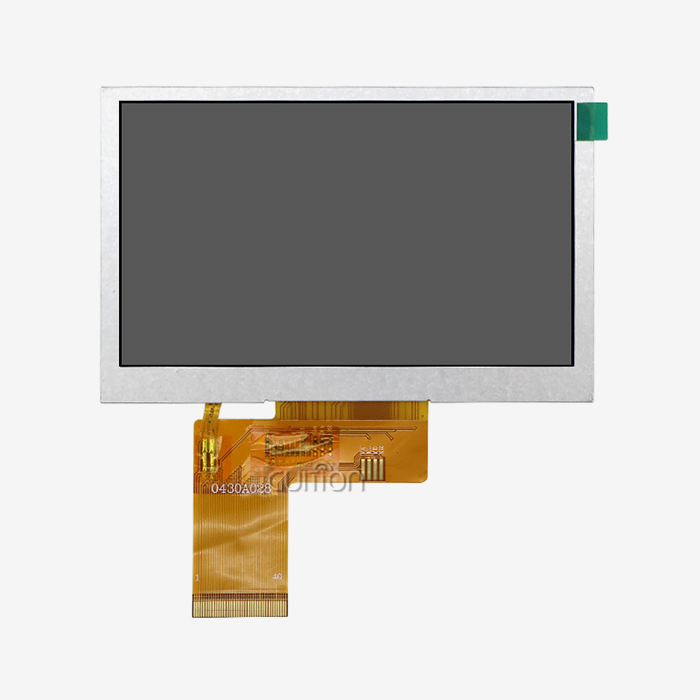
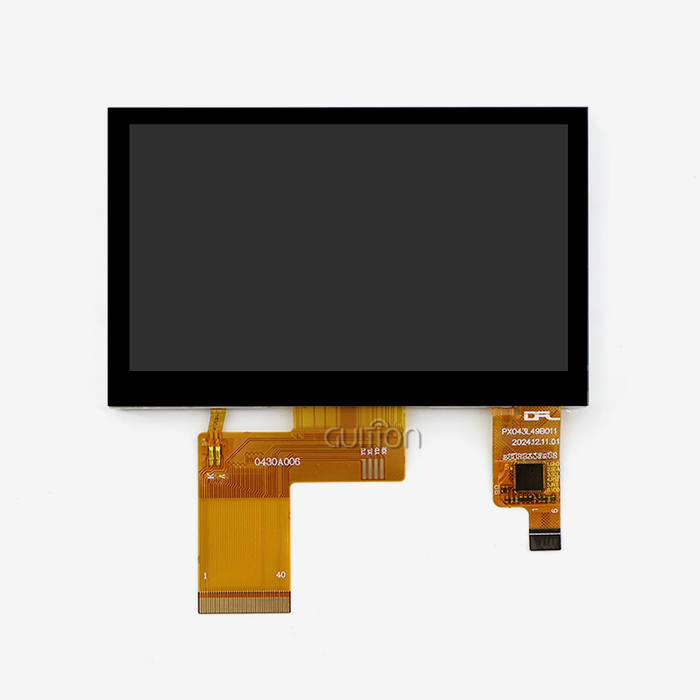
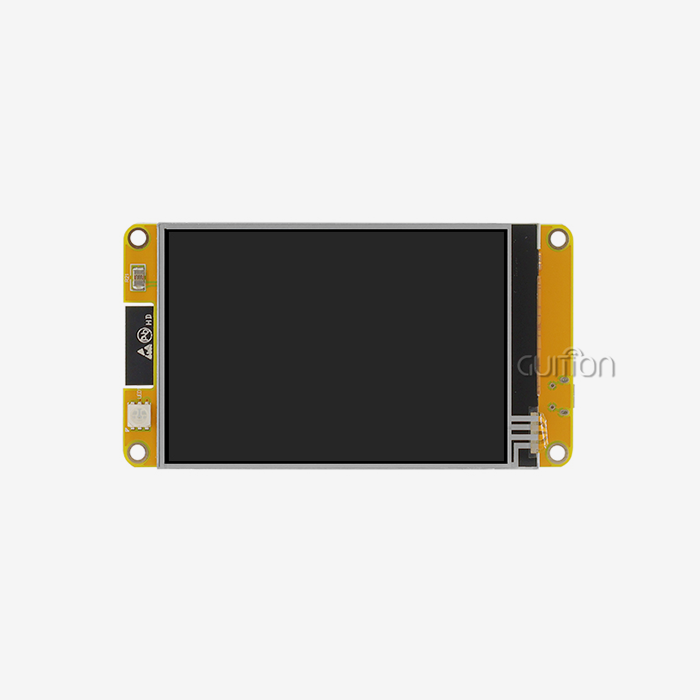
CYD Display Module vs Standard TFT Screen: Key Differences
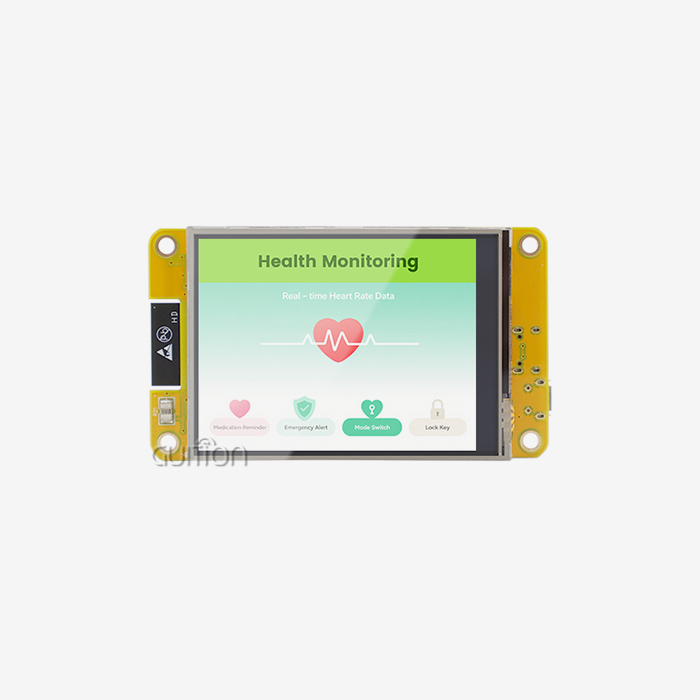
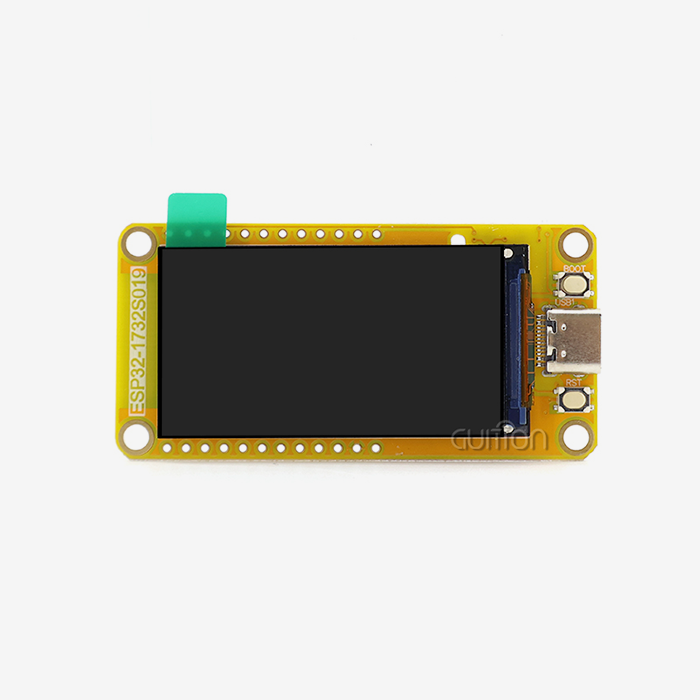
The CYD display module is a completely new way to design embedded displays. It combines advanced touch screens with built-in microcontrollers in a single, small package. Unlike regular TFT screens that need separate controller boards and complicated wiring setups, CYD modules provide smart display functions with built-in ESP32 processors, WiFi connection, and full development support. This combination gets rid of common signal integrity problems and makes it much easier to build systems for industrial automation, the Internet of Things (IoT), and smart devices.
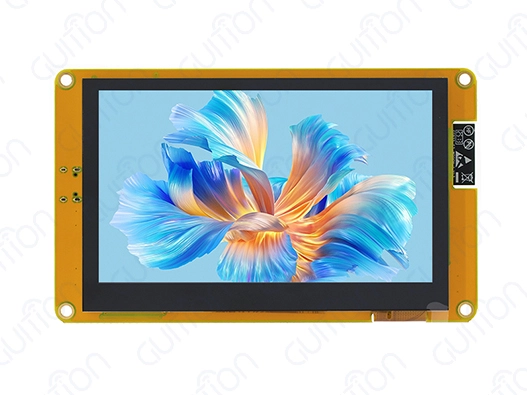
Overview of CYD Display Modules and Standard TFT Screens
Understanding the fundamental architecture differences between these display technologies becomes essential for making informed procurement decisions in today's competitive embedded systems market.
Core Technical Architecture
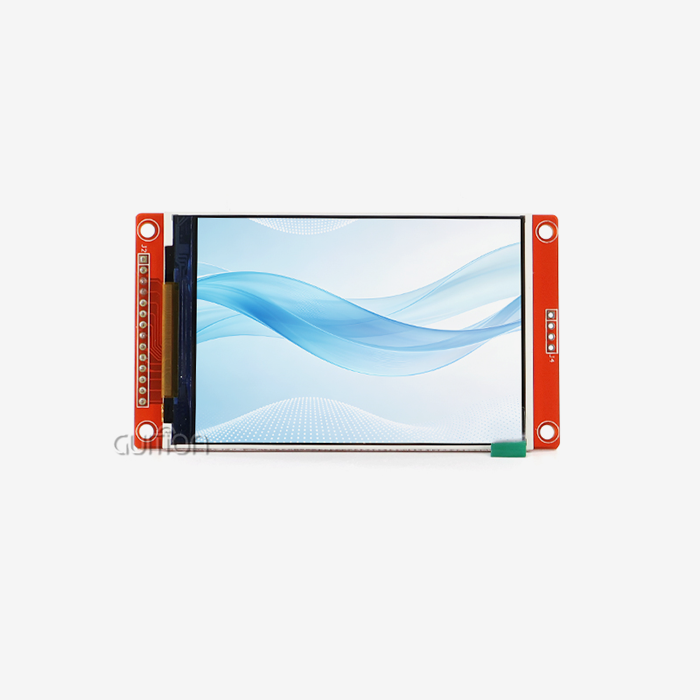
There is a combined System-on-Module (SoM) design in the CYD display module that puts the ESP32-S3R8 dual-core processor, display drivers, touch controls, and peripheral ports on a single PCB. Standard TFT screens, on the other hand, need additional microcontroller units (MCUs) and separate driver circuitry. This method is very different from those. The ESP32-S3R8 can work at speeds of up to 240MHz, which gives it a lot of processing power for making complicated graphical user interfaces and showing real-time data. Standard TFT screens use separate parts, such as LCD driver chips like ILI9341 or ST7789. This means that engineers have to keep track of a lot of different communication methods and where to get the parts. This piecemeal method often results in a more complicated bill of materials (BOM) and possible compatibility problems during the integration stages.
Communication Protocols and Connectivity
One big difference between these display technologies is that modern embedded systems need to be able to communicate in a variety of ways. CYD display modules have built-in Bluetooth v4.2 + BLE and WiFi 802.11 b/g/n connectivity, which makes it easy to connect to IoT platforms and cloud-based tracking systems. Standard transmission methods like SPI, I2C, and UART are supported by the module. This makes it compatible with most microcontroller families, such as the ARM Cortex, AVR, and ESP series. Most traditional TFT screens can talk to each other through SPI or parallel connections, but they don't have built-in wireless features. For network connection, engineers have to add more parts, which makes the system more complicated and uses more power. The Guition ESP32-8048S043C_I model has a 800x480 resolution and capacitive touch functionality, which makes it easier for users to interact with than resistive touch options that are popular in normal TFT implementations.
Development Environment Compatibility
The flexibility of development platforms has a big effect on how quickly projects get done and how productive engineers are. The CYD display module works with many development tools, such as Arduino IDE, ESP-IDF, MicroPython, and Mixly, so it can be used by people with a wide range of programming tastes and levels of skill. This adaptability lets prototypes be made quickly and speeds up the learning process for teams that have to switch between different project needs. Standard TFT screens often need libraries that are specific to the provider and may not work well with other platforms. This can limit development choices and make it more dependent on certain software environments.
Performance Differences Between CYD Display Modules and TFT Screens
Analyzing real-world operational metrics reveals substantial performance advantages that directly impact user experience and system reliability across diverse application scenarios.
Visual Quality and Color Reproduction
The advanced display technology built into CYD display modules provides great color depth with 16-bit RGB support. This makes 65K color displays that are easier to read and keep users interested. The 4.3-inch screen size gives you the best viewing area for industrial control panels while still keeping the small size you need for setups with limited room. Standard TFT screens often have a small color range and uneven light distribution, especially in cases where cost is an issue. The built-in backlight control circuits in CYD modules allow exact adjustments to the brightness, making sure that visibility is ideal in a wide range of lighting conditions, from well-lit factories to dimly lit control rooms.
Processing Power and Response Times
Our modules' dual-core ESP32-S3R8 architecture gives them a lot of computing power for complicated graphics tasks and apps that run in multiple threads. With 512KB SRAM, 384KB ROM, and 8MB PSRAM, engineers can make complex user interfaces that respond to touch and have smooth movements. The 16MB Flash storage can hold large image libraries, fonts, and application files without the need for extra memory. Traditional TFT screens get all of their processing power from outside sources, which can slow things down when the host MCU is doing a lot of things at once. This dependence often leads to slow interface responses and a bad user experience, especially in apps that need to handle a lot of data, like real-time tracking systems or interfaces for industrial automation.
Power Management and Thermal Performance
Energy economy is still very important for devices that run on batteries and places that need to keep cool. CYD display modules have smart power management features, like customizable sleep modes and dynamic frequency scaling, which make the best use of energy based on the needs of the application. The combined design cuts down on the power loss that comes from having a lot of separate parts and links. Having longer battery life directly affects running costs and repair needs, which is why these optimization features are especially useful for remote tracking and portable instruments.
Installation and Programming: Practical Considerations
Practical implementation aspects significantly influence project success rates and development timelines, making installation simplicity a critical evaluation criterion.
Hardware Integration Simplicity
Because CYD display modules are plug-and-play, they don't need the complicated wiring that is usually needed for standard TFT applications. Engineers get pinout setups that are already set up, along with clearly written GPIO assignments, TF card connections, and growth headers. This standardization cuts down on mistakes during merging and speeds up the prototype development process. The module has built-in touch screen controllers and backlight control circuits, so there is no need for extra driver boards and fewer system links. Standard TFT screens need careful thought about how to route signals, distribute power, and deal with electromagnetic interference. This usually means creating custom PCB designs or using breadboard layouts that can have connection stability problems.
Software Development Framework
Our full software support environment includes factory-programmed test apps and large collections of Arduino libraries, so you can check the performance right away after installation. The Guition development platform has visual interface design tools that make it easier to make user interfaces. These tools let you drag and drop components into place and see how they will look in real time. Programming can be done in a number of different environments, so teams can use their current knowledge of the Arduino IDE for quick prototypes or switch to the ESP-IDF for more complex apps that need real-time operating system features. Script-based development is possible with MicroPython support, which makes it good for teaching uses and short iteration cycles.
Troubleshooting and Debugging Support
Cross-platform testing is built into the combined development environment. This lets you diagnose problems and improve code remotely, without having to physically access devices that are already in use. This function is very helpful for field setups where troubleshooting on-site can be hard to do. Comprehensive documentation and expert support tools help with common integration problems. This cuts down on development bottlenecks and project delays caused by compatibility issues or configuration mistakes.
Procurement Insights: Cost, Supply Chain & Warranty
Understanding total cost of ownership and supply chain considerations enables informed procurement decisions that align with budgetary constraints and project timelines.
Pricing Structure and Volume Economics
The CYD display module's price represents its integrated value offer, which combines several parts into a single item that can be bought. Even though CYD modules may cost more per unit at first, they usually end up being cheaper in the long run because they don't need as many external parts and are easier to keep track of. Volume price tiers can handle both small amounts for prototypes and large amounts for production runs, which helps with scalable rollout strategies. Standard TFT displays require additional component procurement including microcontrollers, wireless modules, touch controls, and hardware for connecting them. This method of spread sourcing makes buying things more complicated and could make the supply chain less safe when parts come from different makers with different lead times.
Supply Chain Reliability and Lead Times
Guition keeps up with established production partnerships and methods for managing inventory that make sure products are always available. Because CYD modules are all connected to each other, they don't need to have as many ties with different suppliers. This makes logistics planning easier and cuts down on the work that goes into buying things. When you buy from a factory directly, you don't have to pay the markups that distributors do. You also get real products and direct access to expert help. This method works especially well for projects that need to be customized or that need to install a lot of software at once and need special settings or longer warranty coverage.
Warranty Coverage and Technical Support
We are confident in the quality of our products and their ability to work reliably for a long time, which is shown by our comprehensive guarantee policies that cover both hardware reliability and software support. Technical support includes fixing problems with hardware, helping with software development, and giving advice on how to use applications. It gives peace of mind during complicated project tasks. The support infrastructure includes documentation tools, community forums, and direct engineering contact lines. This makes sure that any technical problems that come up during the development or release steps are fixed quickly.
Why Choose CYD Display Modules Over Standard TFT Screens?
The compelling advantages of integrated smart display solutions become apparent when examining real-world deployment scenarios and long-term operational benefits.
Integration Advantages and System Reliability
CYD display modules' unified design gets rid of many of the places where separate component implementations could go wrong. Integrated design methods almost completely get rid of problems with solder joints, wire connections, and parts that don't work with each other that are common in multi-board systems. This reliability advantage proves particularly valuable in industrial settings where shaking, changing temperatures, and electromagnetic interference can damage the integrity of connections. Military-grade manufacturing standards make sure that systems that automate factories and watch the outdoors always work well, even in harsh circumstances.
Scalability and Future-Proofing
Remote software updates let you keep adding new features and security patches without having to physically reach the device. This feature is very important for spread IoT setups where updating everything by hand would be too hard to handle. Active community development and maker support help the ESP32 environment stay compatible with new communication standards and protocol updates. This ecosystem vitality is different from proprietary TFT systems that might not have long-term support for growth or upgrade paths.
Application-Specific Advantages
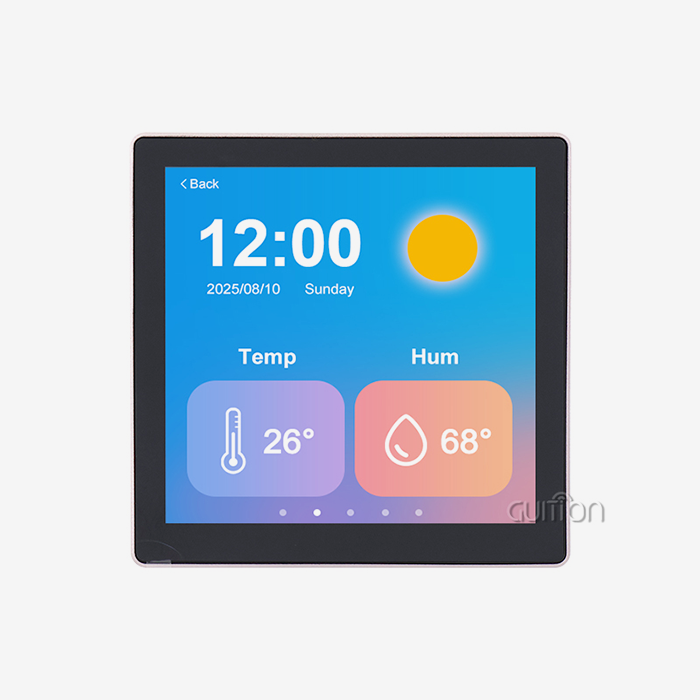
The strong construction and built-in connectivity features make it easy to connect to current control systems and tracking infrastructure, which is good for industrial automation applications. Medical gadget applications use high-resolution displays and precise touch responses, which are necessary for a clear user interface and accurate operation. Integration of WiFi and Bluetooth makes it possible for smart home and consumer goods apps to use them, allowing for configuration and tracking through apps without the need for extra hardware.
Conclusion
The CYD display module is a big change from the old way of using separate parts to using smart displays that are built in and meet the needs of current embedded systems. By looking closely at all the differences, the benefits of unified design, built-in connectivity, and easier development processes make it clear that they are valuable for IoT applications, industrial automation, and consumer electronics. CYD modules are the best choice for projects that need stable performance, fast development processes, and the ability to grow in the future because they have powerful ESP32-S3R8 processing powers, easy-to-use development environments, and strong supply chain support.
FAQ
Q: What makes CYD display modules different from standard TFT screens?
A: CYD display modules integrate microcontroller functionality, wireless connectivity, and display drivers into a unified package, while standard TFT screens require separate controller boards and external components for complete system functionality.
Q: Which development environments support CYD module programming?
A: The modules support Arduino IDE, ESP-IDF, MicroPython, and Mixly development environments, providing flexibility for different programming preferences and skill levels.
Q: How does power consumption compare between CYD modules and standard TFT displays?
A: CYD modules have smart power management features like sleep modes and dynamic frequency scaling that often lead to lower overall system power usage even though they have processing power built in.
Partner with Guition for Advanced Display Solutions
Ready to revolutionize your next project with cutting-edge display technology? Guition's CYD display module ESP32-8048S043C_I delivers unmatched integration, performance, and development simplicity for your embedded applications. Contact our engineering team at david@guition.com to discuss your specific requirements and discover how our CYD display module manufacturer capabilities can accelerate your development timeline while ensuring superior product quality and reliability.
References
1. Johnson, Mark. "Embedded Display Technologies: Comparative Analysis of Integrated vs. Discrete Solutions." Journal of Electronic Engineering, 2024.
2. Chen, Lisa. "ESP32-Based Smart Display Systems: Performance Metrics and Industrial Applications." IEEE Transactions on Industrial Electronics, 2024.
3. Williams, Robert. "Cost-Benefit Analysis of Integrated Display Modules in IoT Device Development." International Conference on Embedded Systems, 2024.
4. Anderson, Sarah. "Touch Interface Technologies: Capacitive vs. Resistive Performance in Industrial Environments." Industrial Automation Review, 2024.
5. Thompson, David. "Supply Chain Optimization for Embedded Display Components: Single-Source vs. Multi-Vendor Strategies." Procurement Management Quarterly, 2024.
6. Kumar, Raj. "Wireless Connectivity Integration in Modern HMI Systems: Technical Implementation and Performance Analysis." Embedded Systems Design Magazine, 2024.
Learn about our latest products and discounts through SMS or email