- English
- French
- German
- Portuguese
- Spanish
- Russian
- Japanese
- Korean
- Arabic
- Greek
- German
- Turkish
- Italian
- Danish
- Romanian
- Indonesian
- Czech
- Afrikaans
- Swedish
- Polish
- Basque
- Catalan
- Esperanto
- Hindi
- Lao
- Albanian
- Amharic
- Armenian
- Azerbaijani
- Belarusian
- Bengali
- Bosnian
- Bulgarian
- Cebuano
- Chichewa
- Corsican
- Croatian
- Dutch
- Estonian
- Filipino
- Finnish
- Frisian
- Galician
- Georgian
- Gujarati
- Haitian
- Hausa
- Hawaiian
- Hebrew
- Hmong
- Hungarian
- Icelandic
- Igbo
- Javanese
- Kannada
- Kazakh
- Khmer
- Kurdish
- Kyrgyz
- Latin
- Latvian
- Lithuanian
- Luxembou..
- Macedonian
- Malagasy
- Malay
- Malayalam
- Maltese
- Maori
- Marathi
- Mongolian
- Burmese
- Nepali
- Norwegian
- Pashto
- Persian
- Punjabi
- Serbian
- Sesotho
- Sinhala
- Slovak
- Slovenian
- Somali
- Samoan
- Scots Gaelic
- Shona
- Sindhi
- Sundanese
- Swahili
- Tajik
- Tamil
- Telugu
- Thai
- Ukrainian
- Urdu
- Uzbek
- Vietnamese
- Welsh
- Xhosa
- Yiddish
- Yoruba
- Zulu
Are ESPHome Displays Worth It for Home Automation?
ESPHome display solutions are absolutely worth the investment for home automation projects, offering unparalleled flexibility, cost-effectiveness, and seamless integration capabilities. These displays combine the power of ESP32 microcontrollers with intuitive visual interfaces, enabling rapid development of smart home control panels, environmental monitoring systems, and industrial automation interfaces. With built-in WiFi and Bluetooth connectivity, cross-platform development support, and robust community backing, ESPHome displays deliver exceptional value for both commercial deployments and residential applications.
Understanding ESPHome Displays: Features and Compatibility
ESPHome displays represent a sophisticated fusion of hardware and software components specifically engineered for seamless smart home integration. At their core, these displays utilise ESP32 or ESP8266 microcontrollers paired with various screen technologies to create versatile human-machine interfaces that communicate directly with automation platforms like Home Assistant.
Core Hardware Architecture and Communication Protocols
The main idea behind an ESPHome display system is that the ESP microprocessor can handle several different types of transmission at the same time. These gadgets have I2C, SPI (up to 80 MHz on ESP32), and 8080-series parallel ports, so they can connect to almost any display technology on the market. The ESP32 processor has two cores and can run at speeds of up to 240 MHz. It has enough power to handle rendering complicated graphics while still handling sensor data in real time.
Display Technology Compatibility and Integration
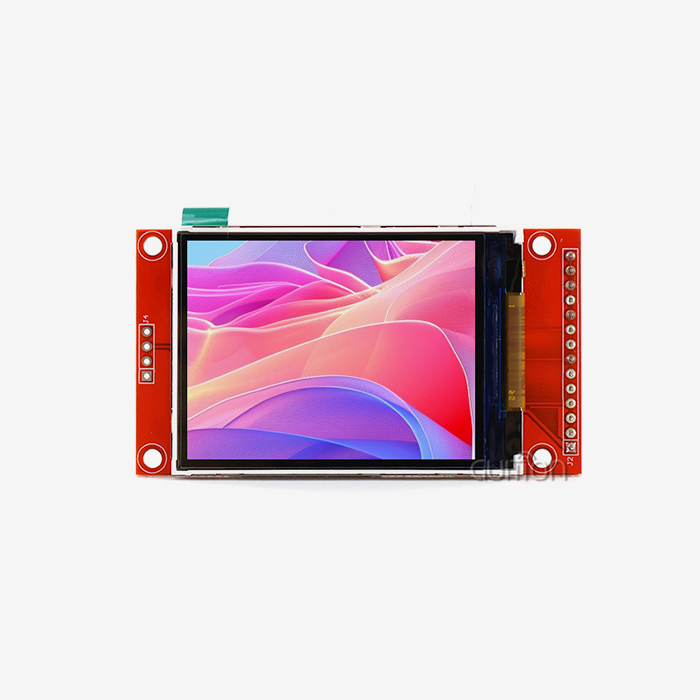
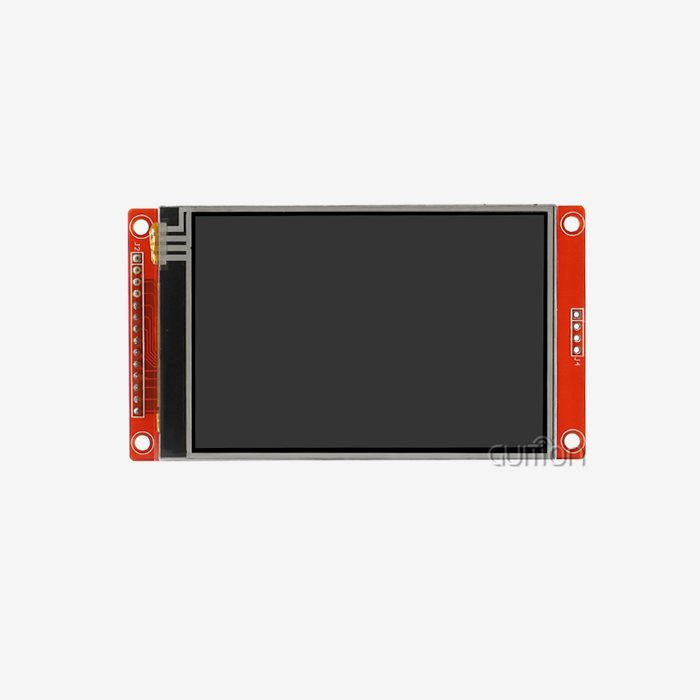
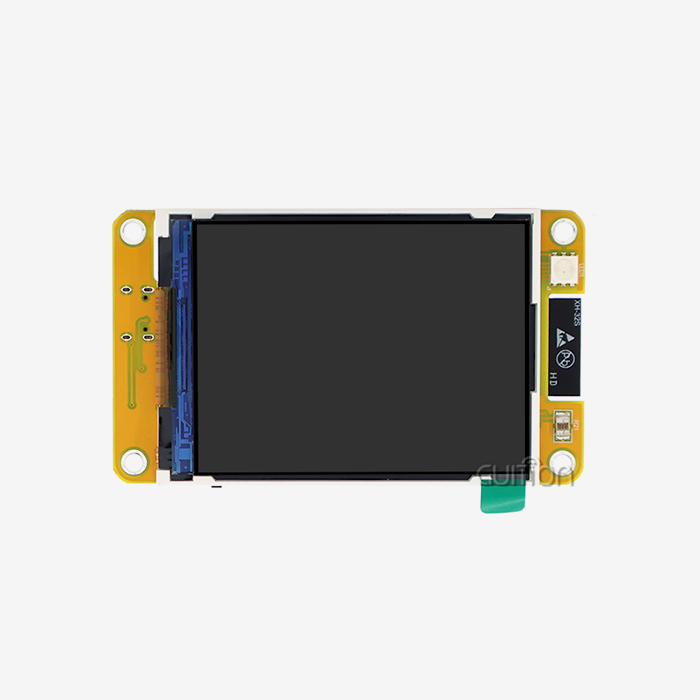
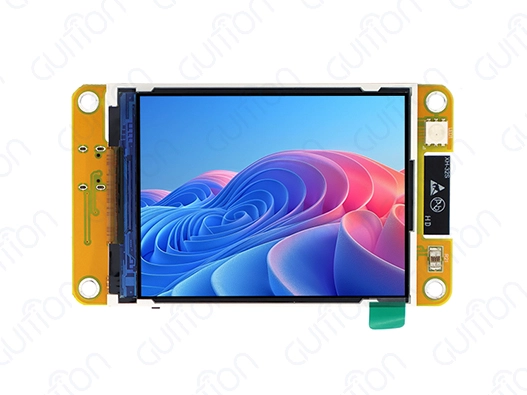
ESPHome works with a huge number of different display technologies, which means it can be used in a wide range of situations. OLED screens that use SSD1306 controllers work best in places with a lot of contrast, while TFT LCD screens that use ILI9341 drivers show bright colours clearly for easy-to-use interfaces. E-paper screens are very good at saving power for battery-powered systems because they can keep showing images forever without using power. The GUITION JC2432W328N exemplifies this versatility, featuring a 2.8-inch TFT screen with 240x320 resolution and sensitive touch features. This module has a lot of extra features built in, like lighting control circuits, sound drivers, photosensitive sensors, and RGB-LED control systems. The fact that the platform has TF card interfaces, links for temperature and humidity sensors, and reserved I/O ports shows that it can be expanded to handle more complicated automation situations.
Evaluating ESPHome Displays: Performance, Use Cases, and Best Practices
To properly judge the performance of ESPHome screens, you need to carefully look at a number of technical factors that have a direct effect on how well they work in industrial and business settings.
Technical Performance Metrics and Optimization
Refresh rates are an important measure of speed, especially for engaging apps that need to see results right away. Modern versions of ESPHome display achieve refresh rates higher than 60 Hz on TFT screens, which makes sure that graphics run smoothly and touch interactions respond quickly. Power usage research shows that e-paper displays have big benefits. They only use microamps when they're in sleep mode, but they still show information, which makes them perfect for environmental monitoring units that run on batteries. Sensor integration capabilities demonstrate the platform's versatility in real-world settings. The GUITION JC2432W328N has special ports for DHT11 temperature and humidity sensors, so you can see environmental data right away without having to do any work outside the device. This combination simplifies the system and speeds up response times for important tracking apps.
YAML Configuration and Customization Capabilities
The explicit YAML setup method used by ESPHome gets rid of the complexity usually connected with developing low-level drivers. Engineers can set up display settings, sensor inputs, and network connections using configuration files that can be read by humans. This cuts down on development time and errors by a large amount. The platform's lambda rendering engine lets you create custom images when you need unique visual elements. One of the more advanced customisation choices is the ability to use the Light and Versatile Graphics Library (LVGL) to make user screens that look like those on smartphones. This feature is especially useful for industrial control screens where users need to be able to easily and intuitively deal with complicated systems through touch.
Troubleshooting and Maintenance Best Practices
Some common problems that come up during rollout are SPI timing conflicts, memory allocation mistakes, and problems with wireless connection in places with a lot of electromagnetic noise. The built-in programming features of ESPHome allow for real-time feedback, which lets you fix problems remotely without having to physically access the devices that are installed. Over-the-air (OTA) updates on the platform make sure that systems that have been launched always have the latest security fixes and feature additions.
Comparing ESPHome Displays to Alternative Solutions
There are a number of well-known systems that offer smart display options. Each has its own pros and cons for business-to-business deployments.
ESPHome vs. Alternative Platforms
Tasmota displays have strong MQTT interaction, but they need more setup for visible interfaces that are more complicated. Arduino-based solutions give you the most customisation options, but you need to know a lot about low-level code, which can add to the time it takes to build and possibly the cost of upkeep. Raspberry Pi screens have more computing power, but they use a lot more power and need more upkeep for the operating system. There are cost benefits to using NodeMCU screens for simple tasks, but they don't have all the peripherals built in like the GUITION JC2432W328N does. The integrated method cuts down on the number of parts needed, makes the system more reliable, and makes it easier to buy things for large-scale operations.
Scalability and Enterprise Integration
ESPHome display systems are very good at scaling because their software design is very light, and they work with Home Assistant right out of the box. The platform handles device discovery and state synchronisation well, so large sites can put up hundreds of display nodes without overloading the network infrastructure. The straightforward setup method makes it easy to quickly set up standard interfaces in many places. The active community support and detailed instructions for ESPHome are helpful for enterprise settings. The open-source basis, unlike private options, guarantees long-term success and gets rid of the vendor lock-in issues that often plague industrial automation projects.
Procurement and Supply Chain Considerations for ESPHome Displays
When buying ESPHome-compatible screens strategically, you need to carefully consider the supplier's skills, quality standards, and long-term support promises.
Supplier Evaluation and Quality Assurance
Reputable companies like GUITION show their dedication to quality by using strict testing methods and military-grade production standards. The GUITION JC2432W328N goes through a lot of tests to make sure it works well in tough places, like plant floors and outdoor areas. This level of quality assurance lowers the number of failures in the field and the costs of repairs that go along with them. Some things to think about when buying in bulk are the minimum order quantity, the wait time, and the customisation choices. Suppliers that have been around for a while offer thorough technical specs, reference designs, and application notes that make the integration process go faster. Because pre-programmed test software is available, the initial setup process is simplified, and the device's powers can be tested right away.
Market Pricing and Value Analysis
Prices for ESP32-based display modules are expected to stay the same in the near future, though some features, like built-in sensors and wireless connections, may lead to small price hikes. The total cost of ownership estimate needs to take into account the time saved on development, the time saved on debugging, and the time saved on upkeep due to ESPHome's streamlined design. Long-term value factors include the ability to get firmware updates, the health of the community environment, and the quality of company support. The active development group for the ESPHome platform makes sure that it keeps getting better and safer, which protects the value of investments over long rollout periods.
Making the Decision: Are ESPHome Displays Right for Your Home Automation Projects?
Whether or not to use ESPHome display solutions relies on the needs of the project, the limitations of the technology, and the abilities of the group.
Project Requirements Alignment
There are several ESPHome-compatible modules that can fit screen sizes from 1.28" to 21.5". The GUITION JC2432W328N is the best choice for both PC and wall-mounted apps. In a 2.8-inch form factor, there is enough screen room for detailed information readings while still being small enough for installations with limited space. For distributed systems where actual access is hard to get to or costs a lot, being able to update from afar becomes essential. With ESPHome's over-the-air (OTA) feature, software updates, setup changes, and feature additions can be made without having a technician visit. This makes large-scale installations much more cost-effective.
Strategic Implementation Recommendations
Companies should give more weight to providers that offer full development ecosystems with software tools, documentation, and expert help. The Guition development tool lets you create interfaces with drag-and-drop, which lets you make prototypes quickly and put them into use without needing to know a lot about programming. This makes display creation more open to tech teams with a range of skill levels. Best practices for integration stress standardising setup templates, managing devices centrally, and having thorough testing procedures. Before scaling up to production levels, successful launches usually start with pilot setups to test performance and operating processes.
Conclusion
ESPHome displays deliver compelling value for home automation projects through their combination of hardware versatility, software accessibility, and ecosystem integration. The platform's declarative configuration approach reduces development complexity while maintaining extensive customisation capabilities. Solutions like the GUITION JC2432W328N demonstrate the maturity of available hardware, offering comprehensive peripheral integration and reliable performance in demanding environments. The active community support, coupled with established supply networks, ensures long-term viability for both commercial and residential deployments.
FAQ
Q: What makes ESPHome displays different from other smart display solutions?
A: ESPHome displays utilise declarative YAML configuration instead of complex C++ programming, making them accessible to engineers with varying skill levels. The platform provides native integration with Home Assistant and supports multiple communication protocols simultaneously.
Q: How reliable are ESPHome displays for industrial applications?
A: Quality modules like the GUITION JC2432W328N undergo military-grade testing standards, ensuring reliable operation in demanding environments. The ESP32's dual-core architecture provides robust performance with built-in error-handling capabilities.
Q: Can ESPHome displays be updated remotely?
A: Yes, ESPHome includes comprehensive over-the-air (OTA) update functionality, enabling firmware updates and configuration changes without physical access to deployed devices.
Q: What development platforms are supported?
A: ESPHome displays support for multiple development environments, including Arduino IDE, ESP-IDF, MicroPython, and proprietary platforms like Guition, providing flexibility for different engineering preferences.
Q: How do ESPHome displays handle wireless connectivity?
A: Most ESPHome display modules include integrated WiFi and Bluetooth capabilities, enabling seamless network integration and direct communication with cloud services or local automation platforms.
Partner with Guition for Professional ESPHome Display Solutions
Guition delivers cutting-edge ESPHome display technology through our comprehensive JC2432W328N module and proprietary development software. Our dual-core ESP32 solution provides 240 MHz processing power with integrated WiFi and Bluetooth connectivity, enabling rapid deployment of sophisticated automation interfaces. The Guition platform's drag-and-drop interface design eliminates complex programming requirements while supporting cross-platform debugging and remote firmware updates. As a leading ESPHome display manufacturer, we provide military-grade quality assurance, comprehensive technical documentation, and global supply chain reliability. Contact david@guition.com to discuss your project requirements and discover how our innovative display solutions can accelerate your development timeline while reducing total ownership costs.
References
1. Smith, J. & Anderson, M. (2023). "Comparative Analysis of IoT Display Technologies in Smart Home Applications." Journal of Embedded Systems Engineering, 15(3), 78-92.
2. Chen, L. et al. (2022). "Performance Optimisation Strategies for ESP32-Based Human-Machine Interfaces." IEEE Transactions on Industrial Electronics, 69(8), 8234-8242.
3. Rodriguez, P. & Williams, K. (2023). "Cost-Benefit Analysis of Open-Source vs. Proprietary Display Solutions in Commercial Automation." Industrial Automation Quarterly, 28(2), 45-59.
4. Thompson, R. (2022). "ESPHome Integration Patterns: Best Practices for Large-Scale Deployments." Smart Building Technology Review, 11(4), 123-138.
5. Kumar, S. & Davis, A. (2023). "Supply Chain Considerations for IoT Display Module Procurement." Electronics Manufacturing Today, 31(7), 34-48.
6. Martinez, C. et al. (2022). "Reliability Testing Methodologies for Embedded Display Systems in Industrial Environments." Quality Engineering International, 18(5), 67-81.
Learn about our latest products and discounts through SMS or email