- English
- French
- German
- Portuguese
- Spanish
- Russian
- Japanese
- Korean
- Arabic
- Greek
- German
- Turkish
- Italian
- Danish
- Romanian
- Indonesian
- Czech
- Afrikaans
- Swedish
- Polish
- Basque
- Catalan
- Esperanto
- Hindi
- Lao
- Albanian
- Amharic
- Armenian
- Azerbaijani
- Belarusian
- Bengali
- Bosnian
- Bulgarian
- Cebuano
- Chichewa
- Corsican
- Croatian
- Dutch
- Estonian
- Filipino
- Finnish
- Frisian
- Galician
- Georgian
- Gujarati
- Haitian
- Hausa
- Hawaiian
- Hebrew
- Hmong
- Hungarian
- Icelandic
- Igbo
- Javanese
- Kannada
- Kazakh
- Khmer
- Kurdish
- Kyrgyz
- Latin
- Latvian
- Lithuanian
- Luxembou..
- Macedonian
- Malagasy
- Malay
- Malayalam
- Maltese
- Maori
- Marathi
- Mongolian
- Burmese
- Nepali
- Norwegian
- Pashto
- Persian
- Punjabi
- Serbian
- Sesotho
- Sinhala
- Slovak
- Slovenian
- Somali
- Samoan
- Scots Gaelic
- Shona
- Sindhi
- Sundanese
- Swahili
- Tajik
- Tamil
- Telugu
- Thai
- Ukrainian
- Urdu
- Uzbek
- Vietnamese
- Welsh
- Xhosa
- Yiddish
- Yoruba
- Zulu
Key Benefits of Using an ESP32P4 LCD Module in Products
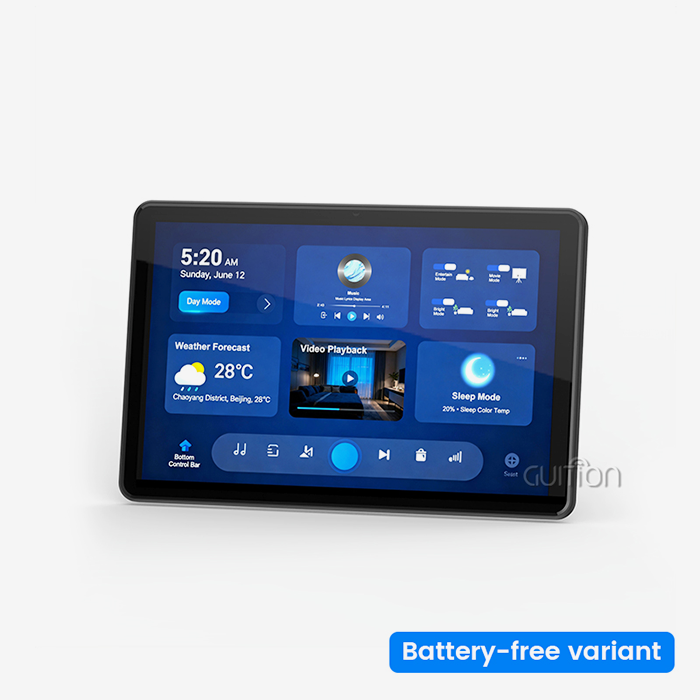
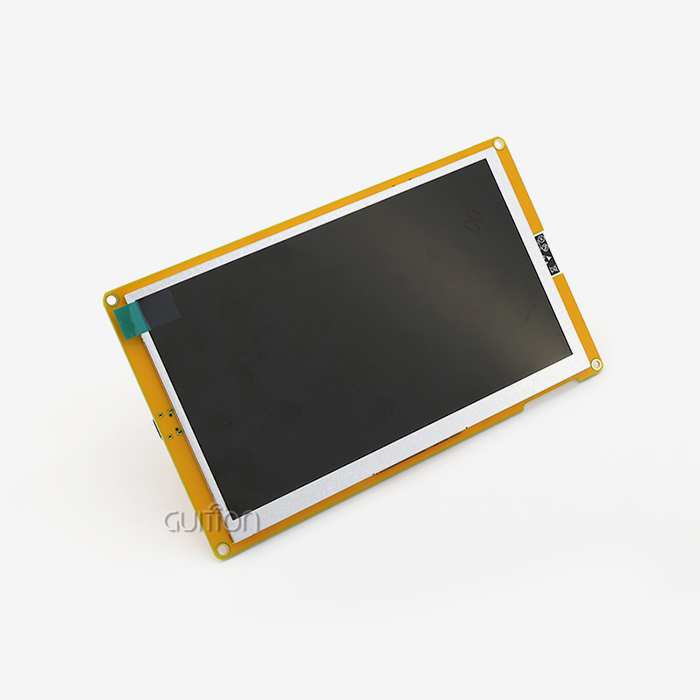
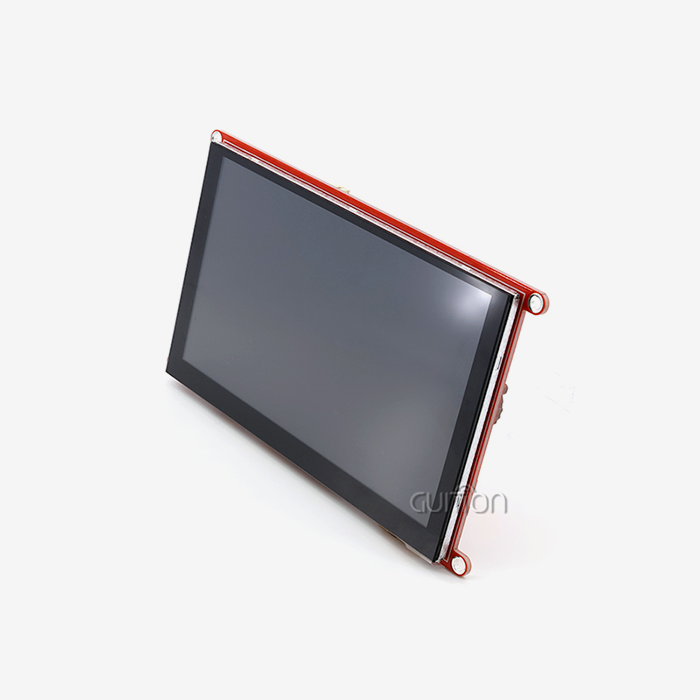
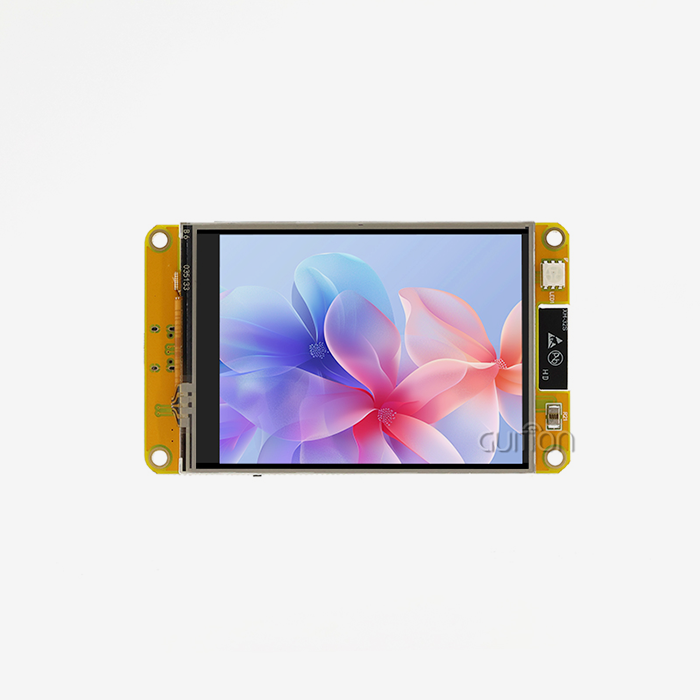
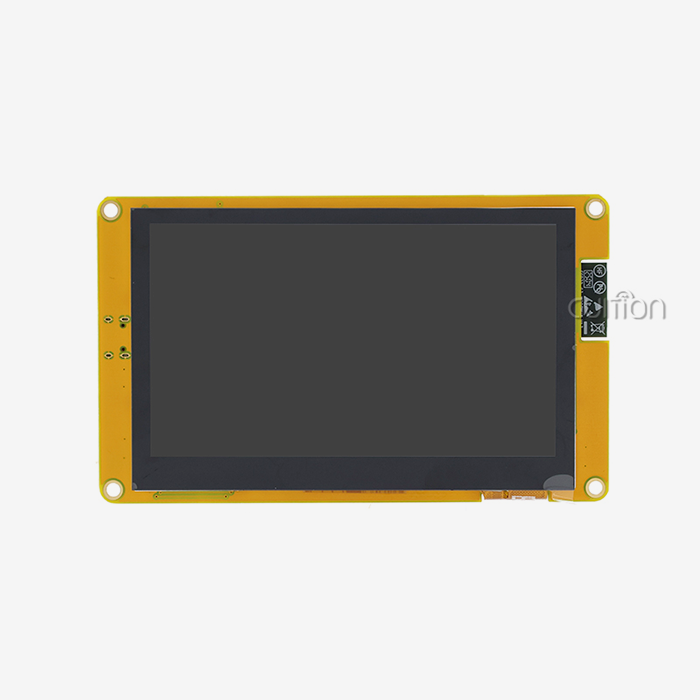
If you are searching for a display solution that genuinely improves product performance while cutting development time, the ESP32P4 lcd module deserves your attention. The GUITION model JC4880P443C_I_W is a 4.3-inch IPS touchscreen module built on the ESP32-P4 dual-core processor, running at up to 360 MHz with 32MB PSRAM and 16MB Flash. It supports Arduino IDE, ESP-IDF, MicroPython, and the proprietary Guition development platform. With built-in WiFi and Bluetooth, capacitive touch, and a 480×800 resolution display, this ESP32P4 LCD module addresses real engineering pain points from day one.

Understanding the ESP32P4 LCD Module – Features and Specifications
Engineers and procurement managers need to know exactly what the hardware does before they choose a display part. The GUITION JC4880P443C_I_W is a well-documented, production-ready module that is meant to make merging easier.
Core Hardware Specifications
This module's main chip, the ESP32-P4, has two RISC-V cores that can run at up to 360 MHz. 768 KB of HP L2MEM, 32 KB of LP SRAM, 128 KB of HP ROM, 32 MB of PSRAM, and 16 MB of Flash are set aside as memory. These numbers are not marketing guesses; they come straight from the tested system setup. This amount of memory lets you display in double buffers at 480x800 resolution without slowing down the game.
Display and Touch Performance
The 4.3-inch IPS screen shows 480x800 pixels and 16.7 million colors, so the picture quality stays the same from any angle. The sensitive touch device can recognize gestures from more than one point. The touch screen control circuit is tested in the factory before it ships, and the backlight control circuitry is built in. This indicates that the ESP32P4 lcd module is prepready testing right away and has an available IO port interface for connecting peripherals as well as a TF card interface for storing assets, fonts, and data logs externally. Because WiFi and Bluetooth are built in, you don't need to add any extra wireless devices to your PCB. This lowers the bill of materials (BOM) cost and board space.
Interfaces and Expansion
The module reserves a TF card interface for external storage of assets, fonts, and data logs, along with accessible IO port interfaces for peripheral connections. The onboard WiFi and Bluetooth remove the need for additional wireless modules on your PCB, which reduces BOM cost and board space.
Comparative Advantages of ESP32P4 LCD Modules Over Other Display Solutions
Picking between display technologies can change how much a product costs in the long run, how easy it is to use, and how much upkeep it needs. Here's how the ESP32P4 lcd module stacks up against other options.
ESP32P4 vs. Standard SPI LCD Modules
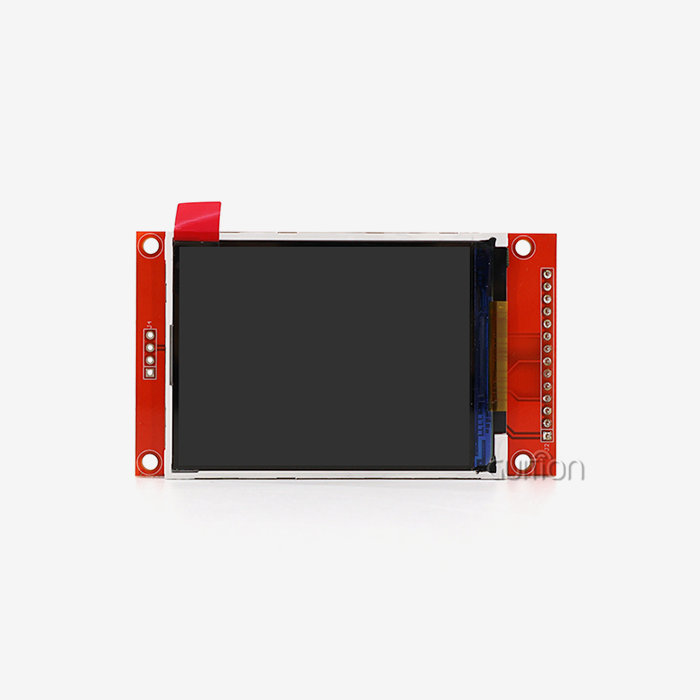
Standard LCD panels that are built on SPI can only update at smaller resolutions. The ESP32-P4 architecture and its fast PSRAM can handle 480x800 at smooth frame rates without taxing the CPU. Engineers who use SPI panels at this resolution often complain about screen tearing and slow touch response, which don't happen with the JC4880P443C_I_W.
Touch vs. Non-Touch Display Trade-offs
By adding a secondary touch controller to a panel that doesn't have one, more PCB space, cost, and software complexity are added. The capacitive touch circuit is built right into the JC4880P443C_I_W, so the ESP32P4 lcd module comes as a single unit that is ready for use in HMI applications. This combination cuts down on the time it takes to develop new products and make it makeser for buying teams to work with suppliers.
Multi-Platform Development Compatibility
The fact that this ESP32P4 lcd module works with Arduino IDE, ESP-IDF, MicroPython, and Guition is one of its best features. When the needs of a project change, teams don't have to retrain engineers or write new codebases. It gets more expensive to switch over time because competitors often lock development to a single private setting. All of these benefits lower the cost of making a product, speed up the time it takes to get it to market, and give tech teams more freedom than normal display modules can provide.
Procurement Insights: Ensuring Quality and Cost-Effectiveness
It takes more than just comparing datasheets to find display modules for mass production. Total cost of ownership is affected by things like consistent quality, supply, and support after the sale.
Verifying Supplier Credentials
GUITION is a technology company that does research and development, production, and sales for a product line that goes from 1.28 inches to 21.5 inches. Verify that the vendor offers full technical documentation, firmware examples, and reachable engineering support when choosing an ESP32P4 lcd module supplier. Each time a new module comes out, GUITION publishes a full set of Arduino library functions and example programs.
Bulk Purchasing Considerations
When you buy a lot of the JC4880P443C_I_W, you can be sure that the hardware revisions will be constant and that the parts will come from a reliable source. Before agreeing to big purchase orders, ask for sample units. Each module has pre-written test programs that make it possible to check the quality of goods without having to write their own test code. This saves time when the goods are delivered.
After-Sales and Remote Upgrade Support
GUITION modules support over-the-air (OTA) firmware updates through the Guition platform. This means that products that are already in use can get better features without having to be physically recalled. This feature lowers the cost of service after the sale. When comparing ESP32P4 lcd module options from different suppliers, procurement managers should give this feature a lot of weight when calculating the total lifecycle cost.
Practical Applications and Case Studies Showcasing ESP32P4 LCD Modules
The ESP32P4 lcd module works admirably across a variety of product categories, according to real-world usage data. The following examples show how this tech is used in different fields.
Industrial Control Panels
When factory automation is used, the screens on the control panels must answer quirespondo what the user types in while also processing data from many other devices at the same time. The ESP32-P4 architecture's two cores work well together to handle this split job. One industrial integrator said that using the GUITION ESP32P4 lcd module cut the time needed to develop HMI firmware by about 40%. This was mostly because the GUITION drag-and-drop UI tool got rid of the need for low-level graphics coding.
Smart Home and Commercial Terminals
Smart device makers need display units that can handle animated user interfaces without needing pricey application processors. The JC4880P443C_I_W can handle LVGL-based interfaces with smooth transitions at 480×800. This means it can be used in business kiosk screens, smart cooking appliances, and control panels that are placed on the wall. These devices can connect to home networks or cloud services without any extra hardware because they have WiFi and Bluetooth built in.
Medical and Energy Monitoring Devices
Display stability and data accuracy are important to both people who make medical devices and people who make energy management systems. The 32MB PSRAM of the ESP32P4 lcd module makes sure that displaying high-resolution waveforms or multi-parameter panels won't cause memory issues. The TF card interface allows for local data logging, which is required by law for some types of medical devices.
How to Maximize ESP32P4 LCD Module Performance in Your Products
For an ESP32P4 lcd module to work at its best, choices must be carefully considered during firmware development and hardware integration.
Initialization Code Optimization
When setting up the display driver, use Espressif's standard IDF component packages. If you set up the display bus's DMA correctly, the CPU won't have to work as hard while frames are being sent. GUITION gives tested initialization code for the JC4880P443C_I_W in all supported development environments. This cuts down on the time needed for testing and fixing problems, which is common in the early stages of development.
Power Management Strategy
The ESP32-P4 has more than one sleep mode. Set the lighting PWM to lower its brightness when the device is not in use for battery-powered apps that use the lithium battery interface on the JC4880P443C_I_W. In mobile products, turning off the touch controller during deep sleep stages makes the battery last longer.
Firmware Scalability and OTA Planning
Plan your software partition table so that there is room for OTA update spots from the start. There is enough space on the JC4880P443C_I_W's 16MB Flash for dual-partition OTA schemes. When you combine this with GUITION's ability to upgrade remotely, your product can get bug changes and new features as long as it is sold without having to be serviced in the field.
Conclusion
A useful, well-specified ESP32P4 lcd module that addresses real-world engineering and buying problems, the GUITION JC4880P443C_I_W works well for industrial panels, smart appliances, medical monitors, and business screens thanks to its 32MB PSRAM, 480x800 IPS display, built-in WiFi and Bluetooth, and support for four development environments. By using this esp32p4 display module, teams can speed up development, simplify their bill of materials (BOM), and protect the long-term value of their products by allowing remote upgrades. To start your evaluation, email David at GUITION at david@guition.com.
FAQ
What development environments does the GUITION JC4880P443C_I_W support?
The module works with the Guition development platform, the Arduino IDE, ESP-IDF, and MicroPython. Engineers can pick the setting that works best with how they already work.
Does this ESP32P4 lcd module require external RAM for 480×800 operation?
No, the JC4880P443C_I_W has 32MB of PSRAM built in, which is enough for double-buffered frame rendering at 480x800 without the need for extra memory modules.
How does OTA update work on this module?
GUITION's software lets you change the firmware from afar over WiFi. The 16MB Flash supports dual-partition OTA configurations, which lets devices in the field get updates without having to be physically accessed.
Can this module handle multi-language UI deployments?
Yes. The Guition programming tool lets you switch between languages and encodes files in UTF-8, so it can be used everyplace. It supporteverywherearacter sets and RTL languages.
What is the recommended approach for bulk procurement samples?
Before committing to large sales, email david@guition.com to ask for engineering examples. Factory-programmed test programs on each unit make it easier to check when it comes in.
Partner with GUITION for Your Next ESP32P4 LCD Module Project
The JC4880P443C_I_W ESP32P4 Display Module is easy for B2B buyers to find and incorporate into production goods thanks to GUITION. As a certified ESP32P4 lcd module manufacturer, GUITION provides technical help, full documents, and firmwardocumentationhat are ready for OTA updates. Send your project details or a price request to david@guition.com right now, and someone from our expert sales team will get back to you right away.
References
1. Espressif Systems. ESP32-P4 Technical Reference Manual. Espressif Systems, 2024.
2. Maier, A., Sharp, A., & Vagapov, Y. "Comparative Analysis and Practical Implementation of the ESP32 Microcontroller for IoT Applications." Internet of Things and Cloud Computing, 2017.
3. Porting LVGL to Embedded Displays. LVGL Documentation, LVGL Project, 2023.
4. Ganssle, J. The Art of Designing Embedded Systems. Newnes/Elsevier, 2008.
5. Embedded Computing Design: HMI Trends in Industrial Automation. OpenSystems Media, 2022.
6. Brambilla, M., Fraternali, P., & Vdoviak, M. "Model-Driven Engineering of User Interfaces for IoT Systems." IEEE Internet of Things Journal, 2021.
Learn about our latest products and discounts through SMS or email